Some questions stick with us no matter how busy life gets. They pop into our heads at random moments, spark debates with friends, or leave us wondering why no one ever seems to have a clear answer. From oddly philosophical to weirdly hilarious facts, these are the kinds of thoughts that make us pause and look at the world a little differently. We’ll dive into those nagging questions that feel small but somehow linger in the back of our minds. They touch on everyday mysteries, random observations, and answer some of life’s most curious unanswered questions. Let’s take a look at 25 questions everyone wants the answer to.
1. How did life begin on Earth in the first place?
via picryl.com
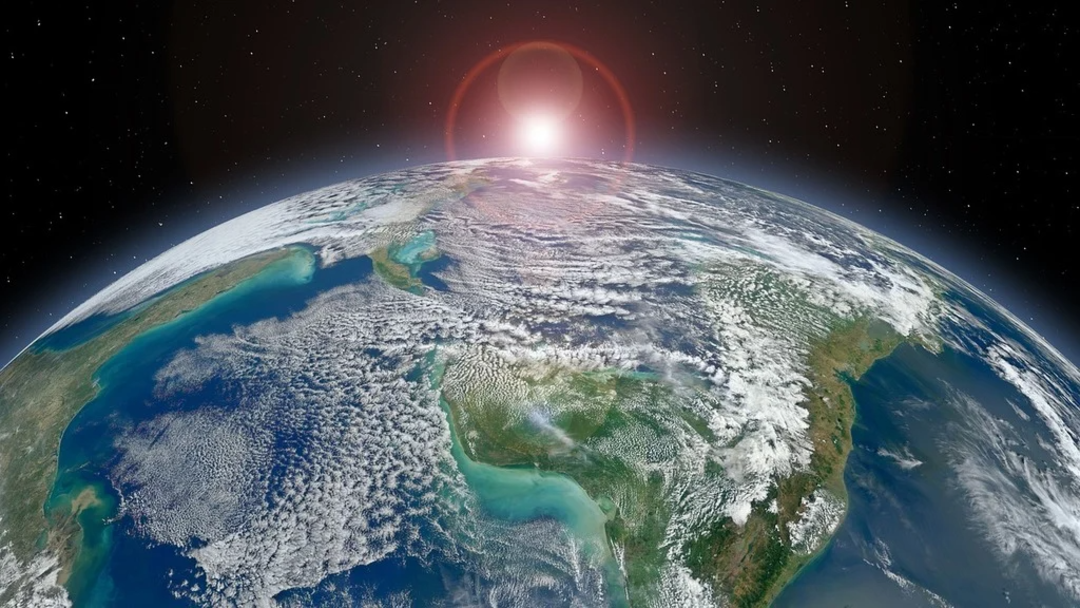
Scientists believe simple chemicals combined in ancient oceans to form molecules capable of copying themselves. Energy from lightning, volcanic activity, and sunlight may have powered these reactions. Over millions of years, these molecules evolved into the more complex and organized tiny cell-like structures.
2. Why does time feel faster when we’re having fun and slow when we’re bored?
vianeedpix.com
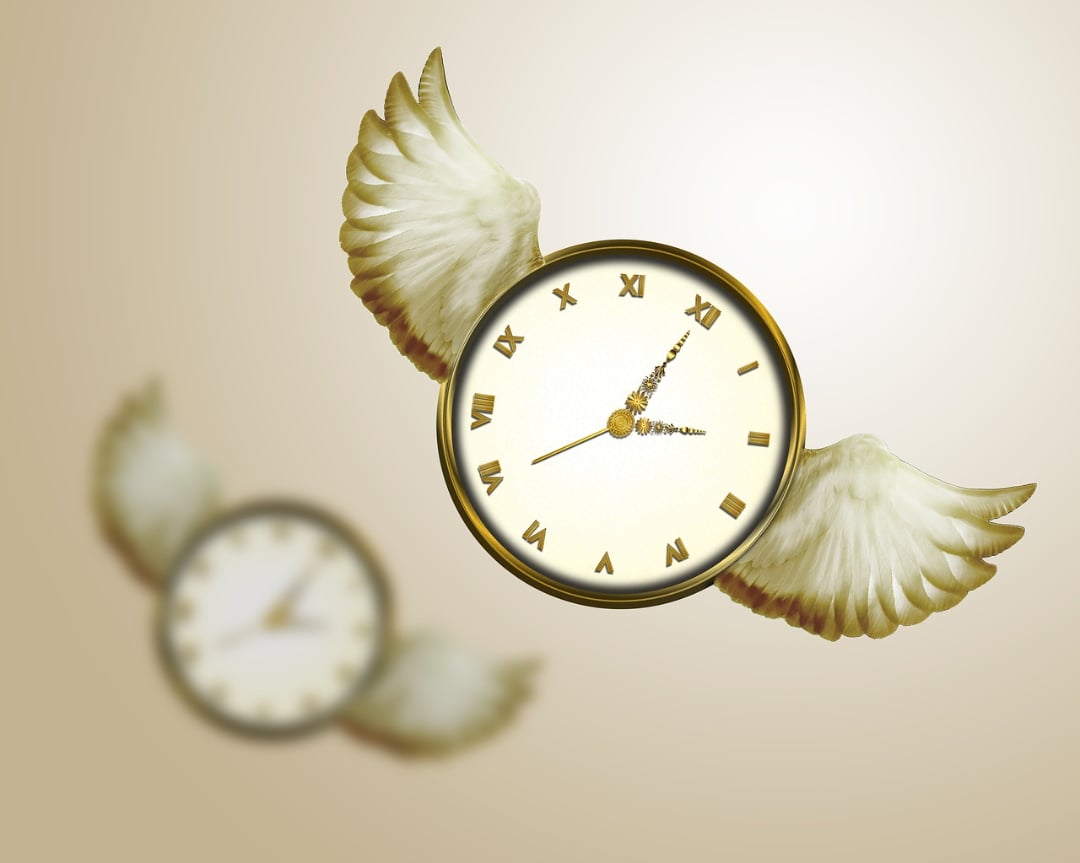
The brain measures time based on how much information it processes rather than using a literal clock. Engaging activities require less conscious tracking, so fewer memories are formed. During dull moments, the mind notices every second and records more detail.
3. Why do we age, and can science ever slow it down?
via freerangestock.com
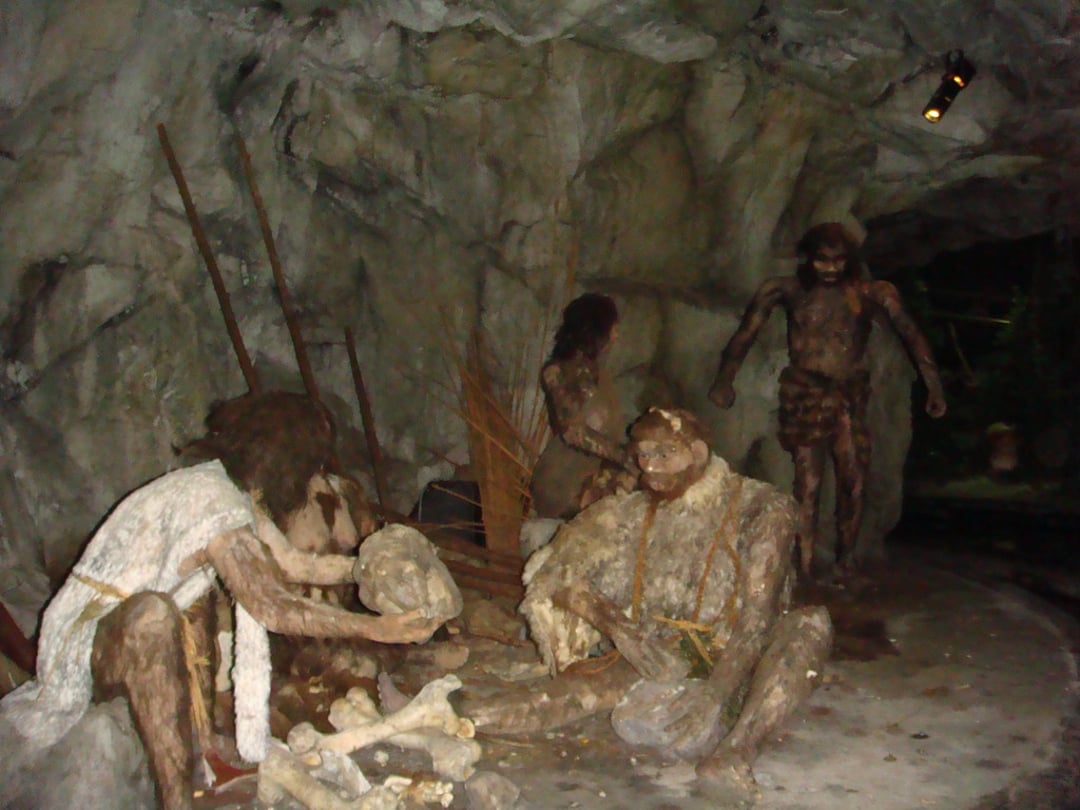
Aging happens as cells accumulate damage from normal bodily processes like energy production and environmental stress. Over time, the body becomes less effective at repairing itself. Genes and lifestyle both influence how quickly these changes occur, and researchers are studying ways to support healthier aging, though stopping it seems unlikely.
4. Why are sunsets so colorful when the sky is blue during the day?
via acadiaphotosafari.com
Sunlight contains many colors that scatter differently as they pass through the atmosphere. During the day, shorter blue wavelengths scatter widely, giving the sky its color. At sunset, light travels through more air, filtering out blues and leaving us with reds and oranges. Dust, moisture, and pollution can all intensify these effects.
5. How did language begin?
via flickr.com
Early humans likely used gestures and simple sounds to coordinate activities like hunting. Over generations, these signals slowly became more structured as groups needed clearer communication to hunt effectively. Shared meanings developed naturally within communities, and this jumbled mess of sounds slowly evolved into language.
6. Why do we need sleep if the brain doesn’t even turn off?
via Flickr.com
Isn’t it odd that the brain is just as active and sometimes more active during sleep? Well, sleep allows the brain to reset chemical balances and remove waste products. It also solidifies learning by reinforcing important neural connections. While we’re sleeping, our brain is working hard to repair our bodies and minds.
7. Why is it so hard to break a habit once it forms?
via Wikimedia Commons
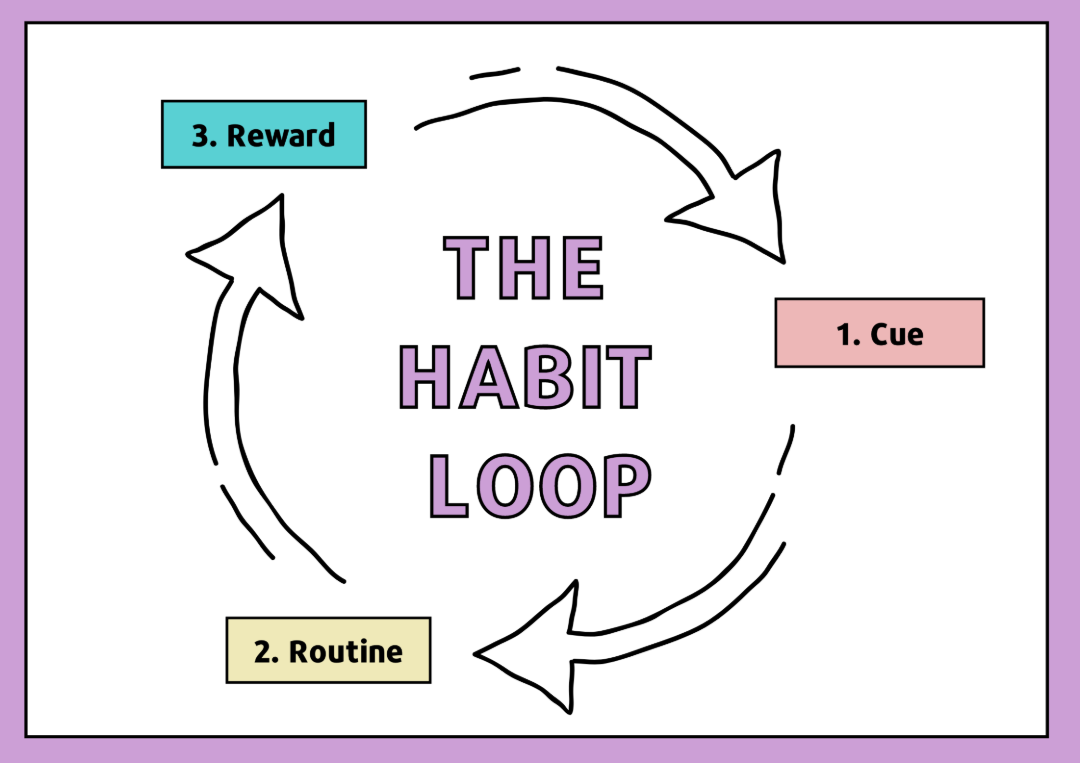
Habits create strong neural pathways through repeated behavior. The brain prefers these automatic routines because they require less energy than conscious decisions. Rewards linked to the habit reinforce the cycle, so changing a habit means building new pathways (which your brain wants to avoid).
8. Do emotions affect physical health?
via northcotechiropractic.com
Short answer, yes. Emotions influence hormones, heart rate, and immune responses throughout the body. Chronic stress can strain these systems, while positive feelings support recovery. The brain and body constantly communicate through chemical signals.
Sign up for our newsletter
Subscribe to The Scroller and get exclusive tips, top deals, and money-saving ideas sent directly to you.
9. Why do dogs tilt their heads when we talk to them?
viasoundrelief.co
Dogs tilt their heads to better locate sounds and read their humans’ facial expressions. This shift may help them interpret tone and intention more clearly. It’s also linked to curiosity and attention, so this behavior strengthens communication between our dogs and us.
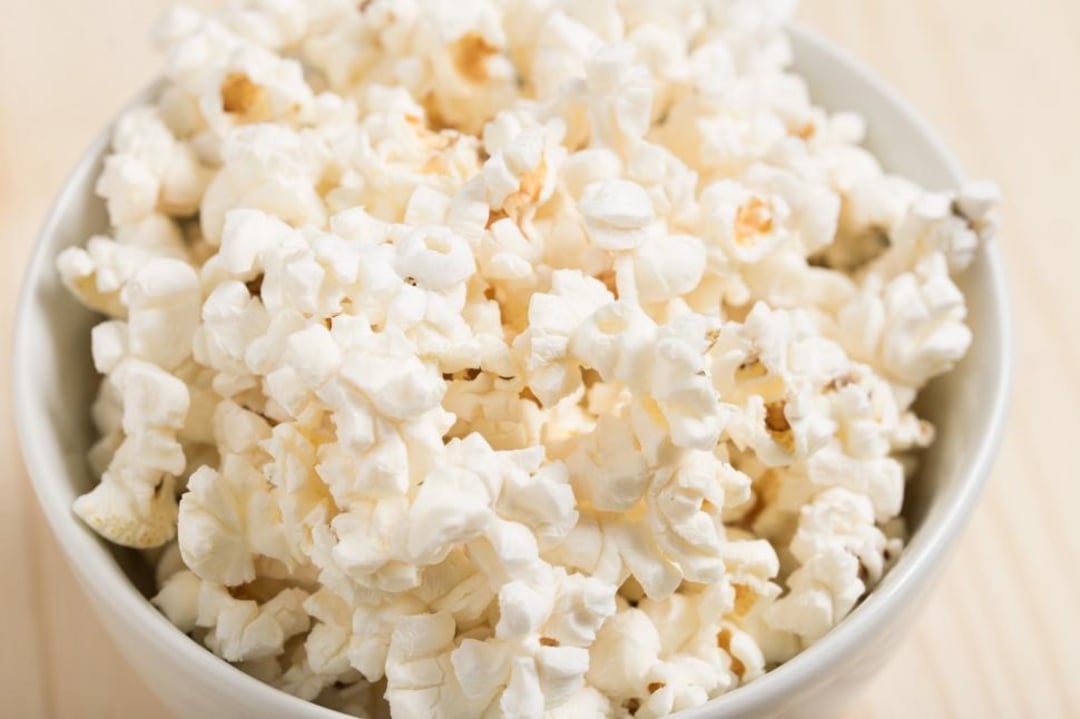
10. Why does popcorn pop?
via freerangestock.com
Each kernel contains a bit of water trapped inside the hard shell. When heated, that water turns into steam and pressure builds, eventually bursting the shell. When the inside flips out, it quickly cools into the fluffy shape we all know and love. Popcorn is a small edible explosion.
11. Why does ice float instead of sinking?
via pexels.com
Water expands when it freezes, spreading its molecules farther apart. This makes ice less dense than liquid water, making it float. Most substances become denser as they solidify, but water behaves differently. This unusual property helps lakes and oceans support life in cold climates.
12. Why do we feel sleepy after a big meal?
via pexels.com
Digestion actually requires lots of energy and increased blood flow to the stomach and intestines. Hormones released during this process signal relaxation and fullness, which the brain interprets as a cue to rest. This whole process is the body focusing its resources on breaking down food.
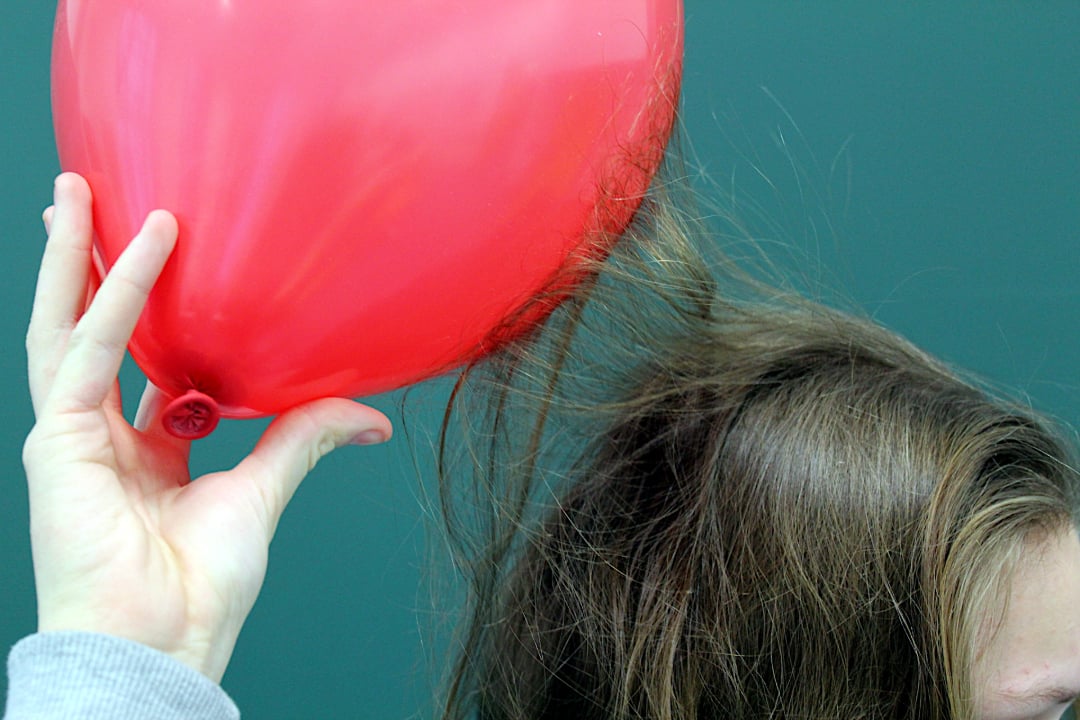
13. Why do balloons stick to walls after rubbing them on hair?
via Wikimedia Commons
This rubbing transfers tiny electrical charges between surfaces, creating static electricity. The charged balloon attracts neutral objects like a wall through invisible forces. This pull is strong enough to hold it in place for a short moment.
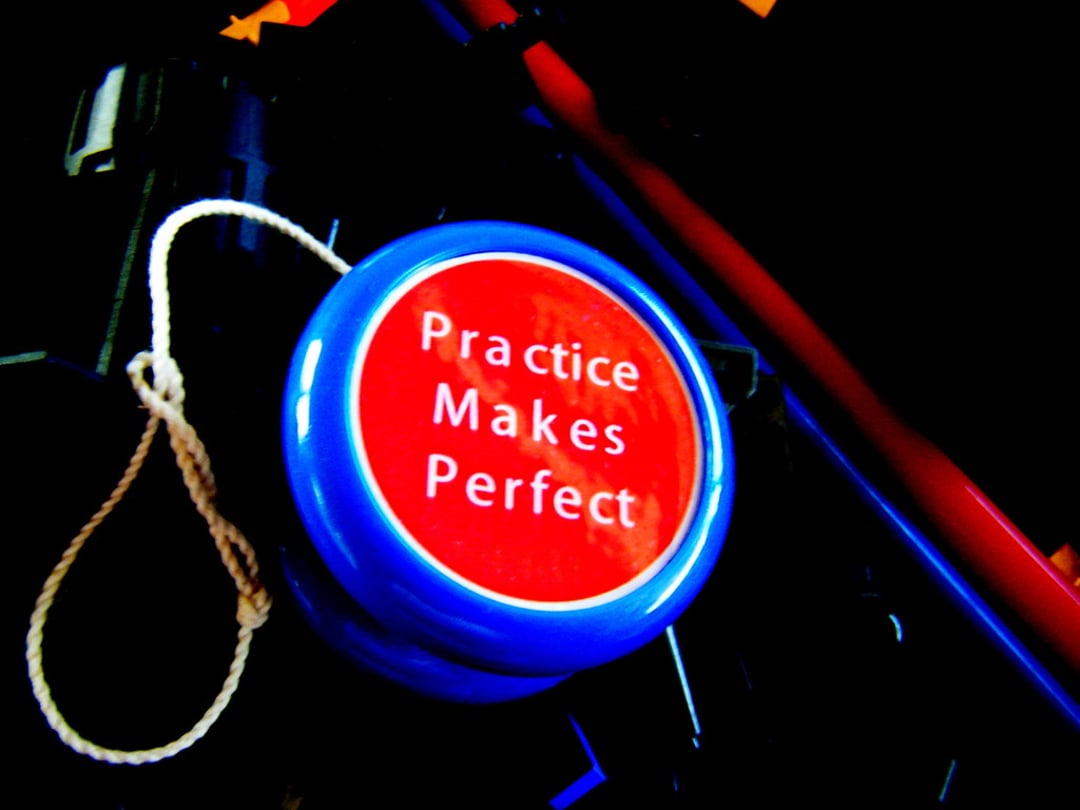
14. Why does ‘practice make perfect’?
via flickr.com
Repetition strengthens neural pathways used during a task. As these connections become more efficient, muscle memory forms, and the brain needs less conscious effort to perform them. This process is called automation of learning, and actions begin to feel easy because the brain has gotten used to them.
15. Why have humans always created art even when it has no practical use?
via Wikimedia Commons
Artistic expression allows people to communicate emotions and ideas beyond words. It strengthens identity, culture, and shared understanding. The act of creating also activates reward systems in the brain.
16. Why are humans so good at adapting to new environments?
via getarchive.net
The brain is highly flexible and capable of reorganizing itself based on our experiences. This adaptability allows learning and problem-solving. Unlike many species, humans rely more on behavior than physical change to survive.
17. Why do we talk to ourselves?
via flickr.com
Inner speech helps us organize thoughts and guide decision-making. Saying words out loud can sharpen focus and reinforce our memory. It acts like a tool for problem-solving rather than a sign of confusion, and many people use it to manage complex tasks.
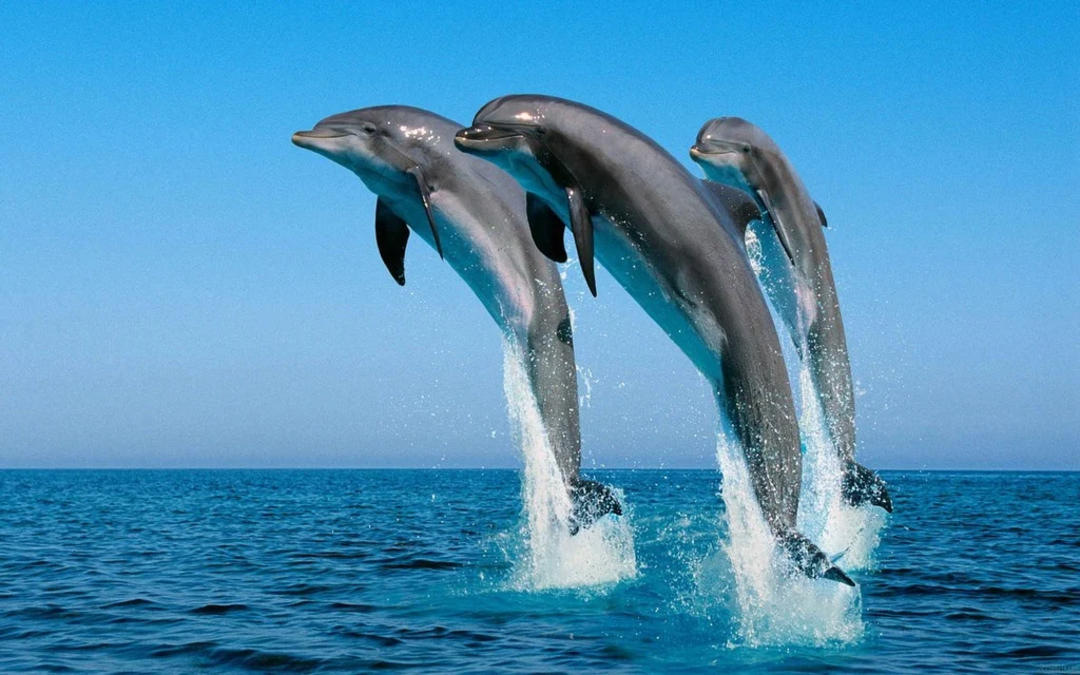
18. Why do dolphins and whales leap out of the water?
via picryl.com
Dolphins and whales jump for fun, communication, and sometimes to see farther over the water. Leaping may also remove parasites or help them coordinate with other animals. Their playful nature is part of learning and social bonding.
19. Why do birds sing in the morning?
via pxhere.com
Morning singing, called the ‘dawn chorus,’ is used to claim territory and attract mates. The quiet hours give their call see more reach, so that’s why they choose to sing as soon as the sun rises. Singing also strengthens social bonds among nearby birds.
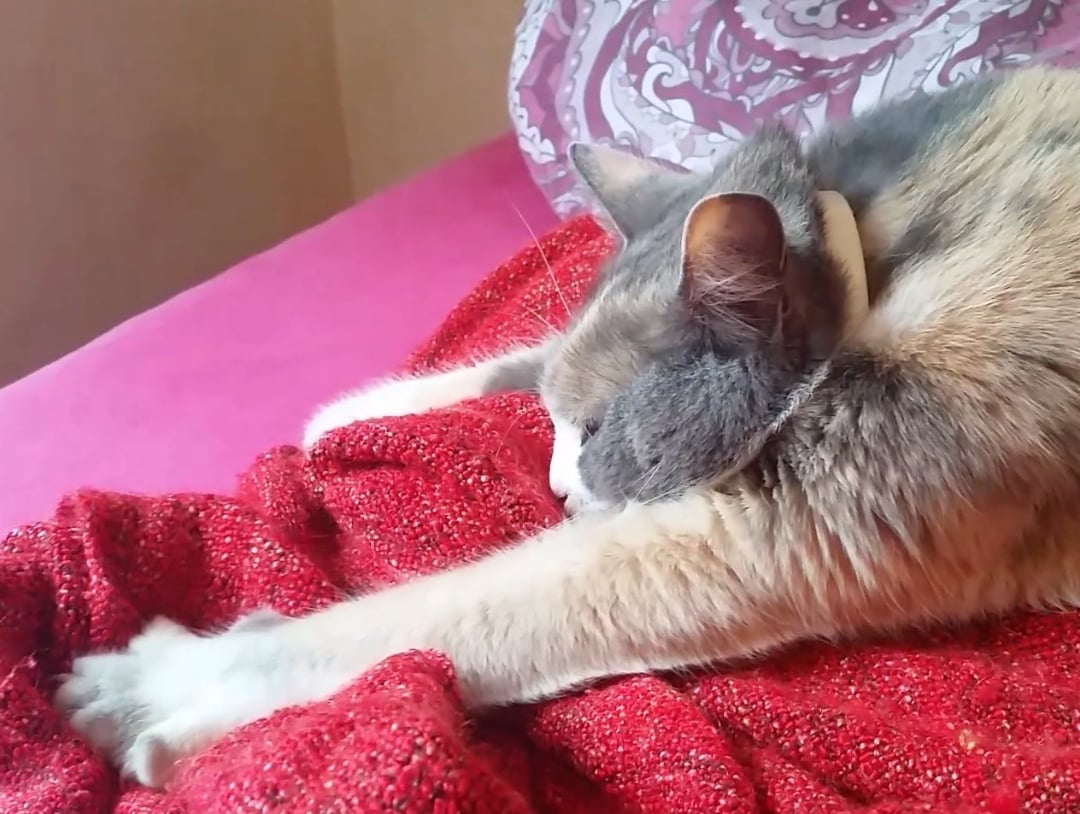
20. Why do cats knead with their paws?
via Wikimedia Commons
Kneading originates from kitten behavior when nursing, stimulating milk flow. Adult cats retain the action to show contentment and mark territory with scent glands in their paws. It’s a comforting ritual and a way to bond with their owners.
21. Why can some people sleep 3 hours a day, and some people are still tired after 8 hours?
via freedomrecovery.com
Energy levels are influenced by genetics, metabolism, and circadian rhythms. Hormones like cortisol and melatonin regulate alertness throughout the day, and those vary based on genetics. Lifestyle factors like diet and stress also play a major role.
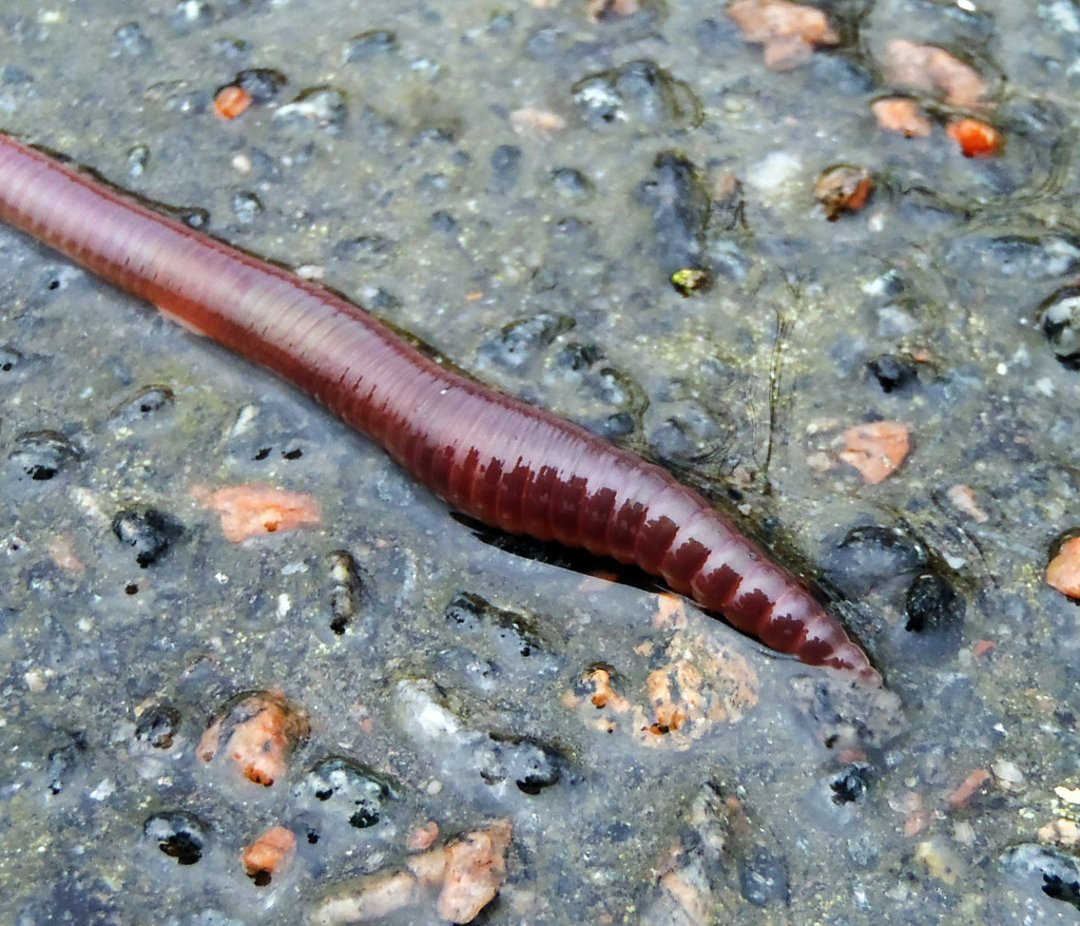
22. Why do worms come out when it rains?
via Flickr.com
Heavy rain fills soil with water, making it harder to breathe underground. The wet surface allows them to move safely while avoiding drowning. It may also help them travel to new habitats, because rain temporarily creates a safe environment for movement.
23. Why do we get a brain freeze?
via Flickr.com
Rapid cold cools the roof of the mouth, triggering nerves that signal pain. The brain interprets this pain as coming from the forehead, causing a headache. Blood vessels respond by expanding and contracting quickly, causing mild pain for a minute.
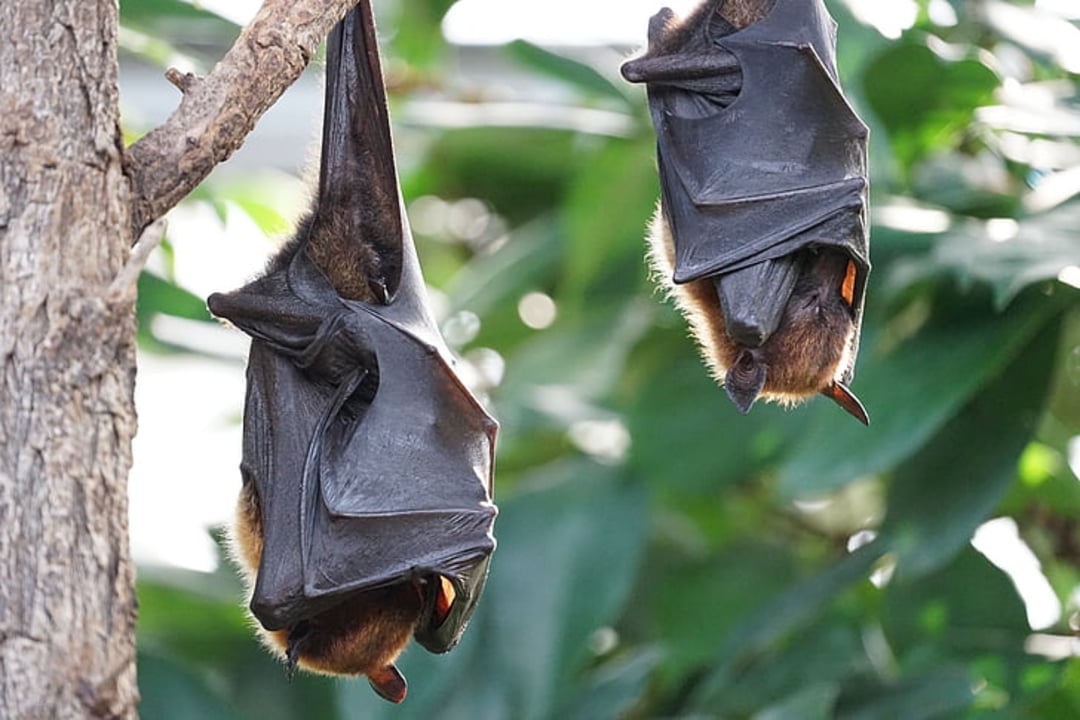
24. Why do bats hang upside down?
via pickpik.com
Bats’ anatomy allows easy launch into flight from upside-down positions. The shape of their wings and claws makes other positions difficult. Hanging also keeps them safe from most predators, making it an efficient way to rest and escape.
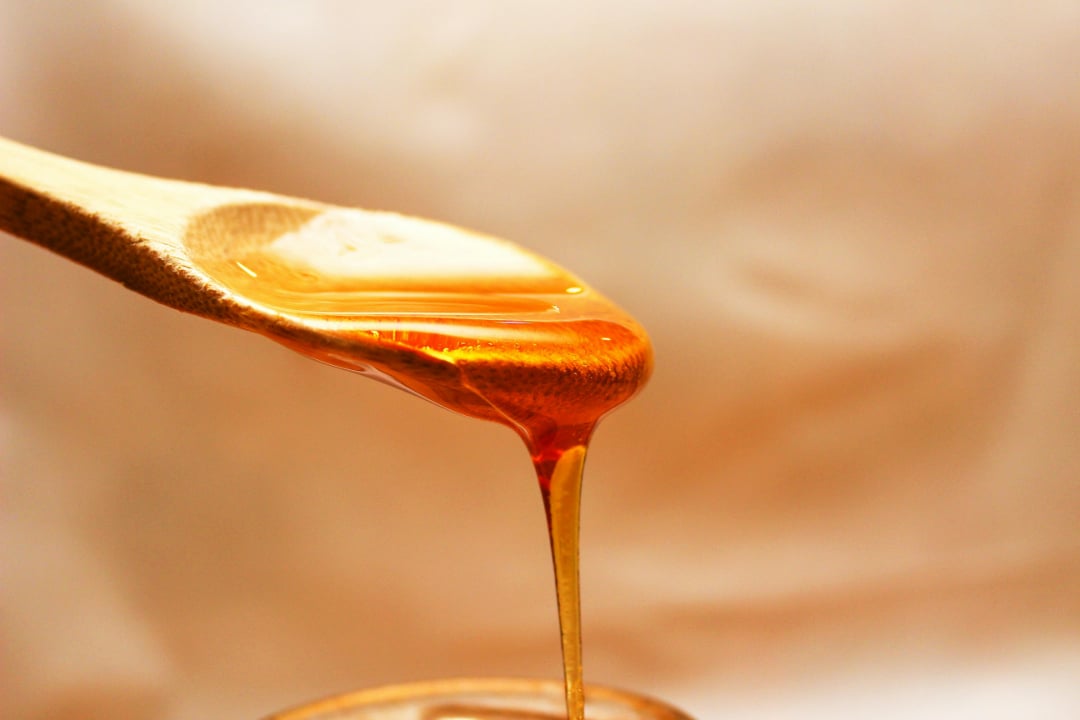
25. How does honey never spoil?
via pexels.com
Honey is low in water content and high in sugar, creating a hostile environment for bacteria. Natural enzymes also inhibit microbial growth. When honey is stored properly, it can remain edible indefinitely.