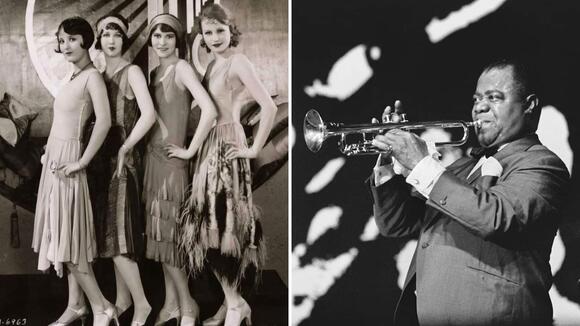
Jazz spilled from smoky clubs, streets buzzed with new machines, and women and men pushed boundaries like never before. The 1920s were a decade of rebellion, excitement, and bold creativity; an era that continues to captivate Americans through its photographs and stories. Flip through these moments, and you’ll see why it still sparks fascination and a touch of envy for its freedom and energy.
#1: The Jazz Age Begins
Louis Armstrong and Duke Ellington took the music of New Orleans and carried it across the country. Their bands played in clubs that became gathering points for anyone craving rhythm and energy. Likewise, Bessie Smith’s voice filled the rooms with emotion and strength.
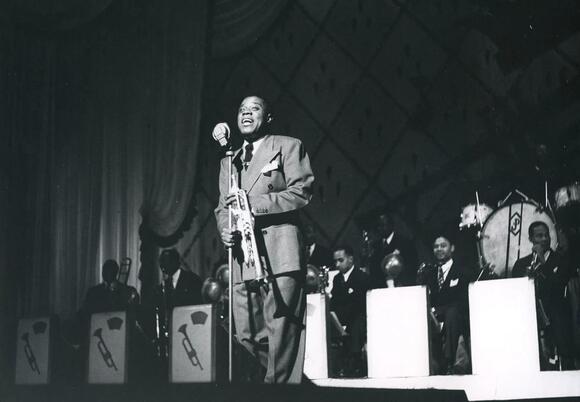
Together, they turned small venues into the backdrop of a movement that shaped music for generations.
#2: Women Win the Right to Vote (1920)
Decades of protests and petitions paid off when the 19th Amendment finally passed. Millions of women could cast their first ballots, shaking up politics and society.
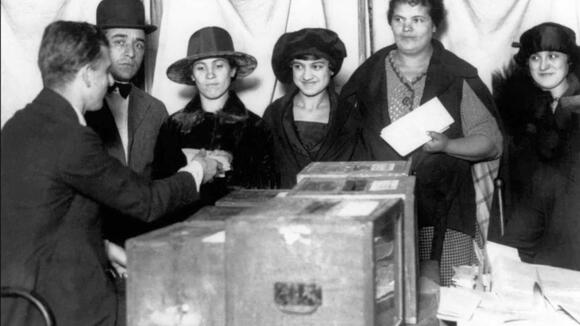
Newspapers buzzed with headlines, parties debated, and everyday people began to see a country changing before their eyes.
#3: The Prohibition Era Starts (1920)
Prohibition (1920–1933) banned the manufacture, sale, and transport of alcohol in the U.S., enforced by the 18th Amendment and Volstead Act.
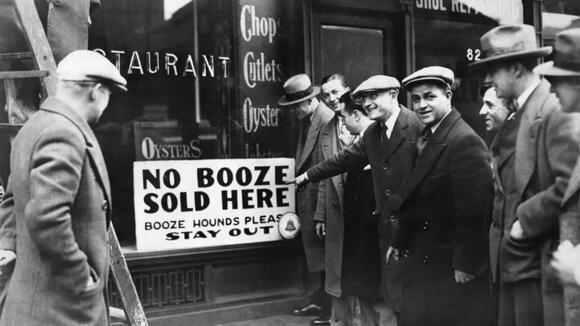
Intended to curb crime and improve public health, it backfired: sparking organized crime, speakeasies, bootlegging, and widespread lawbreaking. By 1933, the 21st Amendment repealed the ban, but the era left behind jazz-filled secret bars, daring nightlife, and a taste for rebellion.
#4: The Rise of the Flapper
Flappers were more than a style; they were a statement. With bobbed hair, shorter skirts, and loose dresses, they danced the Charleston, smoked, drank, and drove cars, activities once deemed scandalous.
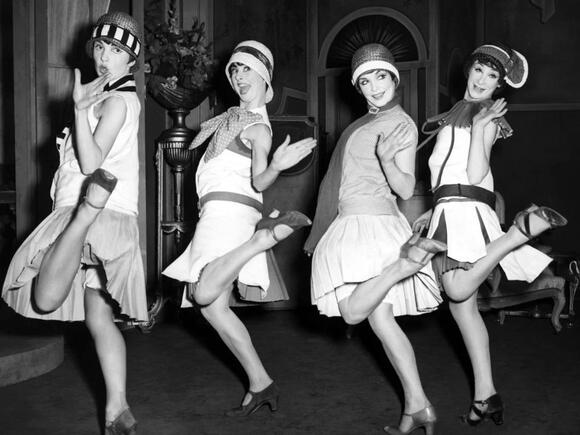
Icons like Zelda Fitzgerald and Louise Brooks embodied their spirit. Although the Great Depression put an end to the craze, flappers left a lasting legacy of independence and freedom.
#5: Charlie Chaplin Becomes a Global Star
Charlie Chaplin rose from a tough childhood in London to global fame with his “Little Tramp” character, characterized by his baggy pants, bowler hat, and cane. He starred in and directed classics like City Lights and Modern Times, co-founded United Artists, and used comedy to explore the struggles of life.
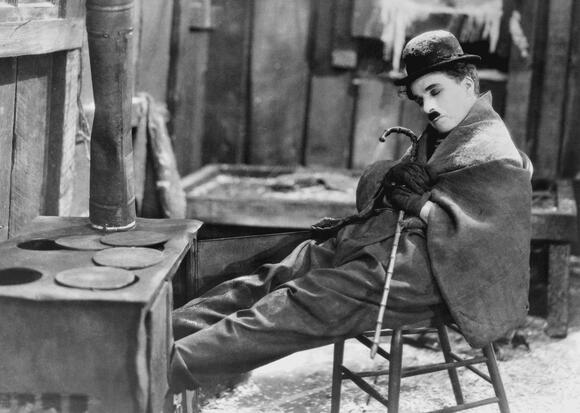
Although exiled for his politics, he later returned to receive an honorary Oscar, becoming one of cinema’s first true international stars.
#6: The First Miss America Pageant (1921)
Margaret Gorman became the first Miss America in 1921 at age 16, representing Washington, D.C. She won the “Golden Mermaid” trophy in Atlantic City, where the pageant, originally called the “Inter-City Beauty” contest, was created to extend the summer tourist season.
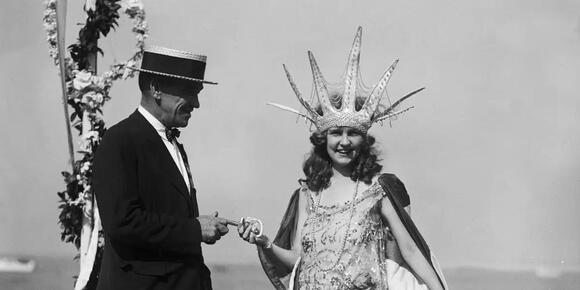
Her victory helped turn beauty into a national spectacle, drawing crowds to the boardwalk and nationwide media attention.
#7: The Birth of the Harlem Renaissance
The Harlem Renaissance of the 1920s and 1930s was a cultural explosion in New York’s Harlem. Writers, musicians, and artists such as Langston Hughes and Louis Armstrong challenged stereotypes, celebrated Black identity, and shaped early civil rights ideas.

Jazz, literature, and visual art thrived, fueled by the Great Migration, leaving a lasting artistic legacy despite the Depression’s decline in its peak.
#8: The Age of the Automobile
The Ford Model T, first produced in 1908, dominated the early 1920s as the first affordable car. Henry Ford’s assembly line made car ownership accessible to the middle class, and by the decade’s start, over half of the world’s cars were Model Ts.
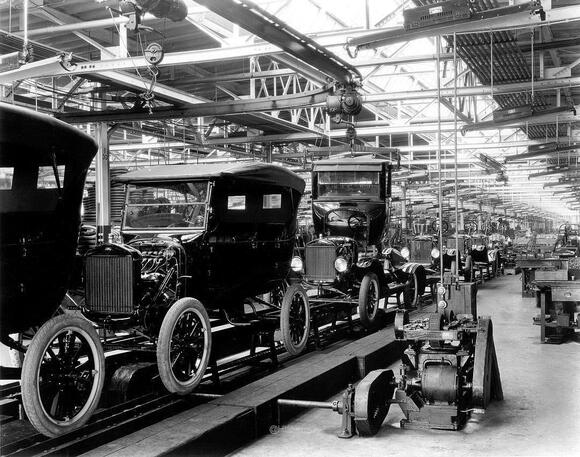
Other notable cars included Britain’s Austin Seven, Europe’s racing Bugatti Type 35, and the luxury Duesenberg Model J.
#9: The Empire State Building’s Foundation (1929)
Construction plans for one of the most famous skyscrapers in the world took shape. The project symbolized ambition, innovation, and the city’s determination to grow vertically. The Empire State Building was completed in 1931 and stood as the world’s tallest building for nearly 40 years.

Designed by Shreve, Lamb & Harmon, it was built in just 1 year and 45 days during the Great Depression.
#10: The Charleston Dance Craze
Originating from African-American dance traditions, the Charleston got famous through the Broadway musical Runnin’ Wild and James P. Johnson’s 1923 song “The Charleston.”

Dancers kicked, twisted, and flailed their arms, moves often associated with flappers, turning ballrooms and sidewalks into stages for joy and self-expression.
#11: The Discovery of King Tut’s Tomb (1922)
On November 4, 1922, Howard Carter uncovered Pharaoh Tutankhamun’s tomb in Egypt’s Valley of the Kings, revealing over 5,000 treasures, including the golden mask. The discovery sparked worldwide fascination with ancient Egypt, inspiring fashion, art, and design.

Carter’s careful cataloging took eight years, but the tomb’s reveal made Tutankhamun an enduring icon.
#12: Babe Ruth Redefines Baseball
Babe Ruth began as a dominant left-handed pitcher for the Boston Red Sox, winning 89 games and three World Series titles, before becoming an outfielder for the New York Yankees. Ruth smashed records, hitting 714 career home runs and 60 in a single season, turning baseball into a national obsession.
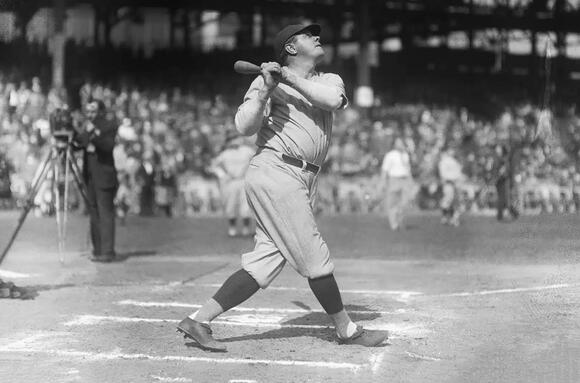
Nicknamed “The Bambino” and “The Sultan of Swat,” he drew crowds to stadiums and glued listeners to radios. His rags-to-riches story, confidence, and flair made him a cultural icon and one of the first five Baseball Hall of Fame inductees.
#13: The Birth of Radio Broadcasting
Radio broadcasting in 1920s America exploded into homes, bringing music, news, and live entertainment straight to families. KDKA’s 1920 broadcast of the presidential election kick-started commercial radio, leading to national networks and a surge in household radios.
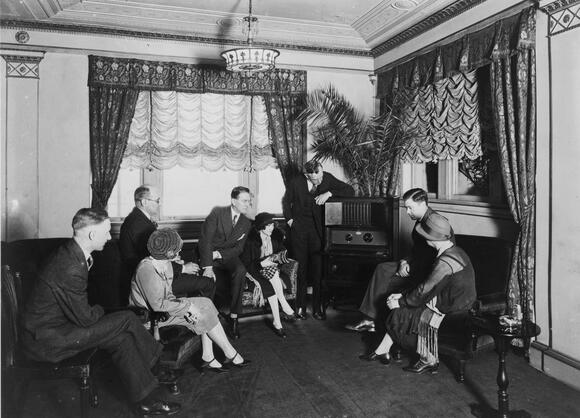
Programming ranged from jazz and classical music to sports, news, and variety shows. Teens built crystal radios, neighbors gathered to listen, and Americans experienced a new shared connection, as voices and songs traveled through the air like magic.
#14: F. Scott Fitzgerald Publishes The Great Gatsby (1925)
Fitzgerald painted a portrait of wealth, longing, and illusion in a story that captured the decade’s mood. The Great Gatsby explored parties, heartbreak, and the relentless pursuit of more, reflecting how the country moved fast and dreamed bigger.
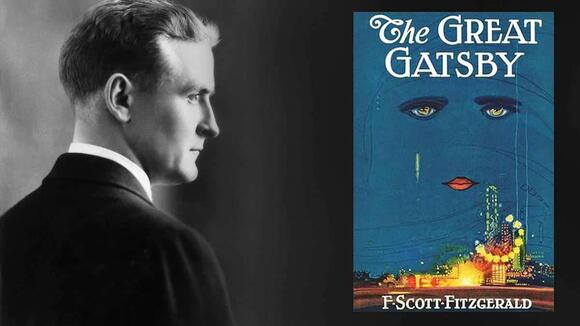
Readers felt the glamour and the emptiness behind it, and Gatsby quickly became the symbol of the times in literature and conversation.
#15: Al Capone and the Rise of Gangsters
Al Capone built a criminal empire in Prohibition-era Chicago, controlling bootlegging and gambling after taking over from Johnny Torrio. Known for ruthless violence and media-savvy public appearances, he became both feared and famous.
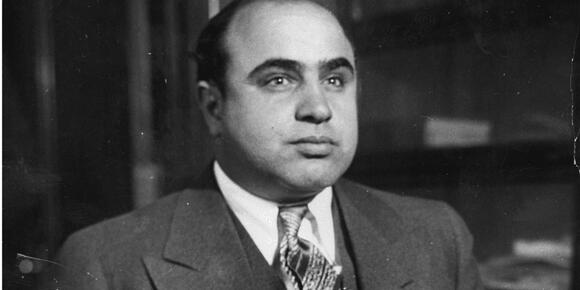
Convicted of tax evasion in 1931, Capone served time in Alcatraz before poor health forced his release. His story made organized crime a national spectacle, shaping fear, fascination, and the city’s lore.
#16: The Scopes “Monkey” Trial (1925)
The 1925 Scopes “Monkey” Trial in Dayton, Tennessee, put teacher John Scopes on trial for teaching evolution, violating the Butler Act. The case pitted defense attorney Clarence Darrow against prosecutor William Jennings Bryan and became a national spectacle.
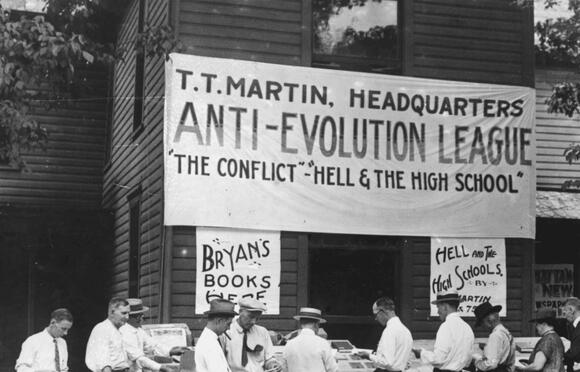
Scopes was fined $100, later overturned on a technicality, while the law remained until 1967.
#17: The First Macy’s Thanksgiving Day Parade (1924)
The first Macy’s Thanksgiving Day Parade rolled through New York on November 27, 1924, originally called the “Macy’s Christmas Parade.”
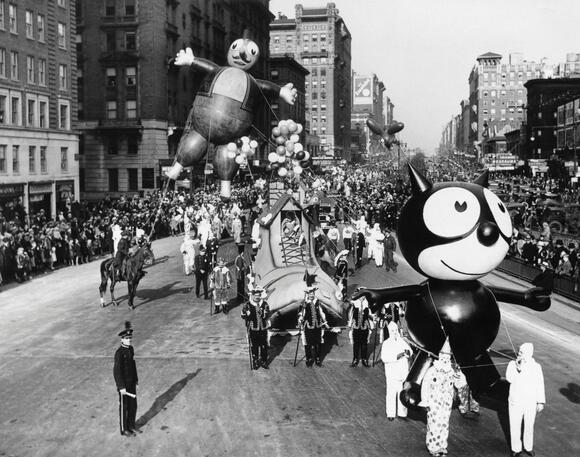
Created to celebrate the opening of Macy’s Herald Square store, it featured employees in costumes, live zoo animals, professional bands, and floats, ending with Santa Claus crowned on the store balcony.
#18: Art Deco Takes Over
The Art Deco movement of the 1920s was all about sleek lines, bold geometry, and luxury, capturing the optimism of the “Roaring Twenties.” Originating in France, it spread worldwide, influencing skyscrapers, furniture, jewelry, and fashion.
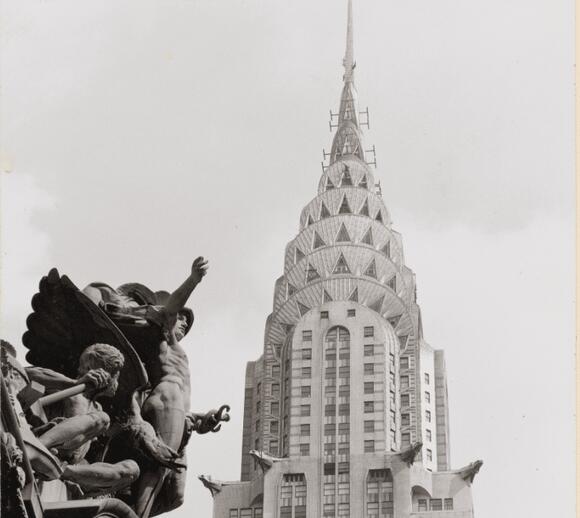
Think Chrysler Building, zigzag patterns, chrome, and Bakelite.
#19: The Birth of Talkies (1927)
The Jazz Singer, 1927, was the first feature-length film with actual talking. Audiences gasped, laughed, and sang along, leaving silent films scrambling for relevance. Sure, earlier movies had music and sound effects, but this one proved people actually wanted to hear characters speak.
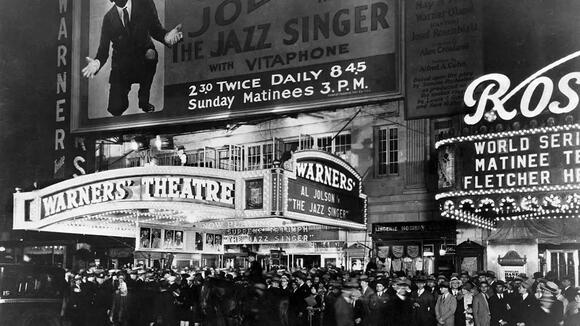
Suddenly, theaters had to upgrade, stars had to adapt, and cinema leveled up from flickering pictures to mouth-moving drama.
#20: Amelia Earhart Takes Flight
Amelia Earhart’s aviation story took off (literally) in December 1920 with a 10-minute joyride in California. She quickly turned that thrill into a career, taking lessons from Anita “Neta” Snook, flying solo in 1921, crossing the Atlantic alone in 1932, and later conquering the Pacific solo in 1935.

Earhart broke barriers, turning into a symbol of daring, independence, and endless possibility as much as any flapper on land. Her final flight in 1937, attempting to circumnavigate the globe, ended in mystery when she vanished over the Pacific, leaving a legend that still soars today.
#21: The Stock Market Boom—and Bust (1929)
The 1920s ended with a stock market boom that turned into a sudden, heart-stopping crash in 1929. Everyone was chasing quick gains, often buying on margin, basically other people’s money, until the bubble burst. Panic swept through cities, banks, and homes, wiping out fortunes and dreams alike.
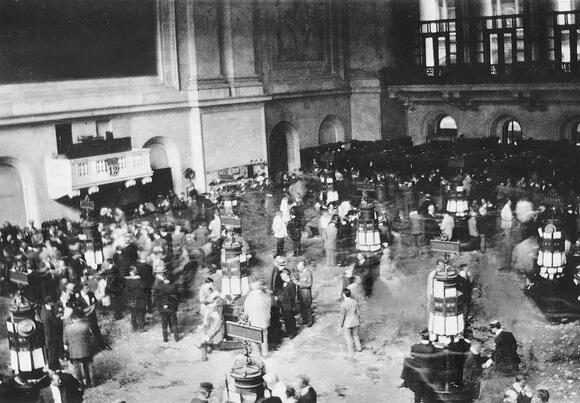
The decade’s carefree spending screeched to a halt, marking the start of the Great Depression in the 1930s and proving that even the wildest times can flip in an instant.
#22: Coco Chanel Redefines Fashion
Coco Chanel opened her first boutique in Paris in 1910 and shook up fashion with her knit sportswear in 1913, bringing comfort and simplicity to women’s clothing.
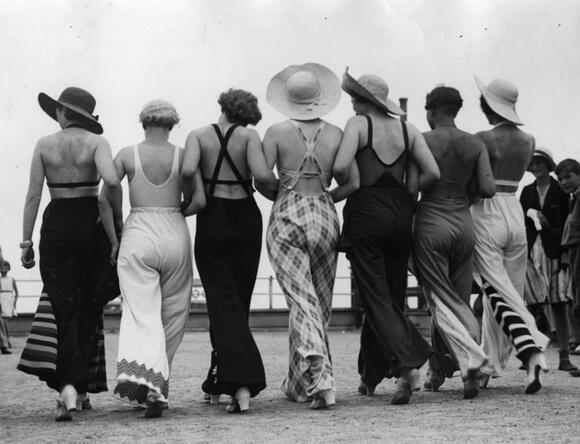
In the 1920s, she solidified her iconic style, launching the legendary No. 5 in 1921, ushering in an era of modern elegance that freed women from the rigid fashions of the Belle Époque.
#23: The Surrealists Break Boundaries
Surrealism emerged in the 1920s as an art and cultural movement aiming to tap the unconscious mind and challenge conventional reality.
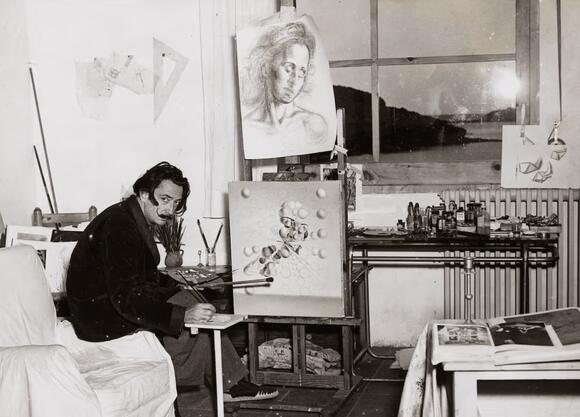
Inspired by Freud’s psychoanalysis and Dadaism, artists like Salvador Dalí, René Magritte, and Joan Miró used dreamlike imagery, automatism, and unexpected juxtapositions to explore hidden thoughts.
#24: The Birth of Celebrity Culture
In the 1920s, celebrities were everywhere. Movie stars like Charlie Chaplin and Mary Pickford, Babe Ruth on the baseball diamond, and Charles Lindbergh flying solo across the Atlantic captured everyone’s imagination. Movies, radio, and magazines made their lives public, shaping fashion, slang, and lifestyles.
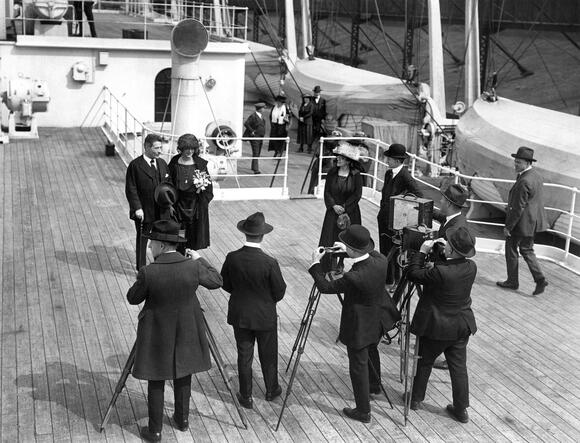
They were the trendsetters, heroes, and symbols of the Jazz Age’s glamour, fun, and nonstop energy.