1. Art in Art: Cabinets of Curiosity and the Rise of the Gallery Painting
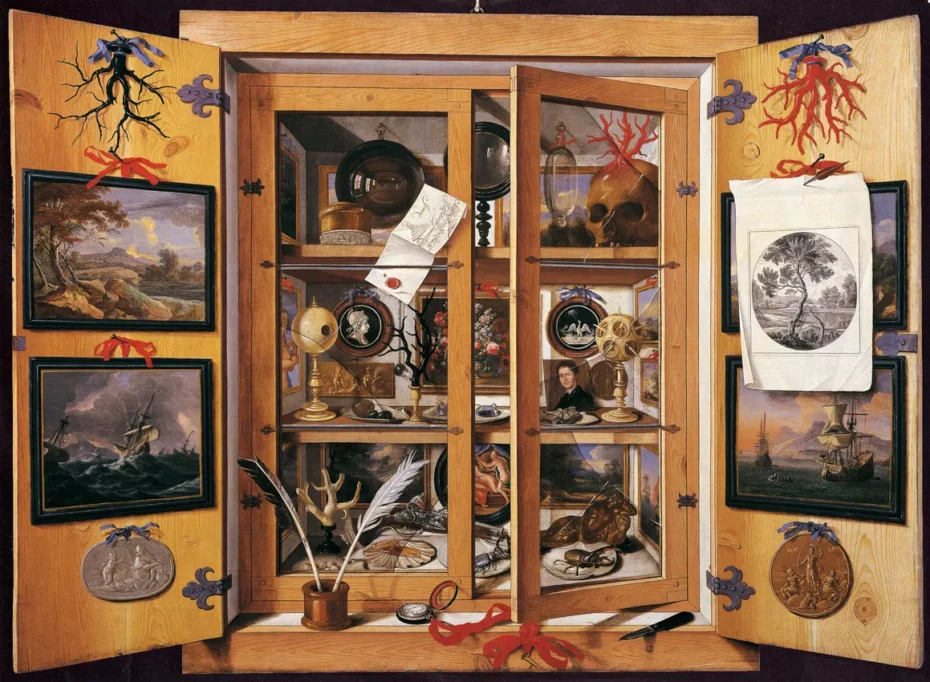
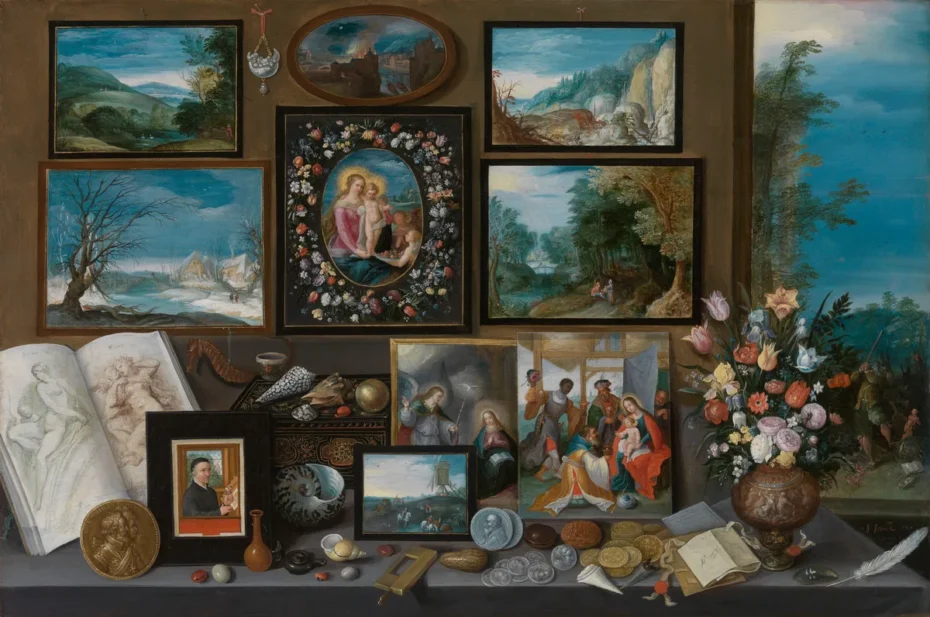
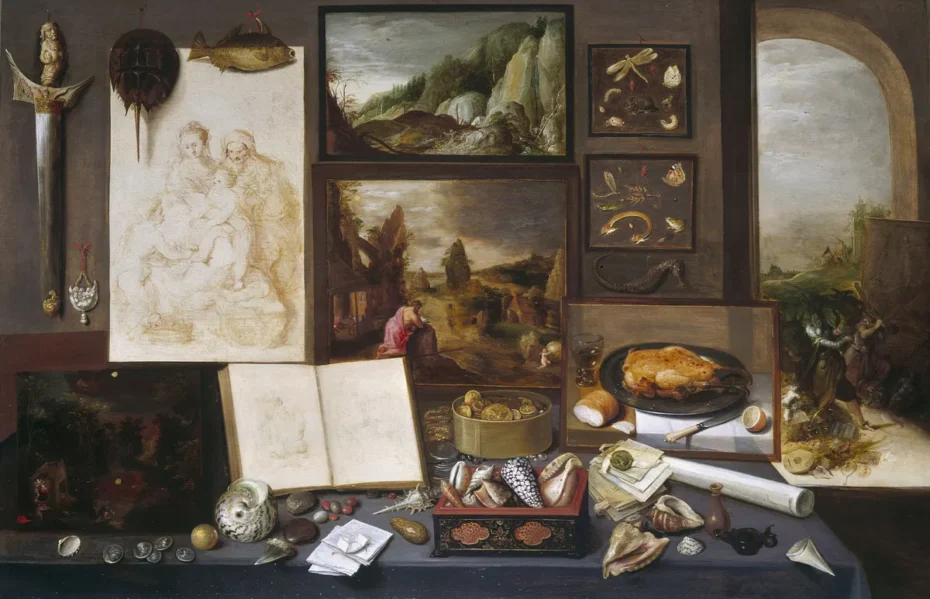
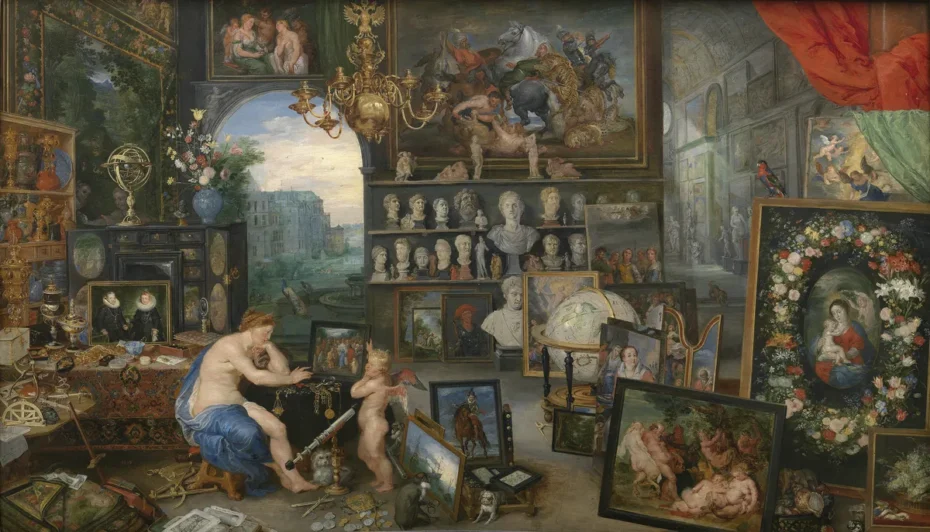
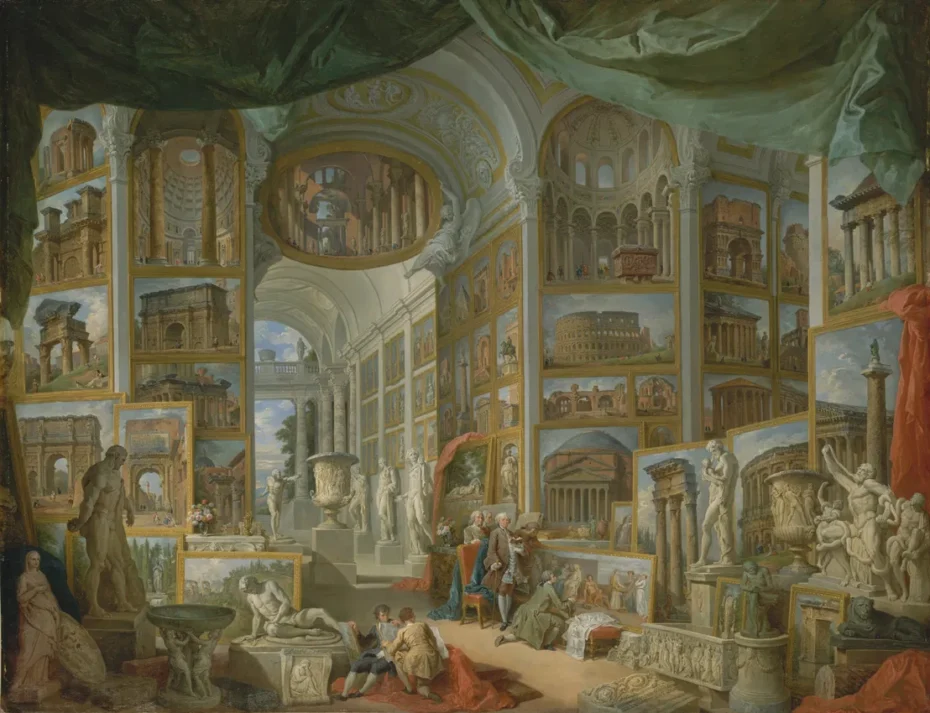
A very interesting read for anyone who loves curiosity cabinets:
In the 17th century, emanating from Antwerp, a new genre of artwork came on the scene: paintings of paintings, works populated by a lush array of meta-images. From its origins in picturing private curiosity cabinets to its later use in documenting increasingly public collections, Thea Applebaum Licht charts the course of this alluring aesthetic tradition, found on The Public Domain Review.
2. In the Czech Republic, quite rightly, they offer Salami Advent Calendars
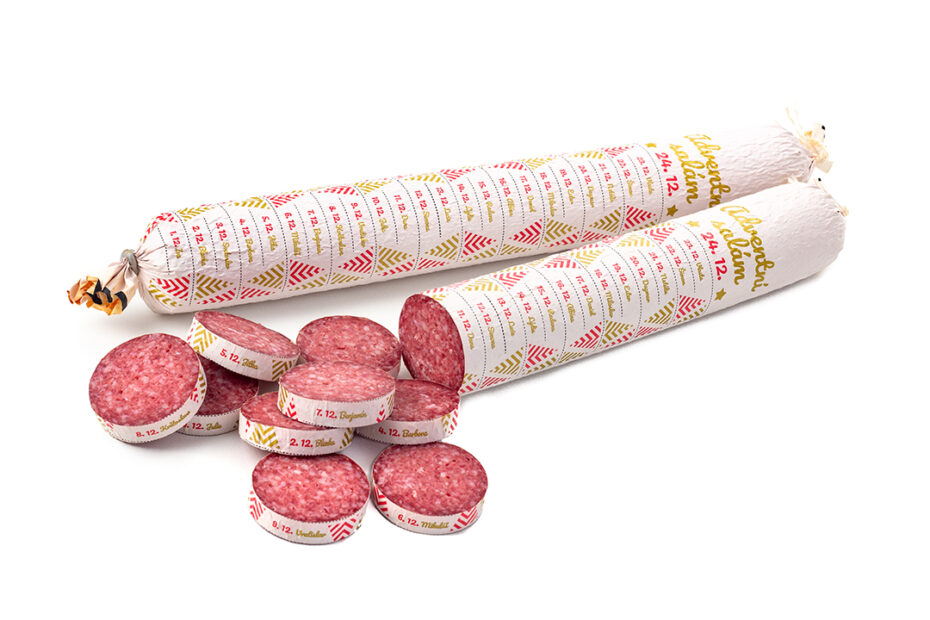
Found here via Present & Correct.
3. Explore lowrider culture with New York’s Drastic Auto Club
Transforming classic cars with hydraulics systems and creative paintjobs, lowriding emerged through Chicano youth in the late 1940s, as a symbol of cultural expression in the Mexican-American community. A subculture most associated with California, the Drastic Auto Club has established a base for lowrider culture on America’s East Coast, building a tight brotherhood through car customization as one of the oldest clubs in New York City.
4. Diving Girls
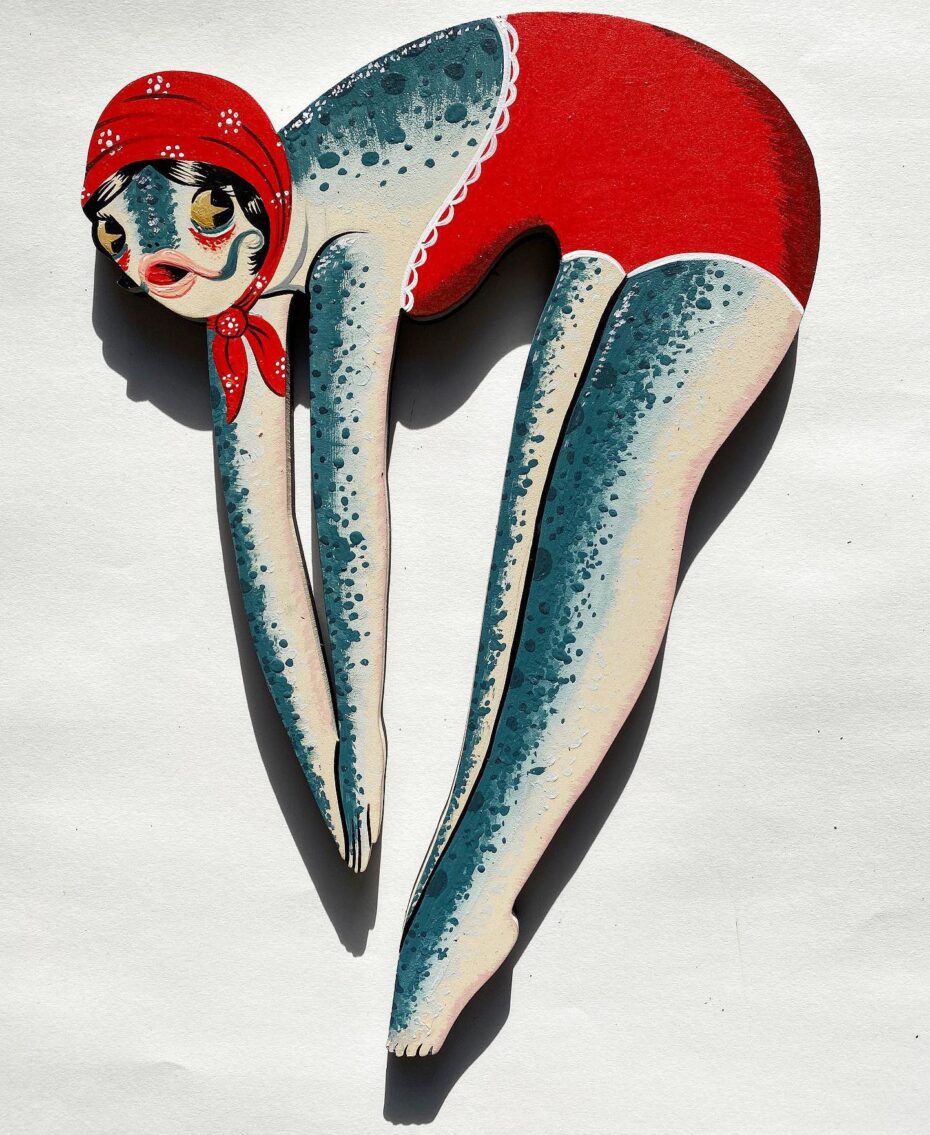
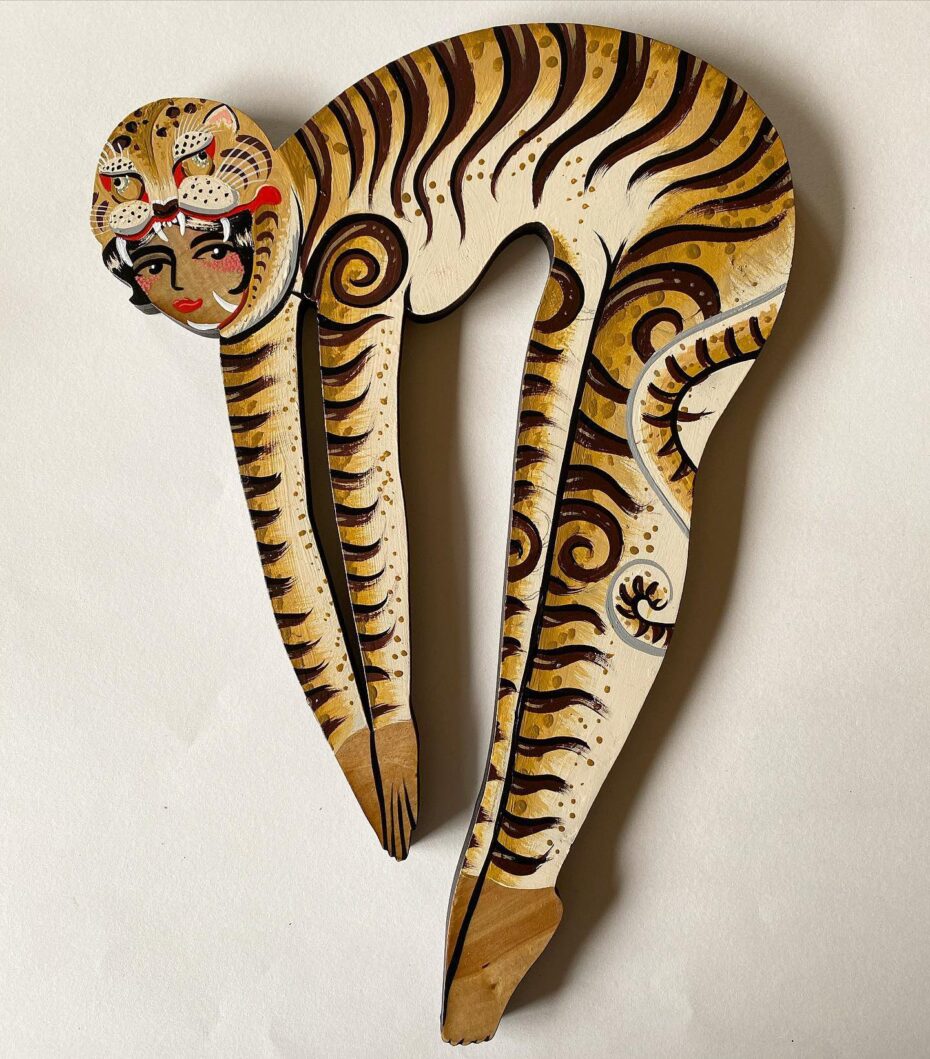
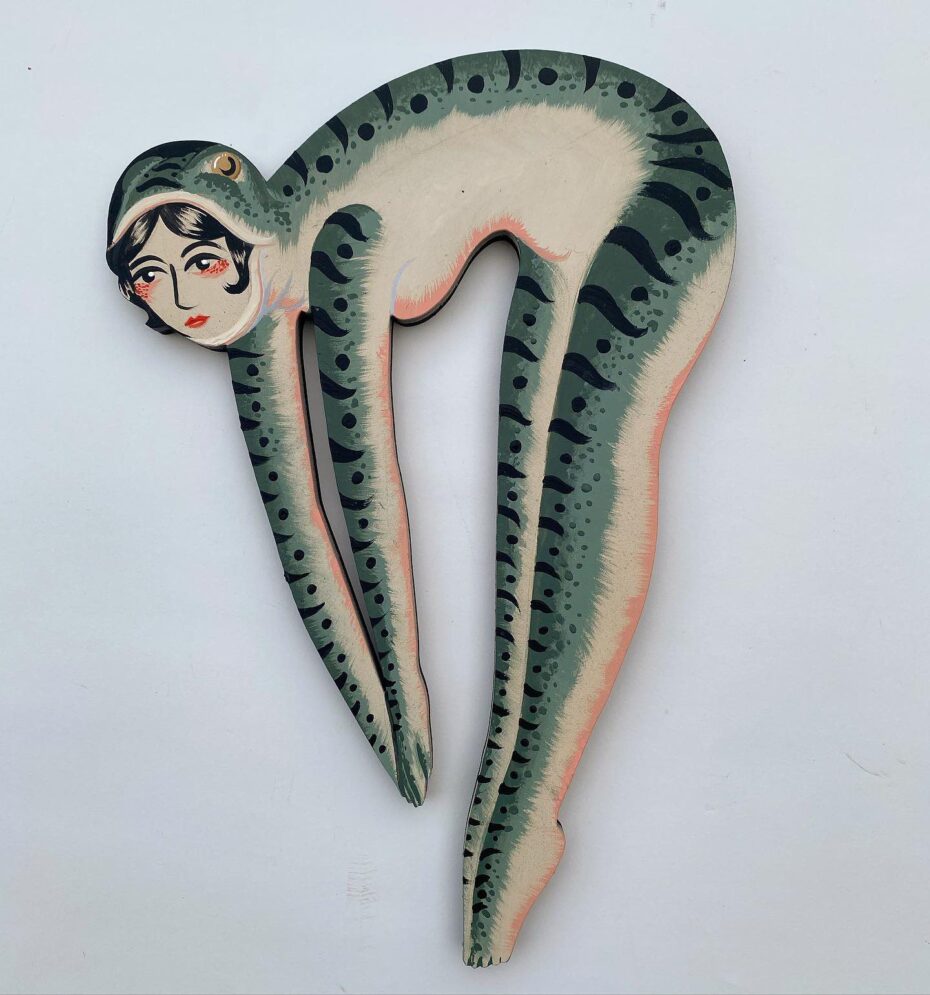
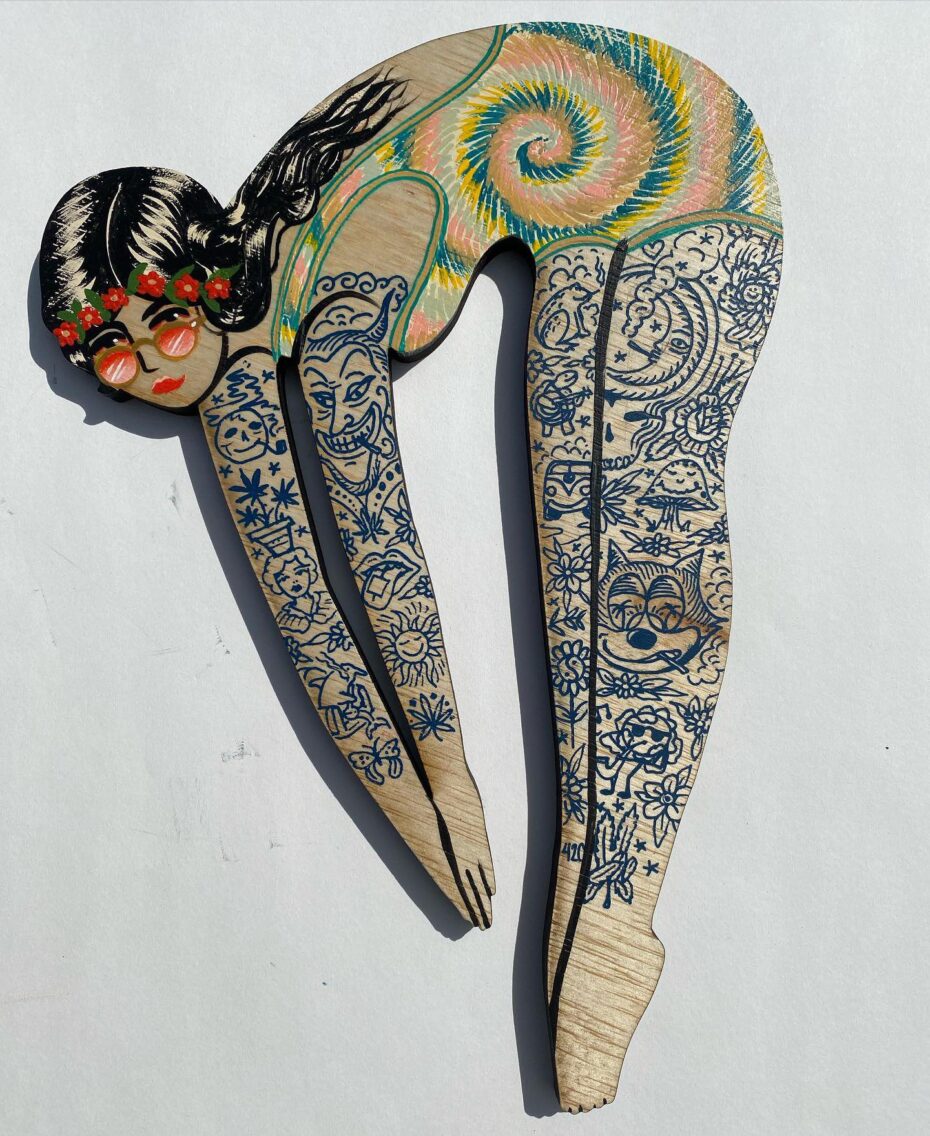
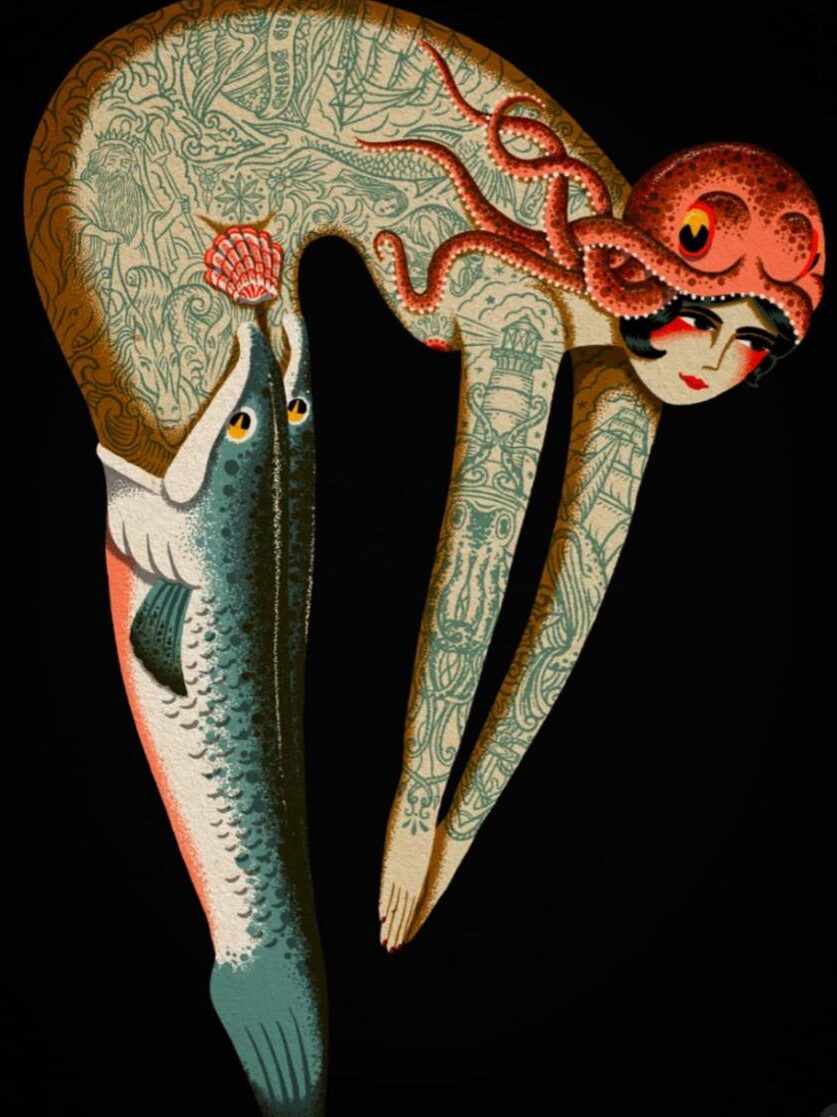
Kyler Martz is a Seattle-based artist, illustrator, and tattooist celebrated for his nautical, folk-art inspired style. This is his Diving Girl series, inspired by his mother who was a diver. Wood sculpture and silk screen.
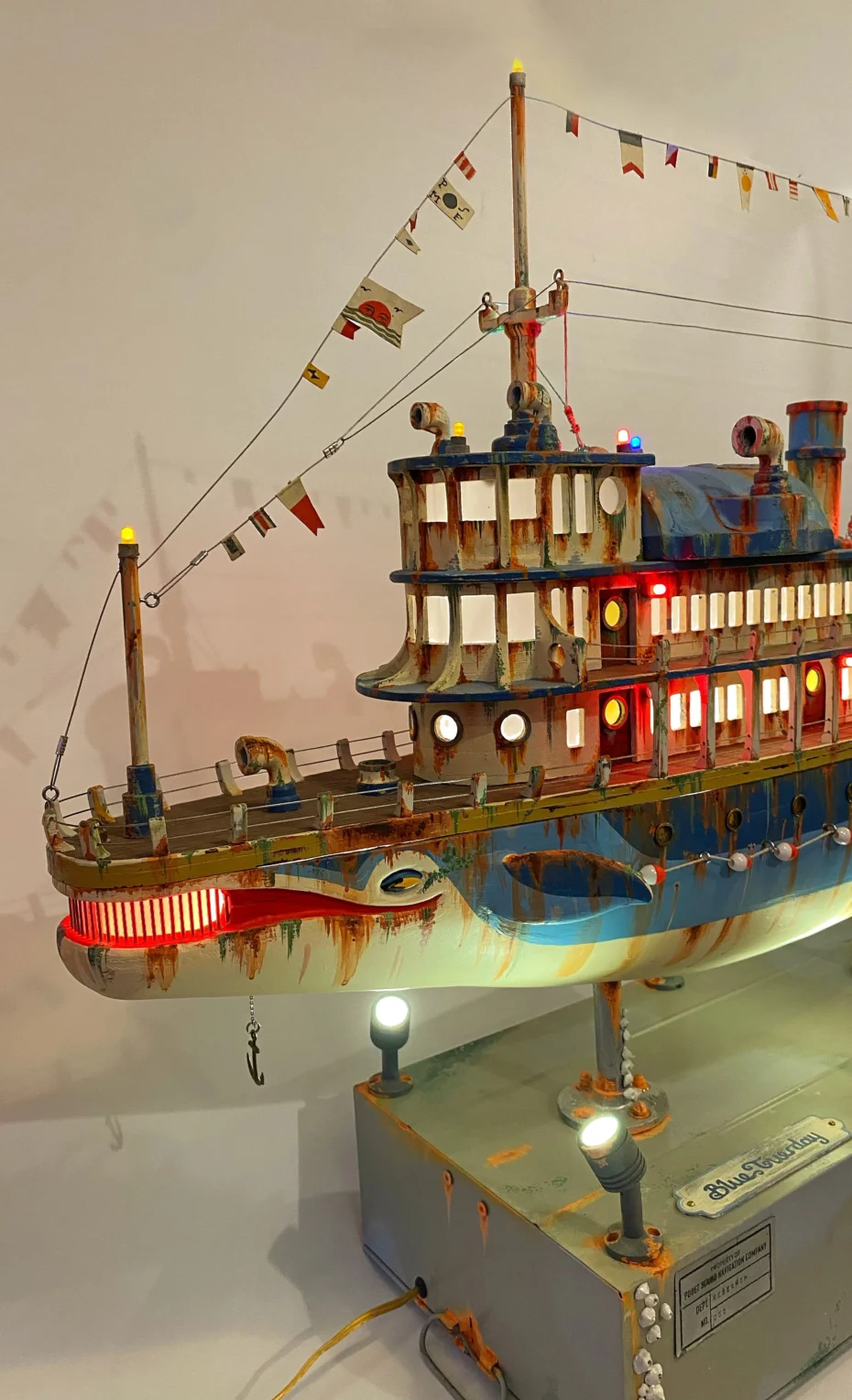
He also made this wonderful boat. Check out more of hi vs stuff on his website here.
5. A British island fixer upper for sale



The British military no longer pours its resources into this low tidal island in the River Medway, but you could, with the freehold on this 19th-century sea fort, originally designed to hold 100 men. Listed with a guide price of £50,000 via Savills, Darnet Fort once formed part of an inner defensive line protecting the approaches to Chatham’s naval dockyard. Together with its companion fort on Hoo Island, 1km upstream, it formed a strategic ‘bottleneck’ of perfect circular ramparts.
Hats off to the buyer that takes this one on.
6. Women’s 20th Century Style in Madagascar
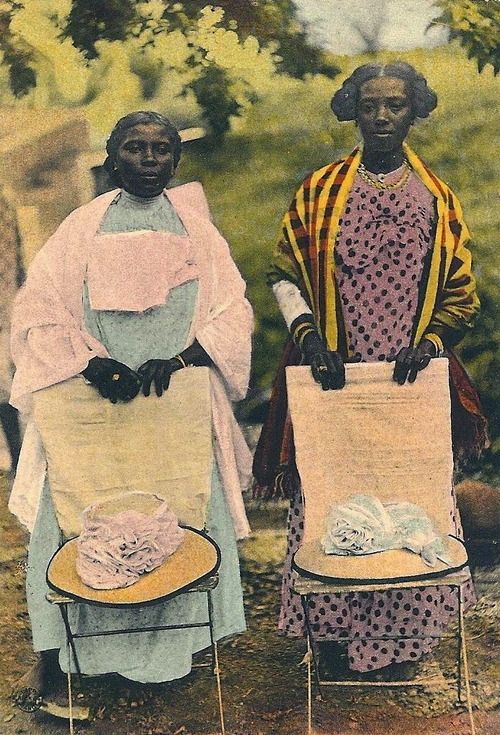
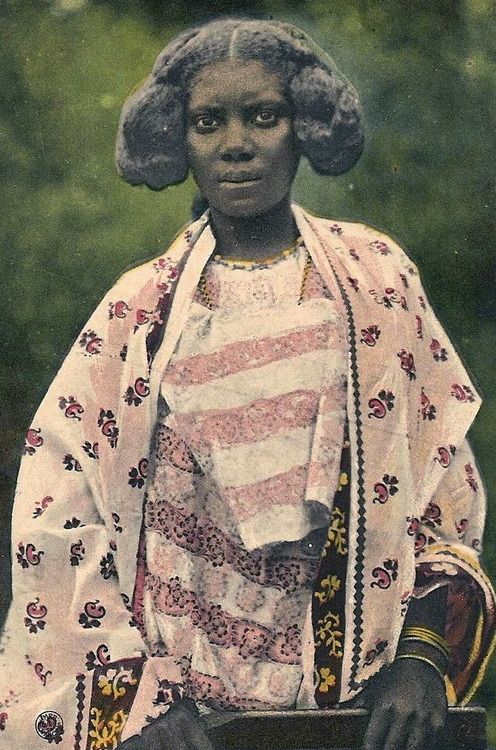
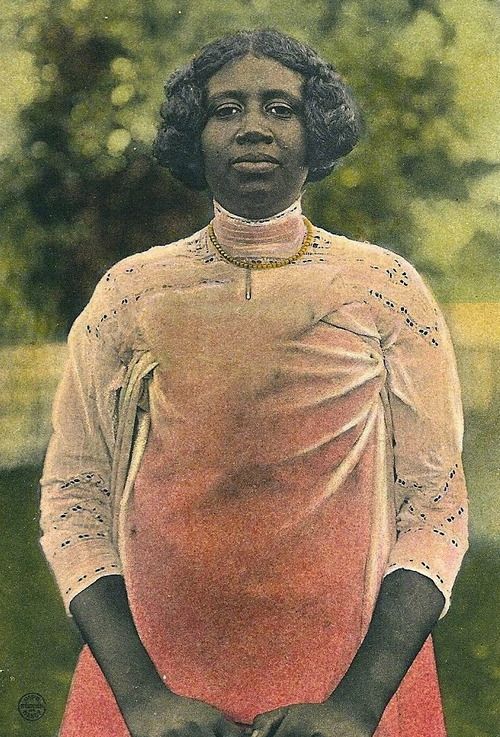
Found on Pinterest.
7. Newark Public Library has over 2,000 Shopping Bags that Carry the history of graphics, pop culture and everyday life
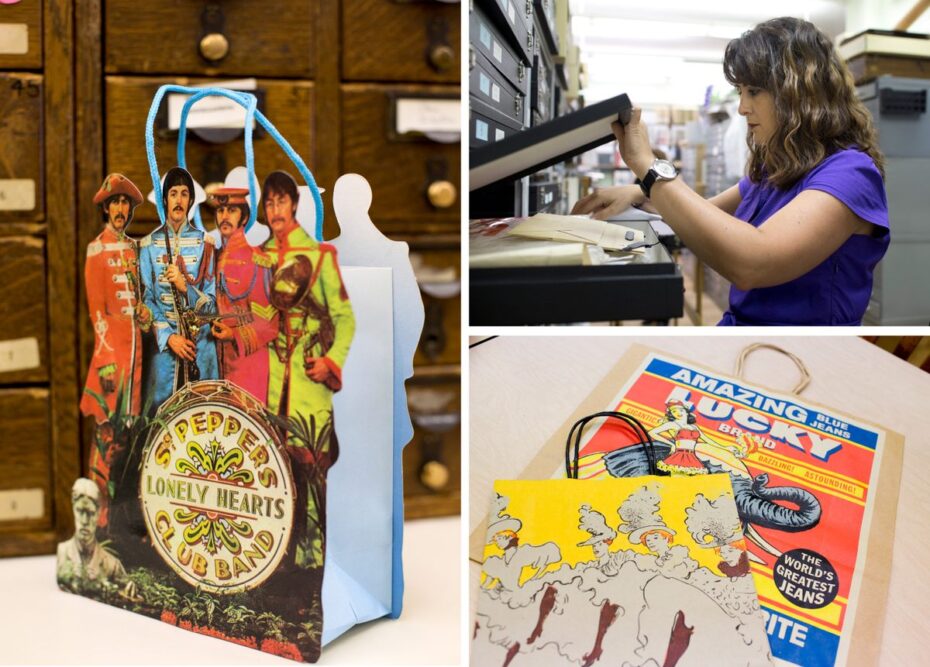
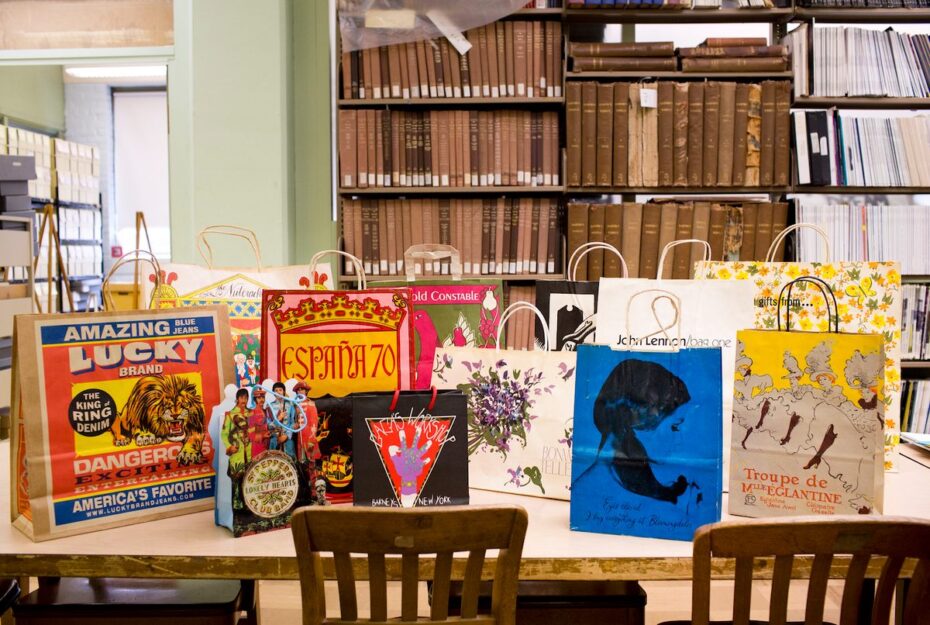
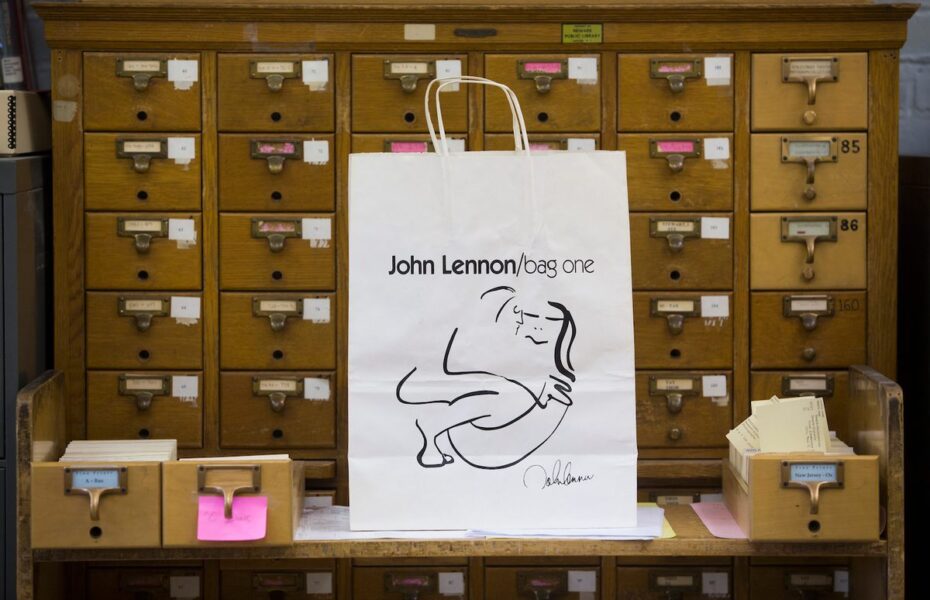
What’s in these bags? A whole lot of history, it turns out. Stored in Newark Public Library’s Special Collections department, these old shopping bags are meticulously cataloged by geographic location, size, and theme, forming a treasure trove of cultural history. William J. Dane first started the collection in 1976, referring to himself as the library’s “Keeper of the Prints.” He also curated the library’s other paper collections, which included everything from travel posters to autographs to restaurant menus.
Read more on Atlas Obscura.
8. An 8-year-old slid his handwritten book onto a library shelf. It now has a years-long waitlist.
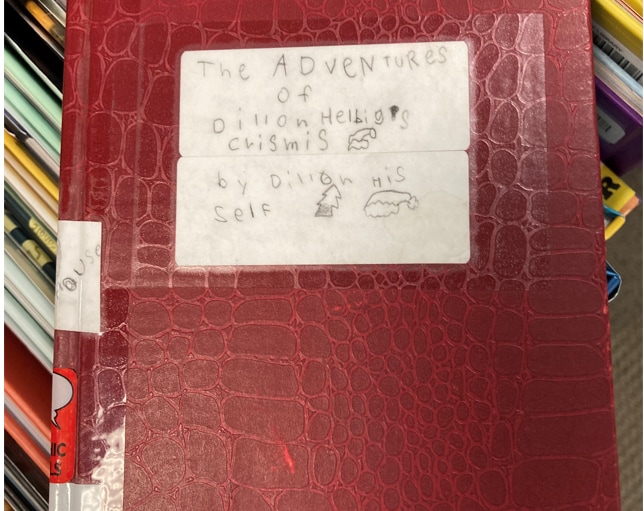
Branch manager Alex Hartman and a few co-workers had discovered and read Dillon’s book — which describes his adventures putting an exploding star on his Christmas tree and being catapulted back to the first Thanksgiving and the North Pole. They found it very entertaining.
The staff librarians who read Dillon’s book agreed that as informal and unconventional as it was, the book met the selection criteria for the collection in that it was a high-quality story that was fun to read. So, Hartman asked for permission to tack a bar code onto the book and formally add it to the library’s collection… the book is now part of the graphic-novels section for kids, teens and adults. The library even gave Dillon its first Whoodini Award for Best Young Novelist, a category the library created for him, named after the library’s owl mascot.
The full feel-good story found here on the Washington Post.
9. Love this idea: Making your homemade Christmas ornaments to pass down through the family
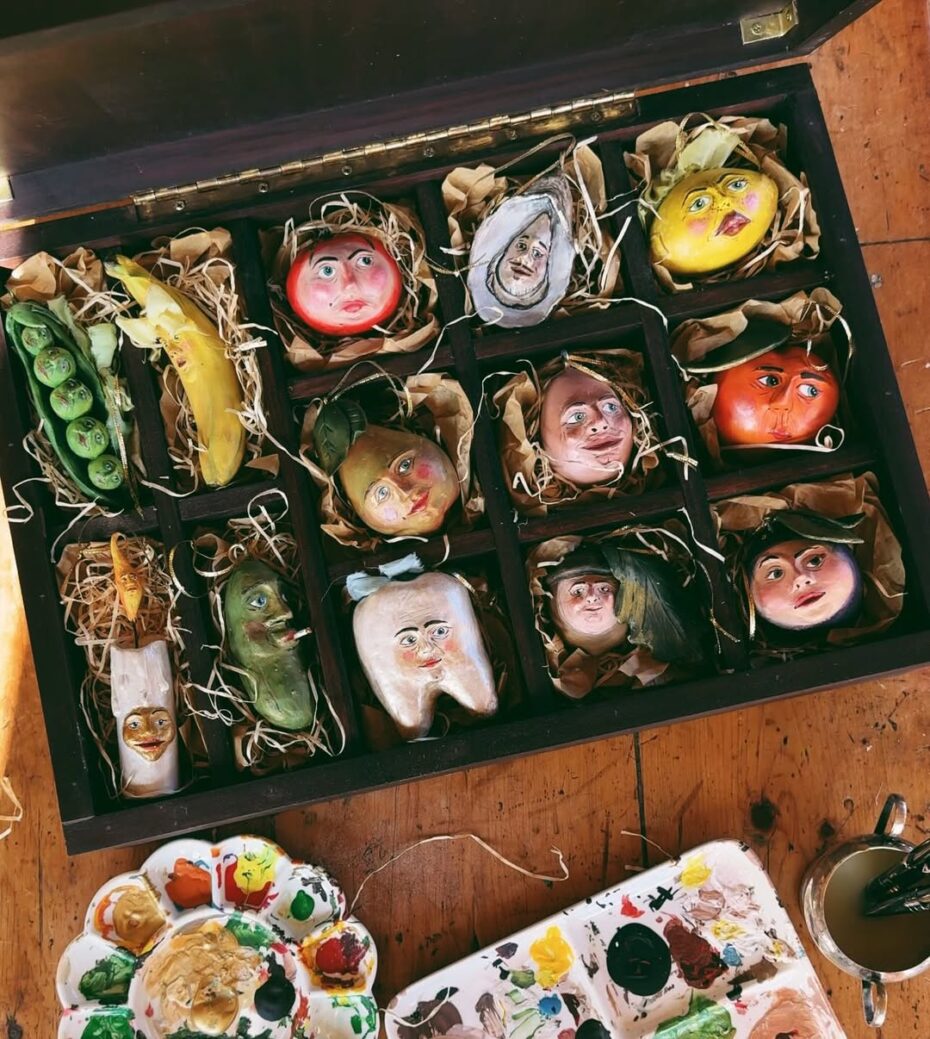
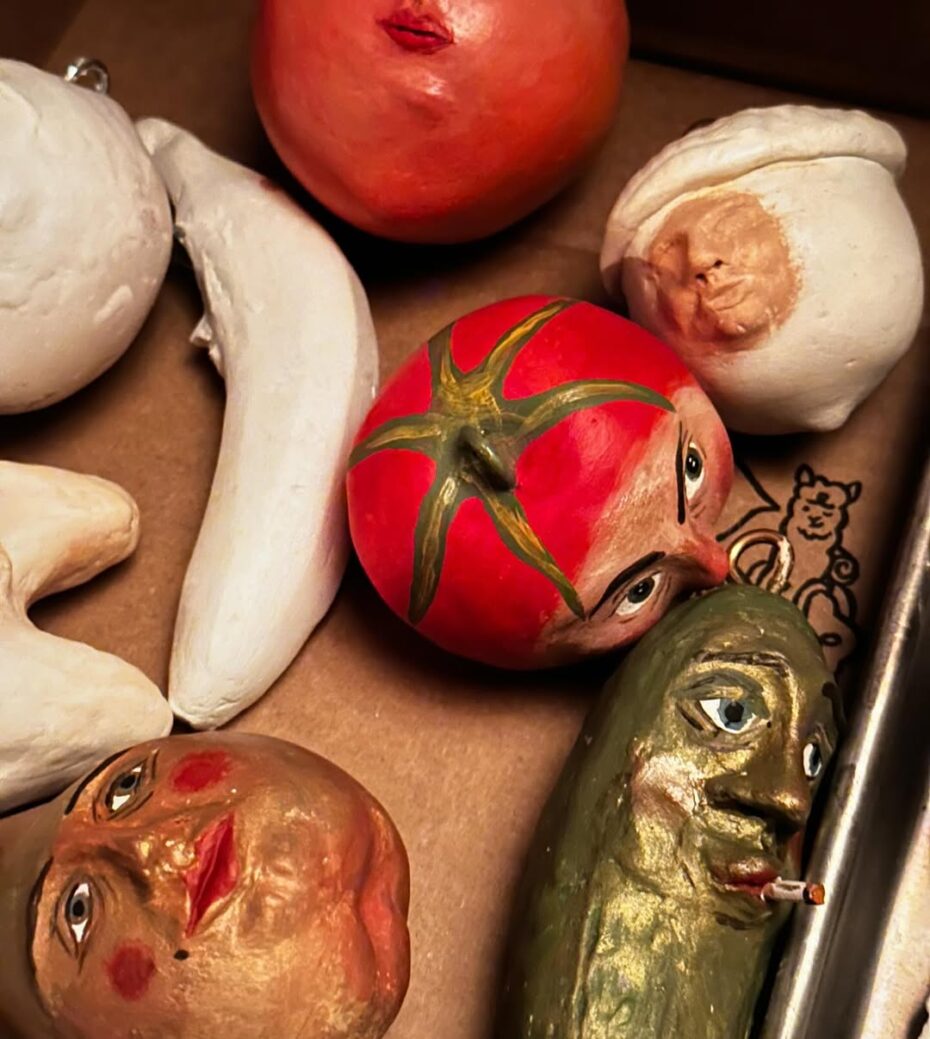
Great famiy bonding activity. Creator Julie D. O’Rourke shows you how she made hers on her Substack.
10. Thanksgiving Menu at the Plaza Hotel in New York City from 1899
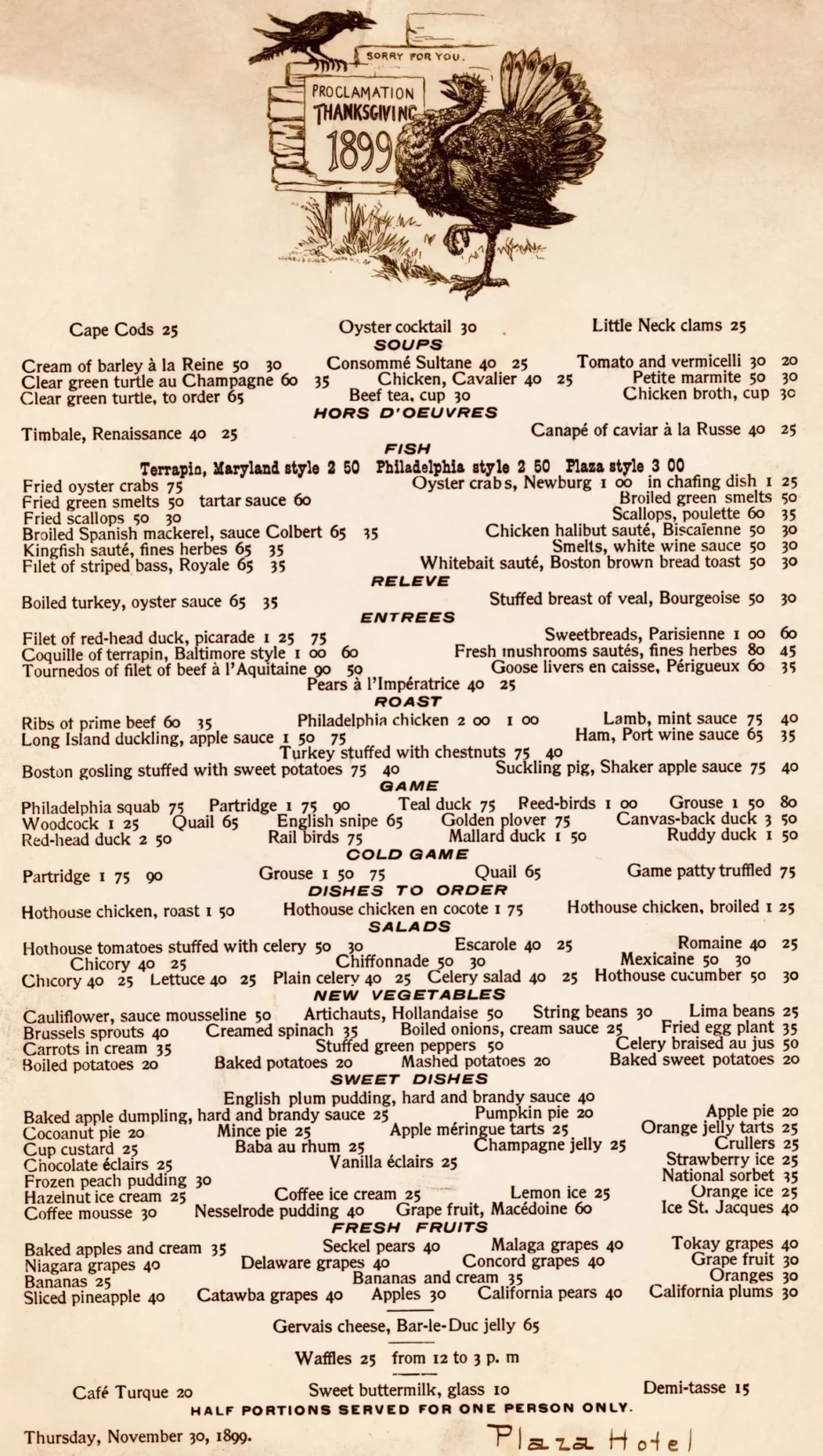
Found on Open Culture.
11. Christmas dinner on the Apollo VIII (1968) as it headed to the moon
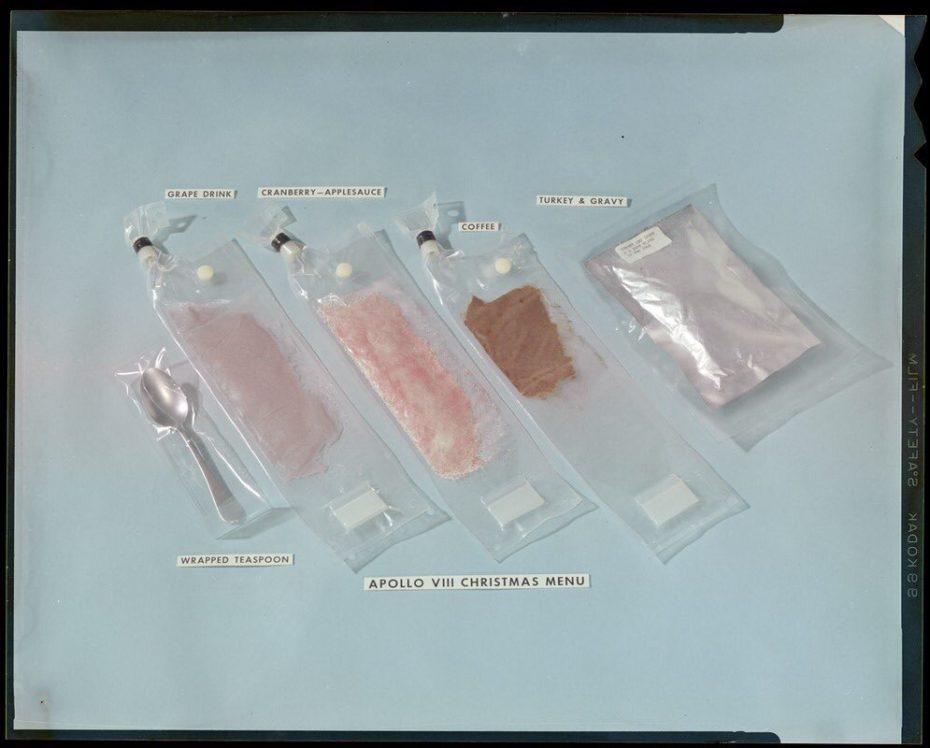
Found on the Natick Soldier Systems Photographic Collection.
12. Silvesterklaus, a little-known Swiss holiday

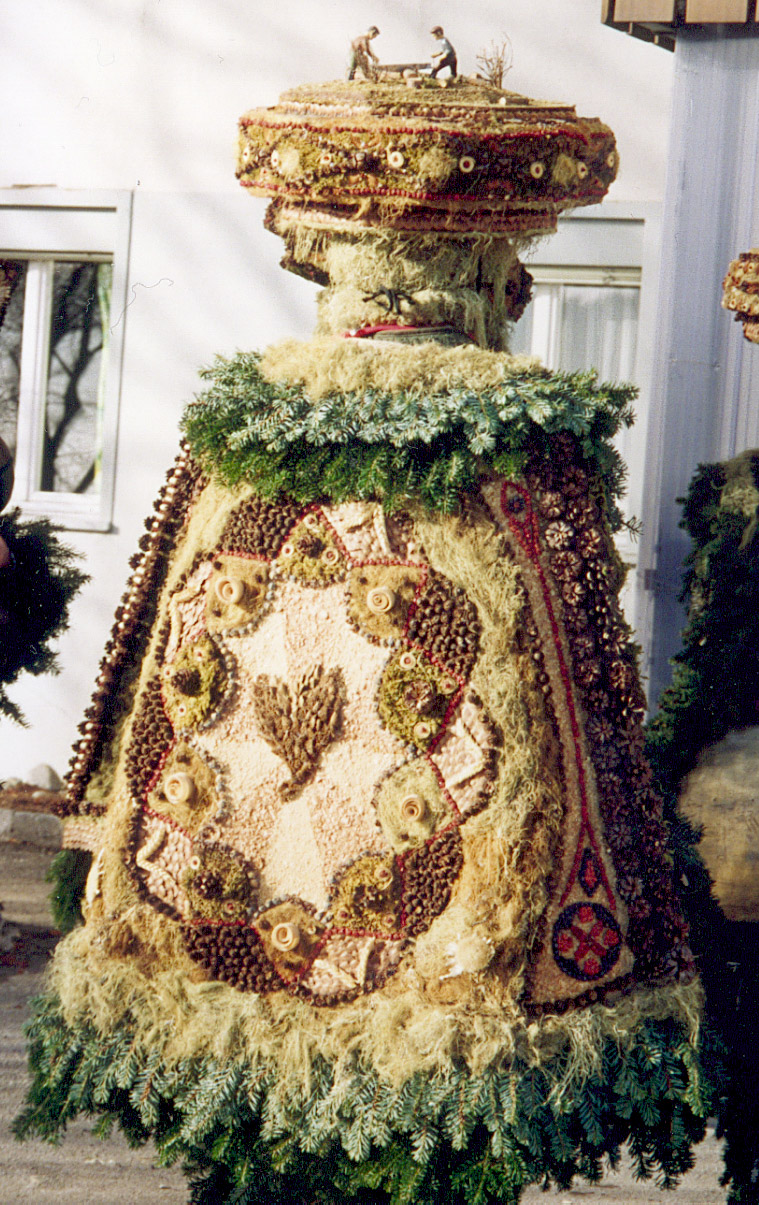
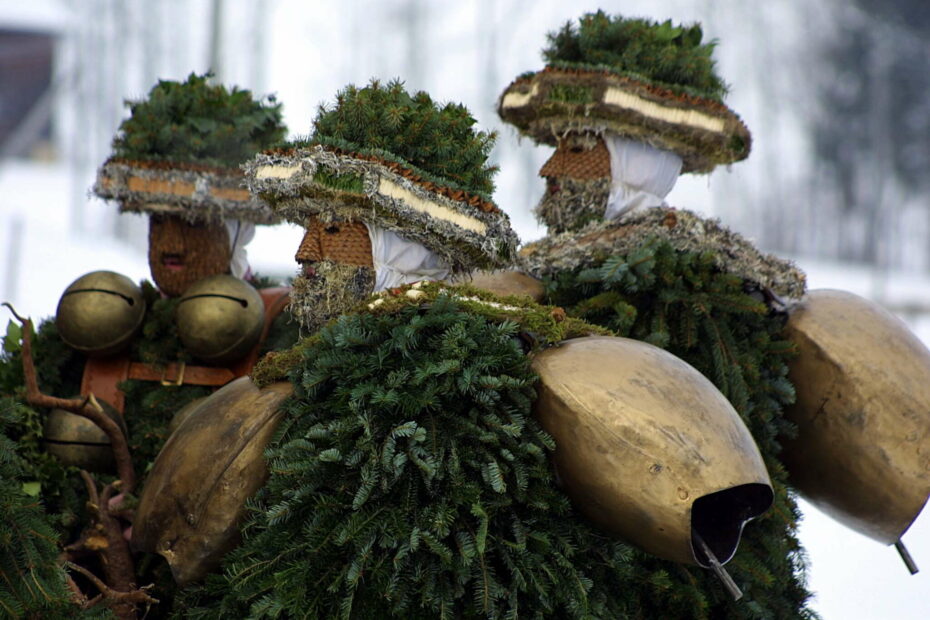
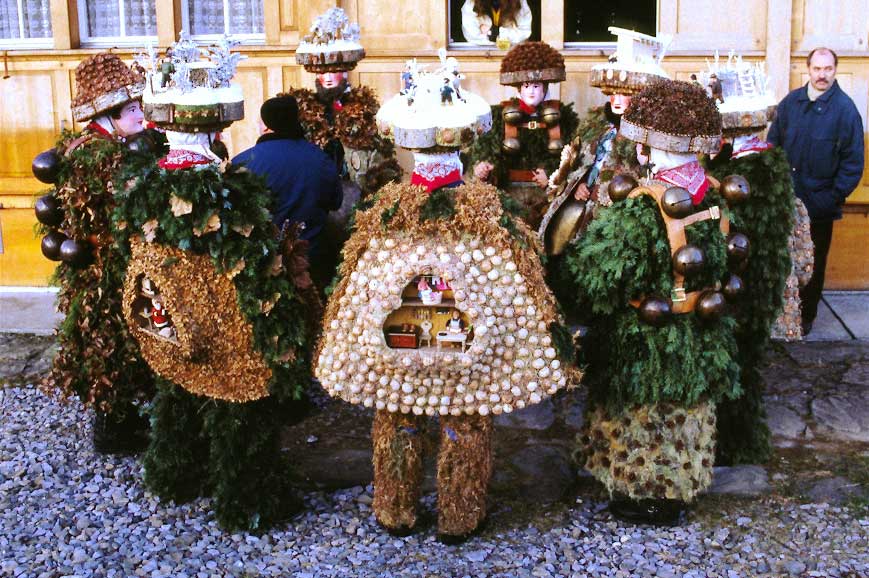

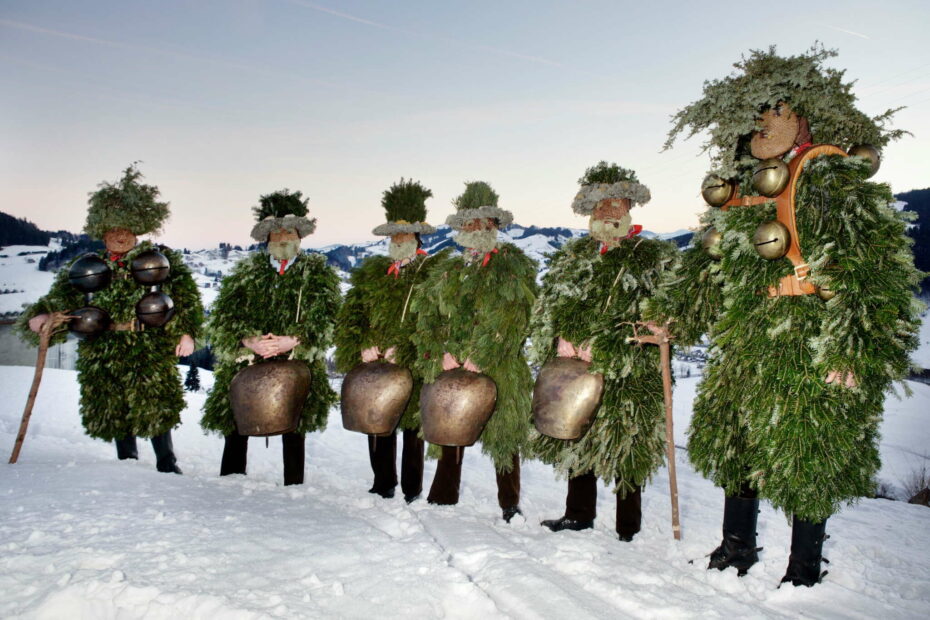
The Swiss celebrate New Year’s twice, on the December 31 and on January 13. A Silvesterklaus or New Year’s Mummer (Chlaus in Swiss German) is dressed up as a Saint Sylvester or New Year’s Eve character. In the Reformed half-canton of Appenzell Ausserrhoden, the turn of the year is still celebrated in this way.
Found on Wikipedia. Also, check out our Mummers-inspired Christmas window in Paris.
13. When Sophie Calle took over the Picasso Museum in Paris
Fore more context, Sophie is also the woman who slept at the top of the Eiffel Tower.