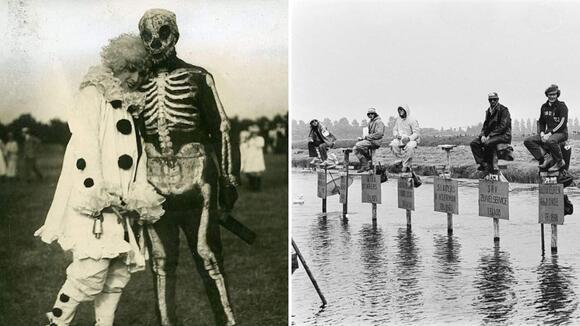
The Great Depression was a time of struggle for most Americans, but they still found ways to cope and even have fun. From homemade games to neighborhood gatherings, people got creative with how they spent their time, connected with others, and distracted themselves from everyday hardships. This listicle looks at everyday things Americans did to get through the Depression.
#1: Spooky Fun on a Budget
Haunted houses became a cheap way for families to celebrate Halloween during the Depression. Kids got spooked with simple decorations, candles, and homemade ghosts, keeping the fun local and affordable while avoiding the mischief that sometimes got out of hand.
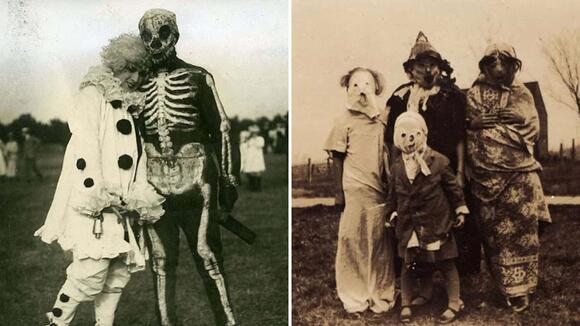
Communities quickly embraced the idea, distributing guides on how to set up attractions. By 1934, haunted houses were a staple of Halloween, showing how neighbors worked together to create safe, low-cost entertainment for children while keeping the holiday fun during tough economic times.
#2: Movies That Took People Away
Movies were an escape from the struggles of the Depression. With tickets costing less than a quarter, people flocked to theaters to see everything from cartoons to big musicals. Hollywood thrived while most industries were failing.
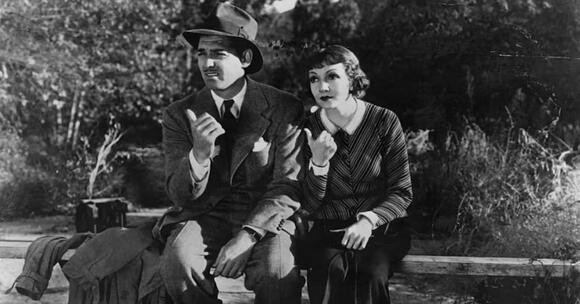
Films let audiences live in another world for a few hours. Screwball comedies and colorful animations offered distraction, and people could return often without spending much. Seeing glamorous stars on screen gave everyday Americans a chance to forget their worries for a little while.
#3: Gossip About the Rich and Famous
Even during hard times, Americans loved reading about wealthy and famous people. Celebrity gossip and society scandals became a favorite pastime, especially after Prohibition ended and nightlife revived in cities like New York.
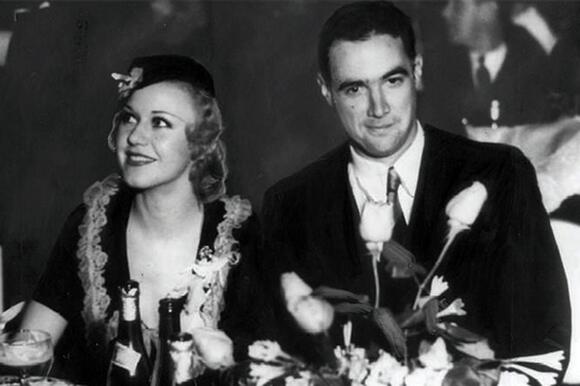
Stories about heiresses like Gloria Vanderbilt and Barbara Hutton captured the public’s attention. Families at home could follow the drama and compare it to their own lives, finding curiosity, humor, or a little escape in the challenges of the rich and powerful.
#4: Monopoly and Dreaming of Wealth
Board games were another inexpensive form of fun during the Depression. Monopoly, based on an earlier game, gave families a way to play together while imagining wealth and success in a time of financial hardship.
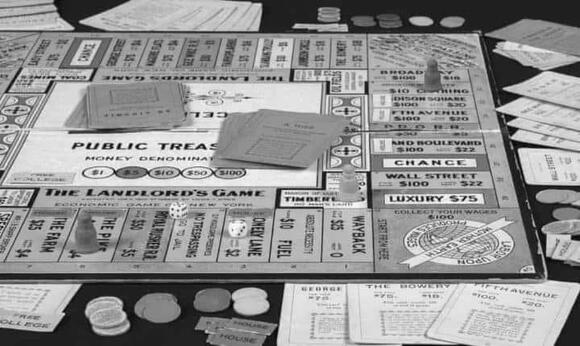
Affordable and reusable, Monopoly became a huge hit for Depression-era homes. Families enjoyed hours of entertainment building hotels, collecting rent, and dreaming of a life they couldn’t afford, making the game a mix of amusement and wish fulfillment.
#5: Dance Marathons That Went Too Long
Dance marathons tested endurance as people competed for small cash prizes. Contestants danced for hours with limited breaks, often relying on partners to stay upright while napping briefly. The events became a popular but exhausting spectacle.
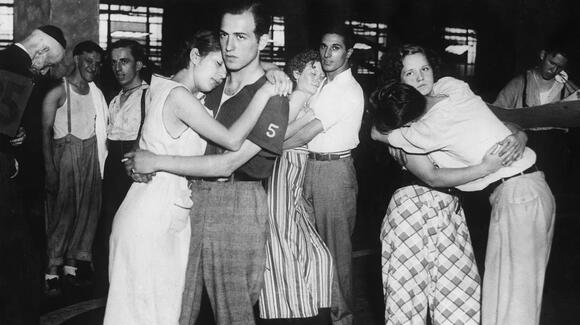
Spectators enjoyed the thrill of watching people push limits during hard times. By the late 1930s, public opinion turned against them due to safety concerns, and cities began banning the contests. They remain a curious example of Depression-era entertainment and risk-taking.
#6: Comics Kids Couldn’t Put Down
Newspaper comics became an important part of children’s lives in the 1930s. Strips like Dick Tracy and Little Orphan Annie provided excitement, adventure, and humor while offering a break from everyday struggles during the Depression.
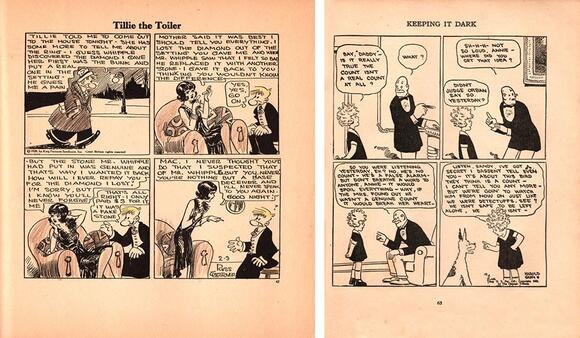
Some comics even sparked controversy, reflecting political debates of the era. Despite that, kids eagerly followed stories each week, showing how simple, accessible entertainment could shape culture and provide joy when times were difficult.
#7: The Strange Goldfish Fad
A bizarre trend began at Harvard in 1939 when a student swallowed a live goldfish for a bet. The story spread quickly, inspiring others to try it, creating a short-lived craze that shocked many Americans.
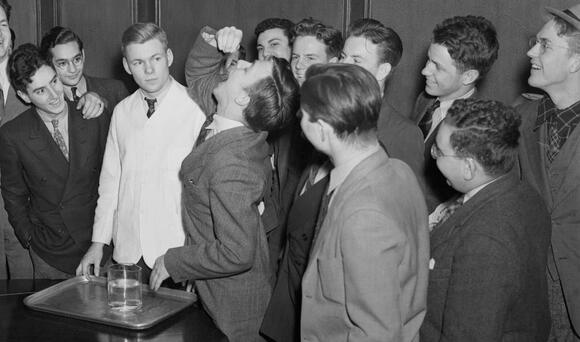
The fad grew quickly, with students swallowing multiple fish and even trying other objects. Thankfully, the trend faded by 1940. It stands out as a strange example of how people sought entertainment, excitement, and notoriety during the Depression.
#8: Radio, the Heart of the Home
Radio exploded in popularity during the 1930s, reaching nearly 90% of households by decade’s end. Families gathered to hear news, music, and entertainment, including adaptations of comic strips and comedy programs, making radio a central part of everyday life.
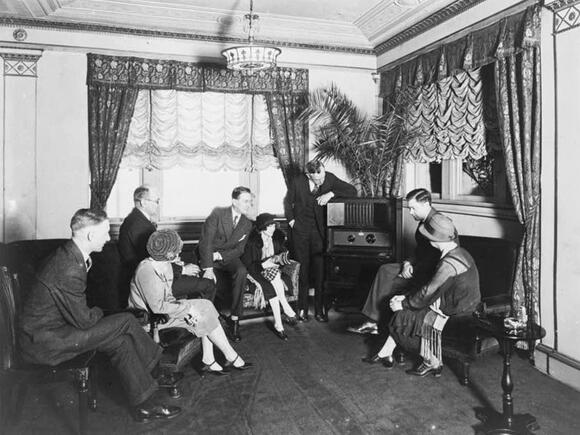
It also served as a lifeline for news and guidance. Franklin D. Roosevelt’s fireside chats reassured Americans during tough times. Radio offered comfort, connection, and distraction, showing how technology helped families cope with uncertainty and stay informed.
#9: Racing Downhill in Soap Boxes
The Soap Box Derby started in 1933 as kids raced homemade cars down hills. Journalists captured the fun, and the idea quickly spread nationwide, turning a simple neighborhood activity into a competitive and beloved tradition.
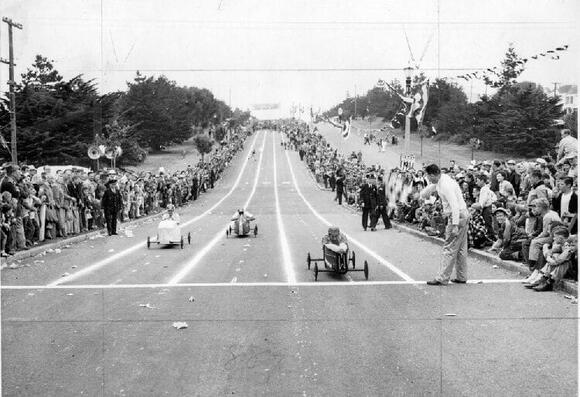
With Chevrolet sponsorship in 1934, the event grew larger, drawing crowds and inspiring young racers. It provided families with affordable excitement and a sense of community, showing how simple ingenuity could turn play into a nationwide pastime.
#10: Sitting High for Fun
Flagpole sitting became a popular endurance stunt during the 1930s. People climbed poles or trees for days at a time, often earning small prizes or attention while providing free entertainment for spectators.
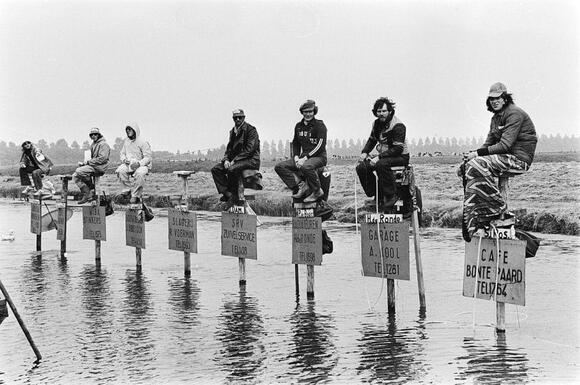
Alvin “Shipwreck” Kelly inspired many imitators, and these stunts gave young people a way to compete, challenge themselves, and amuse their communities. The fad offered a brief distraction from hard times while costing almost nothing.
#11: Backyard Gardens and Victory Plots
Many families grew their own food to save money and stretch grocery budgets. Even small yards or empty lots were turned into gardens where vegetables, fruits, and herbs helped households get through hard times.
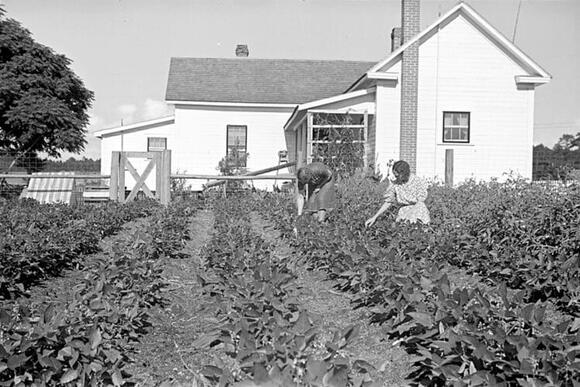
These “victory gardens” offered more than just food. They gave people a sense of control and accomplishment, letting families work together outdoors while reducing reliance on expensive store-bought goods during the Depression.
#12: Community Potlucks and Shared Meals
Sharing food became a common way to cope with tight budgets. Neighbors organized potlucks where everyone brought what they could, turning mealtime into a social and supportive activity that eased stress and loneliness.
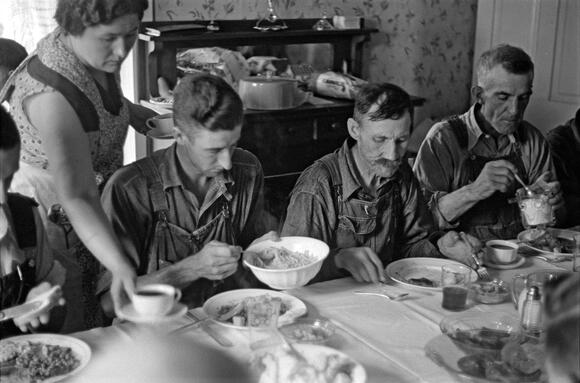
Potlucks strengthened community bonds while filling bellies. They showed that even small contributions could make a difference, giving families a chance to enjoy meals, laughter, and companionship without spending much money.
#13: Sewing and Mending Clothes
Clothing was expensive, so many Americans learned to sew, patch, and mend their own clothes. Handmade repairs extended the life of worn garments and kept children and adults properly dressed during tough economic times.
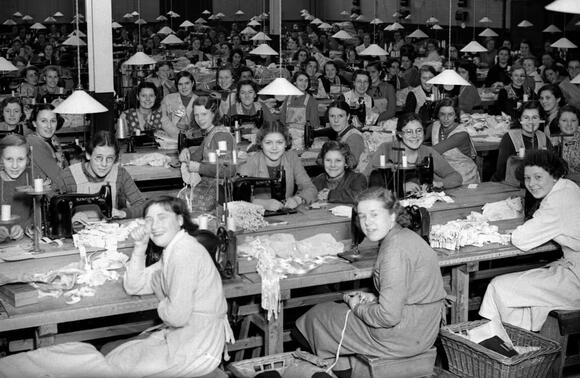
Sewing also became a creative outlet. Families made new items from scraps and recycled materials, turning necessity into skill-building while finding pride and satisfaction in producing functional, stylish clothes at home.
#14: Homemade Toys and Games
Store-bought toys were often too expensive, so parents and kids made their own fun. Cardboard, scraps of wood, and everyday household items became dolls, toy cars, and board games, keeping children entertained cheaply.
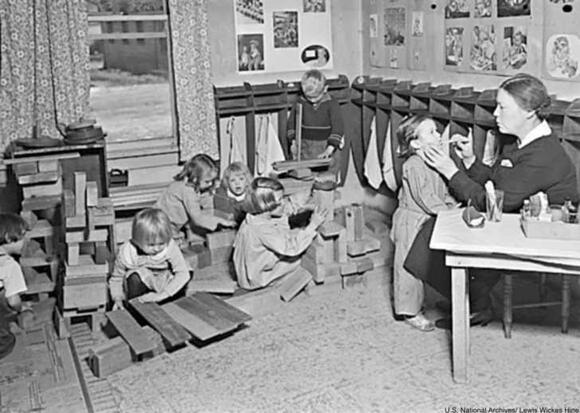
These homemade creations encouraged imagination and resourcefulness. Families bonded while inventing new ways to play, proving that creativity and togetherness could provide hours of joy even without money to spend.
#15: Neighborhood Lending Libraries
Books were expensive, so communities set up small lending libraries. Neighbors shared what they owned, whether novels, magazines, or newspapers, making reading accessible and providing an inexpensive way to escape daily hardships.
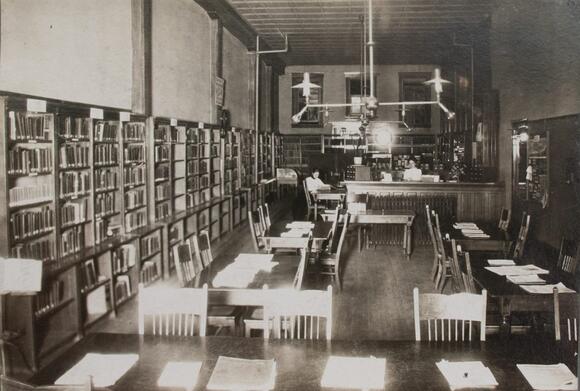
These libraries promoted literacy and connection. People gathered to borrow, trade, and discuss books, turning simple acts of sharing into a meaningful way to educate, entertain, and support each other during the Depression.
#16: Walking and Bicycling Everywhere
With gas and car repairs costly, many Americans relied on walking or bicycling for transportation. Kids rode to school, parents traveled to work, and families explored their towns without spending money on vehicles.
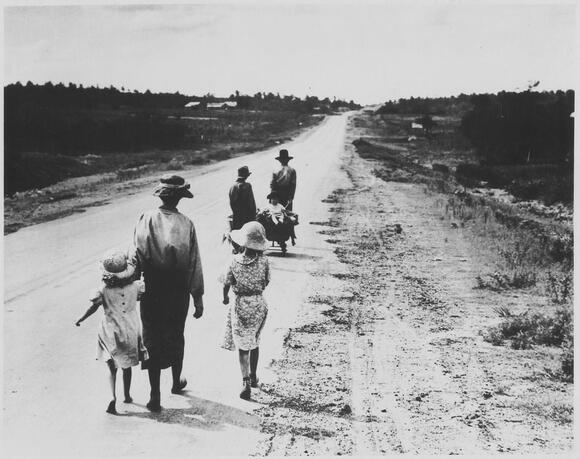
This simple shift also promoted exercise and independence. Walking and biking became a practical way to get around while saving money, keeping fit, and enjoying small adventures during the Depression.
#17: Bartering and Trading Goods
Cash was scarce, so people often exchanged goods or services directly. Neighbors traded vegetables, eggs, clothes, or handyman work, creating a system that kept communities functional without needing money.
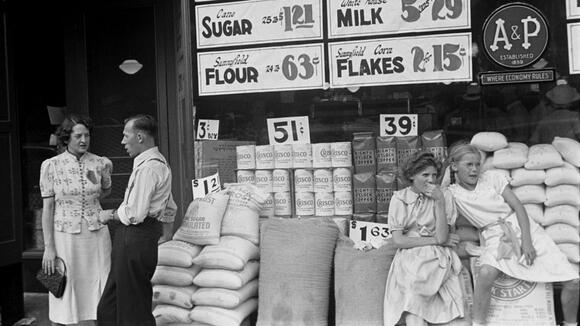
Bartering encouraged creativity and cooperation. Families learned to negotiate, value skills, and rely on one another, turning tough times into opportunities for connection and resourcefulness.
#18: Listening to Live Music in the Streets
Street musicians offered free entertainment for anyone passing by. People would gather to listen, clap along, and even dance, enjoying music without spending a dime while escaping the stress of the Depression.
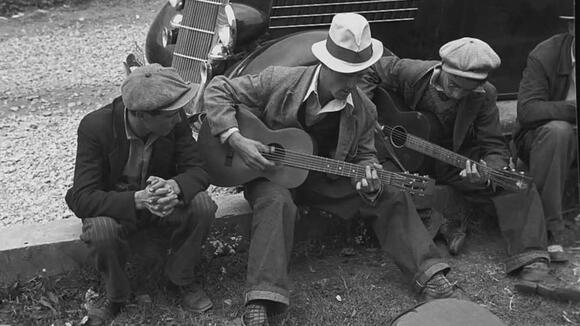
These performances brightened neighborhoods and built community. They reminded Americans that joy could be shared publicly, proving that simple pleasures didn’t require wealth or special access.
#19: Crafting with Scrap Materials
Everyday scraps became the raw material for crafts. Children and adults repurposed paper, fabric, and household items to create decorations, gifts, and practical items, stretching resources while keeping busy and entertained.
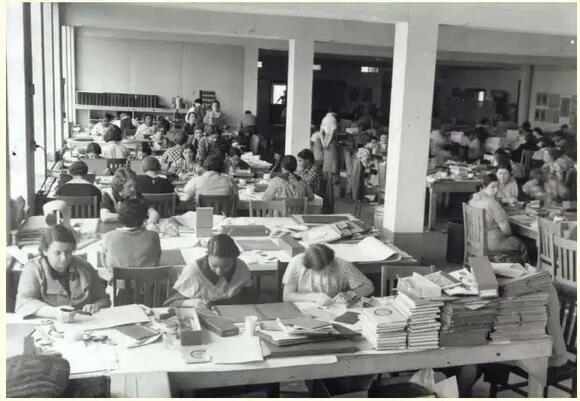
Crafting encouraged creativity and pride. Families found satisfaction in making something useful or beautiful from nothing, turning limited resources into projects that strengthened morale and fostered ingenuity.
#20: Community Sports and Pickup Games
Baseball, basketball, and other sports thrived in local parks and empty lots. Kids and adults formed teams, competed for fun, and held informal games that cost nothing and brought excitement to daily life.
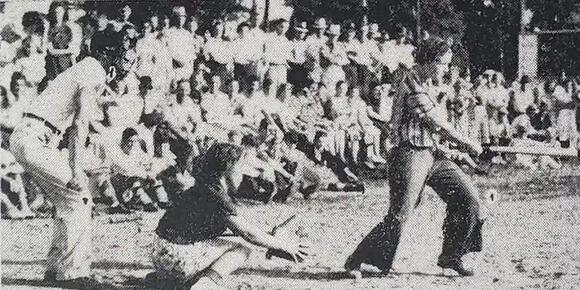
These games offered exercise, social interaction, and healthy competition. Communities bonded through sports, giving people an outlet for stress and a sense of accomplishment without the need for expensive equipment or facilities.