You probably think you know the human evolution story. A straight line from ape-like ancestors to modern us, right? Here’s the thing: scientists are finding out that our origins are way messier, weirder, and more fascinating than anyone imagined. In the past year alone, researchers have unearthed fossils, analyzed ancient DNA, and reconstructed faces that are turning everything we thought we knew upside down.
From mysterious human relatives we’ve finally put a face to, after over a decade of searching, to brand-new species nobody knew existed until just months ago, the discoveries keep rolling in. Let’s be real, some of these findings sound like they belong in science fiction rather than peer-reviewed journals. So let’s dive in and explore what makes these breakthroughs so mind-blowing.
Dragon Man Finally Gets a Face After 15 Years of Mystery

Human evolution’s biggest mystery emerged 15 years ago from a 60,000-year-old pinkie finger bone, and analysis of DNA extracted from the fossil revealed a previously unknown human population that had interbred with our own species, Homo sapiens. This enigmatic group became known as the Denisovans after Denisova Cave in Siberia’s Altai Mountains, where the pinkie finger was found. For years, scientists knew their DNA but had no clue what they actually looked like.
Molecular evidence now links the Dragon Man skull to the Denisovans, making it easier for paleoanthropologists to identify other potential Denisovan remains. The ancient human would have had pronounced brow ridges, large teeth and lacked our high foreheads. Honestly, if you dressed one in modern clothes, they might not turn too many heads on a subway. This breakthrough in 2025 finally gave researchers something they’d been desperately seeking: a face to match the genes.
Two Ancient Human Populations Merged to Create Modern Humans
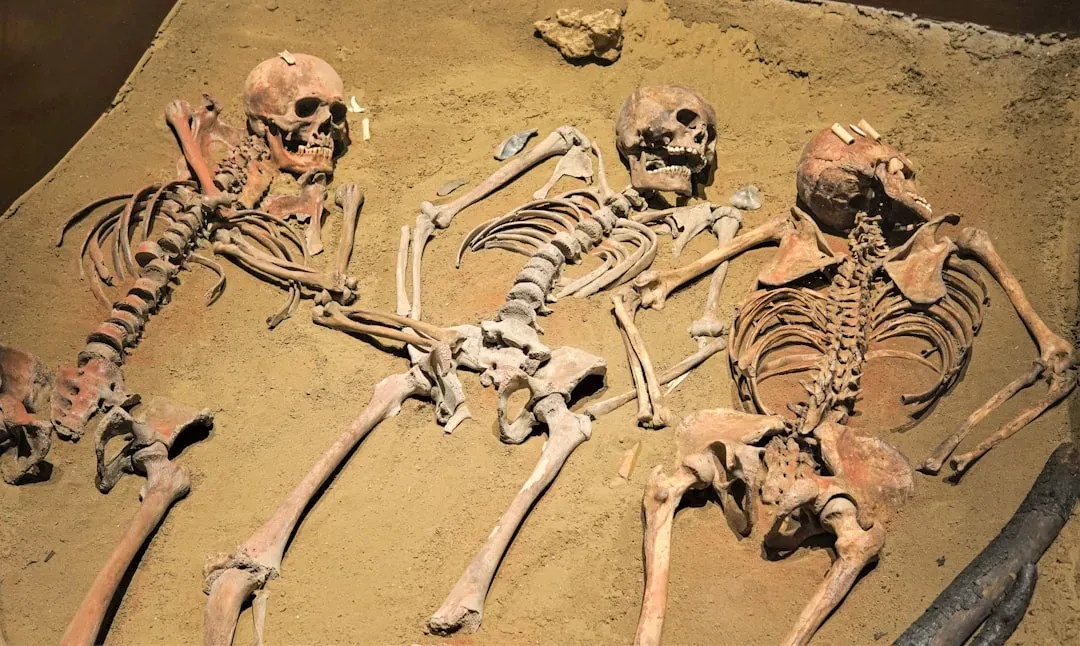
Researchers from the University of Cambridge found evidence that modern humans are the result of a genetic mixing event between two ancient populations that diverged around 1.5 million years ago, and about 300,000 years ago, these groups came back together, with one group contributing 80% of the genetic makeup of modern humans and the other contributing 20%. Think about that for a second. We’re literally a hybrid species.
This finding completely challenges what textbooks have been teaching for decades. This new research suggests that long before interactions with Neanderthals and Denisovans around 50,000 years ago, a much more substantial genetic mixing took place around 300,000 years ago, and unlike Neanderthal DNA, which makes up roughly 2% of the genome of non-African modern humans, this ancient mixing event contributed as much as 10 times that amount and is found in all modern humans. The implications are staggering. Our very existence depends on two separate human lineages meeting up after being apart for over a million years.
A Brand New Australopithecus Species Lived Alongside Early Humans
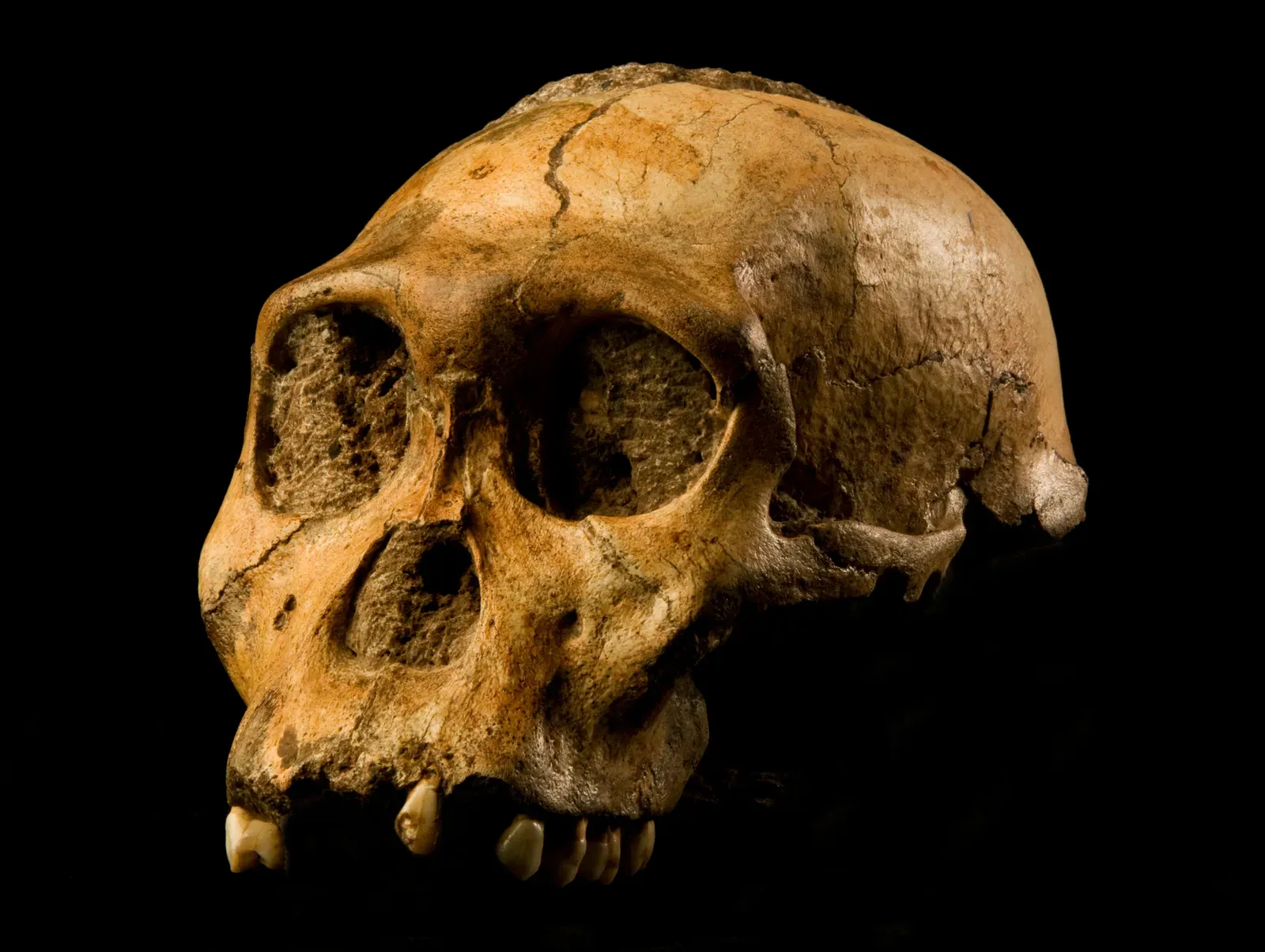
A team of international scientists discovered new fossils at a field site in Africa that indicate Australopithecus and the oldest specimens of Homo coexisted at the same place in Africa at the same time between 2.6 million and 2.8 million years ago, and the paleoanthropologists discovered a new species of Australopithecus that has never been found anywhere. They found 13 teeth to be exact.
Now here’s where it gets really interesting. Together with previous finds, the new fossils demonstrate that at least four lineages of hominins lived in eastern Africa between three million and 2.5 million years ago, and how these hominins were able to share the landscape is a question the team is working to answer. Were they competing for food? Avoiding each other? Trading resources? Nobody knows yet. It’s hard to say for sure, but the crowded evolutionary landscape challenges everything about the neat, linear progression we used to imagine.
A Seven-Million-Year-Old Fossil Just Proved Bipedalism Is Way Older Than We Thought
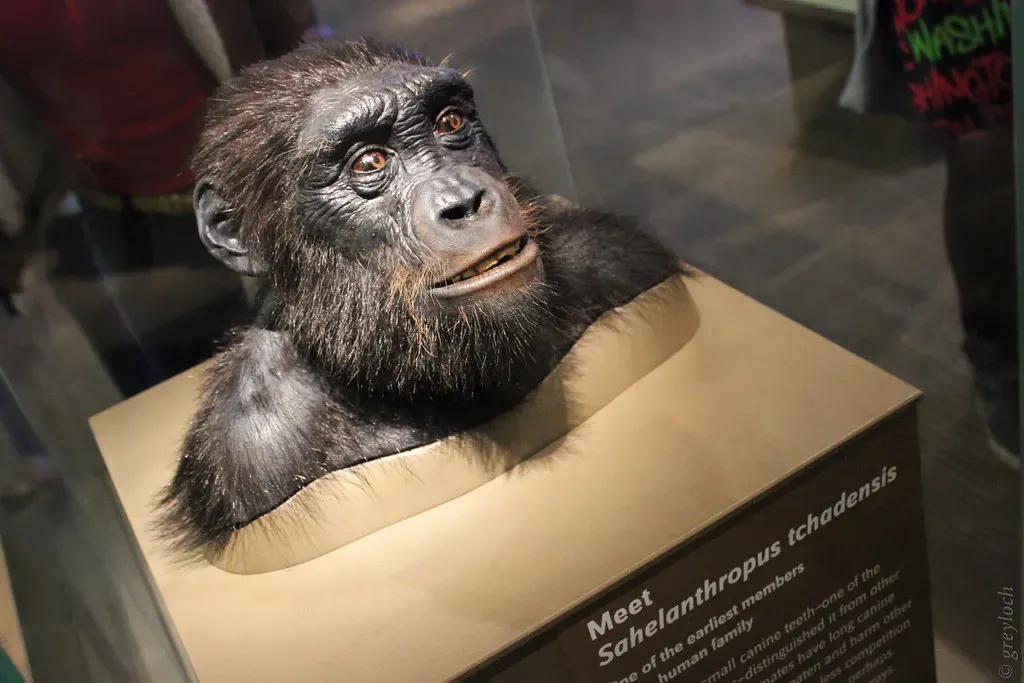
Scientists may have cracked the case of whether a seven-million-year-old fossil could walk upright, and a new study found strong anatomical evidence that Sahelanthropus tchadensis was bipedal, including a ligament attachment seen only in human ancestors. Despite its ape-like appearance and small brain, its leg and hip structure suggest it moved confidently on two legs, and the finding places bipedalism near the very root of the human family tree.
This discovery pushes back the timeline for one of humanity’s most defining characteristics by millions of years. Walking upright wasn’t some late evolutionary development; it happened right at the beginning of our family tree’s split from chimpanzees. The detailed analysis identified three distinct features in Sahelanthropus that support upright walking, including a femoral tubercle that anchors the iliofemoral ligament connecting the pelvis and femur, a feature so far observed only in hominins. Let’s be real, finding definitive proof of walking from bones that old feels almost miraculous.
The Primitive-Looking Homo Erectus Face That’s Rewriting Migration Routes
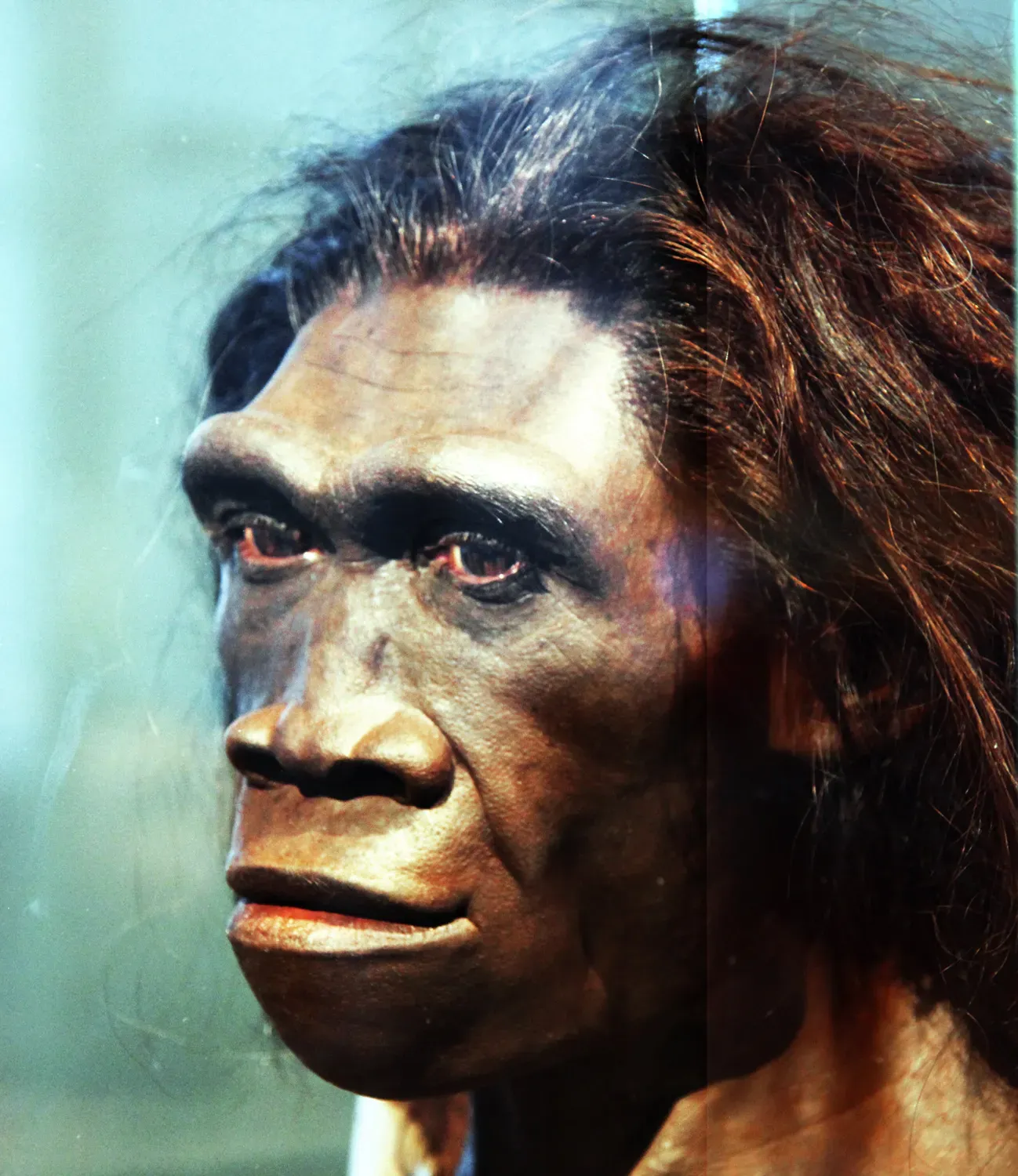
Scientists digitally reconstructed the face of a 1.5-million-year-old Homo erectus fossil from Ethiopia, uncovering an unexpectedly primitive appearance, and while its braincase fits with classic Homo erectus, the face and teeth resemble much older human ancestors. The fossil, known as DAN5, looks nothing like what scientists expected for its age.
This discovery challenges long-held ideas about where and how Homo erectus evolved, and it also hints at a complex web of migrations and possible mixing between early human species. At Gona, DAN5 is associated with both simple Oldowan stone tools and early Acheulian hand axes, giving the earliest direct evidence that a single species of hominins produced both tool technologies. The mix of primitive and advanced features in one individual suggests our ancestors were far more diverse than anyone realized. Evolution doesn’t follow a straight path; it branches, mixes, and sometimes loops back on itself.
Neanderthals and Modern Humans Had a Very Specific Window for Interbreeding
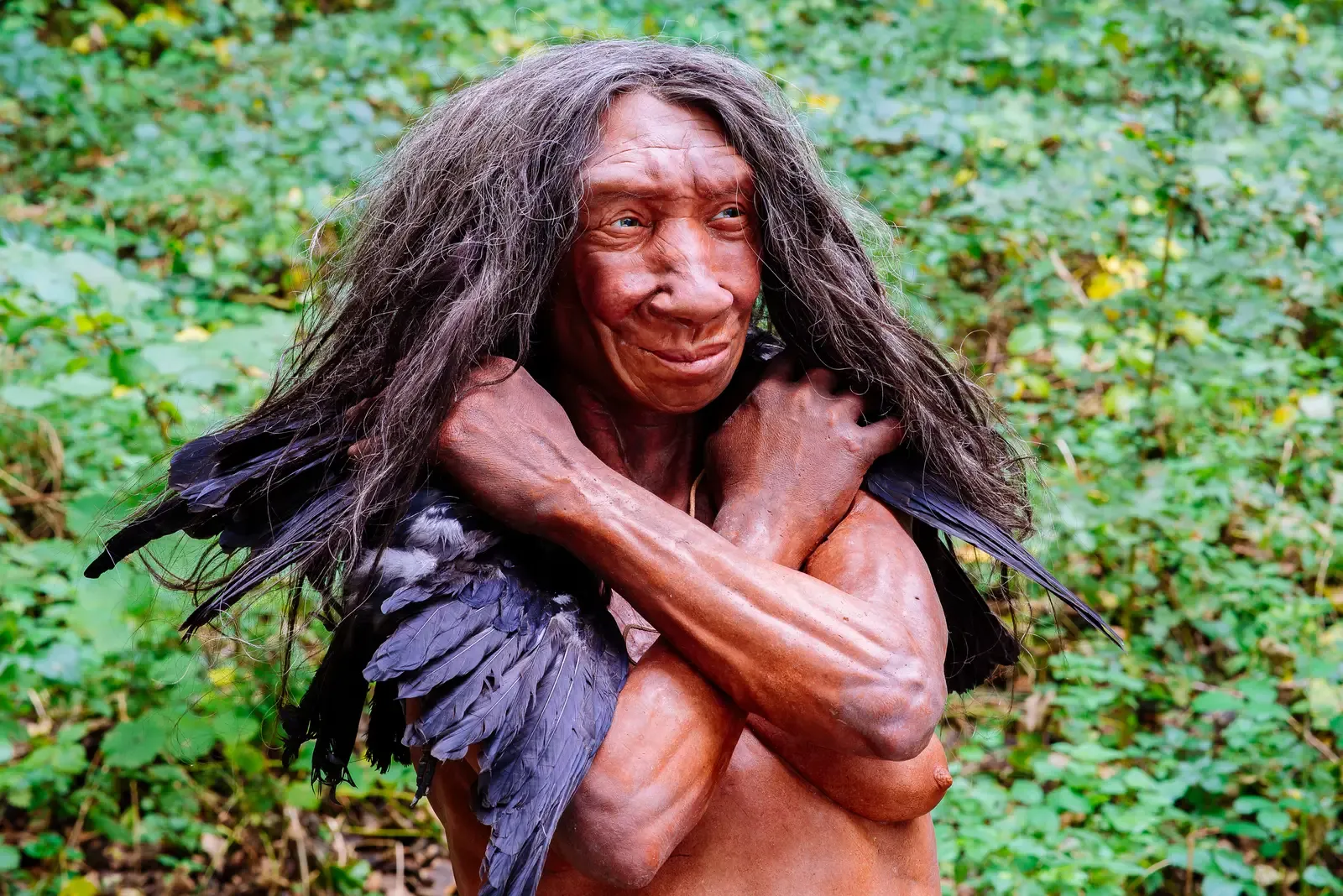
Sometime around 40,000 to 60,000 years ago, modern humans left Africa, encountering Neanderthals and interbreeding, and the gene flow between Neanderthals and modern humans resulted in most non-Africans carrying one to two percent Neanderthal DNA. For years, pinpointing exactly when this genetic exchange happened was nearly impossible.
Recent research has narrowed down the timeline dramatically. Natural selection on Neanderthal genetic variants, both beneficial and harmful, acted very rapidly and was likely quite strong. Some Neanderthal genes helped our ancestors survive in new environments, particularly in immune function and adaptation to colder climates. Others were immediately weeded out by natural selection. The patterns in the DNA suggest that interbreeding may not have been entirely random, and instead, factors such as geography or culture may have influenced which groups of humans were more likely to interact with Neanderthals. The whole story is way more nuanced than a simple “they met and mated” narrative.
Ancient Stone Tools Reveal Forward Planning 600,000 Years Earlier Than Expected
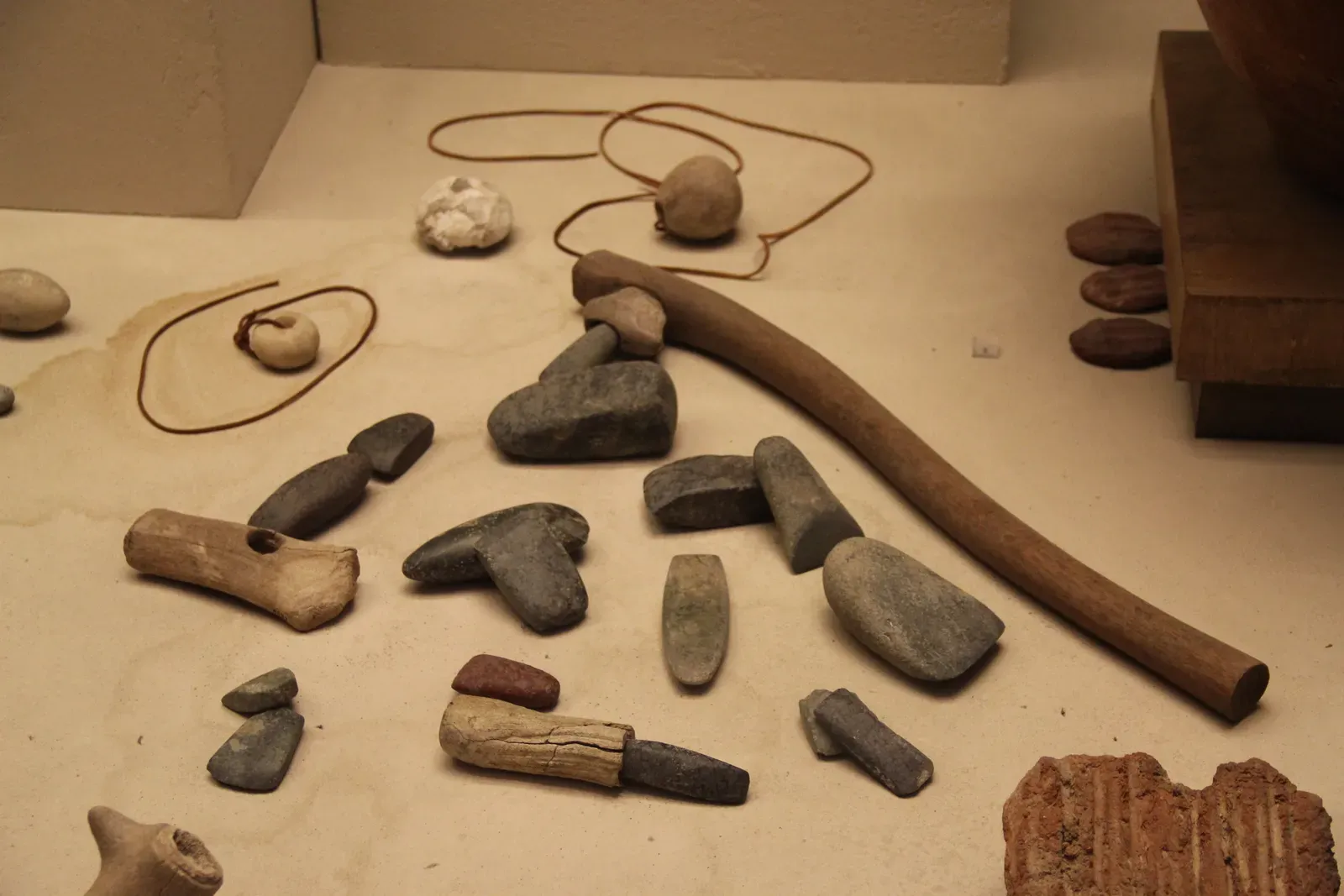
Hundreds of stone tools discovered in Kenya revealed that our ancient relatives had a high degree of forward planning 600,000 years earlier than experts previously thought. Researchers looked at more than 400 stone tools from the site of Nyayanga dated to 3 million to 2.6 million years ago, and while the tools were fairly basic, the stones used to make them came from locations more than 6 miles away.
Think about what that means. These early hominins weren’t just picking up random rocks and chipping away. They deliberately traveled significant distances to get the right kind of stone, then carried it back to use later. That requires memory, planning, and an understanding of future needs. I know it sounds crazy, but we’re talking about cognitive abilities appearing in species that weren’t even in our direct genus yet.
Denisovan Genes Helped Humans Conquer the Americas
Ancient humans crossing the Bering Strait into the Americas carried more than tools and determination – they also carried a genetic legacy from Denisovans, an extinct human relative. Some people with Indigenous American ancestry carry Denisovan genes, likely passed on through Neanderthals who mated with modern humans.
This genetic inheritance wasn’t just a random leftover from ancient encounters. These Denisovan genes appear to have provided real survival advantages in harsh new environments. The genetic variants may have helped with adaptation to altitude, immune challenges, or metabolic needs during the long migration into a completely new continent. It’s fascinating how these ancient human relatives, extinct for tens of thousands of years, still influence living populations today through their DNA.
Early Neanderthals Mastered Fire-Making 400,000 Years Ago
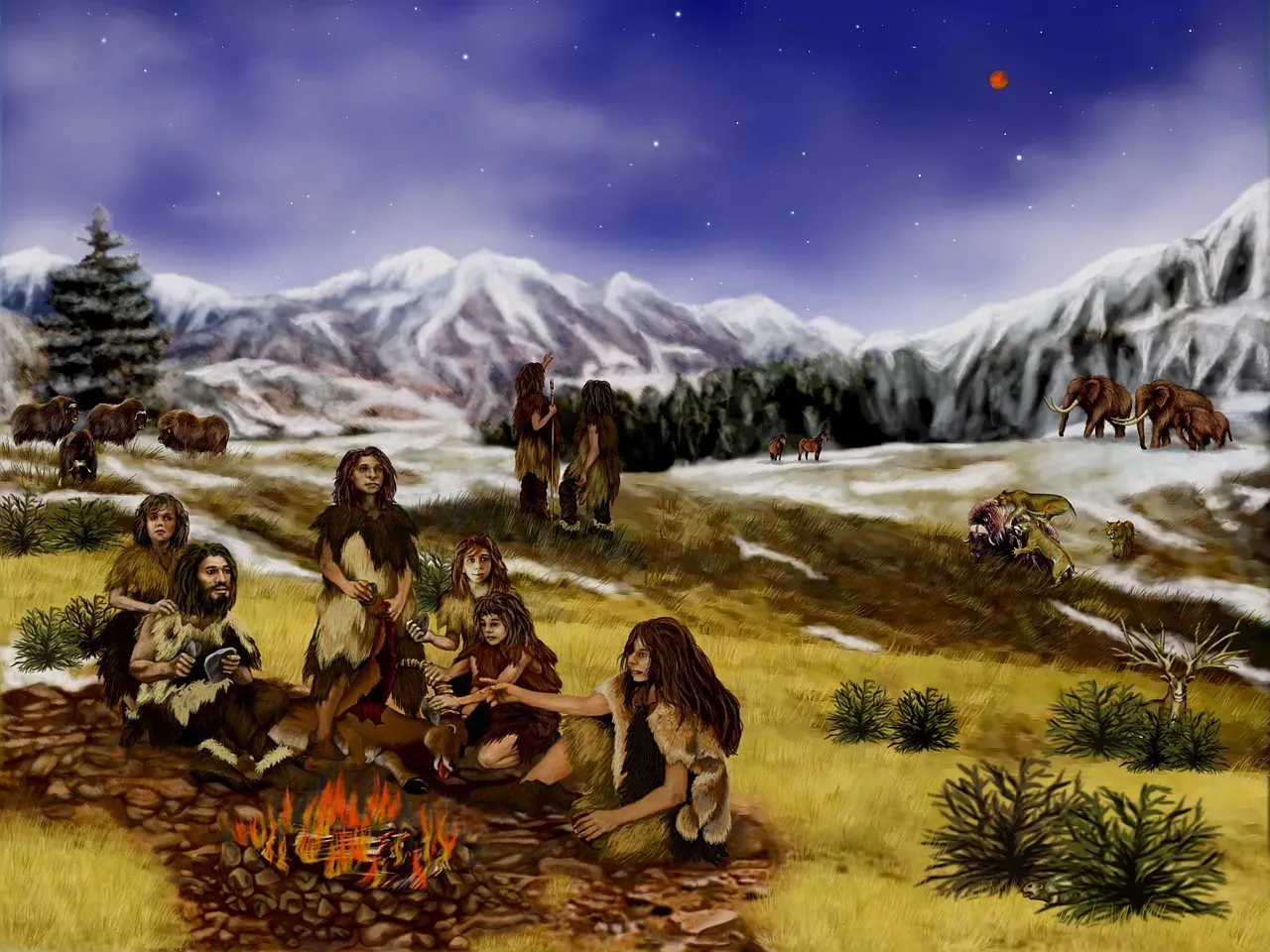
Researchers excavating at Barnham uncovered compelling evidence that early Neanderthals were creating fire on demand 400,000 years ago – the earliest known instance of deliberate fire-making in human history, and the discovery contained three crucial pieces of evidence: a preserved hearth with heated sediments, fire-damaged hand axes, and fragments of iron pyrite – the mineral our ancestors used to create sparks by striking it with flint.
What makes the pyrite discovery particularly significant is that this mineral doesn’t occur naturally in the Suffolk area, meaning ancient inhabitants traveled considerable distances to obtain it. They knew exactly what they needed, where to find it, and how to use it. This wasn’t accidental fire from lightning strikes; this was controlled, intentional technology. Mastering fire changed everything for early humans: cooking, warmth, protection from predators, and social gathering. Finding proof it happened this early completely reframes Neanderthal intelligence.
A Million-Year-Old Skull from China Pushes Back Human Lineage Origins
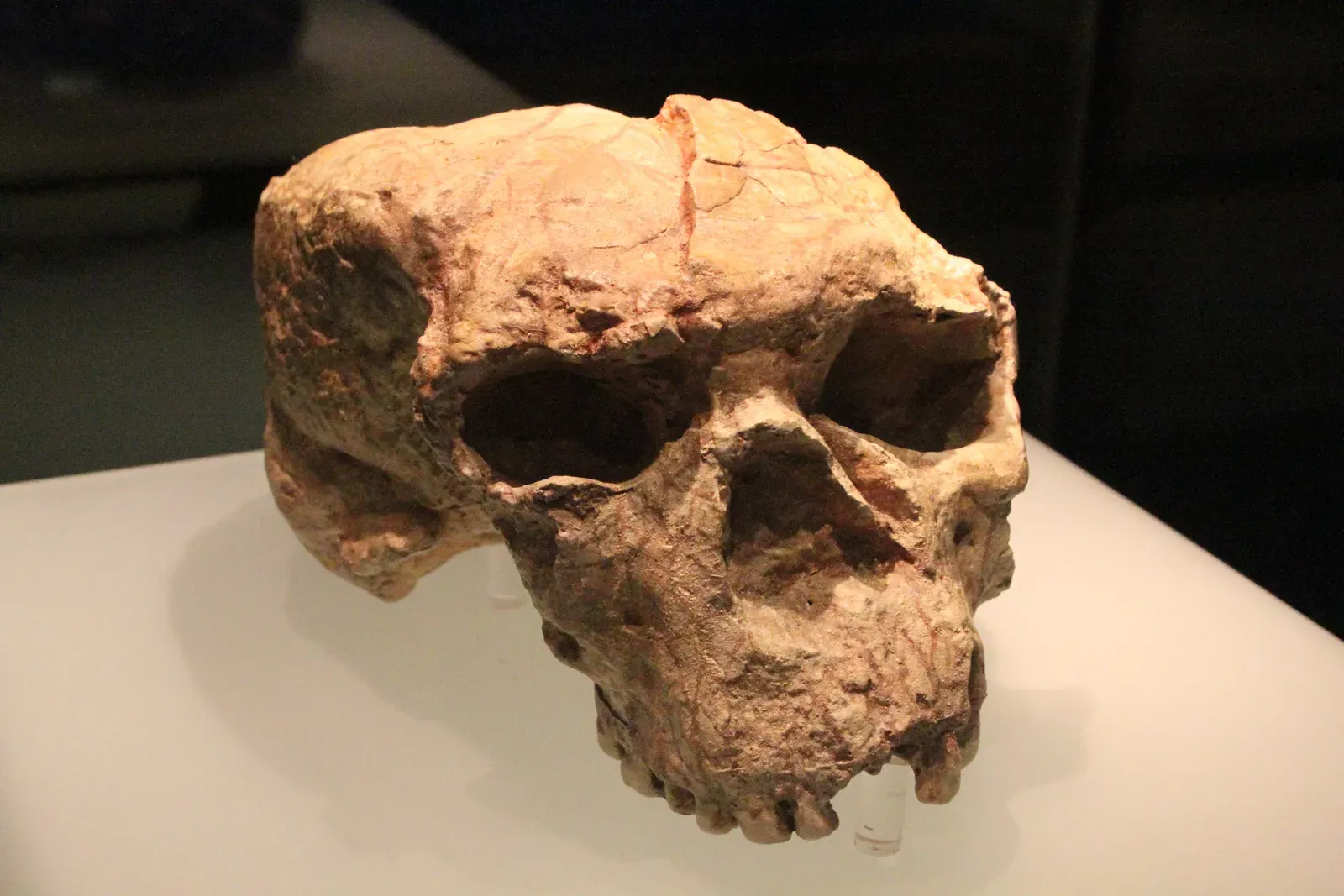
In September, researchers reconstructed and described the Yunxian 2 cranium from China, dating to one million years ago, and the skull was meticulously reconstructed from crushed and warped fragments and appears to have a mix of primitive and derived traits. The phylogenetic analysis conducted by the team changes the perspective of late hominin divergence, with all three groups having evolutionary origins two to three times older than previously thought: at least 1.2 million years ago.
This single fossil is forcing scientists to completely redraw the human family tree. If the divergence between our lineage and Neanderthals happened over a million years ago rather than a few hundred thousand, then everything about our understanding of when and where different human species emerged needs updating. The researchers’ wider analysis, based on the reconstruction and more than 100 other skull fossils, significantly pushes back the timeline for the emergence of species such as our own, Homo sapiens, and Homo neanderthalensis, by 400,000 years. The deeper we dig, literally and figuratively, the more complex our origins become.
Conclusion: Our Origins Are Beautifully Messy
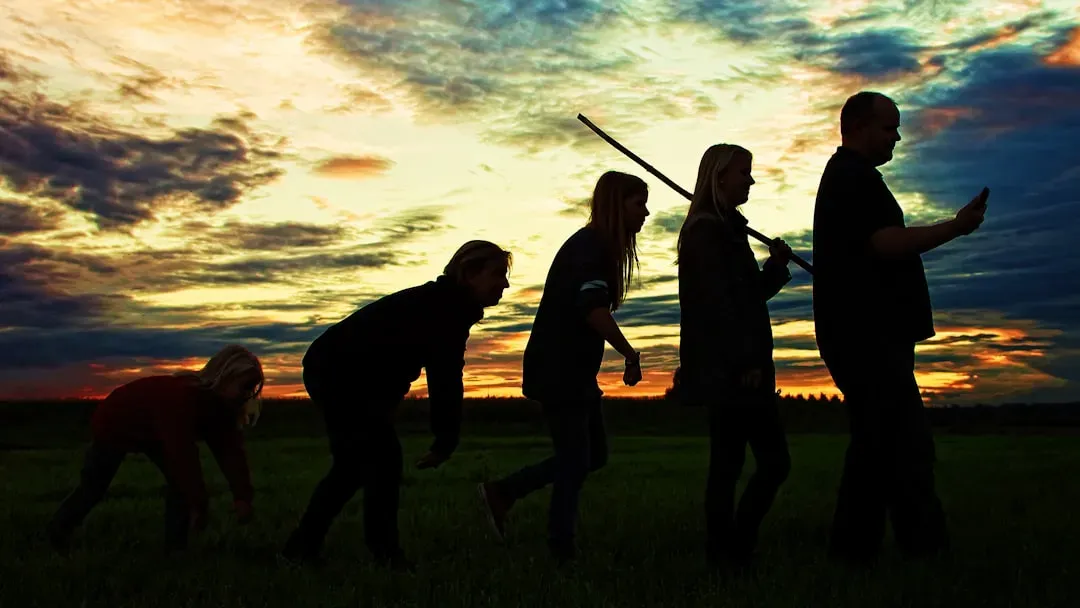
The more we discover about human evolution, the clearer it becomes that our story isn’t a simple ladder climbing from primitive to advanced. It’s a tangled, branching bush where multiple human species lived alongside each other, interbred, competed, and sometimes disappeared while leaving traces in our DNA. From Dragon Man’s reconstructed face to genetic mixing events hundreds of thousands of years ago, from fire-making Neanderthals to forward-planning tool makers, every discovery adds another layer of complexity.
What strikes me most about these findings is how recent they are. Most of these breakthroughs happened in just the past year. As technology improves and researchers explore new sites, we’re bound to uncover even more surprises. Our family tree keeps getting bushier, and honestly, that makes the story of how we became human so much more interesting than any straight-line narrative ever could.
What discovery surprised you the most? Did you expect our evolutionary history to be this complicated?
