1. How Marc Chagall made the Paris Opera House Fresco Ceiling in the summer of 1964 (and should it be kept there?)

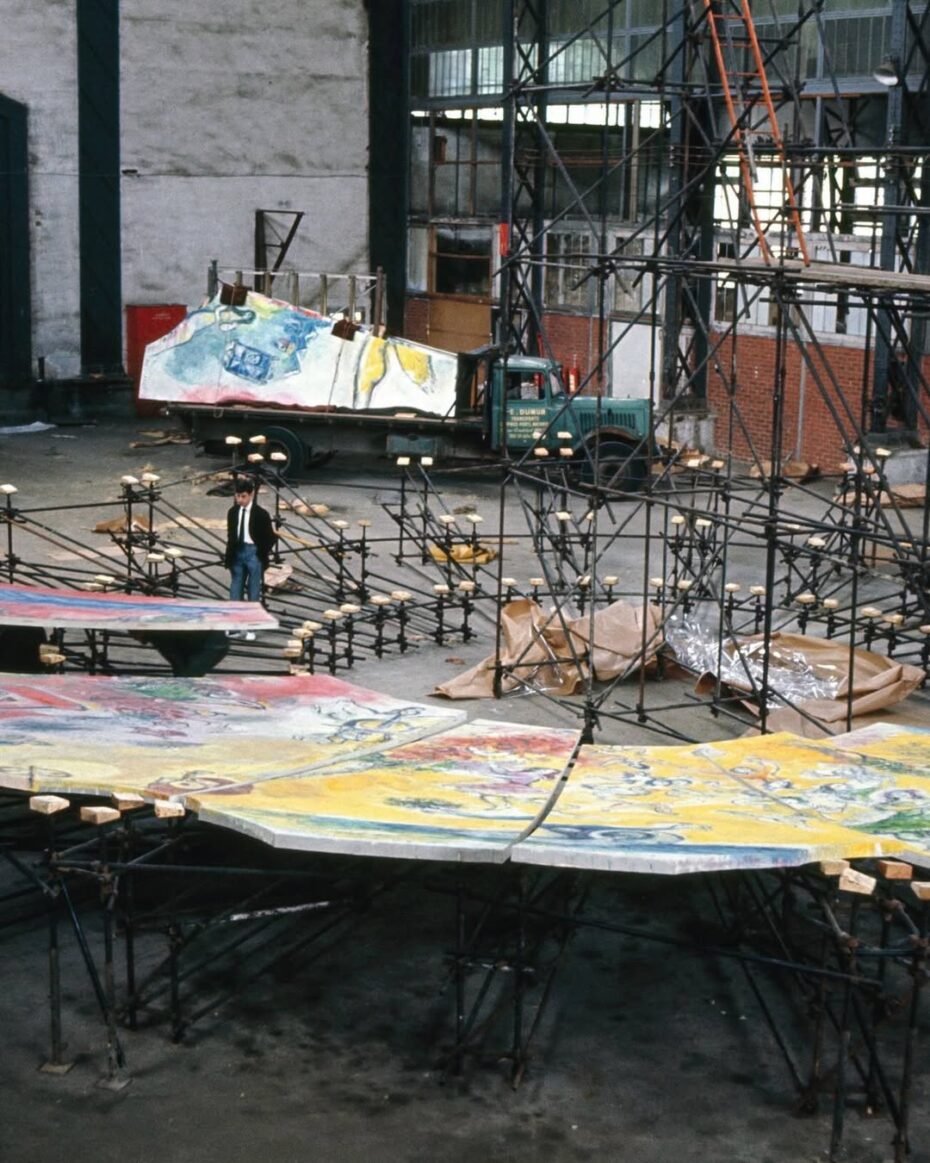
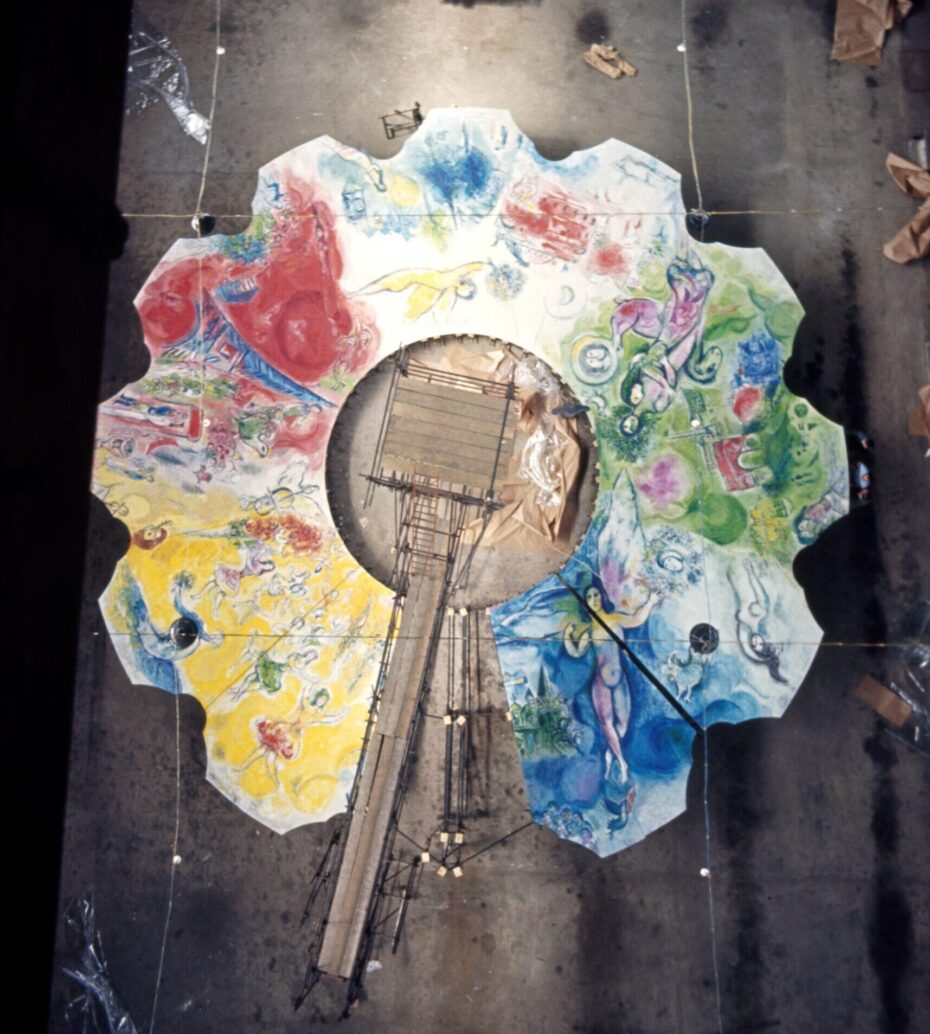
On August 7, 1964, inside Hangar Y, (formerly the Chalais Meudon site where the world’s first airship hangar was built in the 1870s and is now an excellent art & culture museum in the suburbs of Paris) artistr Marc Chagall used the nave’s space to assemble his 220 square meters of canvases that would adorn the red and gold vault of the Opéra Garnier’s auditorium. The panels were mounted on a frame, just before the canvas was glued to the walls.
 Now Playing
Up Next13 Things I Wish I Knew BEFORE Going On My Disney Cruise
 Now Playing
Up NextI Found The 7 Best Smart TVs For 2026
 Now Playing
Up NextI Think I Found My Next TV
 Now Playing
Up NextI Found The Ship's Bell From A WWII Canadian Navy Ship - HMCS Trentonian
 Now Playing
Up NextI Found the BEST WAY to Flirt with a Girl like a Real Man
 Now Playing
Up NextI Found The 10 Best Parka Jackets For Winter 2026
 Now Playing
Up NextCoolest New Digital Products on FilterGrade | June 13
 Now Playing
Up NextI Found a SECRET Way to Make This Duckling!
 Now Playing
Up Nextshane hummus: youtube growth secrets: 4 things i wish i knew earlier
 Now Playing
Up Next13 SURVIVAL TOOLS EVERY MAN YOU CAN STILL BUY ON AMAZON





At 77 years old, the artist made adjustments from scaffolding. On September 23, 1964, this oil painting, one of the largest in the world, adorning the ceiling of the Paris Opera was revealed.

Some people want Chagall’s work removed however, to reveal the original Lenepveu’s fresco. “Why shouldn’t it be placed elsewhere than at the Opera? The answer is that the ceiling was painted for this building and that the artist’s moral rights must apply. But why should this be true for Chagall and not for Lenepveu, who has the privilege of precedence … The new ceiling stands 10 cm [from Lenepveu’s ceiling], held in place by wedges, If in fifty years’ time we want to dismantle Chagall to return to the Second Empire, we can easily do so“. More than fifty years have passed.”
An interesting debate for the dinner table.
2. Did Mondrian owe his success to a queer woman artist, Marlow Moss?


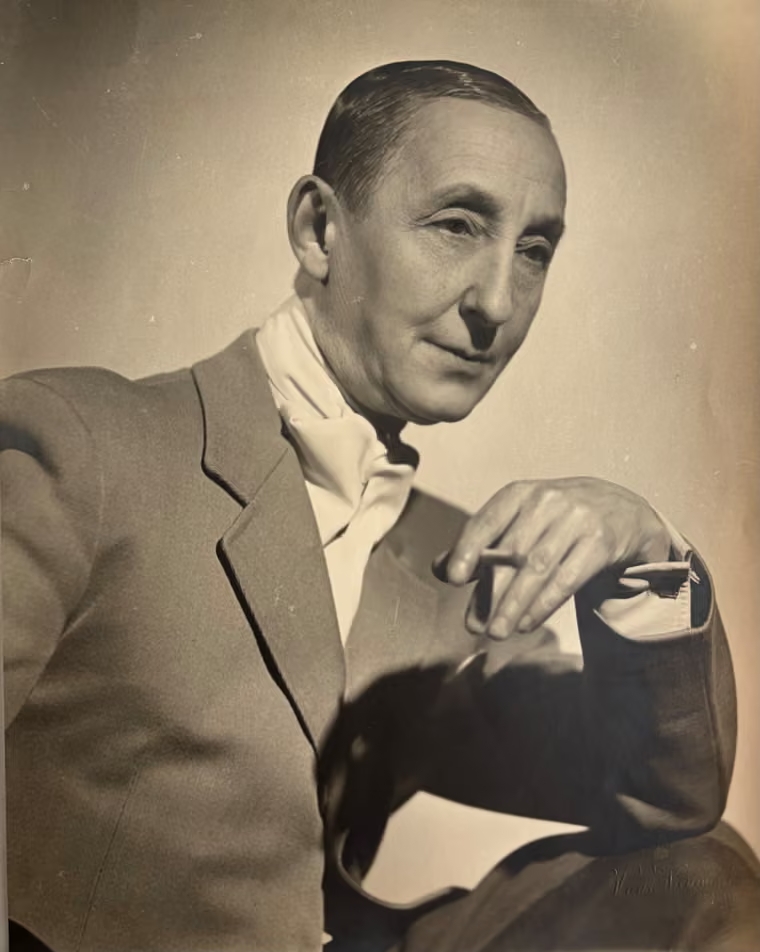
“It is now widely recognised in the art world that it was as much Moss who influenced Mondrian as the other way round…”
Read the piece on The Guardian.
3. Sponge Art
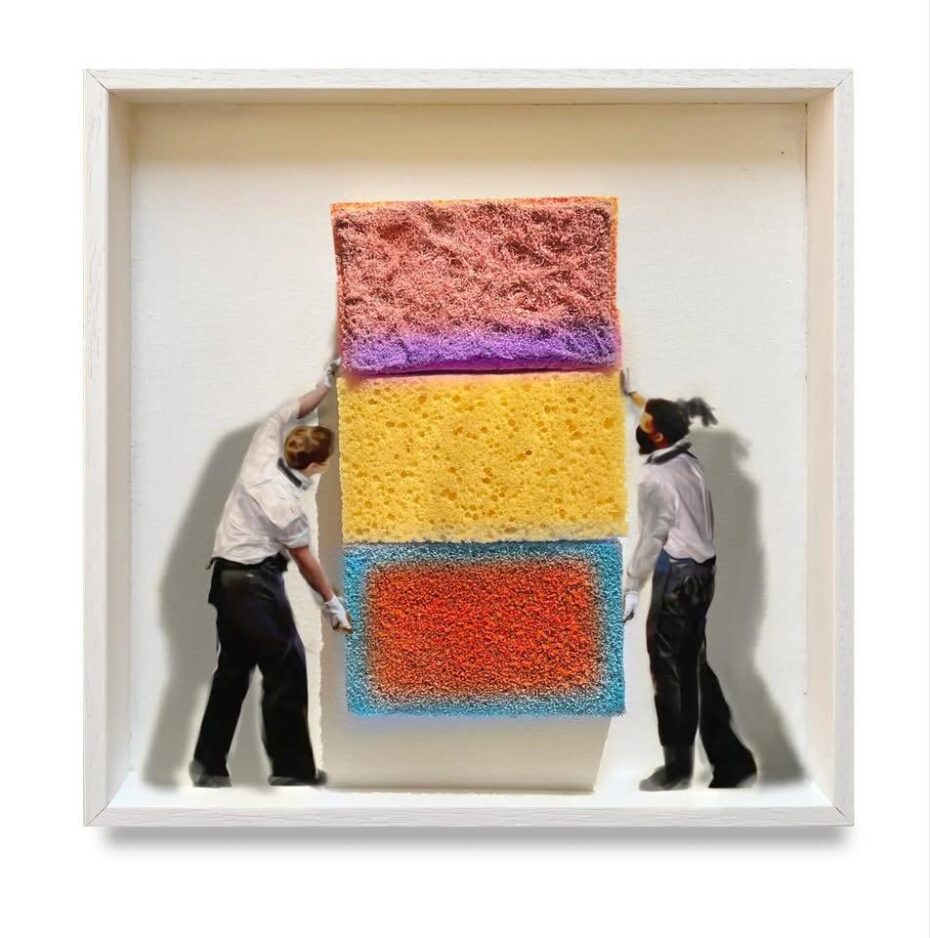
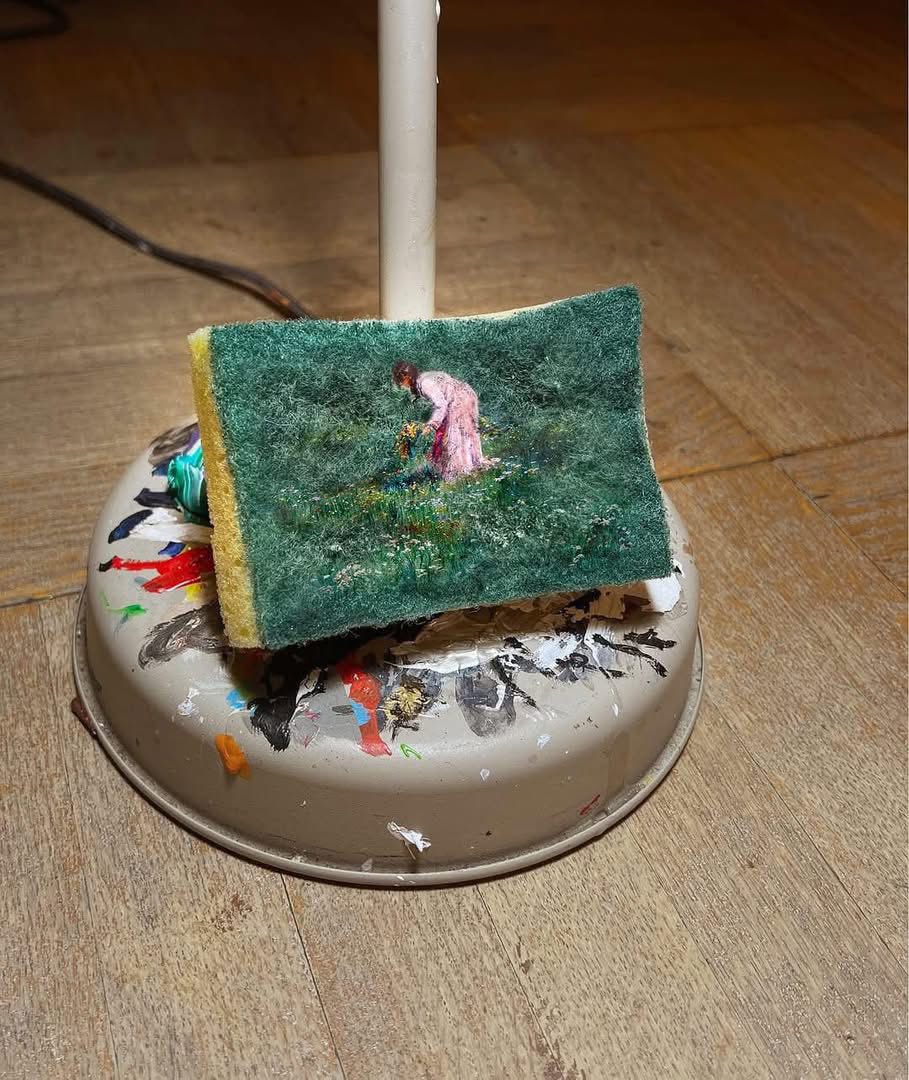
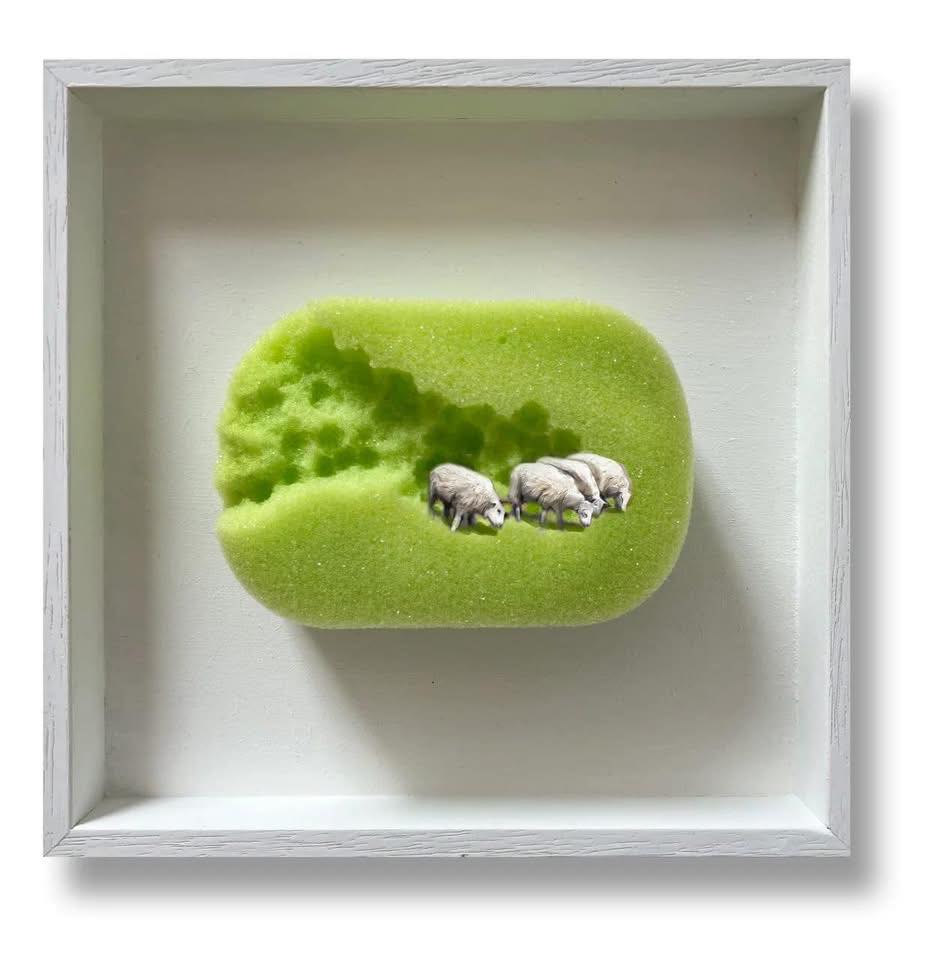
Golsa Golchini is a Milan-based visual artist and photographer whose work redefines the boundaries between medium and subject. Since relocating from Tehran to Italy in 2004, she has developed a distinctive style that often incorporates unconventional materials—such as sponges—transforming them into integral parts of the narrative landscape. More found here where you can buy the artist’s work directly from her.
4. More than 300 documents chronicling the breakup of the Beatles, up for Auction

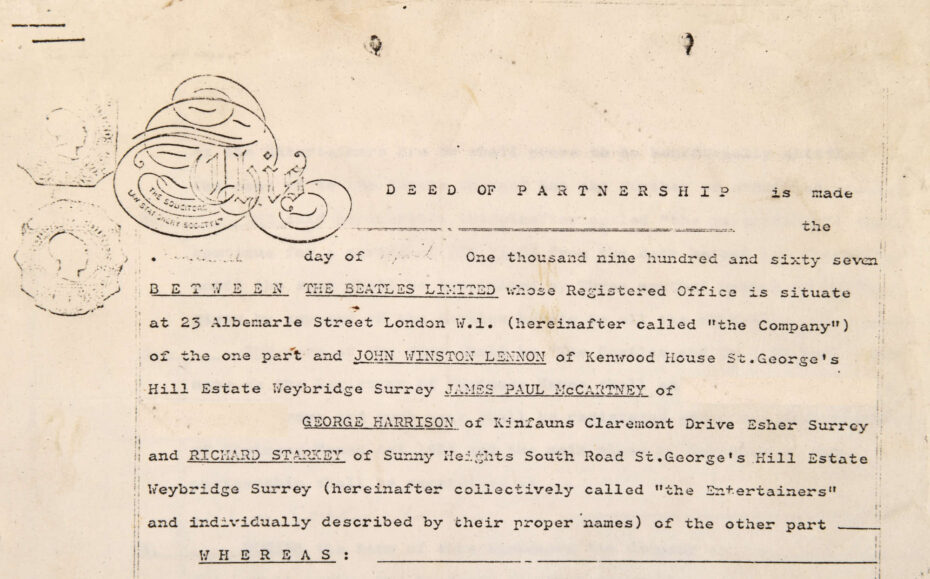
If money were no object, would you?
5. Gossip Benches (aka telephone tables)

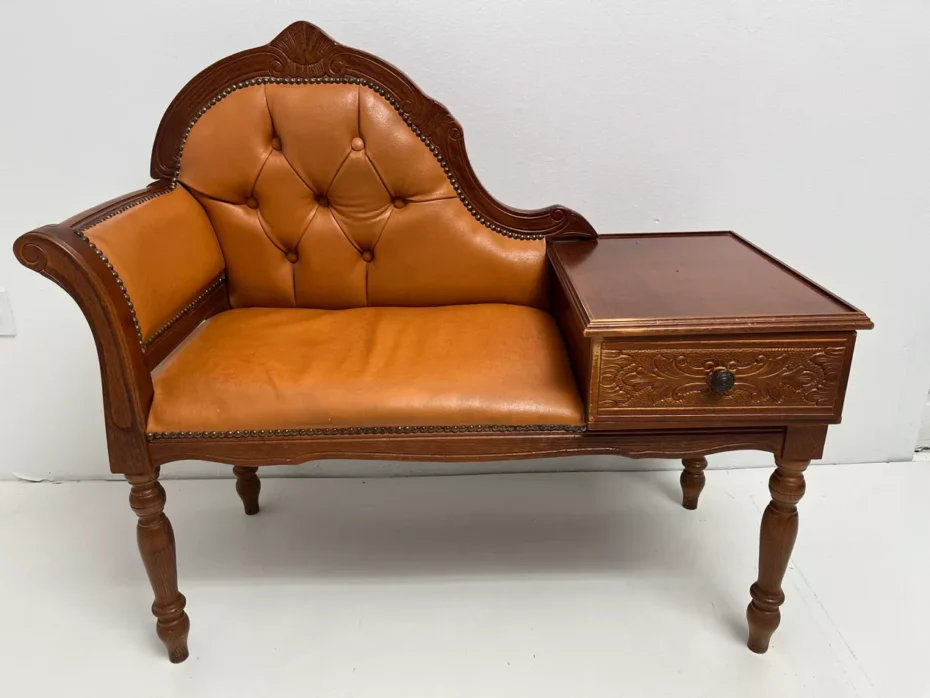

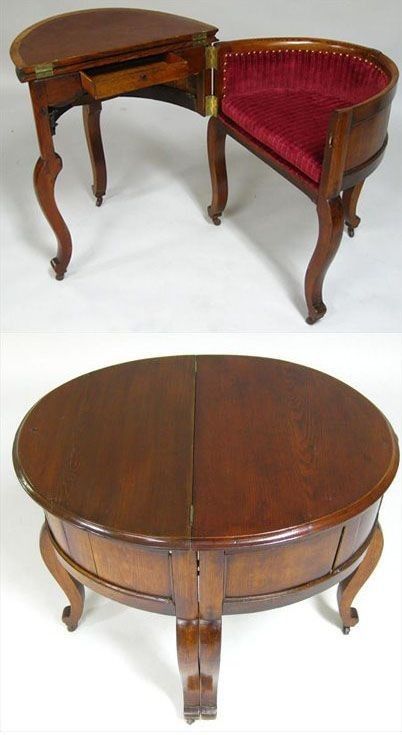


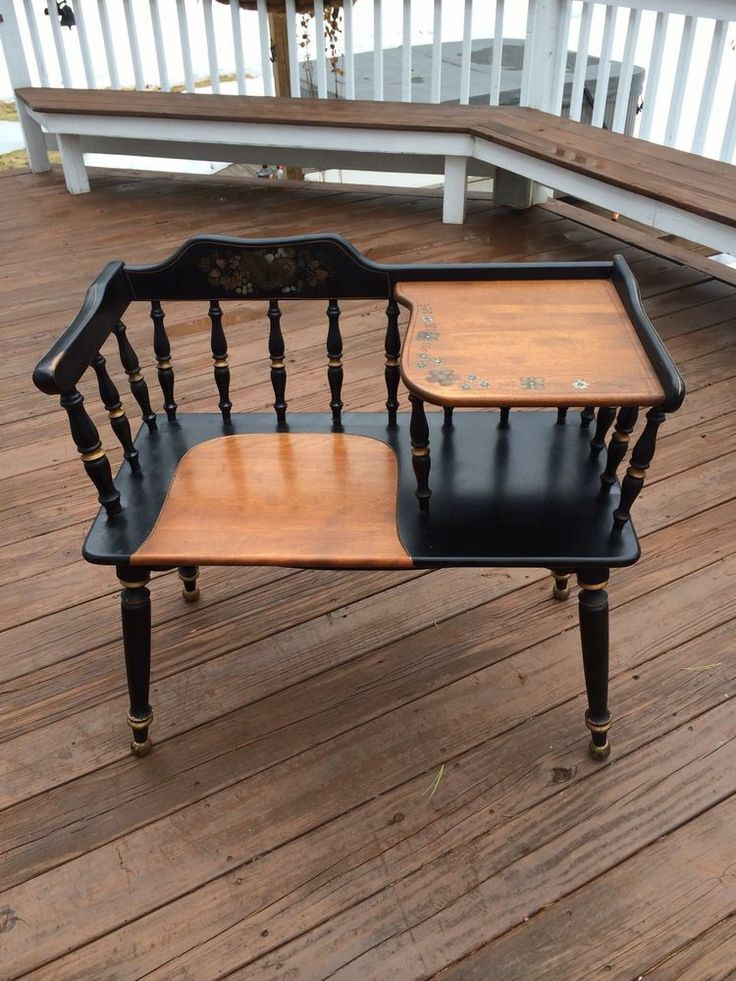
I’ve always had a thing for these obsolete pieces of furniture but never committed to buying one…
Most popular from the 1930s through the 1950s, gossip benches were comprised of a seat attached to a small table that held the telephone itself and sometimes a lamp or notebook. Most also featured a storage cubby or drawer to hold a phone book, since the directory was also large and not easily moved around but necessary to keep close at hand in order to look up telephone numbers.
Lots of examples found on Pinterest.
6. The Evolution of Paris, 300 BCE to 2025 (no artificial intelligence used)
Follow the Youtube channel here.
7. An Oscar Wilde Collector takes his Treasures to Bonhams
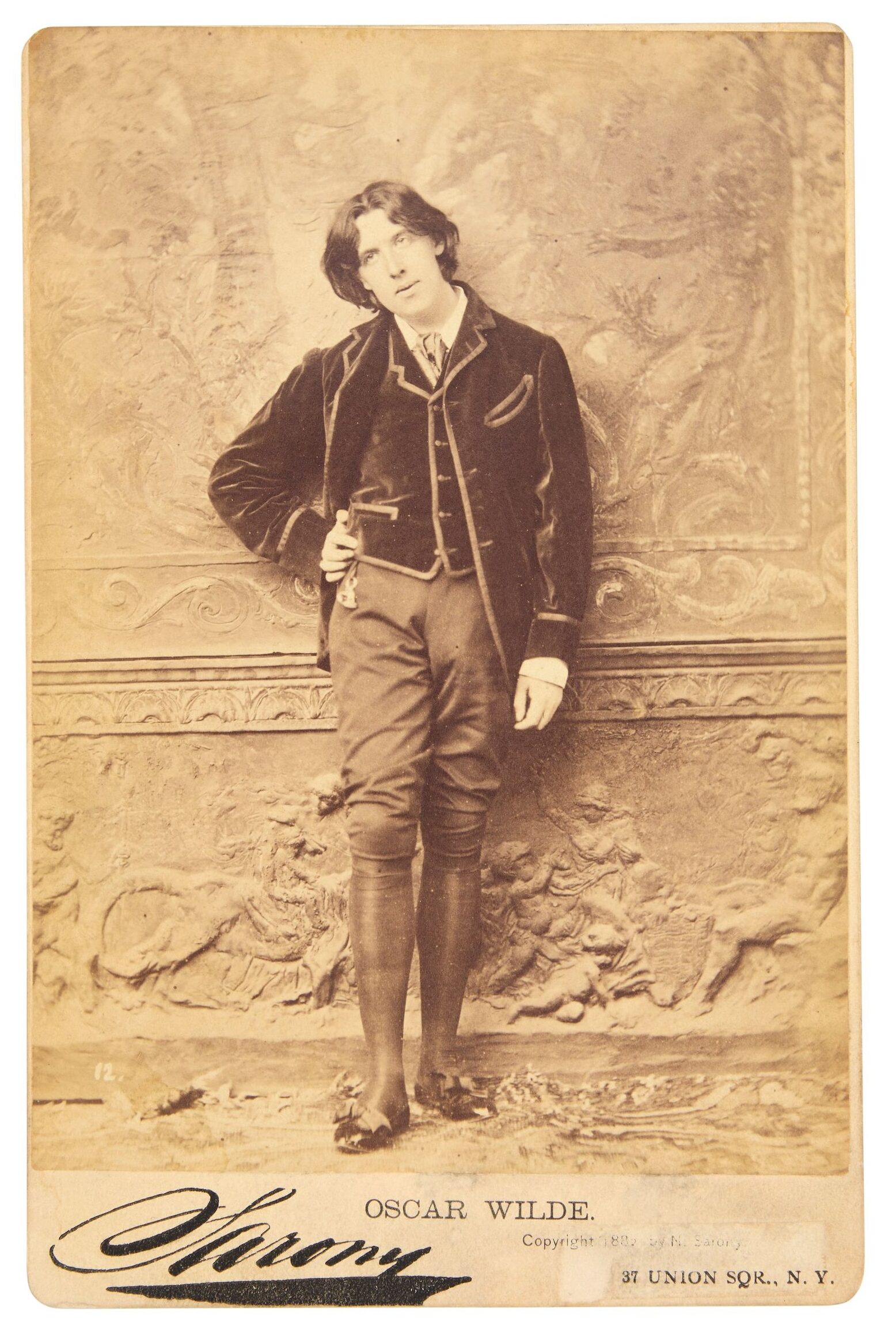
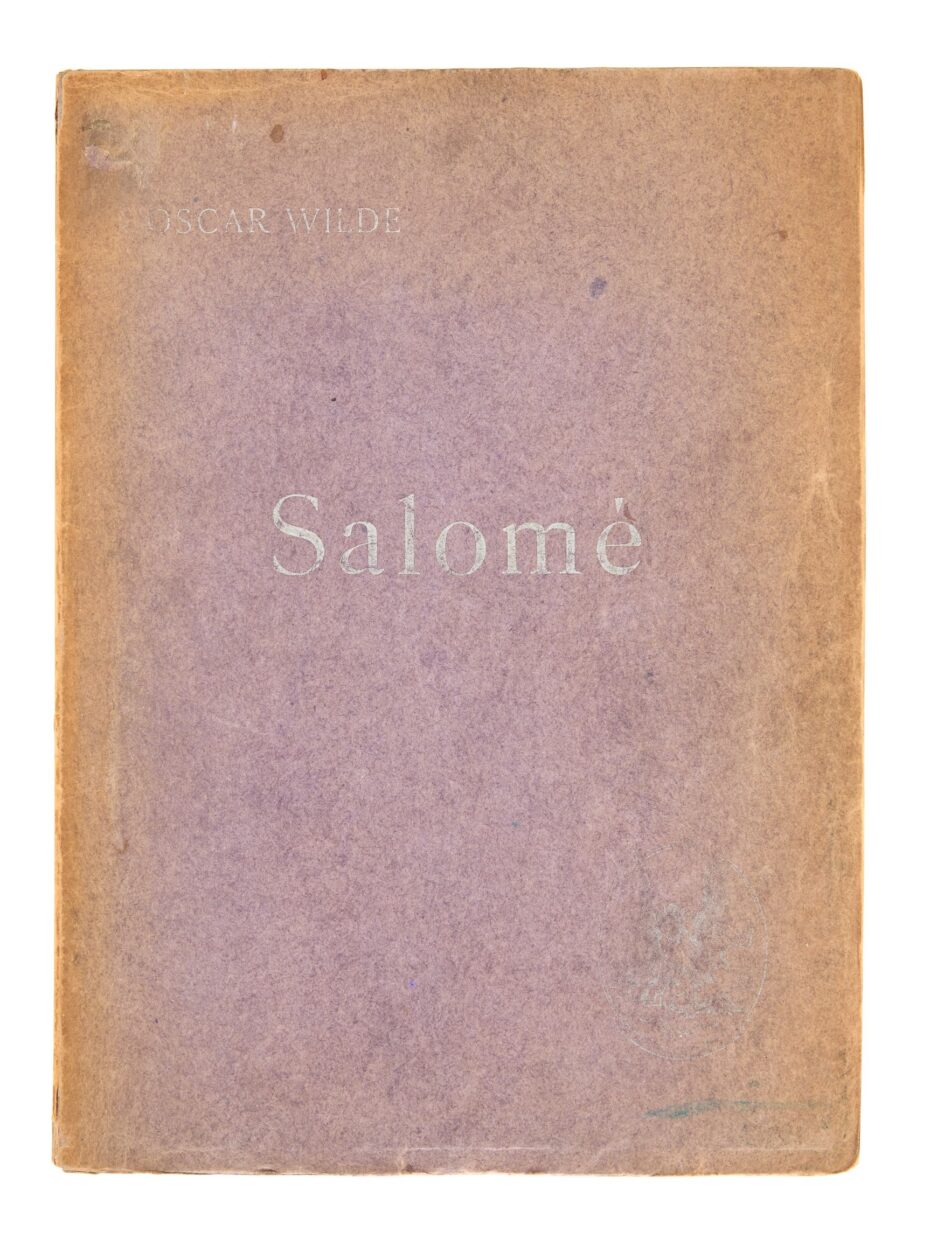
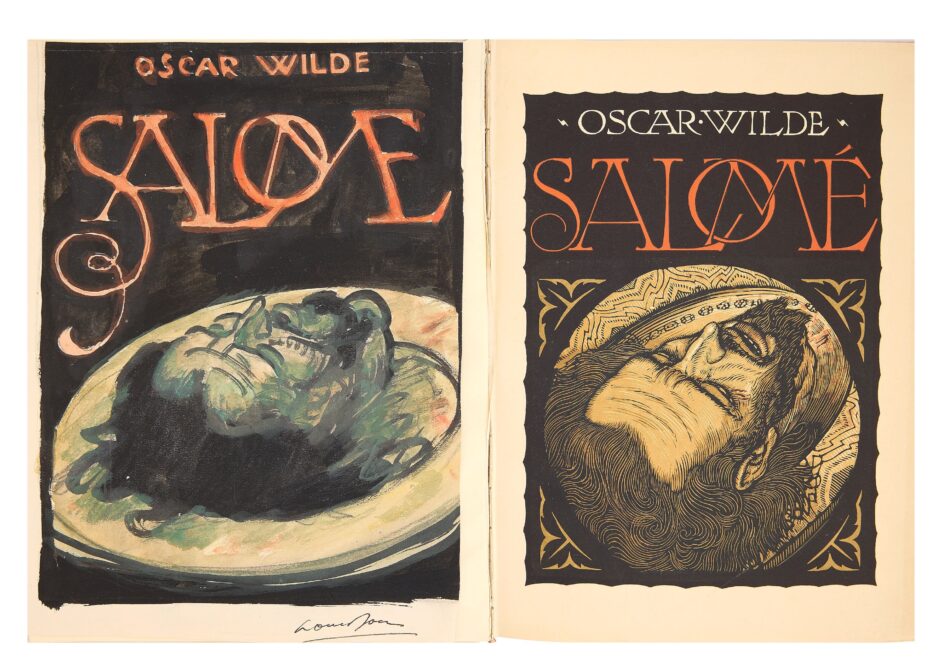
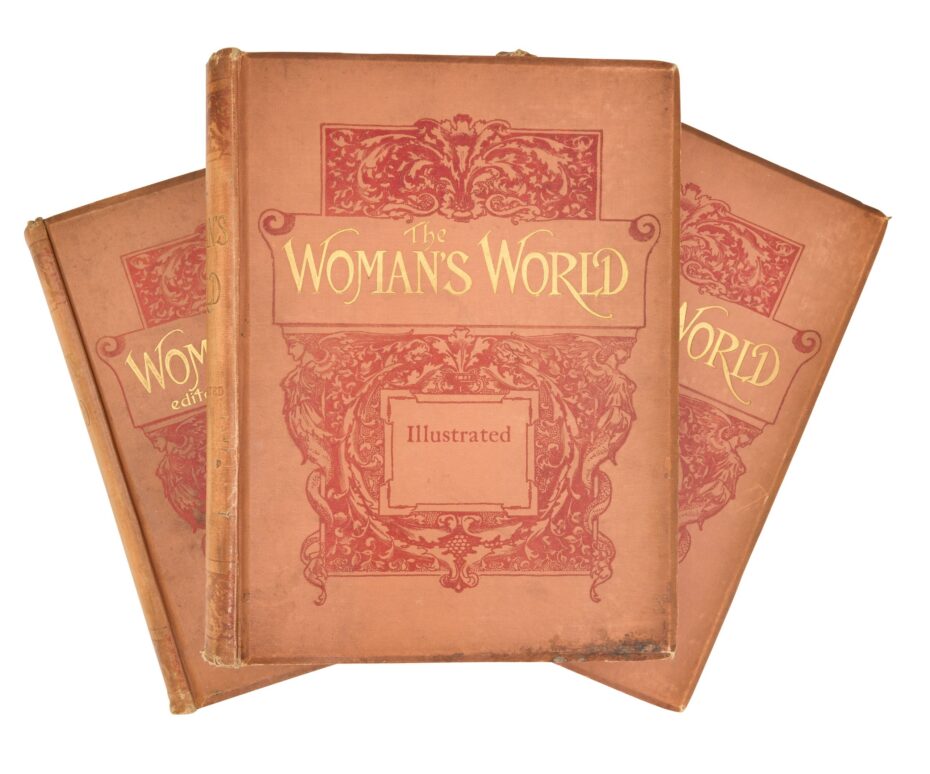
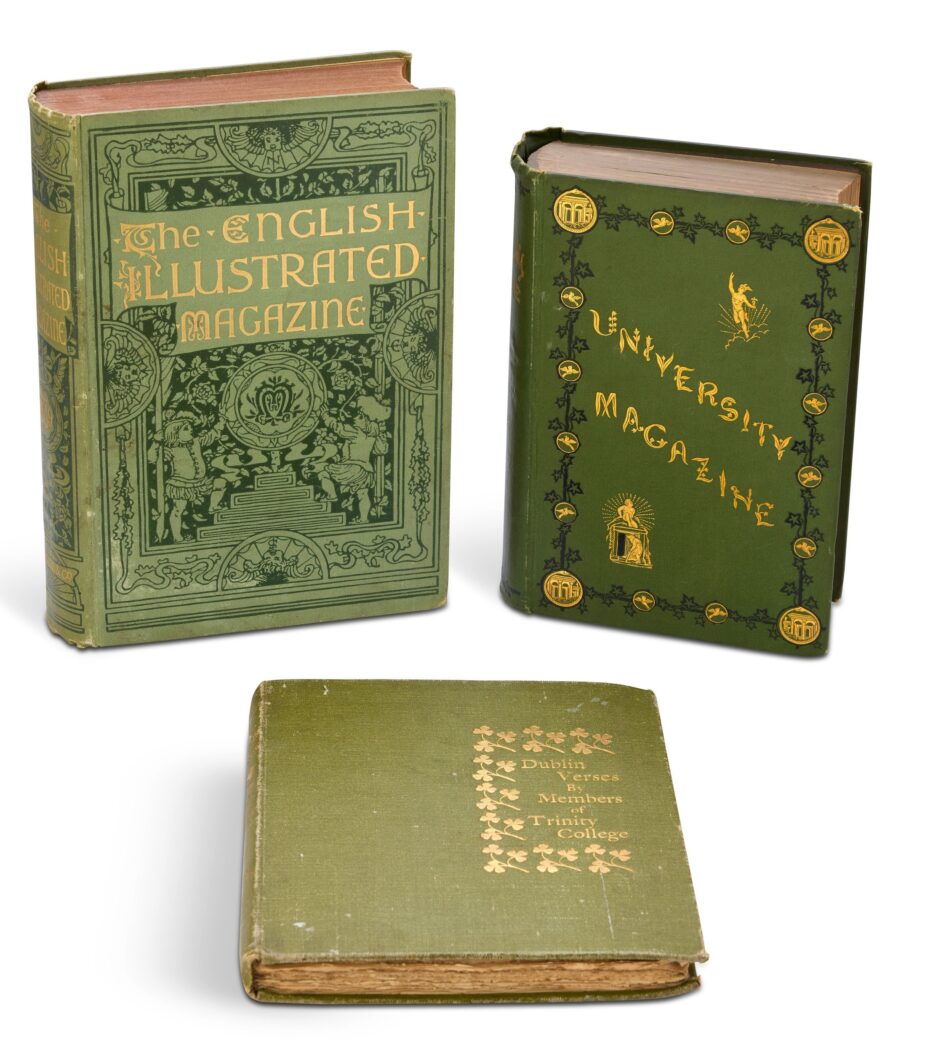
View the auction lots on Bonhams.
8. These drawings of Tetradons and Diodons (ca. 1838–42)
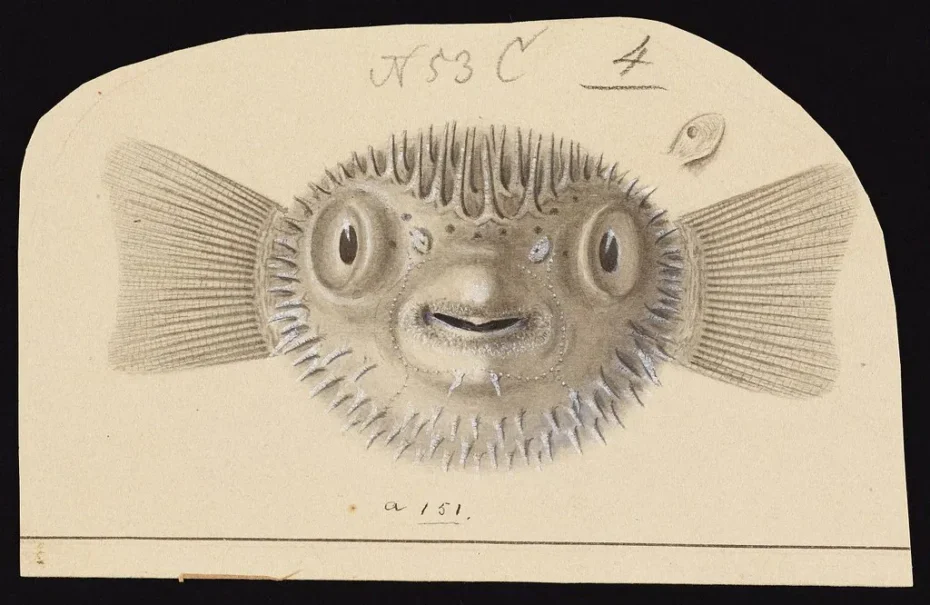

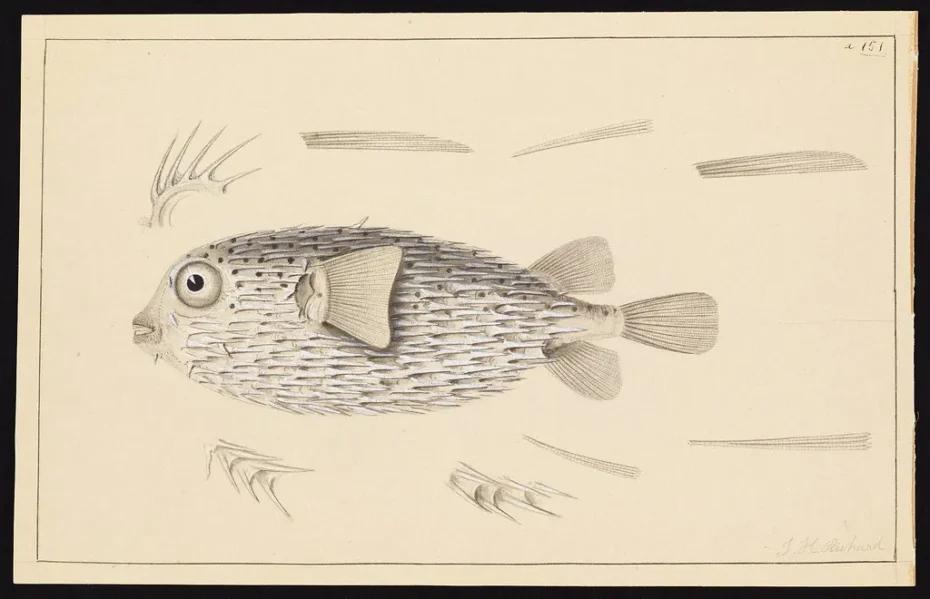
Found on the Public Domain Review.
9. Paris Haute Couture Week Dispatch: Schiaparelli’s Incredible Blowfish Dress
10. Notation knives (only 20 known examples in existence)
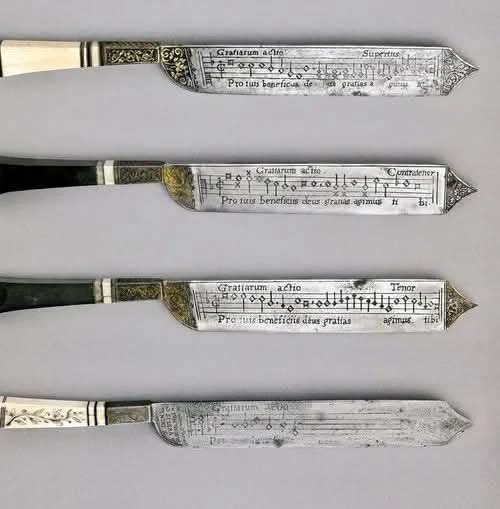
Rare 16th Century CE, Renaissance serving knives with musical notation engraved on their blades, used to sing prayers before and after meals…
These knives, likely produced in Italy around 1550, were part of sets where each knife represented one voice part in a multi-voiced choral piece. One side of the blade carries the “Benedictio mensae” (blessing of the table), sung before the meal: “Quae sumpturi sumus bene dicat trinus et unus” (“May the three-in-one bless that which we are about to eat”). The other side features the “Gratiarum actio” (saying of grace), sung after: “Pro tuis deus beneficiis gratias agimus tibi” (“We give thanks to you, God, for your generosity”).
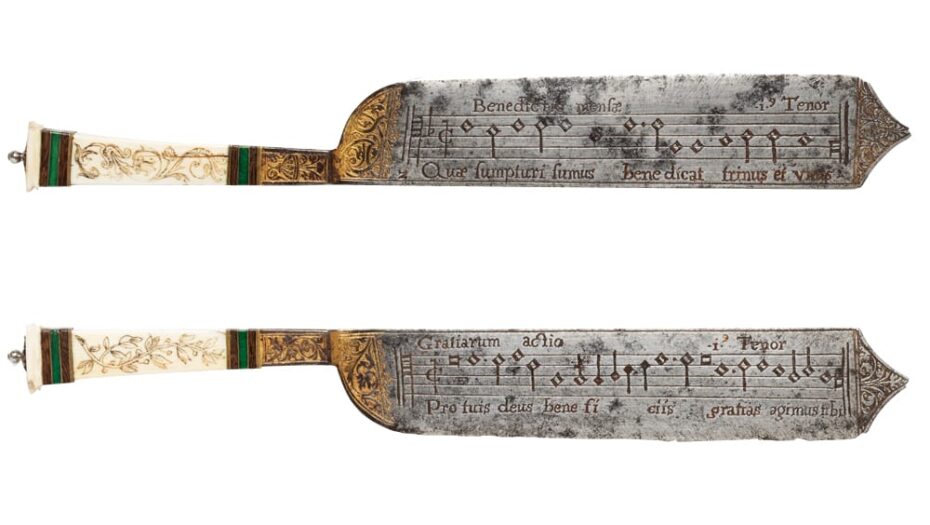
The musical notation on the knives is polyphonic, with two known sets: Group A (six voice parts) and Group B (four voice parts). Despite their name, the knives are not a single artifact but a set of specialized cutlery designed to serve as partbooks—musical instruments in a social and spiritual context.
Found on Colossal.
11. Jane Digby, the scandalous English aristocrat
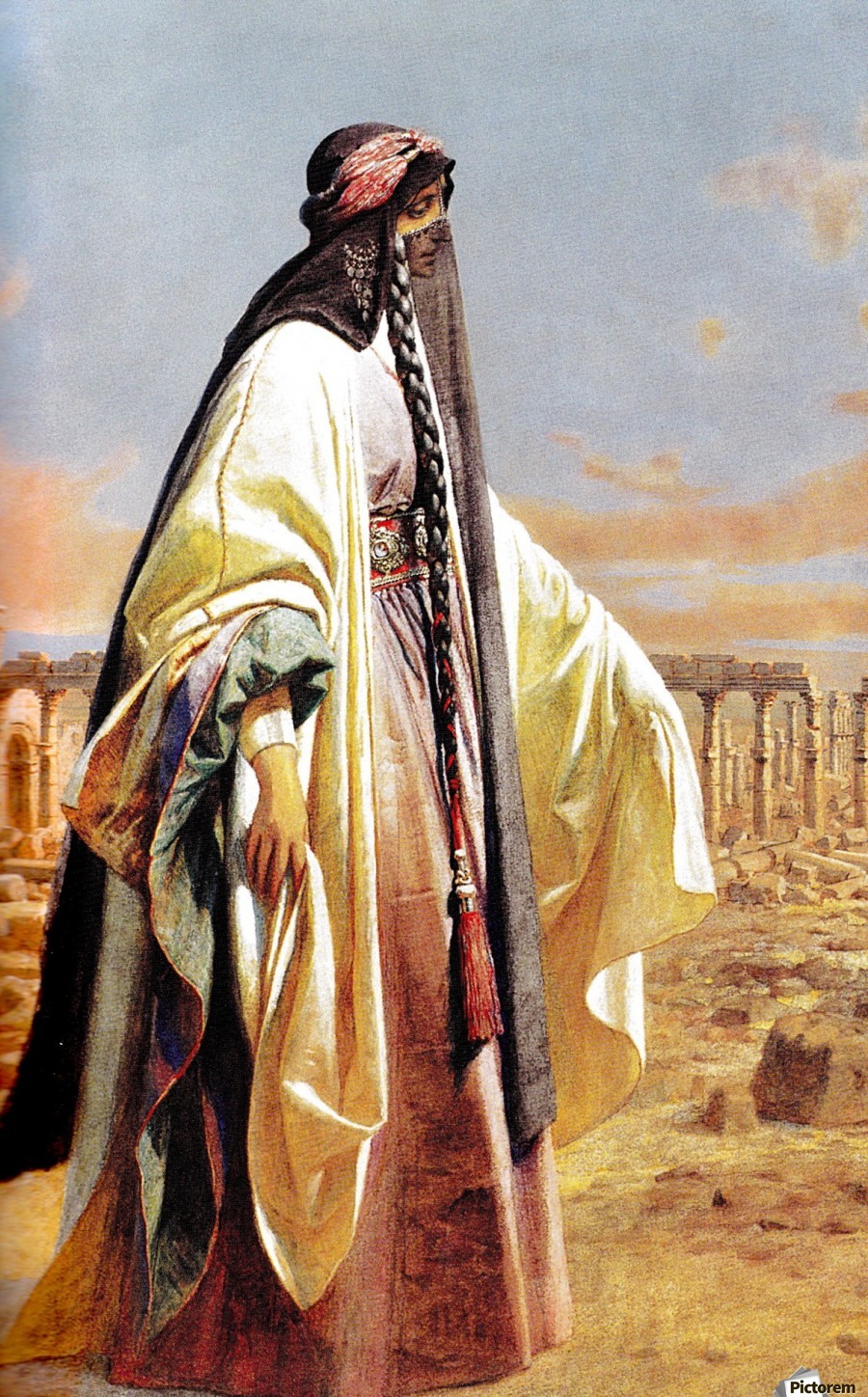
Digby had 4 husbands and many lovers, including King Ludwig of Bavaria and his son King Otto of Greece, a Bohemian nobleman, Austrian statesman and Prince, and a Greek general.
At age 46, Digby travelled to the Middle East and fell in love with Sheik Medjuel el Mezrab, 20 years her junior. The two were married under Muslim law and she took the name Jane Elizabeth Digby el Mezrab. Their marriage was a happy one and lasted until her death 28 years later. It has been written that Jane Digby was referred to as Shaikhah Umm al-Laban (literally sheikha mother of milk) due to the colour of her skin. Digby adopted Arab dress and learned Arabic in addition to the other eight languages in which she was fluent. Half of each year was spent in the nomadic style, living in goat-hair tents in the desert, while the rest was enjoyed in a palatial villa that she had built in Damascus. She spent the rest of her life in the city, where she befriended Sir Richard Burton and Lady Burton – Isabel Burton.
Found on Klean Magazine.
12. What happens when power loses touch with reality
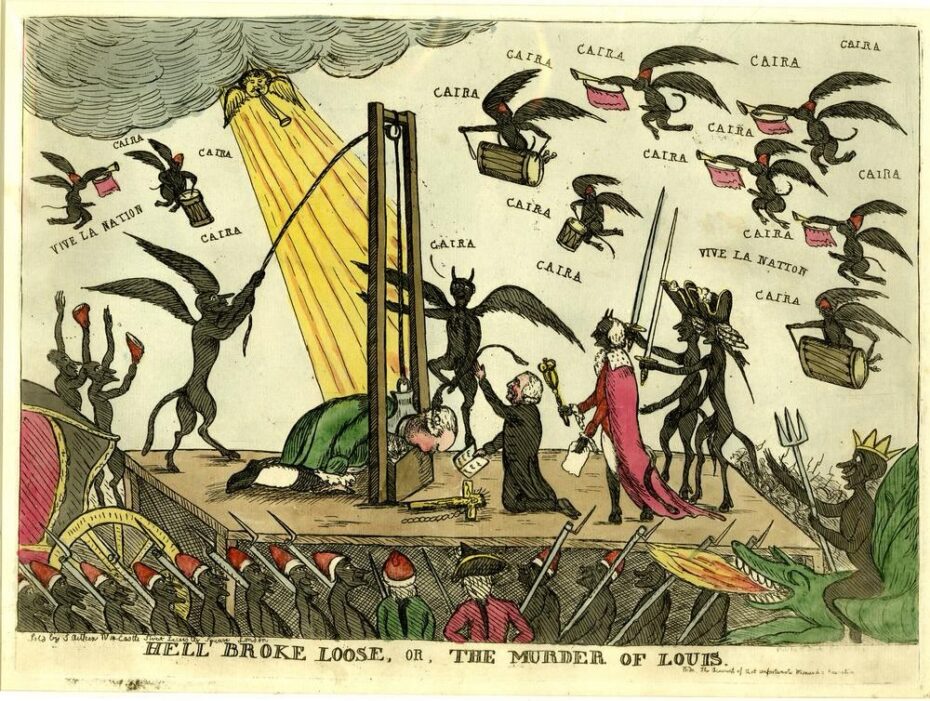
In 1793, King Louis XVI was led to the guillotine, a moment that escalated the course of the French Revolution. His reign was famously flawed. He was indecisive, resistant to meaningful reform, and made terrible financial decisions. These failings, coupled with a blasé attitude towards his suffering people and his ostentatious lifestyle (along with a deeply unpopular spendthrift wife), meant a spectacular downfall was inevitable. Louis XVI is remembered as the last king of the old French monarchy, and a stark warning of what happens when power loses touch with reality.
A post by the British Museum this week.
13. The Thirteen Club
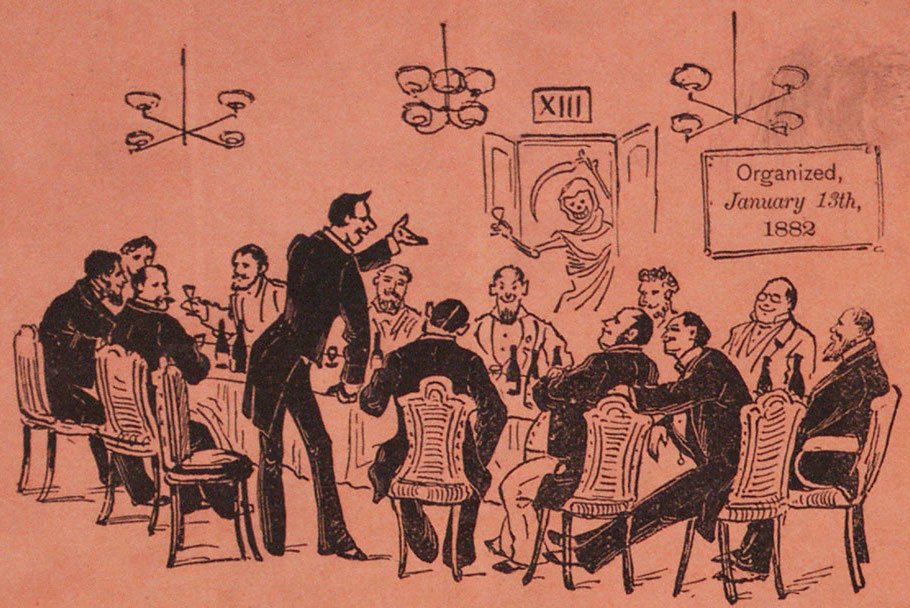
Triskaidekaphobia is fear or avoidance of the number 13 and since at least 1774, a superstition of “thirteen at a table” has been documented: if 13 people sit at a table, then one of them must die within a year. The origin of the superstition is unclear and various theories of its source have been presented over the years.
In 1881 an influential group of New Yorkers, led by US Civil War veteran Captain William Fowler, came together to put an end to this and other superstitions. They formed a dinner cabaret club, which they called the Thirteen Club. At the first meeting, on January 13, 1881, at 8:13 p.m., thirteen people sat down to dine in Room 13 of the venue. The guests walked under a ladder to enter the room and were seated among piles of spilled salt. Many “Thirteen Clubs” sprang up all over North America over the next 45 years. Their activities were regularly reported in leading newspapers, and by 1887, the Thirteen Club was 400-strong, over time gaining five U.S. Presidents as honorary members: Chester Arthur, Grover Cleveland, Benjamin Harrison, William McKinley and Theodore Roosevelt. The secret society maintained such a high level of secrecy that even members’ wives and children were unaware of their membership.
Found on The Paris Review, additional info on Wikipedia.