You’re scrolling through your feed, comparing your life to others, feeling disconnected despite being constantly connected. You work harder but feel emptier. Sound familiar? Here’s the thing: thousands of years ago, people were grappling with similar questions about what makes life meaningful. They didn’t have smartphones or streaming services, yet they developed profound insights into human happiness that modern psychology is only now beginning to validate.
What if the secret to joy in the twenty-first century has been hiding in plain sight for millennia? Ancient philosophers spent lifetimes contemplating the nature of well-being, crafting practices and perspectives that helped people navigate uncertainty, loss, and the eternal human quest for contentment. Their wisdom isn’t dusty theory locked in academic texts. It’s surprisingly practical guidance for anyone drowning in modern chaos and searching for something more solid to stand on.
Stoicism: Finding Peace in What You Can Control

Stoicism originated in Athens around 300 BCE, founded by Zeno of Citium. The philosophy gained enormous popularity throughout the Roman Empire, influencing everyone from slaves to emperors. Stoic ethics positions happiness as a well-lived, flourishing life and the rational agent’s ultimate practical goal.
Here’s what makes Stoicism radical: it teaches you that external circumstances don’t determine your happiness. Your response to those circumstances does. According to one dominant ancient Greek tradition, life’s circumstances are not relevant for our happiness, and they fall outside of our control. What is up to us is how we respond to life’s circumstances and adversities. Think about that for a second. You can’t control traffic, other people’s opinions, or whether you get that promotion. Yet you spend enormous mental energy worrying about these things.
The Stoics developed a practice of distinguishing between what’s within your power and what isn’t. Your thoughts, judgments, and actions? Those are yours. Everything else? Not so much. The philosophy emphasized apatheia, the absence of passion, something not too different from the Buddhist idea of non-attachment. This doesn’t mean becoming emotionless. It means not being controlled by unexamined emotional reactions. When someone cuts you off in traffic, you can choose frustration or acceptance. The situation is identical either way.
Epicureanism: The Misunderstood Art of Simple Pleasures

Let’s be real: Epicureanism gets a bad rap. Most people think it means endless partying and self-indulgence. Nothing could be further from the truth. Epicurus regarded tranquility, freedom from fear, and absence of pain as the height of happiness. The guy lived on bread and olives most days.
Epicurus emphasized friendship as an important ingredient of happiness. His school was actually a community where people lived simply together, valuing deep connections over material wealth. The philosophy teaches you to examine your desires carefully. Are you chasing things that truly bring lasting satisfaction, or are you caught in an endless cycle of wanting more? Epicureanism focused on the pursuit of pleasure, within the bounds of moderation, and the avoidance of pain.
Epicurus categorized desires into necessary and unnecessary ones. Necessary desires are things like food, shelter, and meaningful relationships. Extravagant desires are fancier versions that can enhance life but aren’t essential. The wisdom here is startlingly relevant: you don’t need the latest phone or designer clothes to be happy. You need nourishment, safety, and people who genuinely care about you. Everything else is optional, and mistaking optional for essential is a recipe for perpetual dissatisfaction.
Buddhism: Releasing Attachment to Suffering
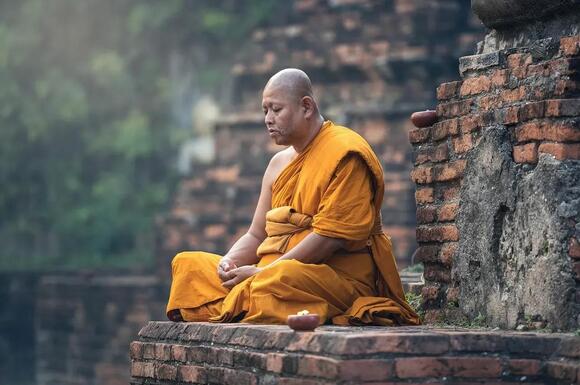
Buddhism perceives chance or luck as intrinsic to life, but locates it into the sphere of human control. It is not the gods, but we, who through our own actions, are responsible for what happens to us. This perspective offers tremendous empowerment. You’re not a victim of random cosmic forces. You’re an active participant in shaping your experience.
The core insight of Buddhism is surprisingly straightforward: suffering arises from attachment and craving. You suffer not because you want things, but because you desperately cling to having them or fear losing them. The Buddhist path is a middle way between hedonism and asceticism, emphasizing not only ethical behavior but most of all realizing the way things really are.
This doesn’t mean you can’t enjoy life or have goals. It means holding them lightly. Imagine gripping a butterfly tightly versus letting it rest gently on your open palm. Clinging crushes what you love. Openness allows it to remain. The Buddhist path emphasizes nonattachment, so Buddhist monastics live according to rules that clearly regulate what they are allowed to own, and what desires they are able to satisfy. For you living in modern society, this translates to enjoying what you have without making your happiness dependent on keeping it forever or acquiring more.
The practices of mindfulness and meditation aren’t mystical rituals. They’re training your mind to see reality clearly without the distorting lens of craving and aversion. When you stop resisting what is, you discover a strange kind of peace beneath the surface turbulence.
Taoism: Going With the Flow of Nature
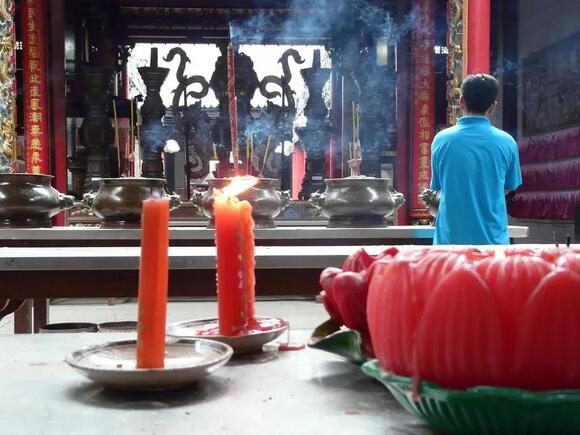
Taoism helps its followers be in harmony with the way of the universe, and remarkably, despite being created thousands of years ago, it remains relevant to our mental health in the modern, busy world. The central concept is the Tao, often translated as “the Way.” It’s the natural order of things, the flow of existence itself.
According to Wu Wei, we are happy when we don’t interfere with nature and respect its cycles. To do that, we have to be authentic and spontaneous. When we follow the natural flow, we improve our well-being and can live a less stressful life. Wu Wei literally means “effortless action” or “non-doing.” It’s not about laziness or passivity. It’s about working with reality instead of constantly fighting against it.
Picture water flowing down a mountain. It doesn’t struggle or force. It simply follows the path of least resistance, yet over time it shapes entire landscapes. That’s Wu Wei. In your life, it might mean recognizing when you’re pushing too hard against circumstances that won’t budge, or when you’re trying to control things better left to unfold naturally.
Taoism proposes that there are times when doing nothing is the best course of action. Instead of going against and resisting issues, an individual can learn from nature, which follows the pressure of the wind and does not snap because of it. Modern life rewards constant hustle, perpetual optimization, endless striving. Taoism whispers that sometimes the wisest action is stillness. Sometimes growth requires rest.
Aristotle’s Eudaimonia: Flourishing Through Virtue
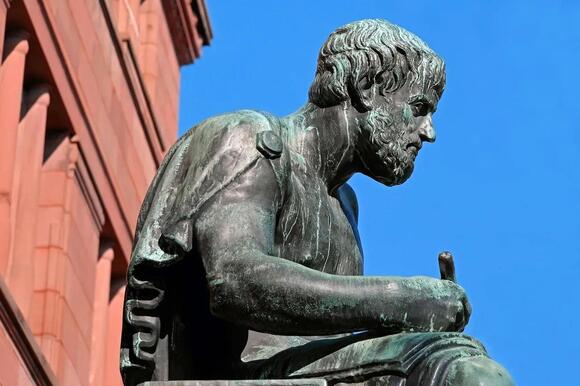
In the works of Aristotle, eudaimonia was the term for the highest human good in older Greek tradition. It is the aim of practical philosophy to consider and experience what this state really is and how it can be achieved. Eudaimonia is often translated as happiness, but it’s really closer to flourishing or living well in the deepest sense.
Eudaimonia, as Aristotle understood it, does not consist of a state of mind or a feeling of pleasure or contentment. For Aristotle, eudaimonia is the highest human good, the only human good that is desirable for its own sake rather than for the sake of something else. This is fundamentally different from how most people think about happiness today. You’re not chasing a feeling. You’re cultivating a way of being.
Aristotle believed that happiness comes from developing excellence of character and using your distinctive human capacities. Eudaimonia consists of the good performance of the characteristic function of human beings, and Aristotle believes that the characteristic function of human beings is their ability to reason. This means living thoughtfully, making wise choices, and developing virtues like courage, generosity, and justice.
The practical takeaway? Stop seeking happiness as a destination and start building it as a practice. You become happy by repeatedly choosing actions aligned with your values, by developing your skills and character, by contributing meaningfully to your communities. Happiness isn’t something that happens to you. It’s something you create through how you live each day. That might sound like more work than just buying something new or scrolling for dopamine hits, but it’s the difference between empty calories and genuine nourishment.
Bringing Ancient Wisdom Into Your Life

These philosophies aren’t museum pieces. They’re living tools you can use right now. Classic Confucianism appears to offer the most apt advice for finding happiness in present-day society, particularly because it recommends that one should be involved in real life. Classic Taoist advice is second best: its strong point is that it advises us against too much social conformism.
You don’t need to adopt all five philosophies wholesale. Pick what resonates. Maybe Stoicism’s focus on control appeals to your analytical mind. Perhaps Epicureanism’s emphasis on friendship and simple pleasures feels right. Buddhism’s meditation practices might offer the mental clarity you’re craving, or Taoism’s call to embrace natural rhythms could provide relief from constant striving. Aristotle’s virtue ethics might give you a framework for making better choices.
The remarkable thing is how these ancient insights align with modern psychological research. Studies consistently show that strong relationships, having a sense of purpose, accepting what you cannot change, and practicing mindfulness all contribute significantly to well-being. The ancients figured this out through careful observation and reflection. We’re just now confirming it with data.
What connects all these philosophies is recognizing that happiness isn’t found in external circumstances, momentary pleasures, or achieving some future state. It emerges from how you relate to your experience, how you develop your character, what you value, and how you engage with the world. That’s both challenging and liberating. Challenging because it requires genuine effort and self-examination. Liberating because it means happiness is more within your control than you might have believed.
So here’s something to consider: what would change if you stopped waiting for the perfect circumstances and started cultivating happiness as a practice? Which ancient philosophy speaks to your current struggles? The wisdom has been waiting for thousands of years. It’s not going anywhere. The question is whether you’re ready to put it to use.