1. Name that aesthetic: Domino Paper (for those of us who find as much joy in a book’s “clothing” as its contents)
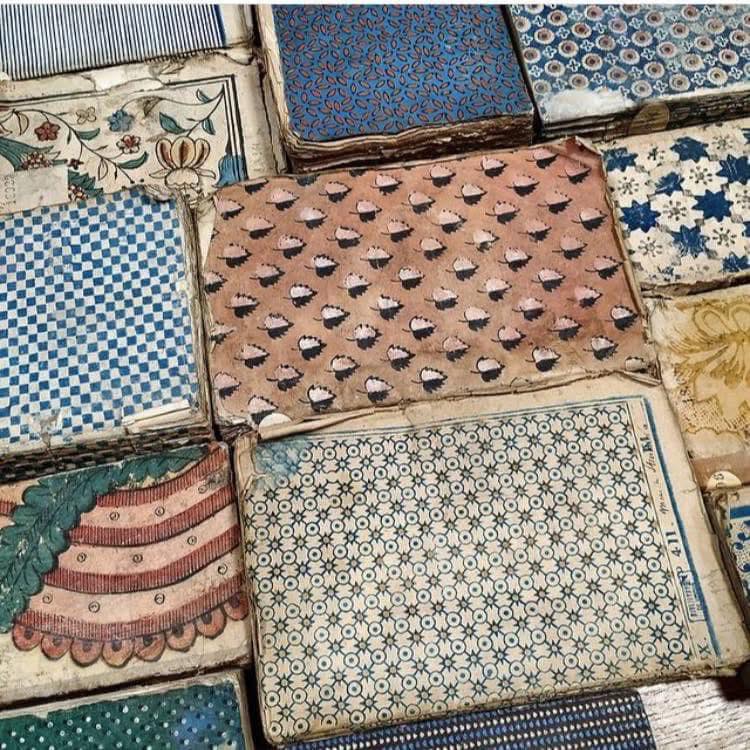
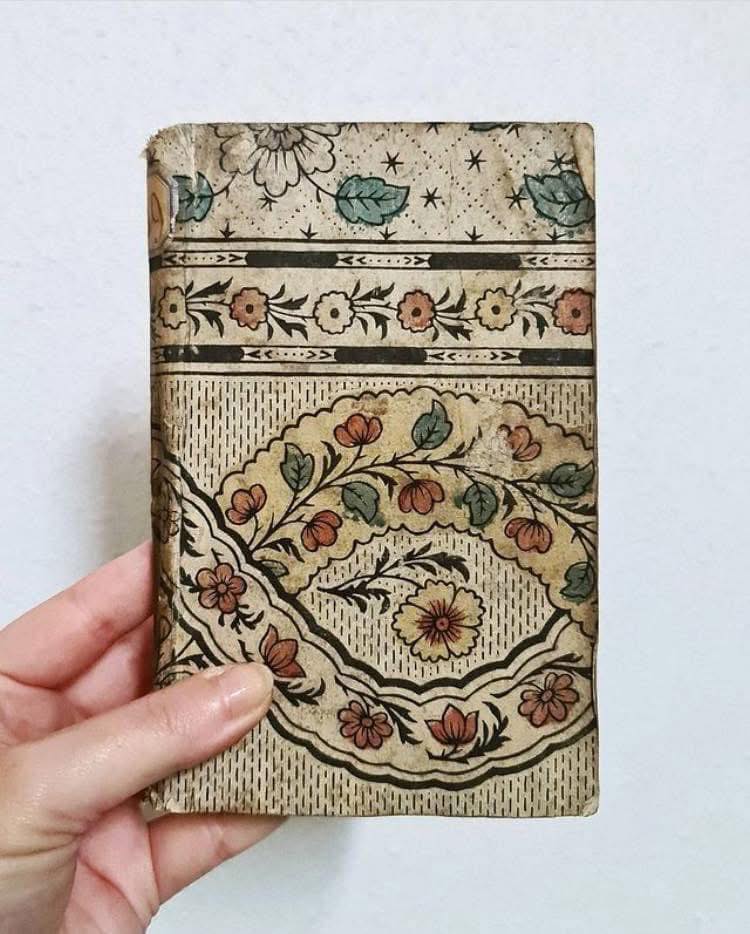
The forerunner of wallpaper, domino paper achieved its golden age in the second half of the 18th century. It took the form a 36X45cm sheet of paper that was printed using engraved wood-blocks in one color (black, blue or red) and then colored with a brush or stencil. Made by a “Dominotier” craftsman, these sheets were used to cover books, interiors of boxes, trunks, cupboards and drawers, screens, and servants’ rooms.
 Now Playing
Up NextWalt Disney | DISNEY THIS DAY | January 8, 1936
 Now Playing
Up NextThe Lost Languages of France
 Now Playing
Up NextThe Oldest Company In Each European Country
 Now Playing
Up NextBig Countries That Became Smaller
 Now Playing
Up NextThe Battle of Dien Bien Phu (ft. Overly Sarcastic Productions) | Animated History
 Now Playing
Up NextHow Europe Colonized Parts Of China
 Now Playing
Up NextUnknown Colonial Empires
 Now Playing
Up NextEuropean Countries' Colonial Flags
 Now Playing
Up NextInteresting Maps Of EUROPE That Teach Us About The Continent
 Now Playing
Up NextWhat Really Happened During France's Most Notorious Bank Robbery?


France became the heart of the Domino movement during the mid-to-late 1700s
Domino paper was the “everyday elegance” of its time. While it graced the interiors of drawers, jewelry boxes, and small furniture, its most enchanting use was in the world of bibliophilia. These papers served as temporary covers for brochures and the cherished endpapers of books.
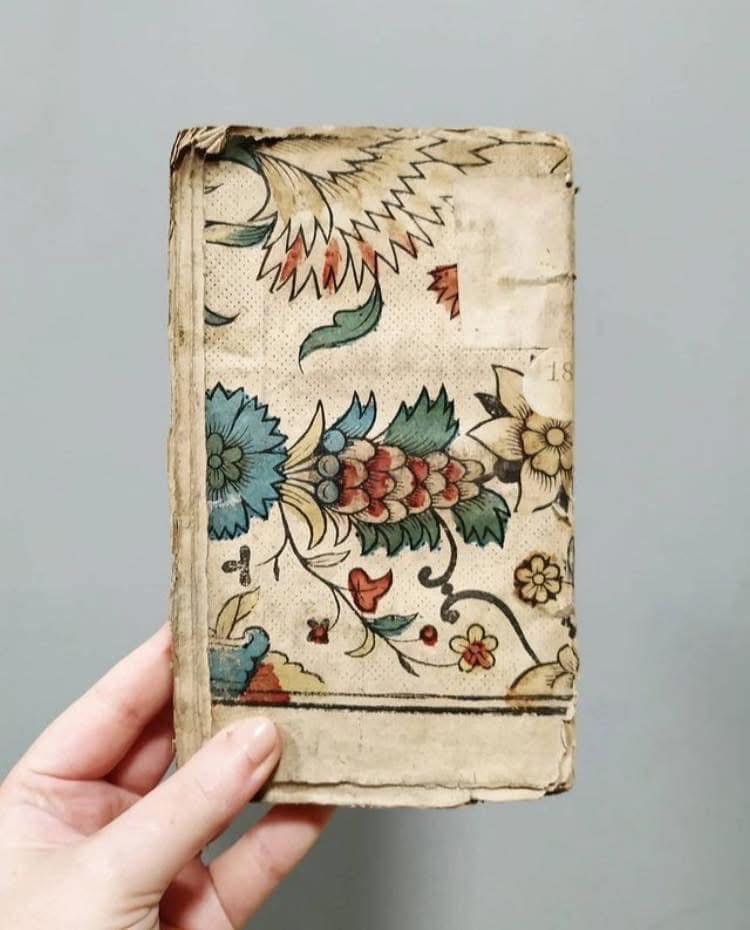
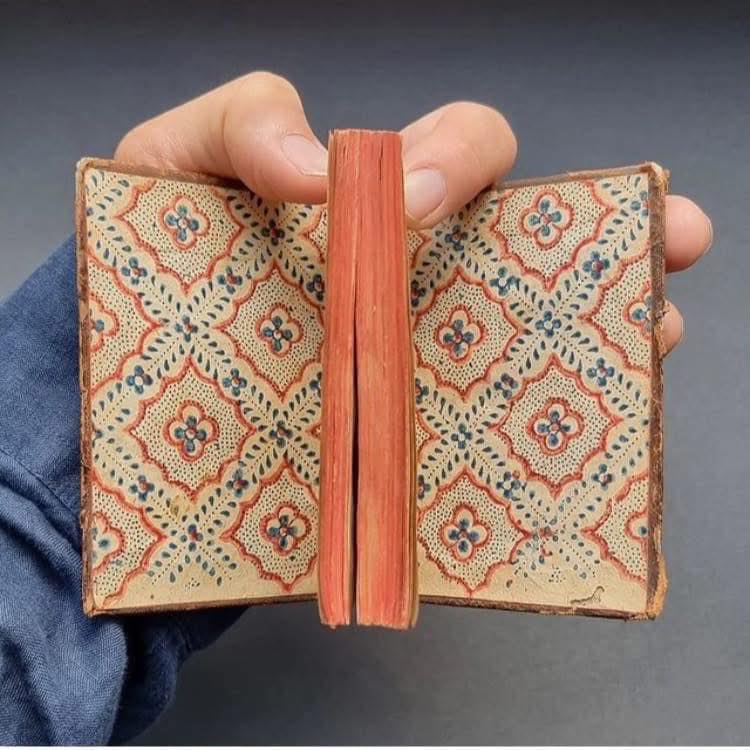
Dominotiers were the ultimate artistic chameleons of the 18th century, doubling as playing-card makers (cartiers) or printmakers (fabricants d’images). While their guild was formally recognized as early as 1540, the exact moment they transitioned from general imagery to these iconic patterned sheets remains a beautiful mystery, lost to a lack of surviving documentation.
2. The People Who Secretly Decide How Everything Looks
Worth watching to the end for us hopeless nostalgics. As with anything, it’s important to hear out and consider other ways of thinking…
Takeaways I think we can all agree on:
- We can look to the past for inspiration but we can never really go back.
- The solution is to honour our past and learn from it, so we can move forward.
- Care is the only ingredient you can’t fake.
3. Cicada, Stages of Conventionalization
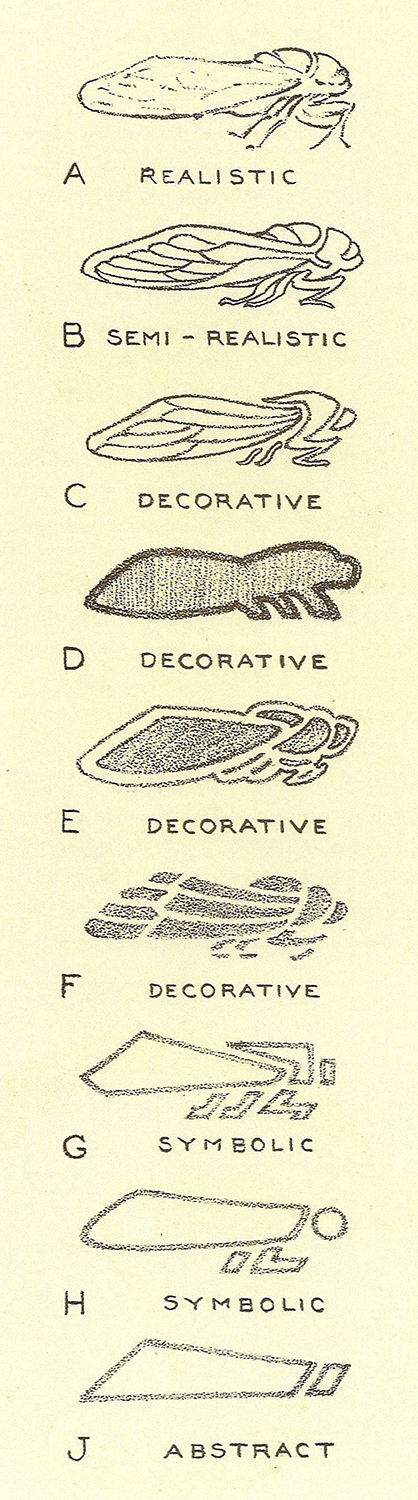
Hugo Froelich, Keramic Studio Magazine, 1905, found on Tumblr.
4. Victorian flirting etiquette
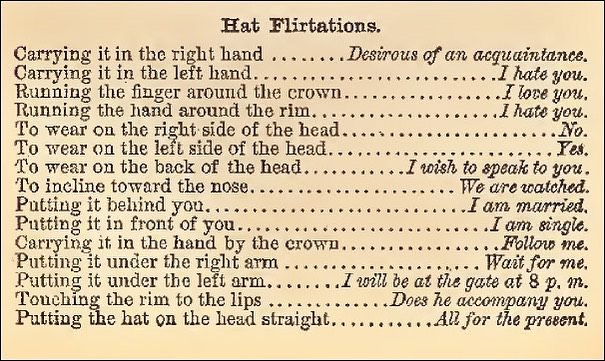
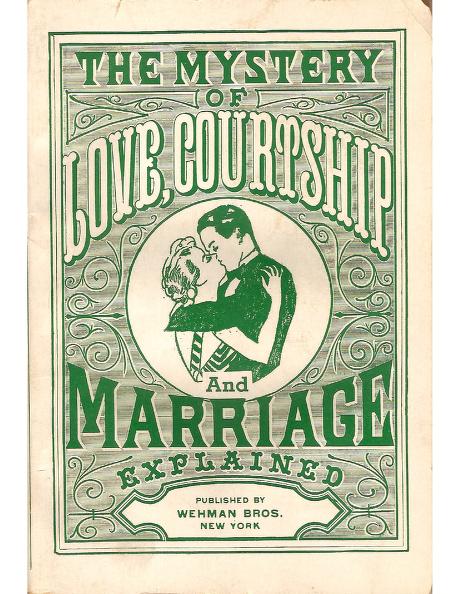
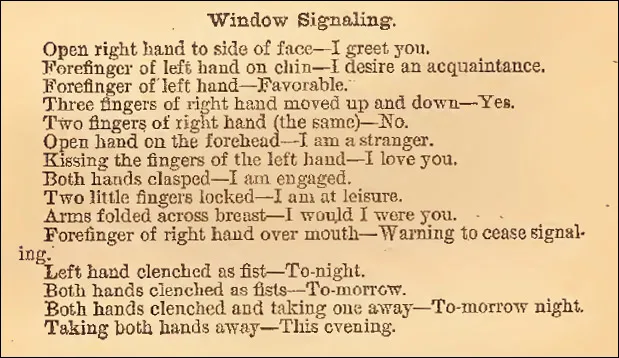
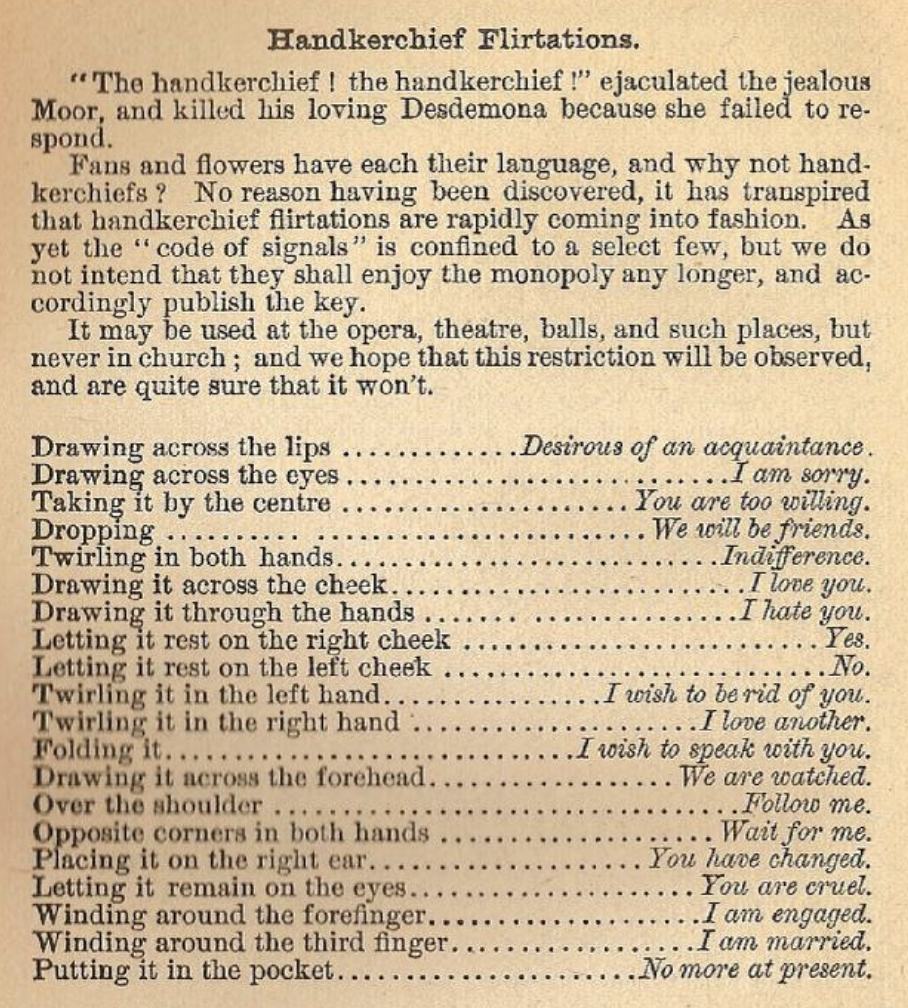
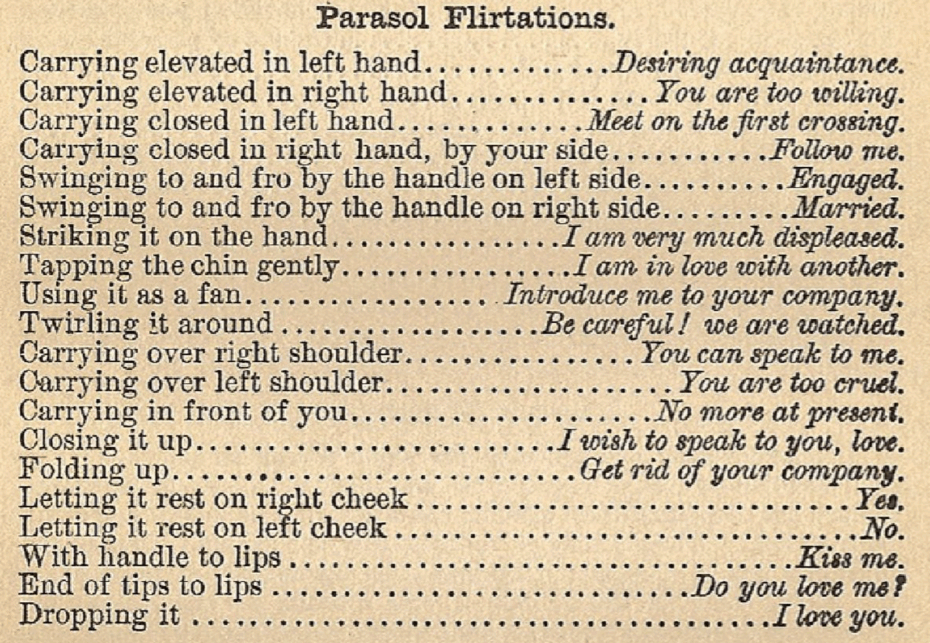
From The Mystery of Love, Courtship and Marriage Explained by Henry J Wehman (1890).
There are some gems in here, free to browse through on the Internet Archive.
5. AVERT YOUR EYES if you blush easily! Some extremely naughty lithographs from 1850s Paris
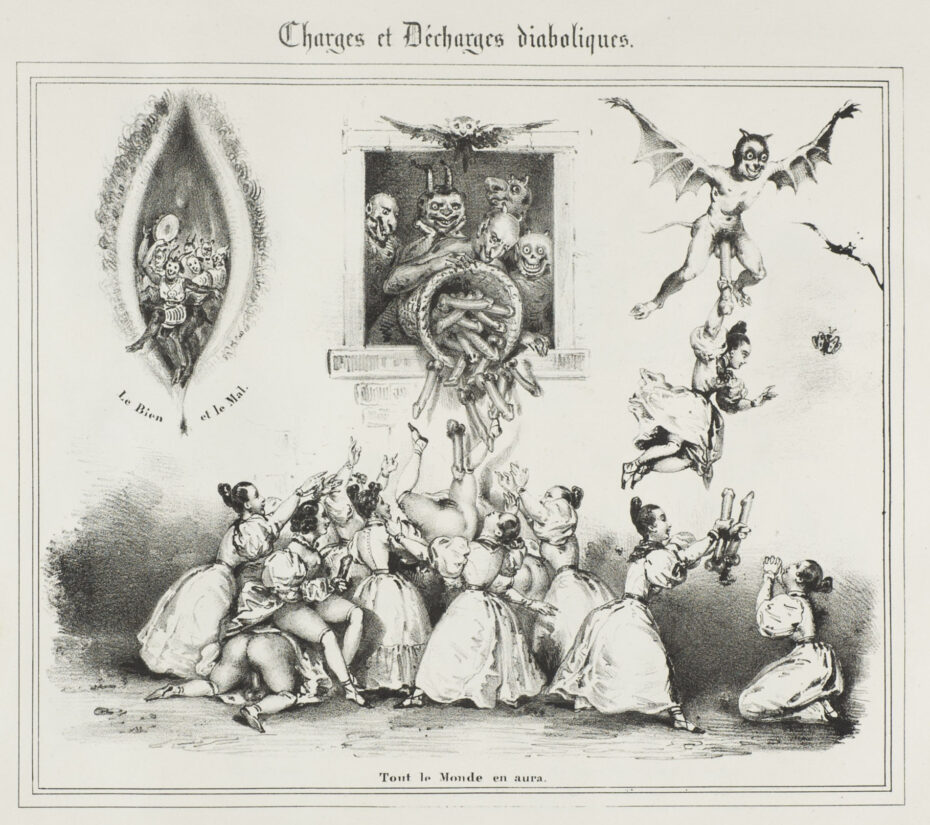
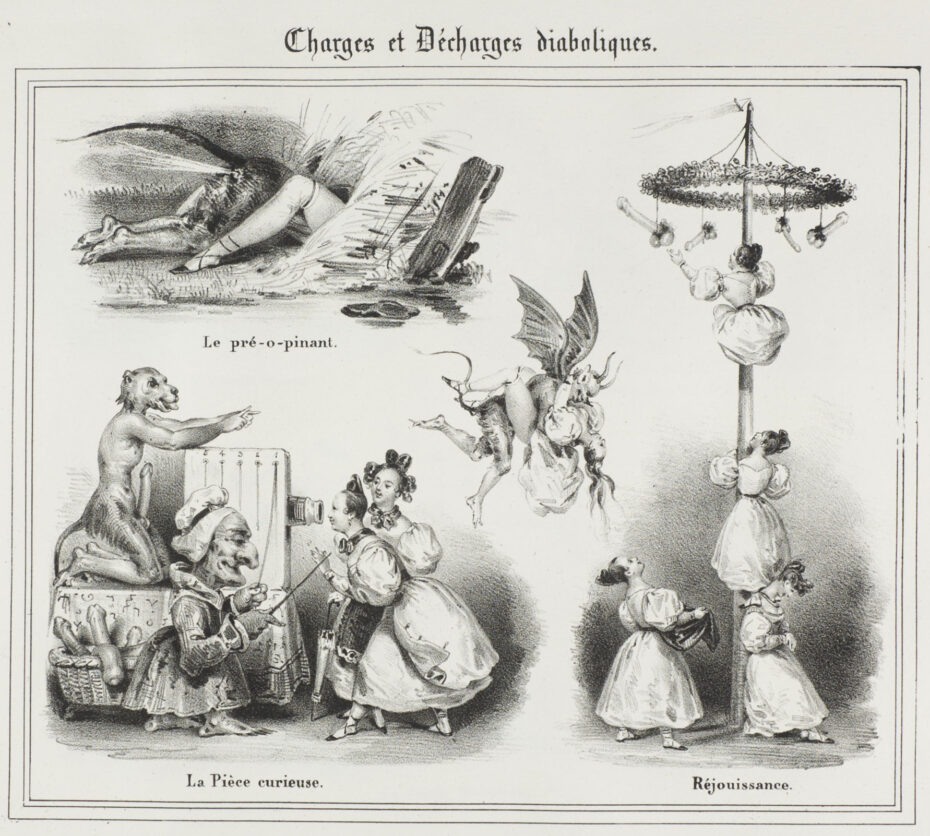
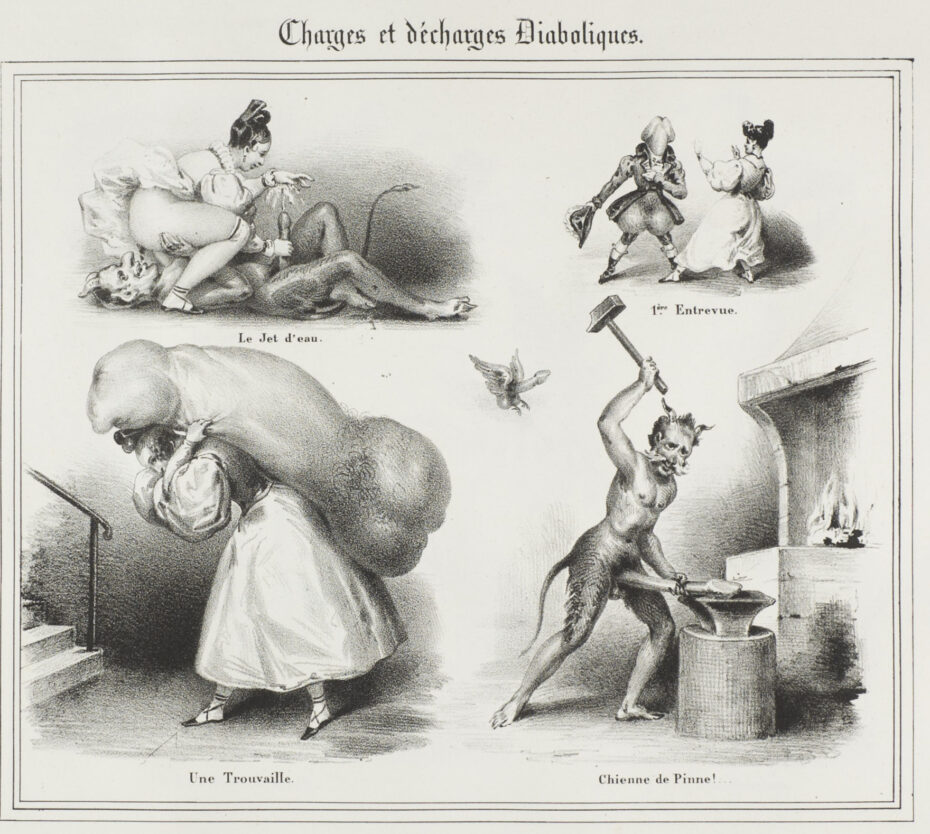
Confiscated by U.S. Customs in New York on August 2, 1951
Eugène Lepoittevin (1806-1870) was a French landscape painter, lithographer and caricaturist. He was appointed as Peintre de la Marine for the French Ministry of Defence in 1849.
Can be view in full on the Kinsey Institute.
6. Agnes Sorel, the first officially recognized royal mistress of a French king
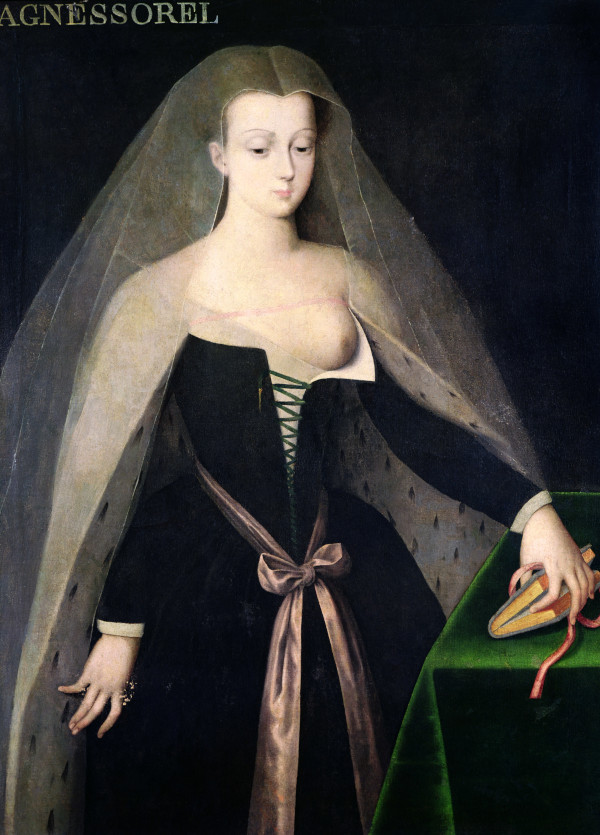
Agnès Sorel (1422 – 9 February 1450), known by the sobriquet Dame de beauté (Lady of Beauty), was a favourite and chief mistress of King Charles VII of France. She was also often painted with one boob out, leading some to suggest this was the fashion at the time.
Agnes generated scandal at court, particularly for popularizing the fashion of low-cut gowns. This behavior was both imitated and scorned. Jean Juvénal des Ursins, the archbishop of Reims, counseled the king to correct such fashions as “front openings through which one sees the teats, nipples, and breasts of women”
Two garments use Sorel’s name in their descriptors, Agnes Sorel bodice, Agnes Sorel corsage and a fashion style named after her as well, Agnes Sorel style, which is described as a “princess” style of dressing.
While pregnant with the King’s fourth child, she journeyed to join Charles on the campaign of 1450 in Jumièges, wanting to be with him as moral support. There, she suddenly became ill, and after giving birth, she and her daughter died on 9 February 1450. She was 28 years old. While the cause of death was originally thought to be dysentery, French forensic scientist Philippe Charlier suggested in 2005 that Agnès died of mercury poisoning. He offered no opinion about whether she was murdered … Her heart was buried in the Benedictine Abbey of Jumièges.
It’s unclear why she is often depicted topless in paintings, or as a breast-feeding. mother Mary.
Found on Wikipedia.
7. Word of the Day: Powderpuff
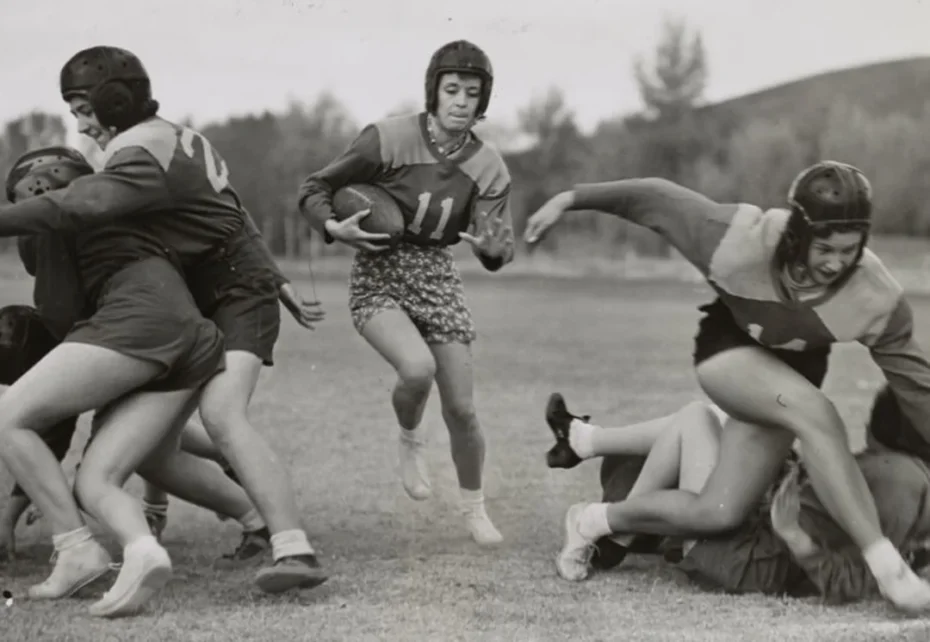
Used for describing a game of touch football or flag football (games based on American football, in which opponents are not brought to the ground) played by female students, often to raise money. This kind of games had a formal or semi formal status depending of the college. But of course, it was often used in an insulting, describing a style of playing that is considered weak and typical of women or girls, or to suggest that women who play sports are less serious than men.
For the millennials who watched The Cartoon Network, you may recall a cartoon called “The Powerpuff Girls”, which reappropriates the term.
Found on Reddit.
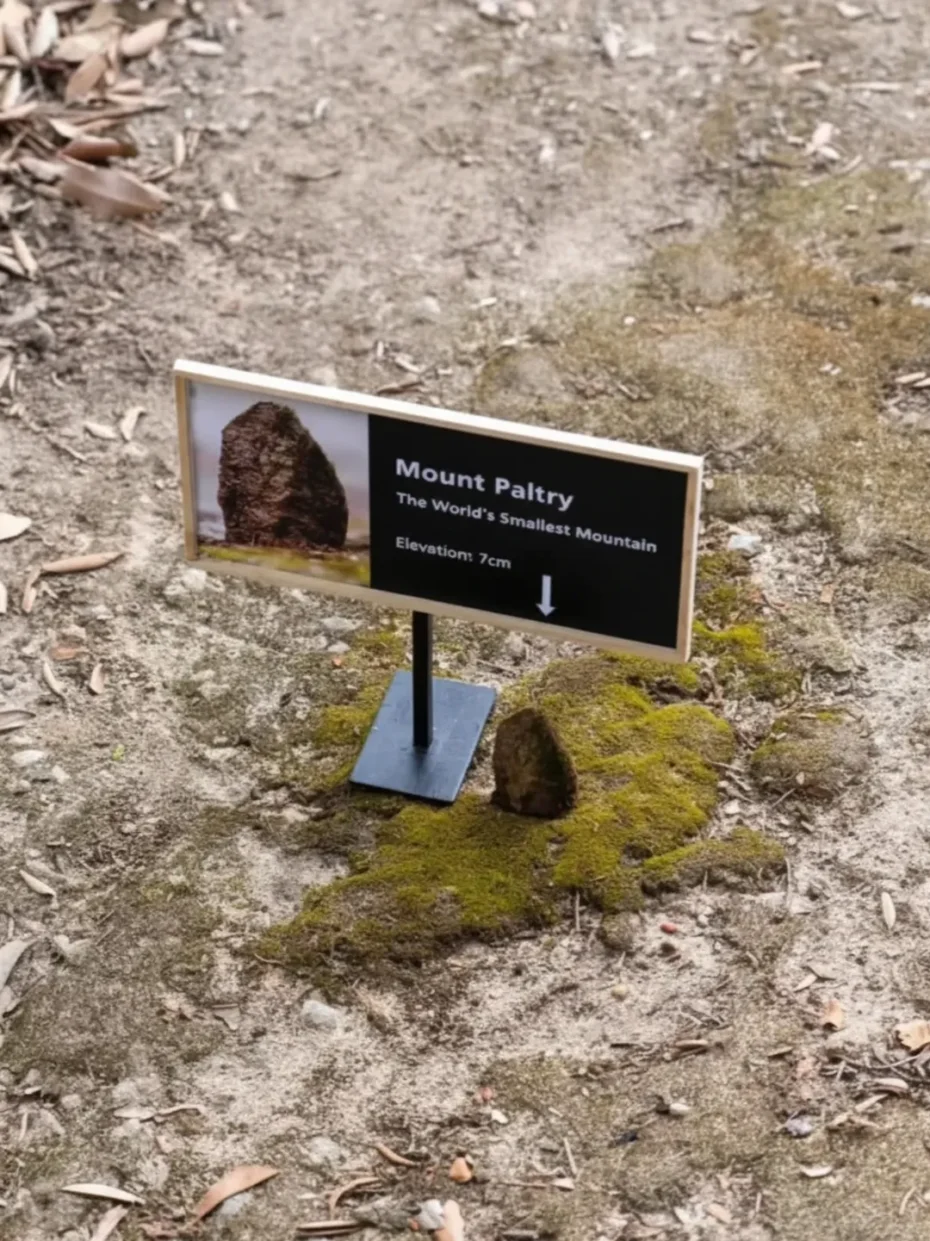
8. The World’s Smallest Mountain

Mount Paltry is often described as the world’s smallest mountain, rising only a few meters above the surrounding land. Located in Australia, it barely looks like a mountain at all, more like a gentle bump in the landscape. Despite its tiny height, it still meets the geographic definition of a mountain due to its natural elevation and formation. It quietly challenges our idea of how big something must be to earn the title mountain.
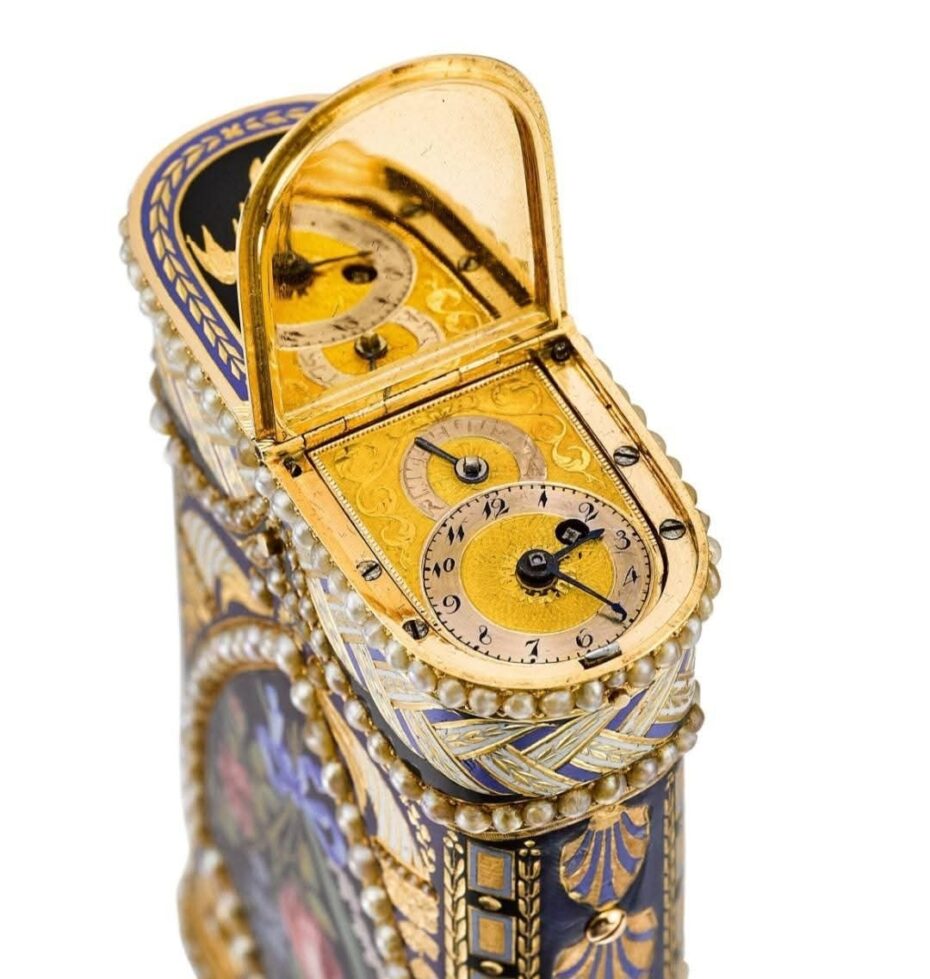
9. Etui de voyage, 1800
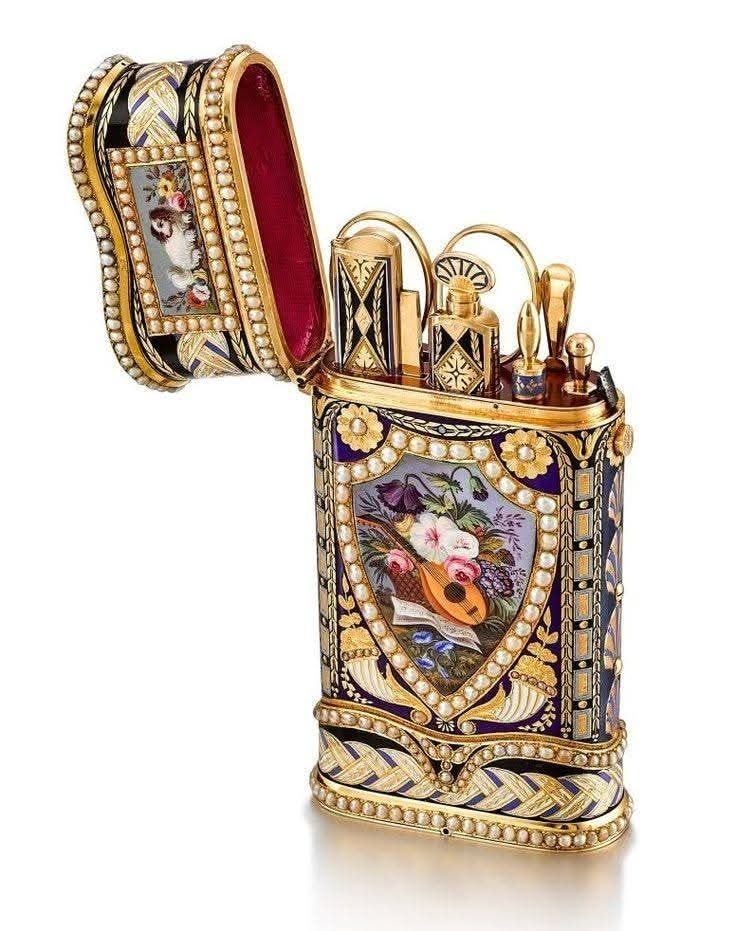
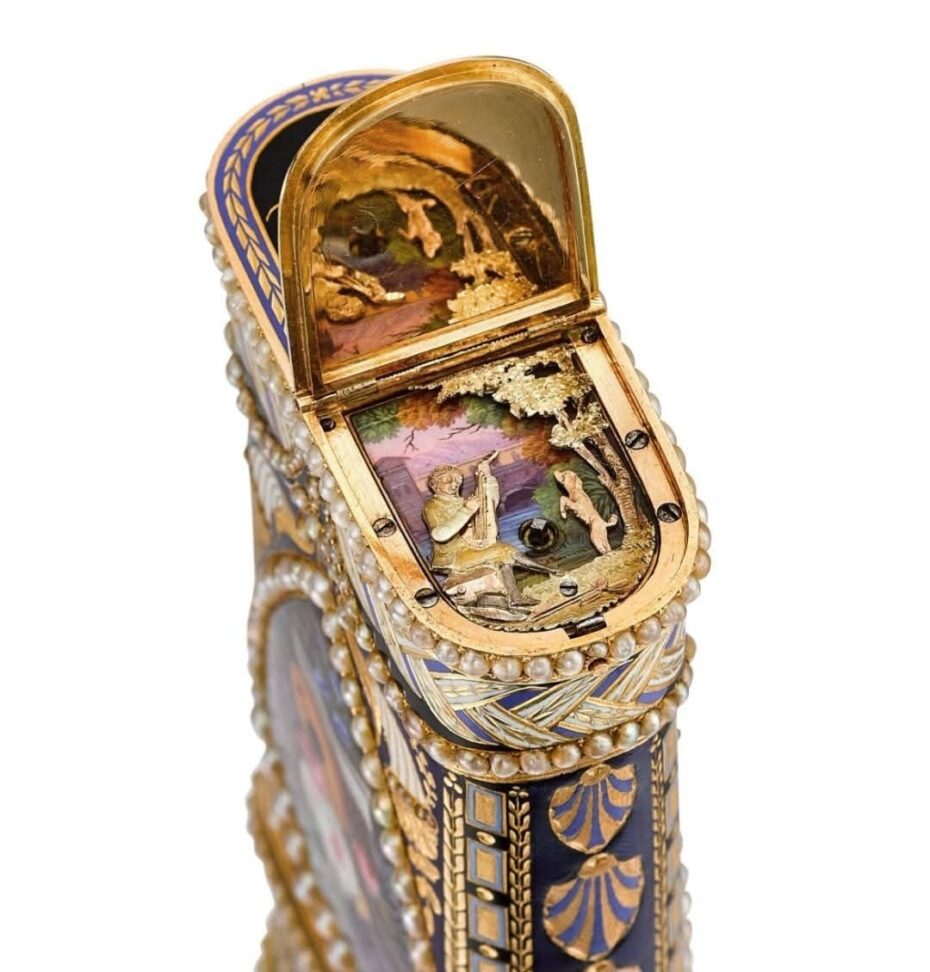
Gold, enamel & pearl-set with watch, music & automaton, includes mounted scissors, knife, perfume vial, key, cuticle stick, and awl, all made of gold with intricate enamel work. Etui de voyage means travel case in English, or case of travel, and typically refers to a small case for personal items.In the 18th century, Etui de Voyage or work boxes were luxurious scent and cosmetics cases that subtly displayed a lady’s status, taste, and wealth. Commissioned by the elite, these boxes were masterfully crafted from gold, adorned with jewels, enamel, and pearls, and often featured hidden compartments for automata, music mechanisms, and watches.
10. This doctor’s office
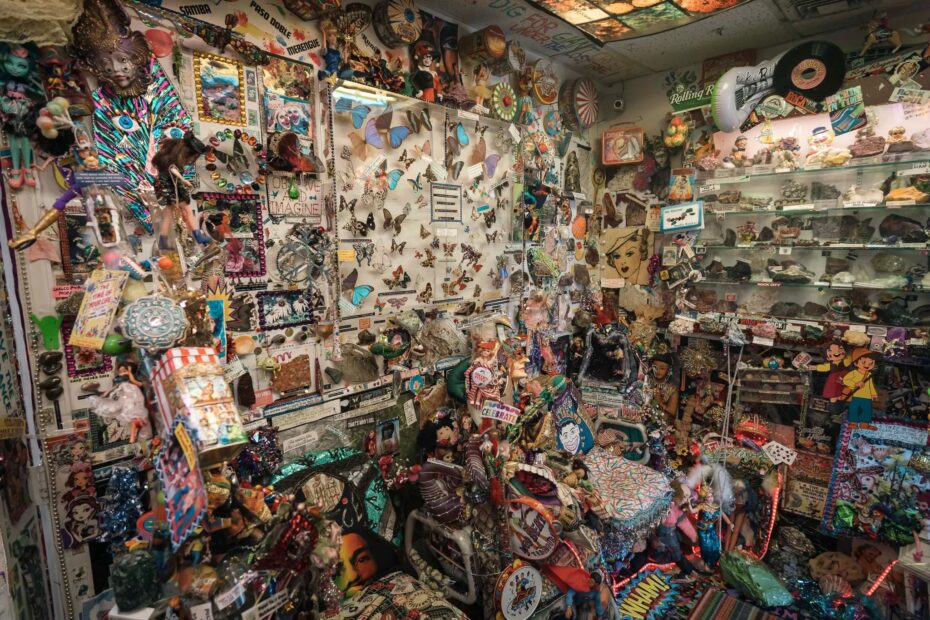
The unique and eccentric office of Dr. Mark Leitman, a highly respected physician and ophthalmologist based in East Brunswick, New Jersey. Rather than a sterile medical environment, his office is famously packed with an overwhelming collection of thousands of curiosities.
Dr. Leitman began decorating the office decades ago to help distract and calm anxious patients. He believes that giving people something fascinating to look at reduces their stress before an eye exam.
11. Just some incredible Art Nouveau Fireplaces
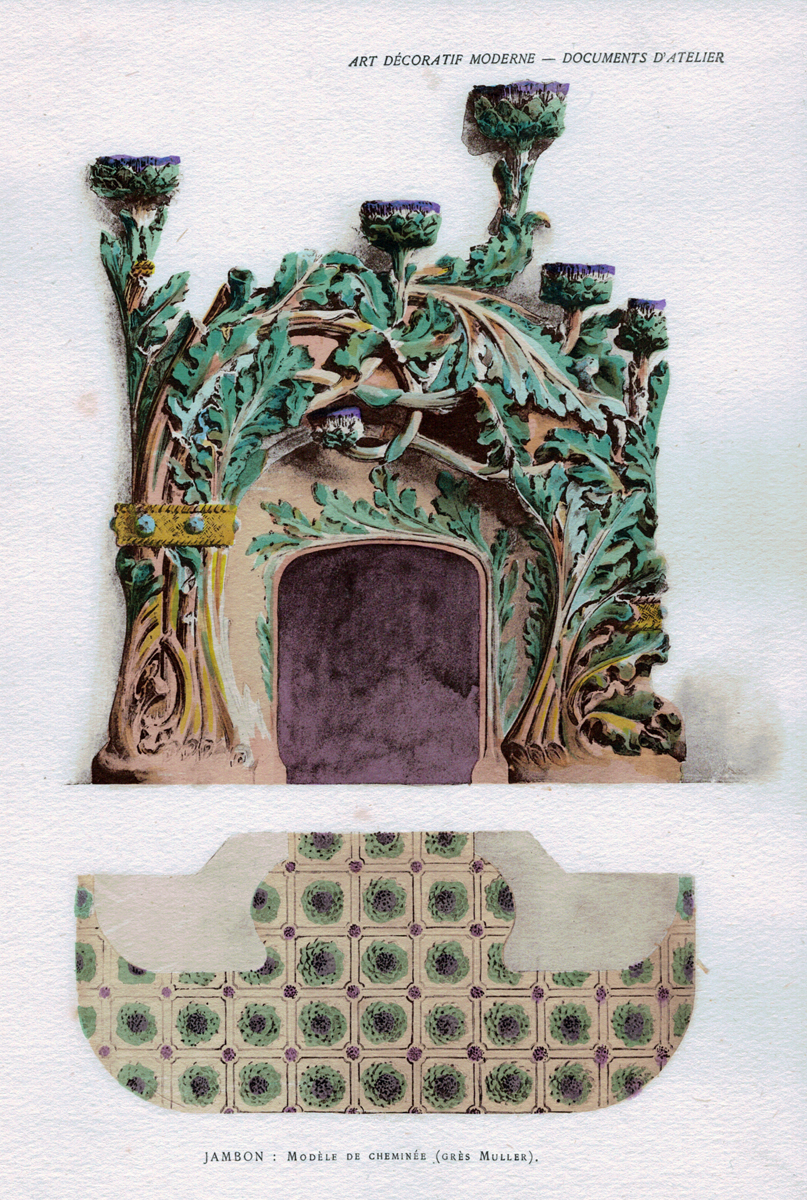
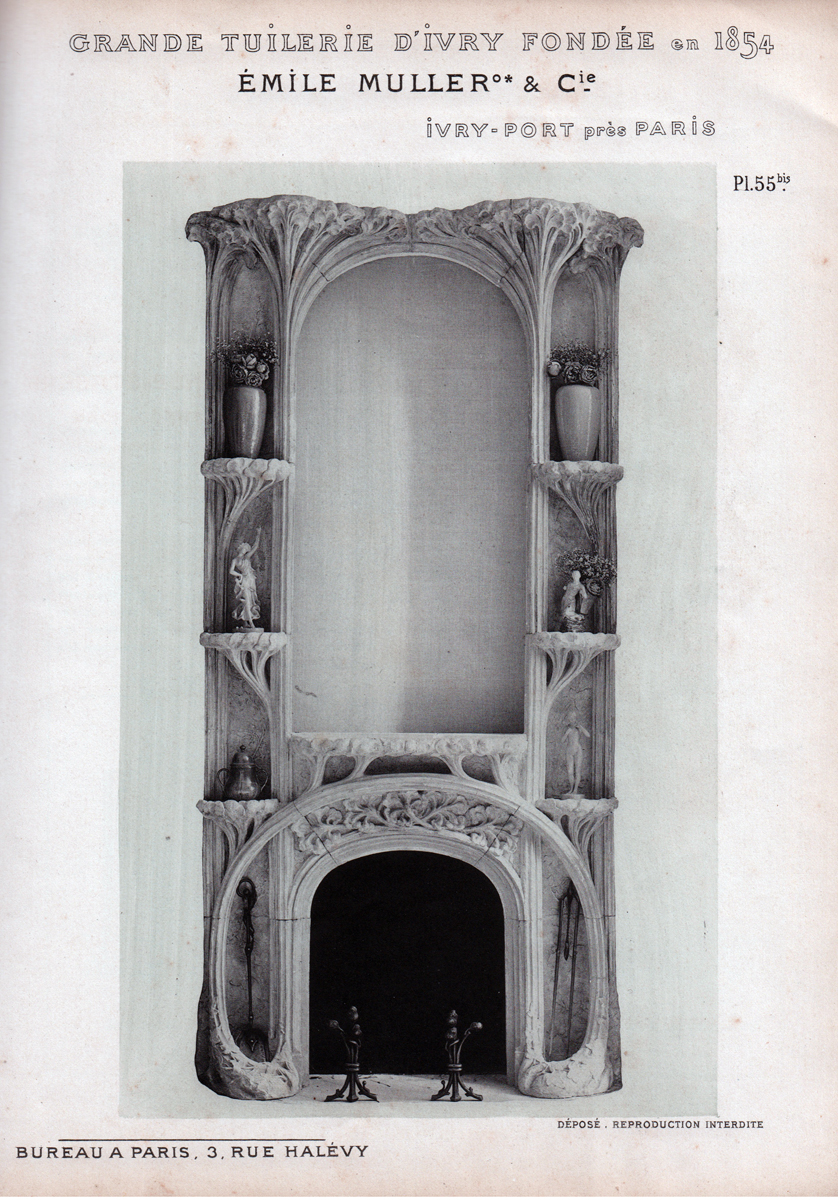
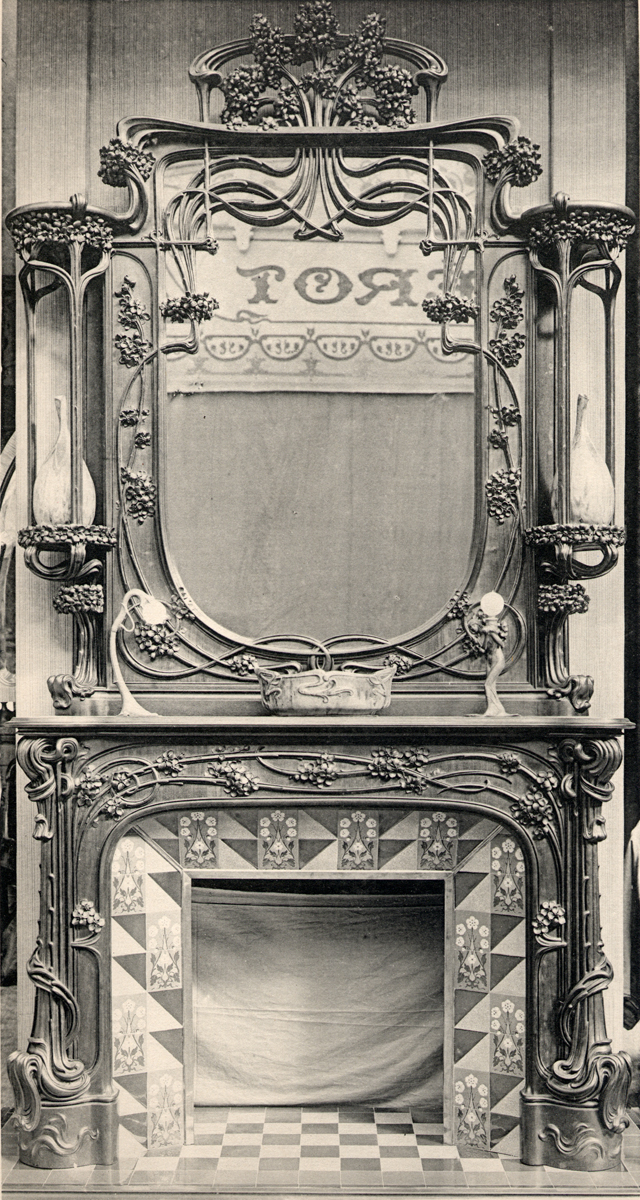
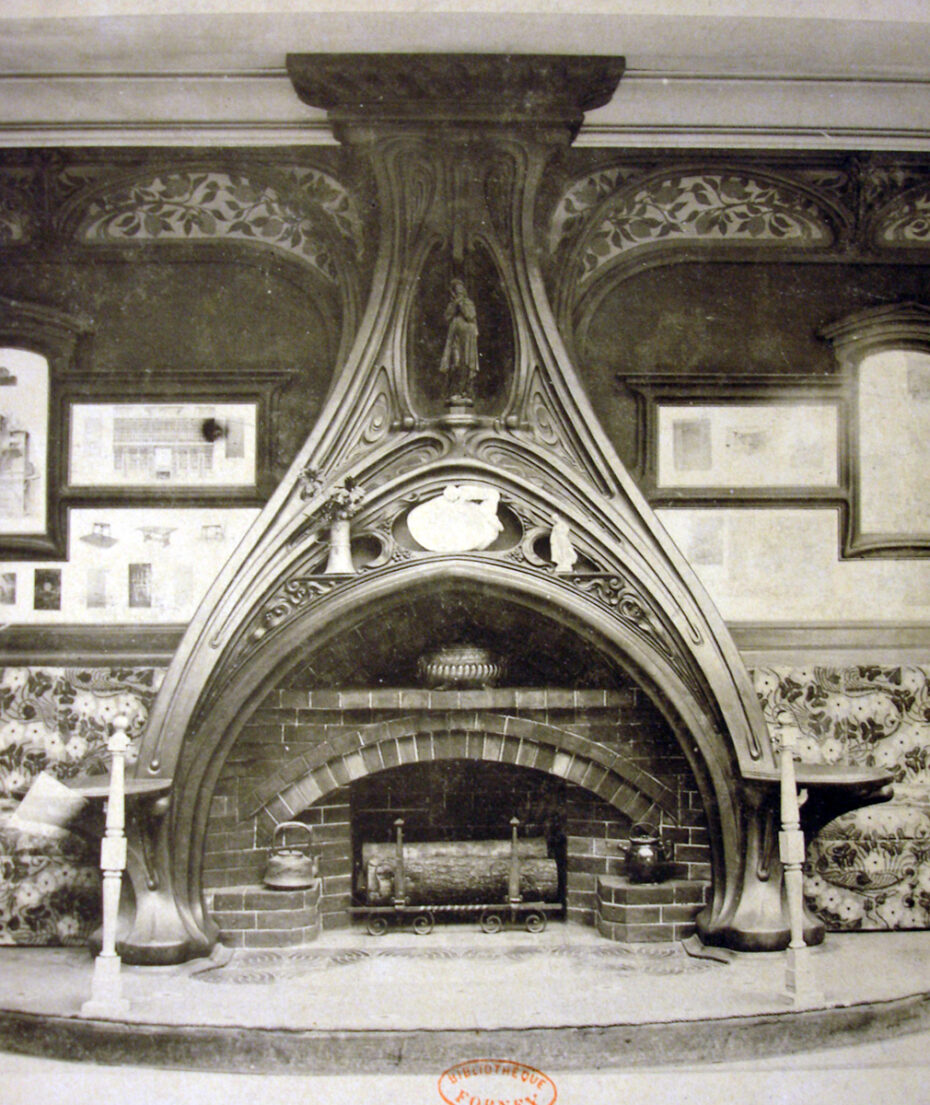
Plenty more where that came from here.
12. Feeling very inspired by this Parisian living room (for sale)
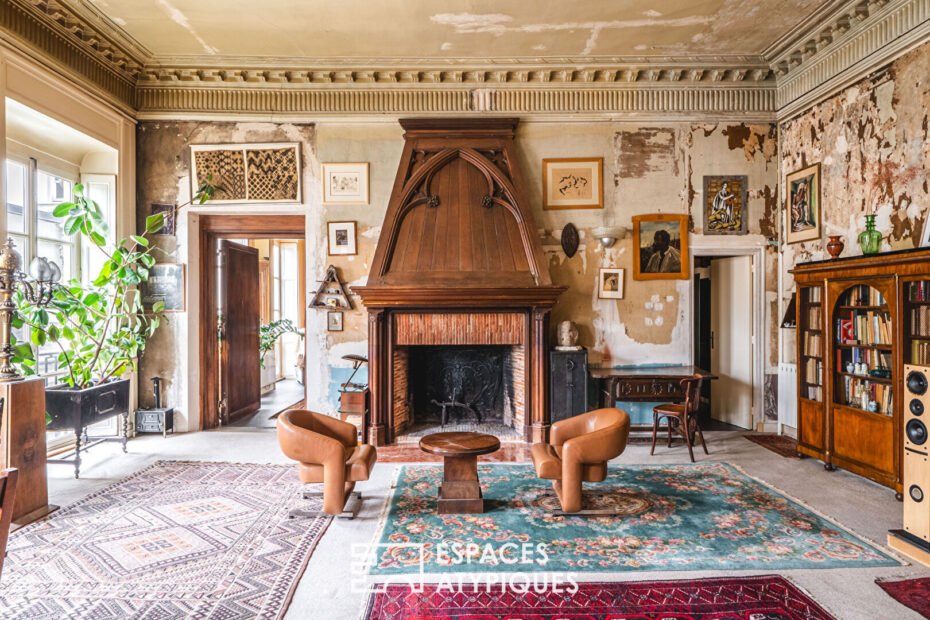
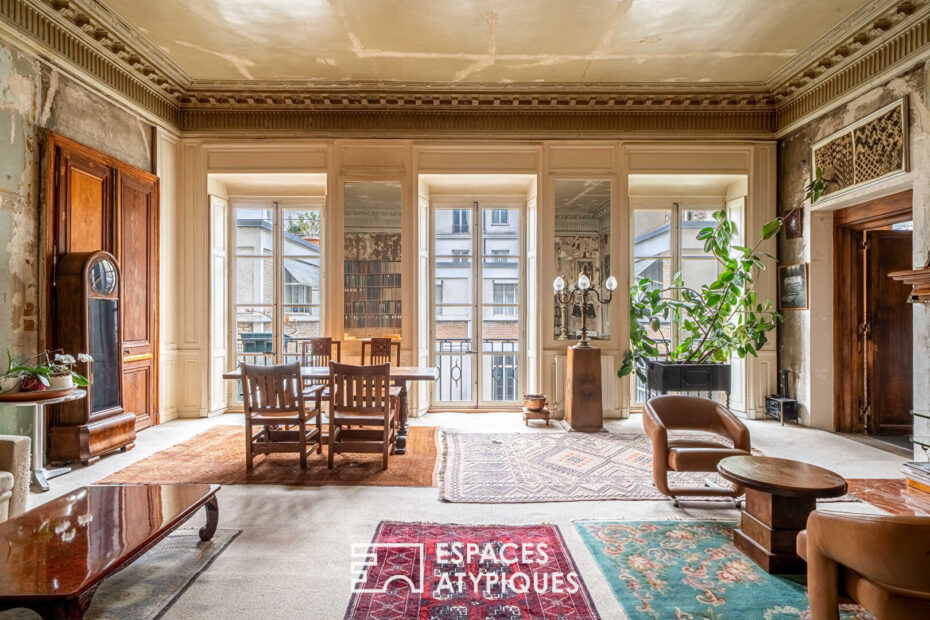
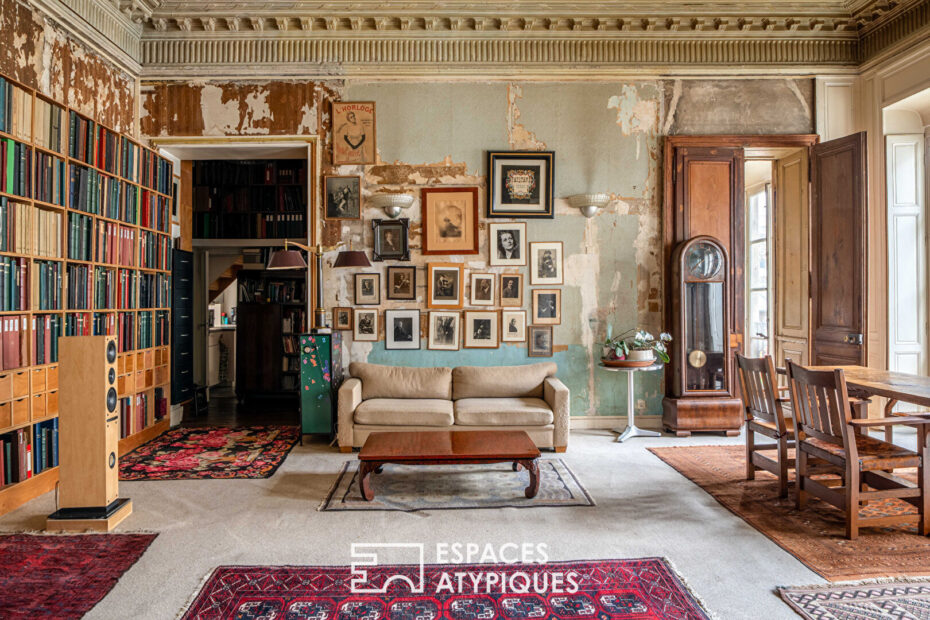
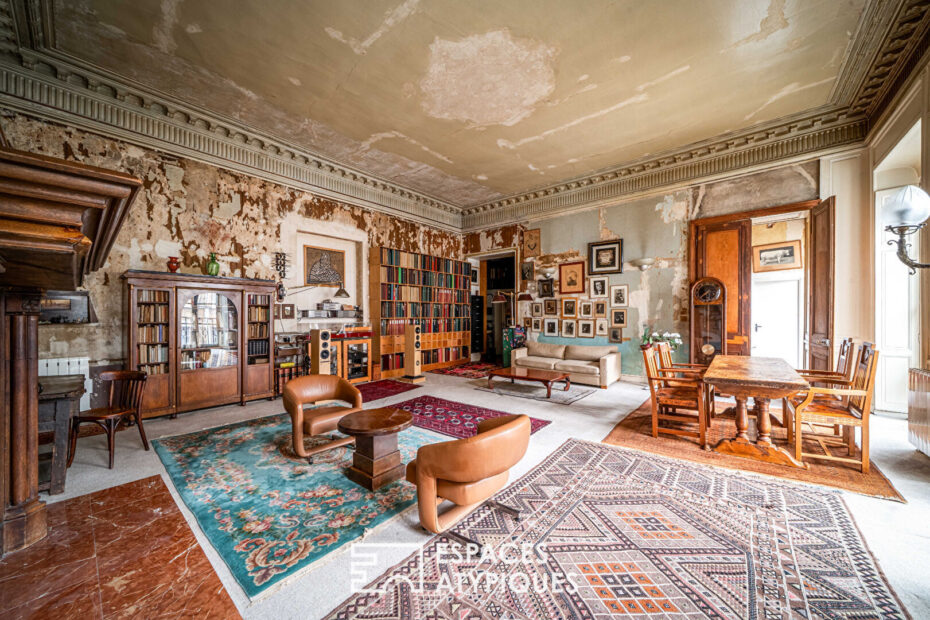
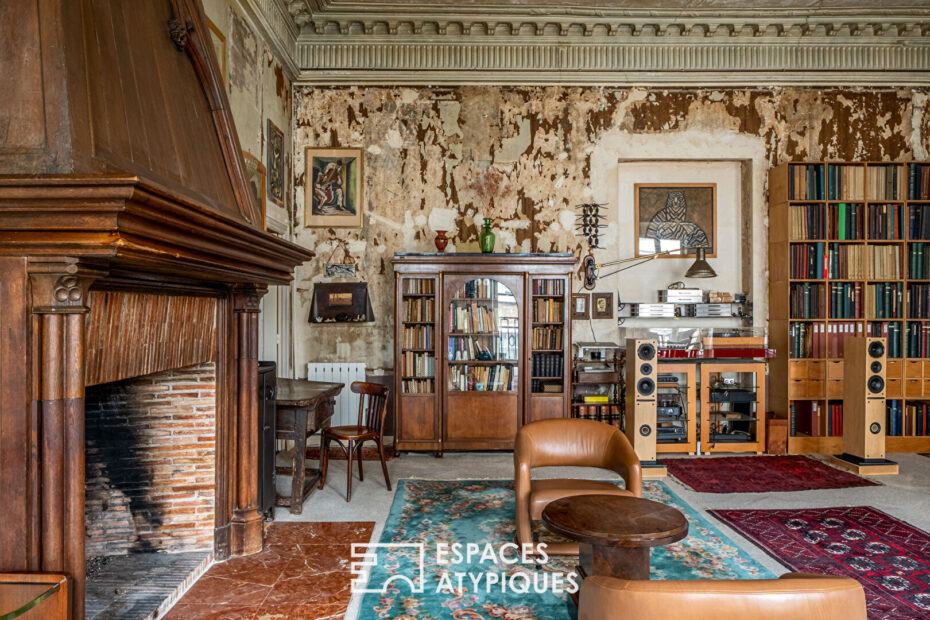
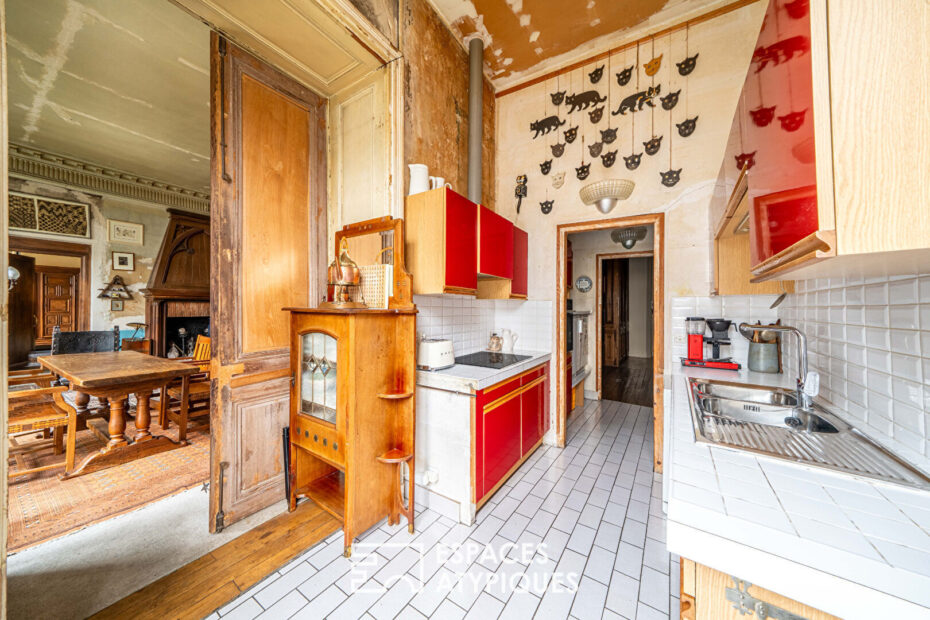
A case for not over-renovating. Apartment for sale in the 10th arrondissement for sale (asking 1.65m euros) found here.
13. The bouquinistes by Robert Doisneau (1951)
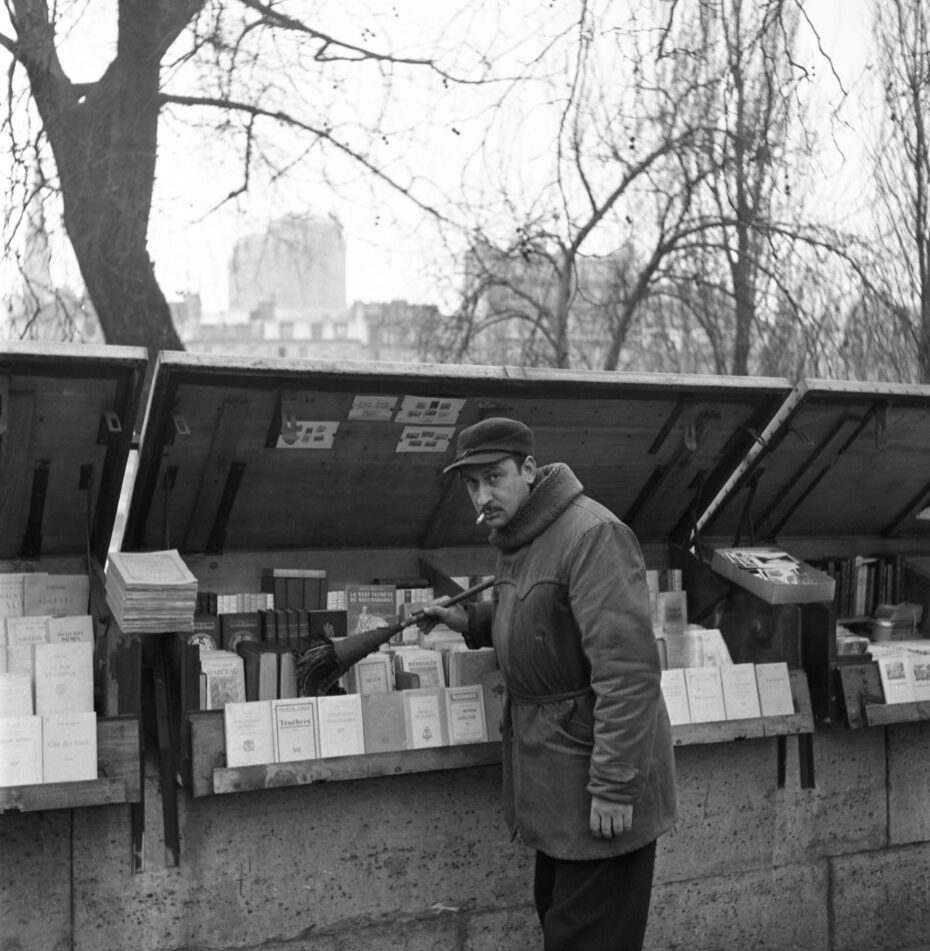
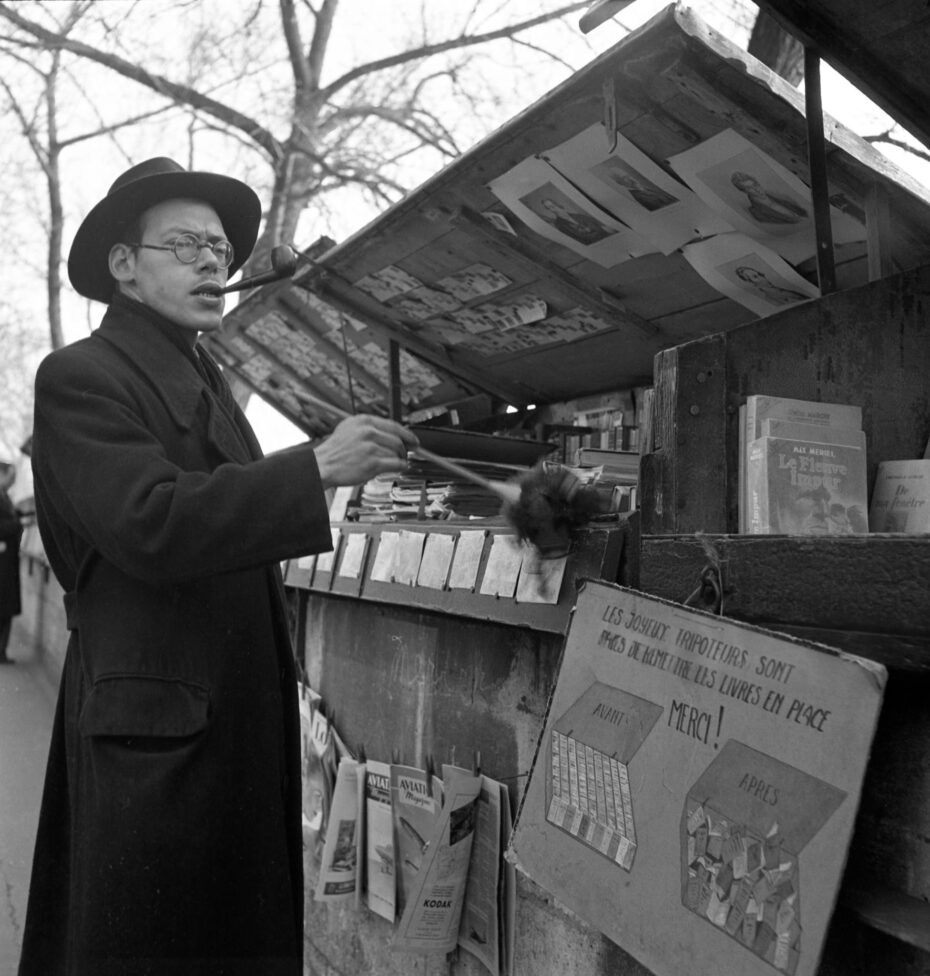
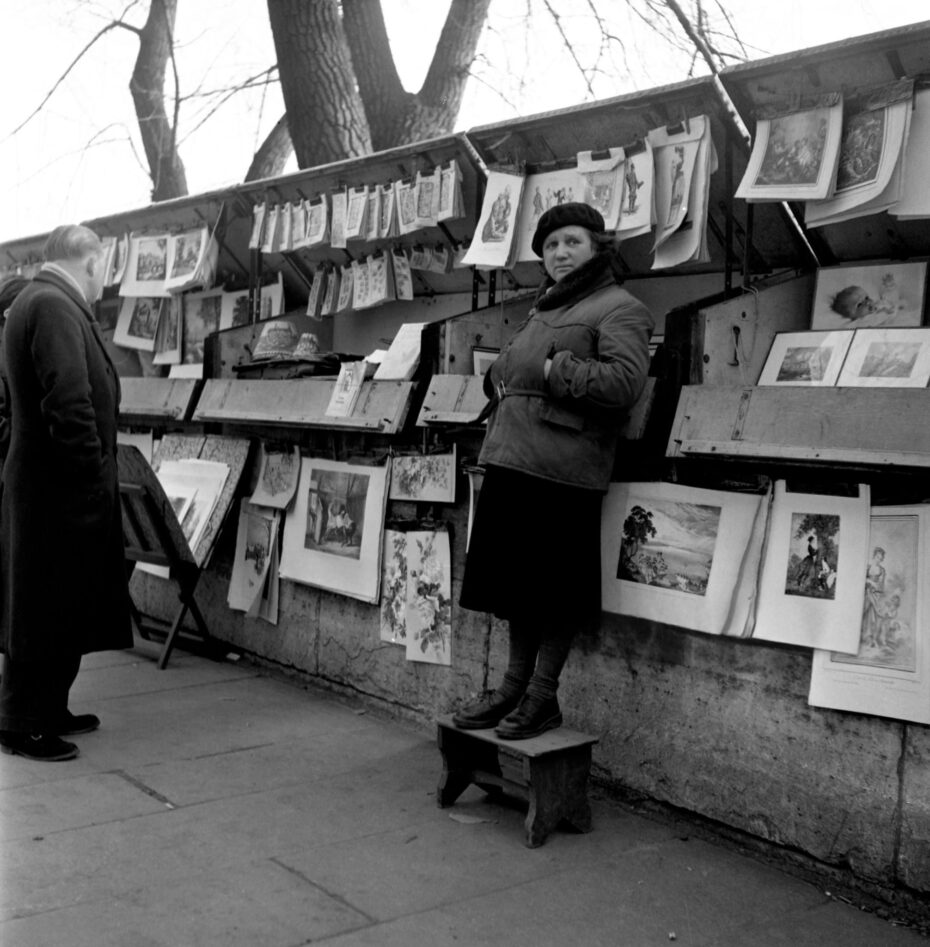
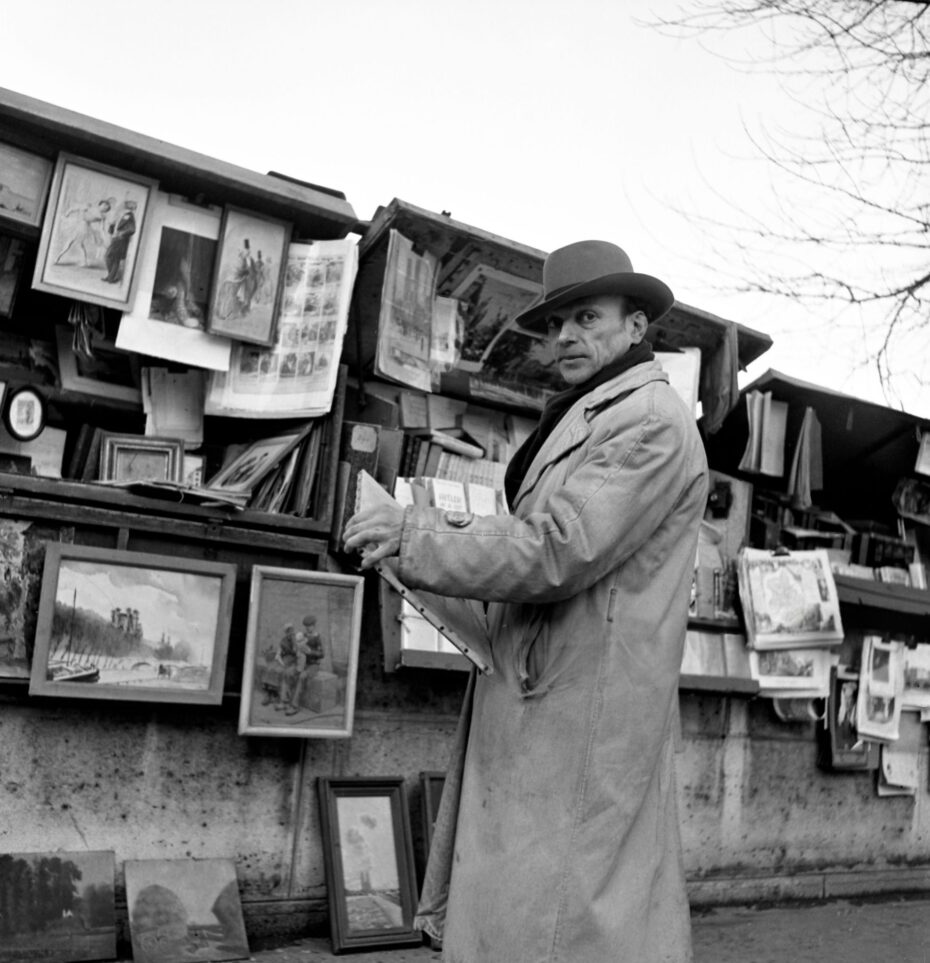
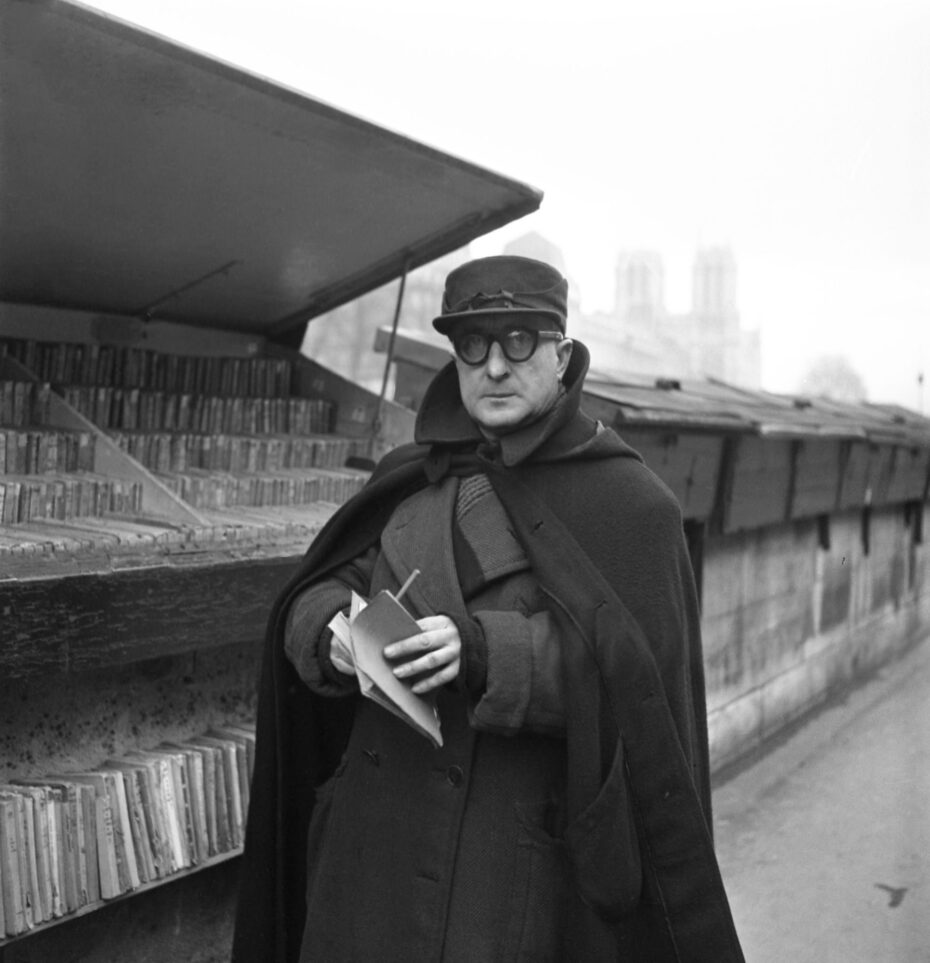
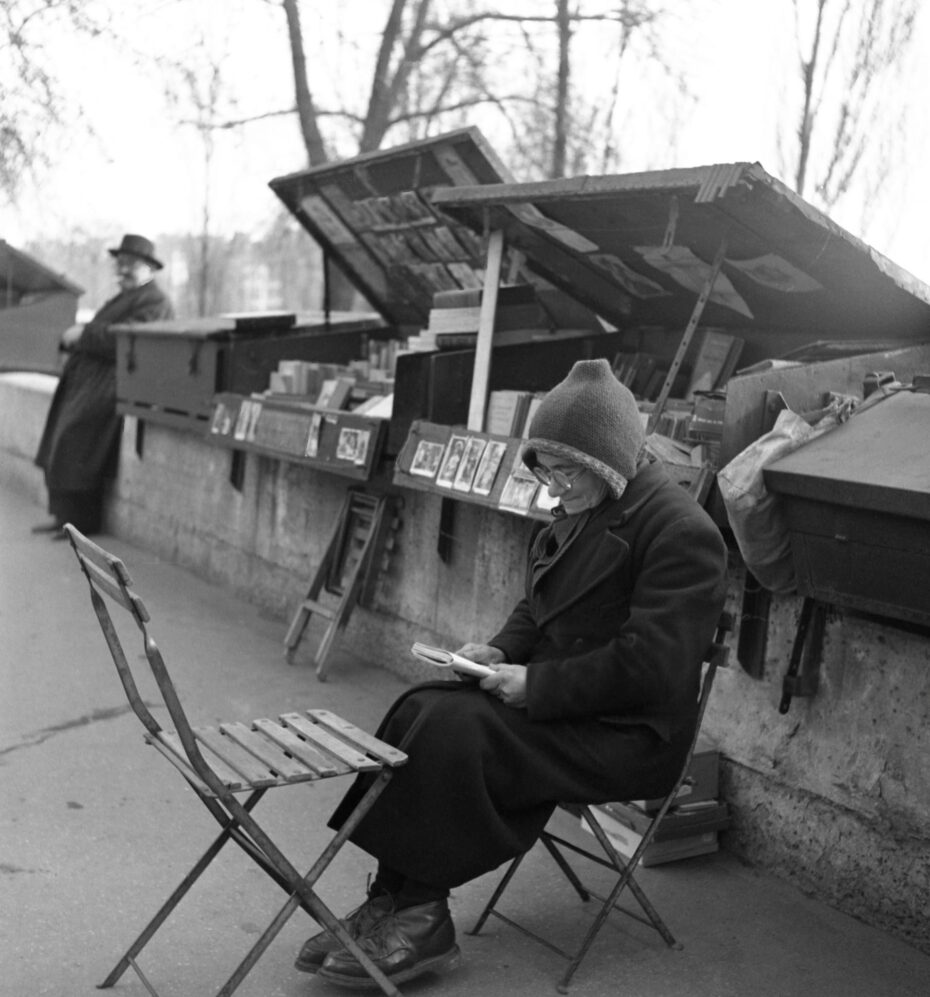
Found here.