Organized crime today operates on a scale that often exceeds the capacity of governments to track, let alone contain. These groups control borders, ports, financial networks, and political actors with a level of sophistication that rivals multinational corporations. From drug trafficking to arms smuggling and cybercrime, the world’s most powerful criminal organizations shape global markets and influence international security in ways both visible and hidden.
#1: The ‘Ndrangheta (Italy)
Based in Calabria, the ’Ndrangheta has quietly risen to become Europe’s most dominant narcotics broker, surpassing the Sicilian Mafia in wealth and reach. Its power comes from tight family structures, careful secrecy, and deep infiltration of ports. Today, it oversees a vast criminal economy stretching from South America to Northern Europe.
#2: Yamaguchi-gumi (Japan)
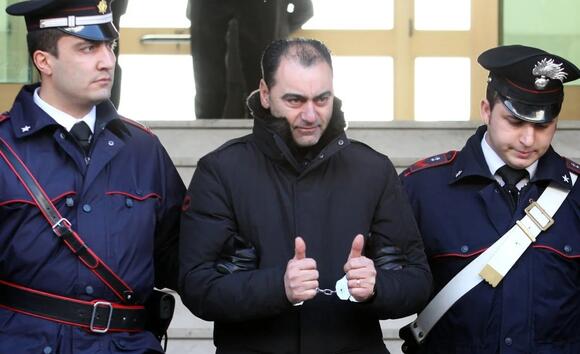
Japan’s largest Yakuza syndicate blends strict hierarchical discipline with a businesslike approach that includes construction, finance, and entertainment. Its influence spans decades, operating within a complex social tolerance unique to Japan. Despite crackdowns and shrinking membership, the Yamaguchi-gumi remains a powerful, deeply rooted criminal institution with significant economic leverage.
#3: The Solntsevskaya Bratva (Russia)
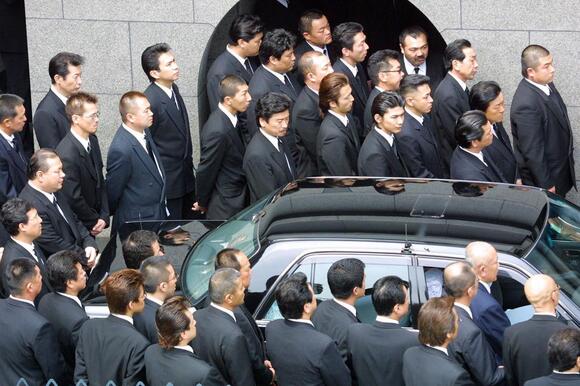
Emerging from Moscow in the 1990s, the Solntsevskaya Bratva became one of the world’s most decentralized yet cohesive crime syndicates. Its operations include racketeering, cybercrime, and international trafficking. By exploiting the post-Soviet vacuum, it built extensive alliances with political and business elites, allowing it to act with global reach and sophistication.
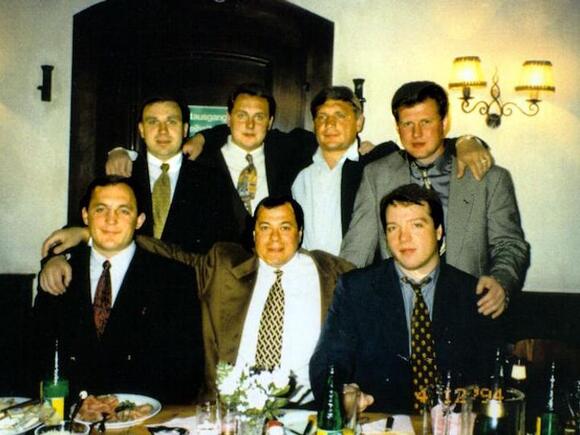
#4: Cosa Nostra (Italy)
The Sicilian Mafia remains one of the most iconic organized crime groups, providing structural templates later adopted by American families. Although weakened by landmark anti-mafia operations, Cosa Nostra continues to influence extortion, construction contracts, and political corruption. Its legacy persists through entrenched networks across Sicily and long-standing international connections.
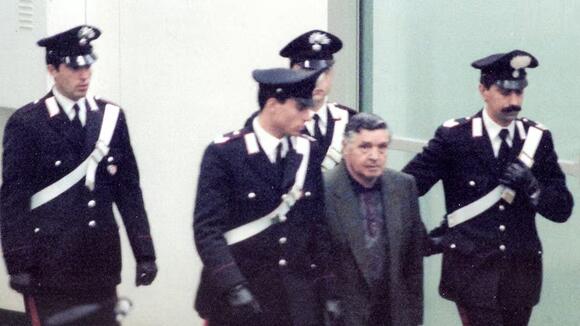
#5: The Triads (China/Hong Kong)
Triad societies form a loose but powerful network involved in human trafficking, counterfeit goods, drug distribution, and global money laundering. Groups such as Sun Yee On and 14K maintain significant influence across Asia and diaspora communities worldwide. Their adaptability and international footprint make them central players in the modern criminal landscape.
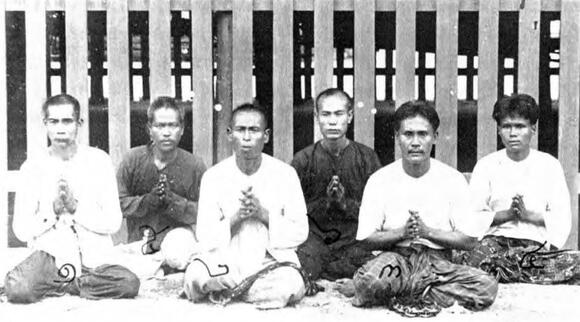
#6: Jalisco New Generation Cartel (Mexico)
The CJNG rose with startling speed, using paramilitary tactics, drone weaponry, and highly public displays of violence to dominate rivals. Based in Jalisco, it now operates across much of Mexico and international trafficking routes. Its combination of aggression and organizational discipline makes it one of the world’s most feared cartels.
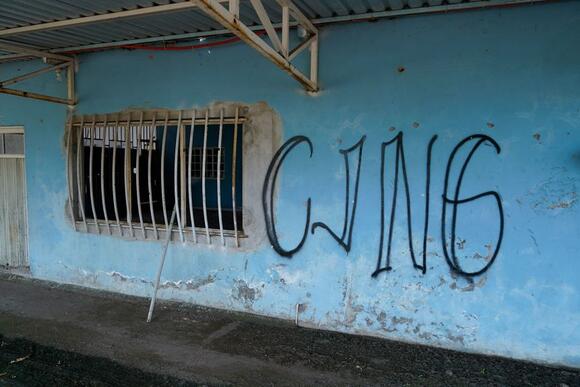
#7: The Camorra (Italy)
Centered in Naples, the Camorra functions through countless clans with shifting alliances, making it chaotic yet extremely resilient. Aside from narcotics, it has embedded itself in waste management, construction, and local extortion economies. Its decentralized structure allows it to survive crackdowns that cripple more hierarchically organized groups.
#8: D-Company (India/UAE)
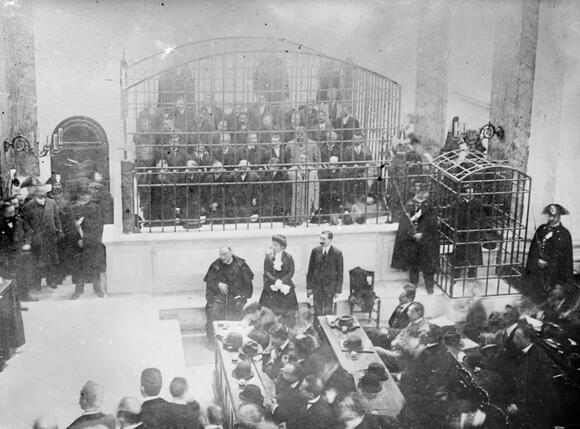
Led by fugitive Dawood Ibrahim, D-Company spans extortion, arms smuggling, and international drug trafficking. It maintains strong ties across South Asia and the Middle East, blending criminal operations with legitimate business fronts. Despite fragmentation, the organization remains influential due to long-standing political and financial connections.

#9: The Clan del Golfo (Colombia)
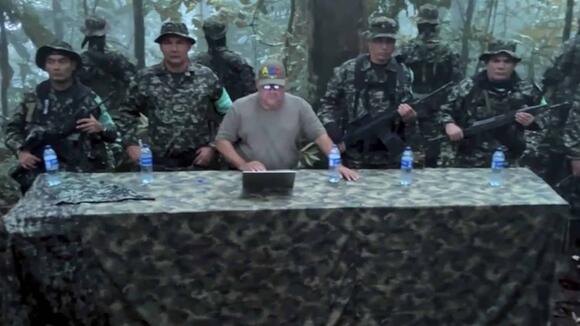
Currently Colombia’s most powerful neo-paramilitary group, the Clan del Golfo controls significant key regions. Its structure combines cartel economics with paramilitary command, enabling both territorial dominance and international trafficking capabilities. It remains a primary target of Colombian security forces.
#10: Sinaloa Cartel (Mexico)
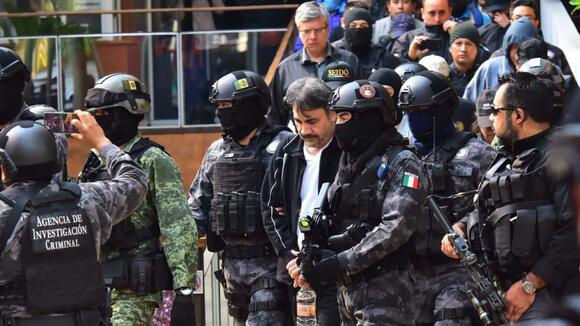
Long considered Mexico’s most influential cartel, Sinaloa maintains an enormous logistical network spanning continents. It relies on alliances, diversification, and strategic bribery rather than sheer brutality. Despite leadership arrests and internal fractures, its deep roots in rural communities and global supply chains ensure its continued dominance.
#11: The Kinahan Organized Crime Group (Ireland)
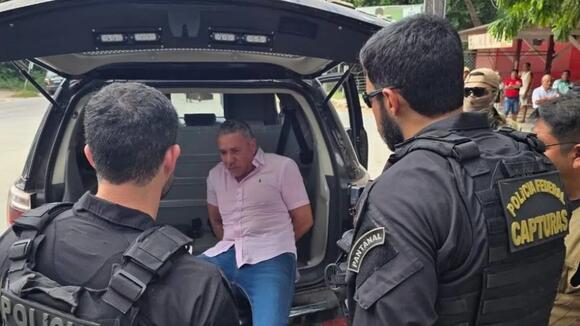
The Kinahan group developed from Dublin’s criminal underworld into a global narcotics broker with connections across Europe and the Middle East. Its sophisticated financial operations and integration with professional boxing circles elevated its profile. Even under heavy international pressure, the organization maintains extensive networks and influence.

#12: Primeiro Comando da Capital (Brazil)
Formed within São Paulo’s prison system, the PCC grew into a nationwide criminal authority. It controls drug routes, coordinates operations from inside prisons, and exerts influence over entire neighborhoods. Its disciplined command structure and financial intelligence make it one of South America’s most powerful syndicates.
#13: The Gulf Cartel (Mexico)
Once the dominant force in northeastern Mexico, the Gulf Cartel is known for long-standing rivalries and frequent internal splits. Despite losing ground to competitors, it continues to control key trafficking corridors along the Texas border. Its history shaped the evolution of modern cartel warfare in Mexico.
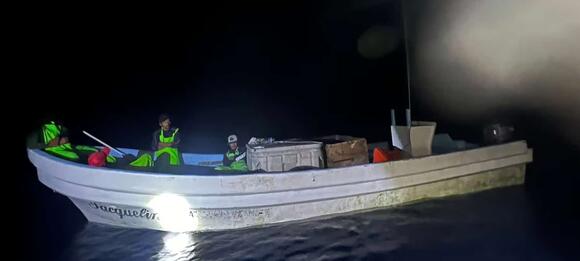
#14: The Hell’s Angels (International)
What began as a motorcycle club evolved into a multinational criminal enterprise with chapters across several continents. While heavily involved in drug trafficking and extortion, the group maintains a semi-public identity that complicates enforcement. Its global branding and internal discipline help sustain its influence across borders.
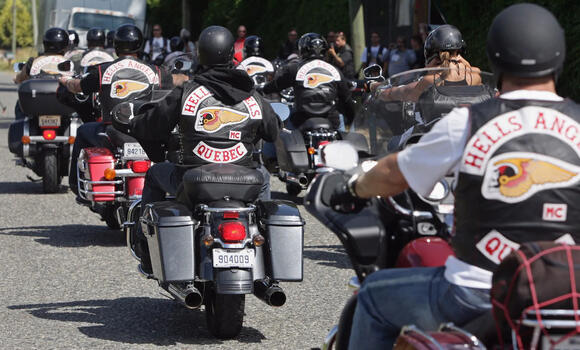
#15: The Five Families (USA)
Though less dominant than during their mid-20th-century peak, New York’s Five Families still operate in construction, gambling, and union corruption. Their longevity stems from adaptability and selective modernization. Even under persistent legal scrutiny, they maintain a meaningful presence in the American organized crime landscape.
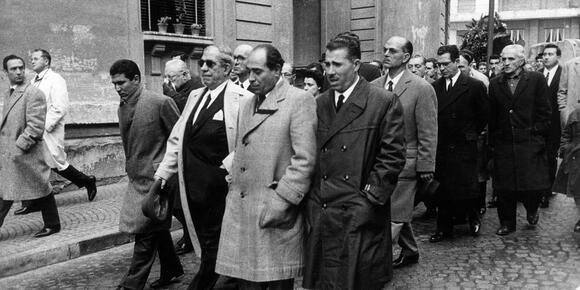
#16: The Commando Vermelho (Brazil)
Founded in Rio de Janeiro’s prisons, the Commando Vermelho became one of the city’s most influential criminal factions. It controls favelas, traffics weapons, and challenges state authority through direct confrontation. Its territorial presence and alliances across Brazil sustain its long-term operational strength.
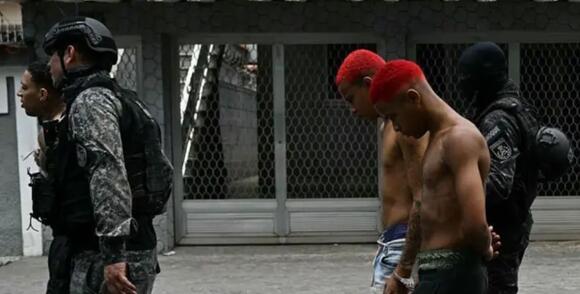
#17: The Montreal Mafia (Canada)
Anchored by the Rizzuto family for decades, the Montreal Mafia functions as a crucial entry point for narcotics entering Canada. It blends traditional Mafia structures with modern financial strategies. Periodic violence and power struggles have not erased its role as a central actor in North American organized crime.

#18: The Adams Family (United Kingdom)
Also known as the Clerkenwell Crime Syndicate, the Adams Family once dominated London’s high-level criminal activity. Their portfolio included drug trafficking, fraud, and protection rackets. Although weakened by prosecutions, their reputation for discipline and sophistication keeps them one of the U.K.’s most storied crime groups.