1. The other Madame X Portraits
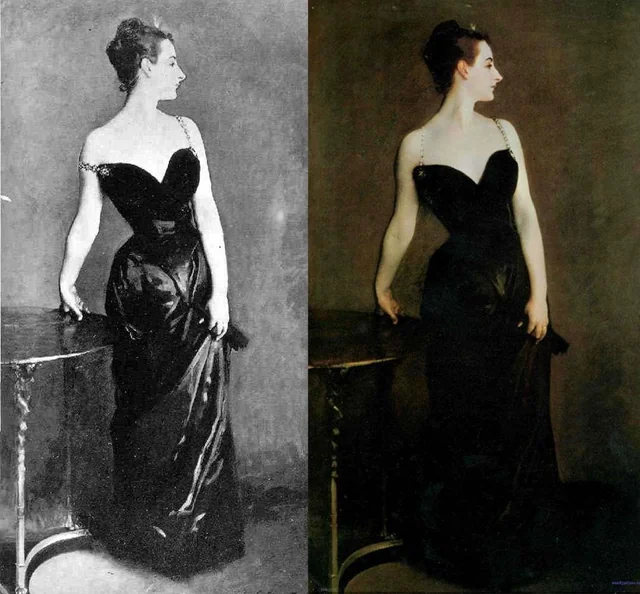
When Madame X was shown at the Salon of 1884 it became instantly a salacious painting and a scandal in French society as a result of its sexual suggestiveness. The painting’s subject, socialite, Madame Gautreau, refused the painting, and Sargent, depressed and abashed, changed it, painting out the offending strap, repainting it in its “proper” place.
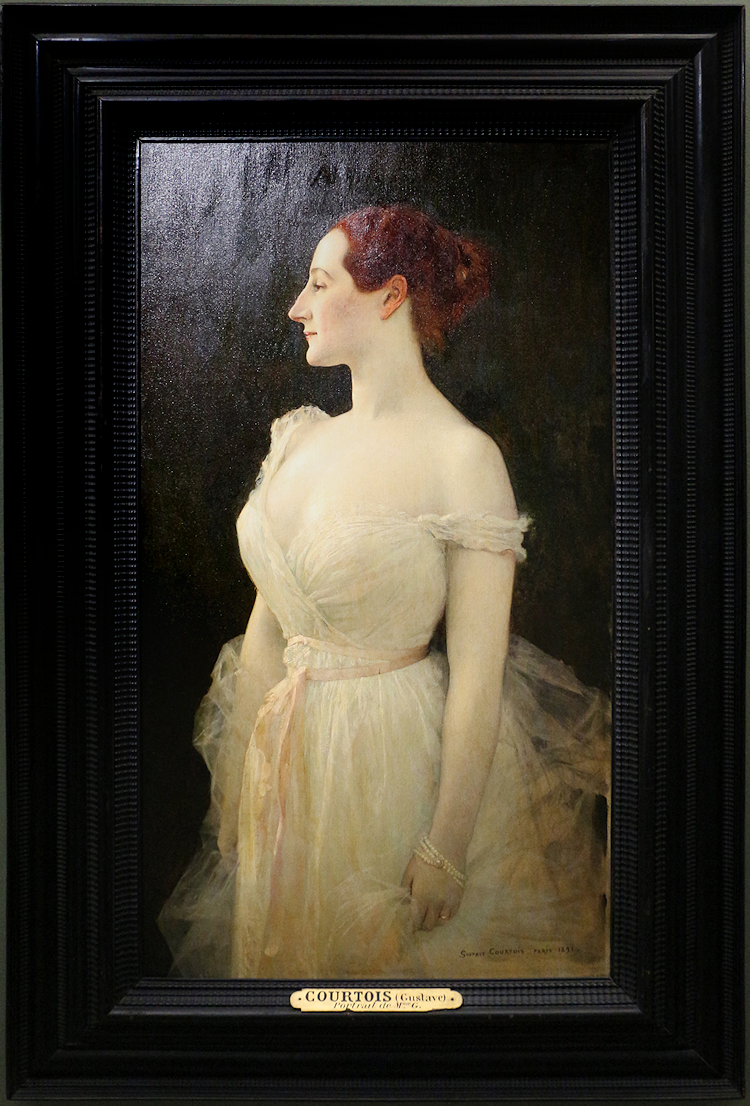
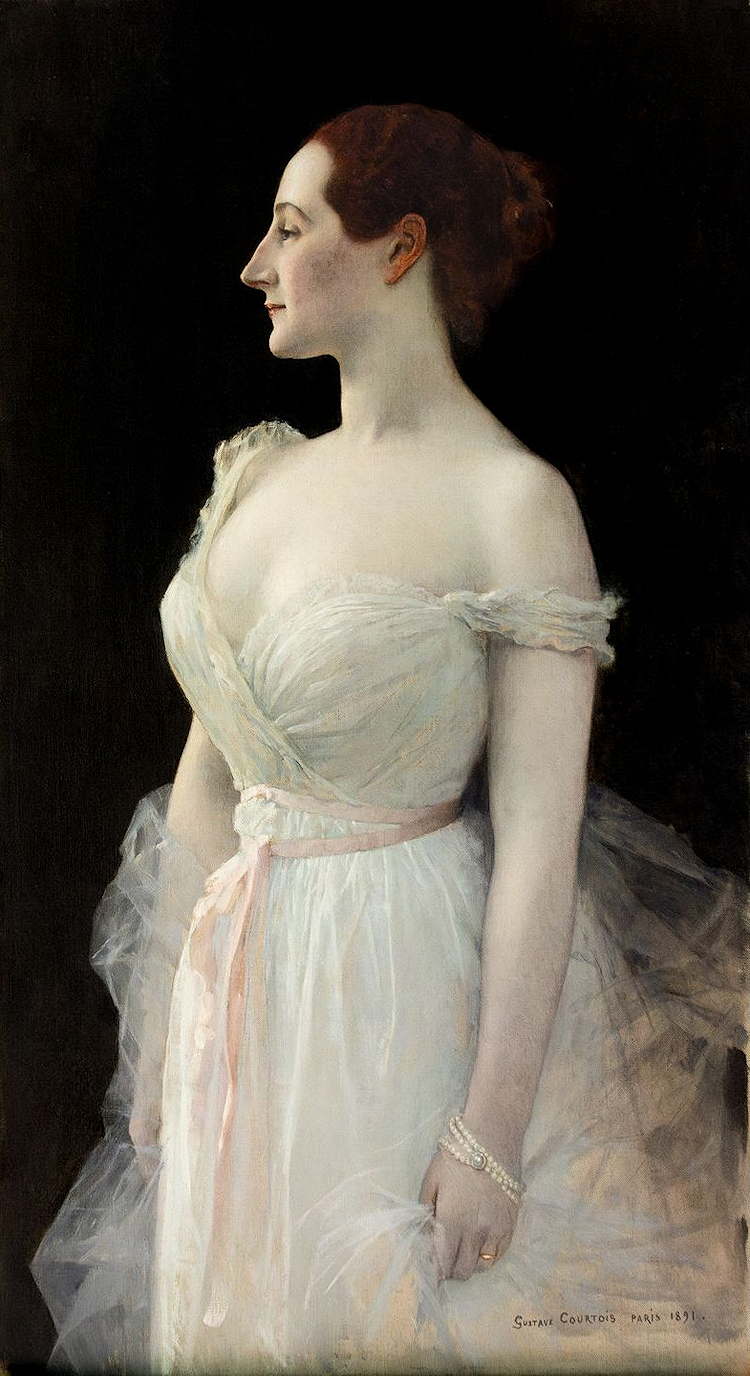
Madame Gautreau, embarrassed, had temporarily stepped away from the spotlight, but she seems to have developed rather an affection for its glare, a taste for a certain degree of notoriety. And seven years later she herself commissioned something of a response to Sargent’s portrait. And in her portrait by Courtois she is every bit as unadorned – “naked” – as in Sargent’s, her skin is as freakishly pale, her décolletage as deep, and in an amazingly cheeky reference to the scandalous work of 1884 – and which was instigated by the model – the strap was once again down. And it stayed down.
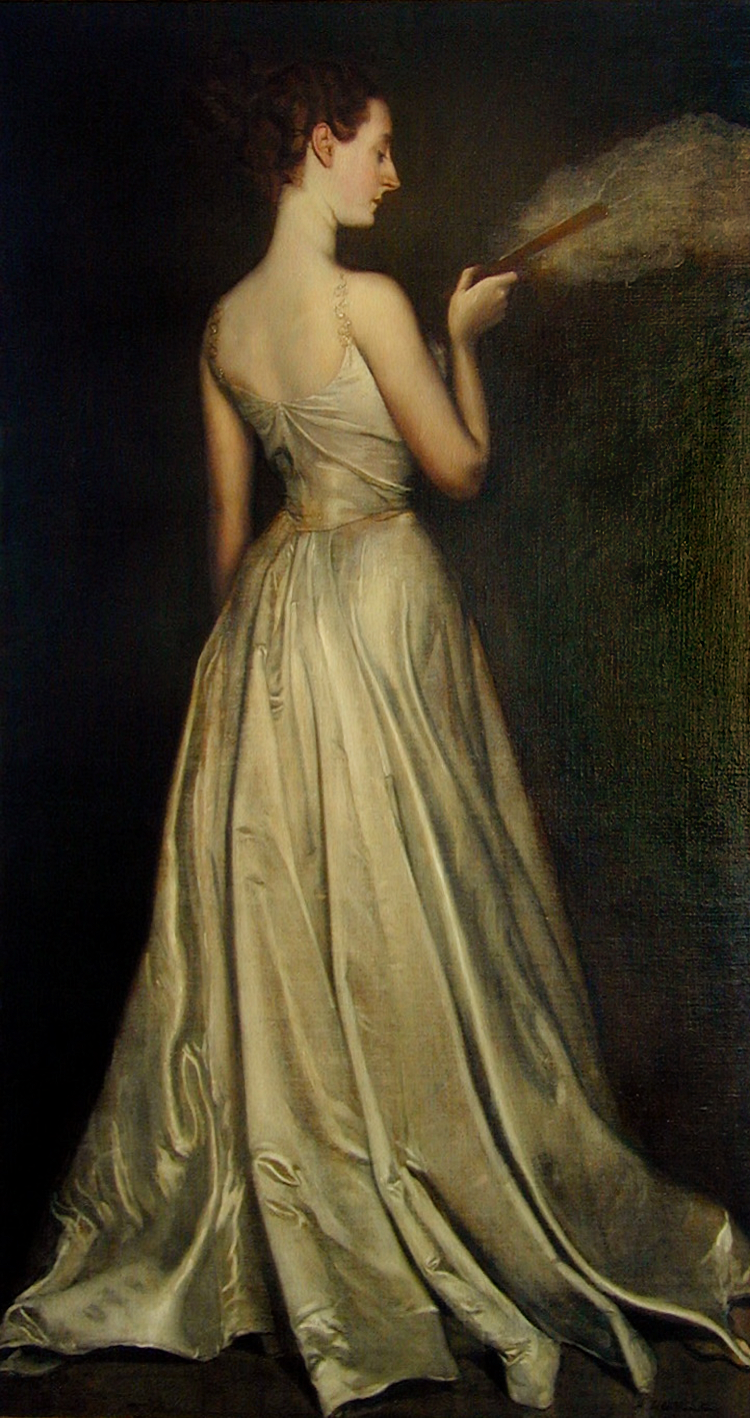
She commissioned another portrait, seven years after the Courtois, this time by Antonio de La Gándara; the suave result was said to have been her favorite. There were other, later, portraits, completed after the turn of the century, when she was nearly fifty. The results, even with all the artists’ flattery, pointed out the reality of her faded looks and she retreated from the world, becoming a recluse until her death at the age of fifty-six.
More found on Gods & Foolish Grandeur.
2. This forgotten 1980s movie is bursting with visual inspiration
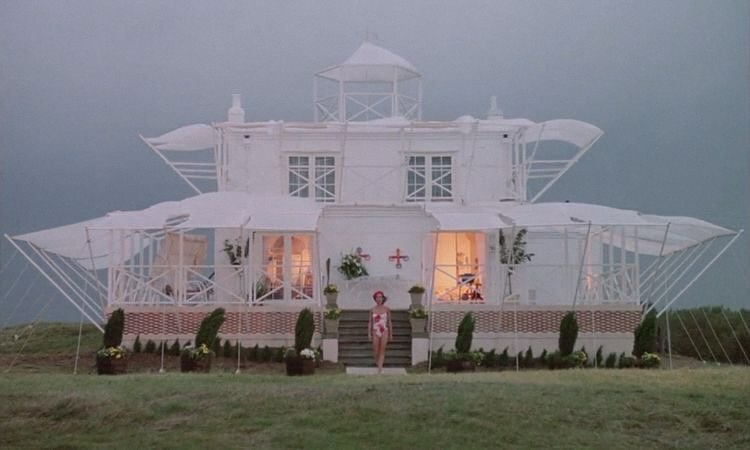
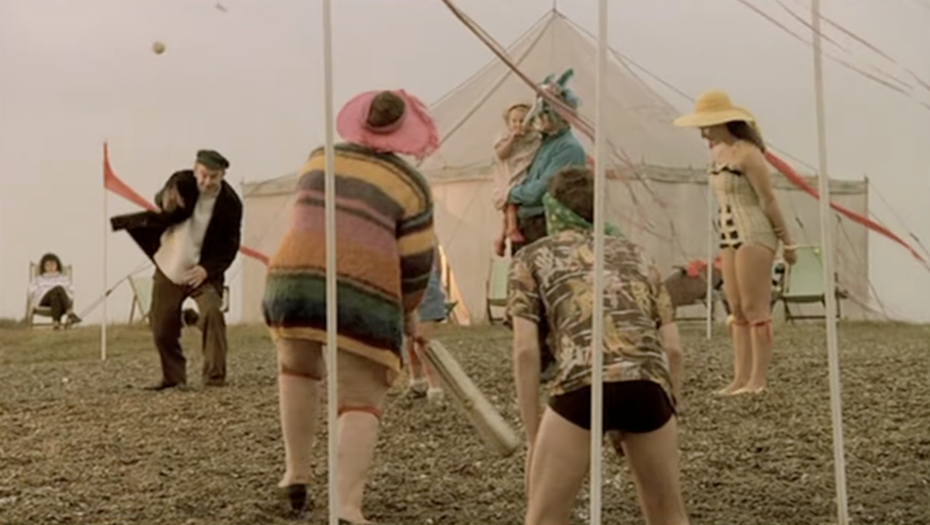
Drowning by Numbers is a 1988 British-Dutch crime comedy-drama film directed by Peter Greenaway.
3. French fetish shoes, circa 1900

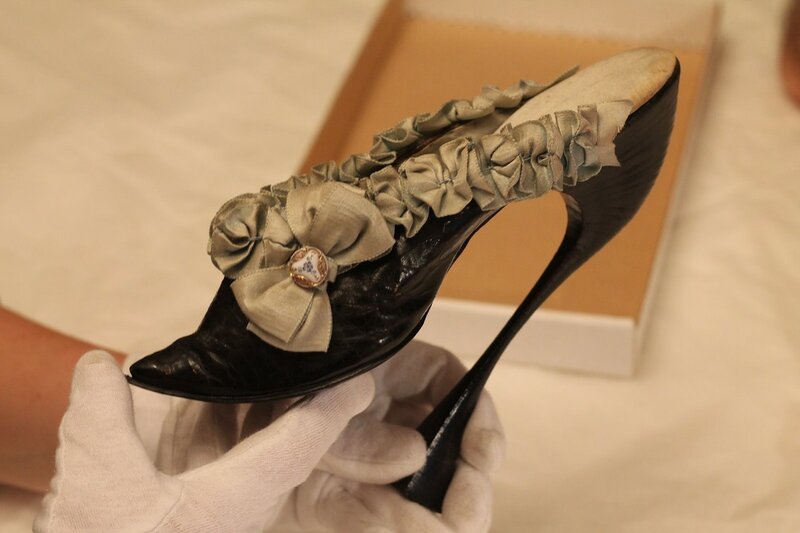
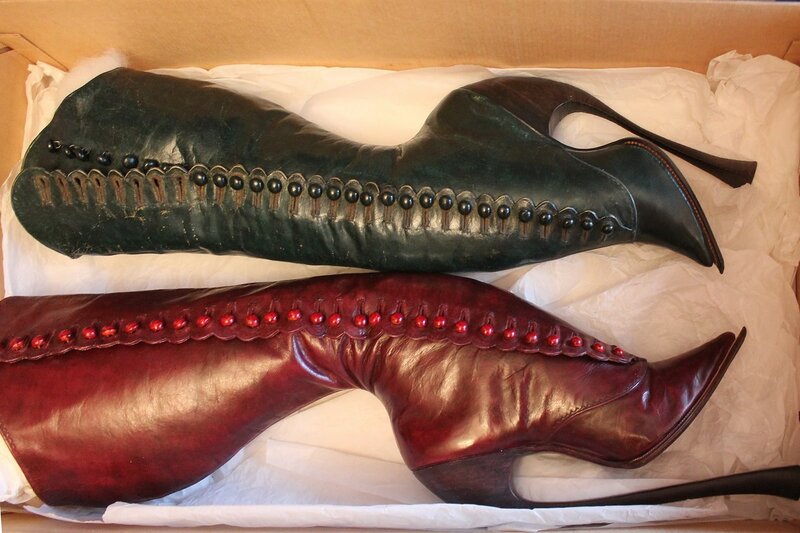
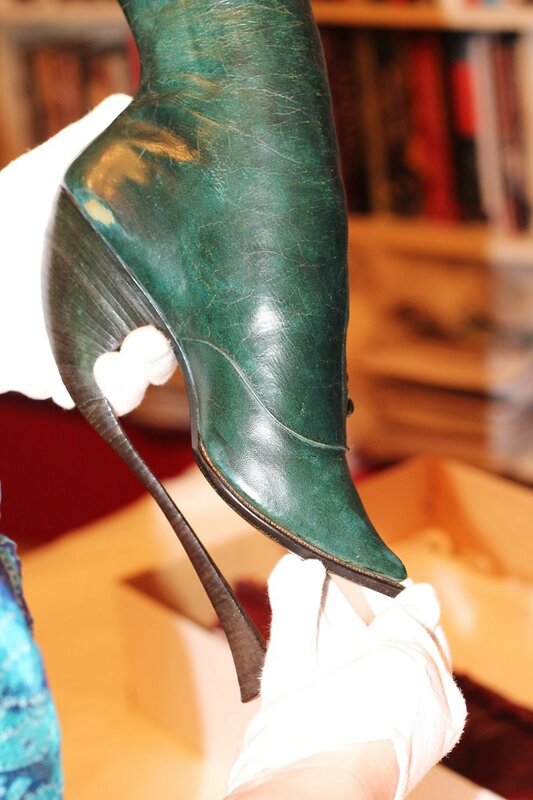
Found on Musée de la Chaussure.
4. Chinese Pigeon Whistles
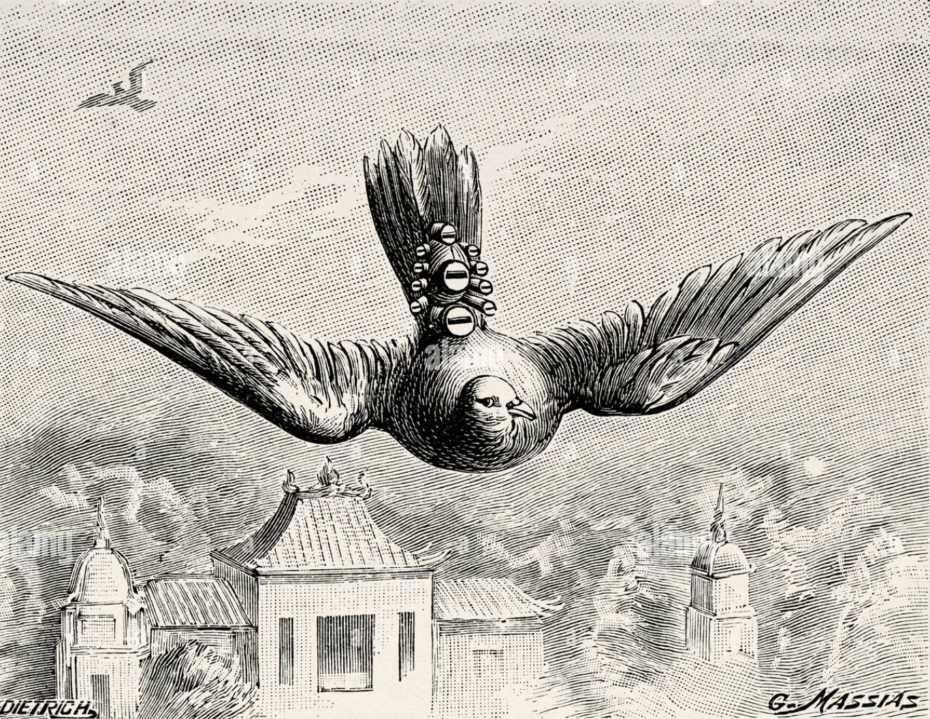

A pigeon whistle (known as a geling or geshao in China) is a device attached to a pigeon such that it emits a noise while flying. They have long been used in Asian countries, particularly China for entertainment, tracking and to deter attack by birds of prey. The practice was once common but is now much less widespread owing to increasing urbanisation and regulation of pigeon keeping. (Wikipedia).

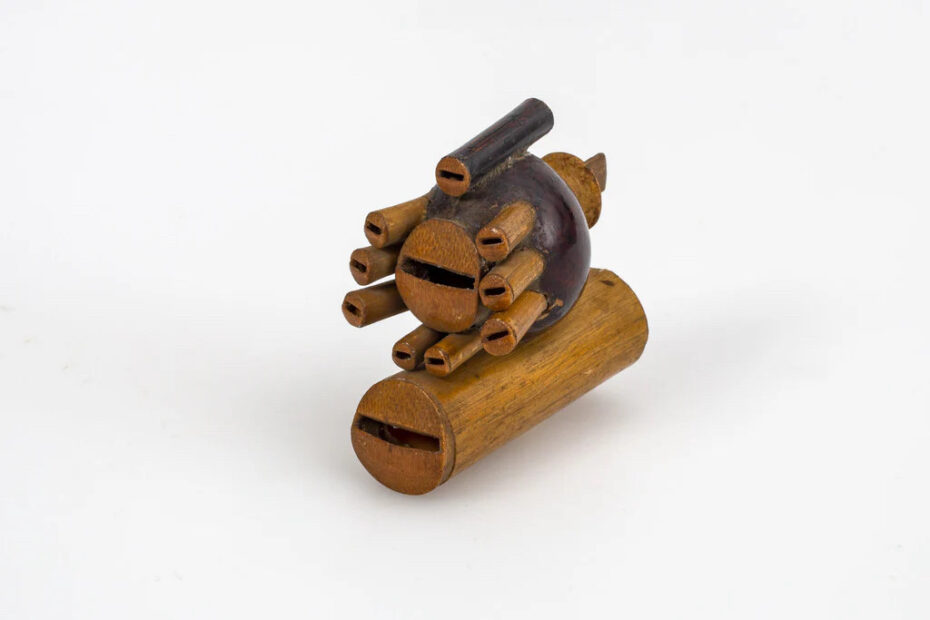
Further reading: A defining dound of old Beijing. Found via Present & Correct.
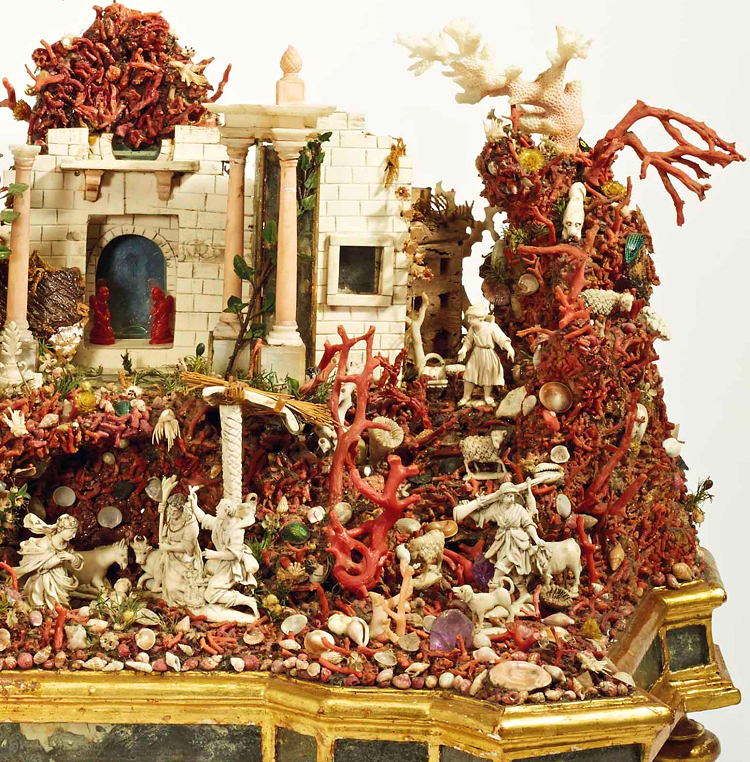
5. Trapani Coral

In the seventeenth and eighteenth centuries a notable production of works by experienced masters flourished in Trapani [Sicily]…
The history of Trapani coral however has its origins much before and as early as the twelfth century, that famous Arab traveler, Muhammad Idrisi, noted the exquisite quality of the red material.
The discovery of reefs between 1416 and 1418 in the sea of Trapani and in 1439 around San Vito Lo Capo, led to the immigration of religious Jewish families, originally from the Maghreb, who contributed to the processing and commercialization of the coral in the various markets in Italy. After the expulsions of the Jews in 1492/3, some converts remained and their sons continued the work.
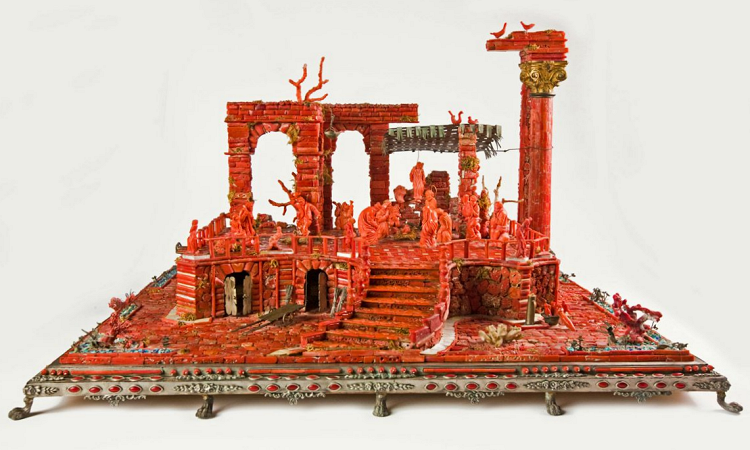
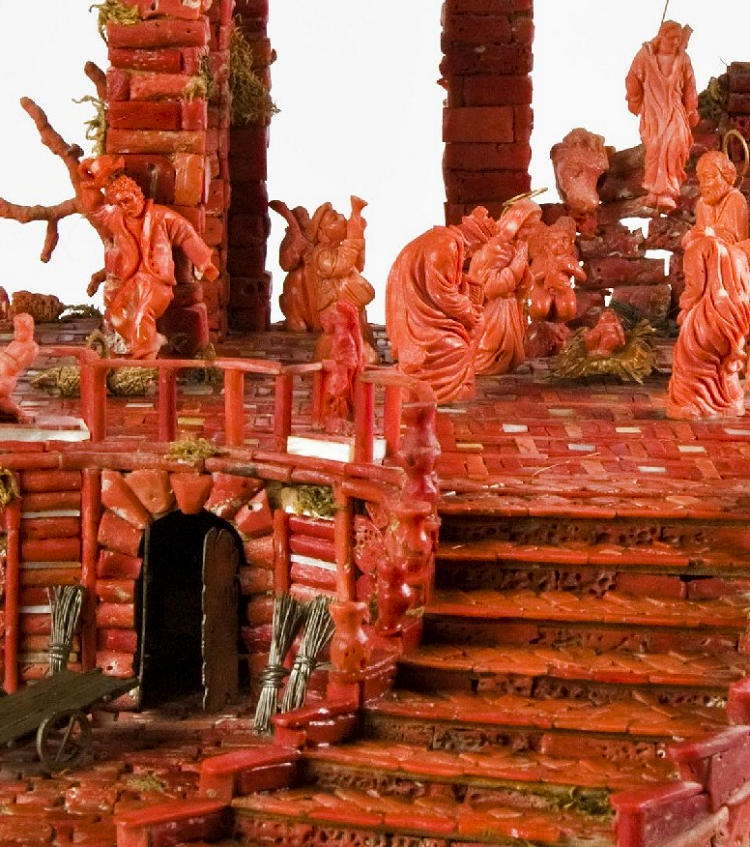
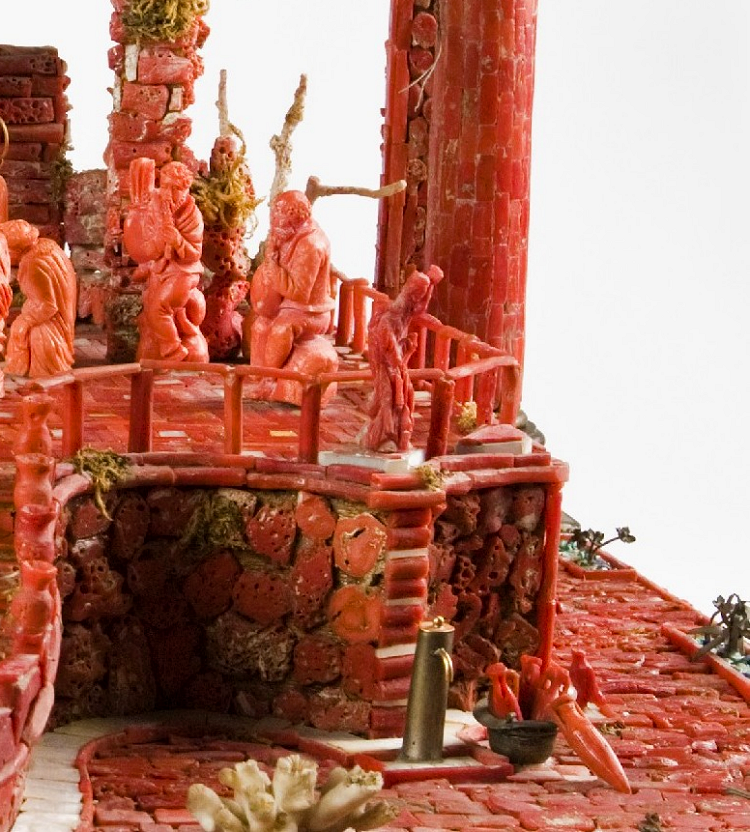
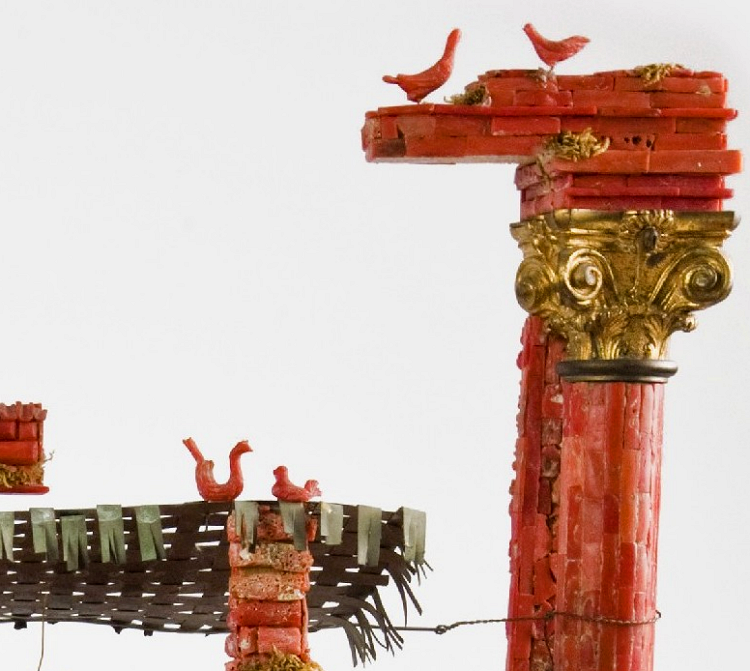
The workmanship of the coral was reserved for mastercraftsmen and their assistant coral carvers.
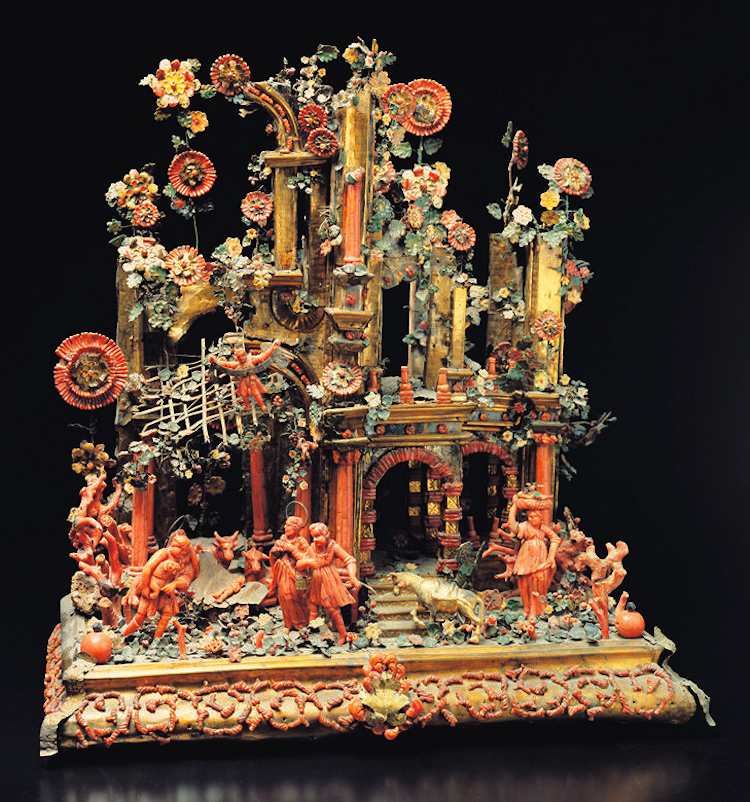
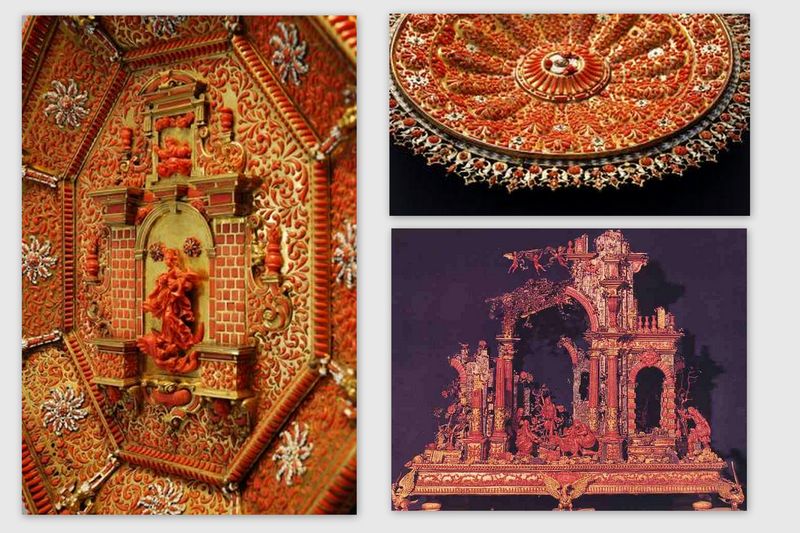
In the hands of talented Trapani expert artisans, coral, which since ancient times was considered to possess therapeutic and apotropaic (warding off evil) virtues, was turned into real works of art often destined for important people…
These free-standing elaborate tableaux were often destined to lavish kunstkammers (cabinets of curiosity).

Toward the end of the nineteenth century, the raw materials in the Mediterranean had declined significantly bringing about a decline of the various types of handicraft and of the art form even in Trapani.
6. In Vietnam, families welcome spring by decorating their homes with symbolic flowers




Travel blogger Blog Của Rọt captured this tradition through a series of photos showing people transporting flowers by motorbike.
7. A newly discovered Georges Méliès Film from 1897 is also the first robot movie
…There is a parallel history of cinema to be told entirely through its robots. That such a history must begin with the work of Georges Méliès may not come as a surprise, given that he invented so many of the techniques of science-fiction filmmaking. But until recently, we didn’t actually know that the cinema pioneer who “invented everything” ever put a robot onscreen. The evidence turned up among a collection of “old and battered” reels of film that were “from before World War I and had been shuttled around from basements to barns to garages and had just been dropped off at the Library.”
Found on Open Culture.
8. William Price, a Welsh physician and Neo Druid
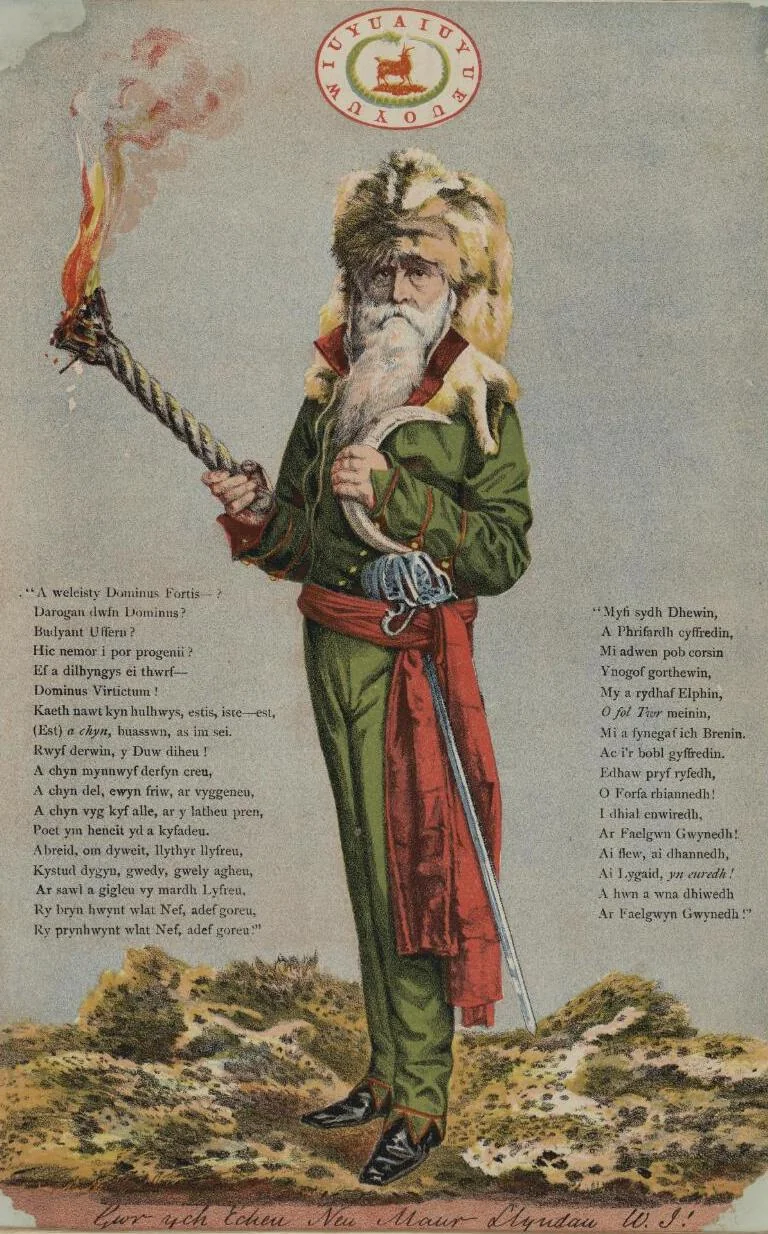
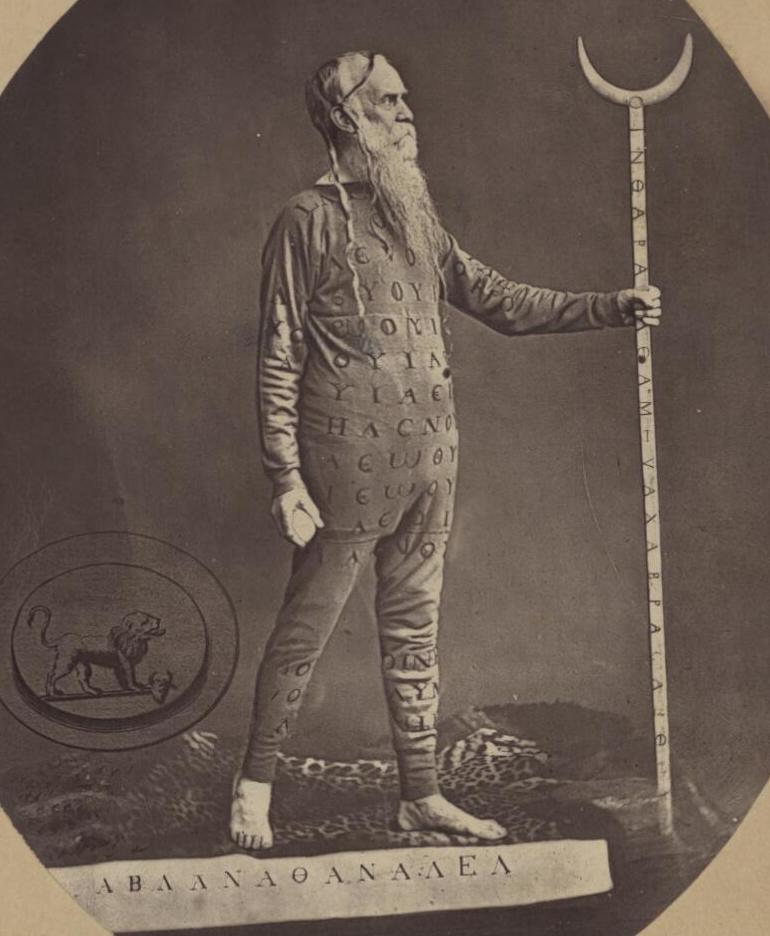
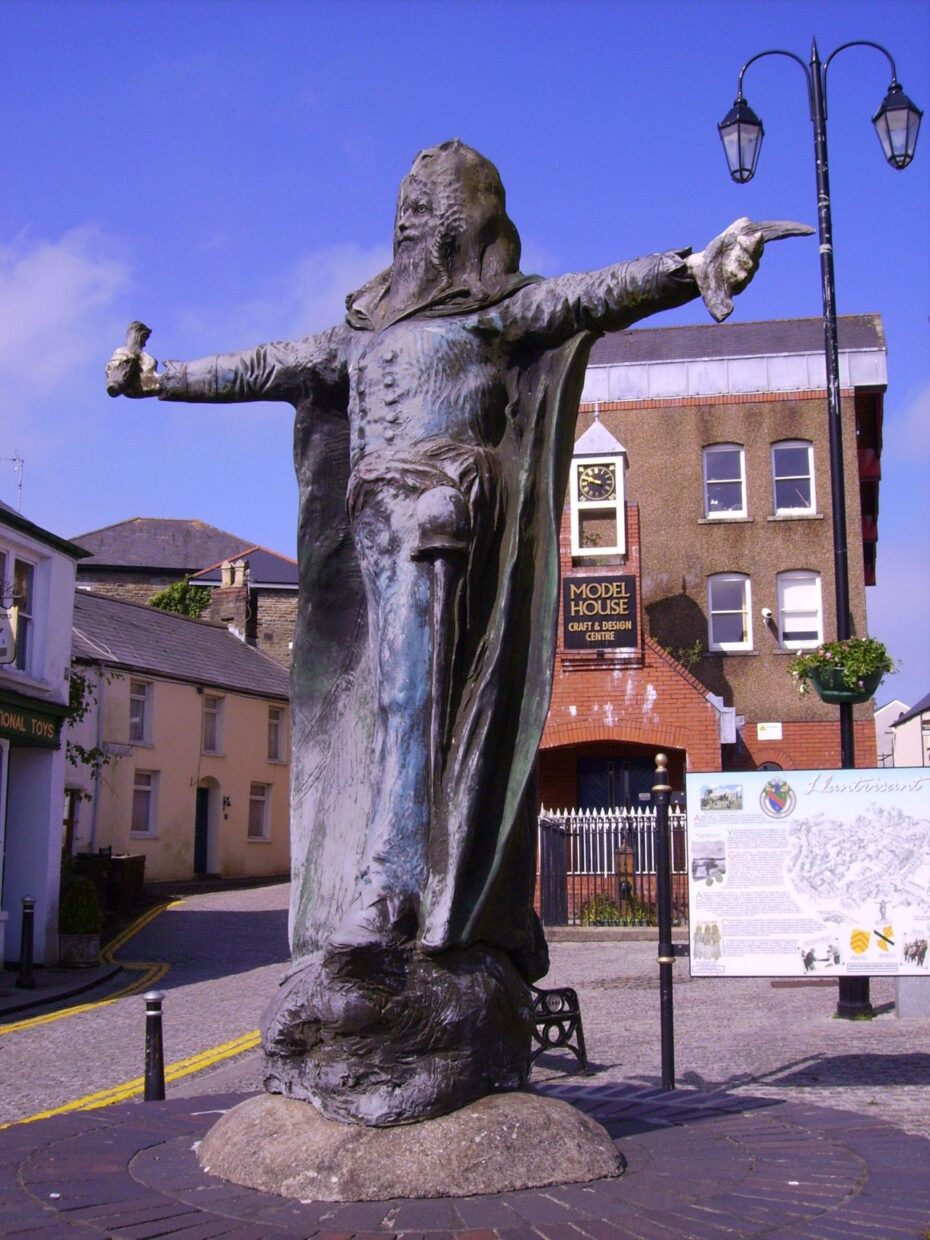
He became one of the most prominent proponents of the Neo-Druidic movement Known for adhering to beliefs such as supporting equal rights for all men, vegetarianism, vaccine hesitancy and cremation, and opposition to vivisection and marriage, some of which were highly controversial at the time, he has been widely known as an “eccentric” and a “radical”. Since his death he has been remembered by some people as “one of the great Welshmen of all time”. A permanent exhibition and statue dedicated to him has been inaugurated in the town of Llantrisant, where he had lived for much of his later life.
A curious profile found on Wikipedia.
9. A navigation hotline in 1963, long before Google Maps
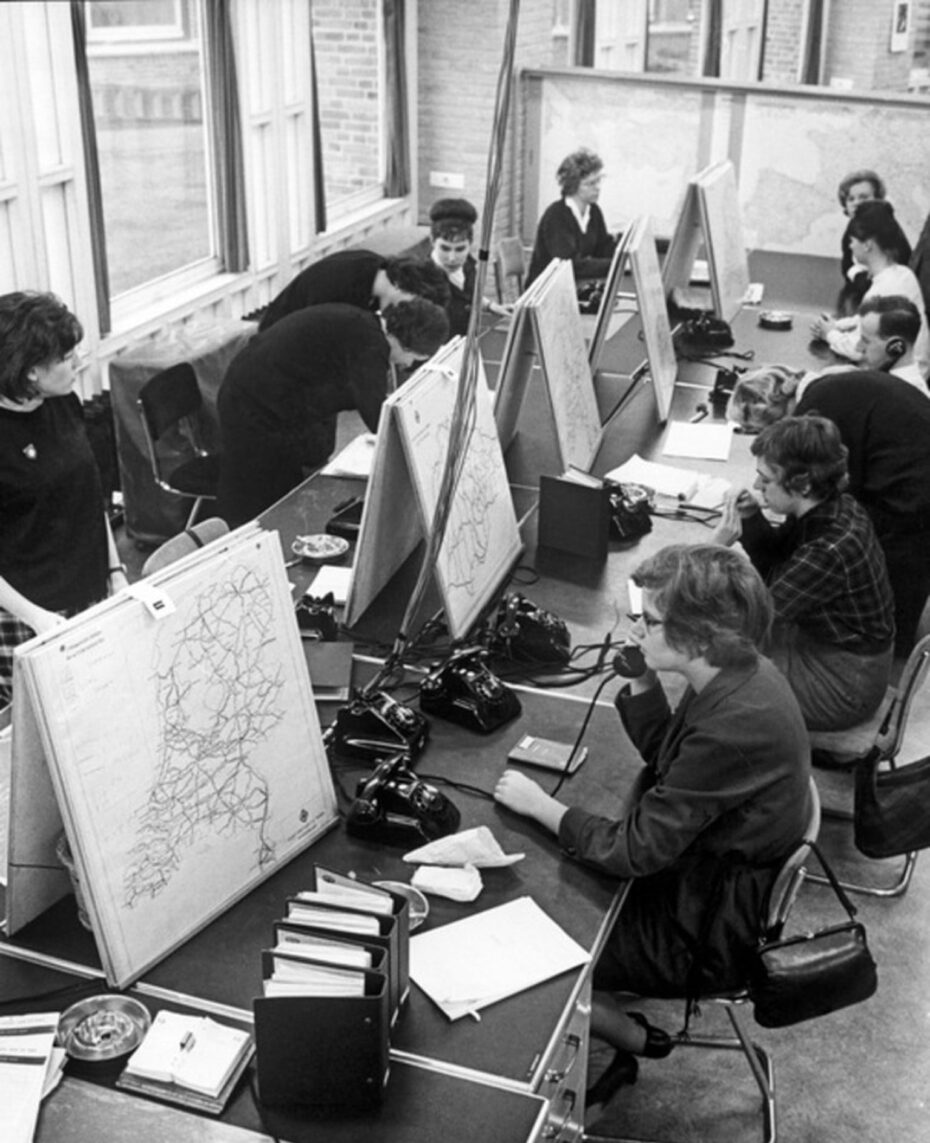
To give an idea of what a different world it was before GIS, pictured above is a “directions” call center long before satellite navigation and GPS were commonplace.
The image, taken in 1963, shows operators giving directions to callers who would inquire about driving directions before they left their home on a trip .
Found on Photograph of History. Image source here.
10. The Four Rules for a Good Walk
Four planning principles to transform sprawling cities of six-lane highways and 600-foot blocks into safe, walkable oases full of bike lanes and tree-lined streets.
11. The Secret, Members-Only Wild West Town in England
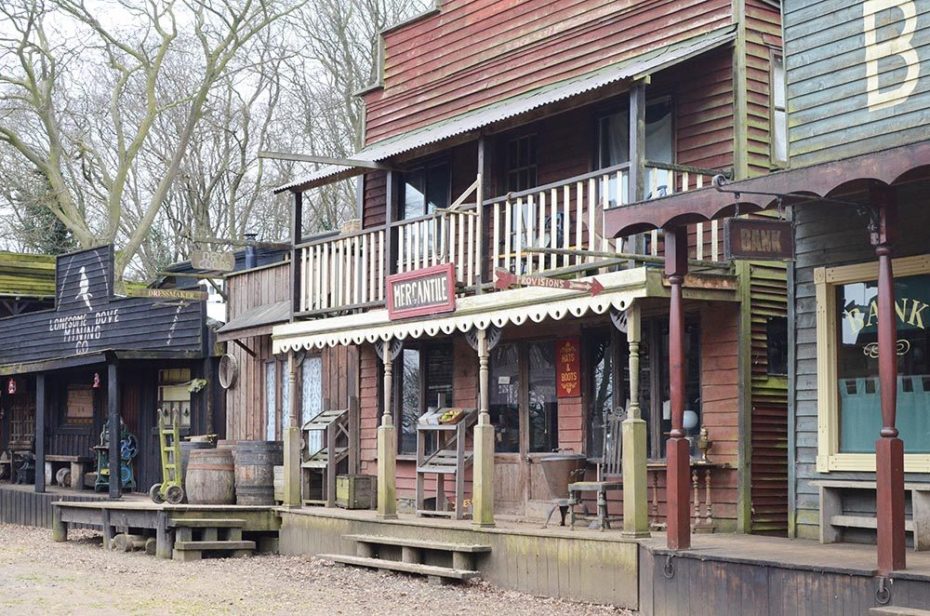
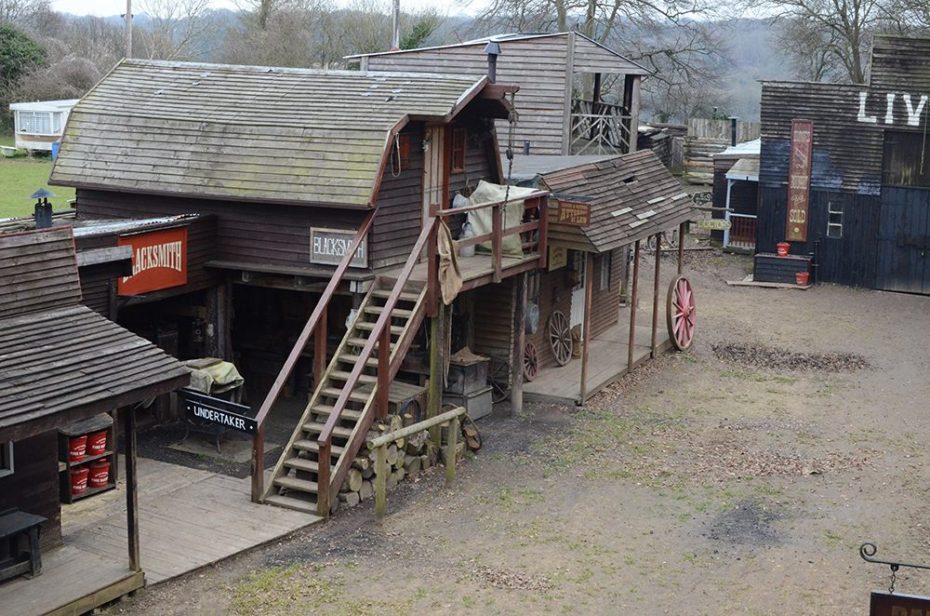
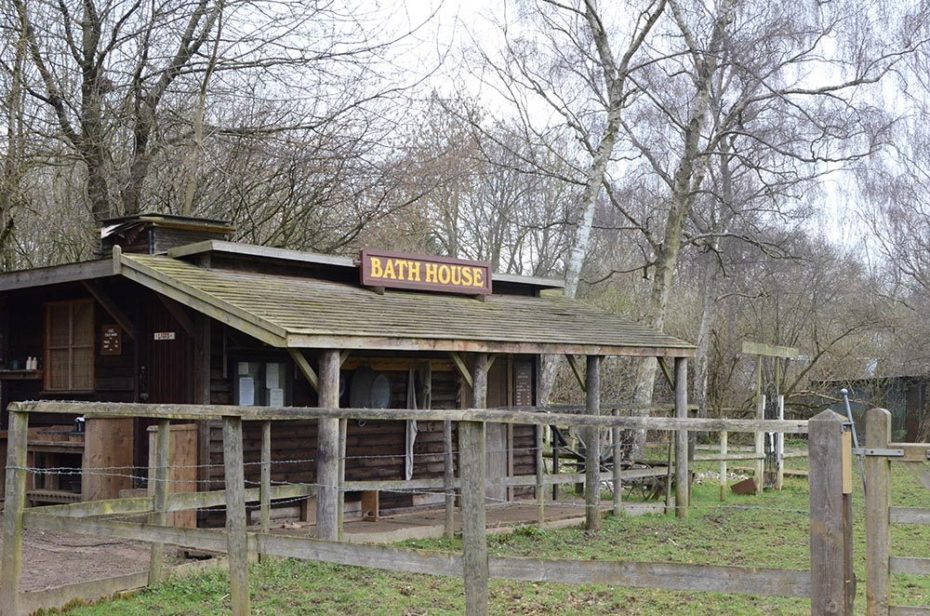
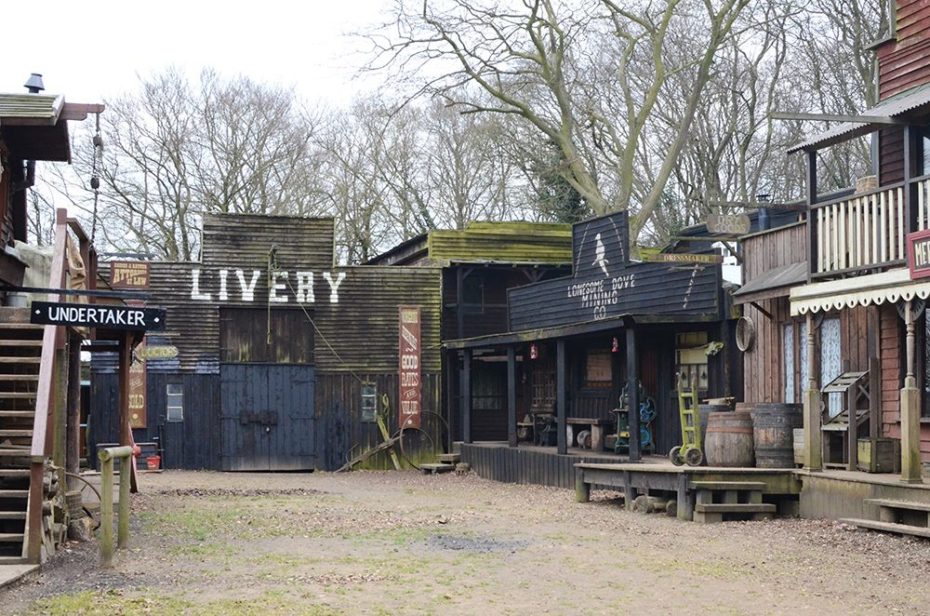
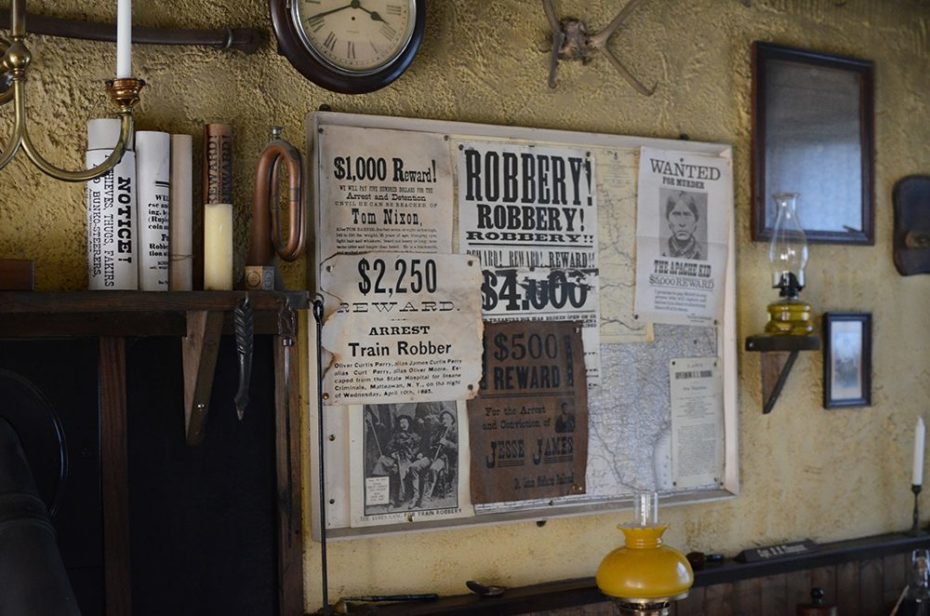
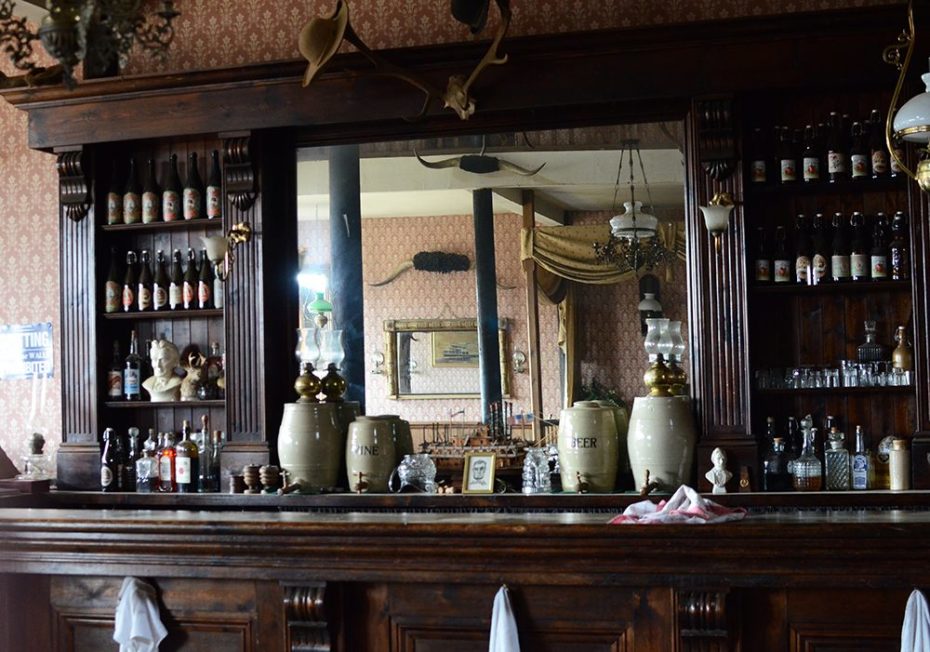
It started with a cabin. A small, wood cabin with a pot-bellied stove and enough room for a few friends to have a drink after a day’s riding. Then another wood building, grafted it on to it like a tree branch. One by one, other buildings, weather-beaten clapboard painted sober colors, joined it—the bank, the apothecary, the Lonesome Dove Mining Co., the blacksmith’s, a printer’s shop called Epitaph, the dry goods store, the jail, the two-storey saloon and hotel.
Now, 40 years later, Laredo, a border town in the American West from back when it was wild, rises improbably out of a wet, green field in the English countryside.
Read the rest of the story on Atlas Obscura
12. Washing and drying Rugs in Iran
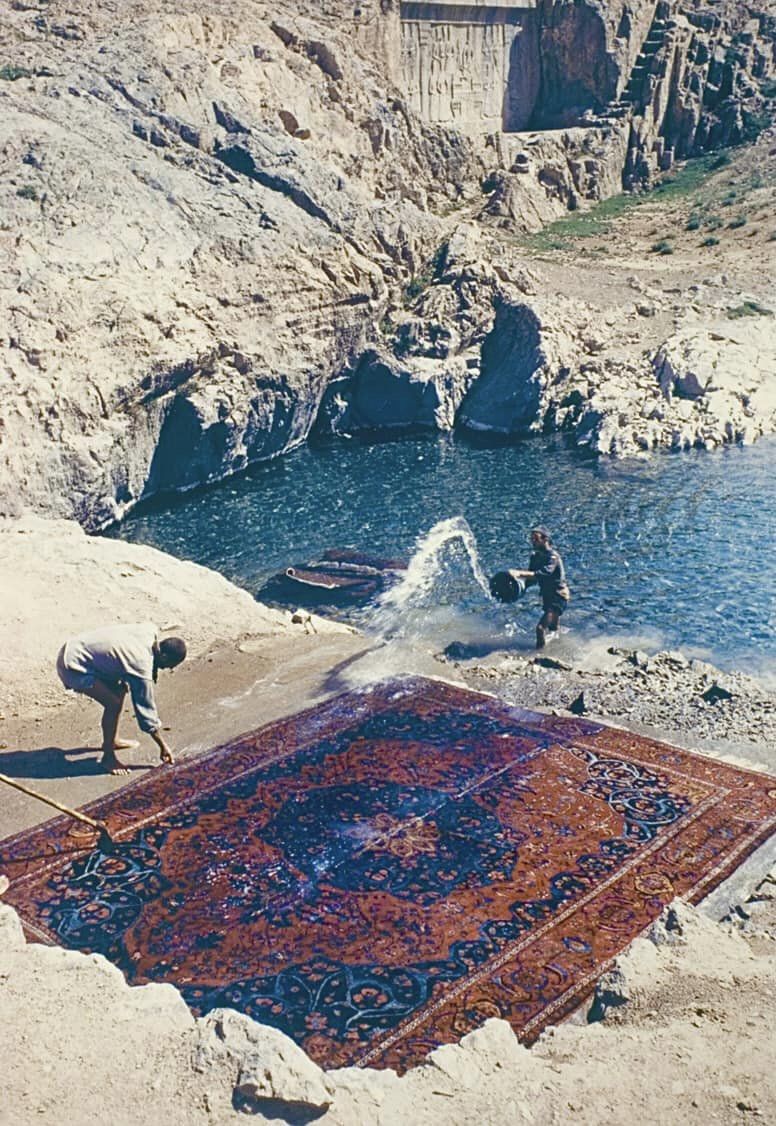
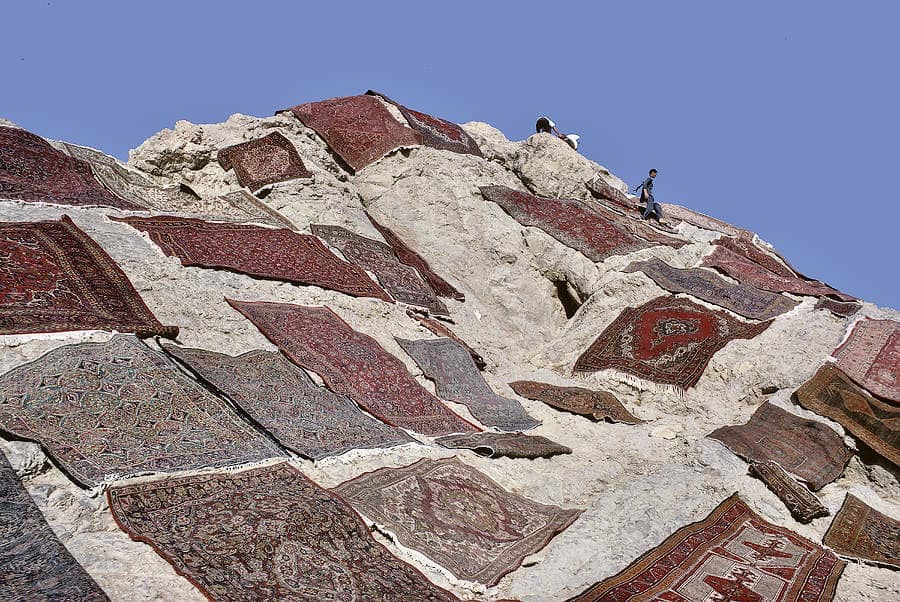
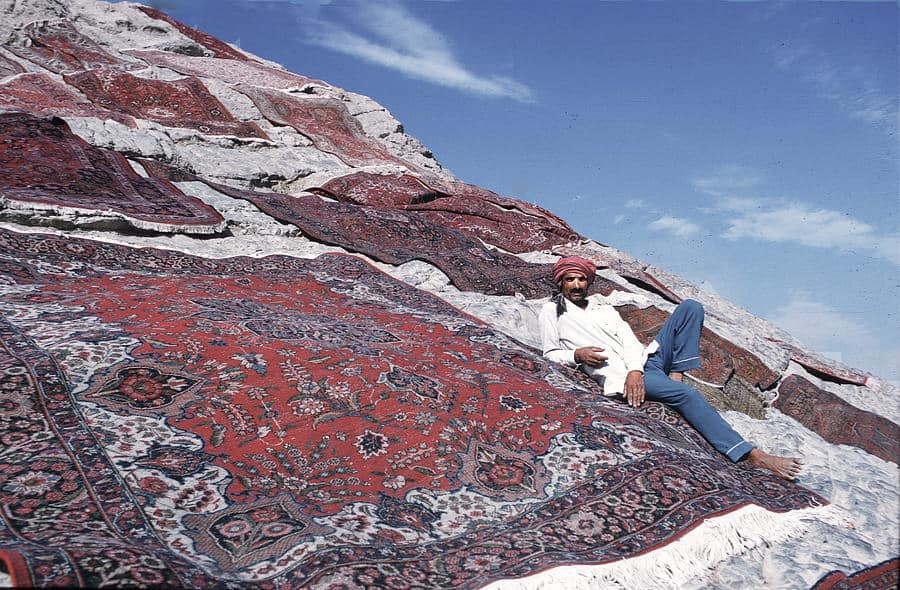
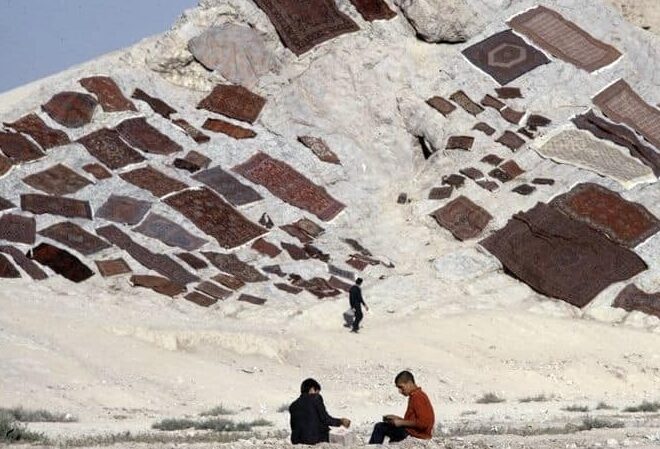
Found Archeology and Civilizations.
13. A Lost Typeface found on the Shore of the Thames
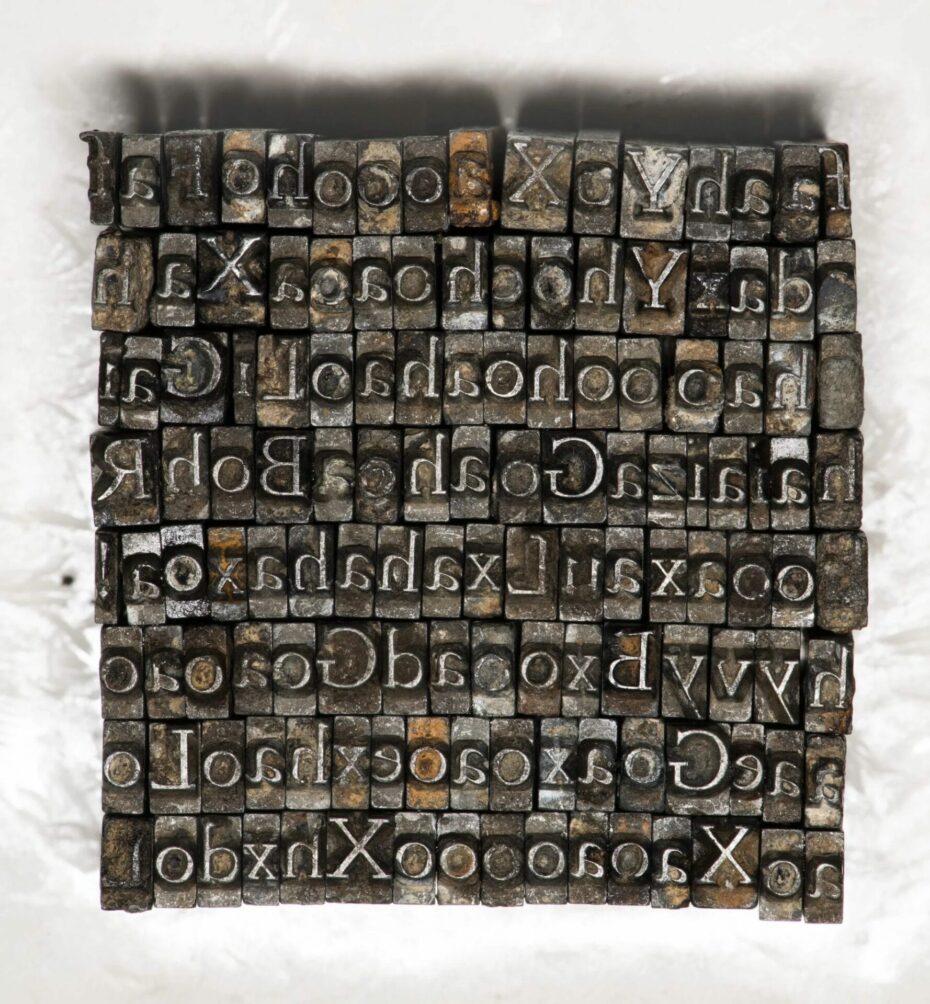
In March 1917, Cobden-Sanderson declared publicly that Doves Press was closed, and its type had been “dedicated & consecrated” to the River Thames. “Nobody actually quite got it,” Green says. “And Cobden-Sanderson writes a letter to the solicitor saying, ‘No, I wasn’t talking figuratively. The type is gone.’” He didn’t want Walker to have access—or anyone else, for that matter.
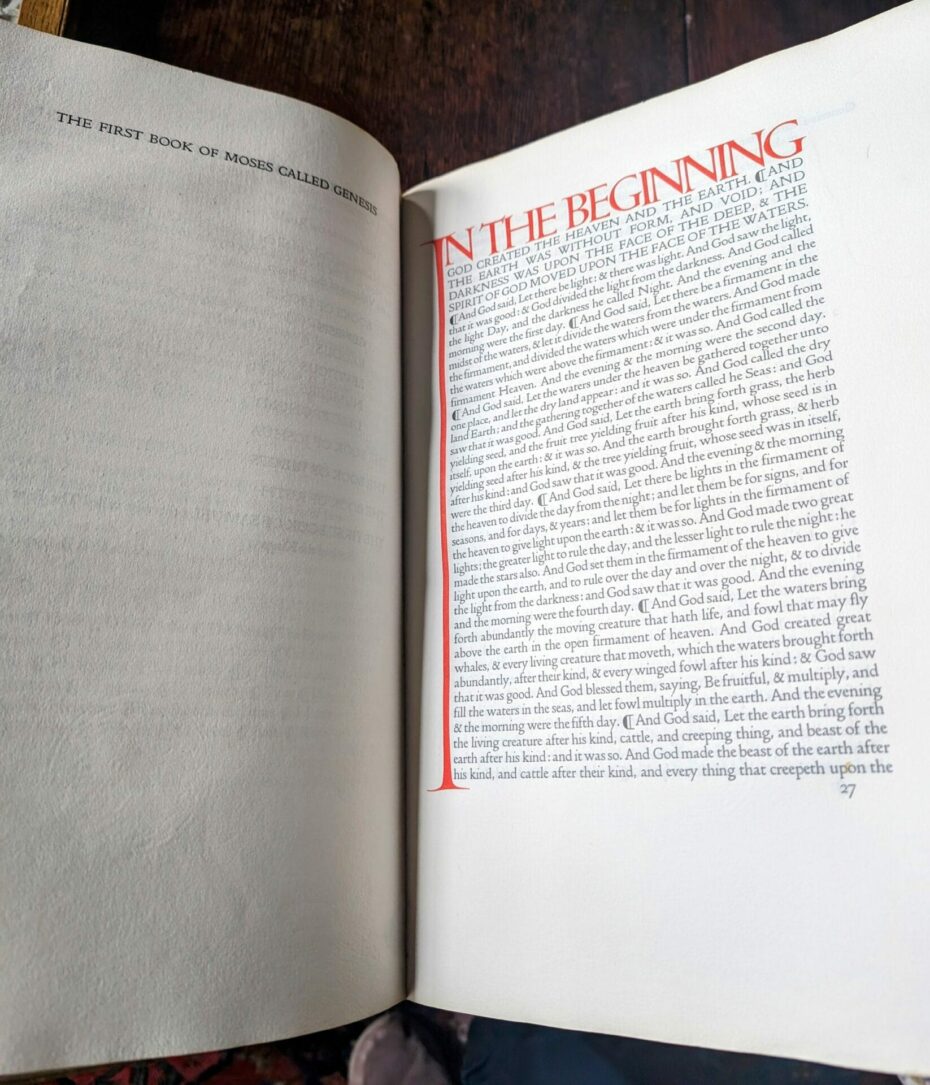
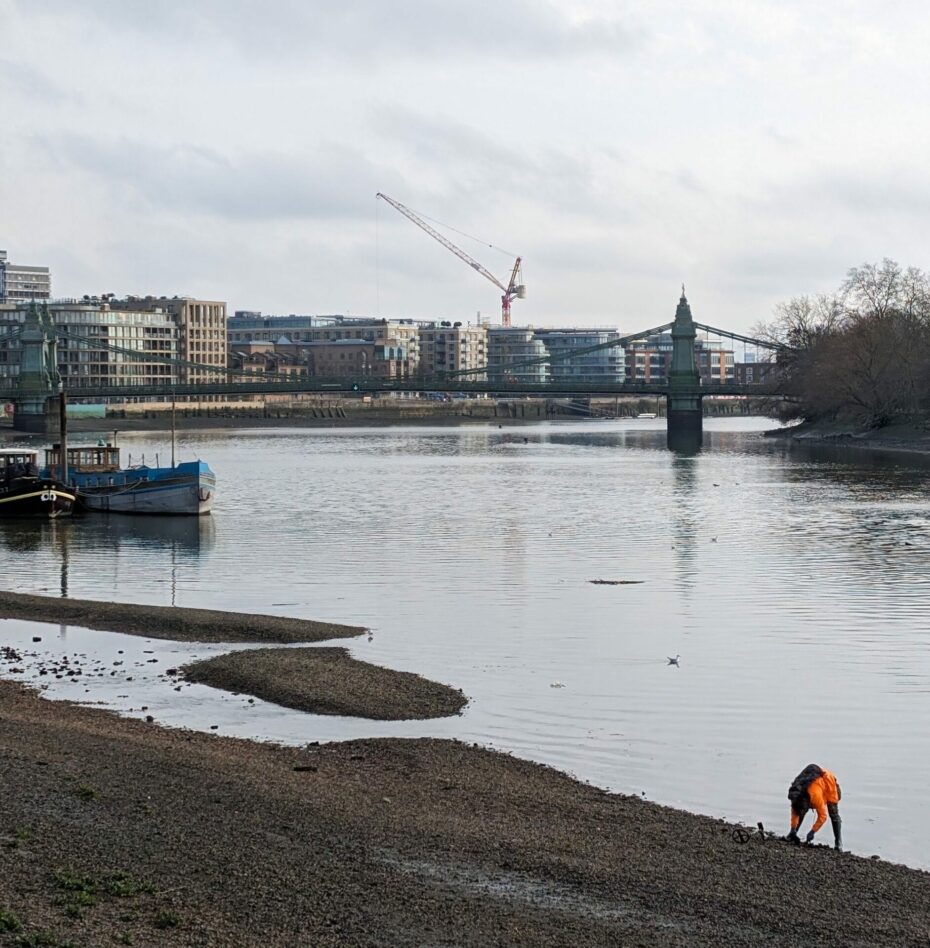
Remarkably, Cobden-Sanderson recorded in his journals the exact date and location that he dumped the type into the water, which took him 170 trips to discard in its entirety. With each load weighing around 15 to 20 pounds, that’s a lot of metal. For 98 years, the type remained on the riverbed, much of it washed away over the decades or sunken into the silt as the tidal flow continually rose and fell.
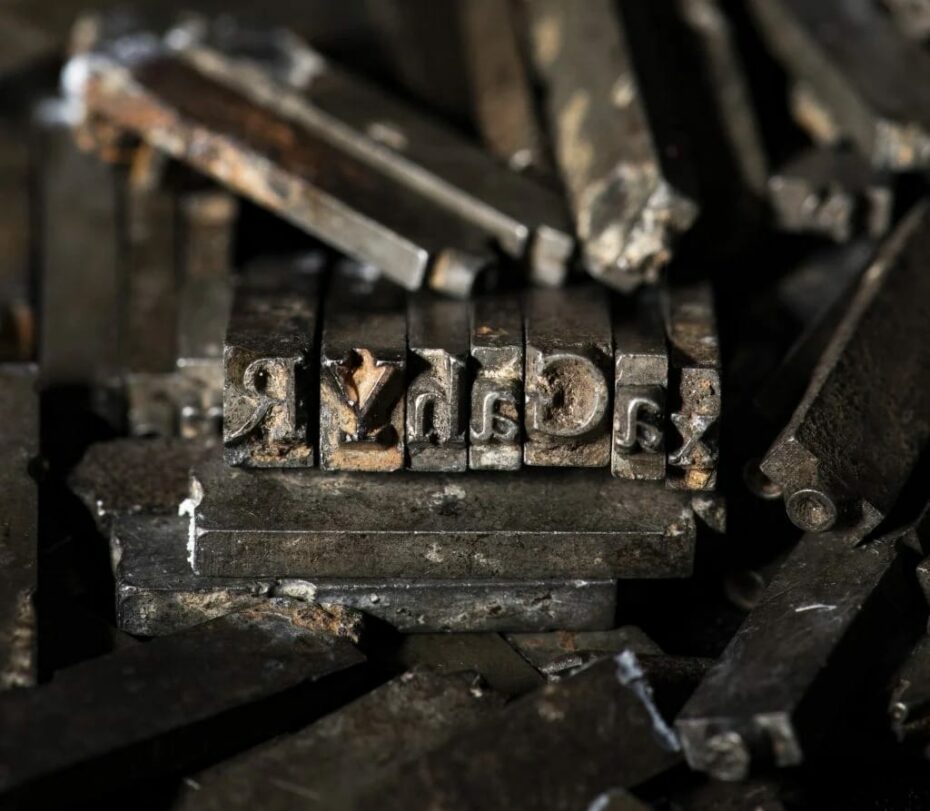
Ten years ago, for type enthusiast Robert Green, a once-in-a-lifetime find emerged from the Thames… When the search concluded, Green and the team recovered a total of 151 sorts, or individual pieces of type, out of a possible 500,000. Green has a hunch that, deep down, Cobden-Sanderson didn’t want the type to disappear into ultimate obscurity, or he wouldn’t have detailed exactly where he had thrown it. A
Full article found on This is Colossal.