Why Victorian “Normal” Looks Unhinged Now
The Victorian era is often remembered for strict manners and respectability, but once you dig a little deeper, the period gets a whole lot stranger. Beneath the rigid social rules, Victorian life was packed with elaborate customs, unusual hobbies, and trends that now seem unsettling, to say the least. Come with us as we explore some of the craziest traditions that were par for the course back in the day.
1. Human Hair Jewelry
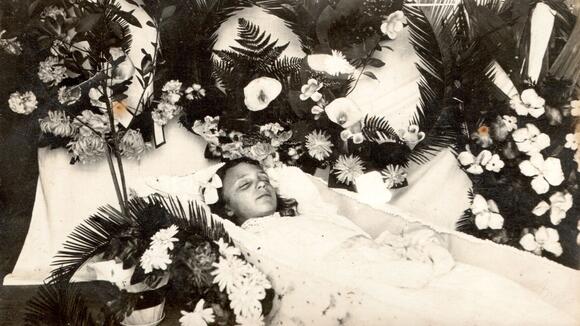
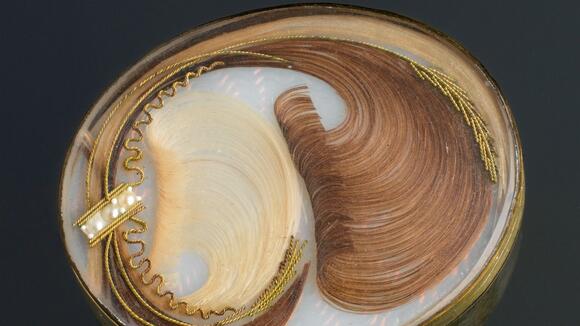
Believe it or not, Victorians made jewelry from human hair, and that wasn’t limited to a few eccentric collectors. Hair was often woven into brooches, rings, bracelets, and chains because it was physically connected to the person who had worn it. You could literally carry a piece of someone with you, and people considered that touching, not creepy.
2. Hair Wreaths on the Wall
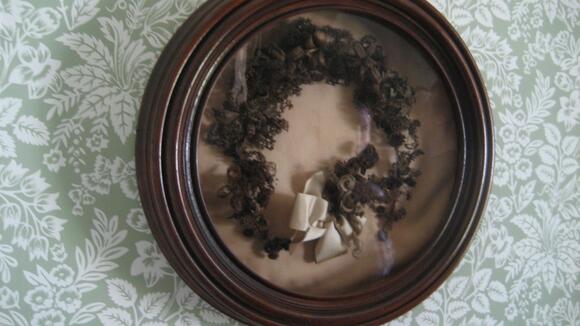
Don’t want to wear a locket of hair around your neck? No problem—hair also appeared in framed wreaths and floral arrangements that people displayed at home. They usually came from combining strands from several relatives, which turned a decorative object into a kind of domestic memorial record.
3. Bizarre Photocollage Albums
If you’re a fan of junk journaling today, aristocratic Victorian women had something vaguely similar: albums made by cutting up photographs and combining heads, animals, objects, and scenes into surreal compositions. It was actually a pretty common pastime, and the images were mostly an outlet for creativity.
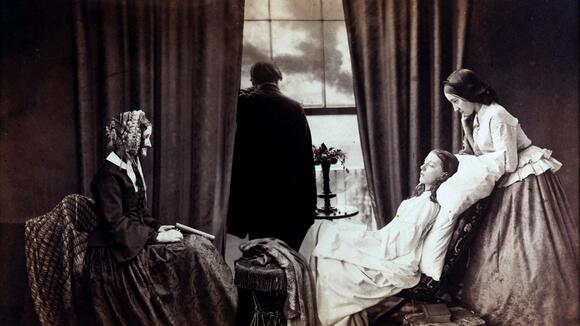
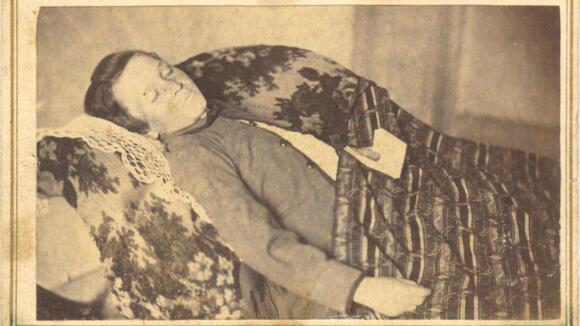
4. Post-Mortem Photography
It’s not every day you pose with deceased family, but post-mortem photography became a recognized form of mourning. For many families, especially those who had never arranged a formal portrait before a person’s death, that final image became the only likeness they’d ever own.
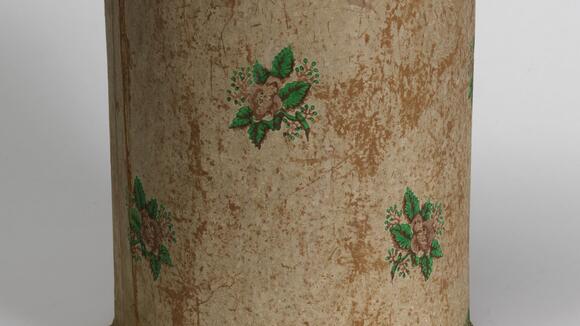
5. Arsenic Green Was Fashionable
If you haven’t noticed, Victorians loved brilliant green pigments, but some of the most popular shades were made with arsenic compounds. They appeared in everything from wallpapers and clothing to decorative objects, even as more and more people voiced concerns about their health effects.
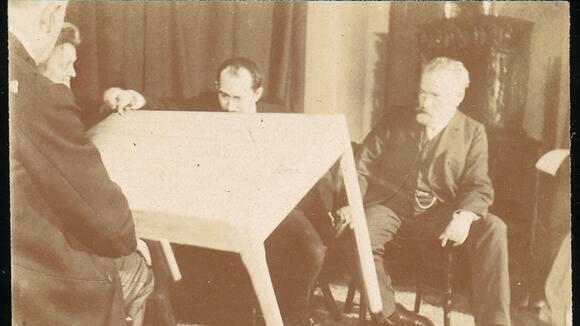
6. Séances in the Parlor
Séances weren’t always fringe entertainment, and a lot of Victorians treated them as respectable gatherings. People sat around tables waiting for any kind of messages from the beyond, and the practice spread widely through Spiritualist circles in the late nineteenth century.
7. Covering Mirrors and Stopping Clocks
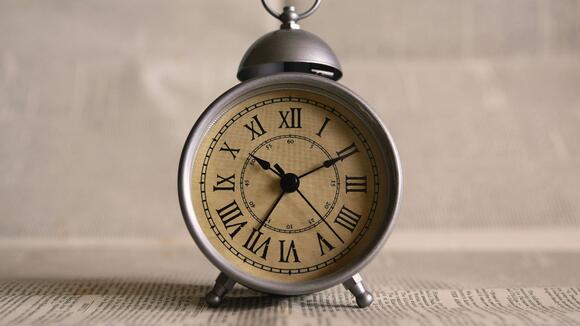
After someone’s passing, households would cover mirrors and stop clocks as part of mourning customs (and superstition). They might seem odd to us now, but those beliefs were tied to marking the exact moment of death, preventing bad luck, and avoiding spiritual disturbance in the house.
8. Taxidermy Wasn’t Just for Museums
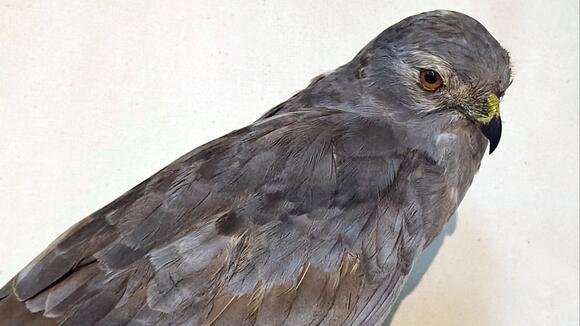
There’s no way around it now: taxidermy is more than a little morbid. But the Victorian practice was common, often appearing in domestic settings as decoration. If anything, those stuffed animals were arranged in elaborate scenes that invited conversation—and it was all totally normal.
9. Calling Cards Ran Social Life
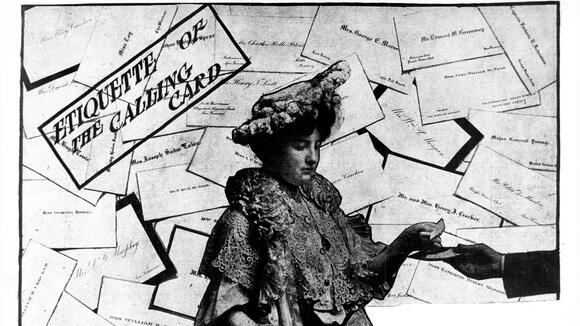
You may have heard about dance cards, but calling cards were just as important to Victorians. Leaving a card at someone’s house could mean anything from politeness to social ambition, depending on the context and etiquette. Mostly, Victorians used them to manage social visits, make introductions, and maintain status.
10. Some Valentines Were Straight-Up Insults
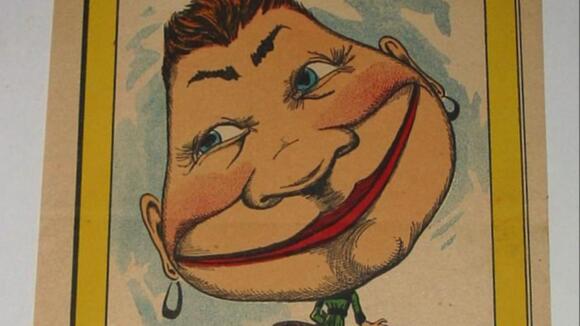
Next time you think you have it bad, just remember that some Victorians sent cruel joke cards known as vinegar valentines. These were designed to mock the recipient’s appearance, manners, or social position, and they could be surprisingly cut-throat.
11. Black-Bordered Letters Announced Your Grief
Look, it’s the 19th century, and that means stationery for everything, including life’s more morbid moments. As such, mourning letters were often written on stationery edged in black, so the bereavement was visible immediately. This border informed recipients that the correspondence concerned death or mourning.
12. Fern Mania
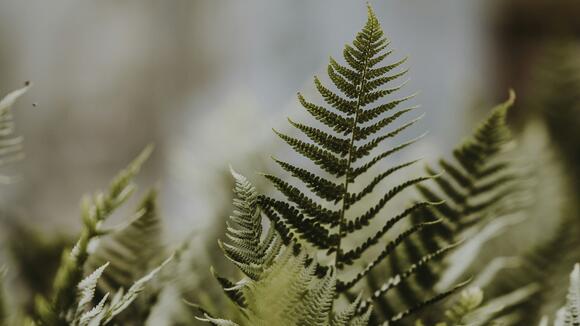
Plant parents are hardly a foreign concept, but Victorians became so fascinated with ferns that the craze actually earned its own name, pteridomania. People collected them, illustrated them, built ferneries for them, and worked fern motifs into household design and fashion.
13. The Dead Were Laid Out at Home
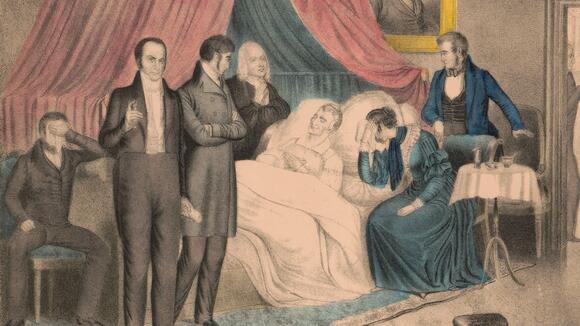
Before modern funerals, many people lost their lives at home and were laid out there for family and visitors. Call it crazy, but death wasn’t shied away from back in the day, and it was pretty common to just lay out the deceased right there in the living room.
14. Early Christmas Cards Were Weird
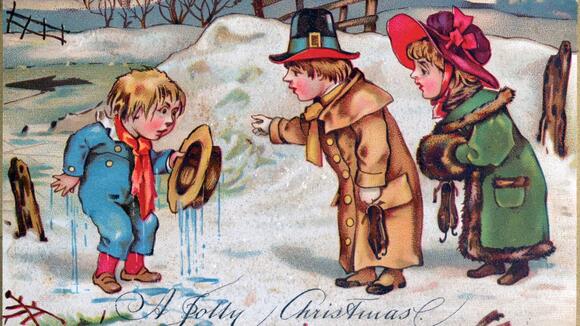
We all love the idea of getting Christmas mail nowadays, and Victorian cards did, in fact, help popularize the tradition—but early examples were much stranger than you’d think. Some featured unsettling humor, aggressive animals, or odd images that didn’t exactly radiate seasonal comfort.
15. Safety Coffins for the Not-Quite-Dead
Even if we won’t admit it, plenty of us have a fear of being buried alive. However, that fear was so intense in the 19th century that inventors designed “safety coffins” with bells, flags, tubes, and alarm systems. They were meant for anyone actually still alive to signal for help before it was too late.
16. Grave Guards
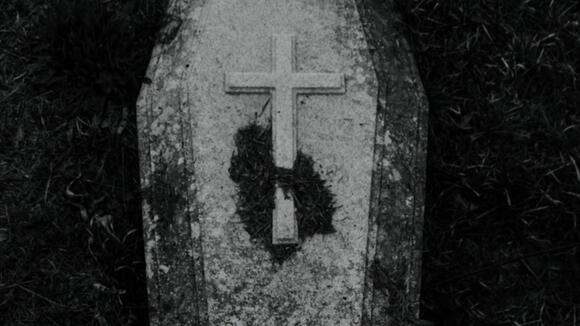
Speaking of death (this is Victorian culture, after all), fresh graves sometimes had to be protected from body snatchers, who actually stole corpses to sell to anatomy schools. In response, some communities used guards, watch houses, and iron mortsafes to keep newly buried bodies from being dug up.
17. Cemeteries Were Social Spaces
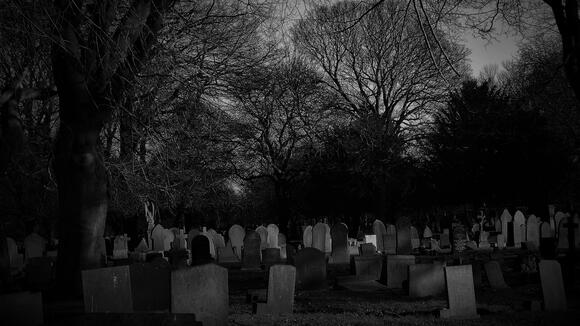
19th-century cemeteries functioned as public spaces where people visited and sometimes even picnicked. Part of that came from remembrance, but part of it was also just practical because cities didn’t really have that many public parks.
18. Giant Dinosaur Reconstructions
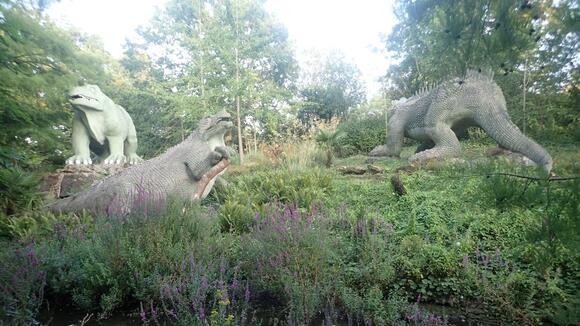
The Crystal Palace Dinosaurs, which were unveiled in 1854, were the world’s first full-scale dinosaur reconstructions—and they were a big fascination of the time. They were major scientific showpieces for the public, despite how incorrect the anatomy actually was.
19. Bathing Machines
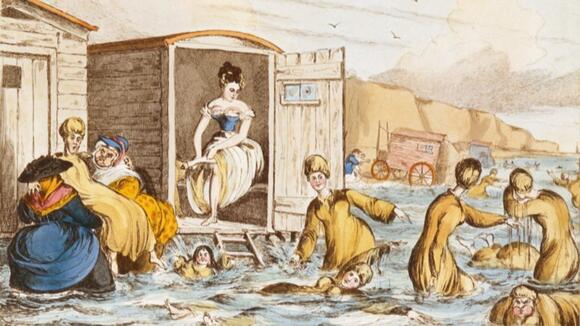
Hey, it’s the 19th century, and that means modesty. To preserve it at all times, Victorians used something called a bathing machine, which was a little wheeled hut rolled into the sea so people could change and enter the water without being seen. Queen Victoria actually used one at Osborne, and the whole setup was meant to uphold strict ideas about modesty.
20. The Home Aquarium Craze
Turns out, you’re not the only one who wants to spend a day among the fish. Keeping aquatic plants and animals at home became fashionable enough to support specialized retail, and Victorians became so obsessed with aquariums that the earliest one was already being advertised in 1855.