Walk past a gleaming steel arch, a sprawling memorial, or a forested hill, and you might never guess what lies beneath. Some were built to contain radiation, others to mask atrocities, and a few to cover up crimes that would shock entire communities. The polished surface, the tidy geometry, the monumental scale, they all scream safety, civility, or beauty. Yet each one carries secrets that governments, empires, or individuals tried desperately to hide.
These are not ordinary landmarks. They are silent witnesses to disasters, abuse, and human ambition gone wrong. From concrete domes in the Pacific to mass graves disguised by trees in Poland, these structures force us to confront a truth most would rather ignore: history refuses to stay buried, no matter how impressive the construction above it.
Scroll down to discover 10 massive landmarks built to hide dark secrets you won’t believe still exist.
Chernobyl’s New Safe Confinement
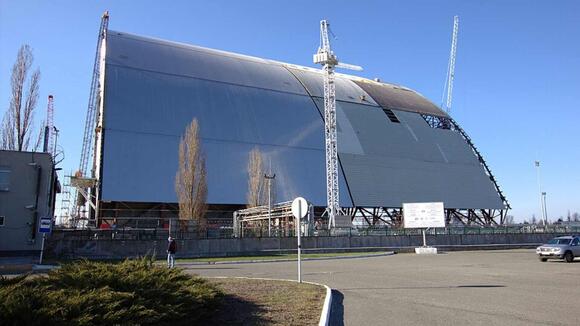
The New Safe Confinement is a massive steel arch built to seal Reactor 4 after the 1986 nuclear disaster. It replaced a failing, radiation-contaminated sarcophagus while allowing the safe dismantling of the old structure. The arch is visually stunning, but it’s a reminder that disasters don’t end; they persist beneath layers of engineering.
Instead of erasing Chernobyl, the structure magnifies the disaster in the landscape. Its shine suggests control, but the danger remains, proving that some mistakes require decades of human management.
Runit Dome, Marshall Islands
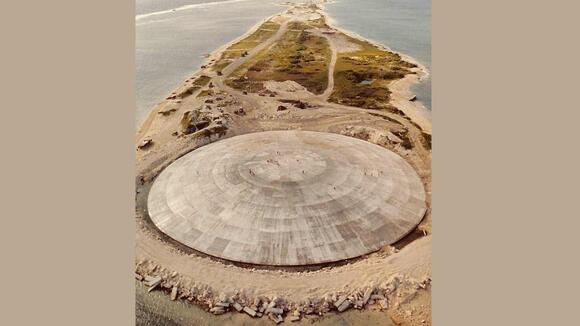
This massive concrete dome seals radioactive debris from U.S. nuclear testing between 1946 and 1958. Buried inside a crater on Runit Island, it holds tens of thousands of cubic yards of contaminated soil. From above, it looks orderly, but the site hides decades of environmental damage and displacement.
The dome acts as a lid over history, not a solution. It represents how nuclear powers can bury dangerous leftovers far from home, leaving long-term risks for local communities.
Lake Karachay, Russia
Once used as a dumping ground for radioactive waste from the Soviet Mayak facility, Lake Karachay became one of the most toxic places on Earth. Drought exposed contaminated sediment, creating airborne radiation risks. Engineers eventually filled the lake with concrete blocks, grout, and soil to stabilize it.
The lake now looks calm, but the danger remains sealed beneath the surface. Lake Karachay shows how nature can be turned into a nuclear grave, with concrete becoming a veil over past mistakes.
Valley of Cuelgamuros, Spain
Commissioned by Franco after the Spanish Civil War, this monument features a granite basilica carved into the rock and a giant stone cross. Thousands of political prisoners labored under harsh conditions to build it, and many remains were moved without family consent.
While intended as a symbol of reconciliation, the site became a contested site of memory. It demonstrates how monumental architecture can control historical narratives while concealing the human cost.
Sobibor Forest, Poland
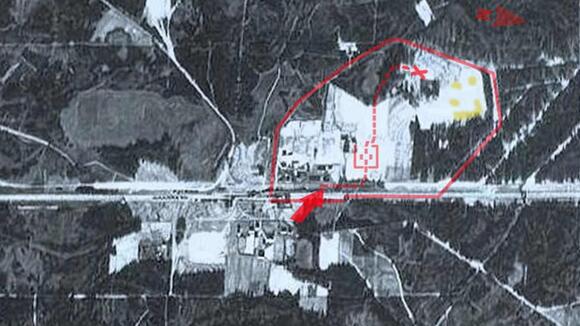
The Nazis dismantled gas chambers and fences at Sobibor and planted a forest to hide mass graves. The camp had killed approximately 250,000 people, and the forest was meant to erase evidence.
Today, archaeologists and memorials reveal the hidden past, proving that even carefully concealed atrocities cannot stay buried forever. Sobibor is a lesson in how landscapes can be manipulated to obscure history.
Semipalatinsk Test Site, Kazakhstan
Known as “The Polygon,” this Soviet nuclear test site left behind tunnels, shafts, and radioactive materials. After the USSR collapsed, scavengers began entering the site, creating a public safety risk. Specialized concrete plugs now seal tunnels and boreholes to contain contamination.
The site illustrates how secrecy and danger can survive regime change. Physical barriers are necessary, but the history of nuclear weapons testing continues to demand vigilance.
Mausoleum of Qin Shi Huang, China
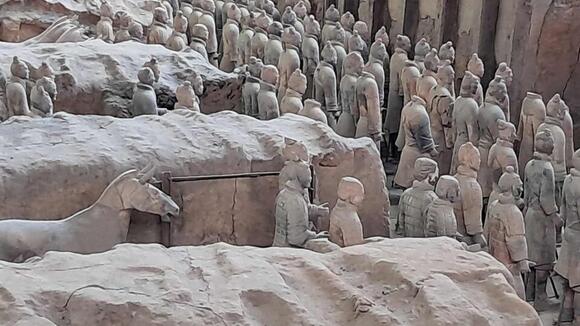
The first Emperor of China built a massive underground tomb with the Terracotta Army. Ancient accounts describe mercury rivers and traps, and some craftsmen may have been sealed inside to protect the secrets. The central burial chamber remains unopened, preserving mystery and danger.
The mausoleum shows how imperial ambition can become architecture designed to conceal history. Labor, wealth, and obsession were buried beneath soil that continues to intrigue and terrify archaeologists.
Brothers Home, Busan, South Korea
This facility housed homeless and disabled residents during the 1970s and 1980s. Investigations later revealed abuse, forced labor, and hundreds of deaths. Redevelopment of the original buildings made it harder to preserve evidence.
The site demonstrates that urban planning can erase visibility without erasing responsibility. Even ordinary city spaces can hide terrible histories beneath the surface of normalcy.
H.H. Holmes Murder Castle, Chicago
Built during the 1893 World’s Fair, Holmes’s hotel featured hidden rooms, secret passages, and traps to facilitate murder. Although many details were sensationalized, the building became a landmark of crime lore.
The Murder Castle shows how architecture can be used for personal evil and how stories can transform places into enduring symbols of fear. Legends can hide the reality, yet the site remains a warning of human deception and horror.
Colonia Dignidad, Chile
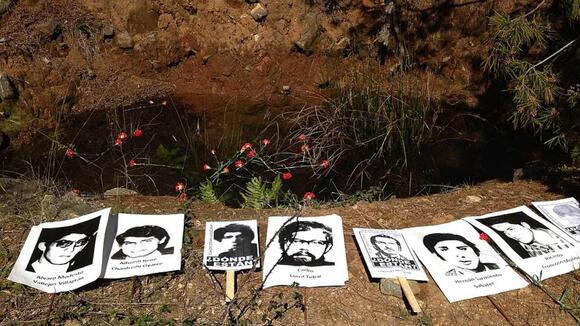
Founded as an agricultural settlement, Colonia Dignidad was a secretive enclave where cult abuses and political torture occurred under Paul Schäfer. Hidden bunkers and tunnels insulated the atrocities from the outside world.
The site highlights how isolation and architecture can hide systemic abuse. Today, the colony is partially memorialized, transforming spaces once used for violence into evidence and remembrance.
Conclusion
These sites share a theme: massive construction cannot erase history. Domes, mausoleums, forests, or memorials might conceal radiation, violence, or crimes, but the truth finds a way to surface. Some hide danger, some hide shame, and some hide the victims themselves.
Each landmark reminds us that what is buried, physically or socially, shapes how future generations understand the past. Visiting these places forces reflection on memory, accountability, and the consequences of human ambition and wrongdoing.
The post 10 Massive Landmarks Built to Hide Dark Secrets appeared first on Hydro Garden Geek.