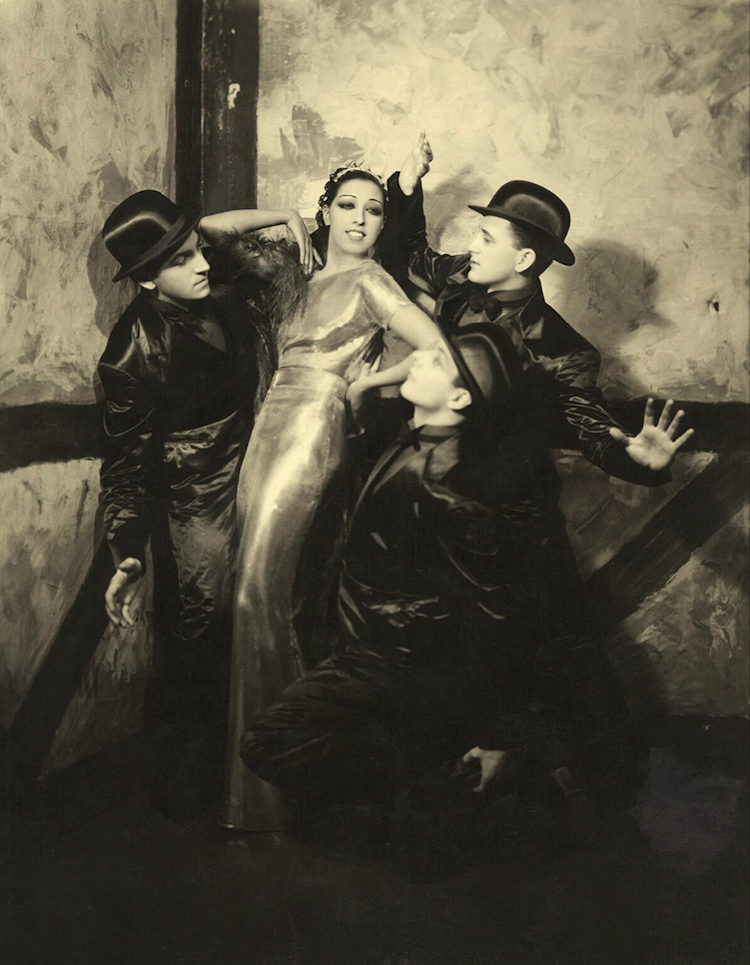
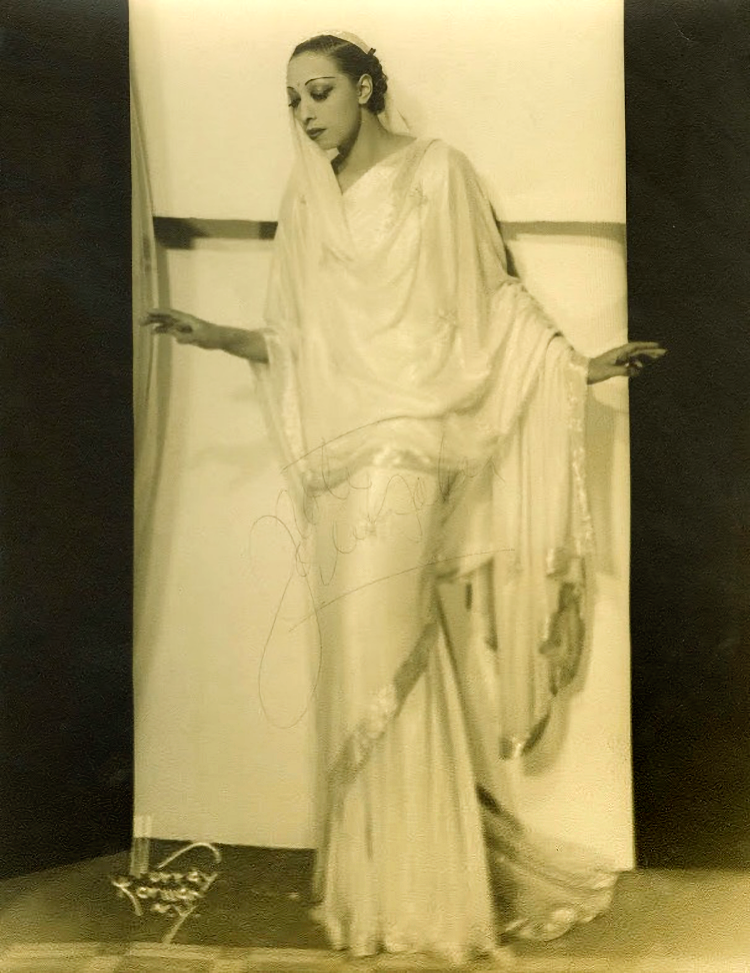
1. Rarely seen photographs of Josephine Baker at the Ziegfeld Follies, 1936
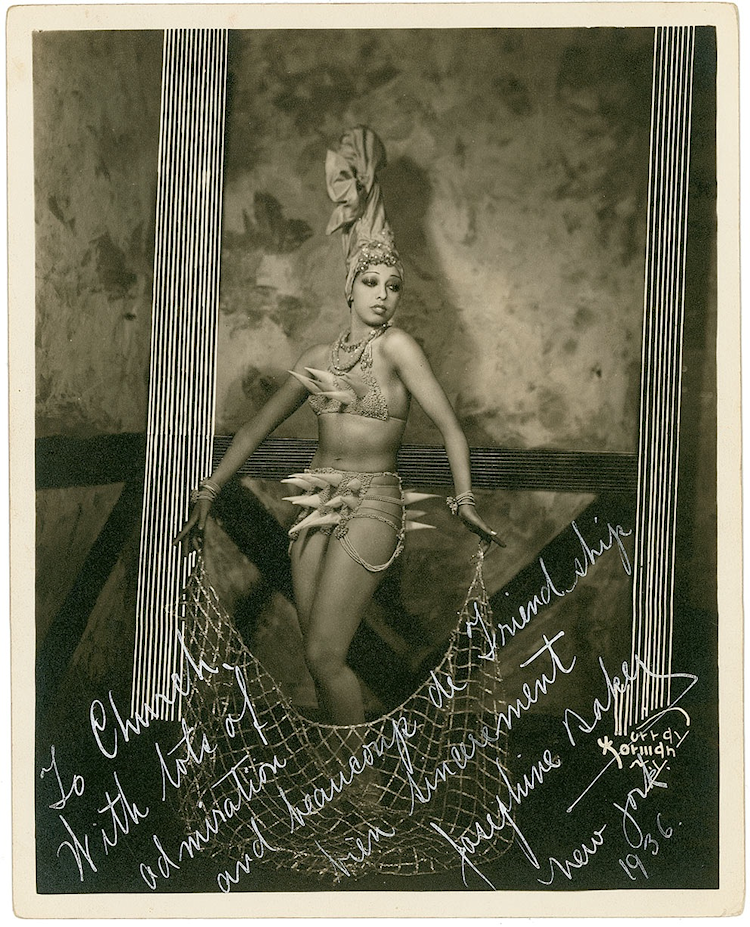
By the middle of the 1930s Joséphine Baker was firmly established as one of France’s brightest stars, and she had high hopes of furthering the great success she’d experienced with the French when she was engaged to be in the starry cast of the 1936 revival of the “Ziegfeld Follies” on Broadway. She sailed on the Normandie to New York in August of 1935 in order to begin rehearsals. But right from the beginning, she had to fight the sort of racism she rarely encountered in Europe; she was turned away from the hotel where she had reserved rooms, as the management didn’t want to offend their Southern clientele.
 Now Playing
Up NextA Conversation with Woody Allen: Famed Director Talks Exclusively with Roger Friedman and Neil Rosen
 Now Playing
Up NextSenegal's Germaine Acogny pays tribute to Josephine Baker in Paris
 Now Playing
Up NextWhy Visiting an Art Museum Can Change How You See the World Even If You're Not Into Art
 Now Playing
Up NextiPhone 16e Review: Lightweight Power in a Beautiful Package
 Now Playing
Up NextParis unveils new mural in honour of Josephine Baker
 Now Playing
Up NextWhy Should Everyone Visit an Art Museum — Even If You Don’t ‘Get’ Art?
 Now Playing
Up NextWhat Caught My Eye in May 2020 | 4K
 Now Playing
Up NextWhat Caught My Eye in July 2020 4K
 Now Playing
Up NextAlice's Tea Party | DISNEY THIS DAY | March 8, 1986
 Now Playing
Up NextLISBON TO PARIS BY BUS AND TRAIN! (24 hours
 ) | FLIXBUS & SNCF TO DOWNTOWN PARIS





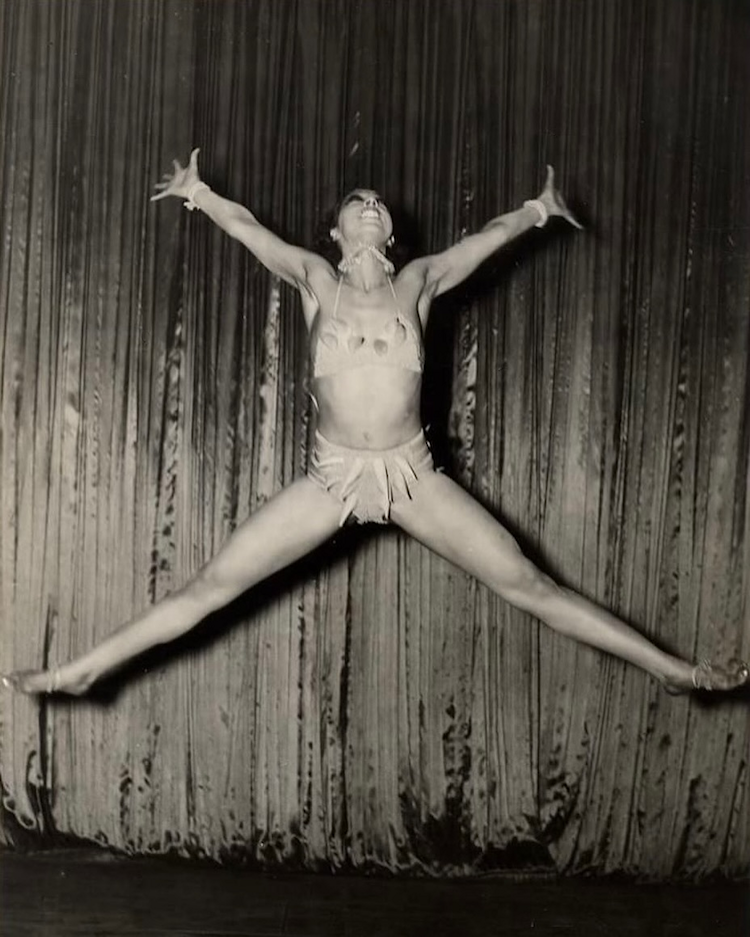
Baker appeared garbed in a strange and spiky silver costume, a vague sort of tribute to her former banana girdle…
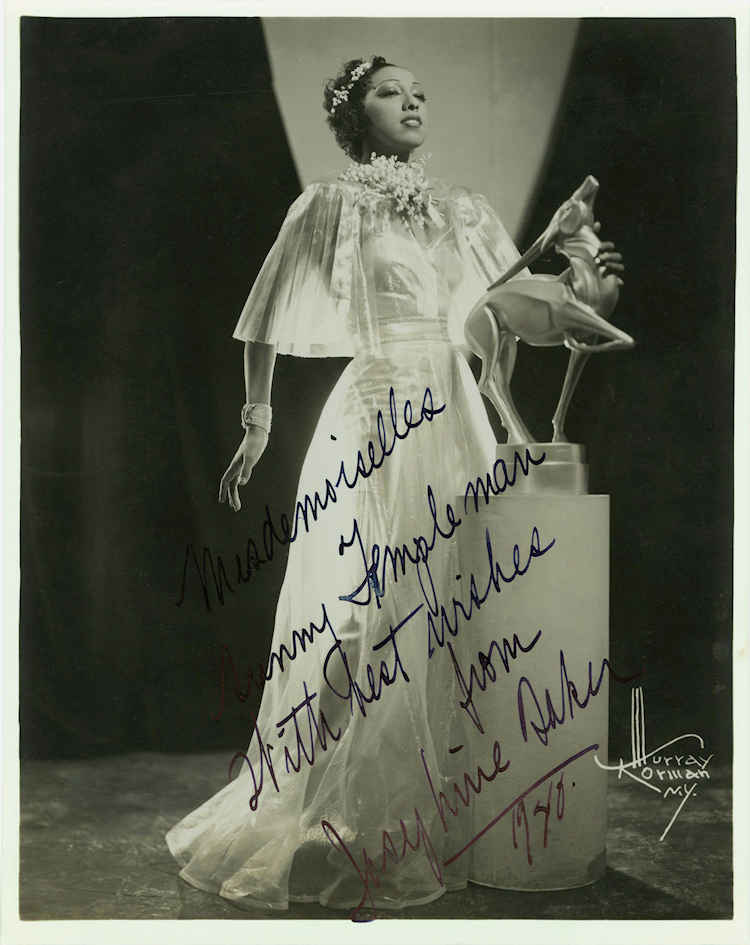
In addition to Baker, the cast starred Fanny Brice … but Brice was the star of the production, dominating the show to such a degree that when she became ill in May, the production closed, at which point Baker took the option to terminate her contract.
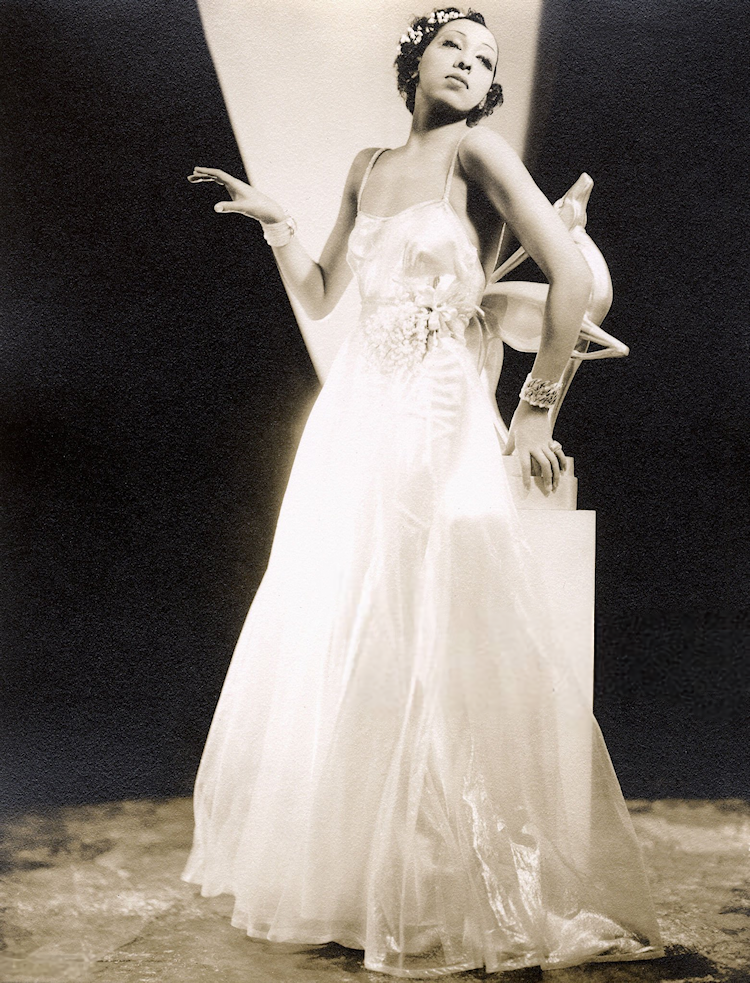
And even before the show opened, her talents were being widely disparaged in the press, and she had to endure insulting comments and behavior due to her race. Time magazine referred to her as a “N*gro wench … whose dancing and singing might be topped anywhere outside of Paris”, while other critics said her voice … was “too thin” and “dwarf-like” to fill the Winter Garden Theatre. She was even criticized for being too sophisticated – too “continental” – for a black woman in America in 1936.
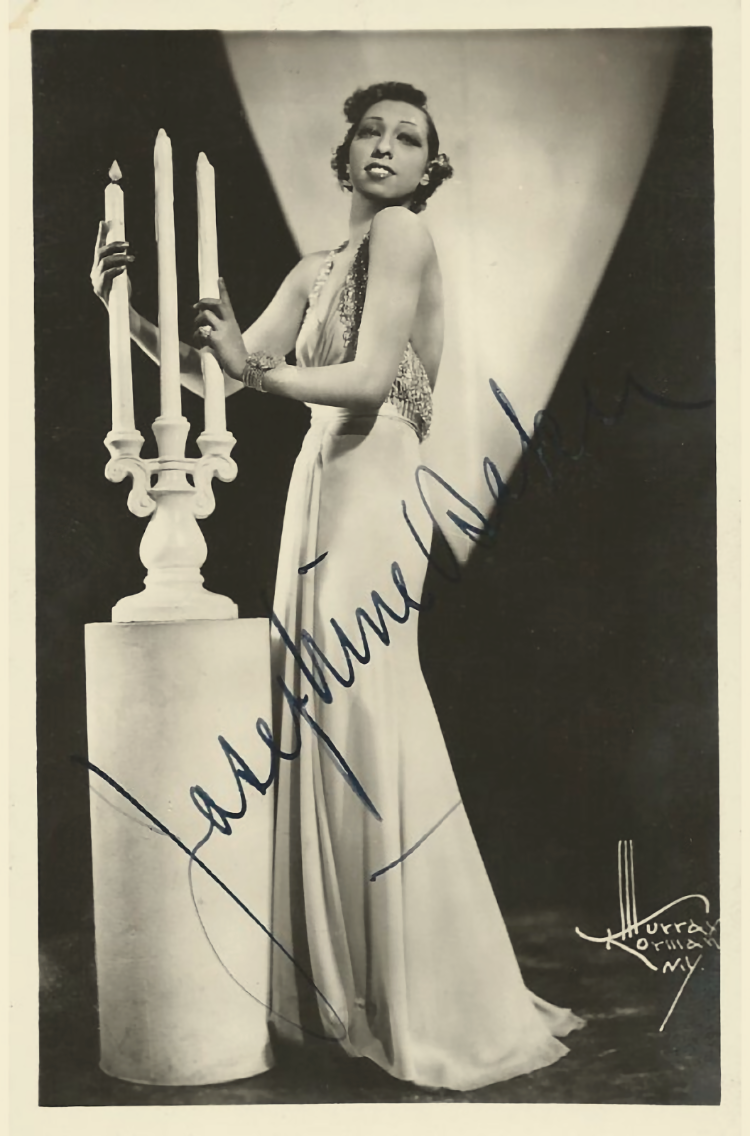
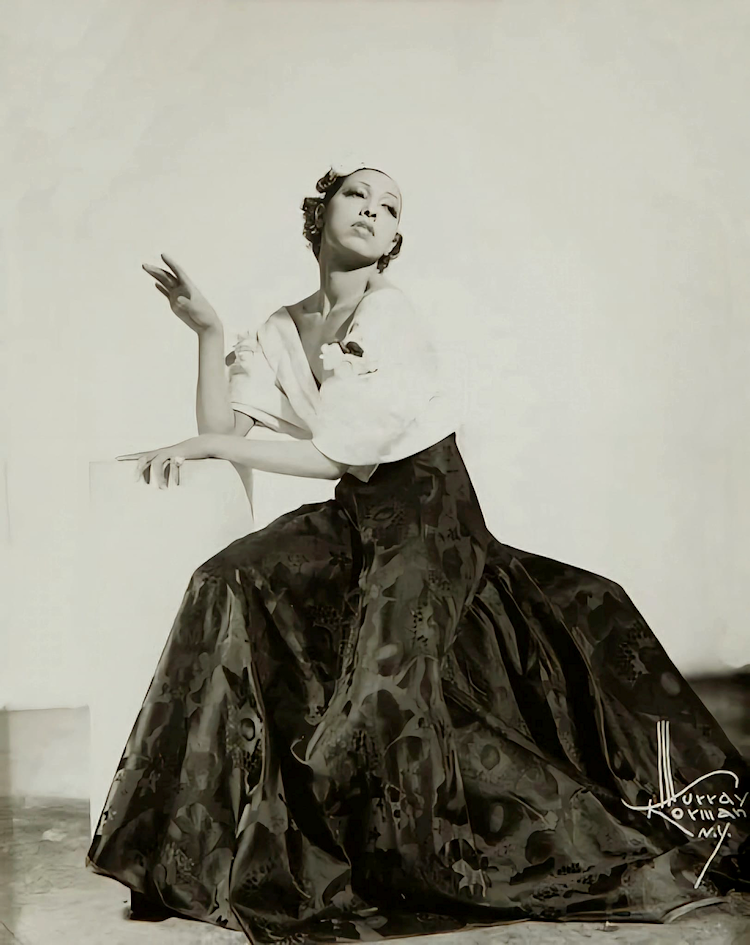
She had returned to France heartbroken by her experiences in America, and with her marriage to a French industrialist in October 1937, she became a French citizen. In later years she refused to ever talk about her engagement with the Ziegfeld Follies.
2. The Glass Delusion and Its History
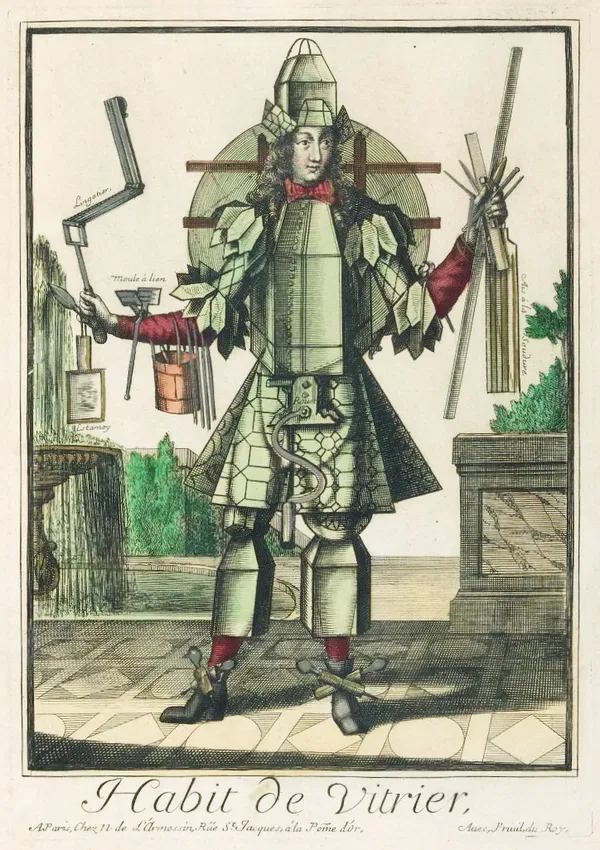
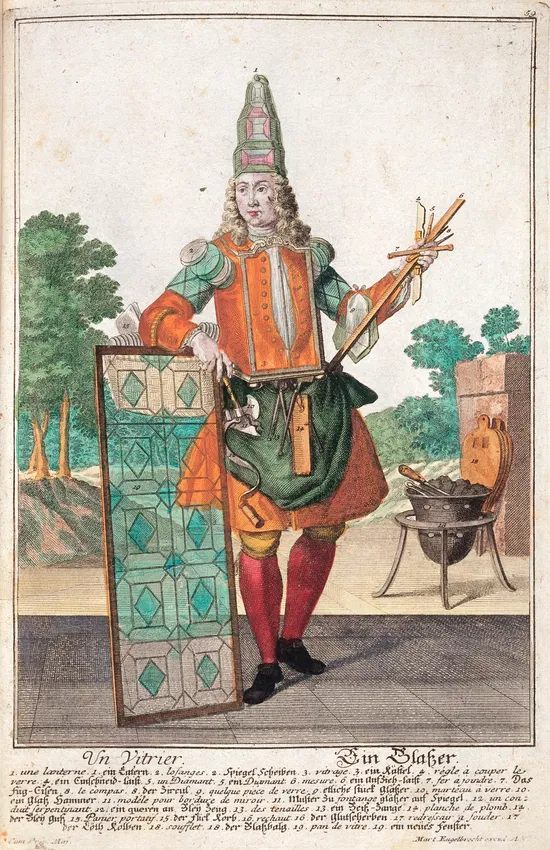
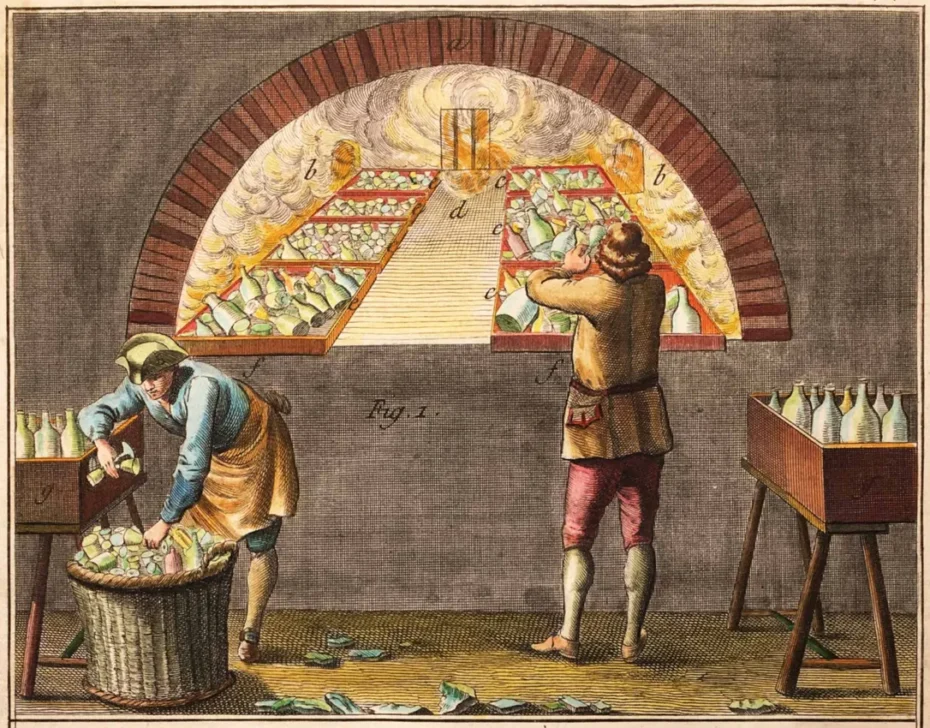
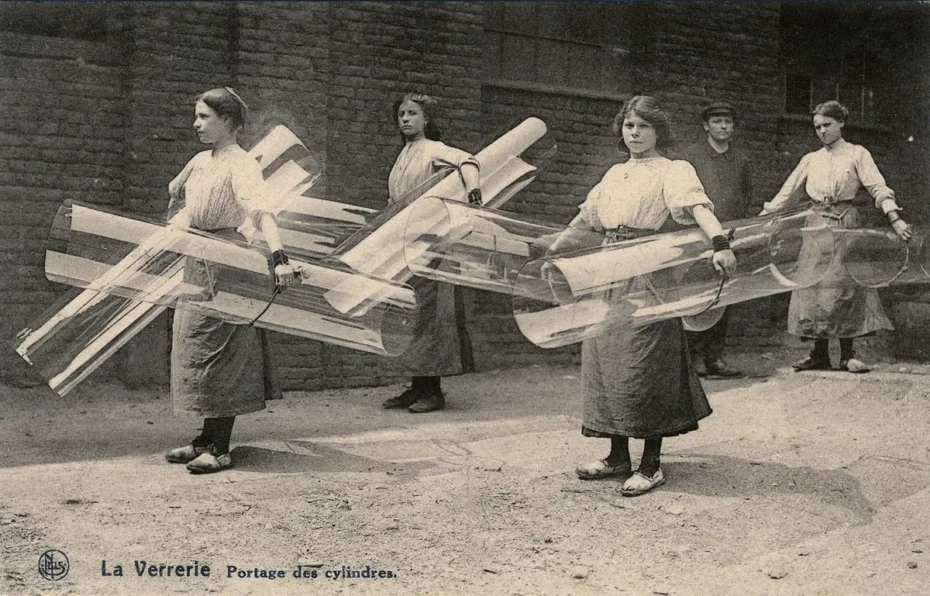
In early modern Europe, around the time when lenses began to bring the world (and heavens) into newfound focus, patients started appearing in medical records with a particular ailment: a firm belief that they were made of glass. Tamara Sanderson of the Public Domain Review investigates the source and manifestation of this delusion, and finds a psychological idiom that once carried the weight of what could otherwise not be said….
3. This very unusual glass loft for sale in Montmartre, Paris
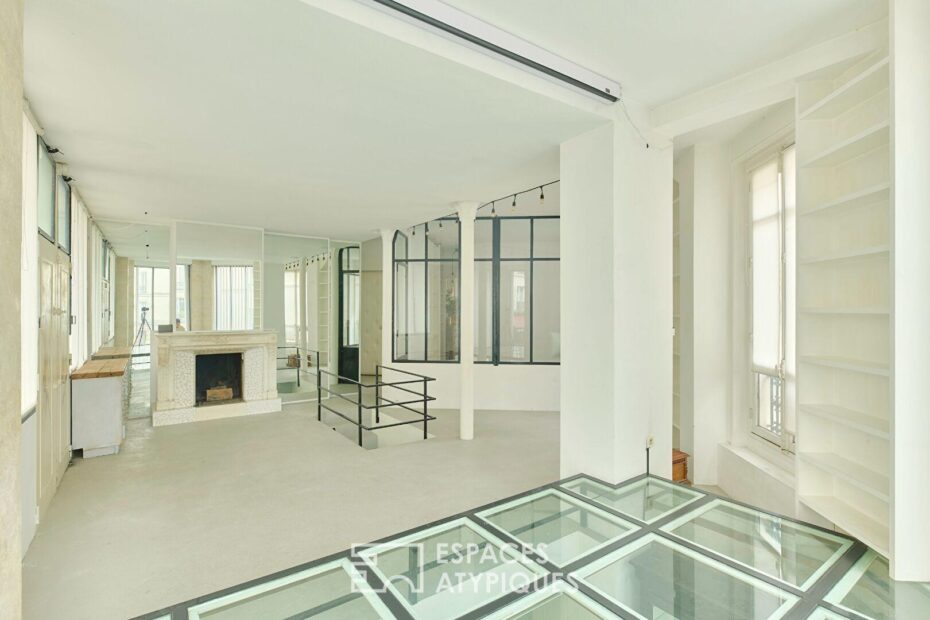
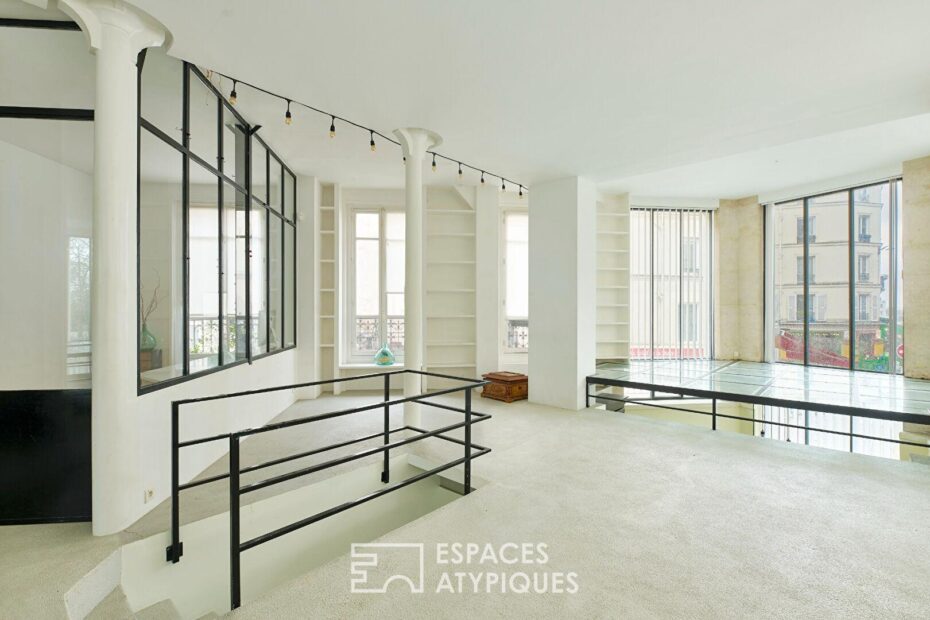
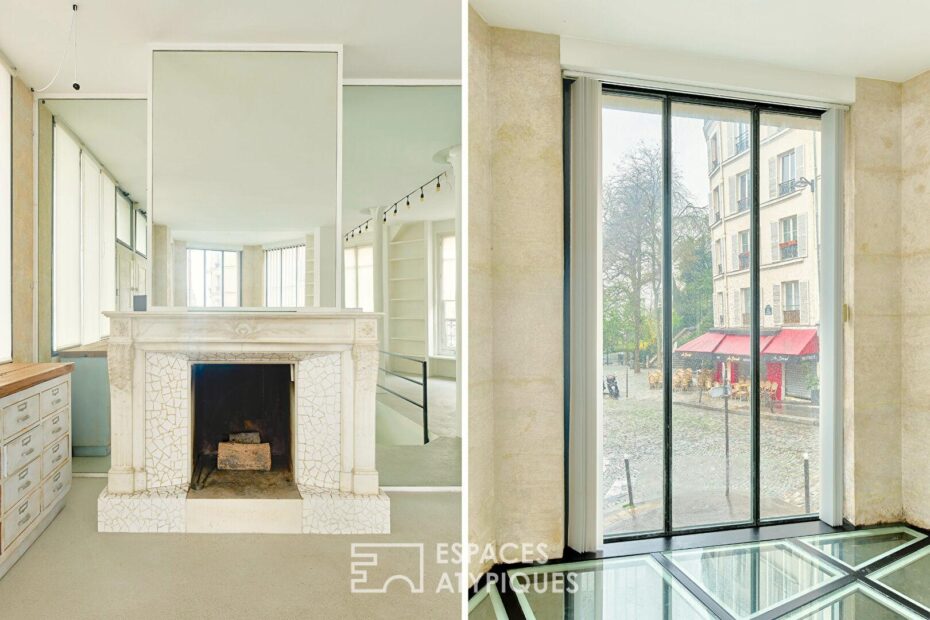
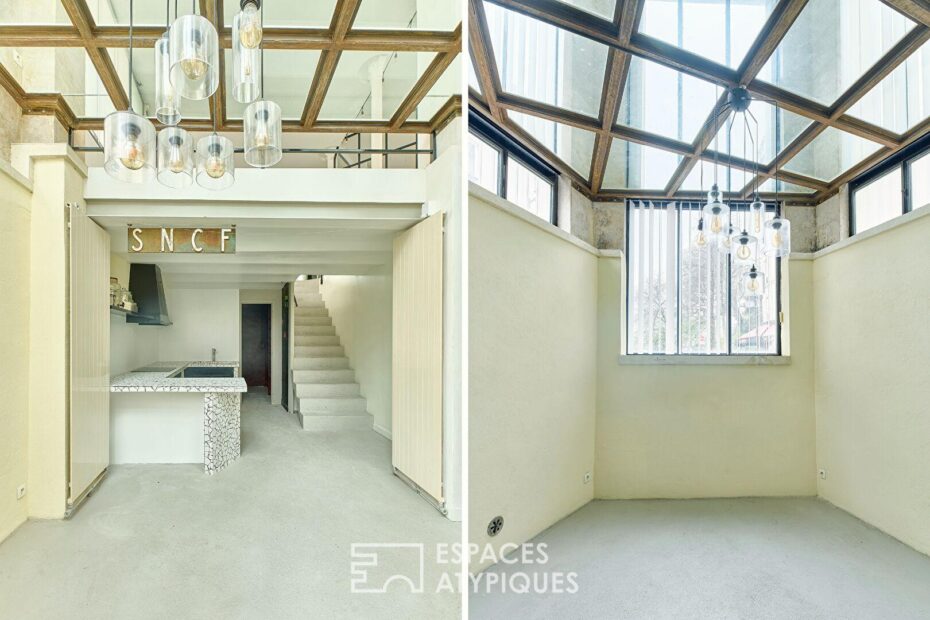
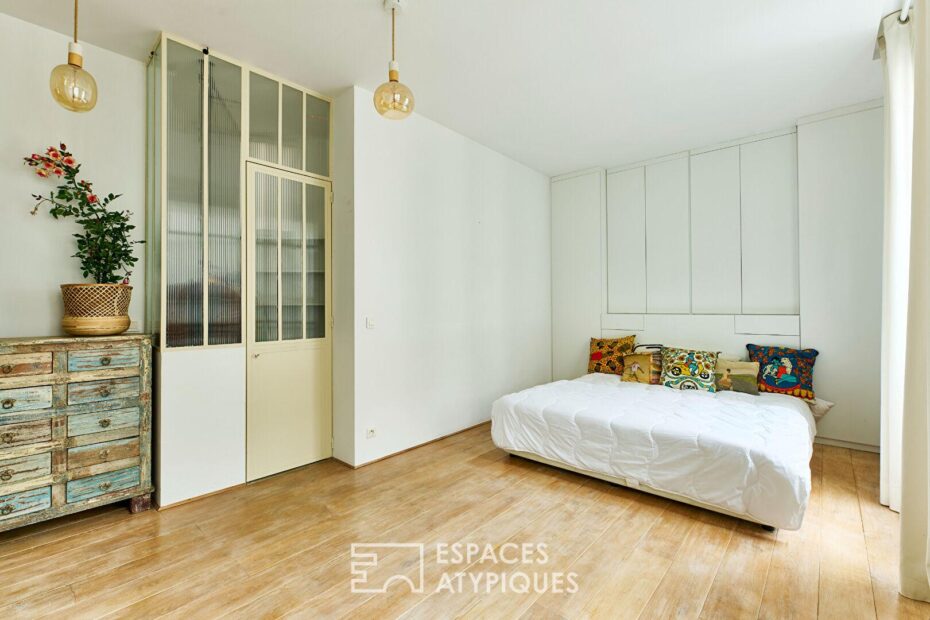
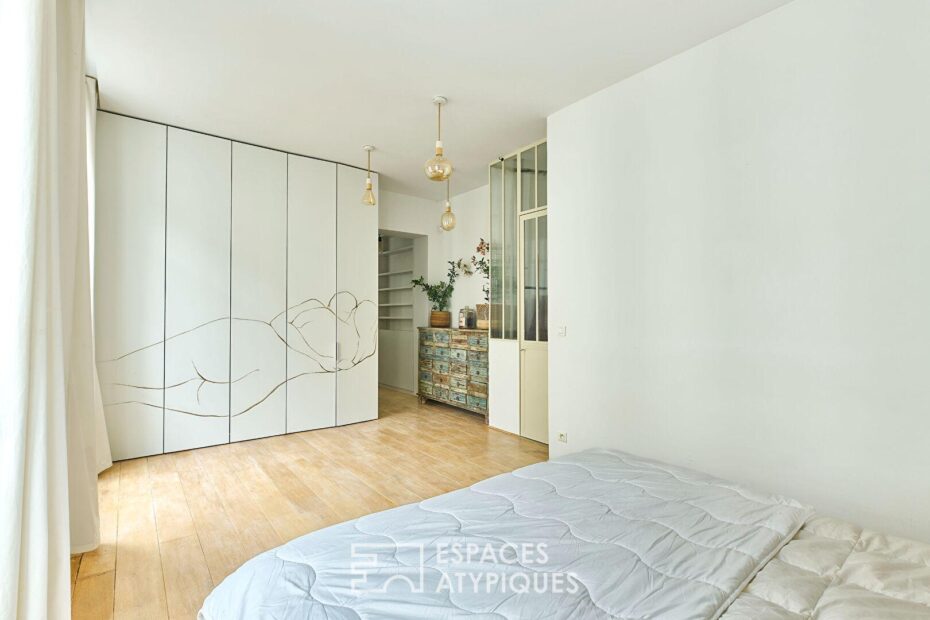
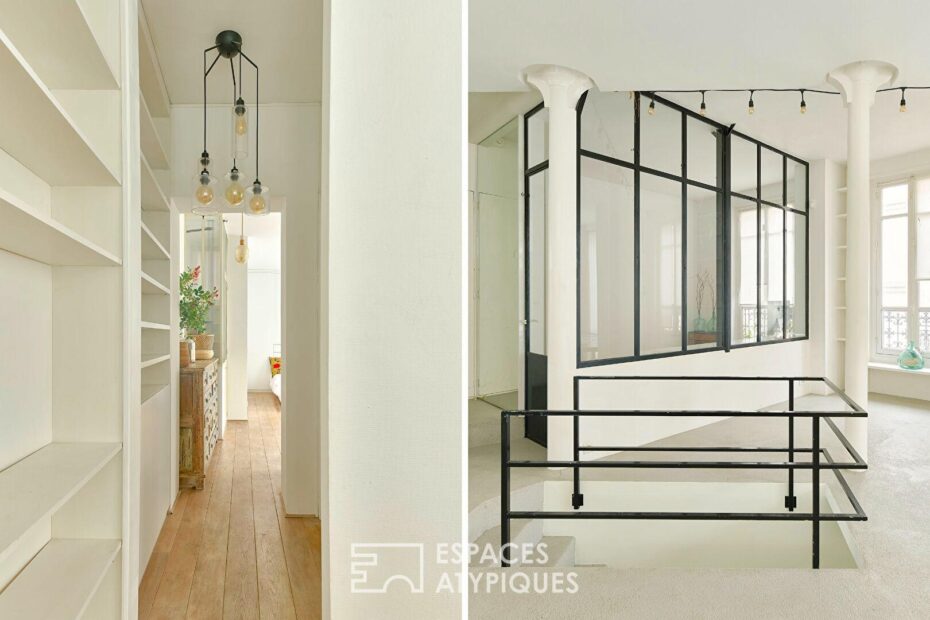
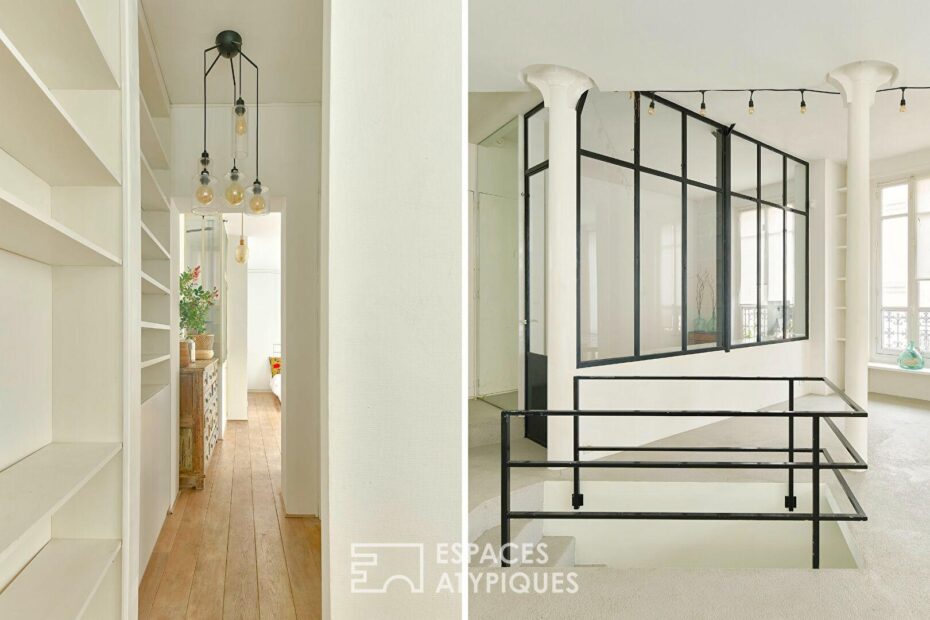
Asking 1.48m euros, found on Espaces Atypique.
4. These incredible patchwork stained glass panels
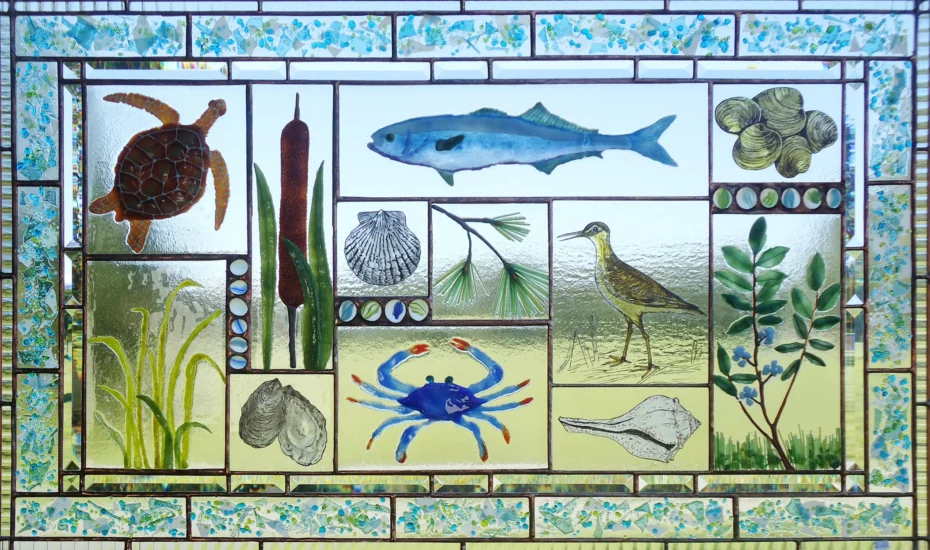
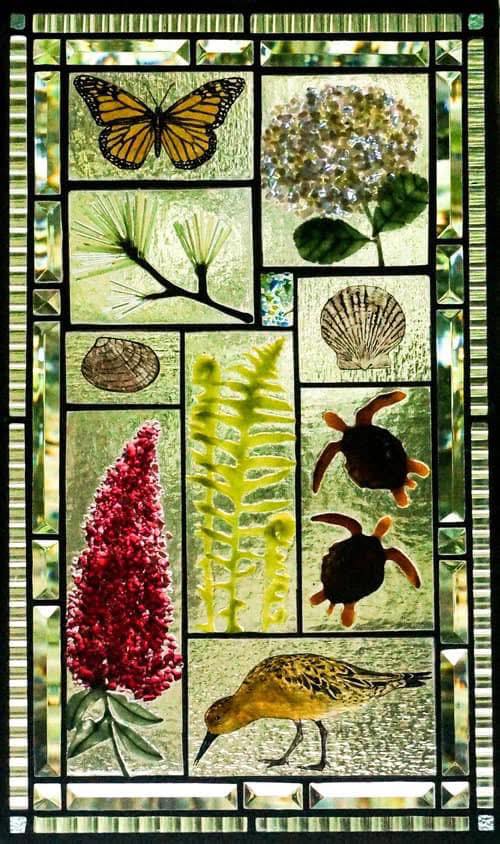
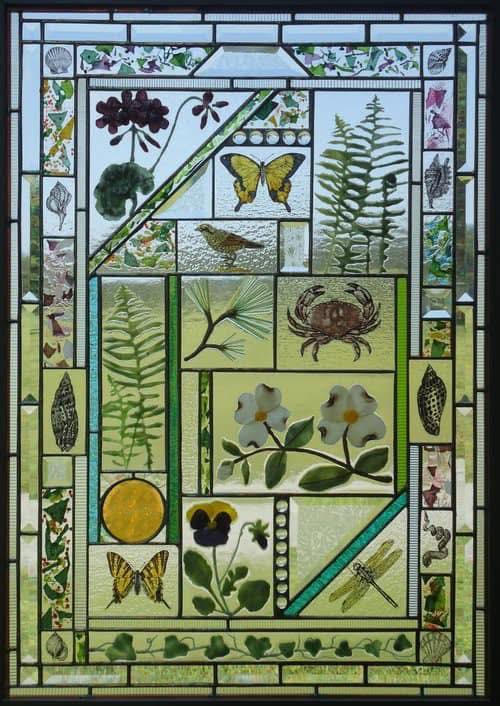
Sunflower Glass Studio (based in New Jersey) merges four distinct glass-making traditions into singular fine art panels; fusing vibrant, layered flora created through high-heat kilning, hand painting intricate fauna using traditional medieval techniques, beveling and stained glass construction.
5. A reason to still love the internet: Franklin Habit’s “Fox and Boxe”
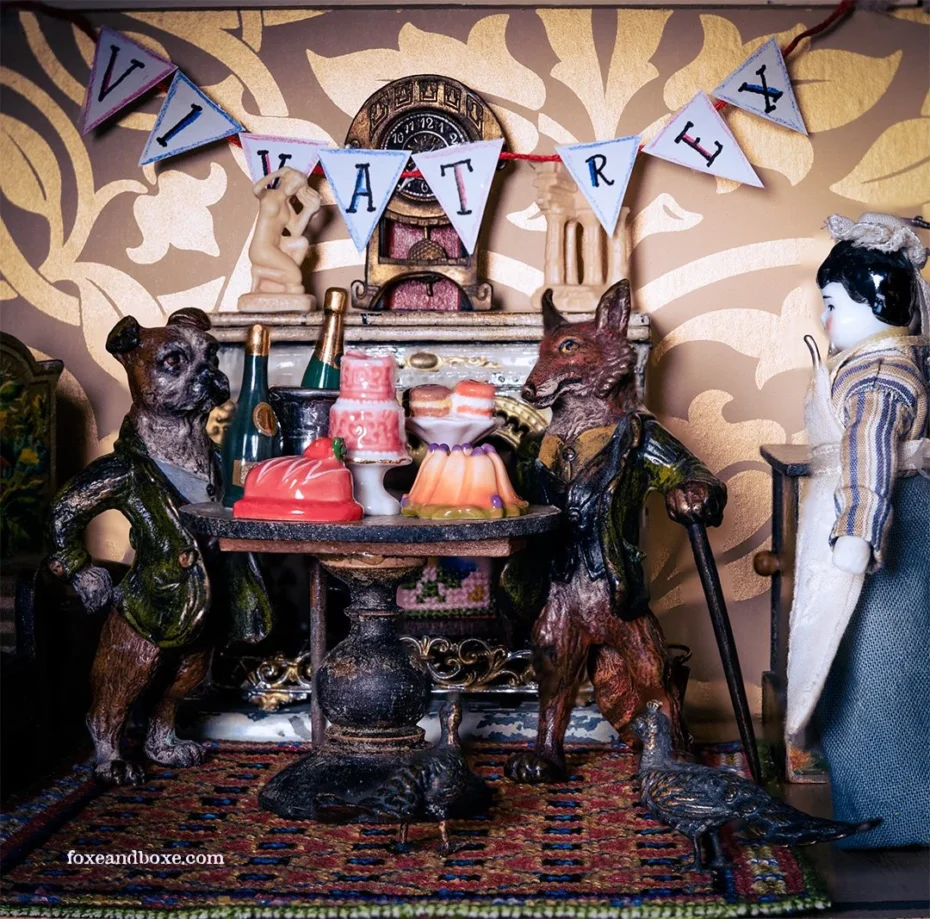
Franklin lives in Paris. Be sure to read all of “The Archive,” starting with the oldest post.
Thanks for the tip Barbara! Fall down the fox hole here!
6. A remarkable collection of a Star Trek fan’s 1970s project to capture Kodak snapshots from every single scene from the original series
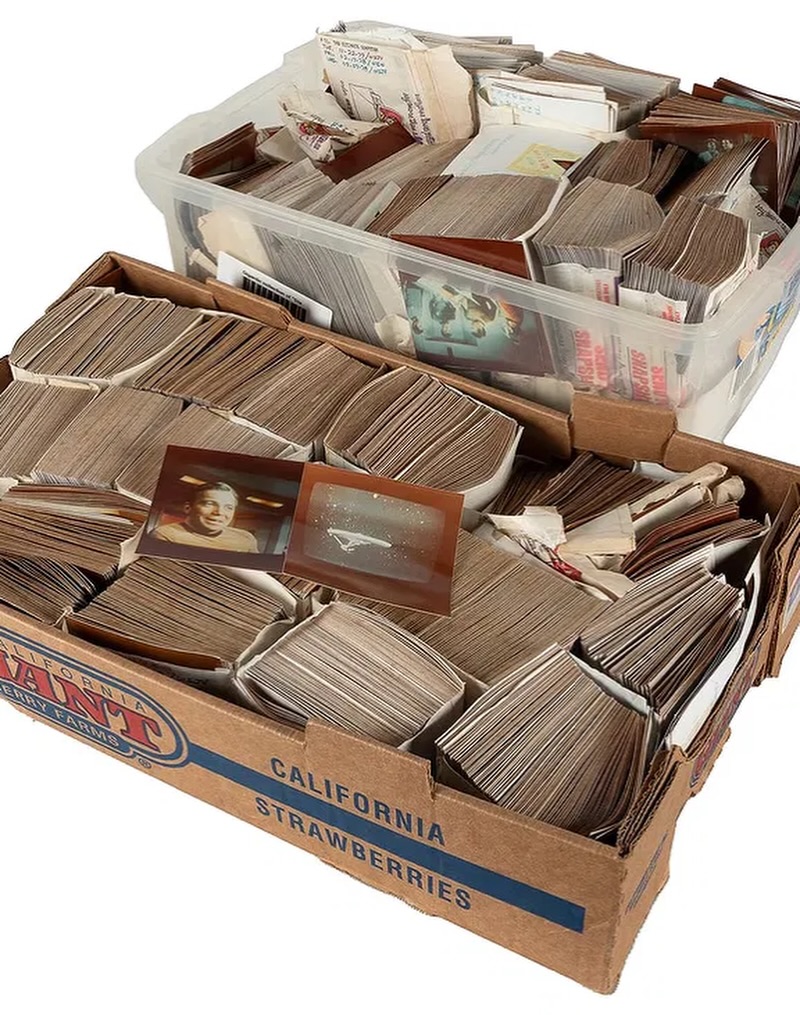
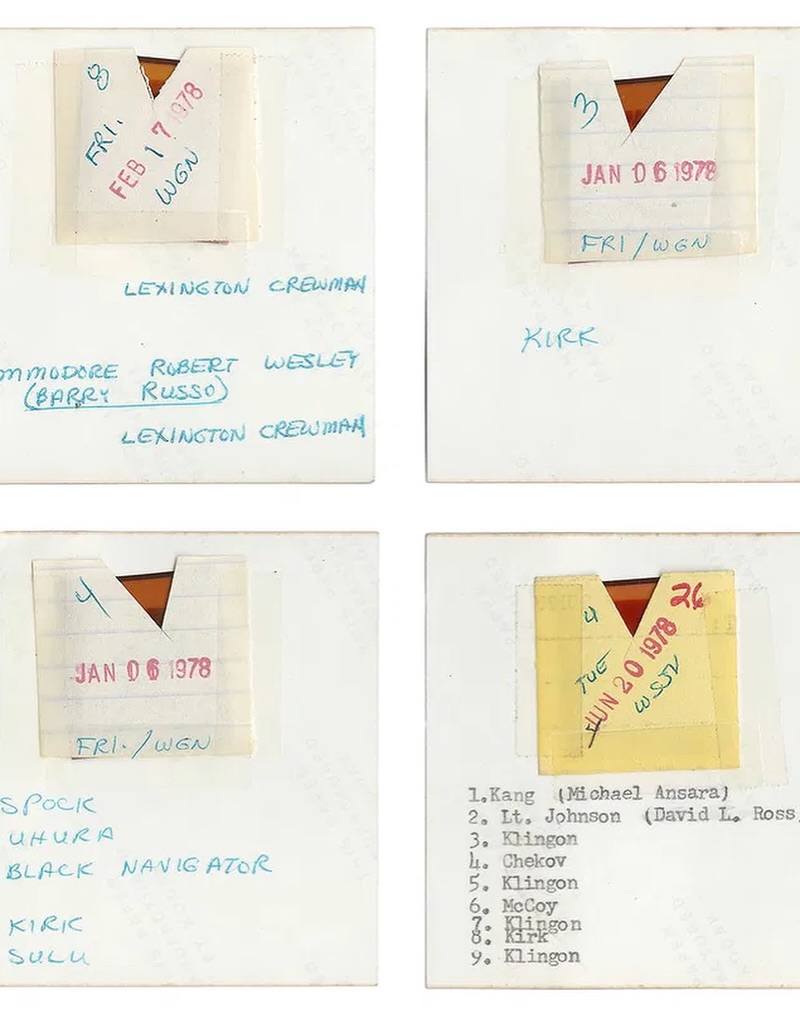
Each print was numbered sequentially on the reverse with a mounted negative and handwritten list of characters appearing in the scene.
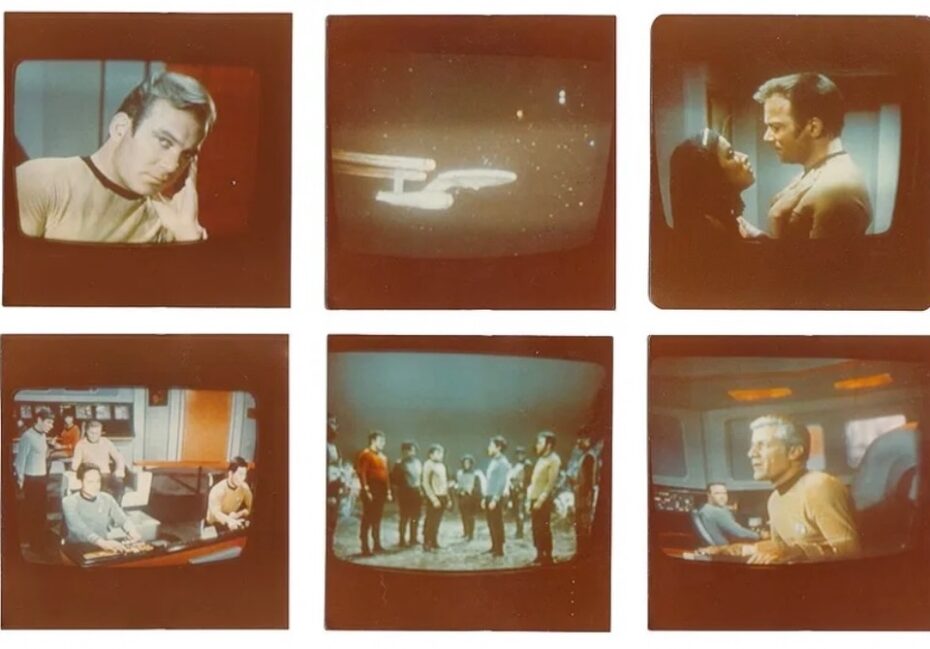
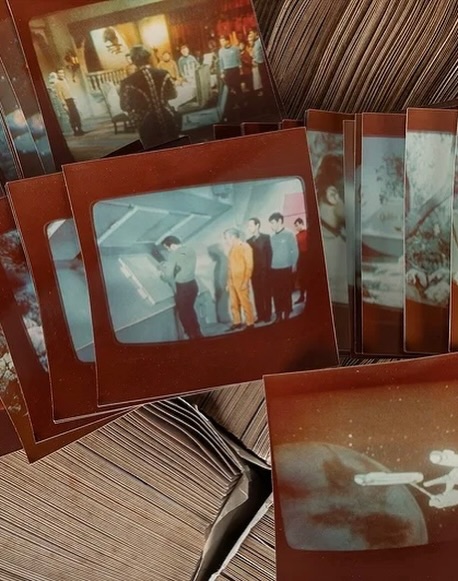
Went up for auction the other day and sold for almost nothing at Potter & Potter Auctions. Found via Anonymous Works.
7. Lifting the Curtain on that viral AI Time Traveller

8. Pizza Huts are Remodelling To Unlock A Nostalgic Portal to its 90s Heyday
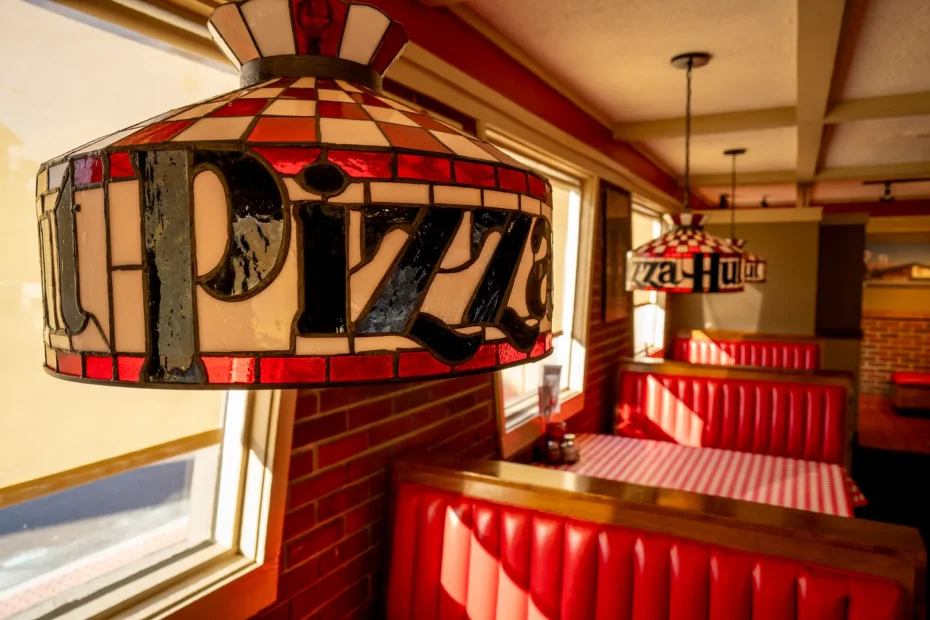

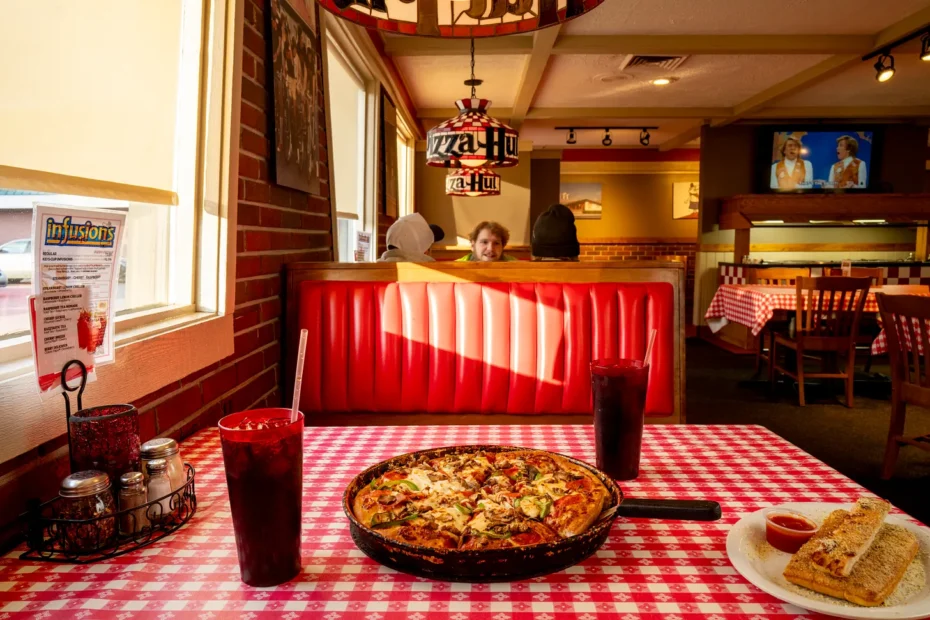
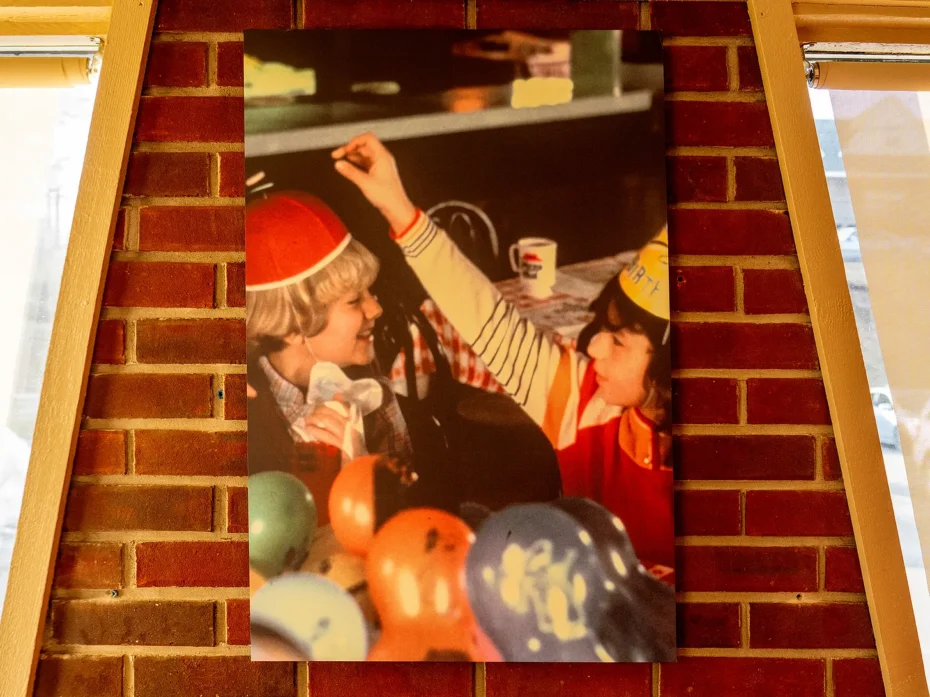
There is something about 90s nostalgia that’s really hitting right now. It’s probably because most people who grew up in that era are having a midlife crisis, but it probably also has something to do with “enshittification” and how corporations, in their pursuit of infinite profit, have turned everything we once loved into unremarkable products to be quickly consumed and discarded. We long for the days when things seemed like they had real meaning and value – photographer Noah Kalina.
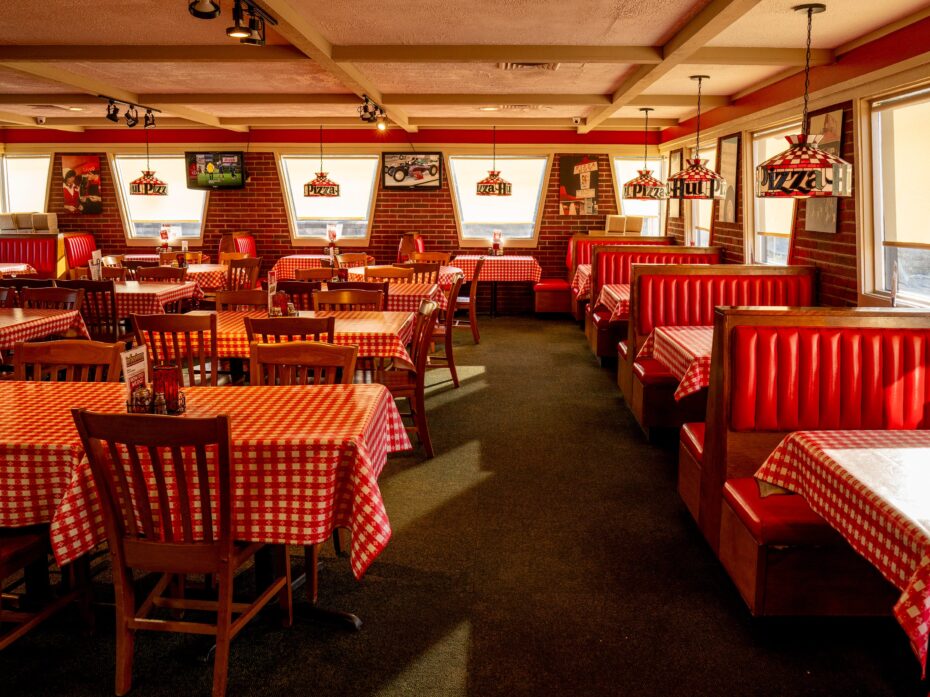
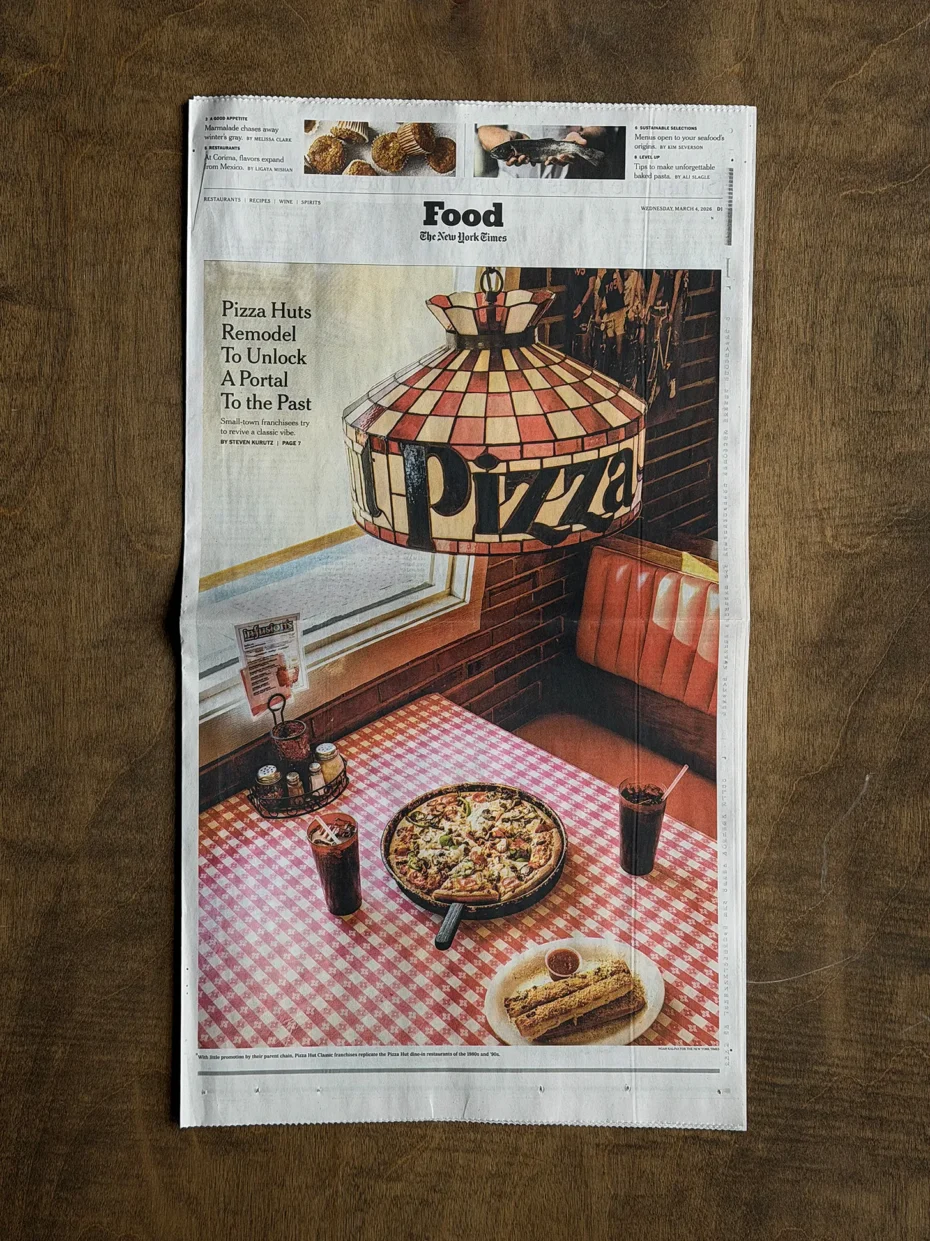
Photographs by Noah Kalina.
9. Riding the Subway to Coney Island in 1987
This and the previous article found on Kottke.
10. The Whimsical Inspiration of this Medieval Manuscript
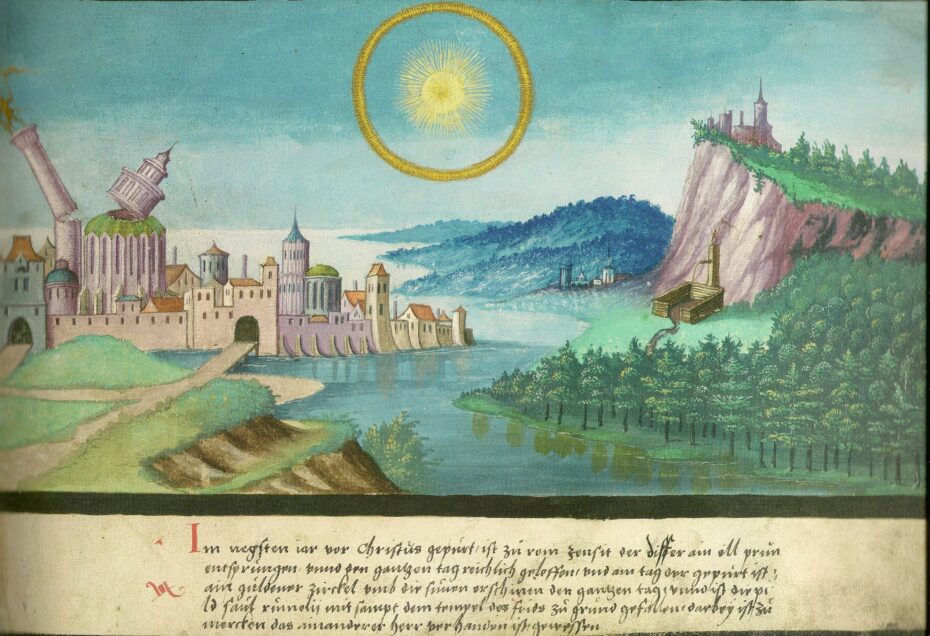
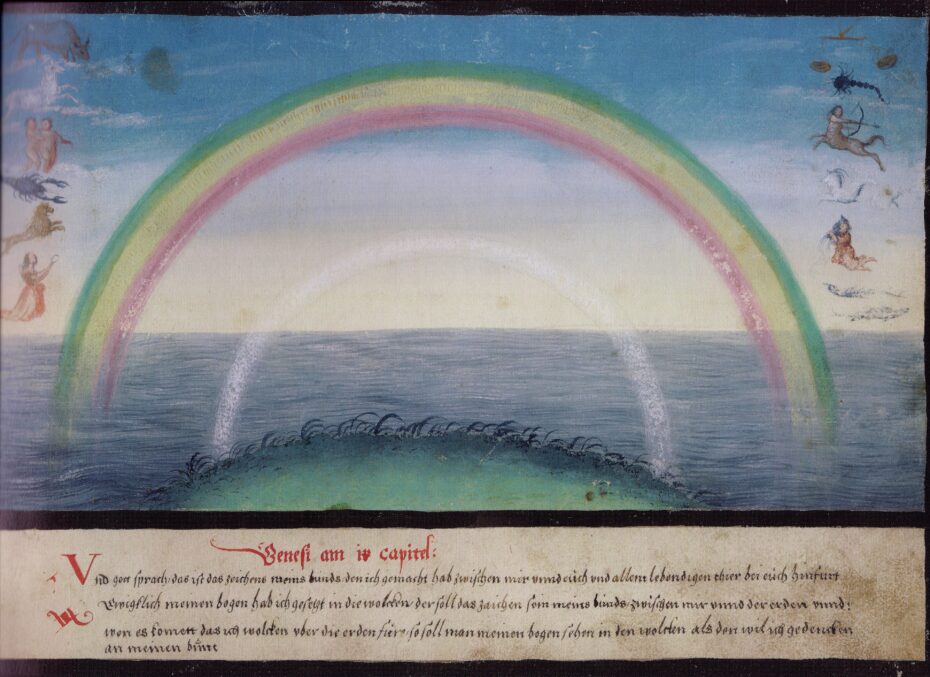
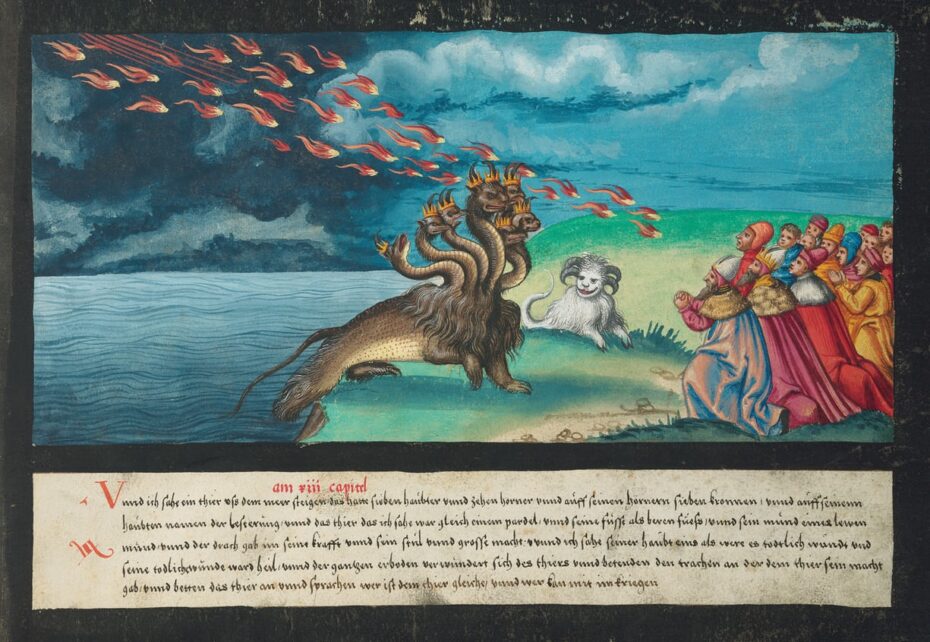
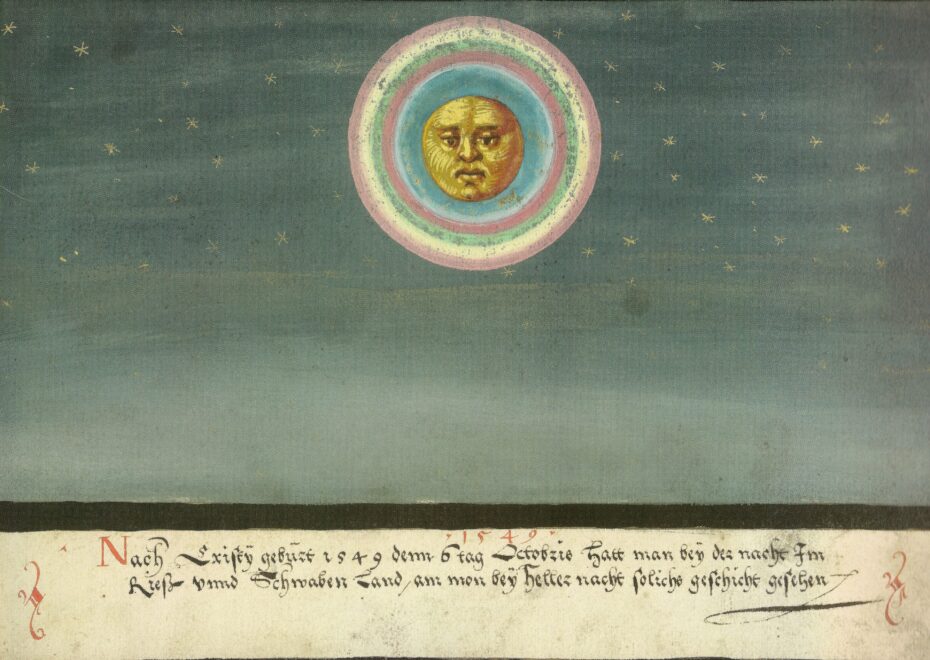
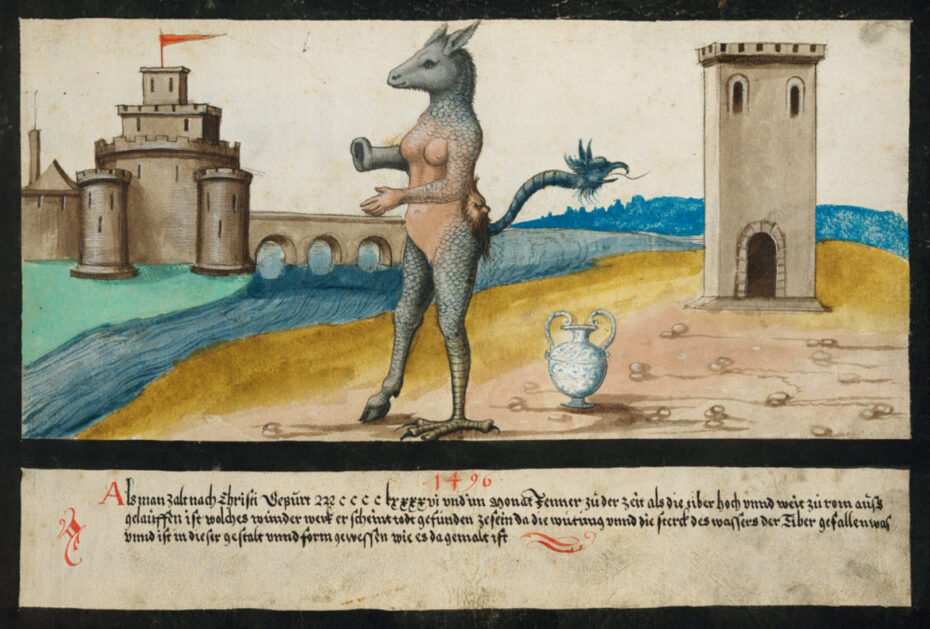
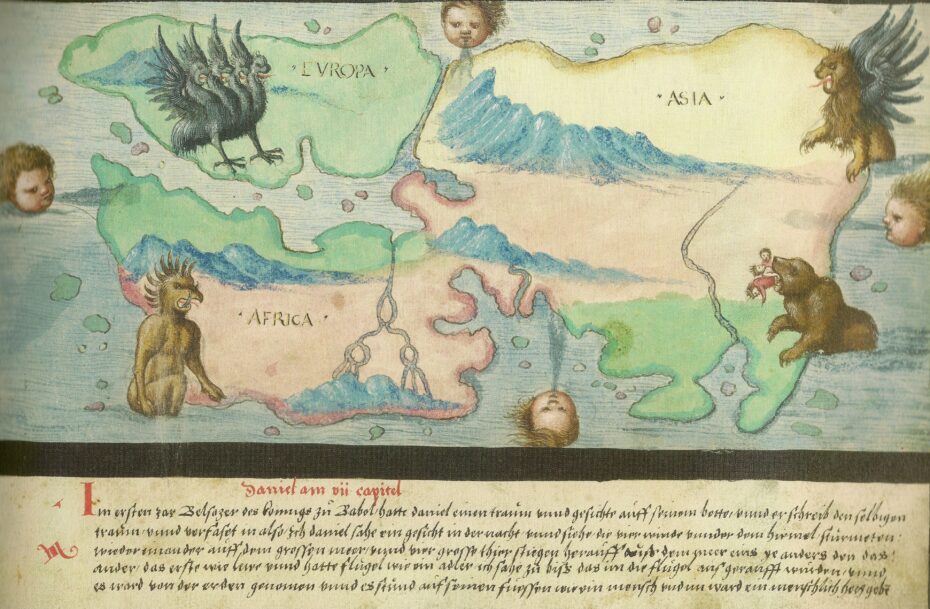
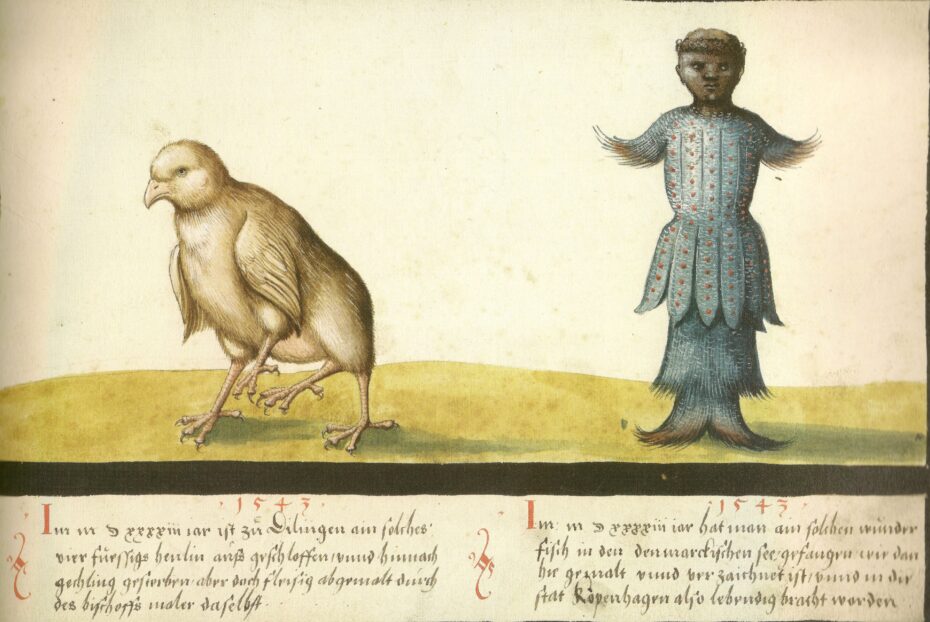
Published in the 1550s in Germany and many more of the pages are available to view and zoom in online here.
11. Soft sculptures by the Haus of Hands
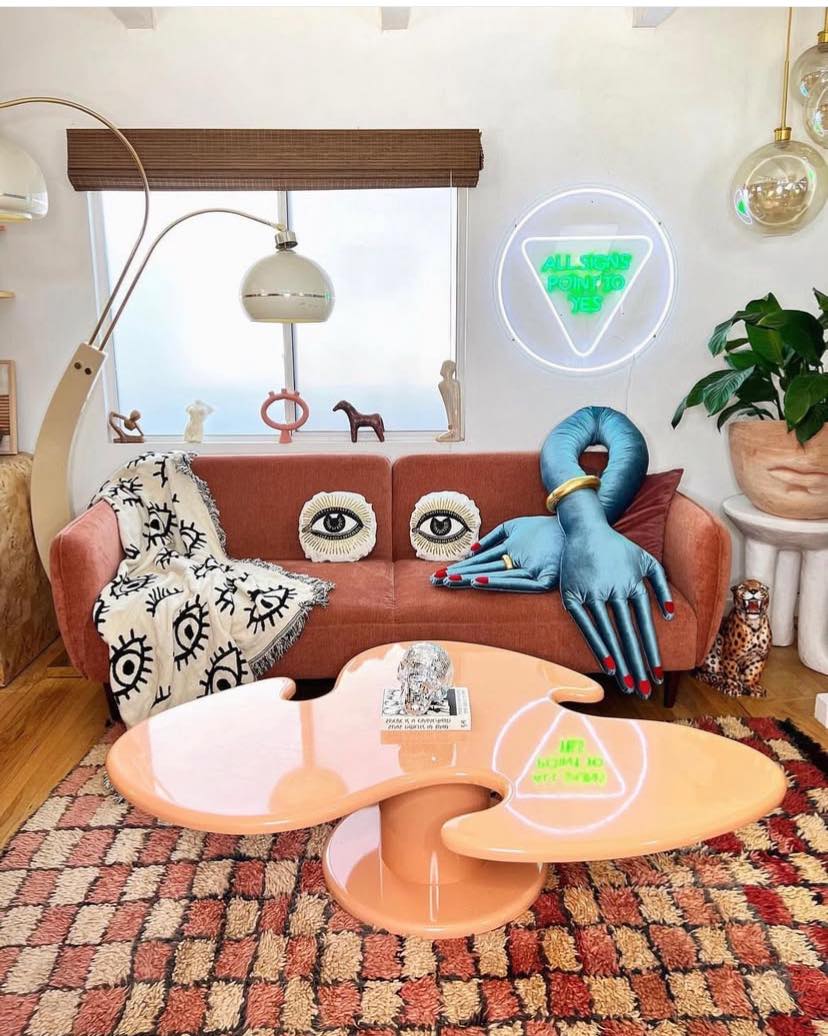
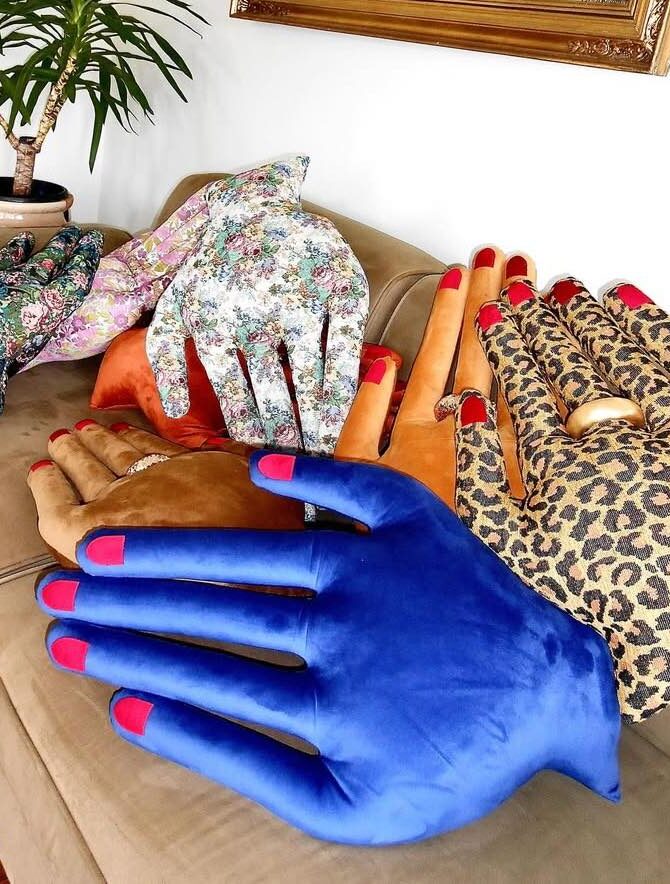
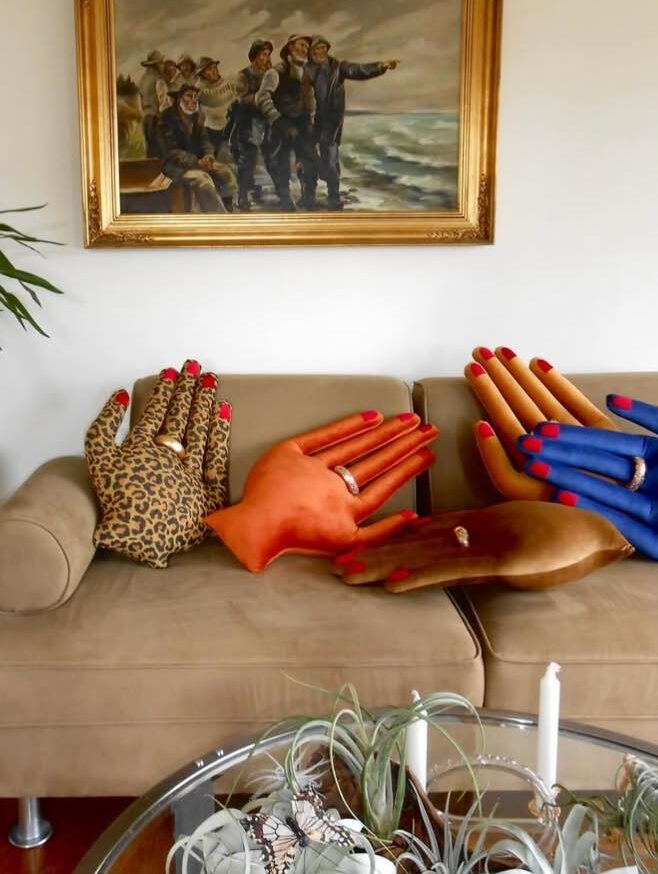
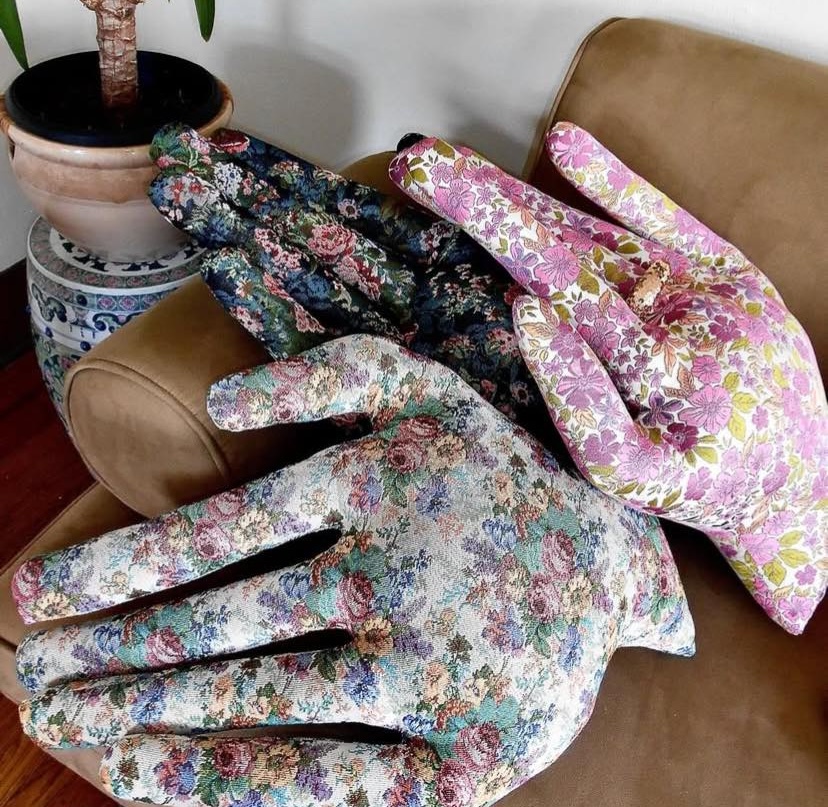
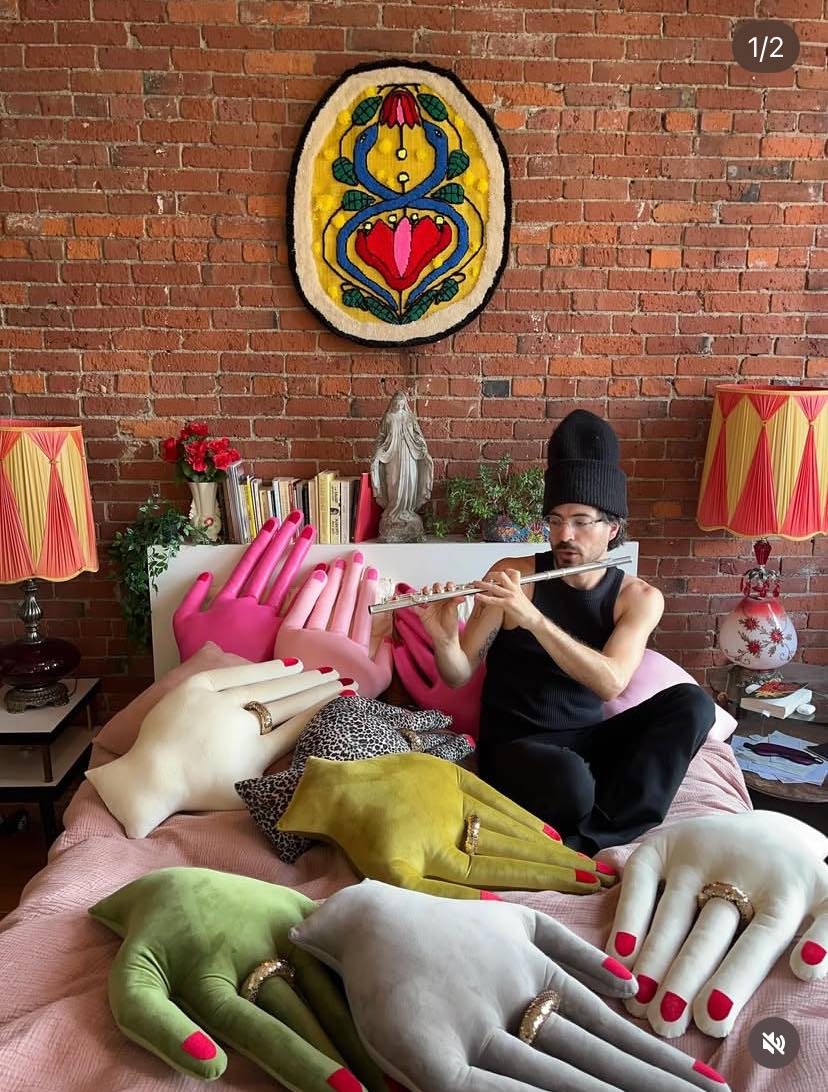
Discover Haus of Hands here.
12. The Louvre has the Mona Lisa. Here’s what other institutions consider their Mona Lisas:
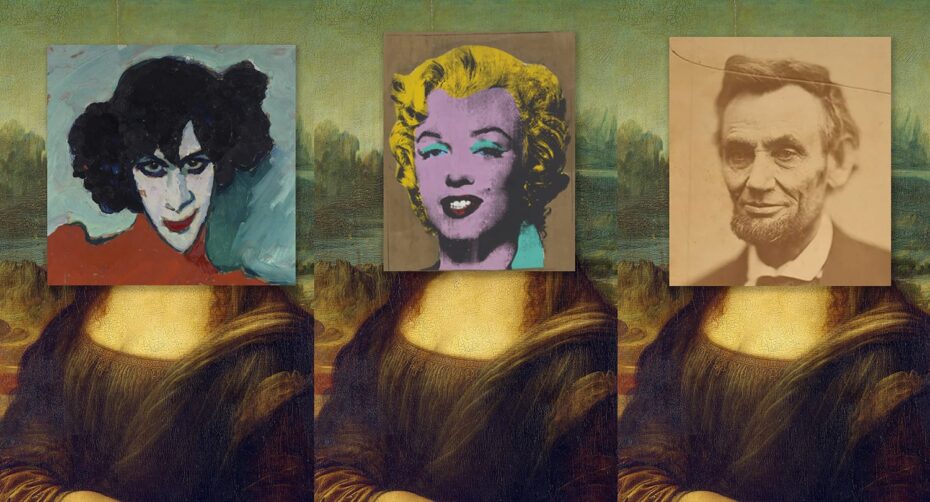
Did you know that there is only one painting by Leonardo da Vinci on view in America? It’s a portrait of a teenage girl named Ginevra de’ Benci, a Florentine aristocrat, possibly commissioned for her wedding …
I once heard someone refer to Ginevra as “America’s Mona Lisa.” Obviously that’s in part because they’re both by the same artist. But sometimes people refer to something as their Mona Lisa to mean it’s their prize possession, or an incredible work, or the draw that people come to see.
And that got me wondering: What do other museums and institutions refer to as their Mona Lisa?
So I did some digging and I’ve gathered 17 works of art and other surprising things where someone from the institution has gone on record calling it their Mona Lisa.Read the full article on Ironic Sans.
Read the full article on Ironic Sans.
13. Hitchcock on the Automat
Further reading on my personal love of Automats.