Fame can make a person seem larger than life, but death has a way of pulling even the brightest names back into human fragility. Some celebrity deaths are remembered for scandal, others for mystery, and a few for the strange little details that make people pause and say, “Wait, that really happened?”
Here are 7 strange celebrity deaths you probably don’t know about.
Harry Houdini
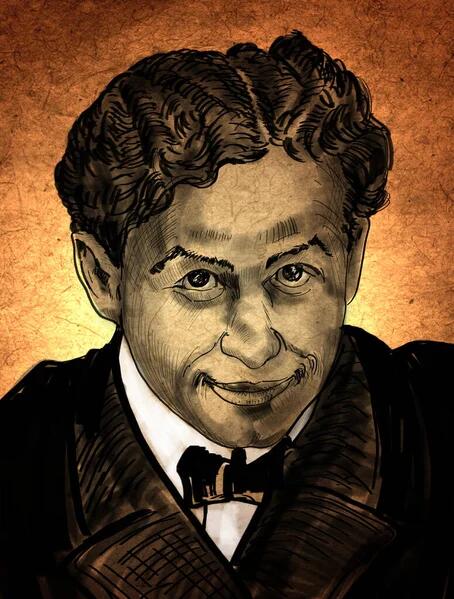
Harry Houdini spent his life escaping chains, locked boxes, water tanks, and death-defying traps, yet his final days were tied to something painfully ordinary. In 1926, the legendary magician died from peritonitis linked to a ruptured appendix after reportedly being punched in the stomach by a student who wanted to test Houdini’s famous abdominal strength.
The strange part is how theatrical the whole story feels. Houdini, the man who built a career around surviving impossible situations, may have ignored serious pain because pain was part of his public image. His death still feels like a cruel final trick, except this time, there was no escape.
Isadora Duncan
Isadora Duncan was one of the most influential dancers of the early 20th century, known for her flowing movements and equally flowing fashion. In 1927, she died in Nice, France, after her long scarf became tangled in the wheel of an open car, strangling her as the vehicle moved.
It sounds almost too cinematic to be real. A woman famous for freedom, motion, and fabric was killed by the very kind of dramatic accessory that helped define her image. Her death became one of the most haunting fashion tragedies in celebrity history.
Brandon Lee
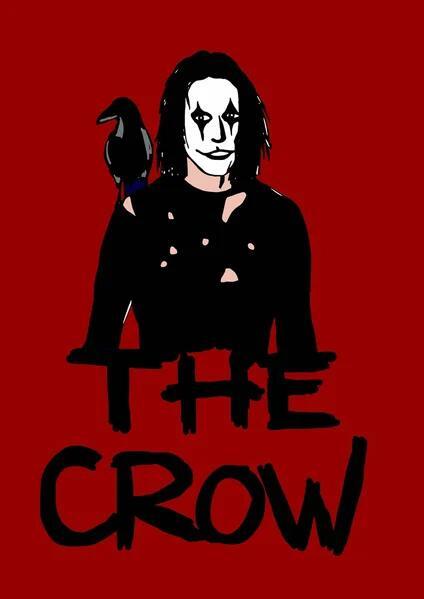
Brandon Lee, son of Bruce Lee, was filming The Crow in 1993 when a prop gun accident turned fatal. A bullet lodged in the barrel during an earlier setup was fired out by a blank round, striking Lee during a scene that was supposed to be acted out as violence, not real danger.
The tragedy feels even stranger because Lee was playing a character who returns from death. He was only 28, and the film later became a cult classic surrounded by grief, myth, and eerie coincidence. Hollywood never fully shook off the shadow of that accident.
Anton Yelchin
Anton Yelchin, best known to many fans from the Star Trek reboot films, died in 2016 in a bizarre driveway accident. His Jeep rolled backward, pinning him against a brick mailbox pillar and a security fence, and the vehicle was part of a safety recall tied to confusing gear selectors.
What makes the death so unsettling is how ordinary the setting was. There was no dangerous stunt, no wild party, no dramatic scene. It was a quiet moment at home that turned deadly in the most unexpected way.
Cass Elliot
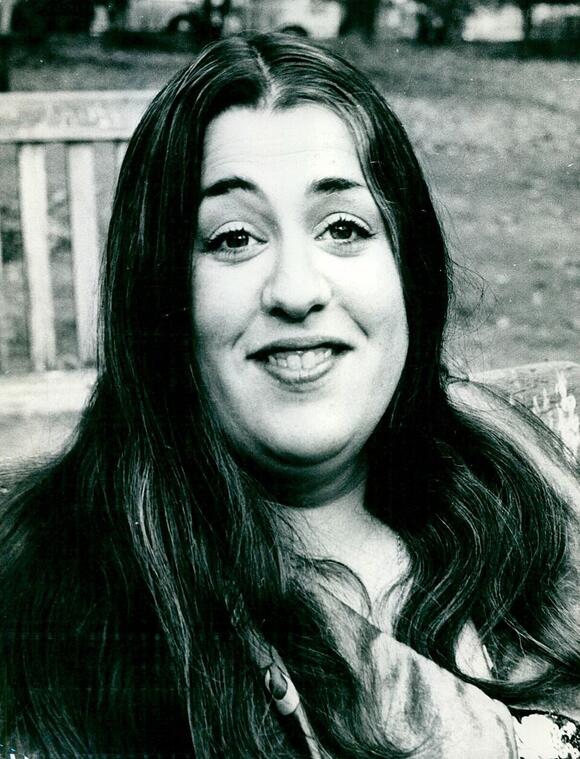
Cass Elliot of The Mamas & the Papas died in 1974 at only 32, but her death became tangled in one of pop culture’s most stubborn false rumors. For decades, many people repeated the story that she choked on a ham sandwich, but her death was caused by a heart attack, and the rumor has continued to distress her family.
The strange part is not just the death itself, but the myth that swallowed her legacy. Elliot was a powerhouse singer with a voice that helped define an era, yet a cruel and inaccurate story followed her name for half a century. Sometimes, the strangest celebrity deaths are strange because of what the public chooses to remember.
Steve Irwin
Steve Irwin built a global following by getting close to dangerous wildlife with joy, knowledge, and fearless curiosity. In 2006, he died after a stingray barb pierced his chest while he was filming underwater near the Great Barrier Reef.
The death shocked people because stingray fatalities are rare, and Irwin had spent years handling animals that seemed far more obviously dangerous. It felt like nature had chosen the least expected creature to take one of its loudest defenders. Even in death, his story served as a reminder that wild animals need not be villains to be dangerous.
Tennessee Williams
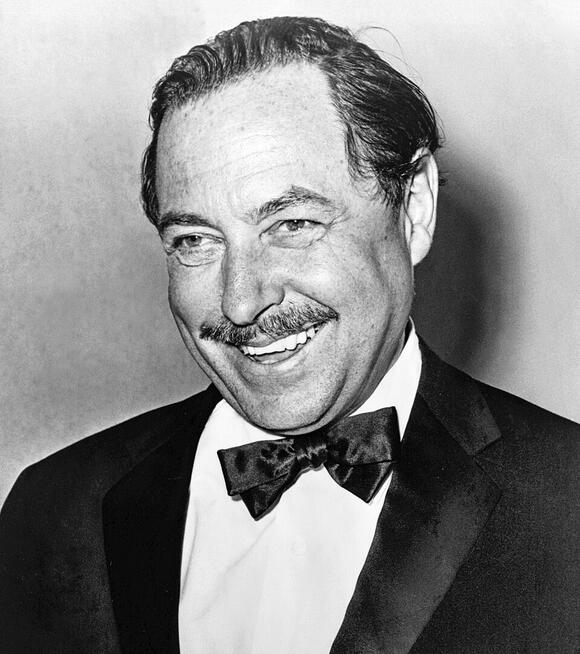
Tennessee Williams, the brilliant playwright behind A Streetcar Named Desire and Cat on a Hot Tin Roof, died in 1983 under circumstances that have long attracted strange retellings. Early reports linked his death to choking on a bottle cap, though later accounts have disputed or complicated that version.
The oddity fits the tragic mood of Williams’s own work. His plays often explored loneliness, addiction, fragility, and collapse behind elegant surfaces. His death, wrapped in confusion and grim detail, almost feels like a final scene from one of his darker dramas.
Conclusion
These stories are strange because they break the usual script of fame. They remind us that celebrity does not protect anyone from bad timing, freak accidents, fragile bodies, or public myths that refuse to die. Behind every bizarre headline was a real person, a real family, and a life bigger than its final moment. That may be the most haunting part of all.