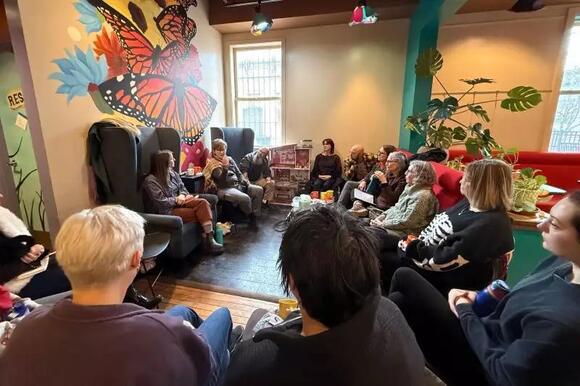
(This content was created with the help of AI.) In churches and cafes around the country, people are gathering over tea, coffee, and snacks, not to distract themselves from their future demise, but to embrace the topic wholeheartedly.
So-called "death cafes" are part of a growing international movement that creates informal spaces for strangers to discuss mortality—a topic many feel is taboo in their usual circles.
As one attendee in Atlanta tells CNN, bringing up death often prompts friends to shift the conversation toward happier topics. But "I don't really regard death as an unhappy topic," the woman says.
"I find it a necessary conversation."
At free "death cafe" events, facilitators—often end-of-life doulas—mainly encourage open and honest communication. Participants range from students to retirees, and often laughter erupts.
Attendees swap stories about near-death experiences, mass shootings, dying parents who begin talking to long-dead relatives, and questions about what, if anything, happens after the body grows cold.
As CNN reports, research suggests these conversations can reduce anxiety about death, build community, and strengthen emotional resilience, particularly in a US culture described as both "death-anxious" and youth-focused.
Want to know more in just minutes? We deliver the news the way we like it—really short and unbiased.
Subscribe to Newser newsletters.
The concept traces back to Swiss sociologist Bernard Crettaz, who launched "Cafe Mortels" in 2004 to confront what he called death's status as "a ghost that lives with us." A British organizer later adapted the idea and launched the Death Cafe website in 2011; the project counts more than 20,000 death cafes in 93 countries.
There are more than 11,000 in the US, per Axios. For some attendees, the discussions lead to practical planning for end of life. Others simply value being in a room where talking about death is normal.
It can offer "a crazy good reminder to live every single day," an attendee in San Antonio tells Axios. At the very least, it "won't kill you," an Atlanta facilitator tells CNN.
More From Newser