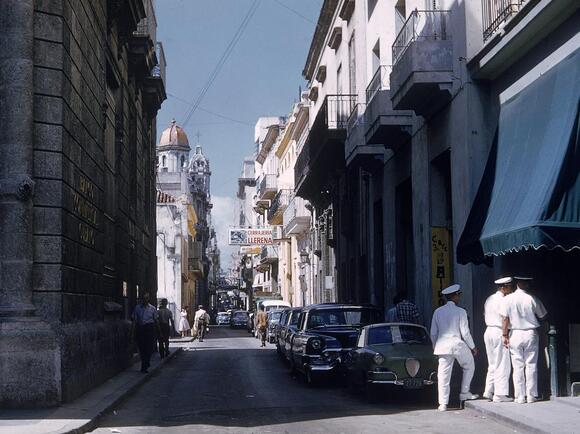
Hulton Archive/Getty Images
- Before 1959, Cuba was one of the most developed but unequal countries in Latin America.
- Havana dazzled American and global tourists with casinos, cabarets, and luxury hotels.
- Rural Cubans often faced poverty and seasonal unemployment, leading to the rise of Fidel Castro.
On New Year's Eve 1958, when the sun set on Cuba, it was one of the Caribbean's most glamorous destinations for American travelers, often sold through images of grand hotels, extravagant cabarets, glittering casinos, tropical beaches, and rum-soaked nightlife.
By the next morning, that world had begun to unravel: Fulgencio Batista had fled the island, Fidel Castro's revolution was on its way to power, and Cuba was entering a political era that would reshape its relationship with the US for decades to come.
Last week, the US indicted former Cuban President Raúl Castro, the younger brother of Fidel Castro and one of the central figures in the revolutionary coalition that remade Cuba's political order in 1959.
The charges stem from the 1996 shootdown of two unarmed civilian planes operated by a Miami-based exile group that searched the Florida Straits for Cuban migrants in distress.
US prosecutors allege that the planes were shot down over international waters, killing four people, including three US citizens, and have charged Castro, who was Cuba's defense minister at the time, alongside five other Cuban officials.
"For 30 years, the families of these men have waited. The Miami community has waited. Our country has waited. Today is a step toward accountability," said US Attorney Jason A. Reding Quiñones for the Southern District of Florida.
Cuban President Miguel Díaz-Canel rejected the indictment and accused the US of lying and imposing collective punishment on Cubans, the BBC reported. Díaz-Canel also said the charges against Castro were being used to "justify the folly of a military aggression against Cuba."
For decades, relations between the US and Cuba have been tumultuous.
In 2014, under President Barack Obama, the US and then-Cuban President Raúl Castro announced a move toward normalizing relations, which led to the reopening of embassies in 2015. The move was partially reversed under Trump's first administration, which tightened travel rules and sanctions in 2017.
The recent indictment and the uncertainty over whether — and how — Castro could ever be prosecuted in a US courtroom have raised new questions about the future of US-Cuba relations. (Now 94, Castro still lives in Cuba, where he typically keeps a low profile.)
For some, it has raised concerns that the US could pursue a military operation in Cuba similar to Operation Absolute Resolve, which brought Venezuela's Nicolás Maduro into US custody.
But for Cubans, it has also pushed nearly seven decades of political history back into the spotlight, from the mythology of pre-revolutionary Cuba to the exodus that drove millions to flee the island.
These vintage photos show how Cuba looked before the Castros and their allies took power — from the hotels, cabarets, and boulevards of Havana to the rural communities where poverty and inequality helped fuel the revolution.
In the 1950s, Cuba was one of the most developed countries in Latin America.
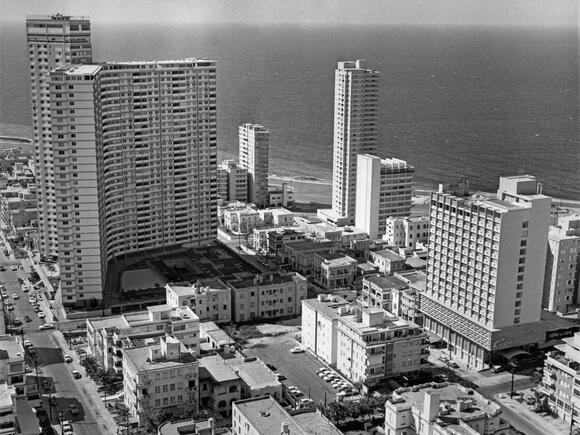
Central Press/Getty Images
Daily life in Havana was that of a Latin American metropolis.
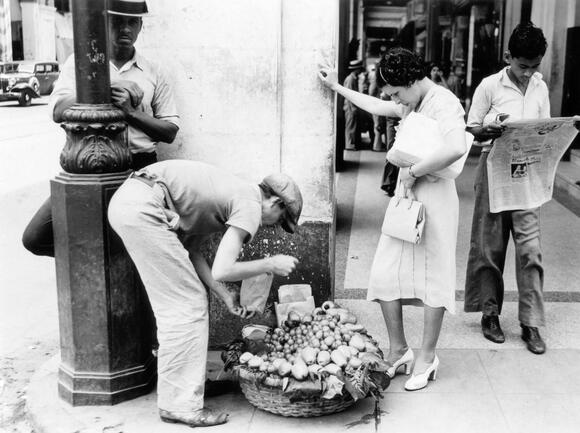
A. T. Palmer/ClassicStock/Getty Images
Electric tramways had connected Havana neighborhoods since the early 1900s, giving the city a modern public transit system.
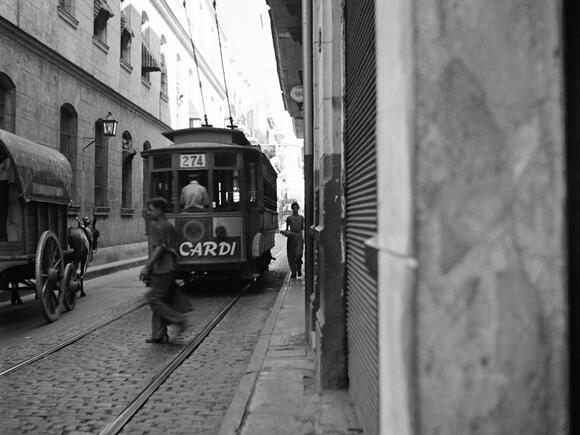
Michael Ochs Archives/Getty Images
By the 1940s and 1950s, the city had been modernized with roads and high-rises.
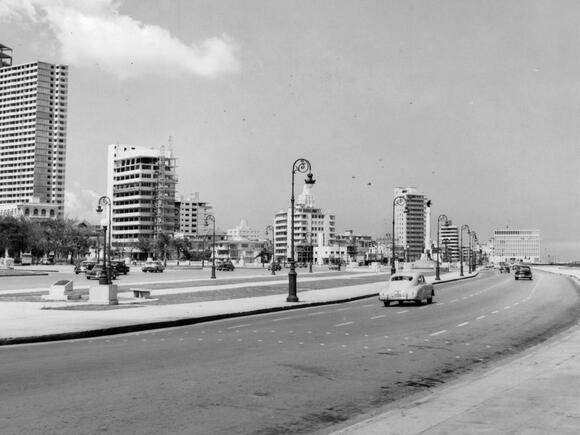
Pictorial Parade/Getty Images
Much of the national economy was built around sugar exports.
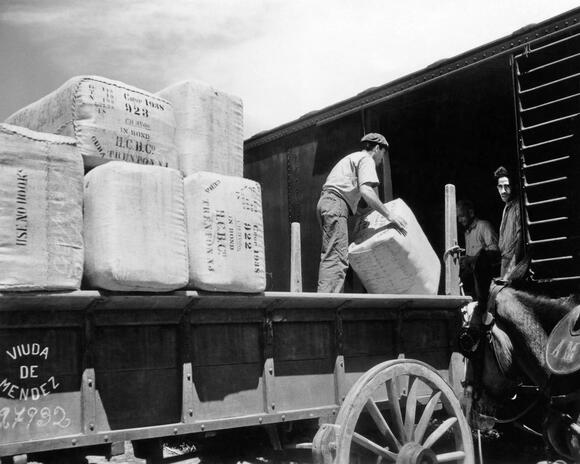
A. T. Palmer/ClassicStock/Getty Images
Havana's streets were bustling with commerce and activity.
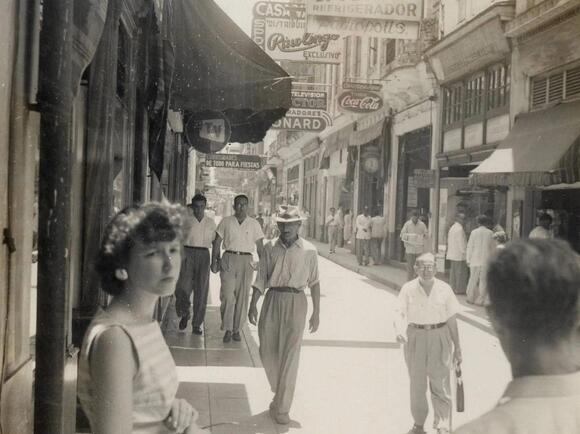
The Harrington Family Collection/Getty Images
Relations with the US were close, and the US maintained a strong presence at its naval base at Guantánamo Bay.
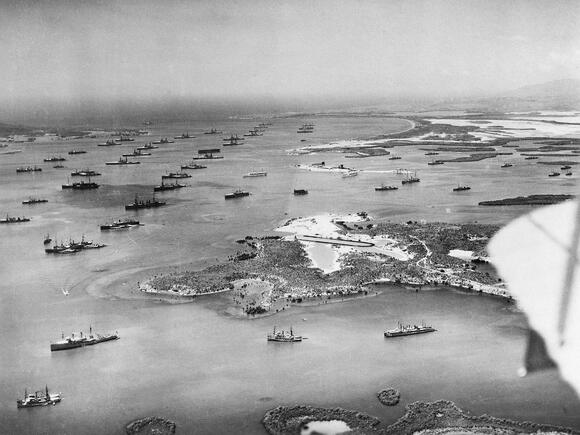
Bettmann/Bettmann Archive
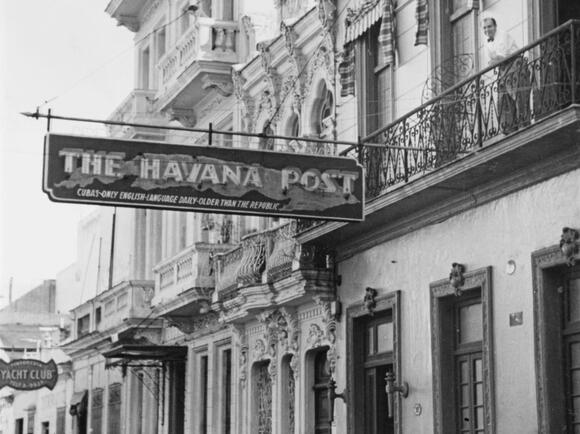
US influence was widely felt, and Havana even had English-language newspapers.
Evans/Getty Images
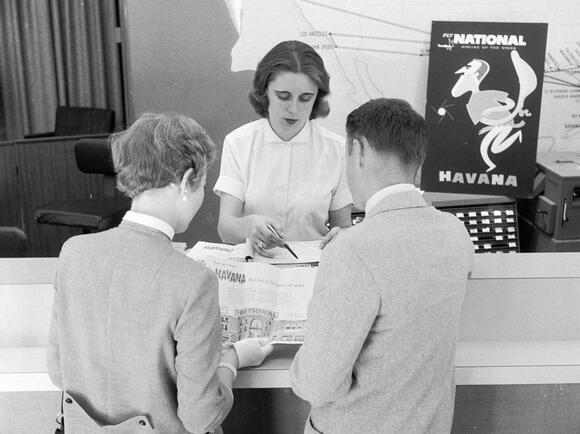
The city became a hot spot for American tourists in the 1920s and again in the 1950s.
Interim Archives/Getty Images
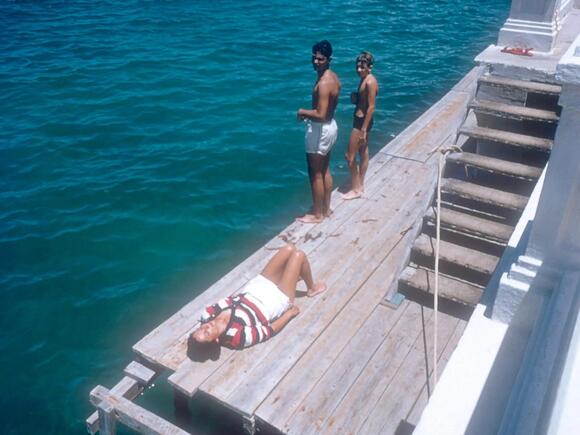
For American and foreign tourists, Cuba was a tropical getaway right at their doorstep.
Hy Peskin Archive/Getty Images
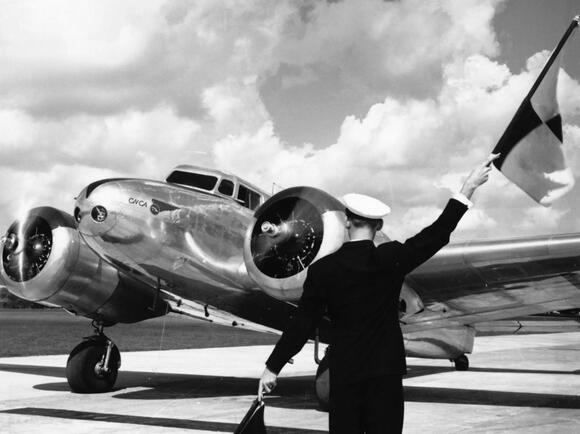
Regular air service connected Havana with Miami and other international destinations by the 1950s.
Bettmann/Bettmann Archive
The island's tropical weather and luxurious hotels drew large numbers of tourists to Havana.
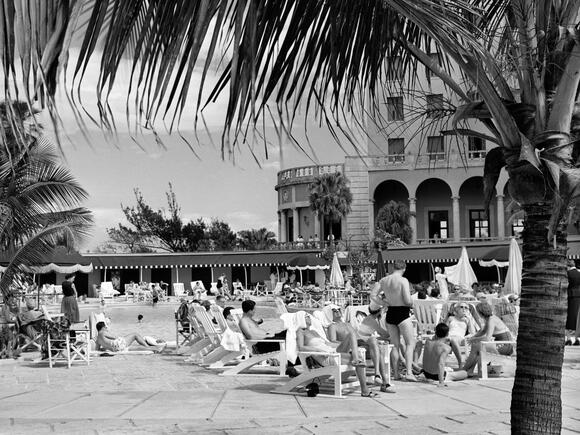
H. Armstrong Roberts/ClassicStock/Getty Images
The Havana Grand Prix brought international racers to the island in the late 1950s.
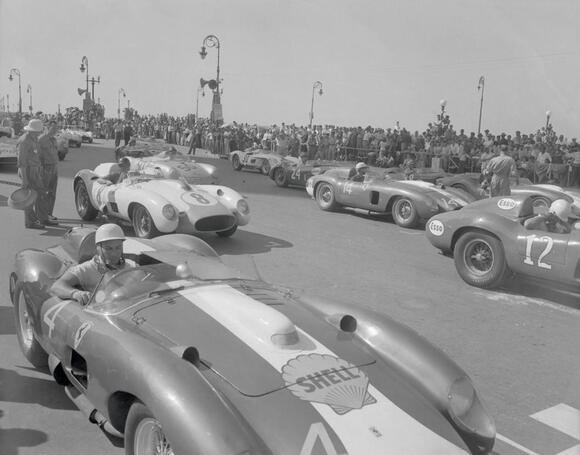
Bettmann/Bettmann Archive
Equestrian races were also popular social events among parts of the island's elites.
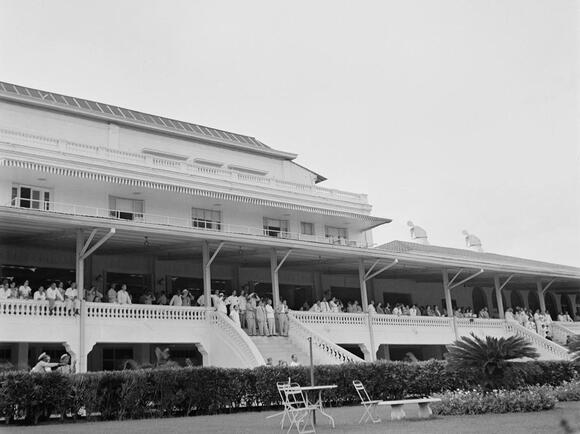
Michael Ochs Archives/Getty Images
The 630-room Habana Hilton was billed as the tallest and largest hotel in Latin America when it opened.
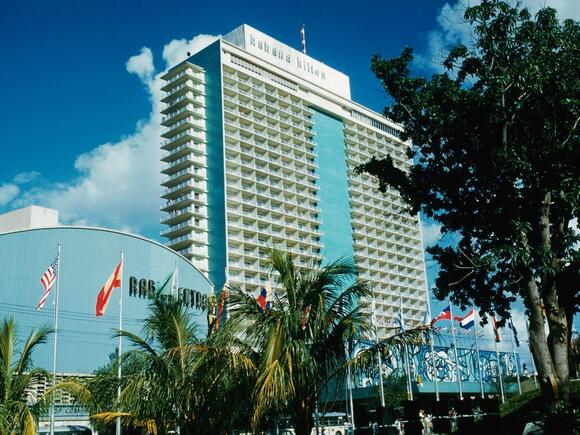
Harvey Meston/Getty Images
Havana's nightclubs and cabarets defined the island's global image.
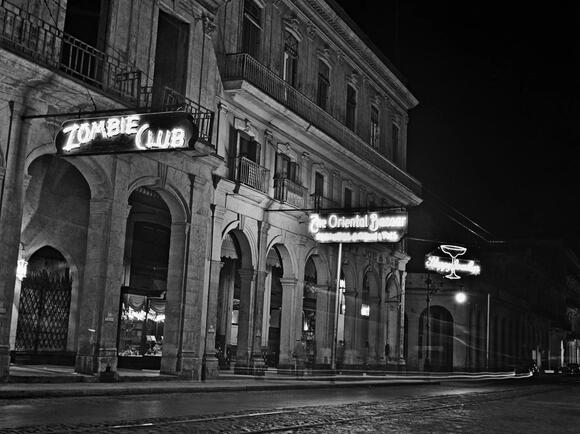
Michael Ochs Archives/Getty Images
Club Tropicana was one of the country's major cabarets, and its performances were renowned.
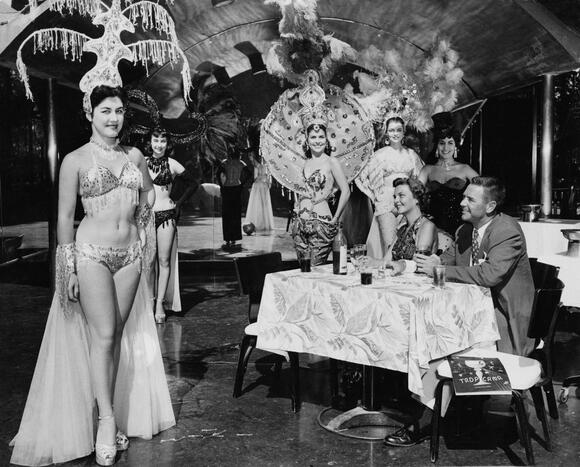
Archive Photos/Getty Images
Genres like son, mambo, rumba, bolero, and cha-cha-chá were the soundtrack to the island and shaped its identity.
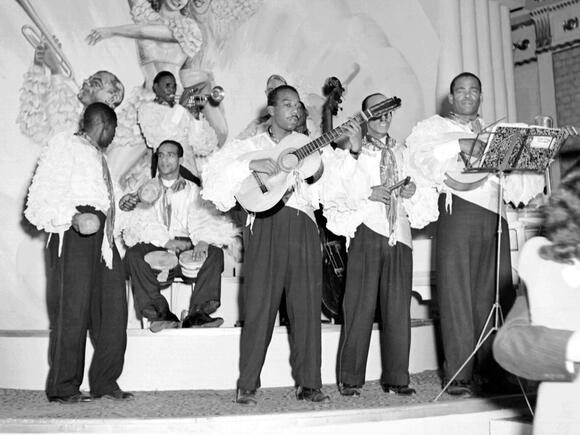
Earl Leaf/Michael Ochs Archives/Getty Images
Havana even had its own Coney Island.
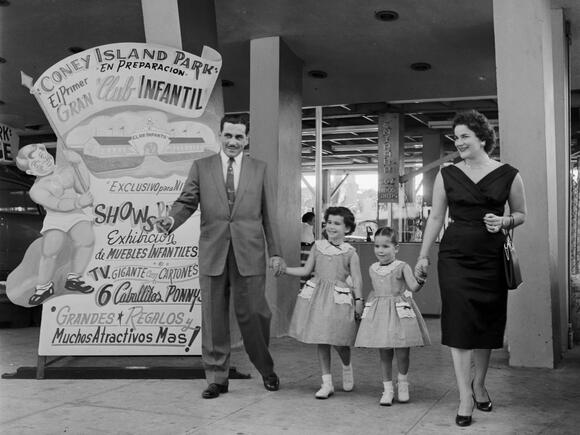
Evans/Getty Images
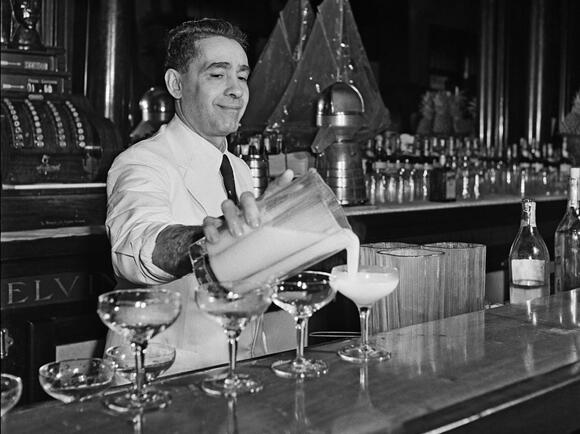
Havana's hospitality culture popularized classic cocktails like the daiquiri, mojito, and Cuba libre.
Michael Ochs Archives/Getty Images
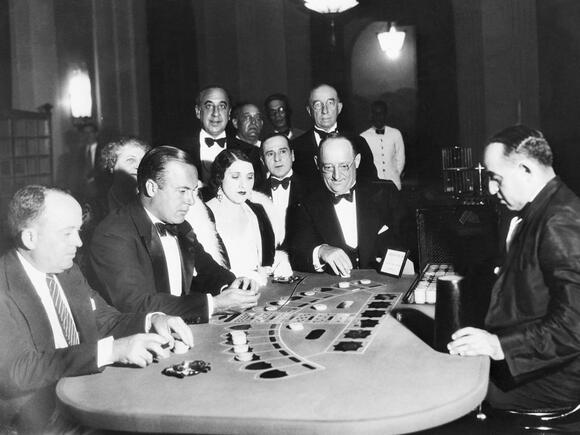
The island also became known for gambling, vice, and organized crime.
Bettmann/Bettmann Archive
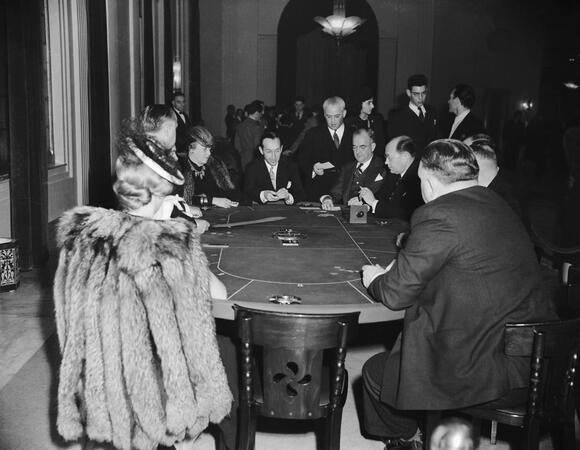
Mob bosses often had interests in some of the city's most notable hotels, casinos, and cabarets.
Bettmann/Bettmann Archive
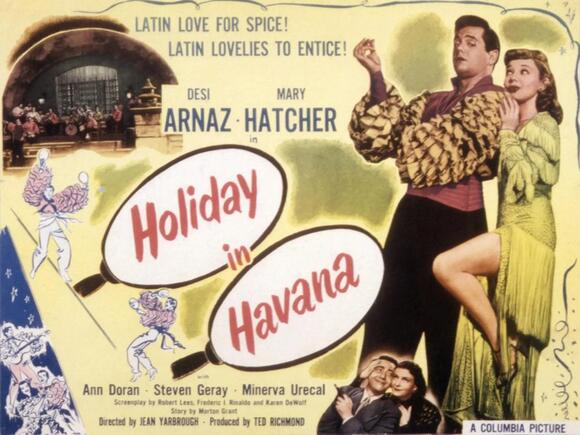
The perception of Cuba's culture inspired Hollywood images of tropical glamour, romance, nightlife, and danger.
LMPC/LMPC via Getty Images
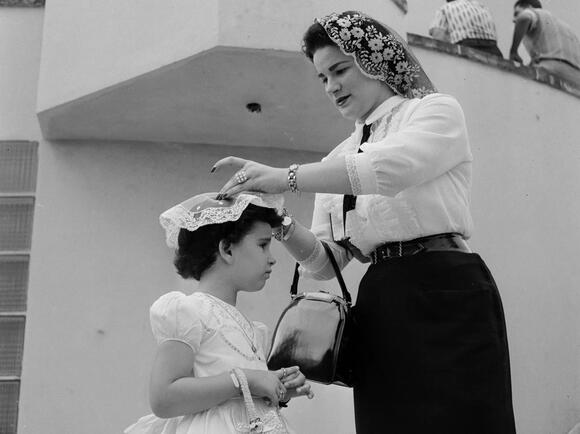
Despite Havana's sometimes scandalous reputation, Cuba remained a majority Catholic country.
Evans/Getty Images
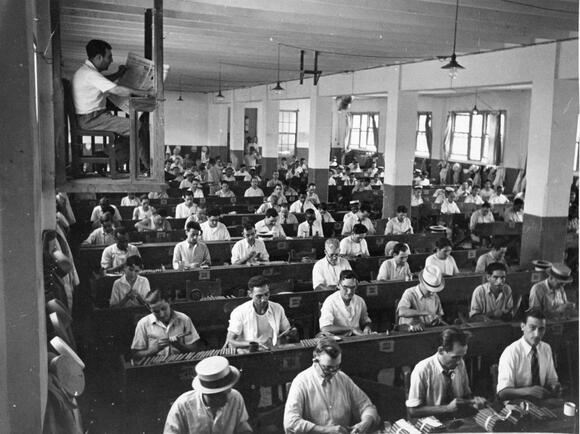
Cigar rolling remained a major source of employment in Havana, alongside tourism, hospitality, and commerce.
Lionel Green/Getty Images
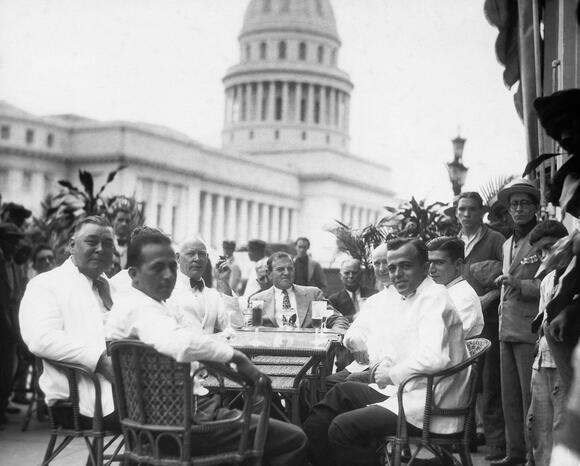
However, Cuba's political and economic elite often saw a very different country from the one rural Cubans lived in.
Bettmann/Bettmann Archive
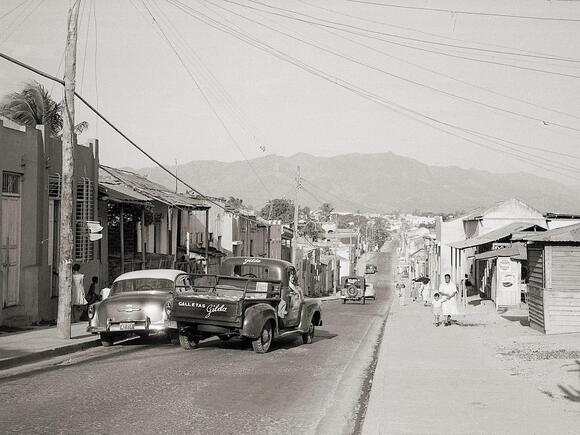
Life in those rural areas often looked sharply different from the glamour of Havana.
Bettmann/Bettmann Archive
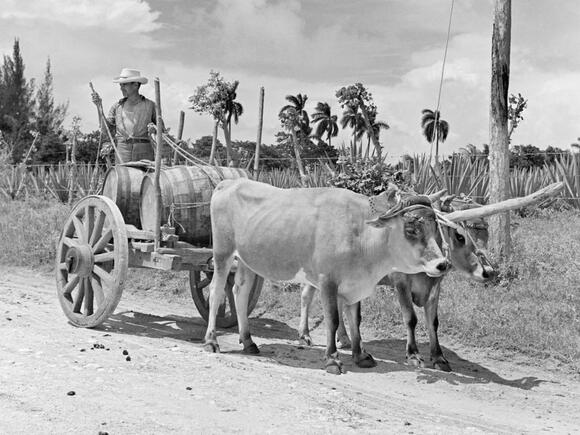
Horses, ox carts, and wagons remained some of the main forms of transportation.
H. Armstrong Roberts/ClassicStock/Getty Images
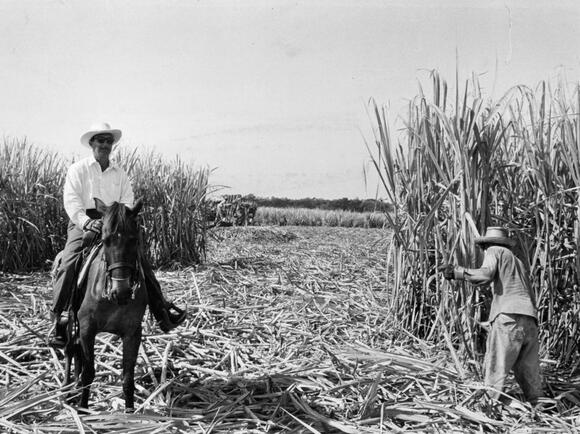
In the sugar and tobacco fields, labor conditions were difficult and seasonally insecure.
Pictorial Parade/Getty Images
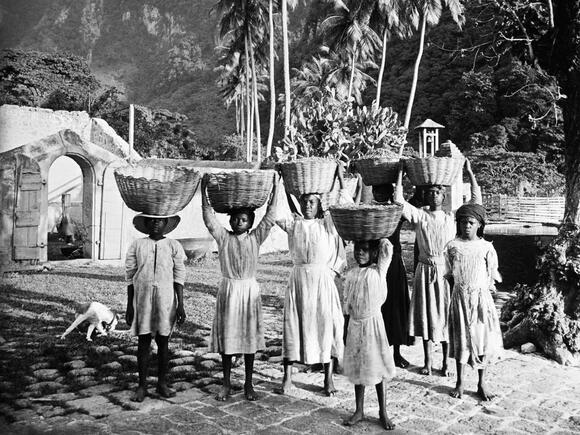
Poverty and child labor were visible problems in Cuba's countryside.
Keystone-France/Gamma-Keystone via Getty Images
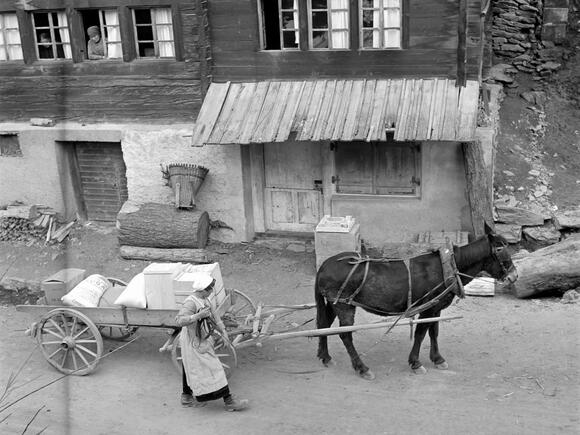
People in rural areas often lacked access to education, medical care, electricity, running water, and sanitation.
ullstein bild Dtl./ullstein bild via Getty Images
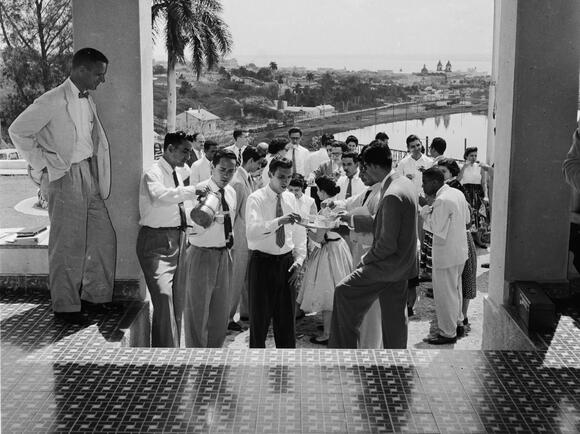
Education was one of Cuba's strengths by regional standards, but access was uneven.
Evans/Getty Images
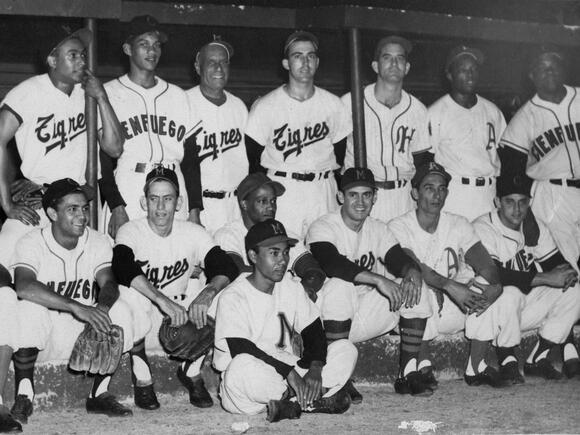
Baseball was the country's signature sport.
Transcendental Graphics/Getty Images
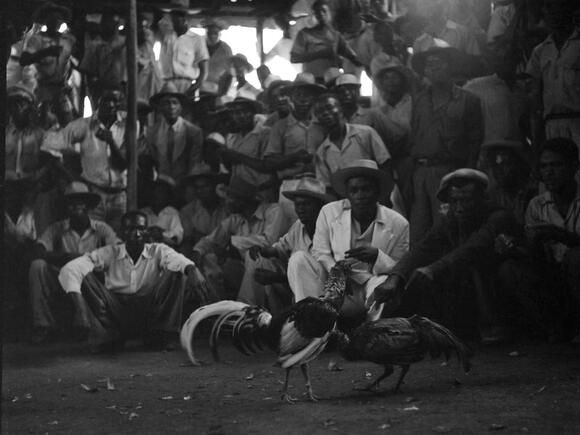
In poorer and rural communities, cockfighting was a common pastime and form of gambling.
Michael Ochs Archives/Getty Images
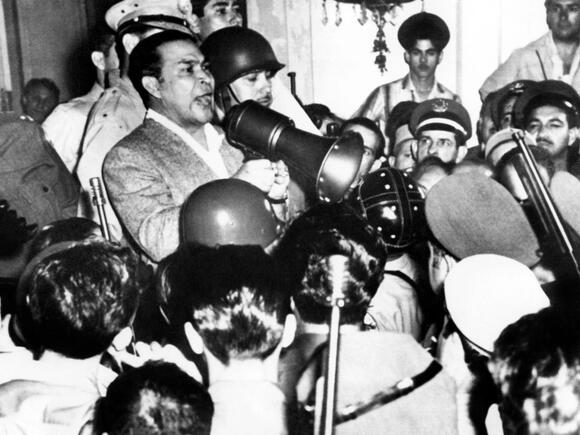
By the late 1950s, Fulgencio Batista's dictatorship had become increasingly violent.
ACME / AFP
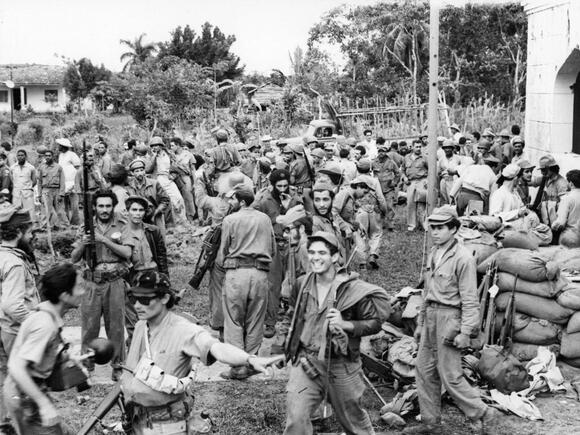
Castro's rebel movement had gained support in parts of rural eastern Cuba by 1958.
ullstein bild Dtl./ullstein bild via Getty Images
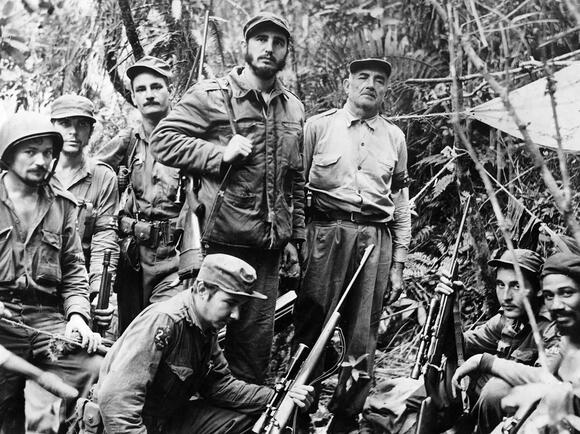
The following year, Fidel Castro, Raúl Castro, Che Guevara, and their allies took control after Batista fled Cuba.
Universal History Archive/Universal History Archive/Universal Images Group via Getty Images
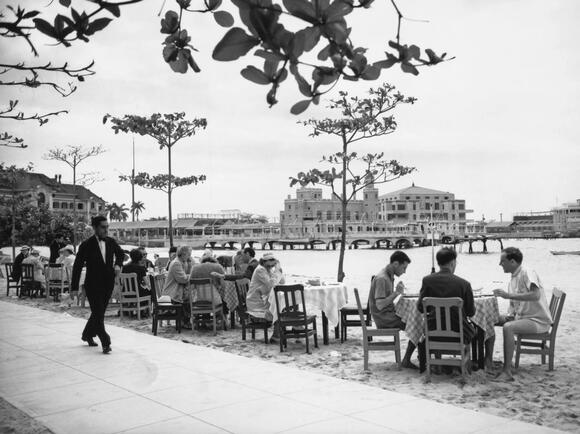
Although some hotels and casinos reopened after the revolution, the old tourism economy never recovered.
Fox Photos/Getty Images
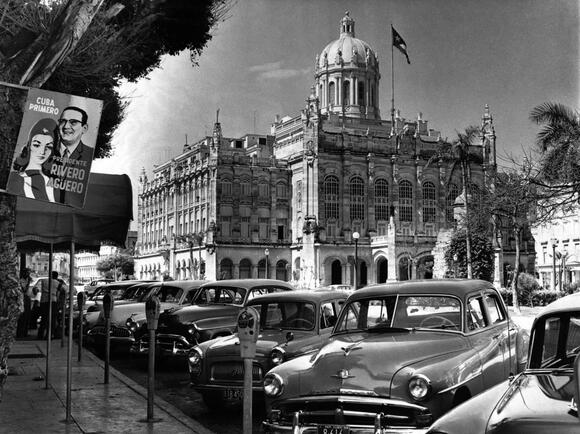
Today, parts of Havana still resemble the city seen in old photographs, though decades of age, neglect, and a changing political landscape have altered it.
Hulton Deutsch/Corbis via Getty Images
Read the original article on Business Insider