Marijuana is far from a “silver bullet” for various illnesses, but it has some promising applications, scientists say
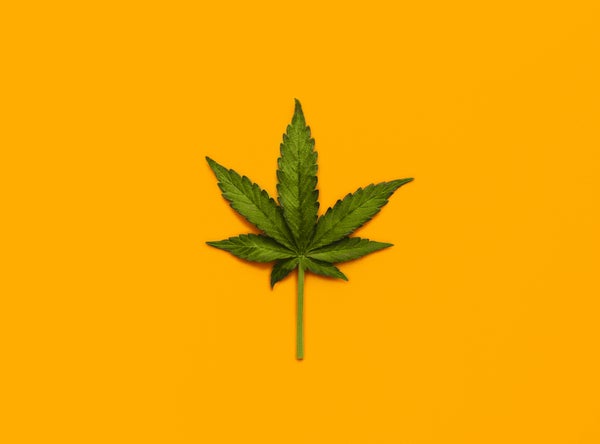
Victoria Bee Photography/Getty Images
Medical marijuana could finally be inching toward federal approval. After decades of advocacy from cannabis proponents and the marijuana industry, the Trump administration is moving to ease some cannabis restrictions and boost research on the drug’s therapeutic uses. Most U.S. states—40 in all—and the Washington, D.C., already allow medical marijuana as a treatment for dozens of conditions, from arthritis to inflammatory bowel disease, hepatitis C, cancer, glaucoma, Alzheimer’s, and more. But despite cannabis’s popularity, experts say that the scientific evidence as to whether it can actually treat many of these health issues is often thin—though promising.
“Some people will have you believe that it can help every condition,” says Jack Wilson, a postdoctoral research fellow at the Matilda Center for Research in Mental Health and Substance Use at the University of Sydney in Australia. “They think that it’s some sort of silver bullet, but that’s just not the case.”
Cannabis is inherently difficult to study. The plant, Cannabis sativa, contains hundreds of compounds, including more than 100 cannabinoids—and each of these may have their own potential health effects. Furthermore, people take cannabis in myriad different forms—flowers, waxes, edibles, tinctures, creams, suppositories, and more—and at varying doses. It has also been highly controlled on the federal level, where cannabis has been broadly considered to be in the same class of drugs as heroin and LSD. And that has made research hard to do and expensive because it has required labs to get extra federal permissions and to invest in extra layers of security.
It’s Time to Stand Up for Science
If you enjoyed this article, I’d like to ask for your support. Scientific American has served as an advocate for science and industry for 180 years, and right now may be the most critical moment in that two-century history.
I’ve been a Scientific American subscriber since I was 12 years old, and it helped shape the way I look at the world. SciAm always educates and delights me, and inspires a sense of awe for our vast, beautiful universe. I hope it does that for you, too.
If you subscribe to Scientific American, you help ensure that our coverage is centered on meaningful research and discovery; that we have the resources to report on the decisions that threaten labs across the U.S.; and that we support both budding and working scientists at a time when the value of science itself too often goes unrecognized.
In return, you get essential news, captivating podcasts, brilliant infographics, can't-miss newsletters, must-watch videos, challenging games, and the science world's best writing and reporting. You can even gift someone a subscription.
There has never been a more important time for us to stand up and show why science matters. I hope you’ll support us in that mission.