1. The Cholita Climbers of Bolivia
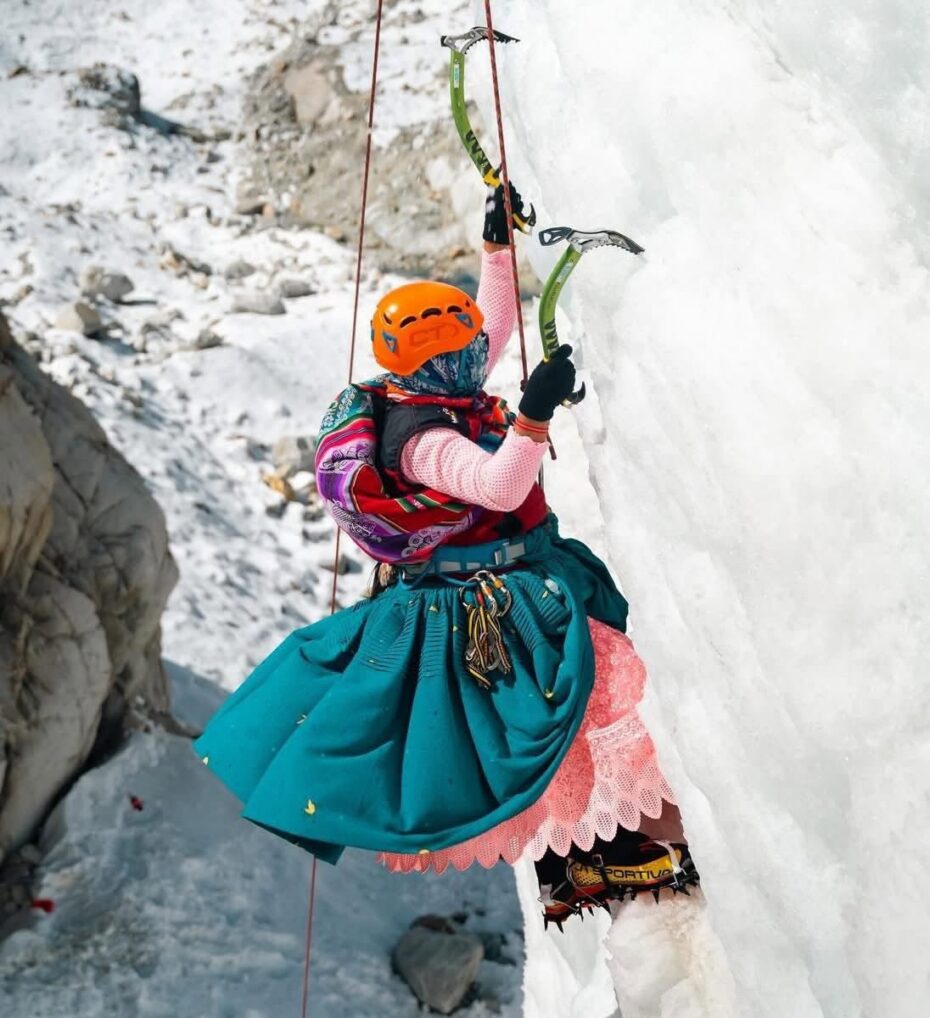
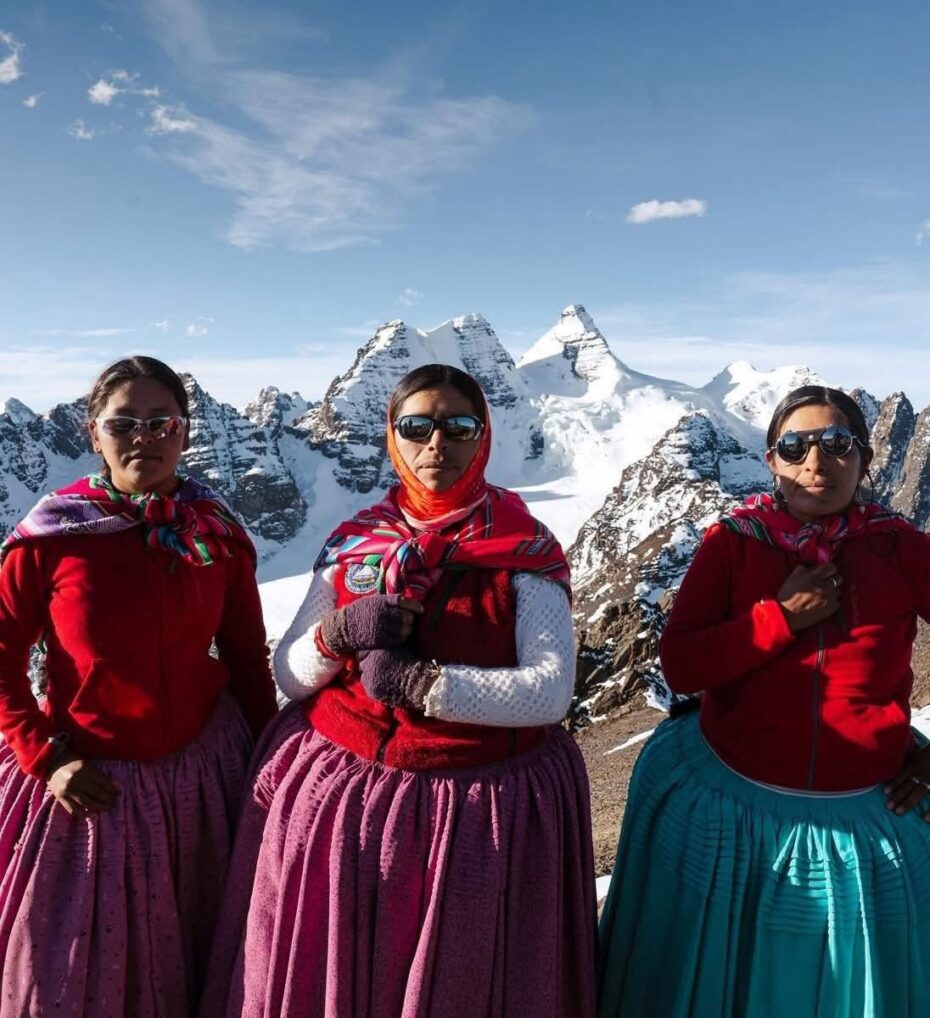
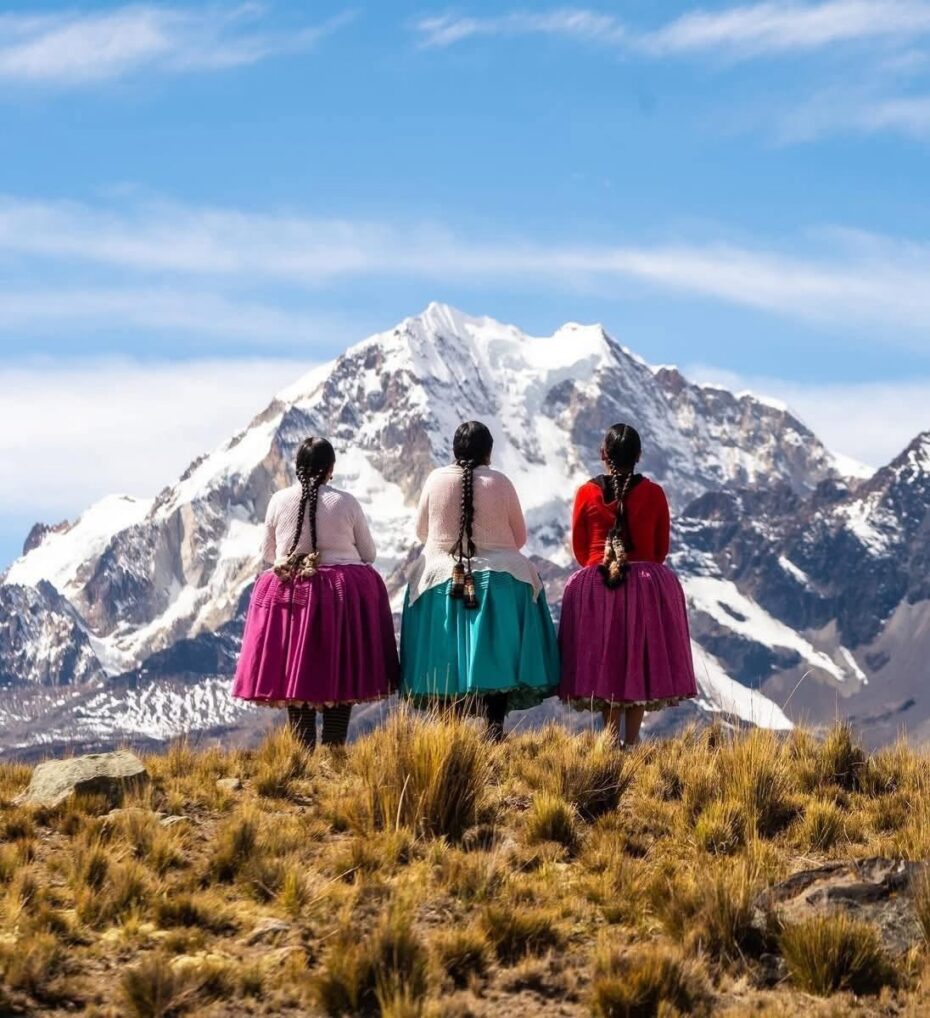
Photographed by David Jácome



 Now Playing
Up NextiPhone 16e Review: Lightweight Power in a Beautiful Package
 Now Playing
Up NextTop 15 coolest gadgets you can buy online
 Now Playing
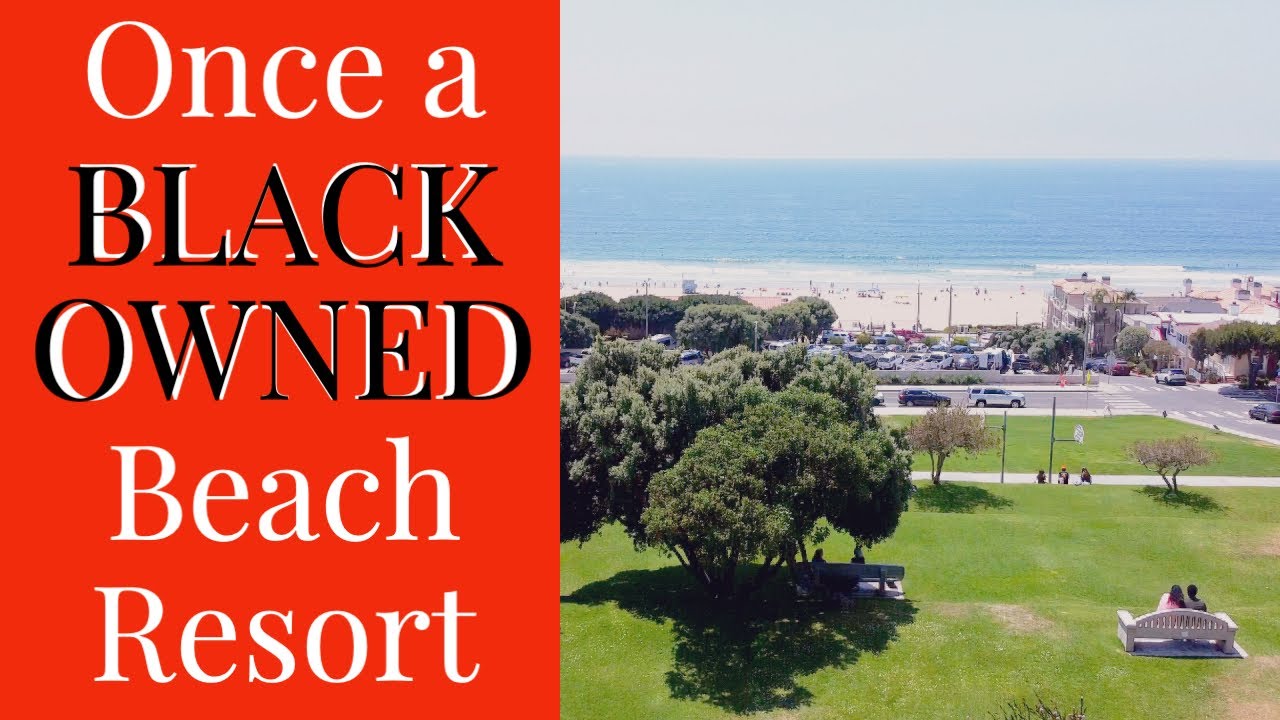
Up NextLegacy of a Stolen Black Owned Beach | Bruce's Beach
 Now Playing
Up NextChuck D LADY B
 Now Playing
Up NextTop 15 Candies That Will Take You Back To Your Childhood
 Now Playing
Up Next5 Best Men's Wallets For Everyday Carry 2023
 Now Playing
Up NextTop 5 Awful Celebrities Who Are Permanently Cancelled
 Now Playing
Up NextWhat Are the Three Principles of a Good Fitness Plan?
 Now Playing
Up NextDelving into the Fusion of Technology and Aesthetics: Unveiling Artificial Beauty
 Now Playing
Up NextWhy This City Has America's Weirdest Road Names


The Cholita Climbers of Bolivia, or Las Cholitas Escaladoras Bolivianas, are a group of Indigenous, Aymara, women mountaineers who climb peaks in Latin America. They do not wear modern mountaineering clothing, preferring instead their traditional costumes including polleras, brightly colored, full, pleated skirts with many under skirts. They do wear helmets and boots and use crampons, ice picks and ropes but carry their equipment on their backs in traditional shawls. The group was founded in 2015 by local women including Cecilia Llusco Alaña. The women are part of a tight knit community who work and live in the mountains. Their most notable expedition was on January 23, 2019 when they became the first Aymara women to summit Aconcagua, the highest mountain in the Americas.
2. A Royal Wardrobe Trunk With Ties to Marie Antoinette up for Auction
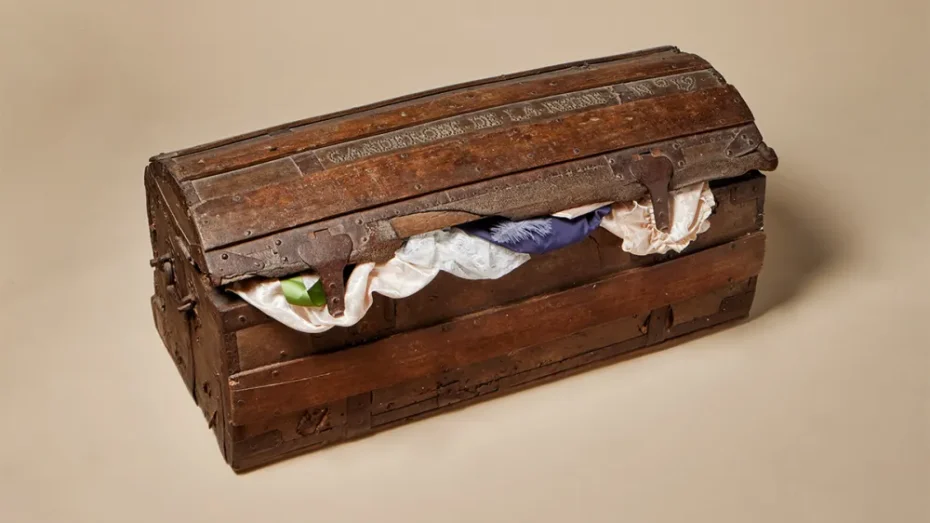
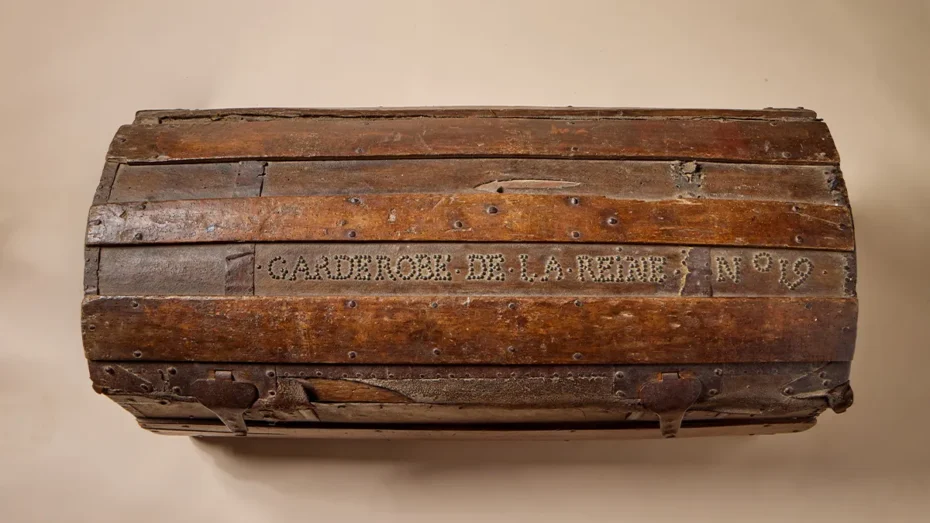
The sale at Sotheby’s takes place this June.
3. The Tatter Textile Library in Brooklyn
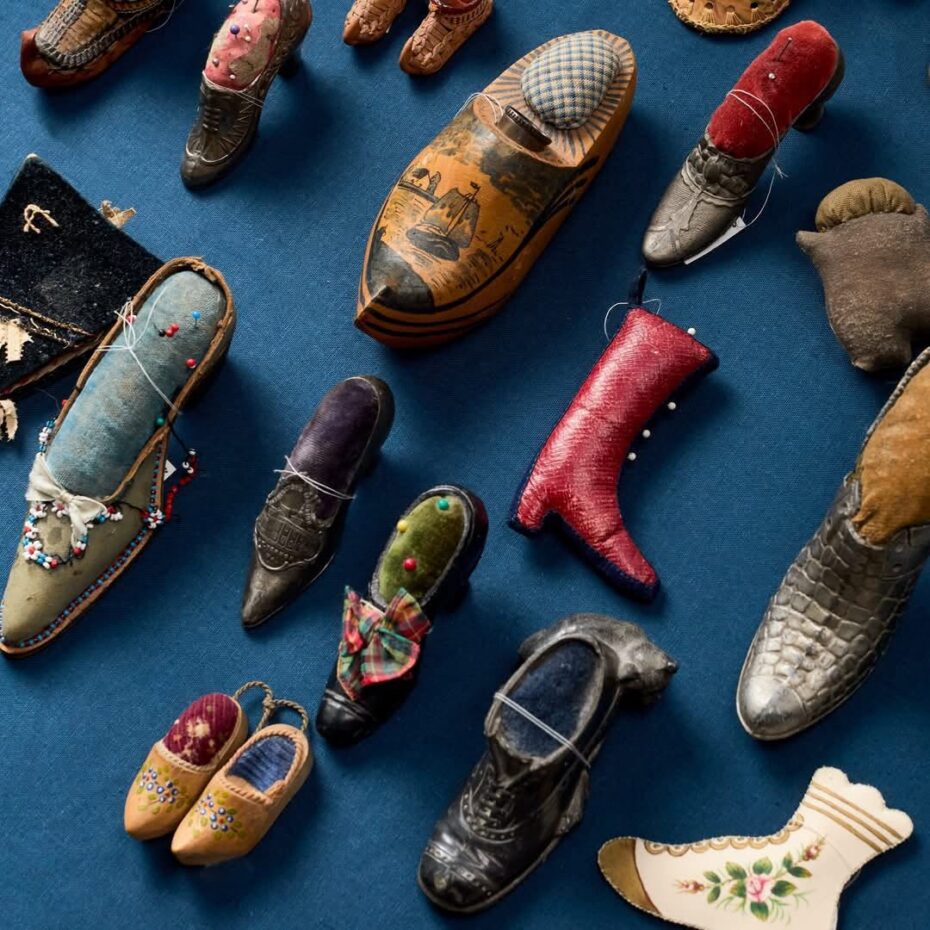
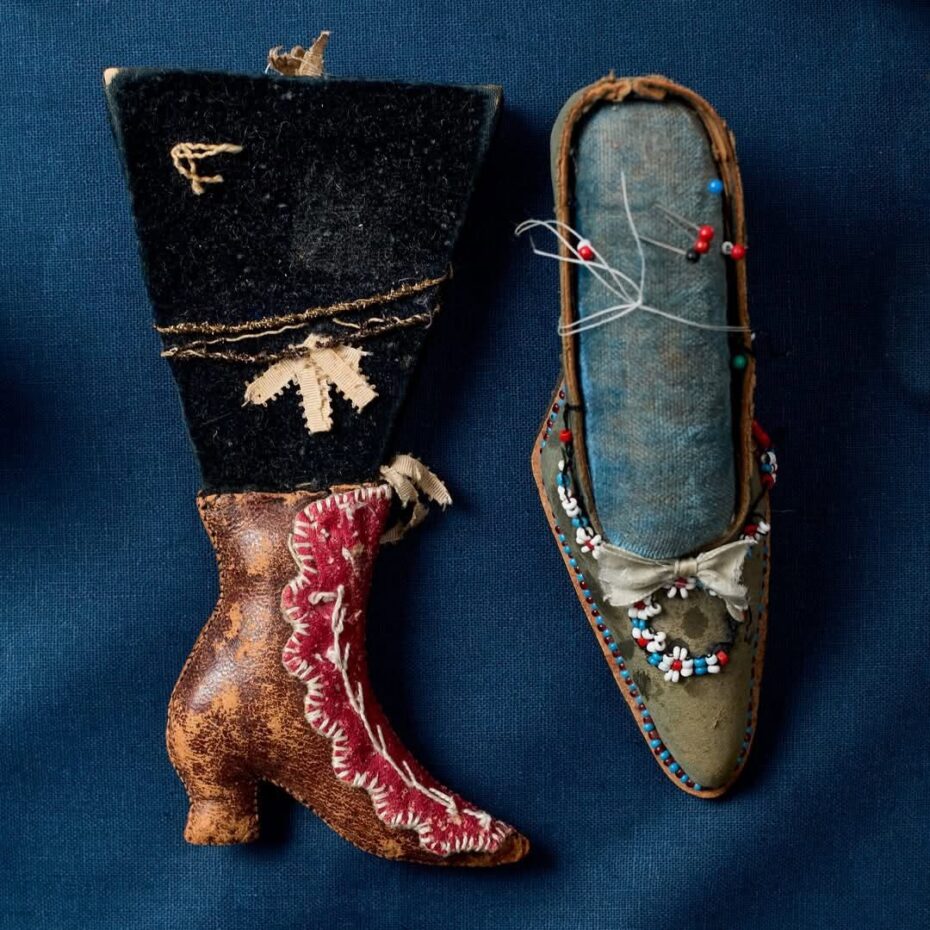
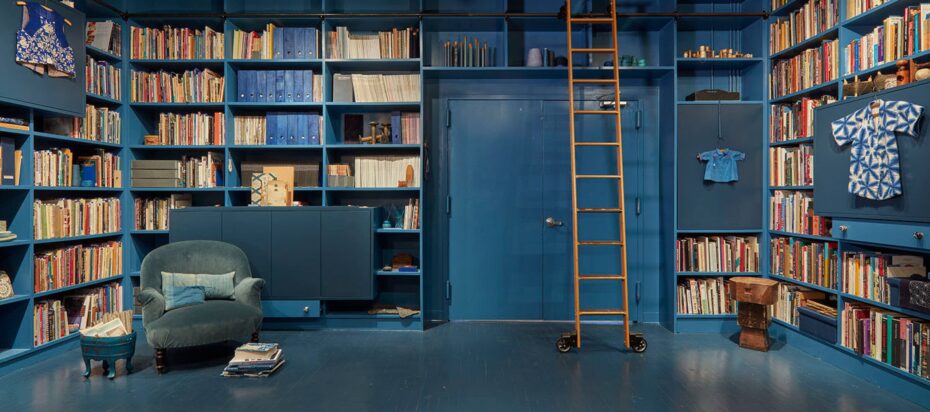
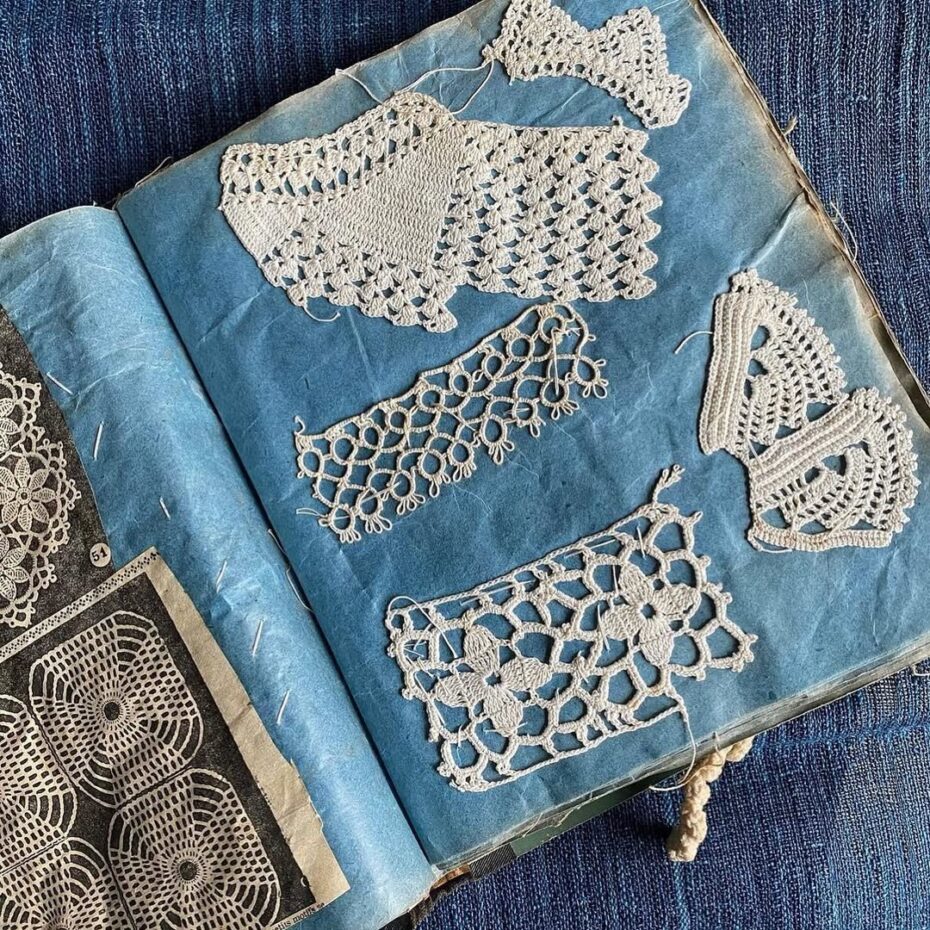
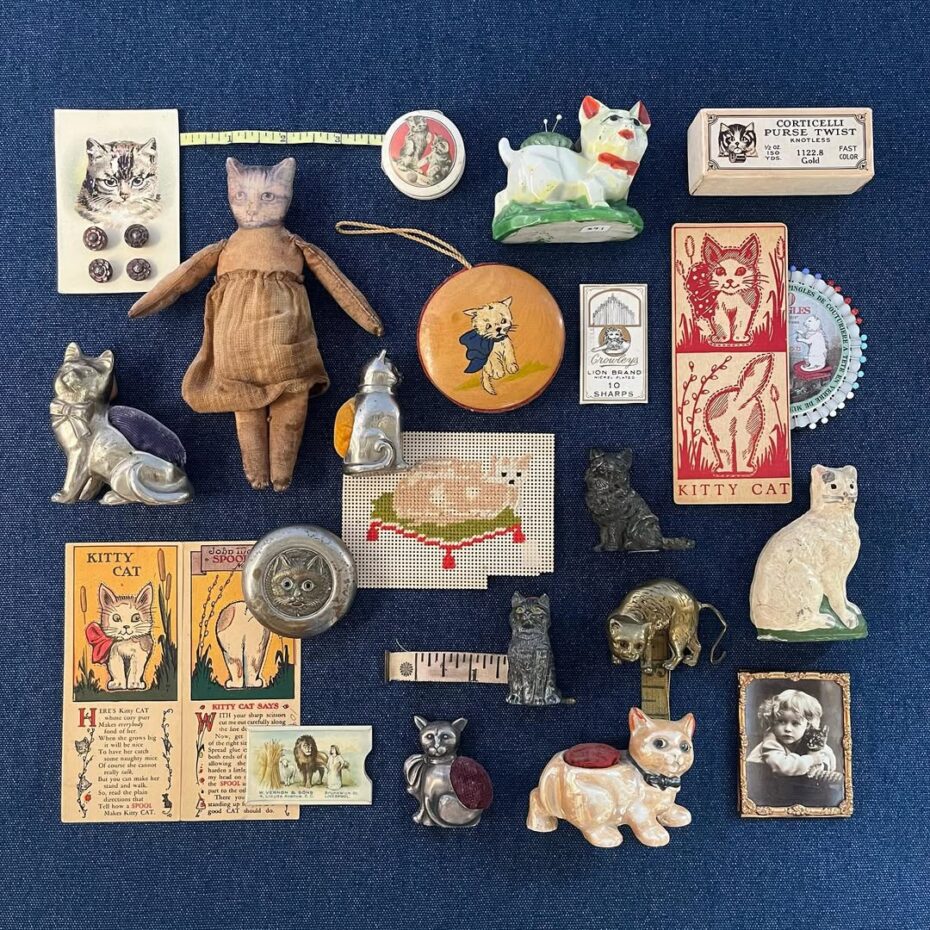
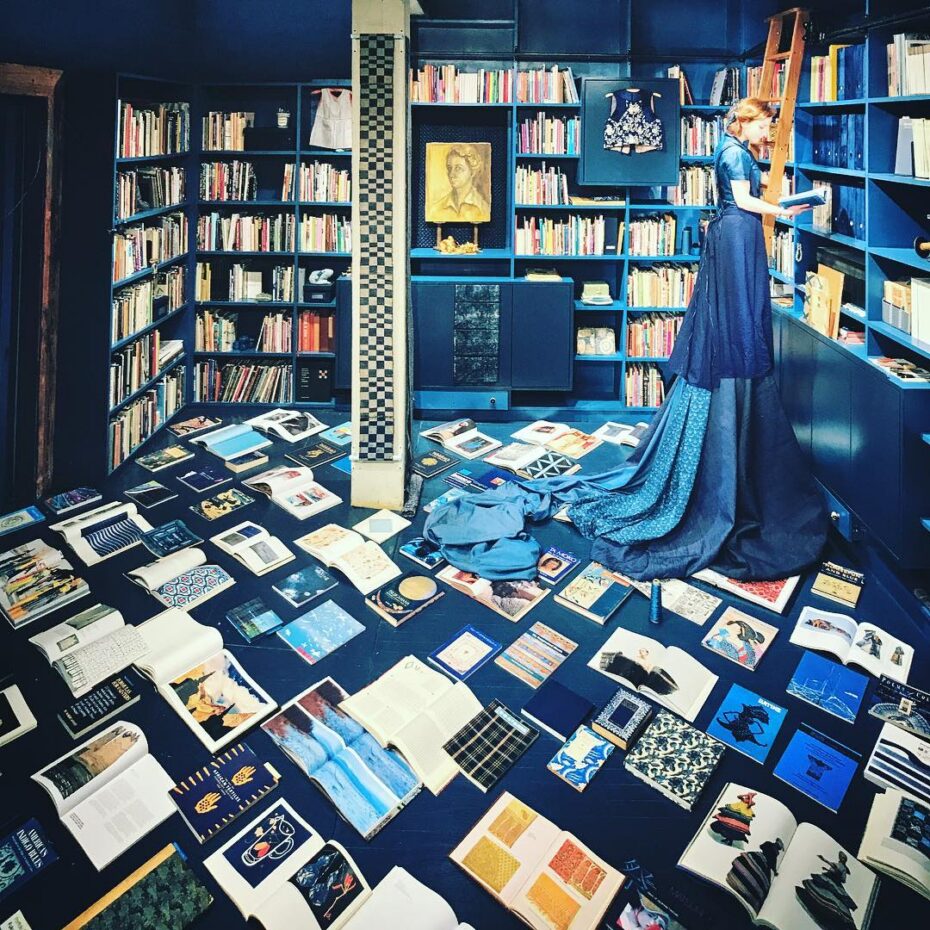
When the internet leads me to discover places like this, my faith is restored:
BLUE, The TATTER Textile Library, opened its doors in June of 2017. Serving as both an interactive, ongoing art-installation as well as an academic research library, BLUE is an ever-growing home to 10,000 books, journals, exhibition catalogs and objects that examine and celebrate the global history, traditions, makers, craft and beauty of textiles. Open to the public by appointment, BLUE is an immersive reading and learning space. It offers visitors an aesthetic and tactile experience in its carefully chosen hues and textures. Different from traditional libraries, the intense presence of color evokes the complex relationship between humans and cloth. The saturation reminds us not just of the cultural and economic significance of color, but also that textiles permeate all industries and aspects of human life. BLUE is an exercise in legacy, interweaving the personal collections of three women: Edith Robinson Wyle (1918-1999), founder of the Craft and Folk Art Museum in Los Angeles, her granddaughter Jordana Munk Martin, founder of TATTER, and Carol Westfall (1938-2016), renowned fiber artist and professor.
Discover more here.
4. The mesmerising integration of choreography, costumes, and lighting design from “The First Lady of Las Vegas”, Lola Falana
5. A Collection of Rare Photos of Men in the 1800s in Intimate Embraces
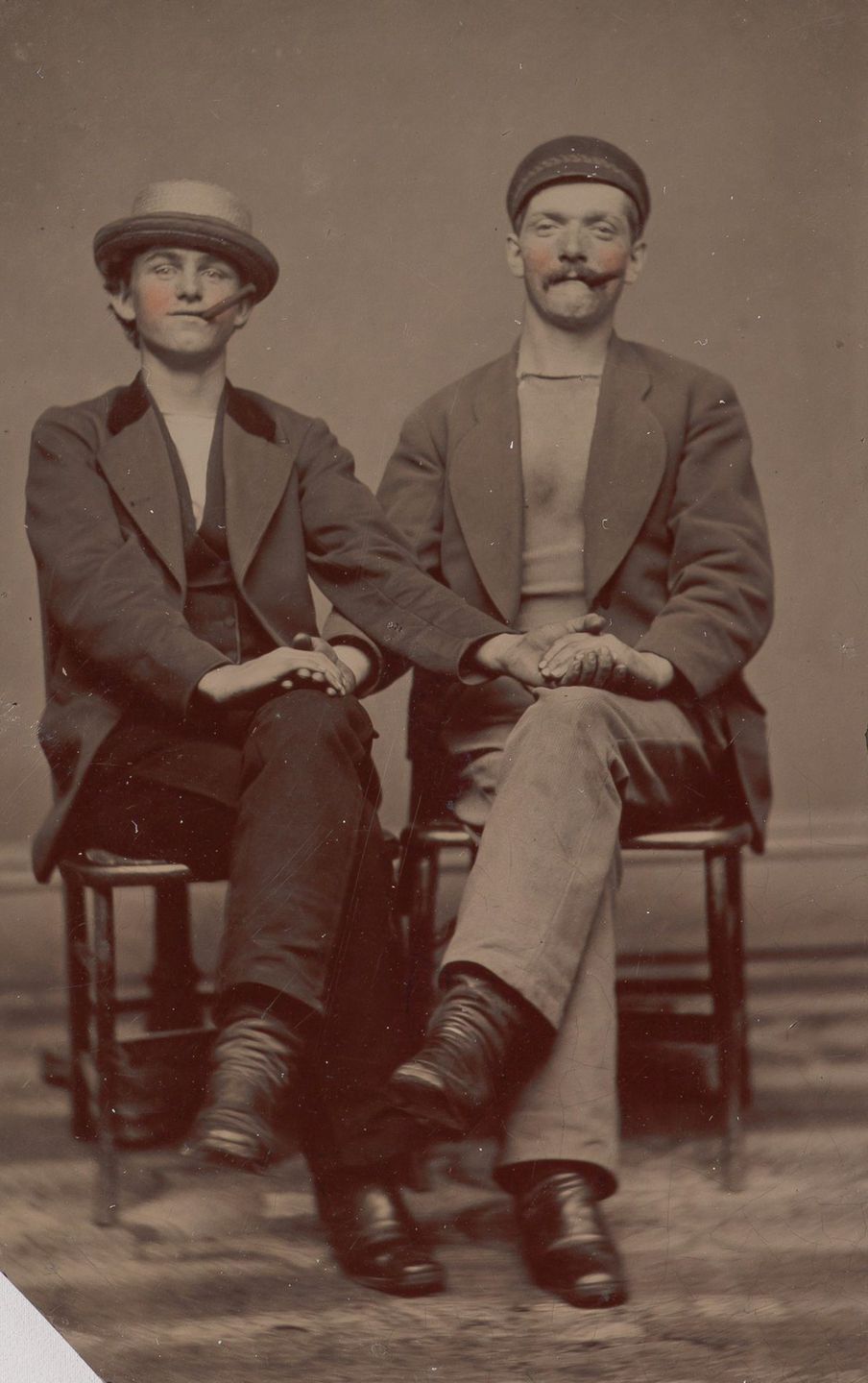
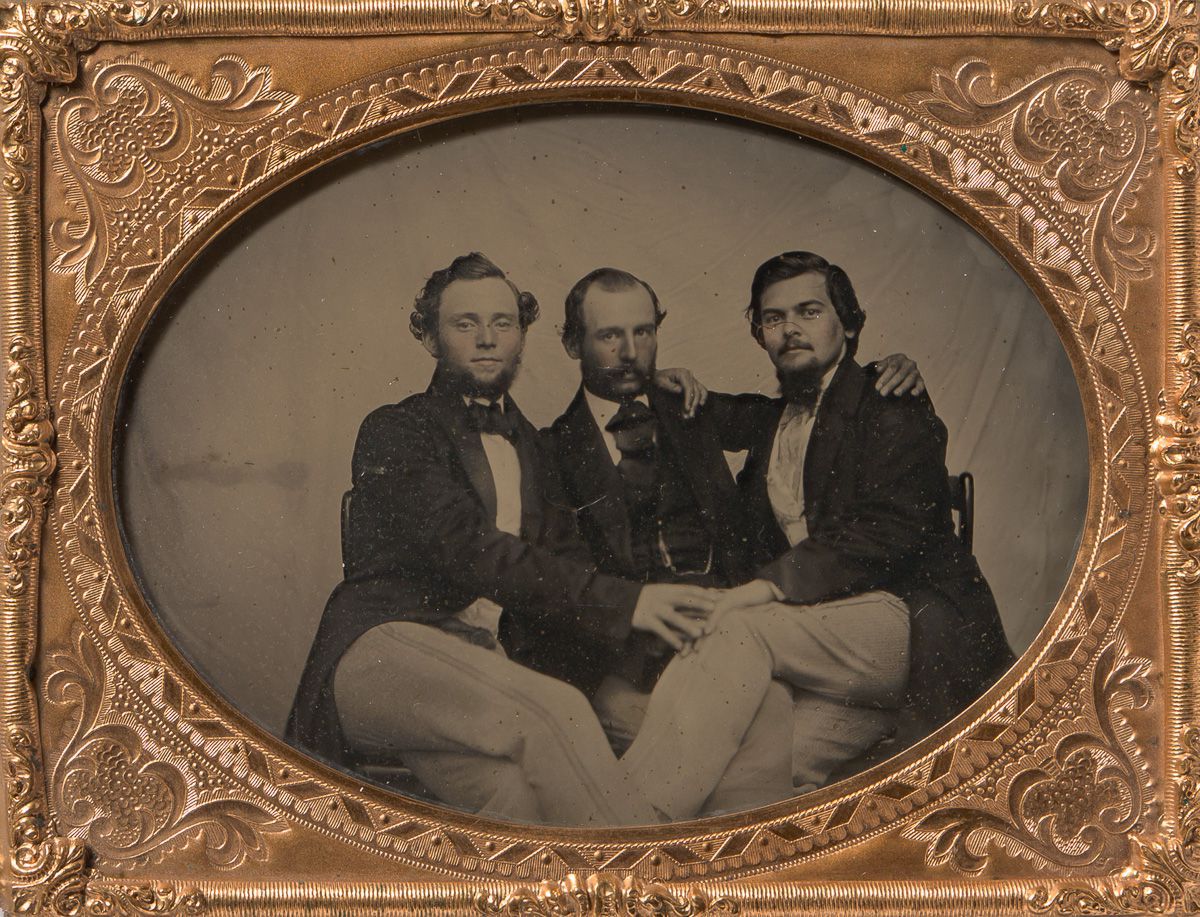
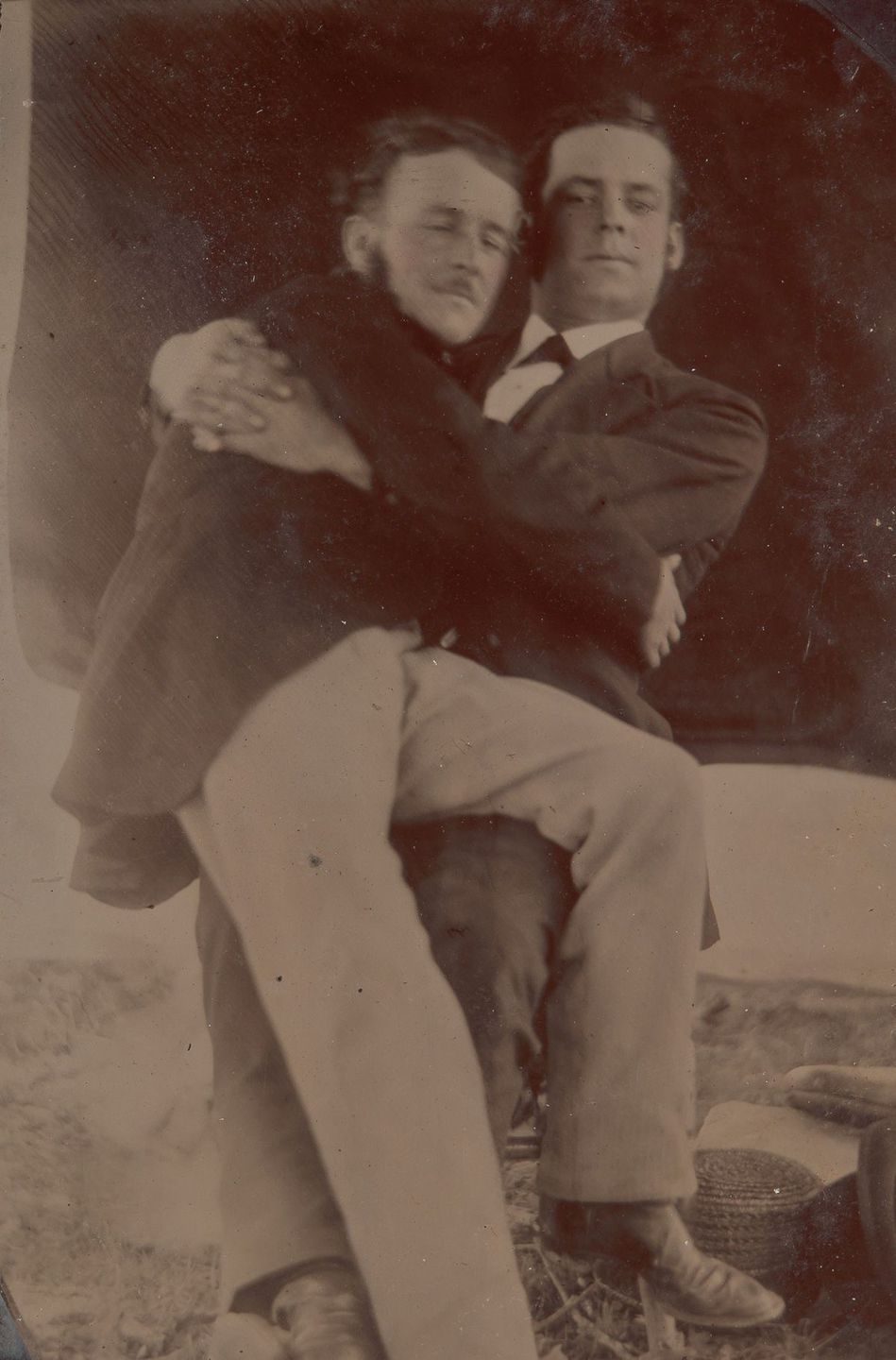
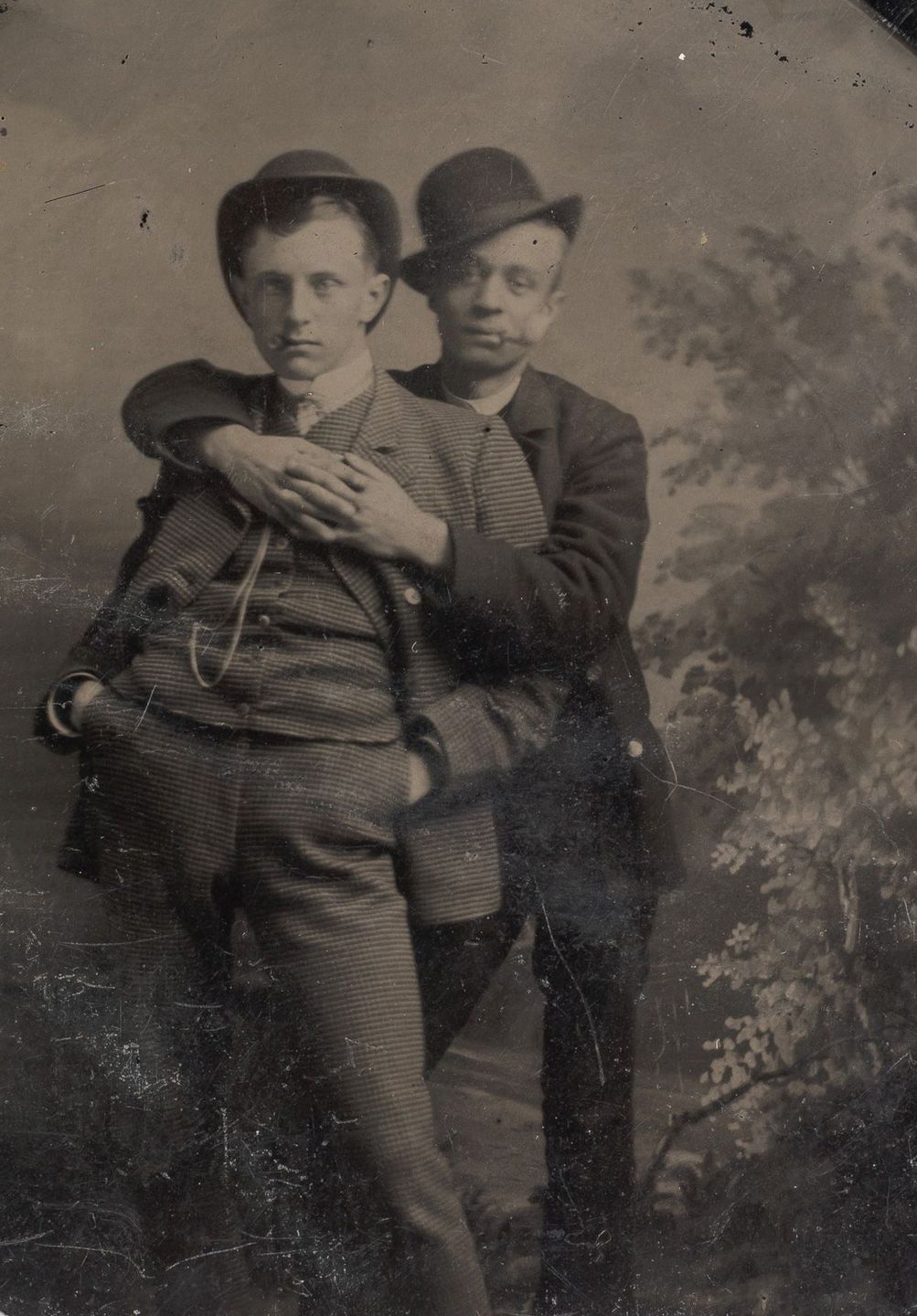
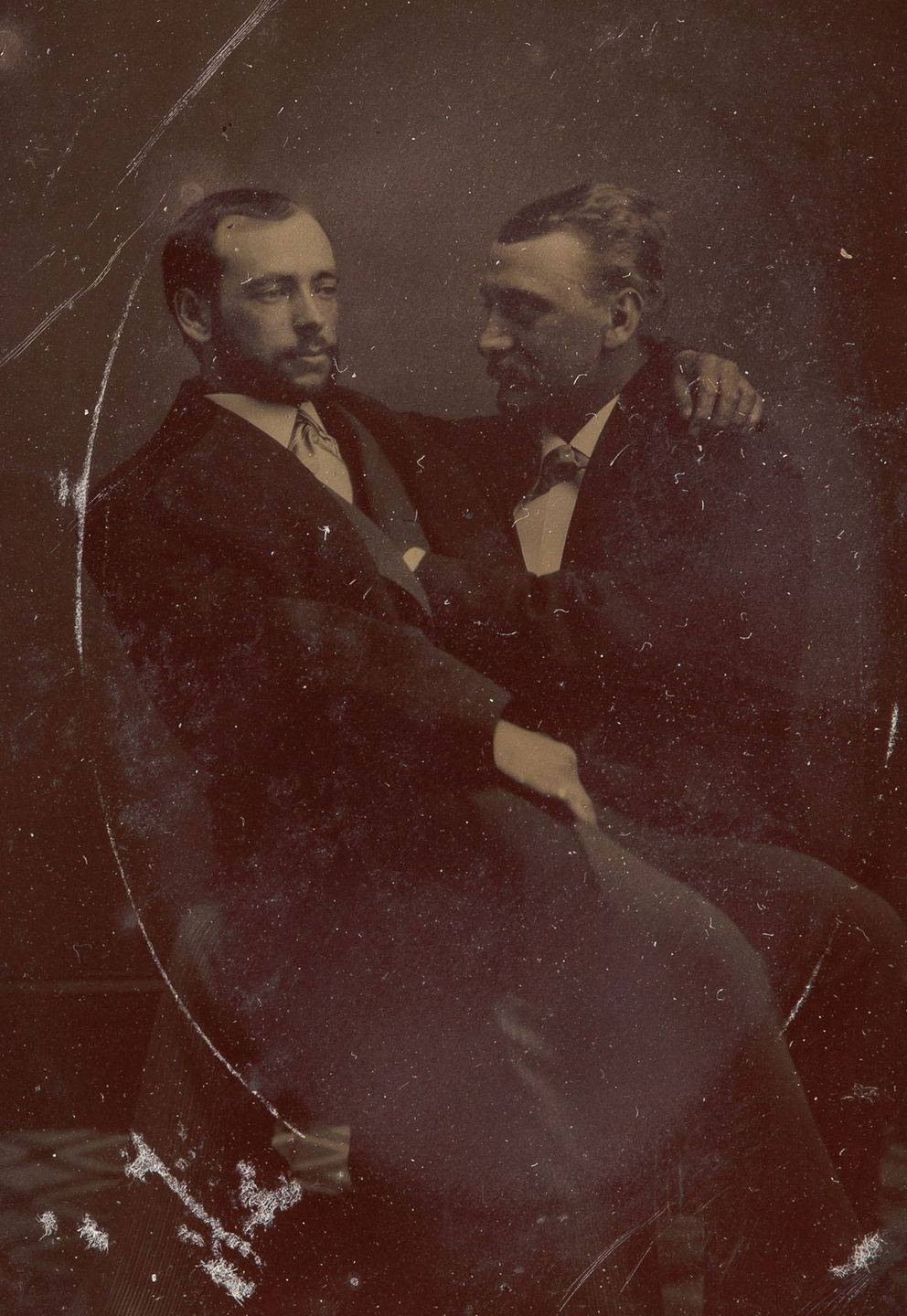
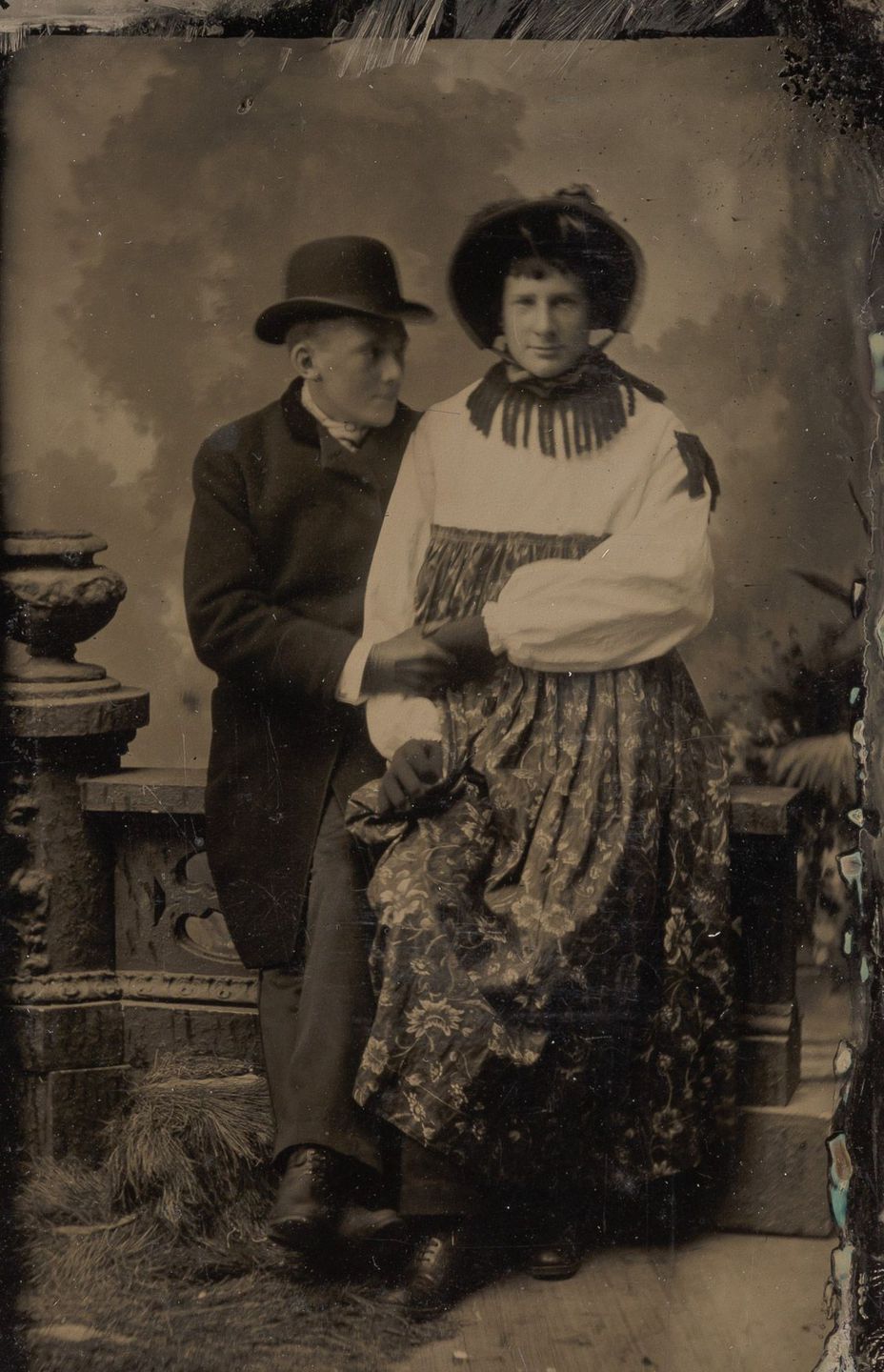
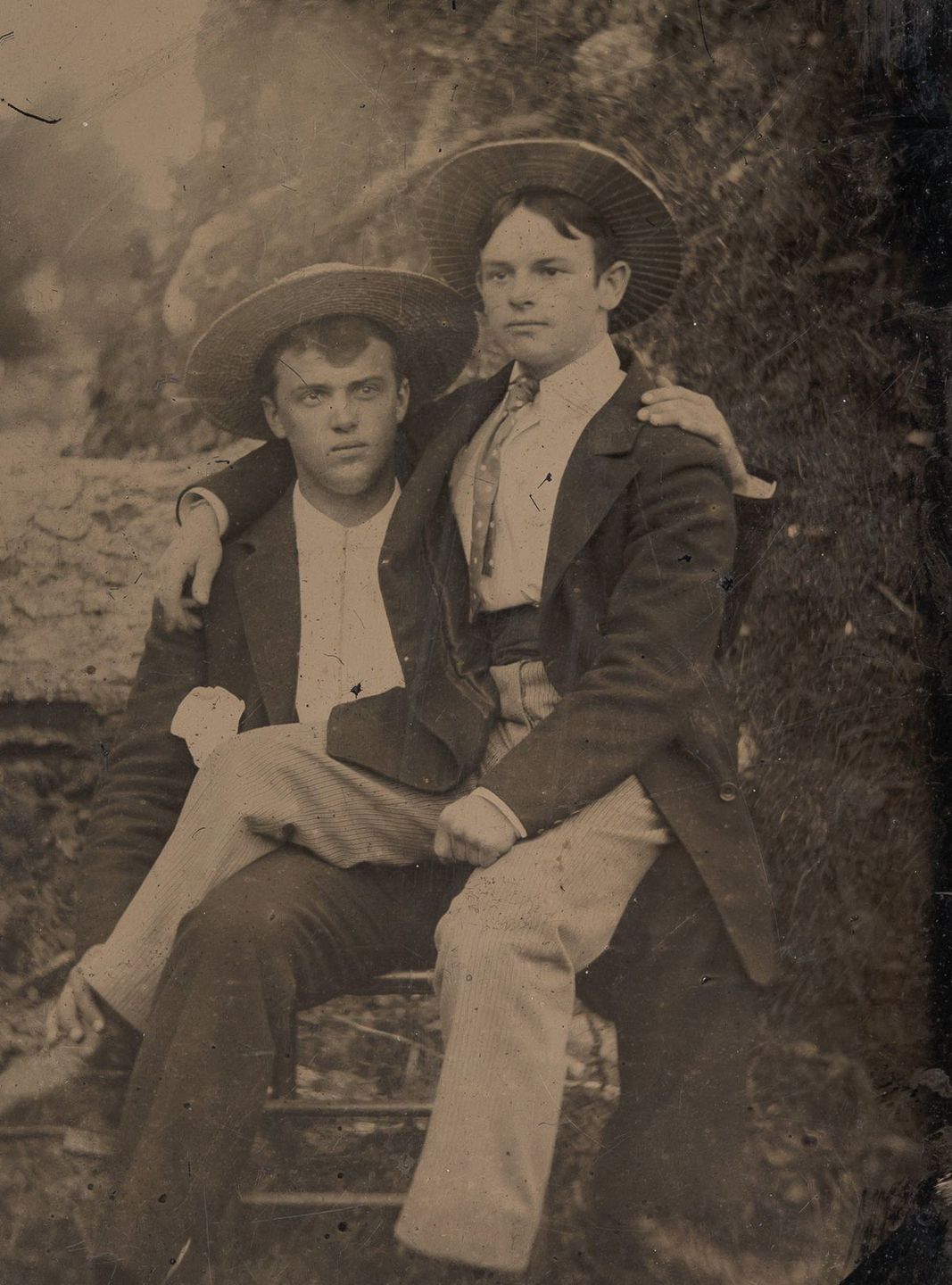
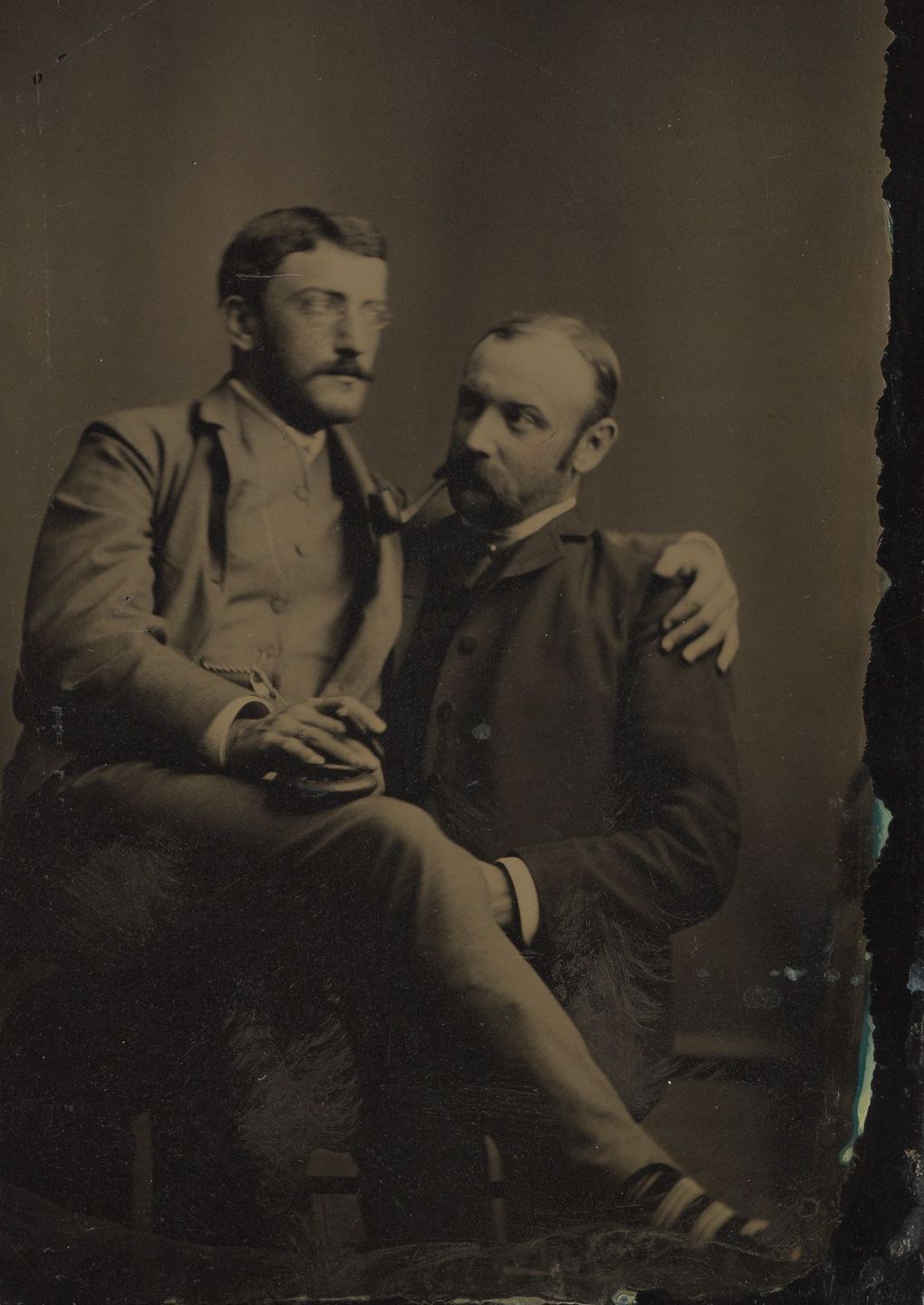
In 2008, Columbia University librarian Herbert Mitchell passed away, bequeathing a trove of curios to the Metropolitan Museum of Art, featuring daguerreotypes, tintypes and ambrotypes of men “enjoying intimate physical contact without any evident trace of the self-consciousness one might expect from the stiff portraiture of the late 19th century”.
6. The Almost Ghost Villages of Ohio
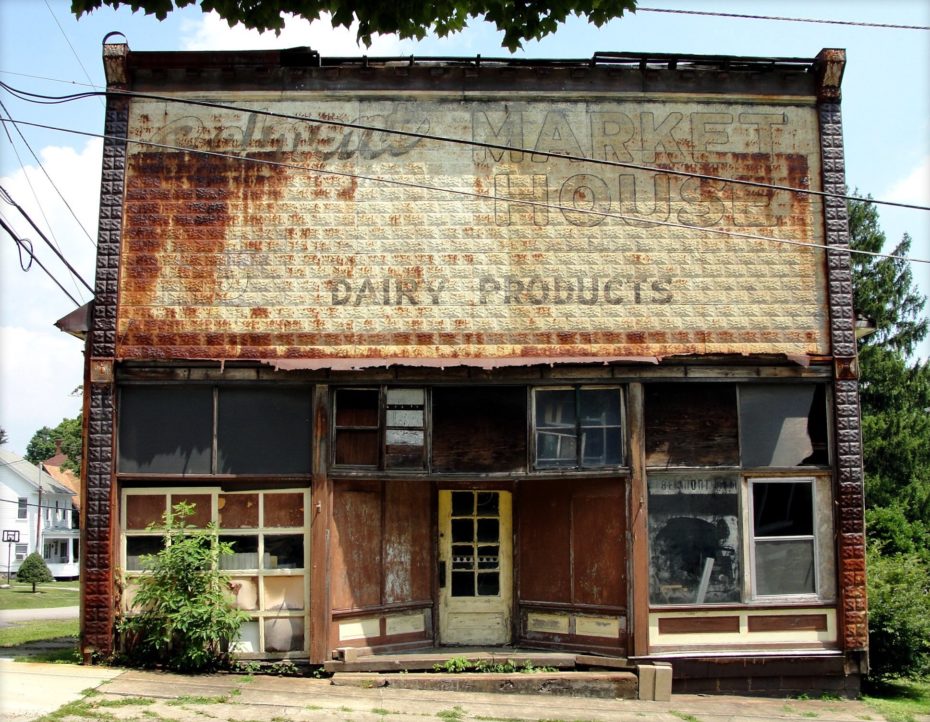
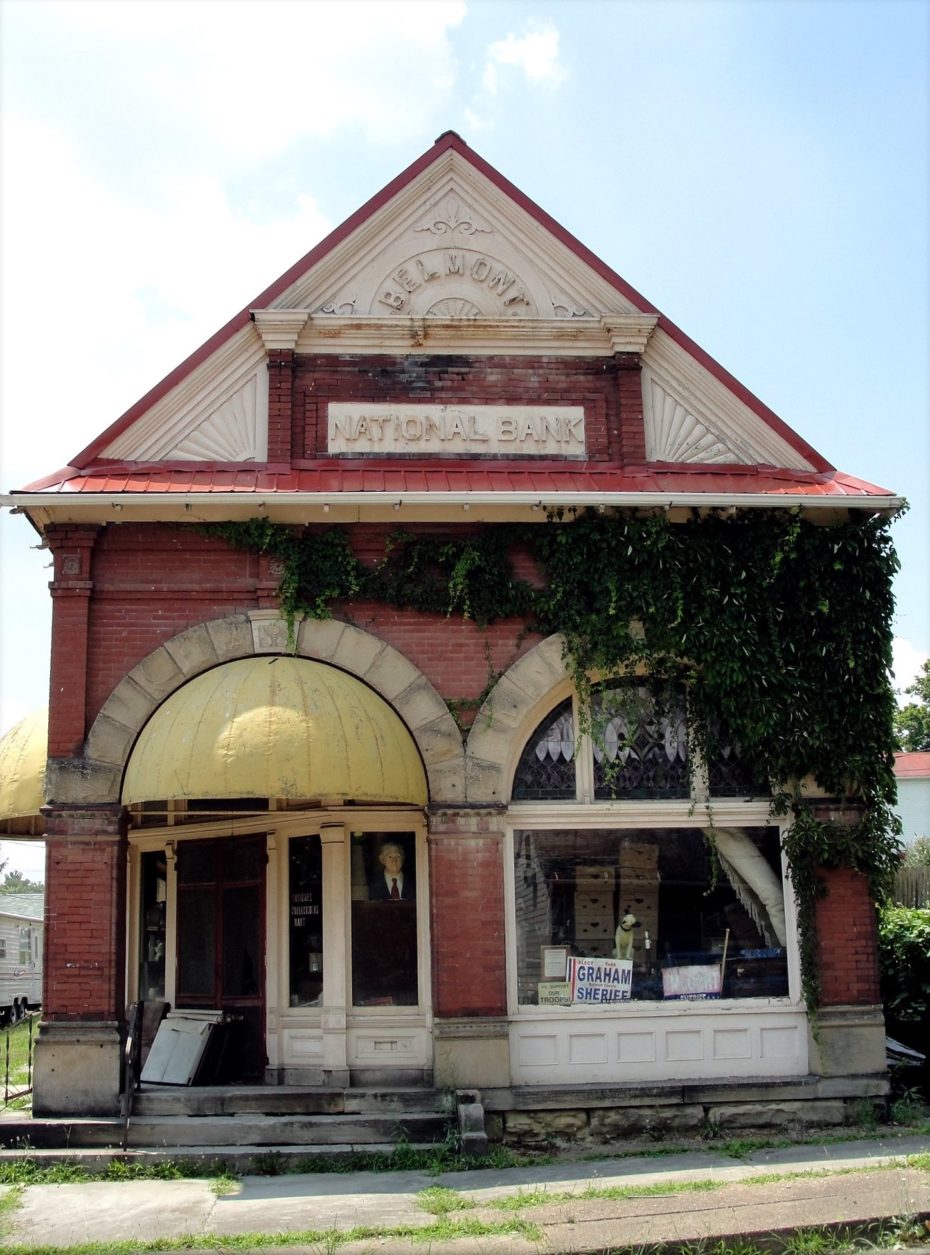
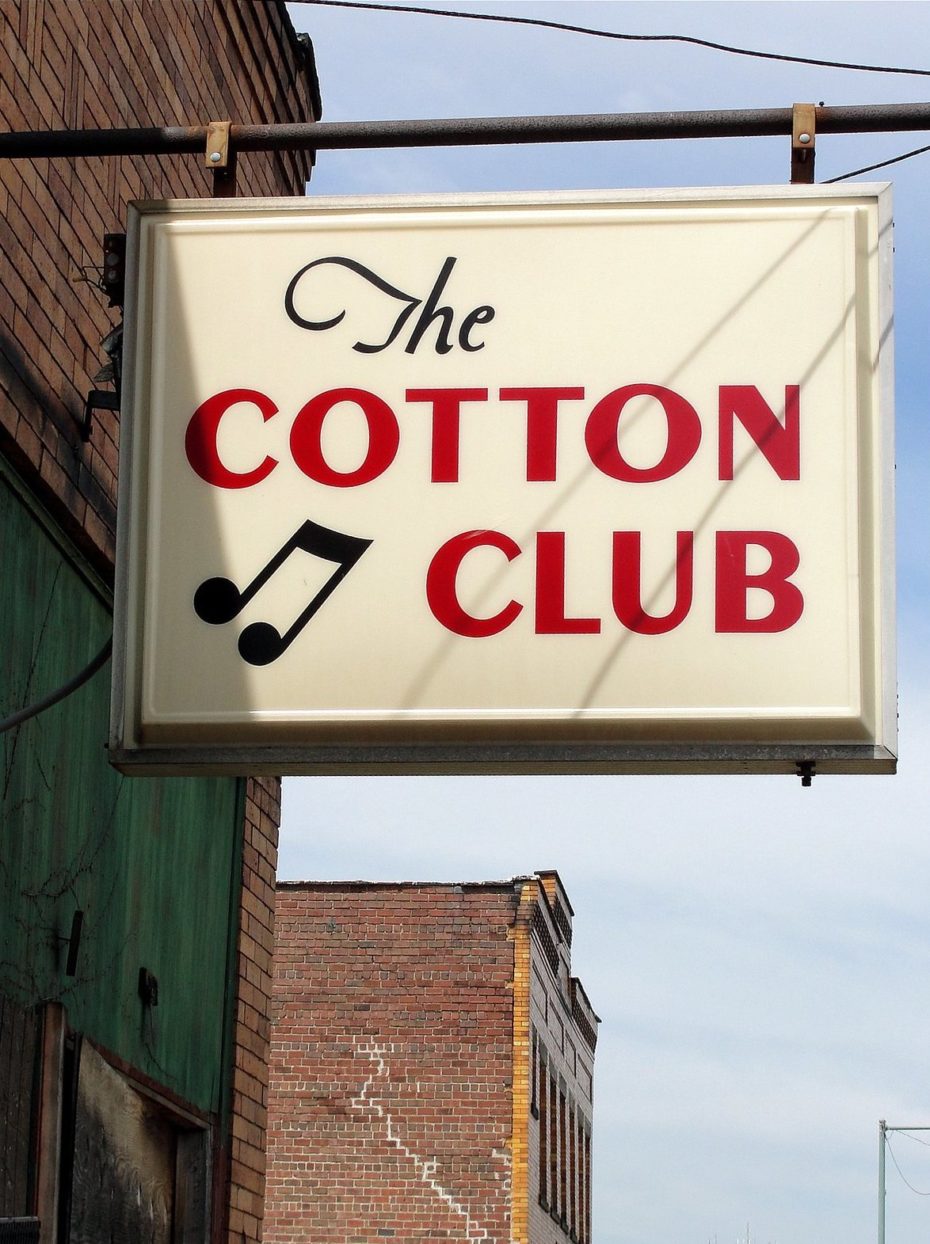
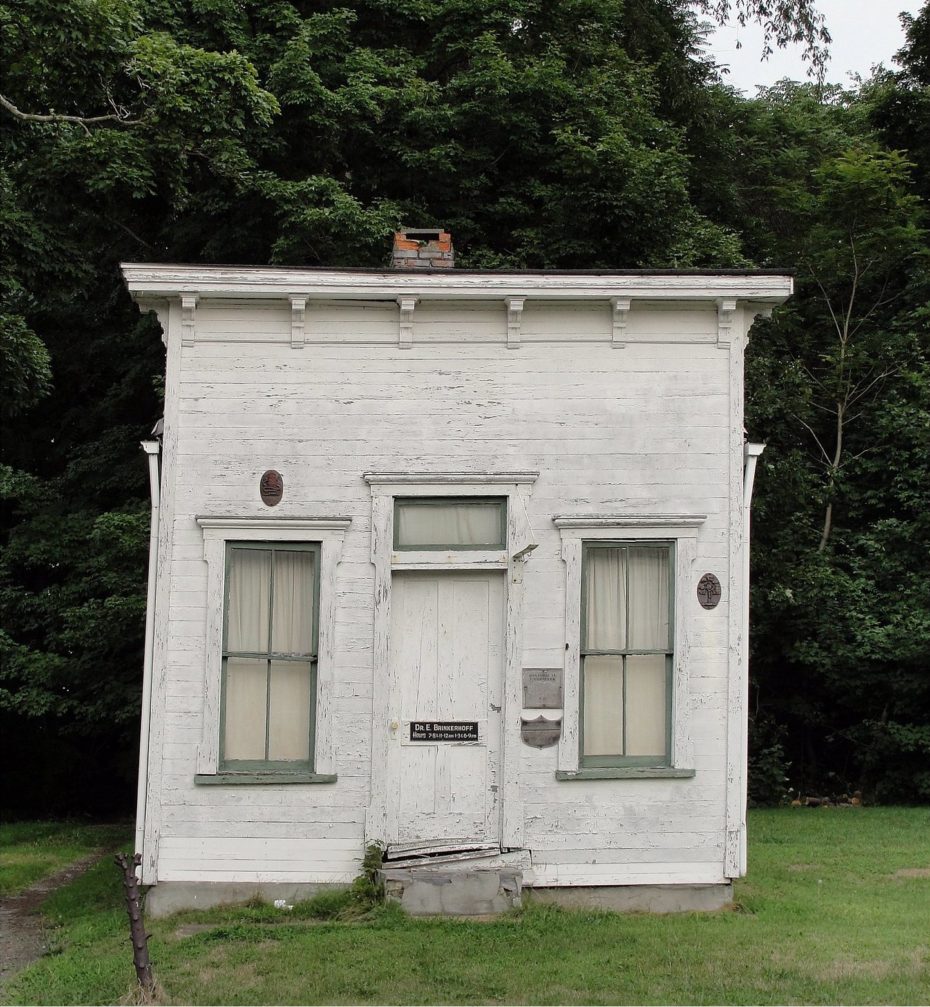
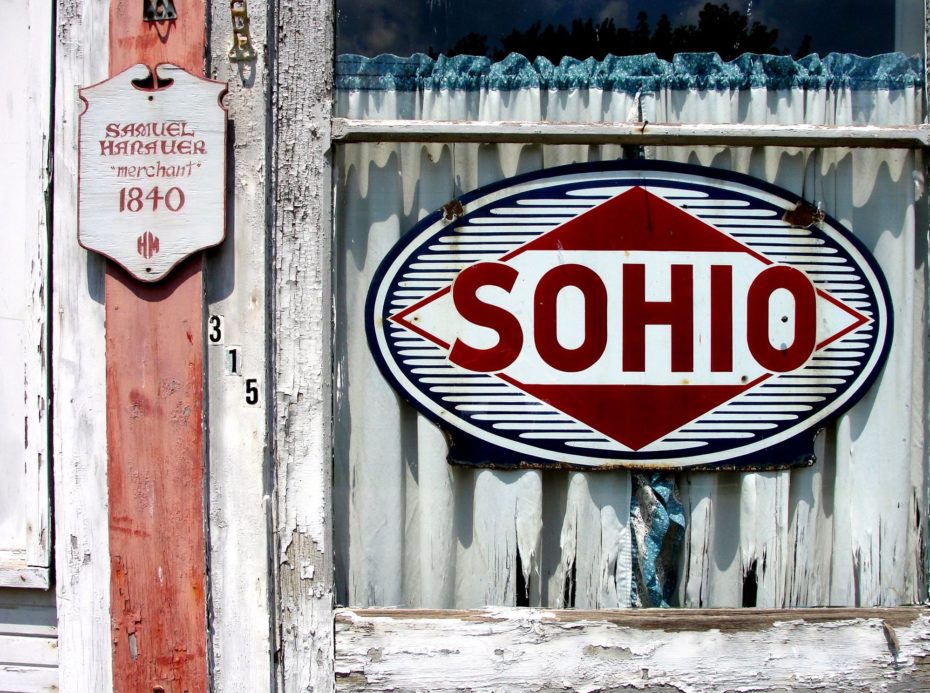
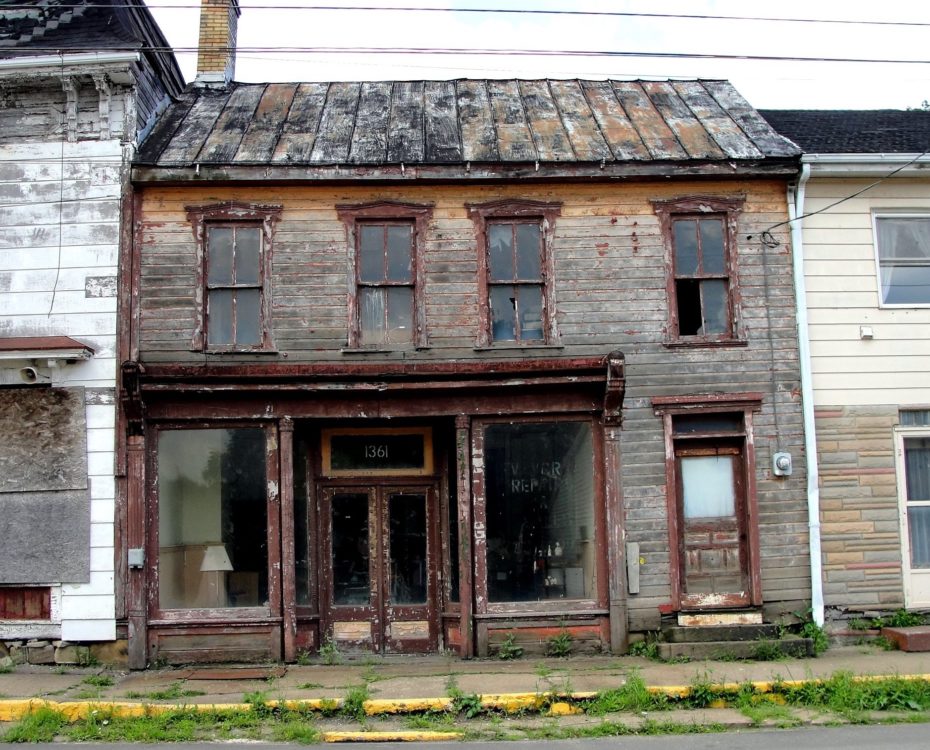
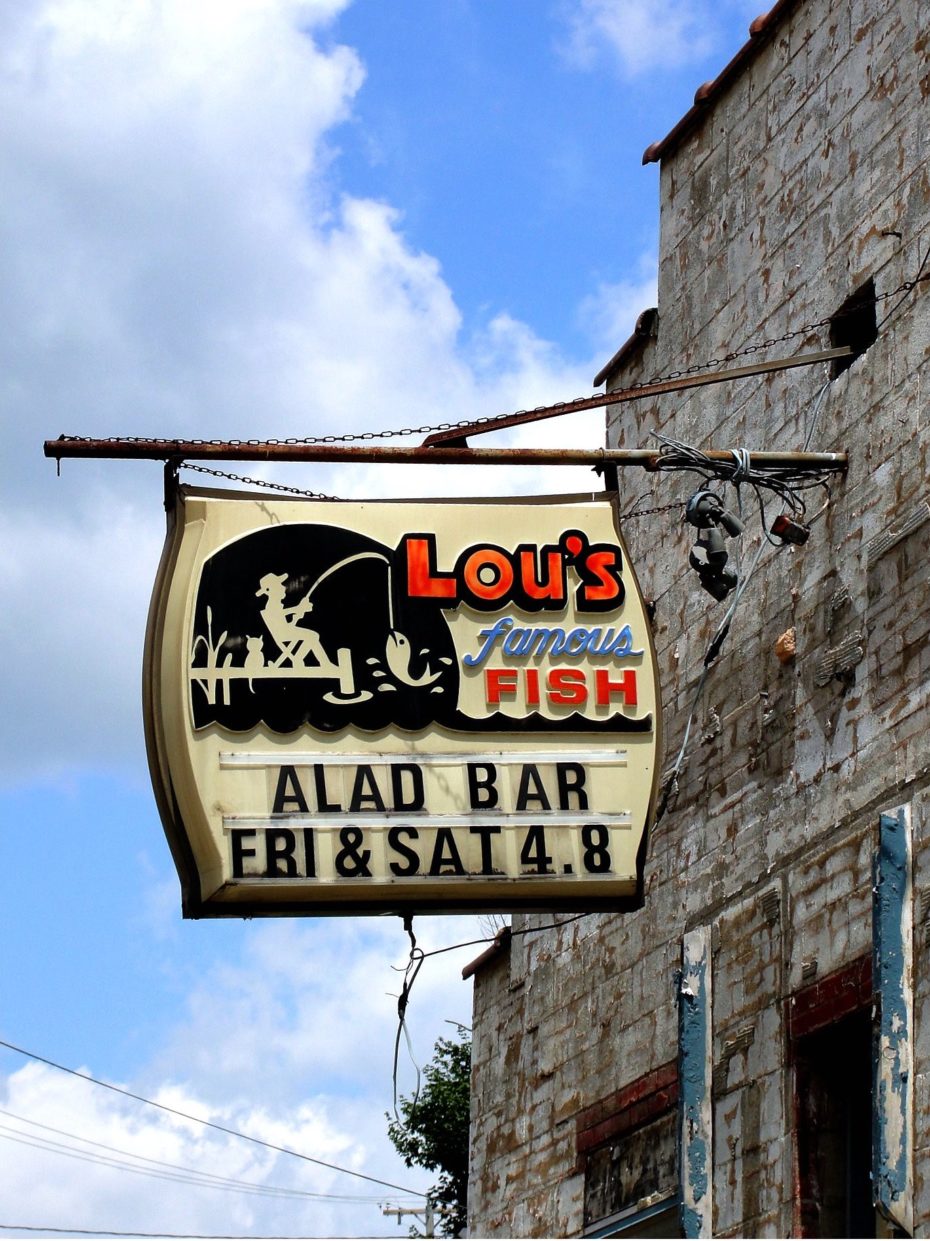
More images from around the Buckeye State found in this excellent Flickr Album. Also, take a look around one of the villages on Google Street View.
7. The Unfinished Stones on the Metropolitan Museum in NYC that were Supposed to be Carved
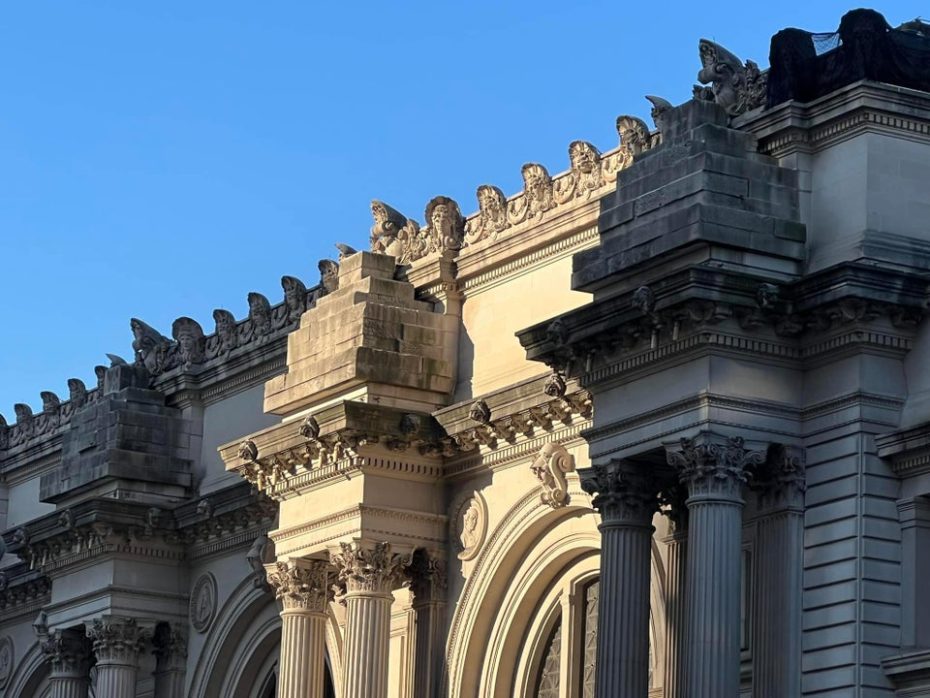
According to an old NY Times blurb, architect Richard Morris Hunt wanted 31 statues on the facade of the museum, but he died before specifying what those designs above the columns should be. His son suggested they be carved into representations of Music, Architecture, Painting, and Sculpture… but they remain untouched square blocks today.
According to Daytonian in Manhattan, Hunt had already lost his white marble to Indiana limestone during a late 1890s depression, and then in 1901, a year before the museum was finished, there was another financial panic. As money ran out, the blocks went uncarved, and “the same fate befell the huge circular stone blanks in the Great Hall which Hunt intended to be sculpted out as portraits.” The unfinished blocks are a little rough around the edges, but are accepted as part of the design today.
Found on The Gothamist.
8. This futuristic design by Claude-Nicolas Ledoux in 1804
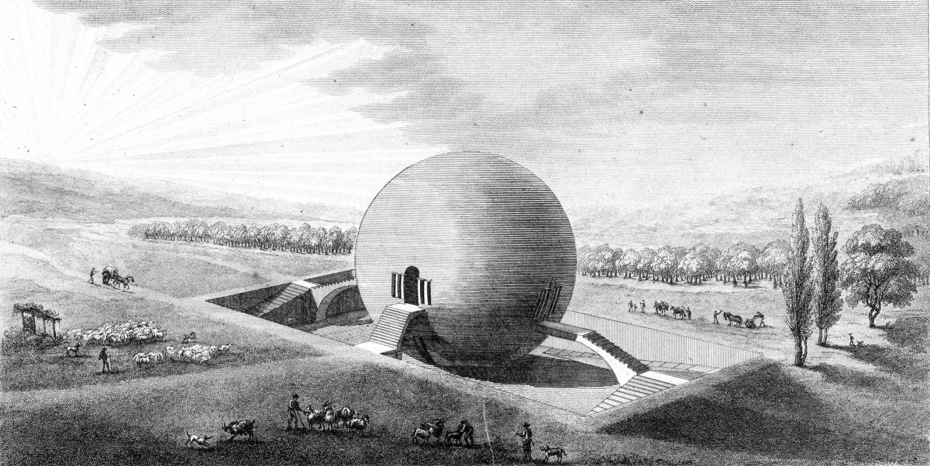
Maison des Gardes Agricoles: A perfect sphere, embedded in a sunken rectangle, and accessible through a series of stairs positioned on all four sides.
As one of the favourite architects of the Ancien Régime, Ledoux worked with great success for the French aristocracy in the years preceding the Revolution.
Further reading on “Delirious Architects and Globes”, found here.
9. How Tennis Balls Became Yellow (hint: it involves David Attenborough
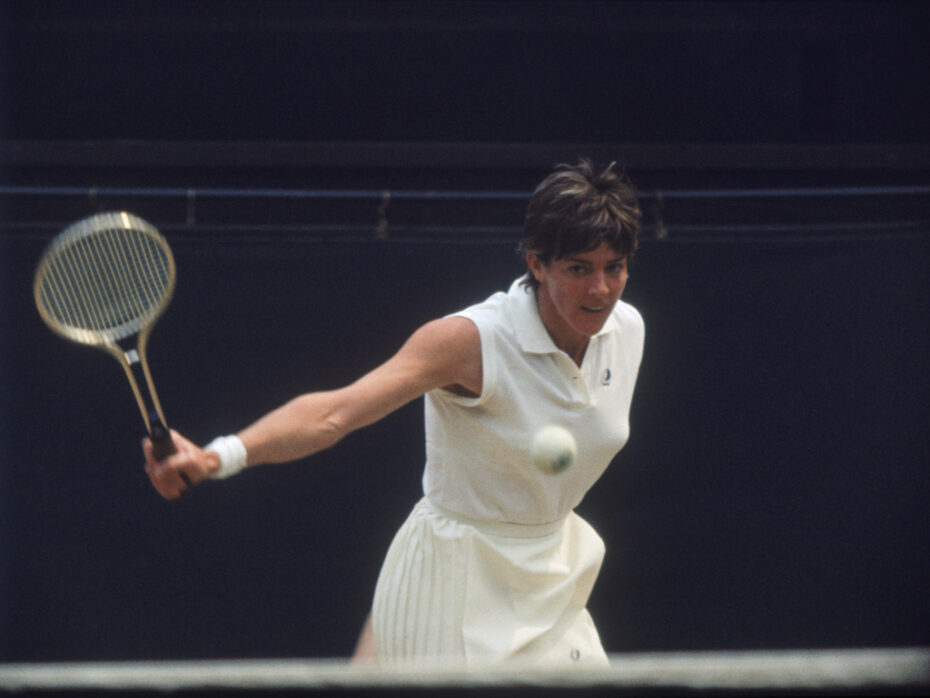
Tennis balls used to be black and white (Wimbledon used white balls until 1985), but changed to yellow for TV viewers thanks to David Attenborough’s suggestion.
The change in color happened due to the demands of television transmissions. In 1972 television was already in color all over the world (although in Spain it was not generalized until five or six years later). At the end of the 1960s, the person in charge of the BBC broadcasts (which, of course, was in charge of Wimbledon) was the renowned documentary filmmaker David Attenborough. And he noticed that the visibility of the traditional white ball was not perfect, especially if it approached the lines of the rectangle of play.
In that year of 1972, tennis was in full growth: the professional and amateur circuits had unified and women’s professional tennis was also growing. Tennis was becoming a great world spectacle and in this context television was fundamental. The International Tennis Federation, in charge of the rules, commissioned a study which showed that the yellow ball was more visible and therefore easier for viewers to follow. The courts, moreover, began to be multicolored once the use of synthetic materials in official tournaments was approved.
Here’s a British Pathé film from 1961 that shows how tennis balls were made:
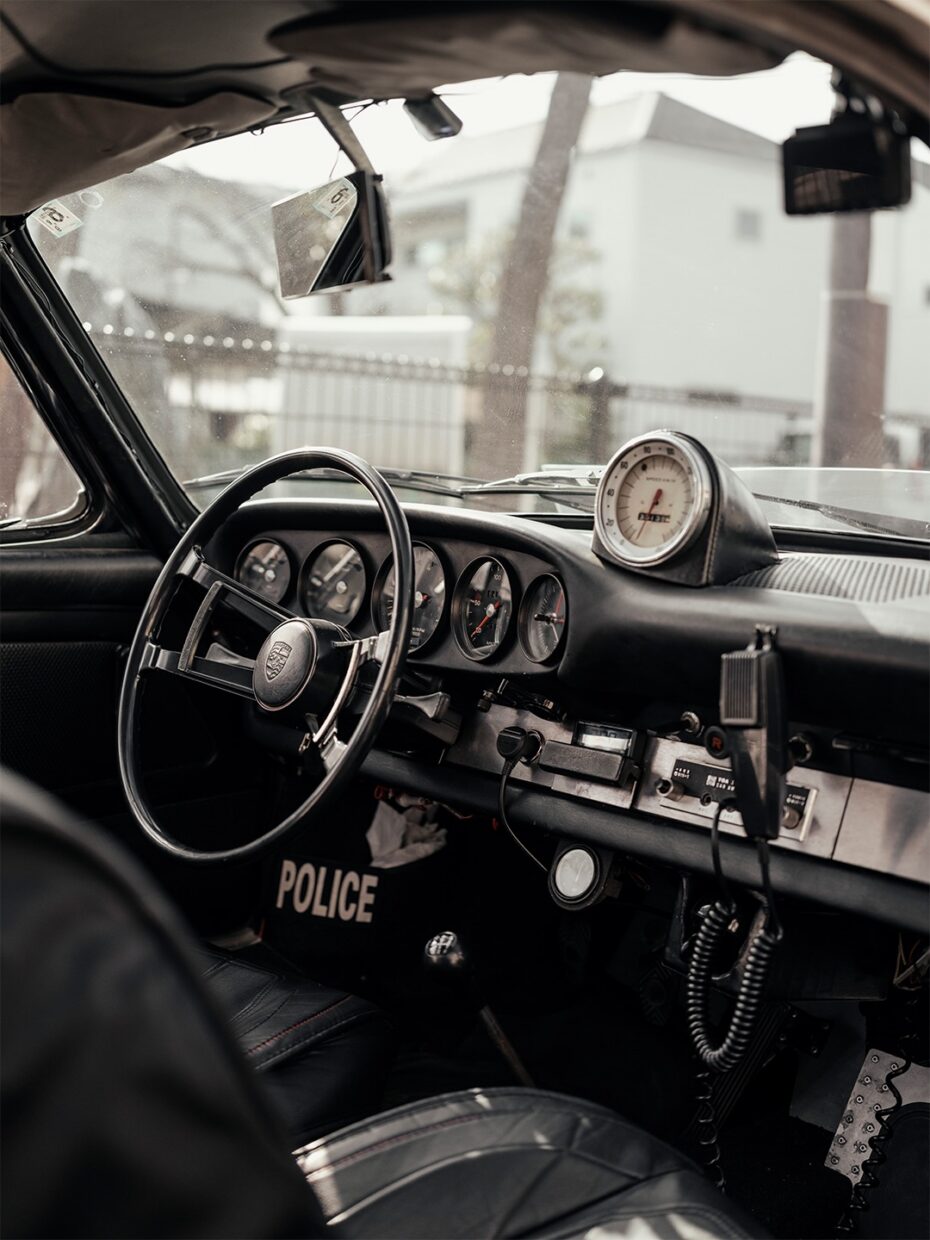
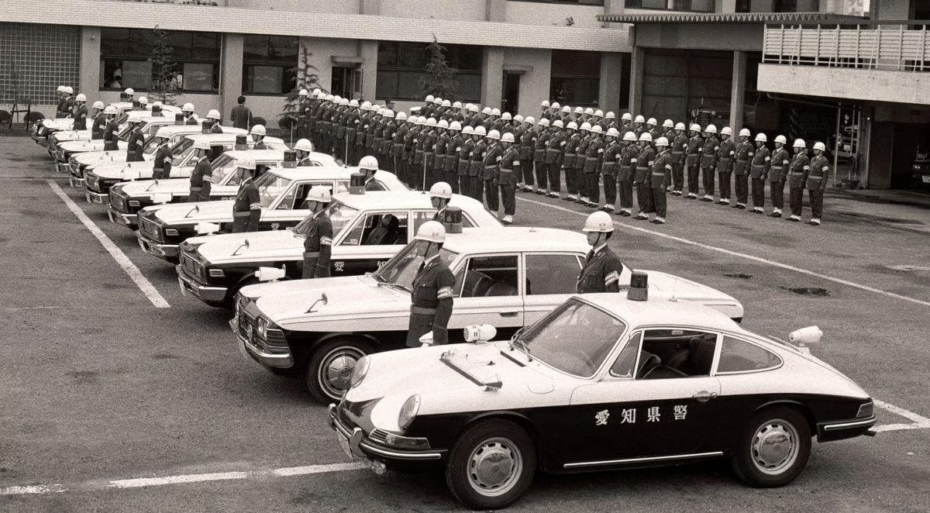
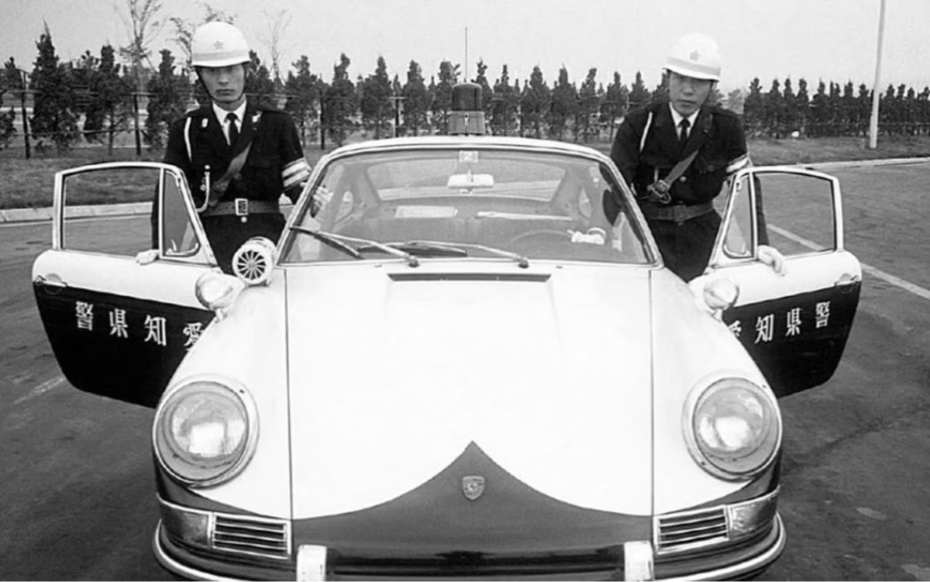
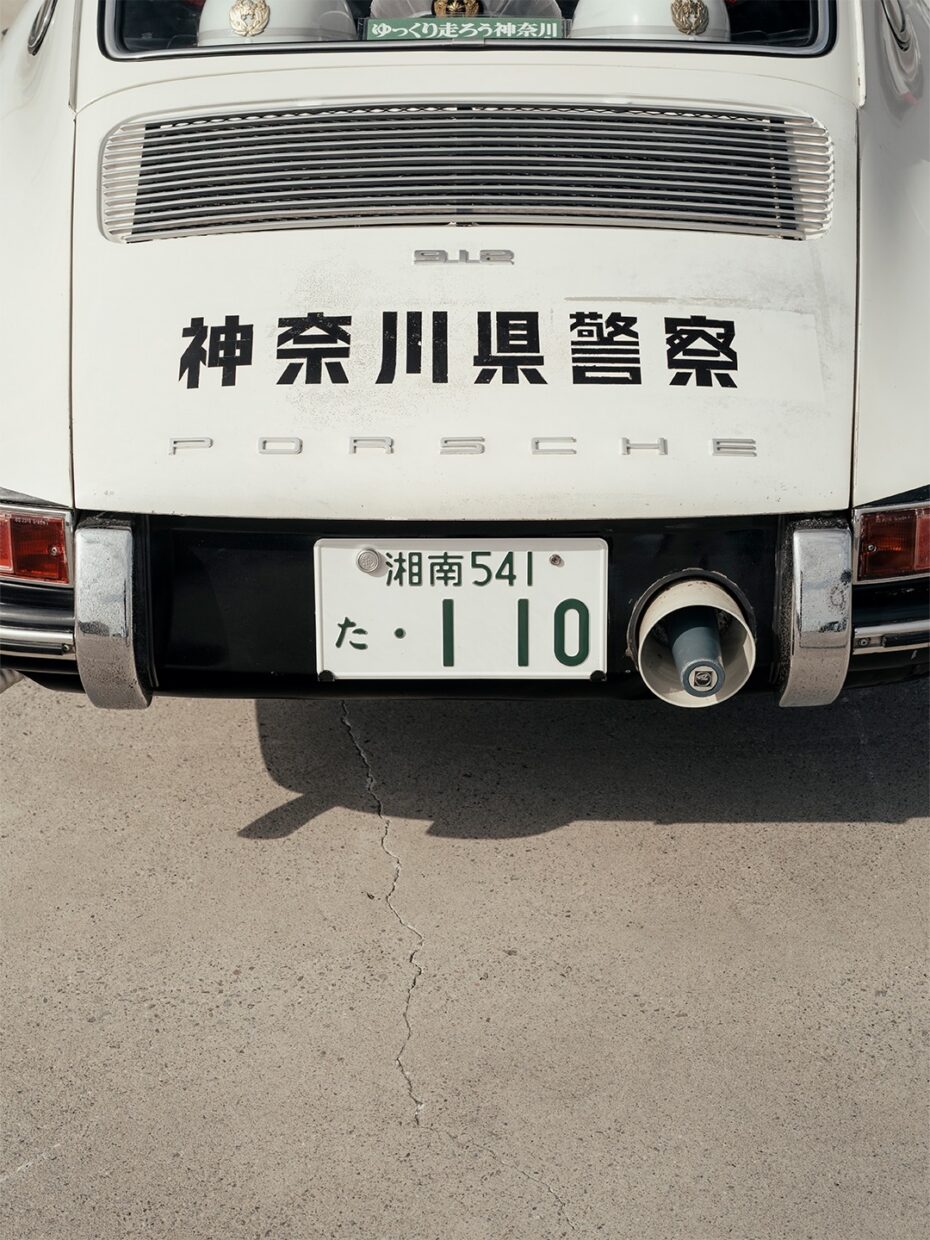
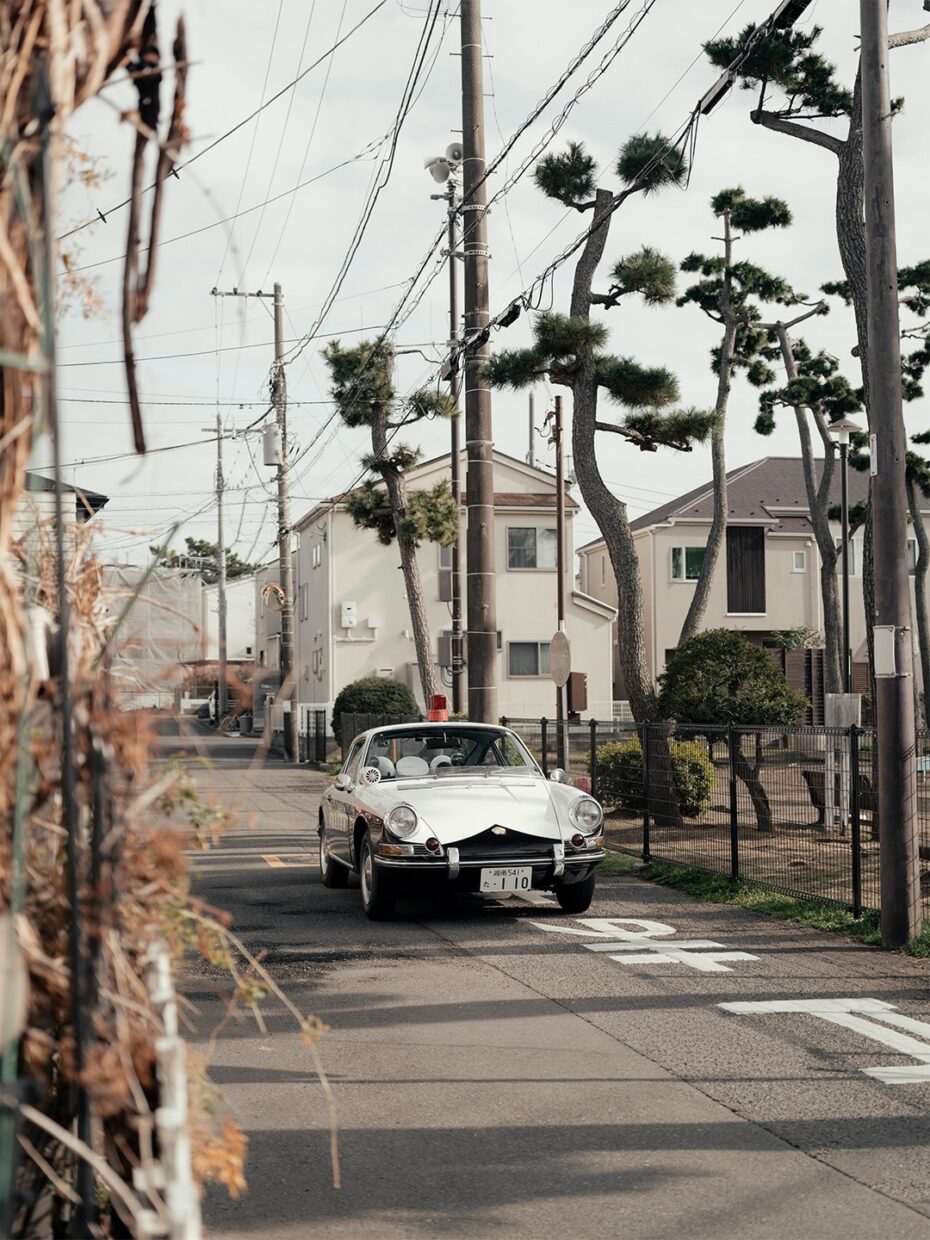
10. In the late 1960s, Porsche 912s were specially built for use by the Japanese police

11. The first French expedition to the Antarctic, 1903–1905
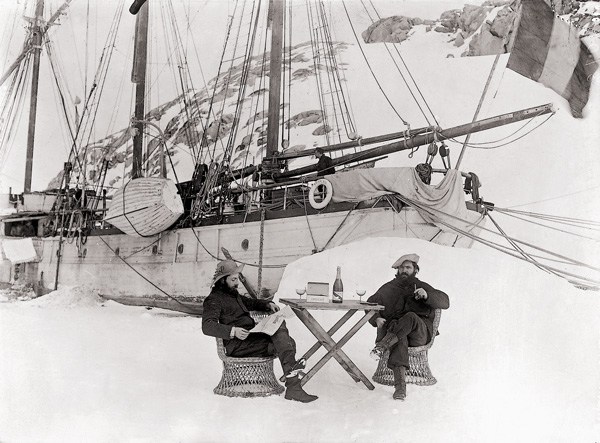
Found on Brain Pickings
12. An “intimist” painter
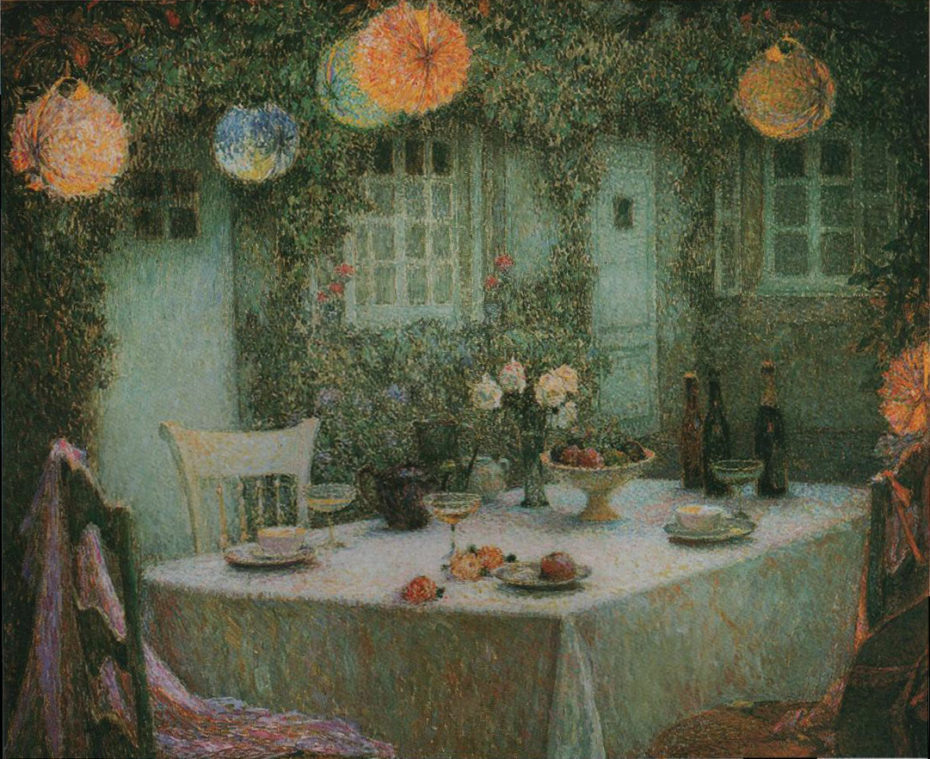
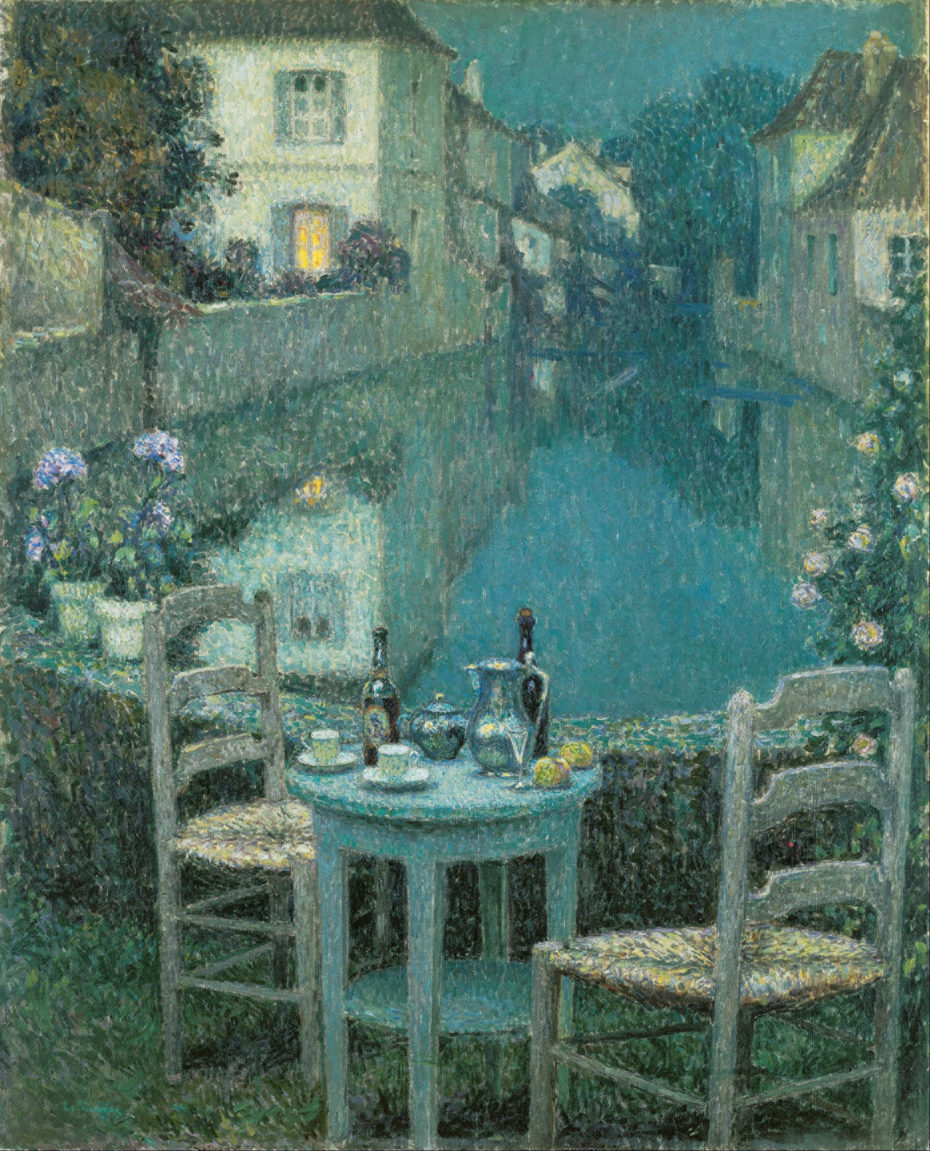
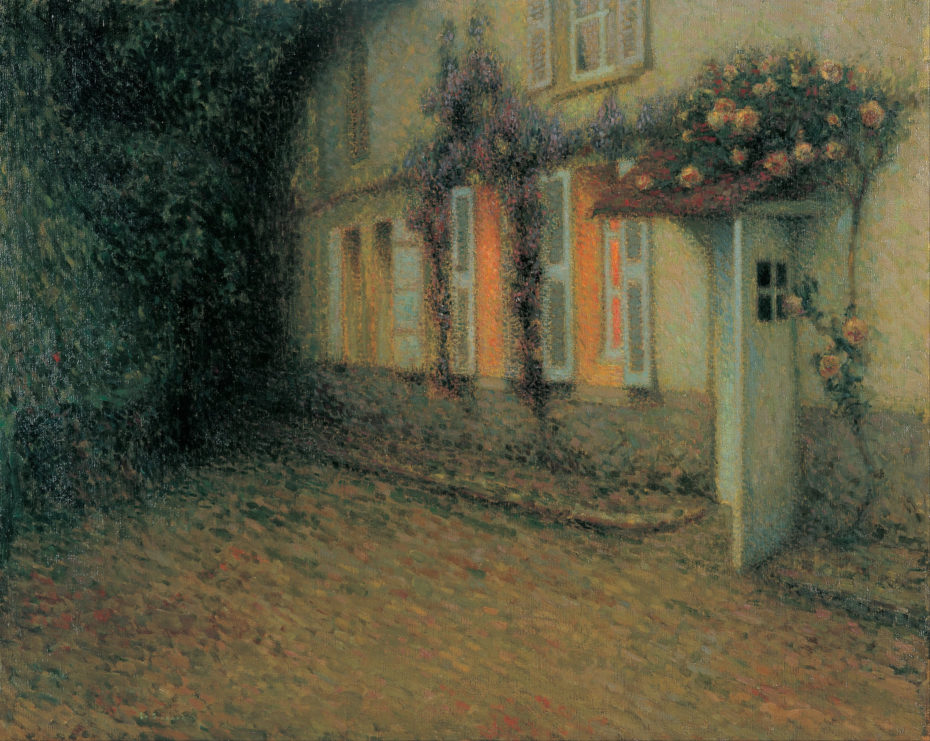
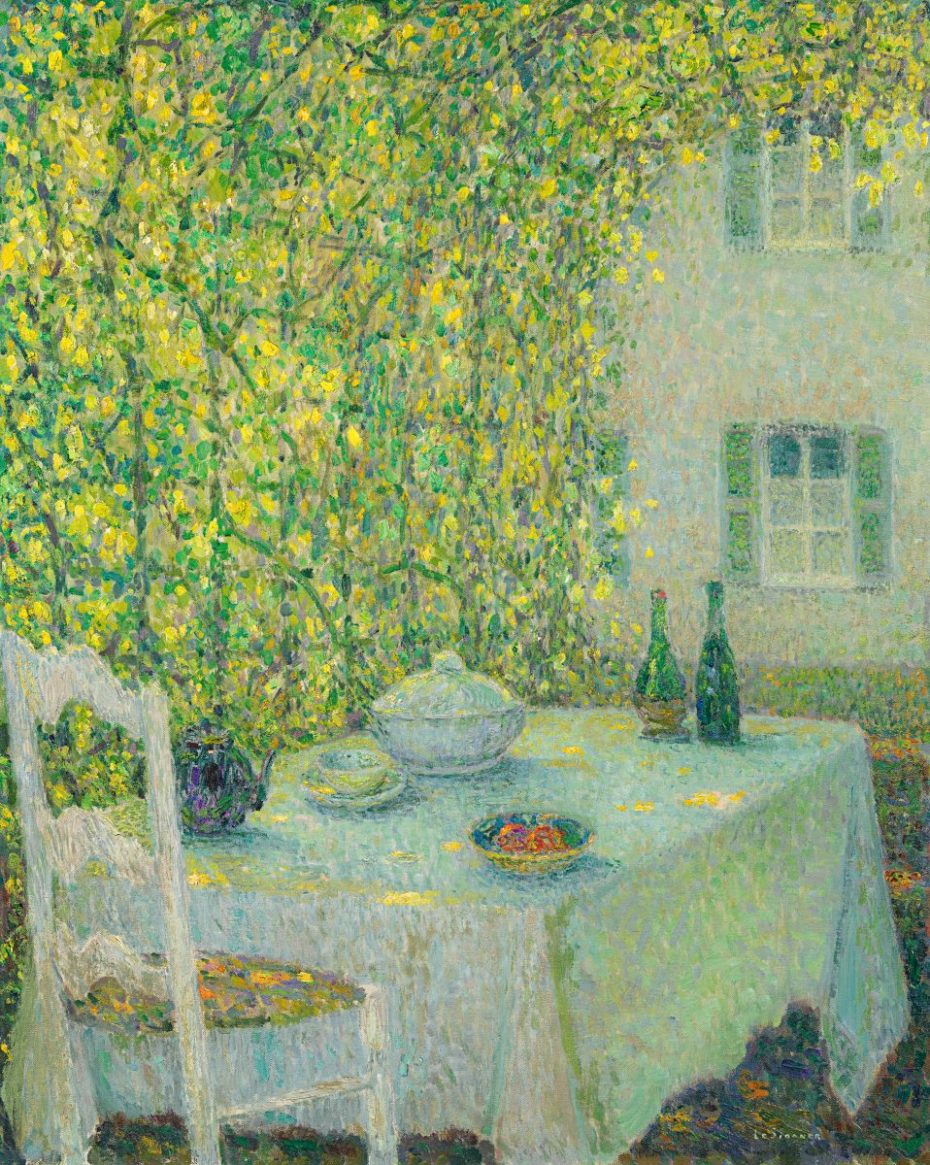
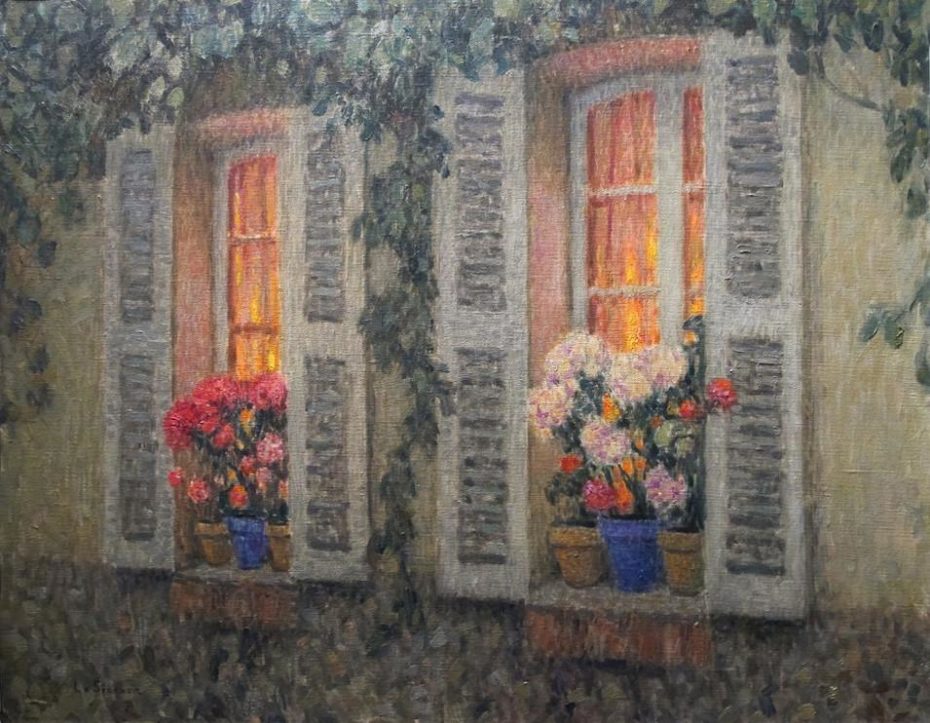
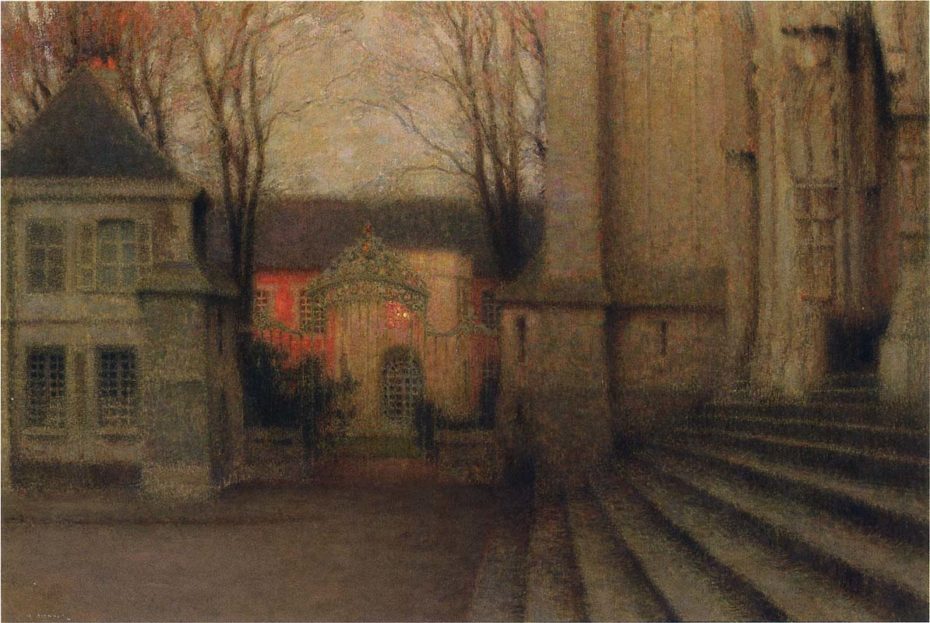
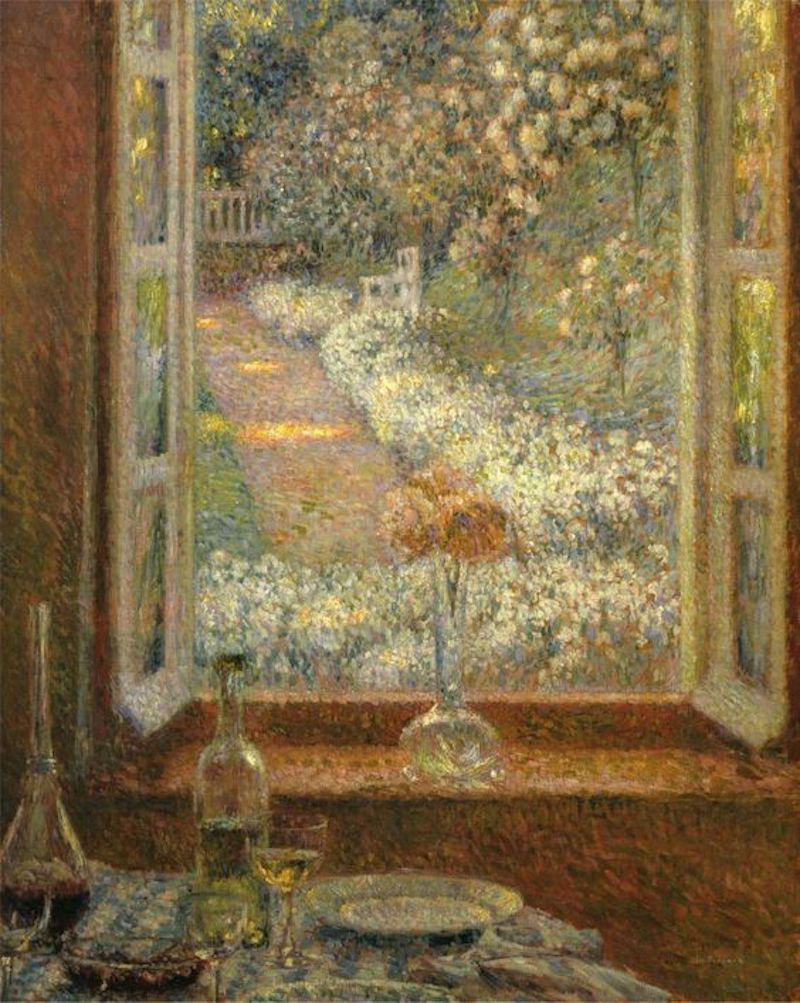
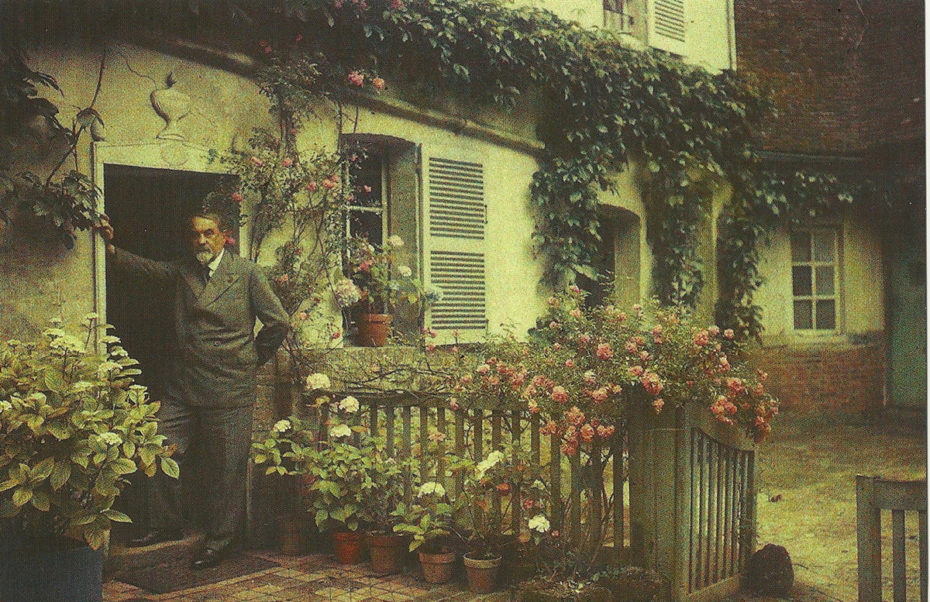
The paintings of Henri Eugène Augustin Le Sidaner (7 August 1862 – July 1939).
Found here.
13. David Hockney (RIP) in Paris, 1972
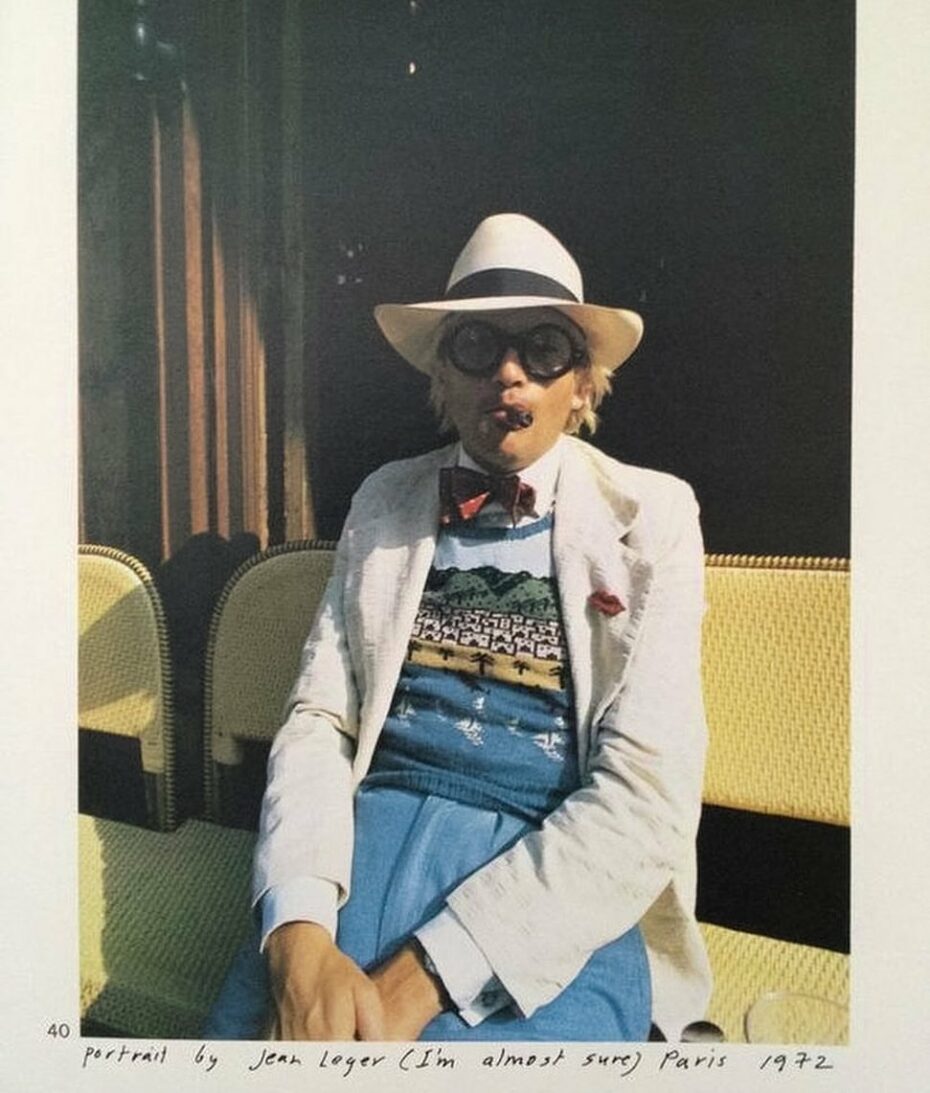
Portrait by Jean Léger? Found on Pinterest.
‘If you’re not playful you’re not alive’ — David Hockney