
Somewhere in the UK, an American tourist walks into a pharmacy with a sinus infection, leaves 20 minutes later with a prescription antibiotic, and stands on the sidewalk staring at the receipt trying to understand how the number can be that low.
This happens constantly. It’s become almost a genre of travel story — the American who gets sick abroad, navigates the local healthcare system with dread, and comes out the other side having experienced something that reframes everything they thought they knew about medicine, cost, and what a society can choose to provide.
This article is not a political argument. It’s a travel dispatch. Here is what Americans actually encounter when they access healthcare in countries that have built their systems differently — and what it feels like to come home.
The Pharmacy Moment That Breaks People’s Brains
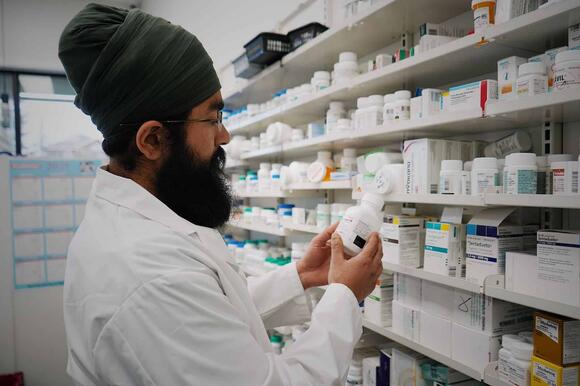
Let’s start where most American travelers start: the pharmacy. Not an ER, not a specialist — just a drugstore, a mild illness, an attempt to handle it quietly before it ruins the trip.
In the United States, a common Z-pack (azithromycin, a standard antibiotic) costs between $40 and $80 without insurance. With insurance, you might pay $10 to $20 as a copay. In some situations — wrong plan, wrong pharmacy, wrong timing — it costs over $100.
In the UK, a prescription costs a flat £9.90 (about $12.50) for any medication, regardless of what it is. Prescription pre-payment certificates let you pay £111 per year for unlimited prescriptions. For many common medications, particularly generics, over-the-counter availability makes the price even lower.
In Germany, the copayment for a prescription is capped at €10 per medication. In France, you pay a modest fee and can later be reimbursed up to 65 percent of it through their social security system. In Canada, prescription drug prices vary by province, but many common antibiotics run $10 to $25.
The pharmacy moment hits differently when you’re standing there holding a receipt and doing the math. You don’t need a political science degree to feel the contrast.
What an Actual ER Visit Looks Like in Canada, the UK, and Germany

Emergency rooms are where the American healthcare trauma runs deepest — because an American ER visit is one of the most financially dangerous things you can walk into voluntarily. A visit without insurance commonly runs $2,000 to $5,000 before treatment even begins. With insurance, the combination of deductible and copay can still leave you with a bill in the hundreds.
Here’s what American travelers who ended up in foreign ERs actually report:
- United Kingdom (NHS): Emergency department care is free for anyone in the country, including tourists. Wait times are a consistent complaint — the NHS is under real strain — but the cost for an uninsured American tourist who fractures an ankle or has a cardiac event is zero pounds. Travelers have posted bills showing £0 for multi-hour stays that included X-rays and splints.
- Germany: Germany’s system involves statutory health insurance that nearly all residents carry. Tourists without European insurance can be billed, but the billing system is organized and transparent. A typical ER visit for a non-EU traveler runs €100 to €300 — which is still dramatically lower than US rates.
- Canada: Visitor care is not free — Canada’s public system covers residents and citizens. Uninsured tourists are billed, but at government-regulated rates. An ER visit might run $300 to $800 CAD in most provinces, compared to the US equivalent of $2,000 to $8,000.
- France: Like Germany, French hospitals will bill non-EU tourists, but at regulated, non-inflated rates. A full emergency room workup that might cost $10,000 in the US often runs €300 to €800 in France.
The consistent pattern: even in countries where tourists aren’t fully covered by the public system, the regulated pricing makes costs a fraction of what an uninsured or underinsured American would pay at home.
The Doctor’s Office Appointment That Didn’t Require Three Weeks of Planning

In the United States, scheduling a primary care appointment typically takes 20 to 26 days for new patients, according to data from the Merritt Hawkins physician survey. In major cities, six to eight weeks is not unusual.
American travelers who access primary care in other countries frequently describe a different reality:
- Walk-in clinics in the UK (called walk-in centres or urgent treatment centres) accept patients without appointments for non-emergency issues, typically same-day
- In Germany, private practice doctors often see patients within days, and for acute illness, same-week appointments are common
- In France, the médecin généraliste (general practitioner) system allows same-day or next-day urgent appointments in most areas
- In Australia, bulk-billing GPs (who charge nothing for a Medicare-covered visit) often have same-day availability for acute illness
The access gap — not just the cost gap — is something American travelers comment on. The idea that you might be able to see a doctor today, about a problem you have today, is not universally obvious to someone who has always had to plan weeks in advance.
What It Costs: The Real Numbers From Real Countries
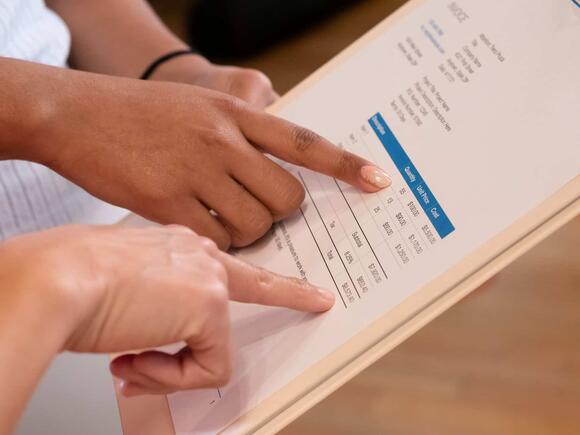
To be concrete about the comparison:
- Appendectomy: US average $33,000. UK: free (NHS). Germany: €3,000–€8,000 for uninsured tourists. Australia: A$2,000–A$6,000 for uninsured visitors.
- MRI: US average $2,600 (without insurance). UK: free (NHS). Germany: €300–€800. France: €150–€400.
- Childbirth: US average $13,000 (vaginal delivery). UK: free (NHS). Germany: €1,500–€3,000 for uninsured. France: free for residents, €2,000–€5,000 for non-insured visitors.
- Insulin (monthly supply): US: $300–$600 without assistance programs. Canada: $30–$50. UK: included in prescription system. Germany: €30–€100.
These are not cherry-picked outliers. They’re representative of a gap that shows up consistently across nearly every type of healthcare service.
The Coming-Home Sticker Shock Nobody Warned You About
This is the part American travelers don’t fully anticipate: the disorientation of landing back in the US.
You’ve spent two weeks in a country where you got a prescription filled for the price of a coffee. Where you walked into an urgent care equivalent and paid nothing. Where a friend’s kid broke a wrist and the family’s conversation at dinner was about the inconvenience of the cast, not the financial catastrophe of the bill.
And then you land at JFK or LAX or O’Hare and you remember that you have a $4,000 deductible this year and that your monthly premium went up again in January and that your dentist is out of network and that the prescription your doctor wants you to take costs $340 a month.
The reverse culture shock of healthcare is real. People describe it in travel forums with a mixture of grief and fury that’s hard to articulate.
This isn’t to romanticize universal healthcare systems — they have wait times, rationing, funding shortfalls, and problems of their own. It’s to say that seeing a different way with your own eyes changes how abstract the comparison felt before.
What Travelers Say When They Try to Describe It

The accounts that show up in travel forums, subreddits, and personal blogs have a consistent emotional arc. A few patterns:
- “I kept waiting for the bill.” The disbelief that the transaction was complete without a financial reckoning is almost universal among first-timers.
- “The waiting room was calmer.” Multiple people describe the absence of a financial undercurrent — nobody filling out financial assistance paperwork, nobody on hold with insurance, nobody looking like the bill is going to be the worst part of the illness.
- “The doctor had more time.” In systems where compensation isn’t tied to volume, physicians sometimes spend more time per patient. This isn’t universal, but it shows up in traveler accounts often enough to be a pattern.
- “I felt like a person, not a transaction.” This one comes up constantly and is the hardest to explain structurally, but the anecdotal evidence is remarkably consistent.
The Things Universal Healthcare Doesn’t Fix
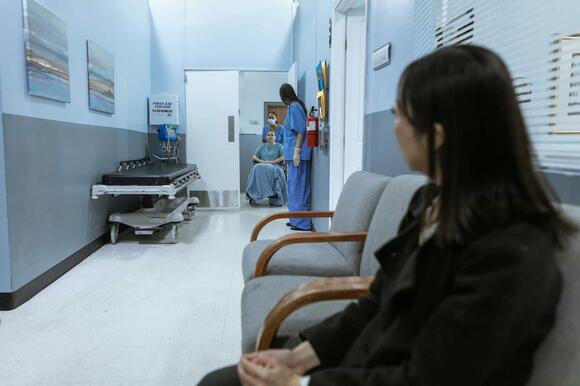
An honest account has to include this:
- Wait times are real. The UK’s NHS has been in a documented crisis — routine surgery waits of 18 months or more are not unusual. Canada’s wait times for specialists are among the longest in developed nations.
- Quality variation is real. Universal access doesn’t mean uniform quality. Rural versus urban disparities exist in every system.
- Funding strain is real. Most universal systems are under financial pressure, and the trade-offs — what gets funded, what gets rationed — are genuine policy debates, not triumphs.
- Tourists aren’t always fully covered. As noted above, visitors to Canada, Germany, France and many other countries are often billed — just at regulated, non-predatory rates.
This is not a utopia tourism piece. It’s a dispatch from places where the system is built on different assumptions, with different outcomes, and where the experience of a sick American tourist tends to illuminate the contrast in ways that years of policy arguments do not.
What This Actually Changes — and What It Doesn’t

Most Americans come home from this experience without a clear plan. You can’t import a healthcare system in your carry-on. What does change:
- The vague sense that “this is just how healthcare works” gets harder to sustain after you’ve seen a different way working
- The abstract policy debate becomes personal — you have a reference point now, not just an argument
- Many travelers report buying better travel insurance for future trips, understanding for the first time that being uninsured abroad and being uninsured in the US are two very different levels of risk
Travel changes perspective. Healthcare abroad — particularly when you’re ill, vulnerable, and braced for disaster — changes it with unusual efficiency.