According to Israeli officials, Netanyahu also told Trump that Israel will not withdraw from Lebanon. The IDF will remain in the positions it currently holds and will continue operating to foil threats from Hezbollah, including destroying terror infrastructure and responding to any attack on Israel.

live
IDF strike in Beirut
(Video: IDF)
The understanding among ministers in the Security Cabinet is that Israel is standing firm on its interests in Lebanon, and that Netanyahu received full backing in the cabinet meeting for his position.
MAKE ynetGlobal MY TRUSTED SOURCE
The dispute comes after Pakistani Prime Minister Shehbaz Sharif, Trump and Iran all announced that a U.S.-Iran agreement had been reached. According to Pakistan, the deal is meant to end the U.S.-Iran war and halt military operations on several fronts, including Lebanon.
That clause has become a red line for Israel. Hezbollah, the Iran-backed terror group based in Lebanon, has been fighting Israel from across the northern border. Israel says it must retain freedom to strike Hezbollah targets in order to protect northern communities and prevent the group from rebuilding its forces near the border.
Israeli officials assessed overnight that Tehran had decided to “close the incident” and avoid attacking Israel after an Israeli strike in Beirut’s Dahieh district, a Hezbollah stronghold in the Lebanese capital. Iran had threatened to retaliate, but Israeli officials believe U.S. pressure and mediation efforts led Tehran to stand down rather than risk derailing the agreement.
Senior Israeli officials said the Lebanon clause is “something we will have to stand firm on anyway if we are asked to make withdrawals there.” According to one official, Netanyahu is “standing firm and succeeding in pushing back such Iranian demands,” and the Americans understand that Israel views the issue as a nonstarter.
During the cabinet meeting, Finance Minister Bezalel Smotrich argued that if Iran fired at Israel, Israel should respond forcefully in Lebanon rather than inside Iran. His reasoning, according to officials familiar with the discussion, was that Iran is Trump’s arena because the U.S. president led the campaign and negotiations against Tehran. Lebanon, by contrast, is Israel’s immediate security arena.
Under that approach, Israel would avoid being blamed for sabotaging Trump’s deal by striking inside Iran, while still preserving its freedom of action against Hezbollah in Lebanon.
But ministers said Lebanon is different. Israel is fighting Hezbollah there, paying a price and defending the security of residents in northern Israel. Officials said Israel cannot return to the reality before the October 7 attack, when it says its hands were tied while threats built up along its borders.
According to officials, Smotrich said that if Iran tried to create a link between Lebanon and Iran, Israel should “match and raise.” He proposed warning residents of the Beqaa Valley, a major Hezbollah area in eastern Lebanon, that if Iran fired at Israel, they would have one hour to evacuate before the IDF struck dozens of targets there.
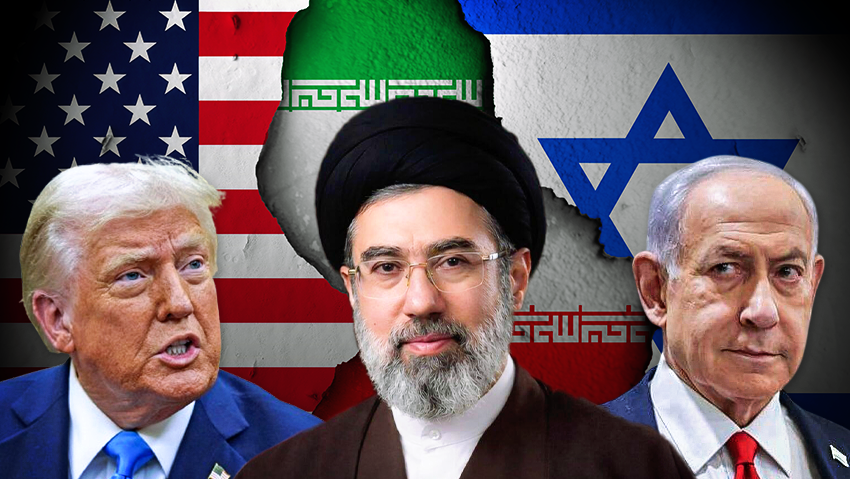
The idea, officials said, was to place heavy pressure on Hezbollah from within Lebanon’s Shiite community, while also making it harder for Trump to break with Israel. Israel would be signaling that it was trying not to harm his Iran agreement by avoiding strikes inside Iran, but would still reject any attempt to restrict its actions in Lebanon.
Another argument raised in the meeting was that strikes in Lebanon are easier, cheaper and more accessible than strikes in Iran. “Five minutes of flight instead of four hours,” one official said.
Supporters of the Lebanon option also argued that every strike there would be “two for the price of one”: a message of deterrence to Iran and a chance to damage Hezbollah in a way that could shape security along Israel’s northern border for years.
Smotrich was the main minister pushing that line, but several senior security officials supported his position, according to Israeli officials. They said other ministers competed over who would demand a stronger strike inside Iran, even though it was clear Netanyahu was unlikely to approve attacks above a certain threshold because that could trigger a serious rupture with Trump.
“We must not tear the rope with Trump, but the responses must be clear. If we respond, we must create deterrence,” Minister Eli Cohen said.
Minister Gila Gamliel said Israel should respond and “capture more territory from them.” Minister Orit Strock thanked Netanyahu for “standing the test,” and said Israel should impose a price that would make further attacks not worthwhile.
Transportation Minister Miri Regev said Israel was “not a protectorate” and must “stop the ping-pong and get out of the equation.”
National Security Minister Itamar Ben-Gvir called for an uncompromising response. “In the Middle East, you have to be the village madman,” he said. “Not a balanced response and not a measured response. Any fire at Israel is a declaration of war against us, and we must respond disproportionately.”