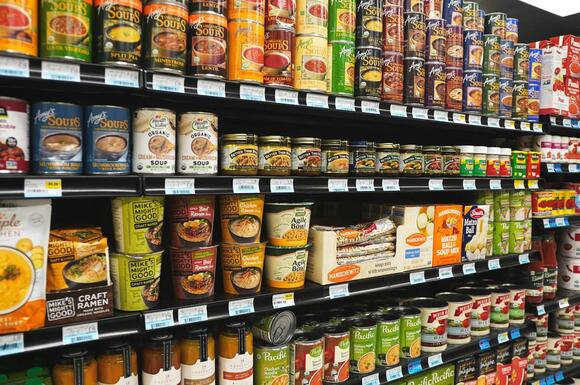
Most people scan the front of a food package, see words like "natural," "enriched," or "wholesome," and feel reasonably confident about what they're putting in their cart. That confidence is often misplaced. The real story lives on the back label, buried in an ingredient list that can sometimes stretch longer than a small contract.
Ultra-processed foods now account for nearly sixty percent of U.S. adults' calorie consumption, and among American children, that figure is close to seventy percent. Learning to read labels more critically is one of the most straightforward things you can do for your health. The eight terms below are among the most common ones manufacturers use, and most shoppers walk right past them every day.
1. "Modified Food Starch" - The Industrial Thickener

Modified food starch refers to starch molecules that have been physically, chemically, or enzymatically altered to enhance their performance beyond what native starches can achieve, starting from common sources like corn, potato, tapioca, or wheat. The word "modified" sounds neutral enough, almost like a minor tweak, but it signals significant industrial intervention.
In the NOVA food classification system, modified food starch is considered a marker of ultra-processed foods due to the industrial processing required to produce it. It is one of the most widely used food additives in commercial food manufacturing, appearing on ingredient labels of products ranging from frozen dinners to infant formula.
Modified starches are found in sauces and gravies, soups, frozen dinners, puddings, pie fillings, yogurt, salad dressings, baby food, bakery fillings, cream-based products, snack foods, instant meals, and canned foods. When it shows up near the top of an ingredient list, the product is very likely in ultra-processed territory.
2. "Natural Flavors" - The Deceptively Wholesome Phrase
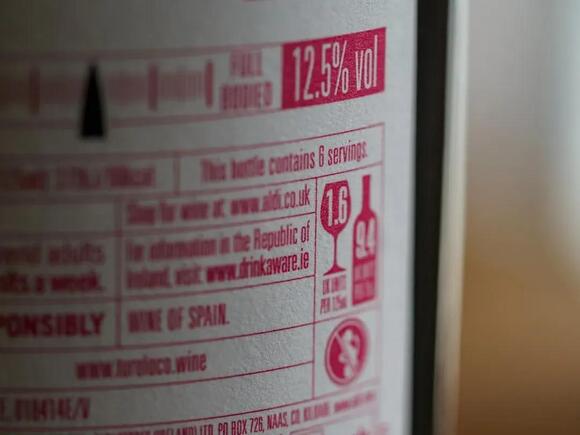
The FDA's regulated definition of "natural flavors" covers a wide range of substances, requiring only that the flavor originates from a natural organism, meaning it only needs to be derived from a plant, animal, or fermentation product. That sounds reassuring on paper. In practice, it's a very broad net.
Not all natural flavors are created naturally. They may still contain solvents, emulsifiers, and preservatives, and a natural flavor can contain between fifty and one hundred ingredients while still being labeled simply as "natural strawberry flavor," for example.
The term is legally permissible and widespread, but it offers consumers almost no transparency. As more people focus on healthier lifestyles, some food manufacturers use marketing tactics that can make processed products appear more nutritious than they really are, and the complexity of food labeling regulations adds to the confusion.
3. "Enriched" or "Fortified" - A Red Flag Dressed as a Benefit
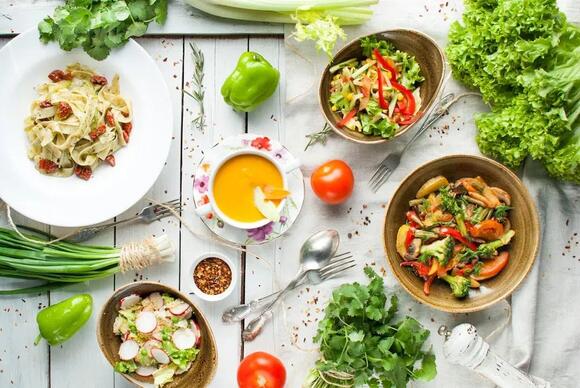
The terms "fortified" or "enriched" mean that some nutrients have been added to the product, such as vitamin D added to milk, but just because something is fortified doesn't make it healthy. In many cases, enrichment is a sign that the original food was so heavily processed that its natural nutrients were stripped away first.
Depending on the degree of processing, nutrients can be destroyed or removed. Peeling outer layers of fruits, vegetables, and whole grains may remove phytochemicals and fiber, while heating or drying foods can destroy certain vitamins and minerals. Although food manufacturers can add some nutrients back, it is impossible to recreate the food in its original form.
Enriched wheat flour is a classic example. The bran and germ are milled away, wiping out most of the fiber, B vitamins, and minerals, and then a handful of synthetic nutrients are added back in. The label sounds positive. The reality is that you're eating something far removed from a whole grain.
4. "Maltodextrin" - The Hidden High-Glycemic Filler

Maltodextrin is a highly processed, plant-based substance typically made from corn, though rice, potato, wheat, or tapioca can also be used. This powder is added to many products to improve consistency, texture, and taste. It shows up in everything from protein powders and snack bars to salad dressings and instant soups.
Maltodextrin has been found to alter gut bacteria and affect blood sugar, as it ranges between 95 and 135 on the glycemic index. For context, table sugar has a glycemic index of around 65. That makes maltodextrin one of the fastest-spiking carbohydrates in the modern food supply.
The term "No Sugar Added" means that sugar has not been added to the product, but this does not mean the food is not high in sugar, and it can still contain ingredients such as maltodextrin, a highly processed carbohydrate. So even products marketed as low-sugar may deliver a significant glycemic hit through maltodextrin alone.
5. "Emulsifiers" - When Gums and Additives Hold Things Together
Ultra-processed foods go beyond the incorporation of salt, sugar, and fat to include artificial colors and flavors, preservatives, thickeners, emulsifiers, and artificial sweeteners that promote shelf stability, preserve and enhance texture, and increase palatability. Emulsifiers are central to this list, and their names on labels are easy to miss.
Common ones include carrageenan, soy lecithin, mono and diglycerides, polysorbate 80, and sodium stearoyl lactylate. Most commercial white breads, for instance, list emulsifiers like DATEM and sodium stearoyl lactylate plus added sugars, and typically contain fifteen or more ingredients compared to the four or five needed for real bread.
In an experimental study on mice, two widely consumed food additive emulsifiers caused transgenerational microbiota alteration that led to increased long-term susceptibility to metabolic and inflammatory diseases. Safety assessments of food additives have so far been performed substance by substance, while mixtures of additives are consumed daily by billions of people worldwide. The collective effect of these mixtures is still not fully understood.
6. "High Fructose Corn Syrup" - The Sweetener That Signals Scale

High fructose corn syrup, or HFCS, is one of the most straightforward red flags on an ingredient list. It doesn't appear in home kitchens. It exists because industrial-scale food production needed a cheap, shelf-stable liquid sweetener, and corn-derived syrup fit the bill perfectly.
Products like hamburger and hot dog buns often contain high fructose corn syrup and multiple preservatives like calcium propionate, staying unnaturally soft for weeks thanks to dough conditioners and stabilizers. Its presence in a savory or bread product, where you might not expect sweetness at all, is a telling sign of how far the formulation has traveled from simple cooking.
Ultra-processed foods like packaged snacks, sodas, frozen pizzas, sweetened cereals, and instant soups are often crammed with saturated fat, salt, and sugar, and have been linked to a variety of health problems including obesity, diabetes, cardiovascular disease, and cancer. HFCS is frequently part of that combination.
7. "Artificial Colors" (Red 40, Yellow 5, and Similar) - Processed by Definition

Artificial colors serve one purpose: making food look more appealing than it actually is in its natural state. Their presence on a label is almost always a signal that the product's natural appearance was lost during manufacturing, or that the product contains no real fruit, vegetable, or other colorful ingredient to speak of.
Ultra-processed foods are defined as foods that have undergone extensive industrial processing and contain little or no whole foods, and they may contain ingredients extracted from whole foods along with artificial, non-nutritive ingredients. Artificial dyes fall squarely into that second category.
Regulators in several countries require warning labels on products containing certain artificial dyes. Most consumers are increasingly aware of ultra-processed foods, with research finding that nearly three quarters of surveyed UK adults in 2024 were aware of the term UPF and well over half reported that their food choices are influenced by whether they believe a food is ultra-processed. Still, spotting the actual markers of processing on a label remains a challenge for most people.
8. "Hydrolyzed Vegetable Protein" or "Hydrolyzed Soy Protein" - Flavor Engineering
Terms like "hydrolyzed vegetable protein" indicate significant processing, pointing to a substance that has been chemically broken down to release flavor compounds, specifically free glutamates that function similarly to MSG. These ingredients are not something you'd find in a standard kitchen, and their presence reflects a highly engineered flavor strategy.
Hydrolyzed proteins are typically added to soups, instant noodles, snack seasonings, meat products, and sauces to create a savory depth of flavor that the base ingredients simply don't provide on their own. They're a shortcut for palatability, and they're a reliable sign that a product has passed through multiple stages of industrial transformation.
Large cohort and interventional studies have found that ultra-processed diets lead to gross nutrient imbalances, overeating driven by high energy density and hyper-palatability, reduced intake of health-protective phytochemicals, and increased intake of potentially harmful food additives. Hydrolyzed proteins contribute directly to that engineered hyper-palatability.
What the Research Is Now Saying

A 2024 review of 45 meta-analyses covering nearly ten million study participants found convincing evidence that a diet high in ultra-processed foods increases the risk of death from cardiovascular disease by roughly half and the risk of anxiety by nearly as much. These are not fringe findings from small studies.
A 2024 umbrella-review study found a strong correlation between ultra-processed foods and no fewer than 32 different health parameters spanning mortality, cancer, and mental, respiratory, cardiovascular, gastrointestinal, and metabolic health outcomes. The sheer breadth of that list is striking.
Growing evidence has linked ultra-processed food consumption to chronic disease risk, and in 2025 this field reached a turning point, with experimental, clinical, and epidemiological studies converging to elucidate the underlying mechanisms. A 2025 randomized controlled trial showed the harmful effects of ultra-processed foods on weight gain and metabolic and reproductive health, regardless of excessive caloric intake. In other words, it isn't just about calories.
How to Use This Information Practically

One of the best tips is to completely ignore claims on the front of the packaging. Front labels are designed to attract buyers by highlighting health-related claims, which may not always accurately reflect the product's overall nutritional value. Flip the package over instead, and start with the ingredient list.
Try choosing items with whole foods listed as the first three ingredients. An ingredient list longer than two to three lines may itself be a sign that the product is highly processed. That's a quick, practical filter that doesn't require memorizing every additive name.
The FDA and USDA have been working toward developing a uniform definition of ultra-processed foods, requesting data and information to build that definition. Until clearer labeling regulations arrive, reading ingredient lists carefully remains the most reliable tool available to everyday shoppers.
The Takeaway

The terms covered here are not obscure. They're on products most people buy weekly, often hidden behind reassuring words on the front of the package. "Natural," "enriched," and "wholesome" are marketing decisions. The ingredient list is the actual evidence.
None of this means that every product containing these terms is equally harmful, or that eating something with modified food starch once in a while is cause for alarm. Context and frequency matter. Most nutrition scientists agree that occasionally eating ultra-processed food is no big deal. The concern is with patterns, not single choices.
Knowing what these eight terms actually mean puts the decision back in your hands. A label that reads like a chemistry experiment is telling you something. It's worth listening to what it says.
AI Disclaimer: This article was created with the assistance of AI tools and reviewed by a human editor.