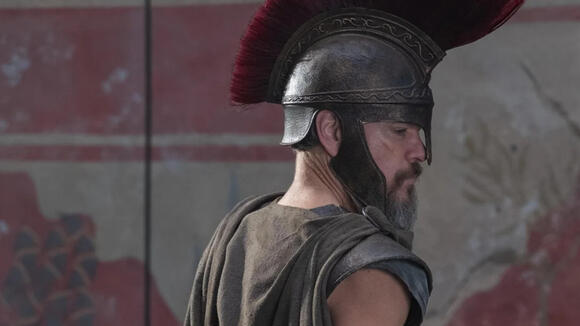
Christopher Nolan’s The Odyssey has found an unlikely critic, and it is someone many assumed would be among the film’s biggest supporters. Emily Wilson, whose 2017 English feminist translation of Homer’s The Odyssey was widely reported to have influenced Nolan’s adaptation, recently criticized the blockbuster for transforming Odysseus from a hero pursuing everlasting glory into a psychologically burdened man consumed by shame and trauma.
The comments are notable because Wilson’s translation has frequently been described by critics as a modern, feminist interpretation of Homer’s epic. Yet even she believes Nolan moved the story even further away from its ancient foundations.
Odysseus Is No Longer Chasing Glory
Wilson’s first criticism centered on Nolan’s decision to portray Odysseus as emotionally damaged by war rather than motivated by the values that defined Greek heroic culture.
“The film certainly presents us with an Odysseus who feels very bad about certain things he’s done in war and is struggling to process them in a very modern psychiatrized way,” Wilson said. “He’s struggling to process them and needs drugs to do so. And he seems to feel bad about being a warrior and we never get to see him doing much warrioring.”
READ: Journey’s Jonathan Cain Blasts Bruce Springsteen as “Annoying, Bitter Old Man”
For Wilson, that represents a fundamental departure from Homer’s original character.
Rather than celebrating martial achievement, reputation, and cunning, Nolan’s version shifts the focus toward guilt, emotional healing, and psychological conflict.
Hollywood Wants Heroes to Feel Guilty
Wilson also questioned whether Hollywood itself contributed to that change.
She argued that Homer’s Odysseus is morally complicated in ways modern blockbusters often avoid.
“There’s a tolerance for ambiguity in the world of The Odyssey which I don’t think there exactly is in the world of Hollywood blockbuster action films.”
She added that Nolan ultimately had to present Odysseus as a more traditionally sympathetic protagonist. In Homer’s poem, however, Odysseus openly seeks glory, wealth, and the spoils of victory.
“He wants glory and he wants to get spoils from the sack of a city,” she noted.
Those motivations are central to understanding the original epic and the Greek heroic ideal.
Glory Has Been Replaced With Shame
Wilson’s sharpest criticism came when discussing what she believes Nolan’s film is actually about.
“I kept looking in vain for a sense that this was a film about glory,” she said. “I think it’s a film that has some interest in shame but it has no interest in glory.”
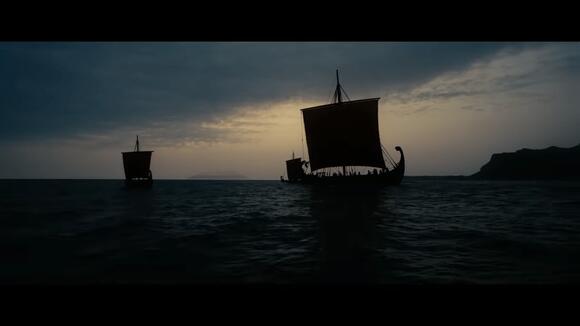
Scene from Christopher Nolan’s The Odyssey – Universal Pictures, YouTube
That observation strikes at one of the defining themes of Homer’s work.
The Greek concept of kleos—everlasting glory earned through extraordinary deeds—is one of the driving forces behind many of Homer’s heroes.
Wilson argues Nolan largely removes that concept in favor of a contemporary story about internal emotional conflict.
The Irony Is Hard to Ignore
Wilson’s criticism carries extra weight because of her own role in the modern conversation surrounding Homer.
Her translation became enormously influential after its release, while also drawing criticism from some readers who believed it reflected a distinctly modern feminist perspective on the ancient text. Wilson herself has written extensively about gender, power, and women in classical literature.

Matt Damon as Odysseus in the trailer for The Odyssey – YouTube @UniversalPictures
READ: Ricky Gervais Doesn’t Care if You’re Offended — Comedian Rejects Calls to Tone His Humor Down
Because Nolan reportedly used Wilson’s translation during development, many assumed she would welcome his reinterpretation.
Instead, she believes Nolan modernized The Odyssey even further than she would have.
Whether readers agreed with Wilson’s own translation choices or not, her criticism demonstrates that concerns about Nolan’s adaptation are no longer coming exclusively from audiences seeking a more traditional retelling.
Nolan Made a Christopher Nolan Film
Wilson ultimately acknowledged that the adaptation is consistent with Nolan’s long-established filmmaking interests.
“This is a very different adaptation from any that I would have done but it’s very in tune with things that Nolan has been obsessed with his entire career.”
That may ultimately explain the divide.
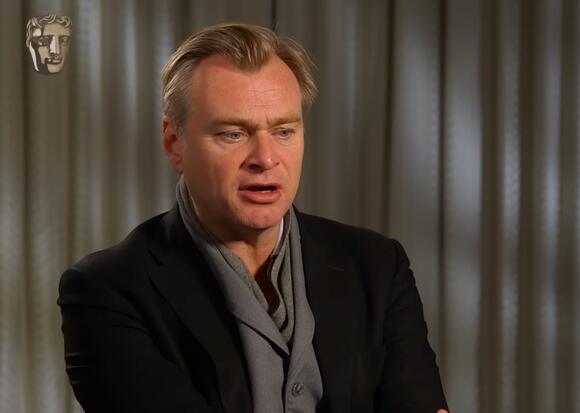
Christopher Nolan in an interview – YouTube, BAFTA Guru
Rather than adapting Homer on Homer’s terms, Wilson suggests Nolan filtered the ancient epic through recurring themes that have defined films such as Memento, Inception, Interstellar, and Oppenheimer—memory, identity, guilt, trauma, and the psychological consequences of extraordinary choices.
For viewers who wanted a Christopher Nolan epic, that approach may work.
For Wilson, however, it came at the expense of one of Homer’s most enduring ideas: the pursuit of glory rather than the burden of shame.
Are you surprised that Emily Wilson didn’t like The Odyssey? Sound off and let us know!
UP NEXT: Kevin Feige Says Marvel Won’t Reboot the MCU After ‘Avengers: Secret Wars’
The post Feminist ‘The Odyssey’ Translator Emily Wilson Says Christopher Nolan’s Movie Replaced Homer’s Heroic Glory With Modern Shame appeared first on That Park Place.