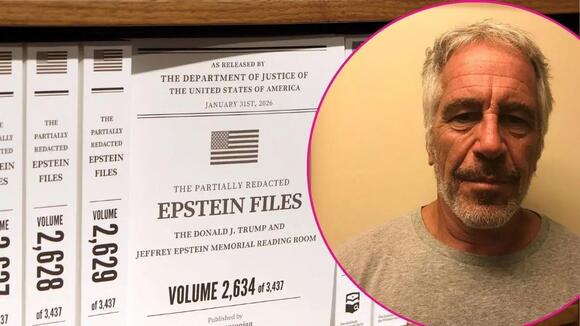
A federal judge has put the Justice Department on a deadline in the latest fight over the Epstein files, ordering the agency to release unredacted records tied to FBI interviews with a woman who accused Donald Trump of sexually assaulting her when she was 13, or explain why the documents should remain withheld.
U.S. District Judge Emmet Sullivan sided with investigative journalist Katie Phang, who sued acting Attorney General Todd Blanche and accused him of violating the Epstein Files Transparency Act by failing to publish all government-held documents related to Jeffrey Epstein and by improperly redacting released material.
The order gives the DOJ until July 2 to comply.
The Files at Issue
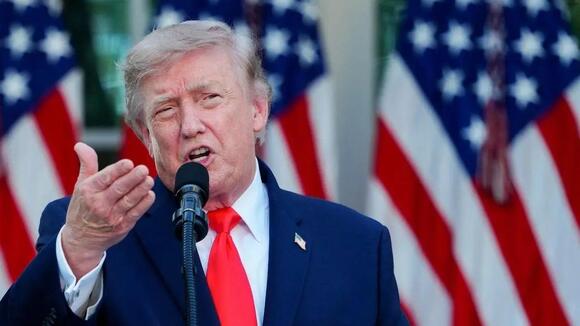
Sullivan’s decision covers FBI notes from interviews with a South Carolina woman who said Epstein introduced her to Trump in 1984, when she was about 13, and that Trump forced her to perform a sexual act. Trump has denied the allegation, and the White House has denied the woman’s story.
The woman’s claims surfaced in documents released as part of the DOJ’s Epstein files disclosure, including redacted FBI interview summaries, but dozens of pages related to the interviews have reportedly not yet been released.
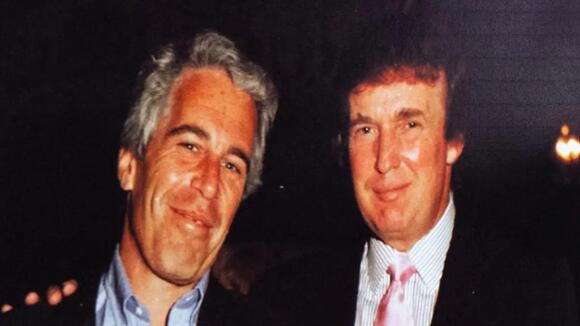
The woman was interviewed by the FBI four times in 2019, soon after Epstein was arrested on federal child s-- offense charges.
Why the Ruling Matters

The DOJ has released roughly half of the 6 million pages of documents it collected on Epstein, but many of the files made public have been heavily redacted. Blanche argued that Phang could not sue to force the DOJ to release the records and should instead seek them through a Freedom of Information Act (FOIA) request.
In his 48-page opinion, Sullivan found that Phang had the right to sue over unreleased files and that FOIA “does not provide an adequate remedy.” He also ordered the DOJ to release a log listing every redaction it has made to published Epstein files, as required by the Epstein Files Transparency Act.
The Legal Pressure on DOJ

Spencer T. Kuvin, chief legal officer and civil trial attorney of GOLDLAW, has litigated against Epstein for nearly 20 years and represented nine survivors, including Jane Doe #1 in Palm Beach, who was 14 years old at the time.
"If the Attorney General refuses to comply with this order, this is no longer a debate over transparency — it becomes a direct test of whether the Department of Justice will obey a federal court,” Kuvin said. “Judge Sullivan has ordered action by July 2, and failure to comply could expose the Attorney General to enforcement proceedings, contempt sanctions, and escalating judicial pressure to release what the law requires the public to see.”