1. The Dutch Community Where People Live on Strips of Land in a Lake
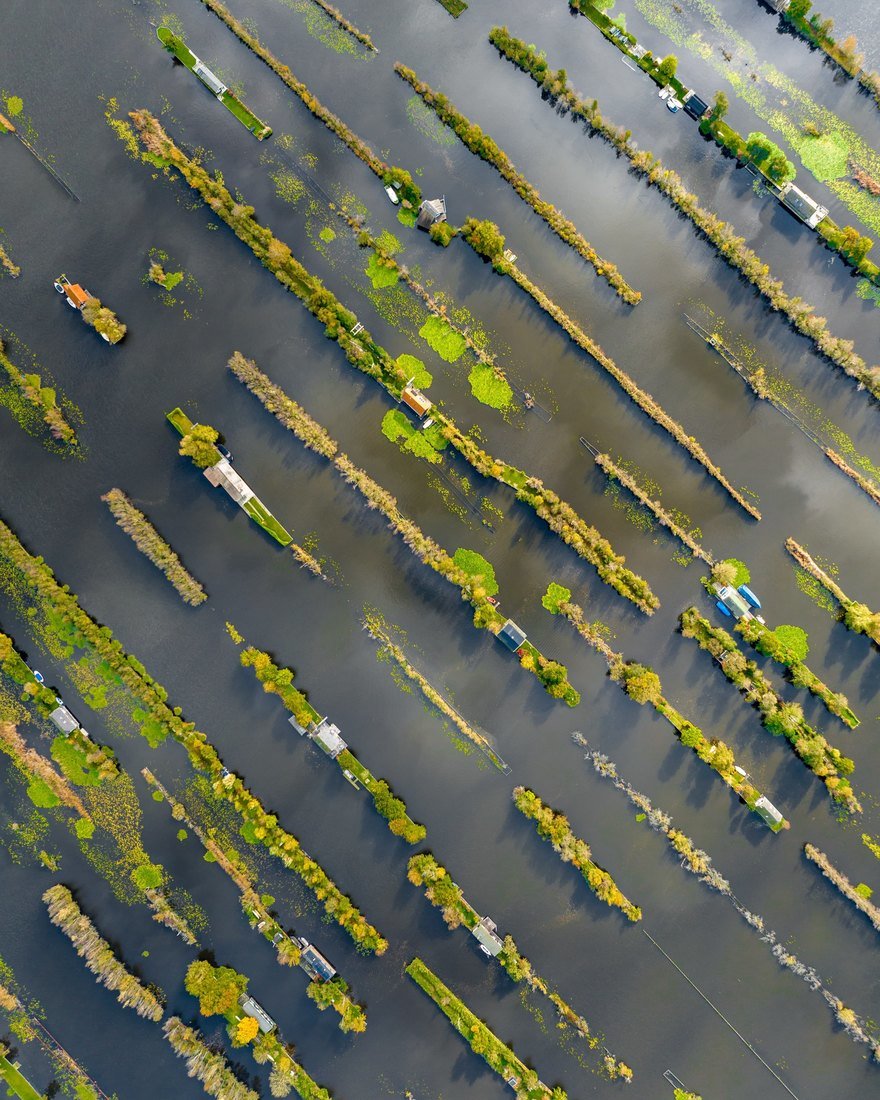
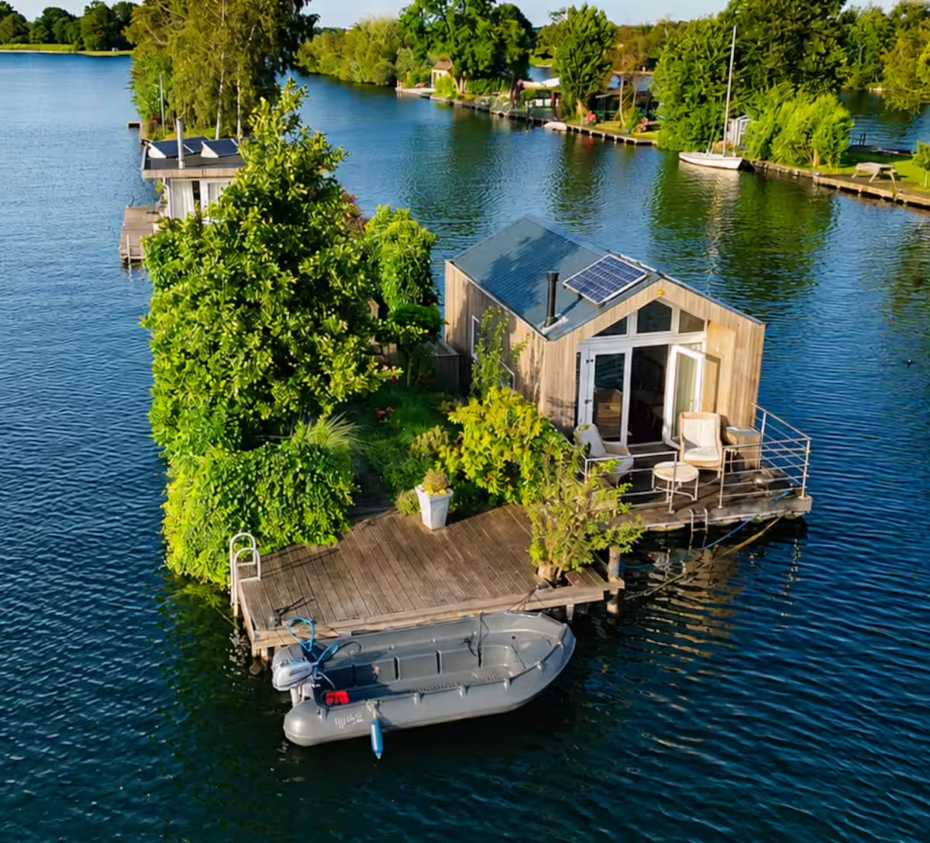
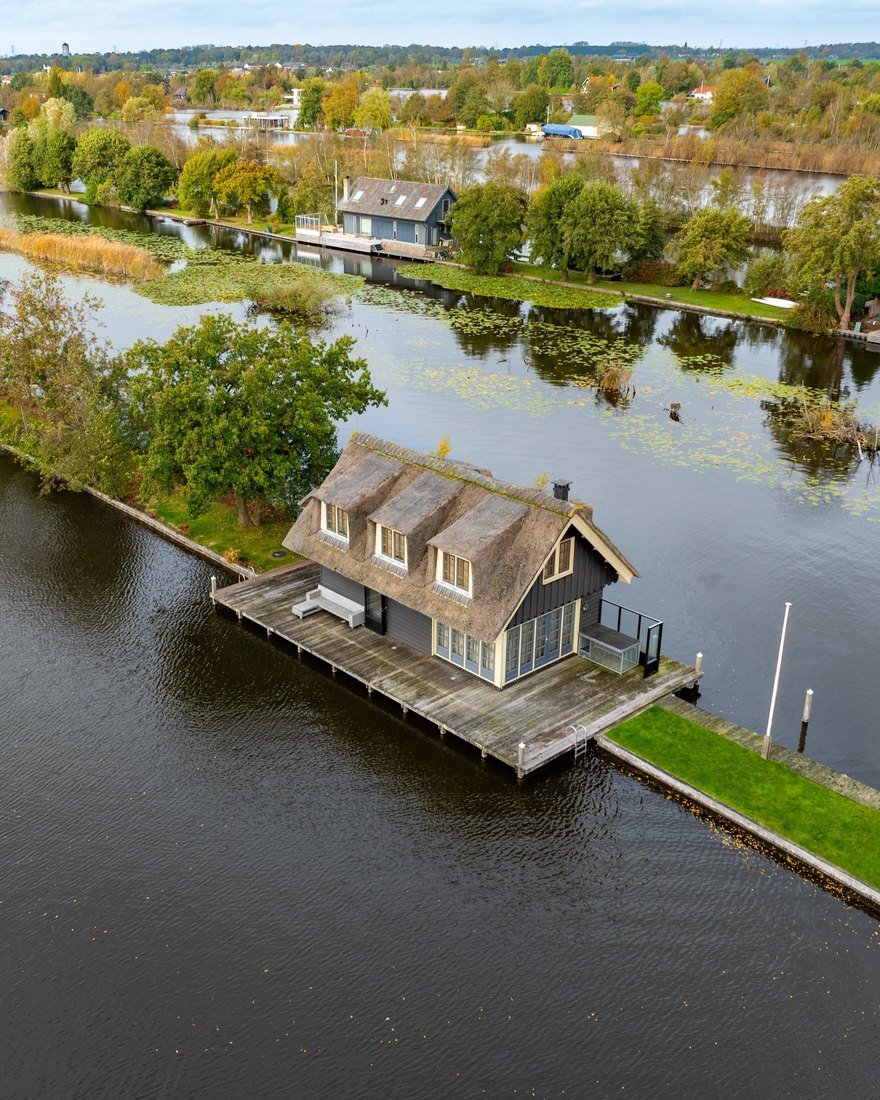
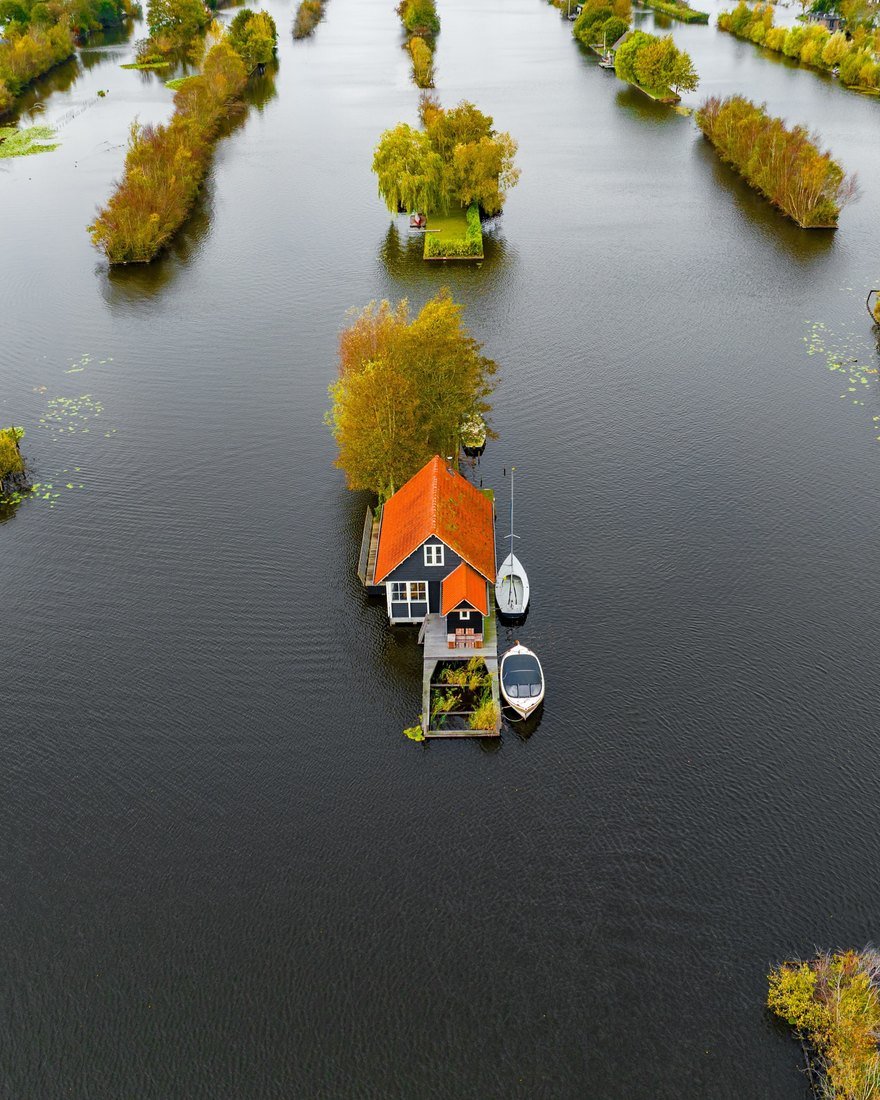
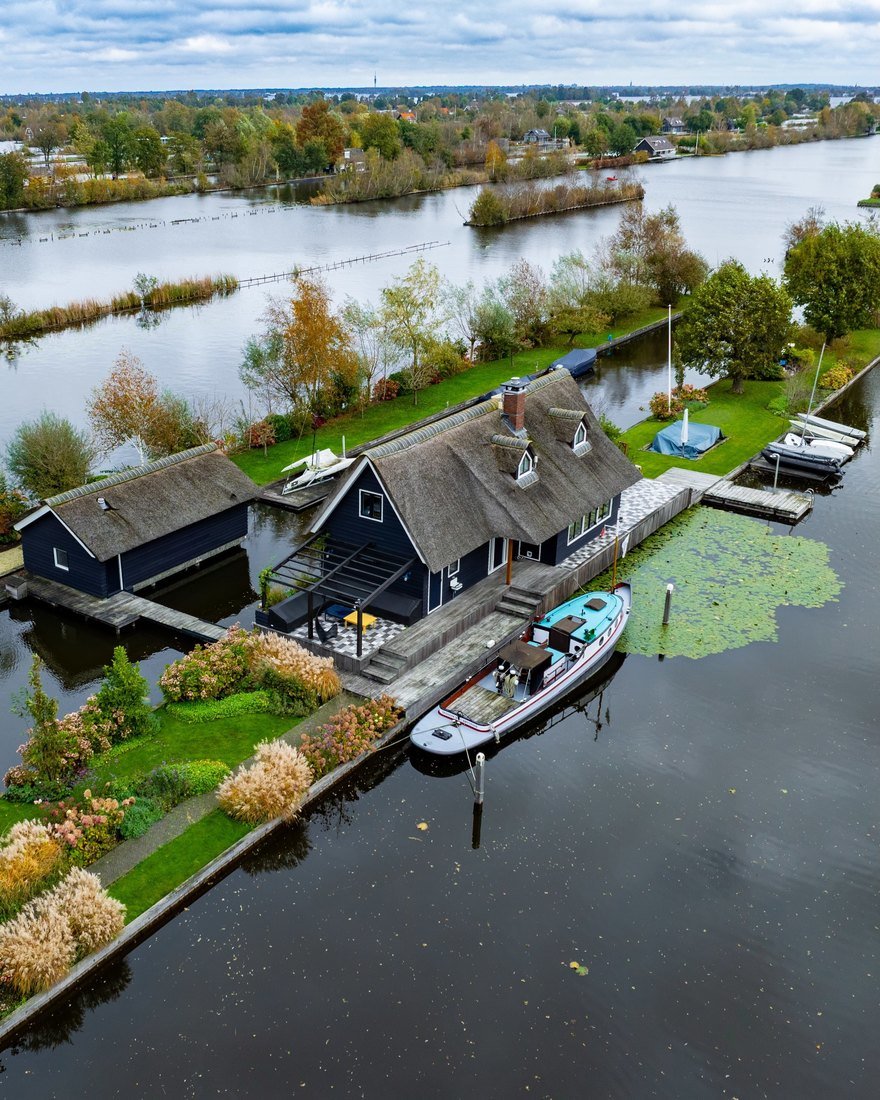
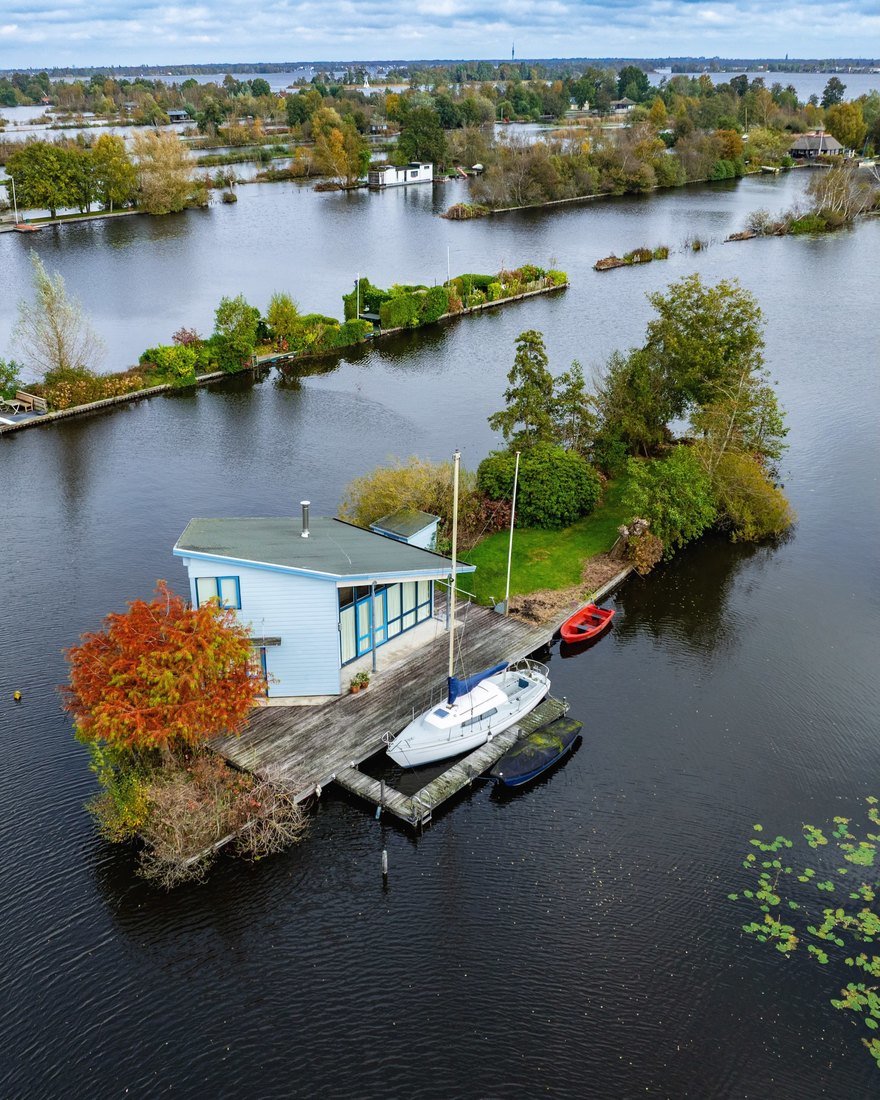

I had a look and you can rent them on Airbnb too. There’s a cluster of lakes all near Amsterdam or Utrecht with the skinny islands! Check out some homes for rent around here or here and also here.
And here’s a bit more about the history:
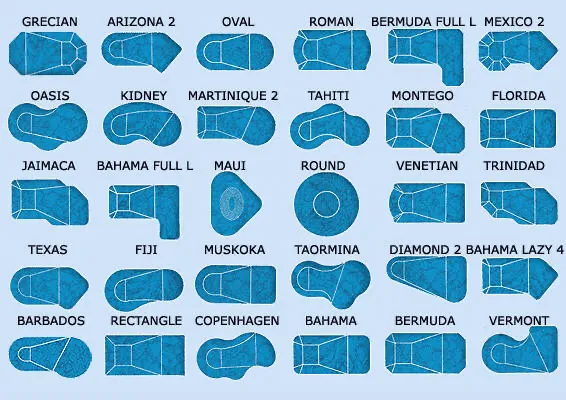
2. Oddly interesting Typology of Swimming Pool Shapes
3. Oh, just a Fiberglass Mold Graveyard in Wisconsin
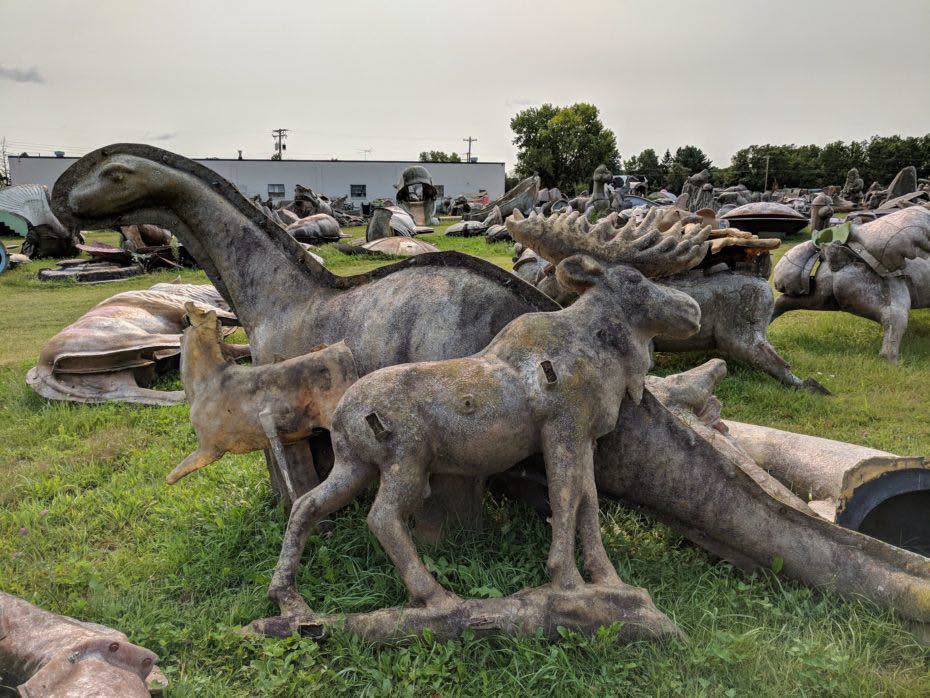
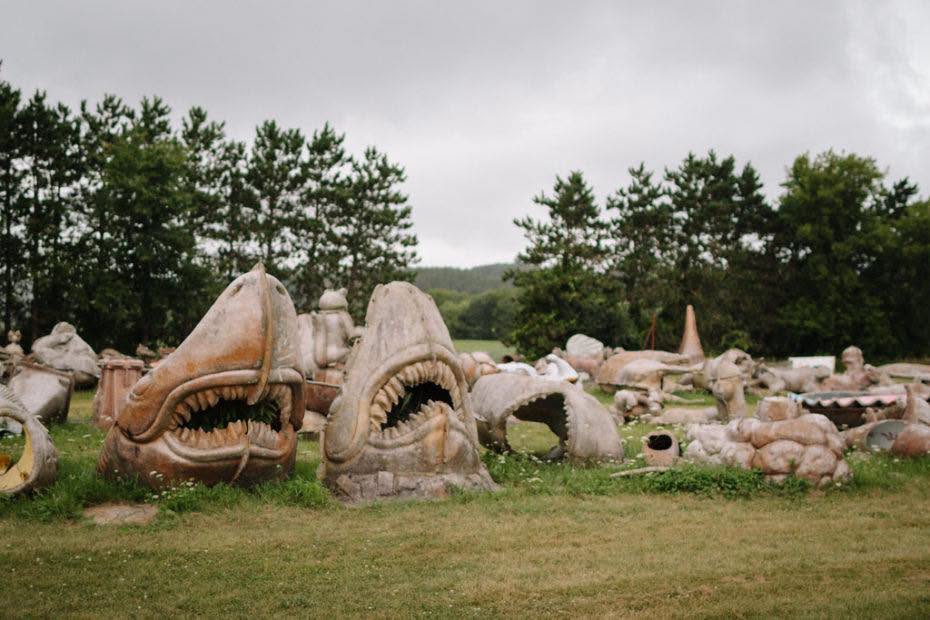
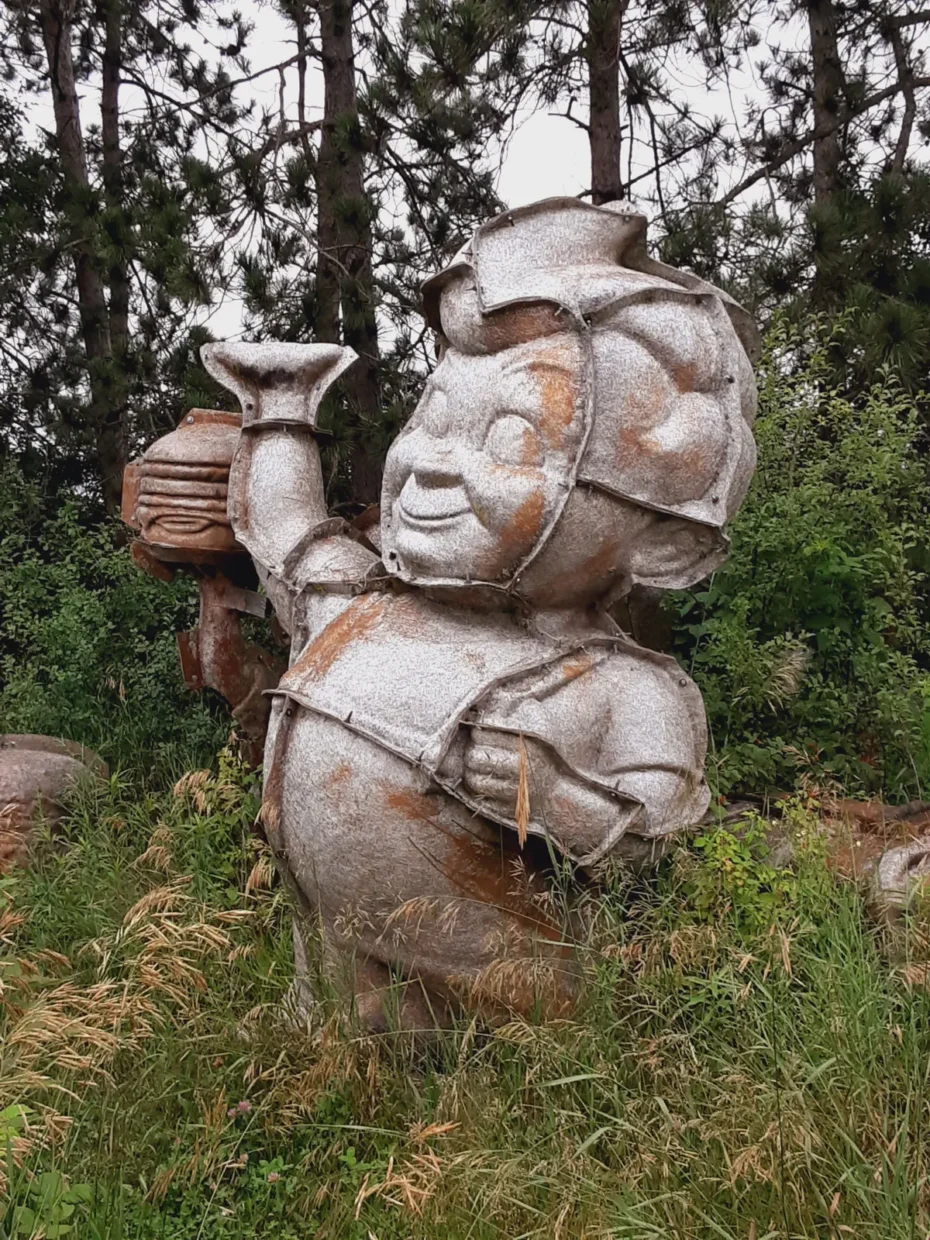
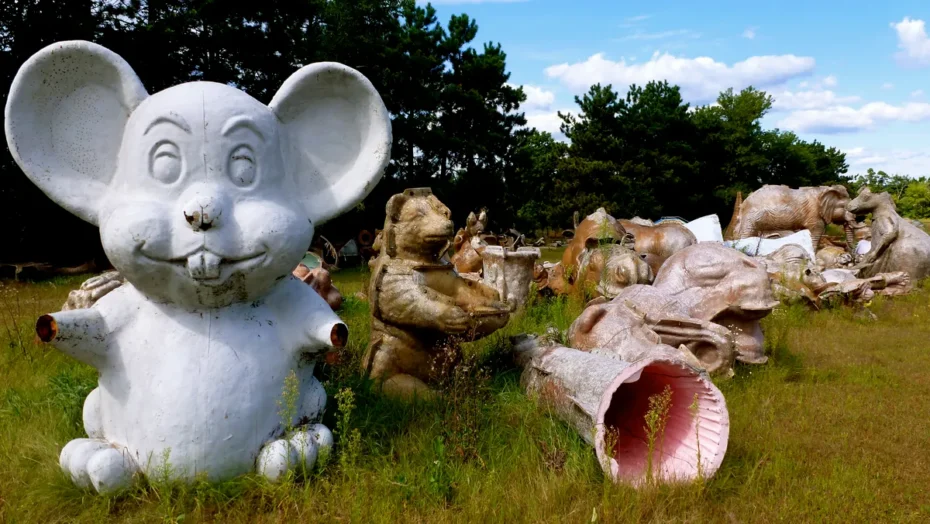

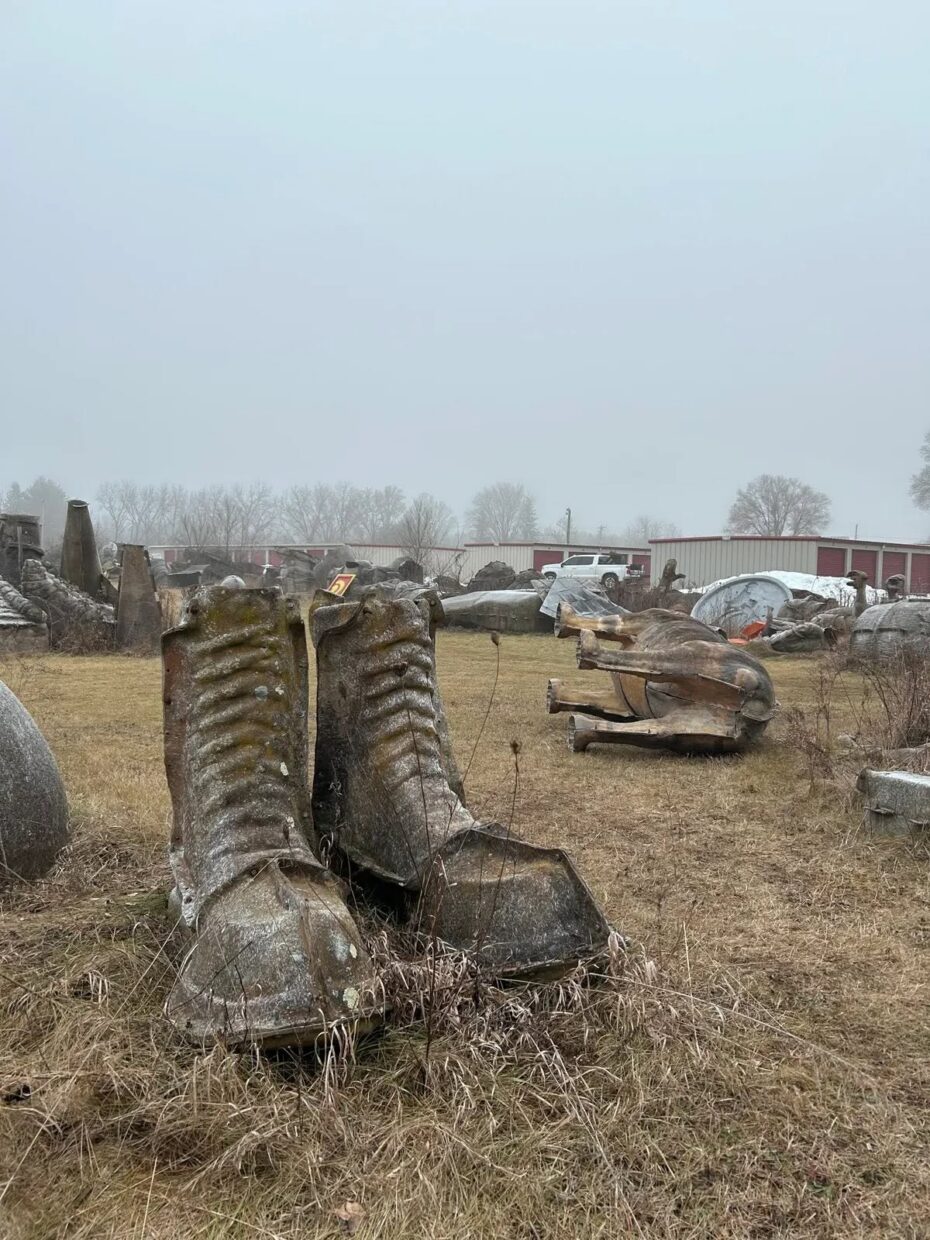
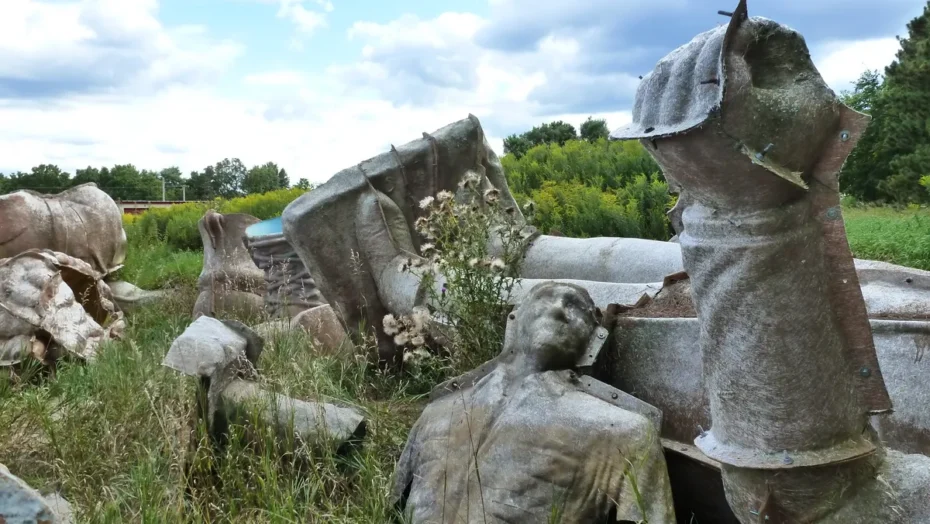
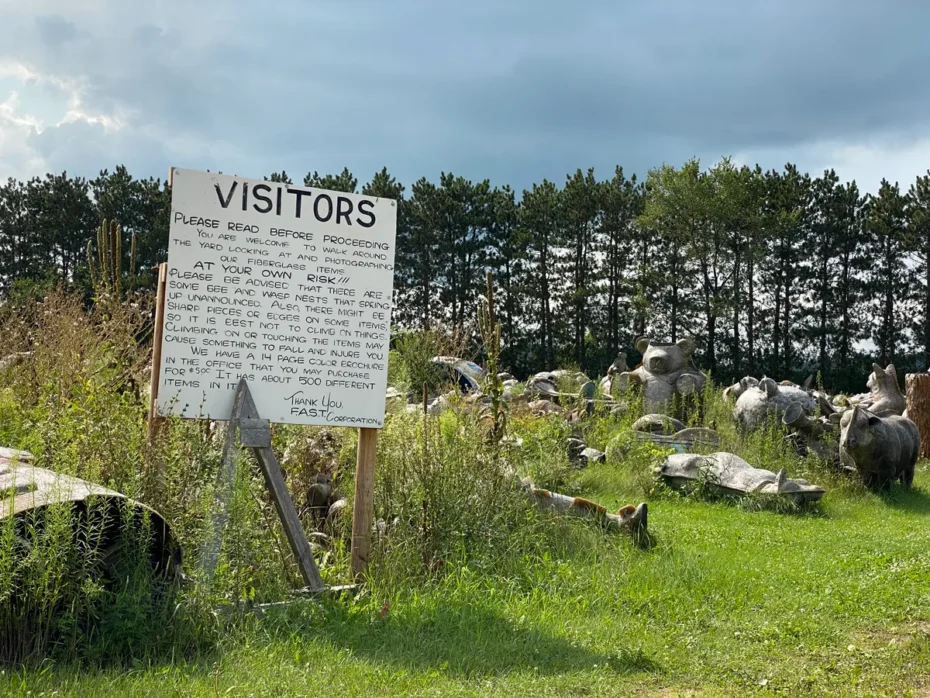
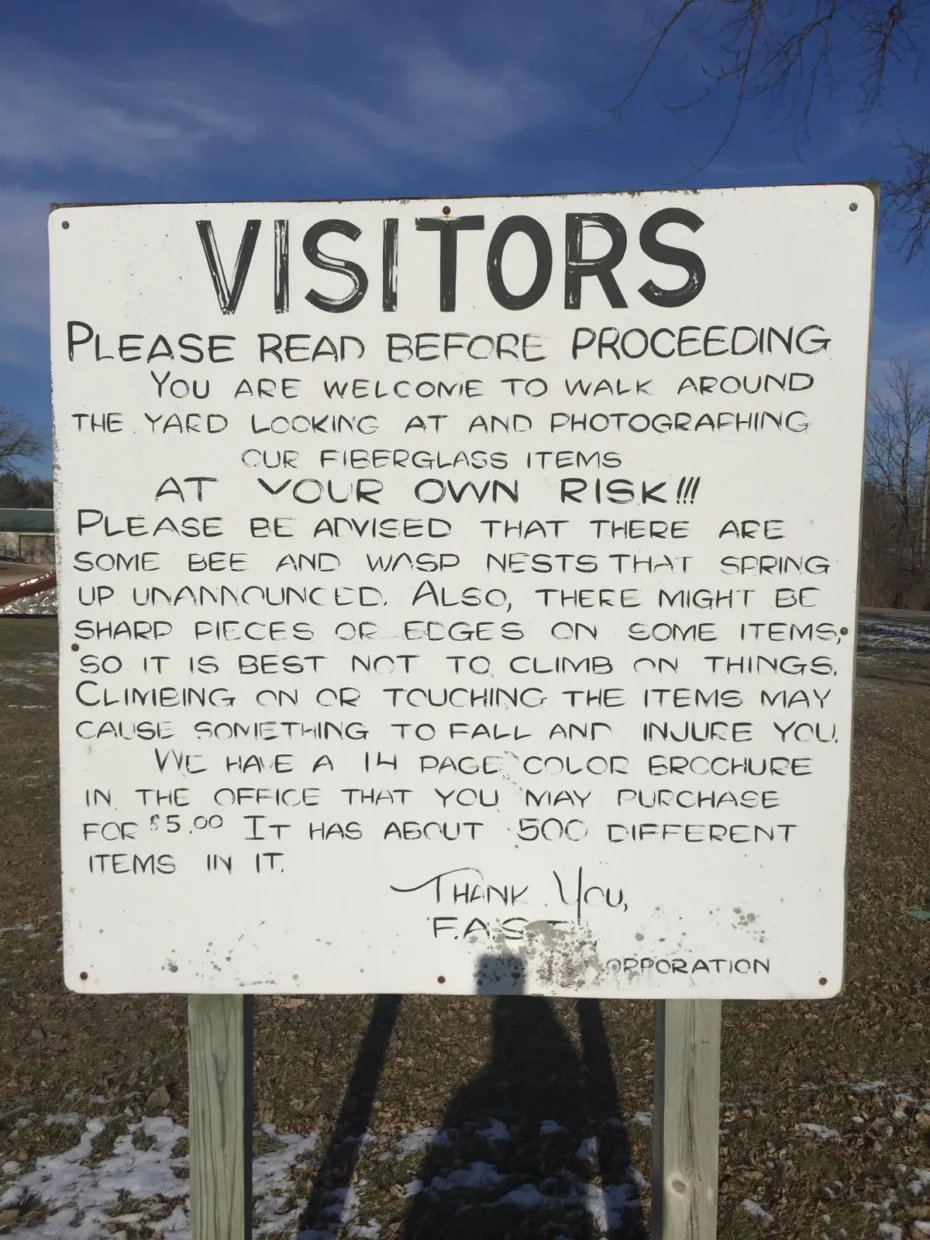
Littering the field behind the workshop of giant-building firm Fiberglass Animals, Shapes, and Trademarks (FAST) is an eerie collection of titanic molds, left over from almost every job they’ve ever done.
Found on Atlas Obscura.
4. Pure and perfect nostlagia
5. Oh boy, there is such thing as the the Moist Towelette Online Museum
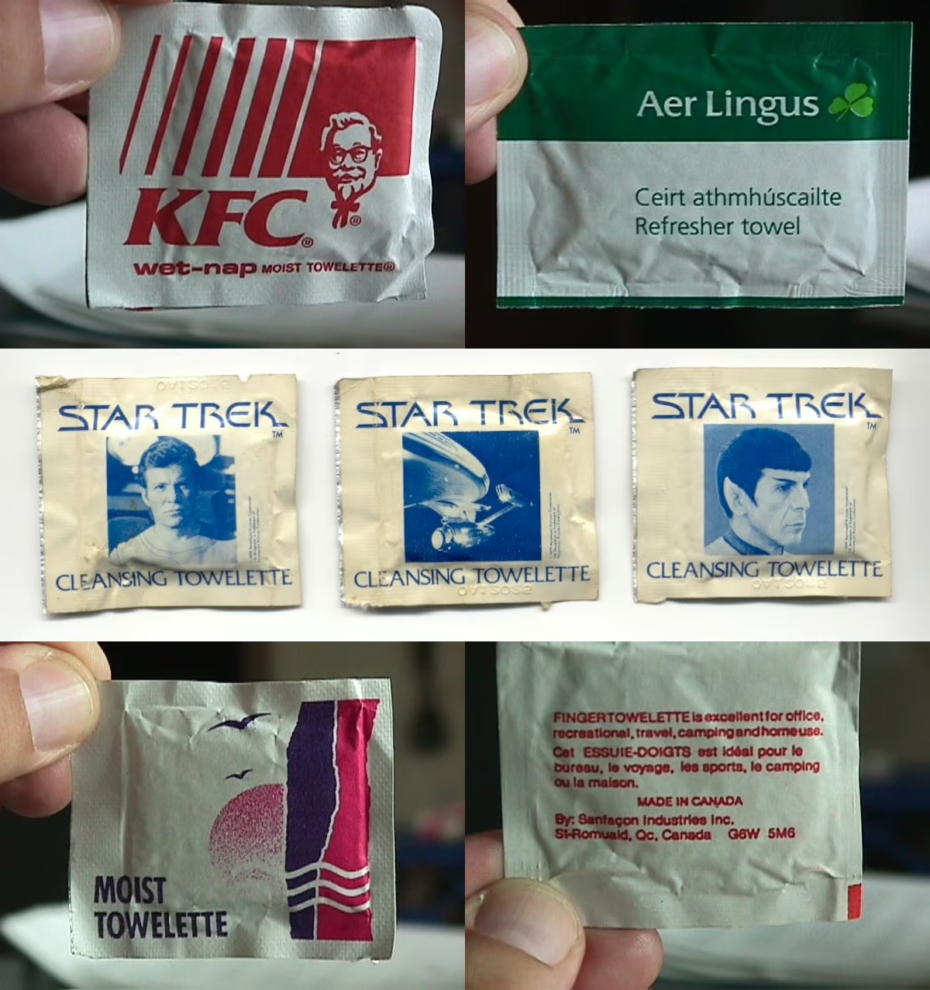
A little reminder that old world internet still exists. Found via Kottke.
6. What America’s earlier restaurant menus teach us about America
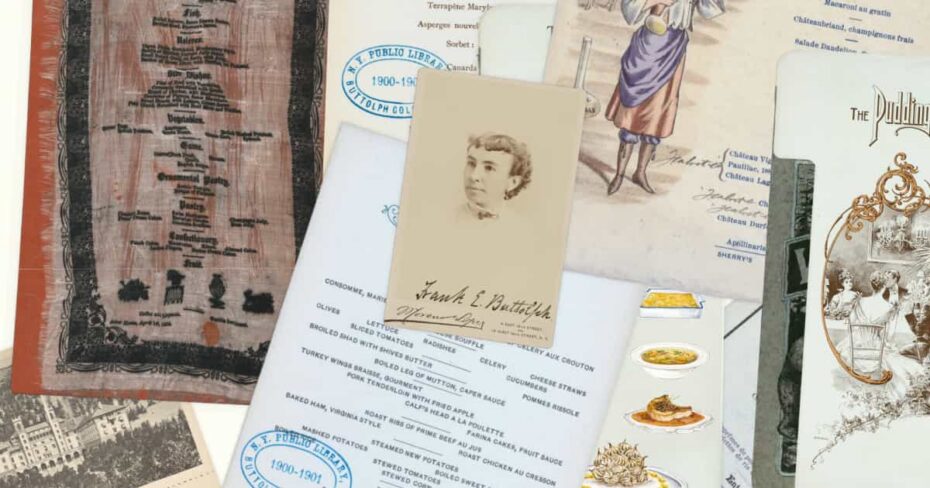

In 2015, I wrote an article about The Vintage Menu Collector: 25,000 Restaurants by One Woman. Brooklyn-based writer and strategist Stephen Lurie went and made a beautiful website that takes a deep dive into how these menus reflect the class, gender, political, technological, and environmental shifts of history.
7. A conversation with John Waters about how he used to work at a poet’s bookstore in Provincetown “where you were allowed to be mean to the customers. It was really fun.”
You can skip to the part of the conversation about the bookstore at the 30m 41 second mark. Found via Literary Hub. Listen below:
8. And now take a look around this secret Brooklyn Bookstore
9. The Suoyi (蓑衣) is a traditional Chinese raincoat historically used by farmers, fishermen, and laborers for centuries.
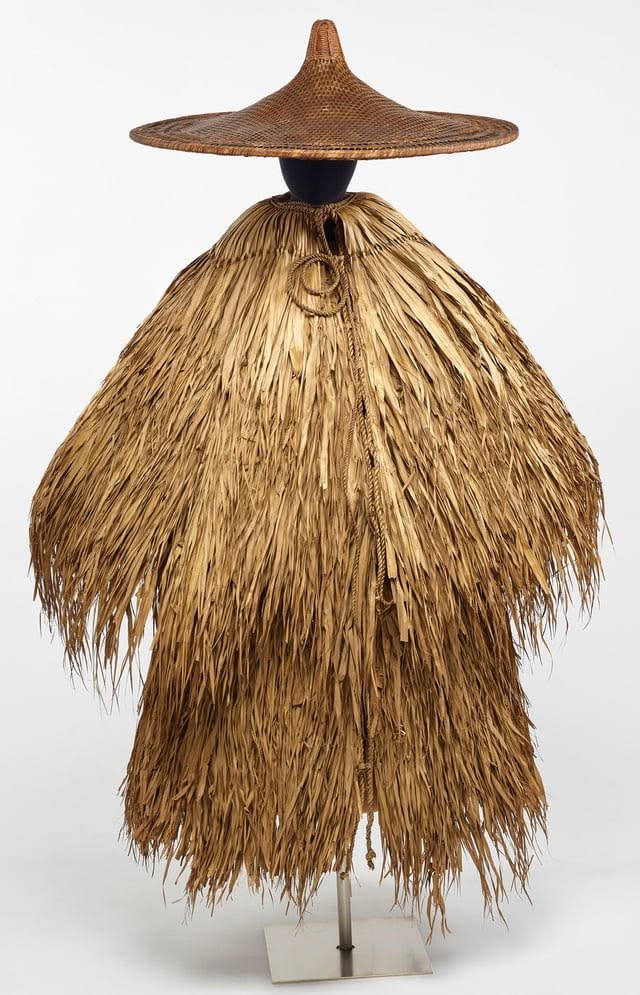
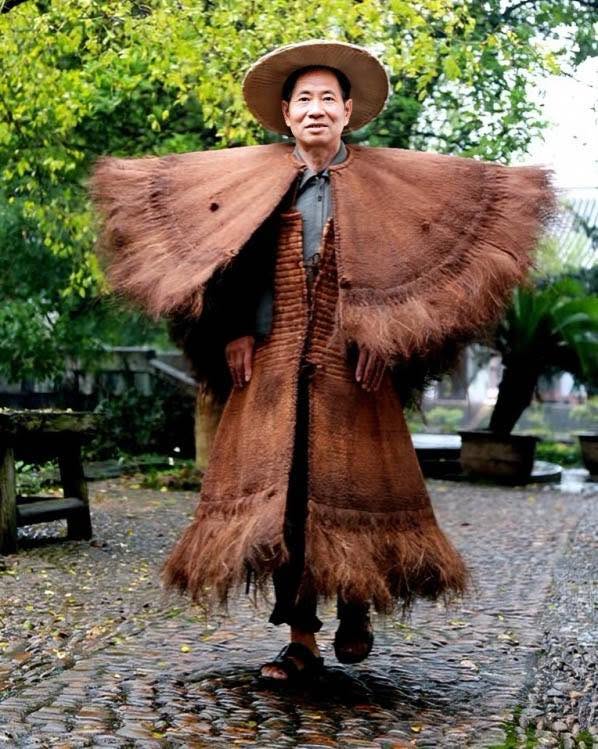
Made from natural, water-resistant plant fibers—most commonly woven palm bark, straw, or reeds. The construction involves intricate weaving techniques that create a layered, shingle-like effect, which allows water to shed off the garment while remaining breathable. Long before the invention of modern waterproof fabrics or umbrellas, the Suoyi was essential gear for rural workers. It provided protection from wind and rain while allowing the wearer to remain mobile and warm during fieldwork. It is often regarded as a symbol of resilience, heritage craftsmanship, and a deep, historical harmony with nature. In some contexts, the antique versions of these capes are now considered collector’s items or symbols of good luck.
Found on Garland Mag.
10. Dreamy Provencale Artist’s House For Sale
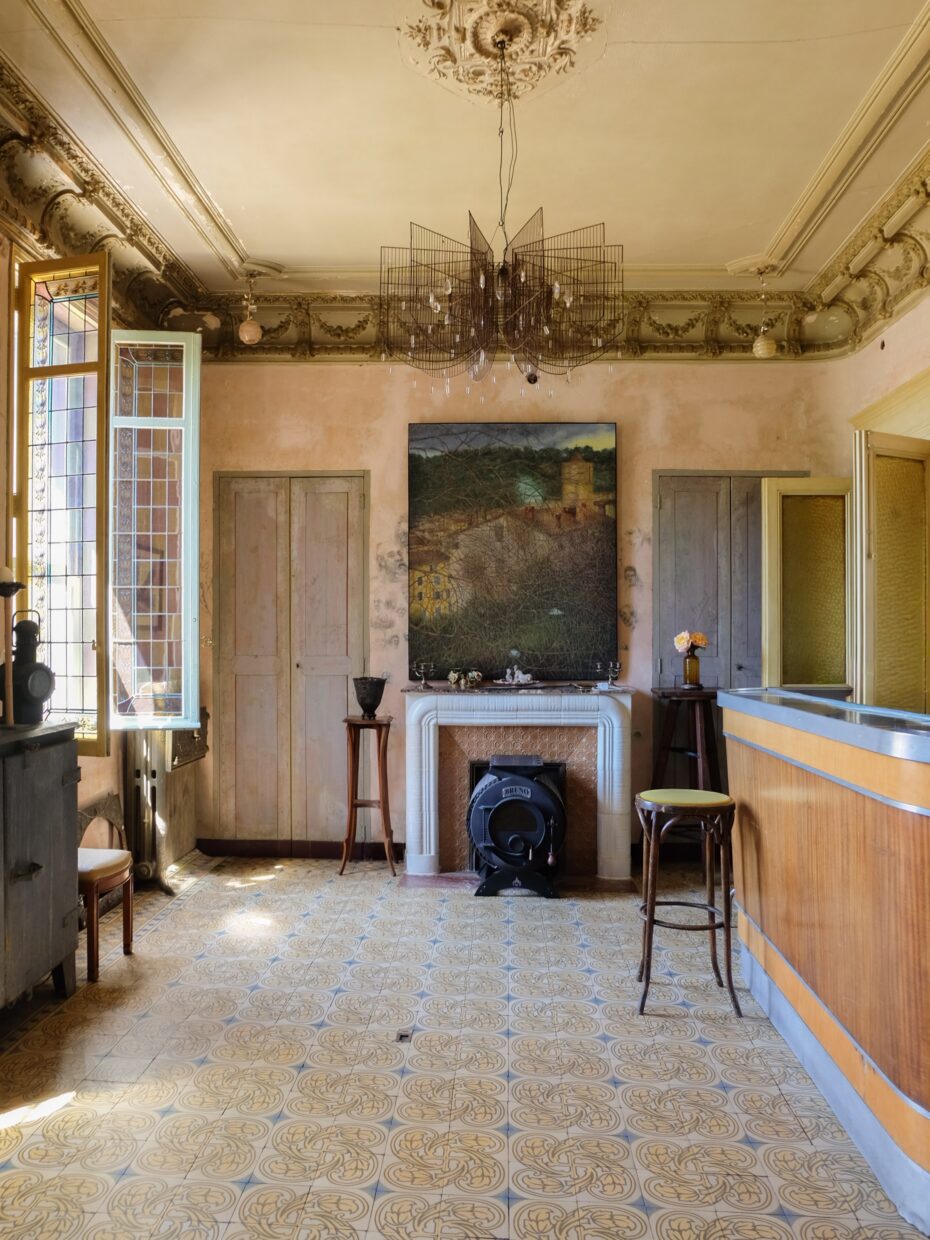
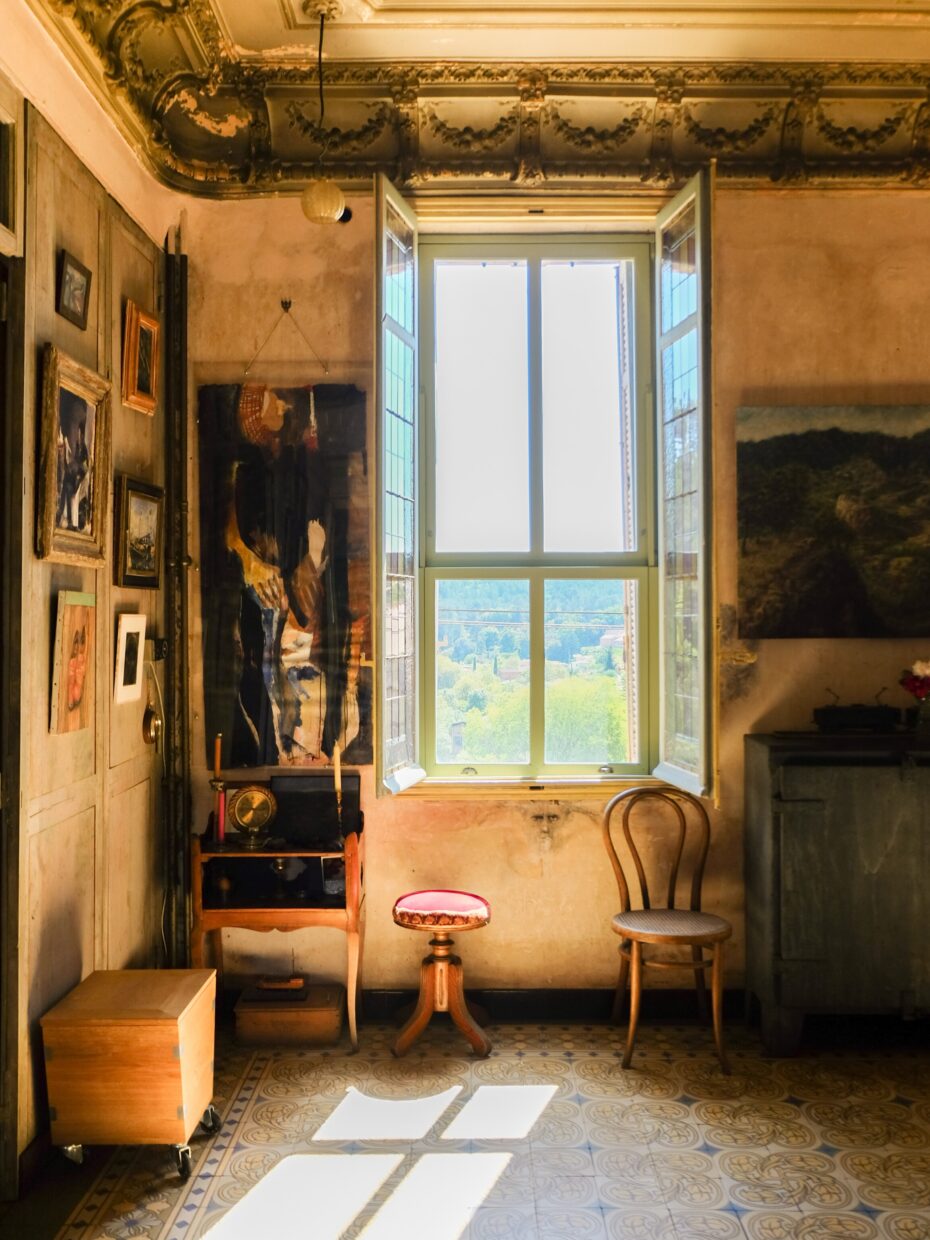
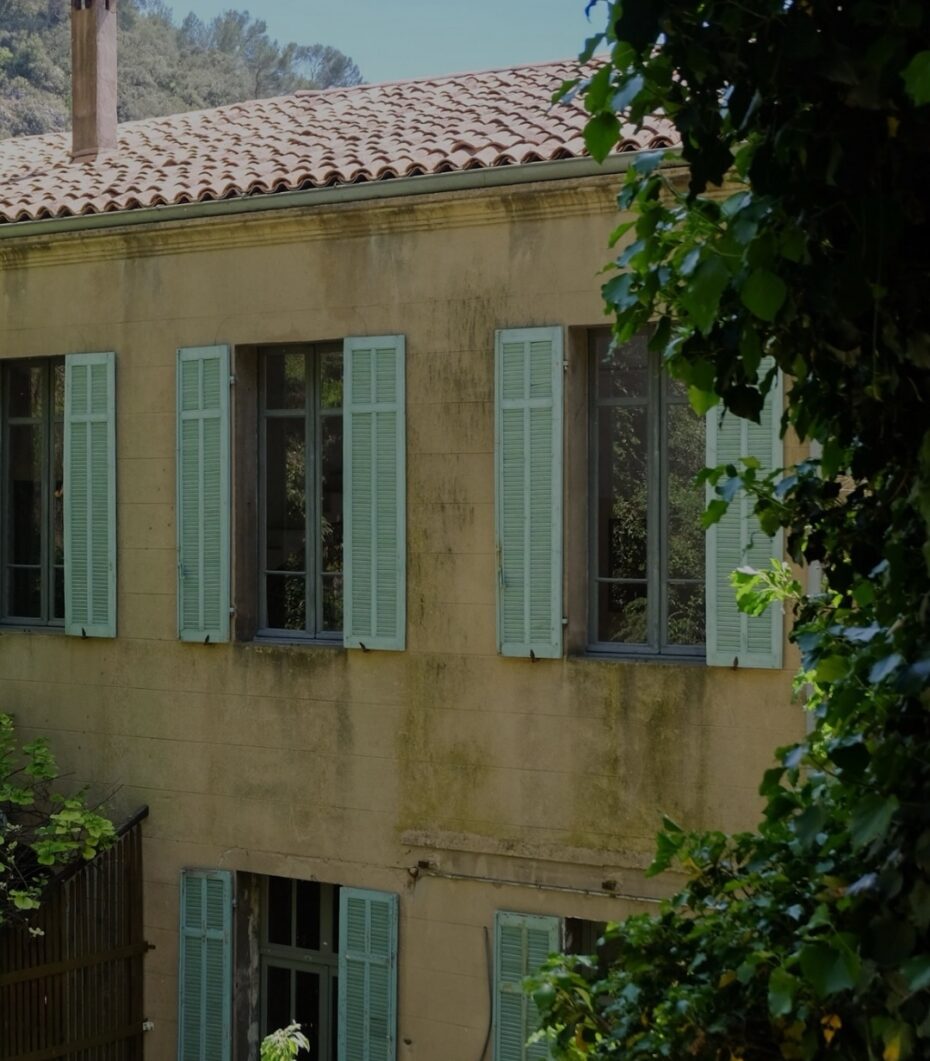
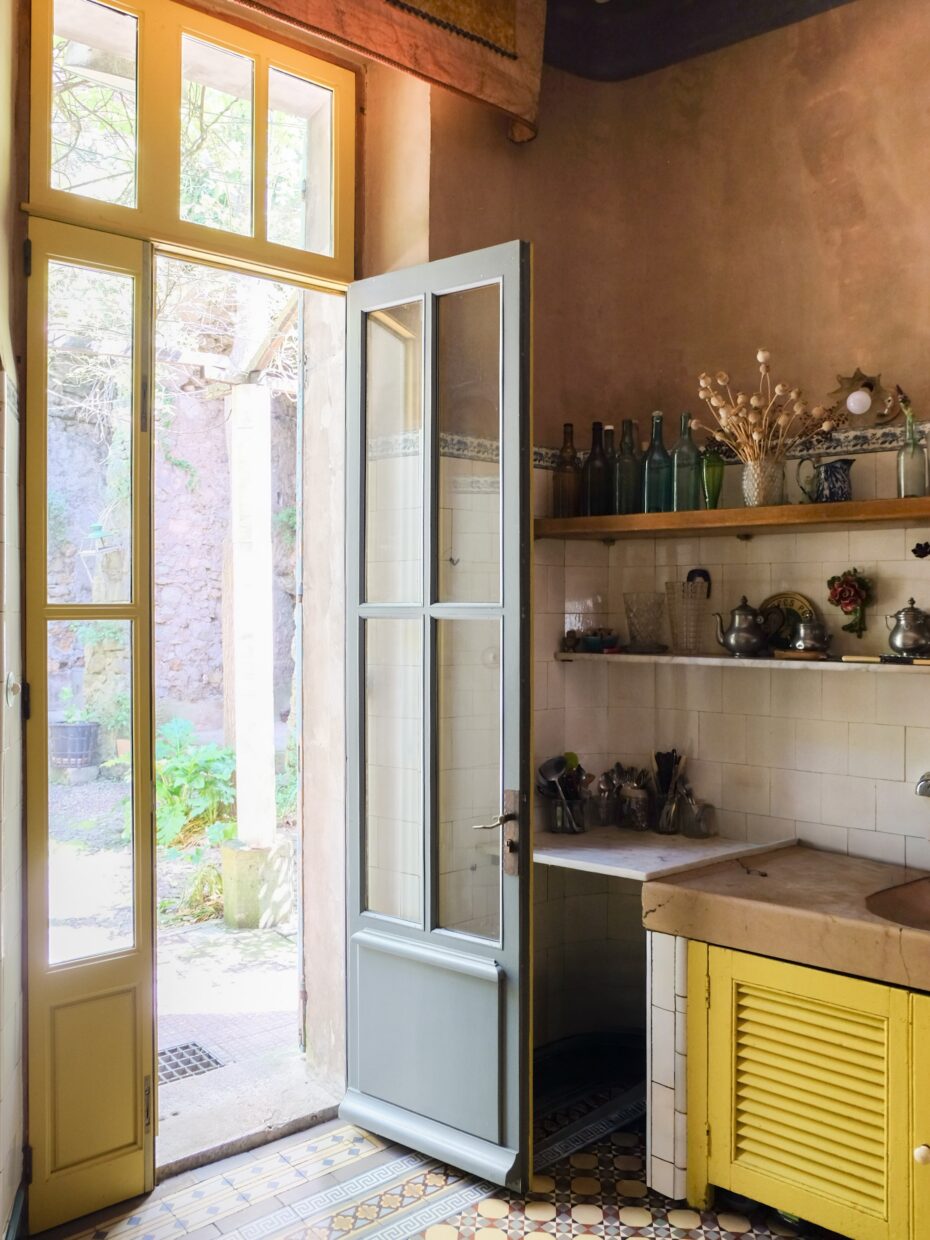
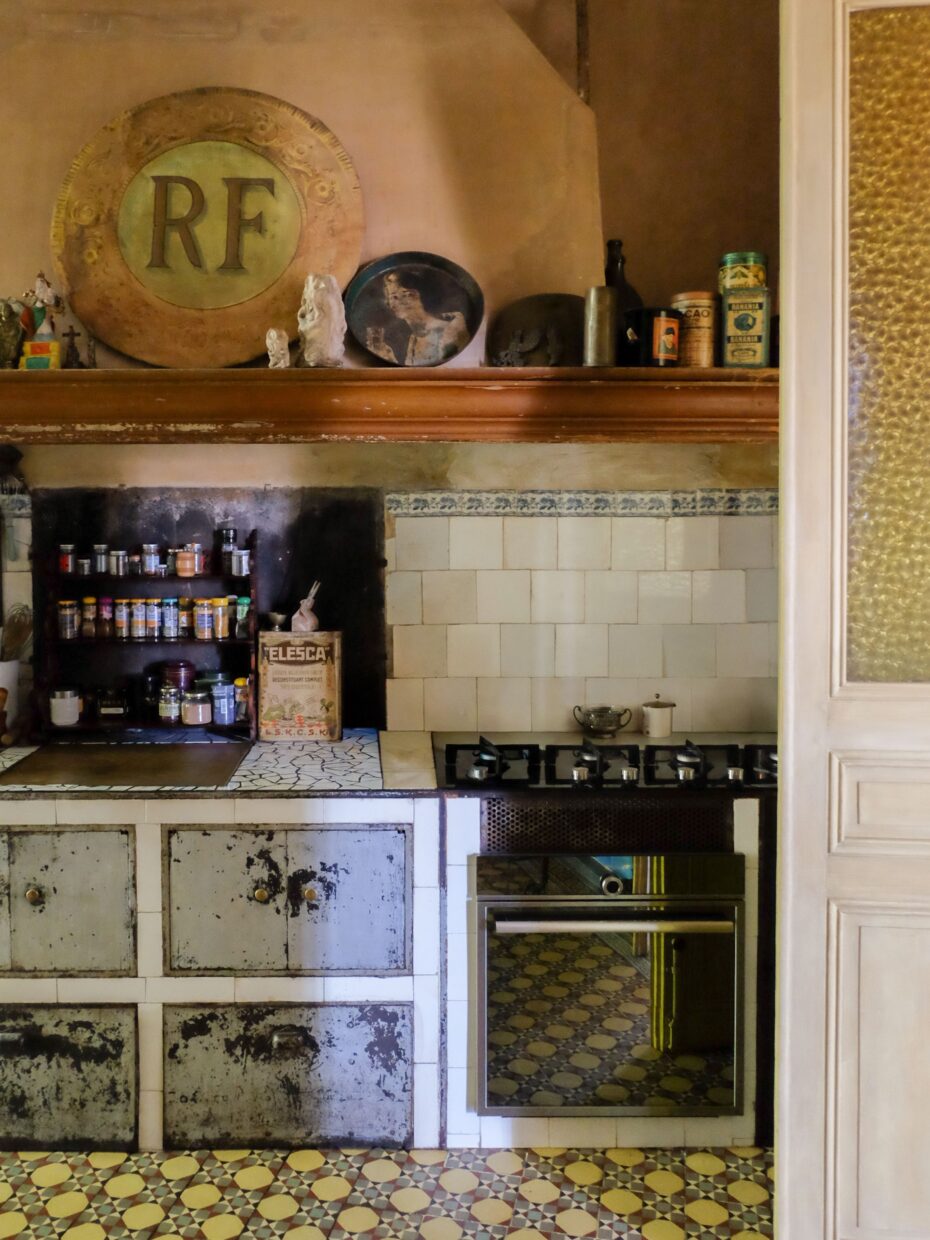
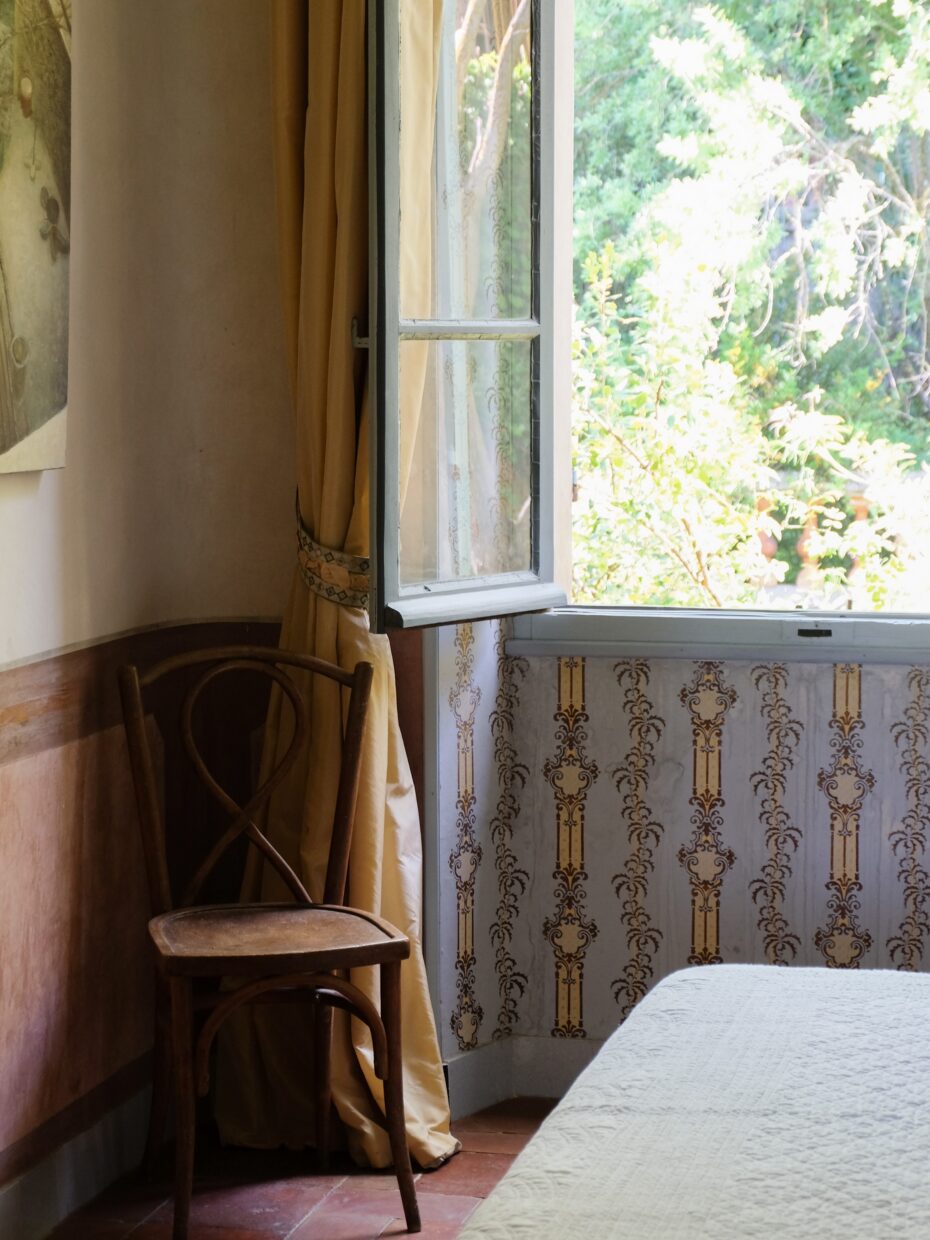
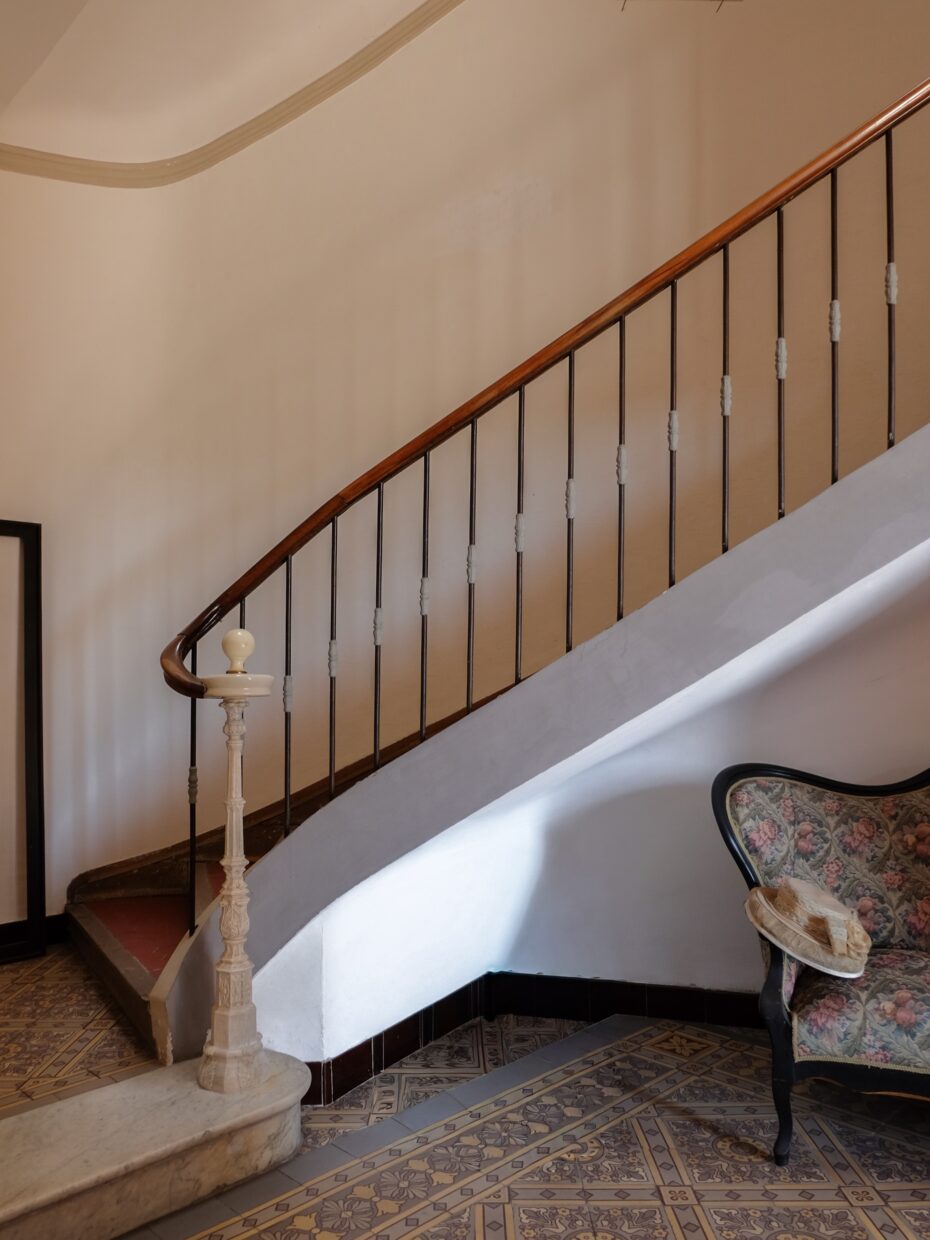
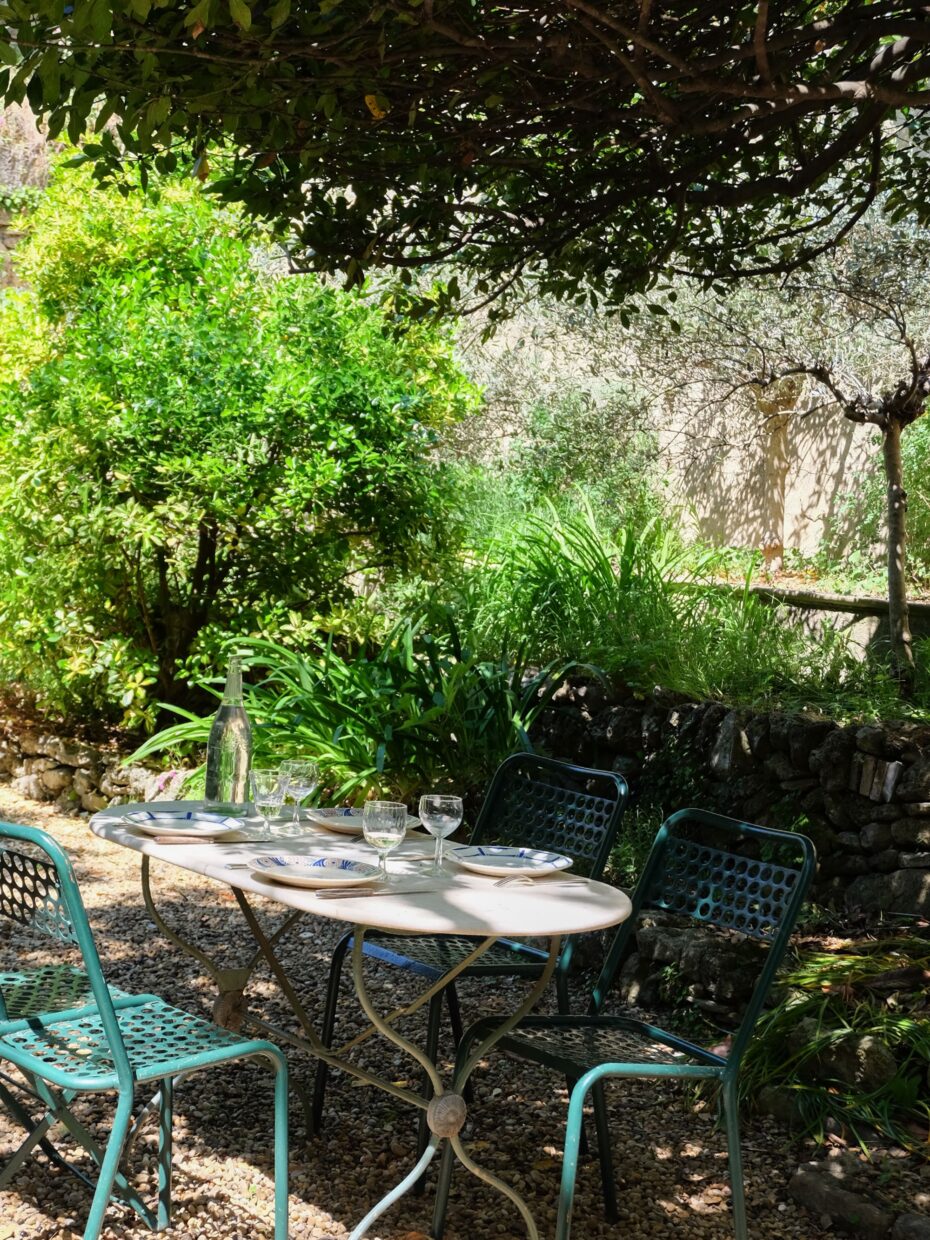
Located in the village of Barjols. Seven bedrooms asking 1 240 000 €, listed with Archik.
11. Venetian Bridge Brawls pretty much had their own genre in 17th and 18th Century Art
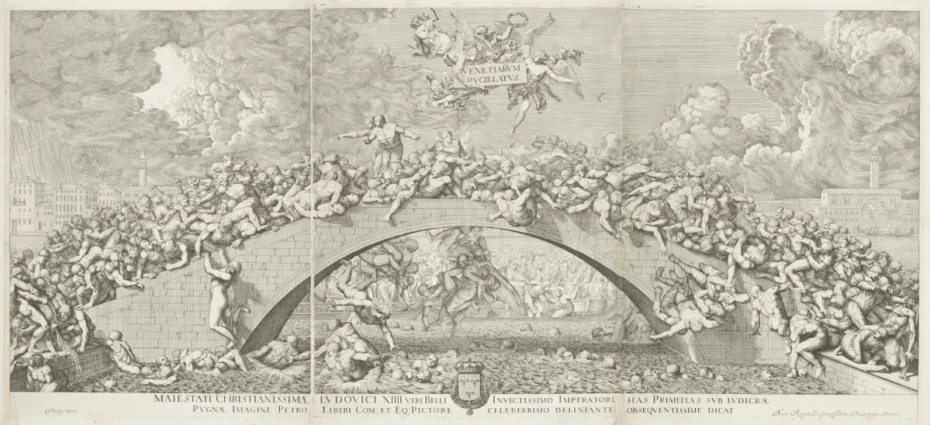
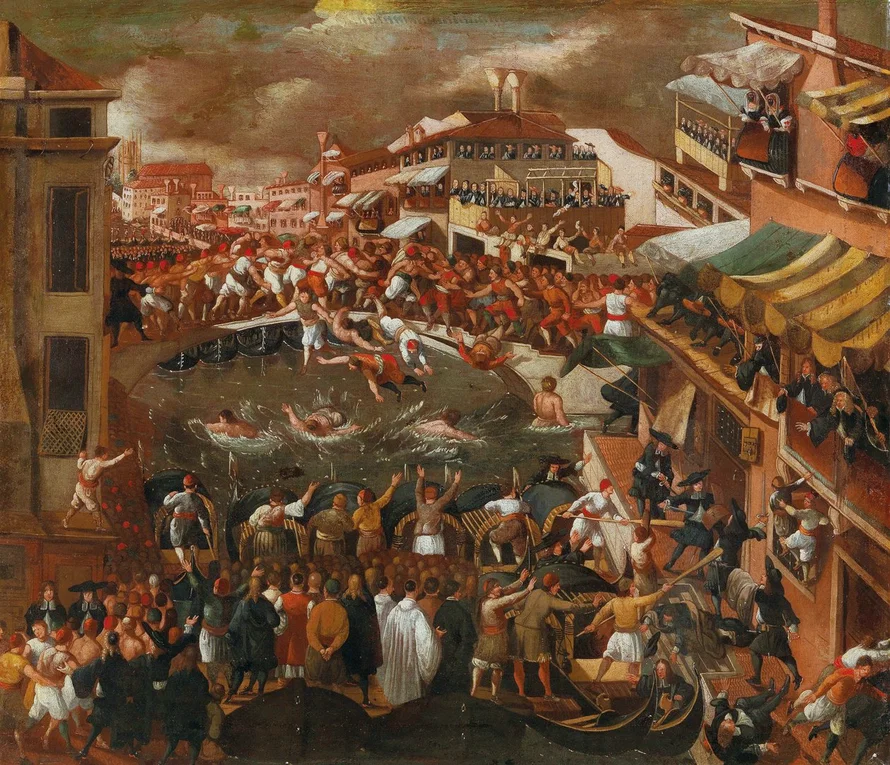
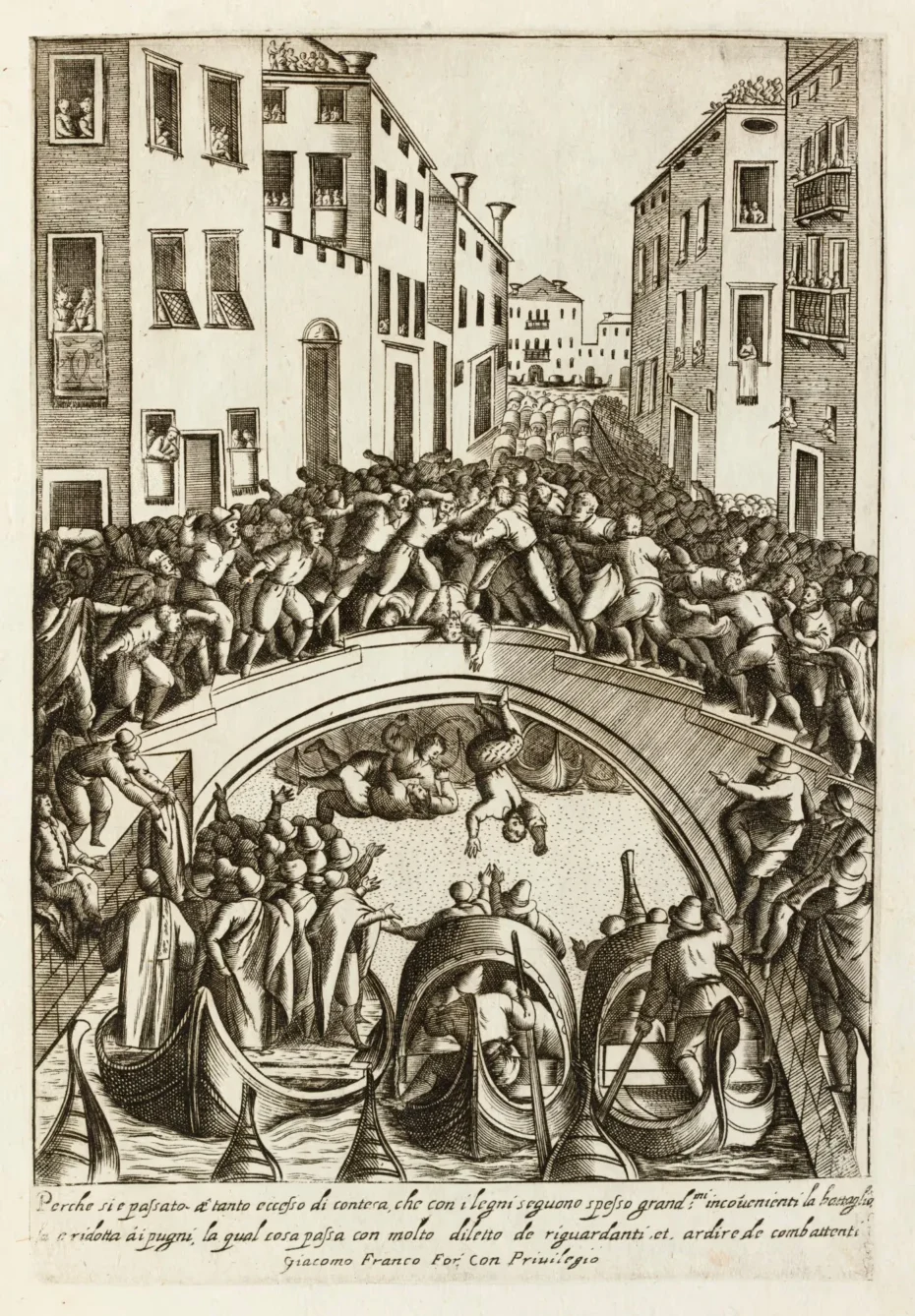
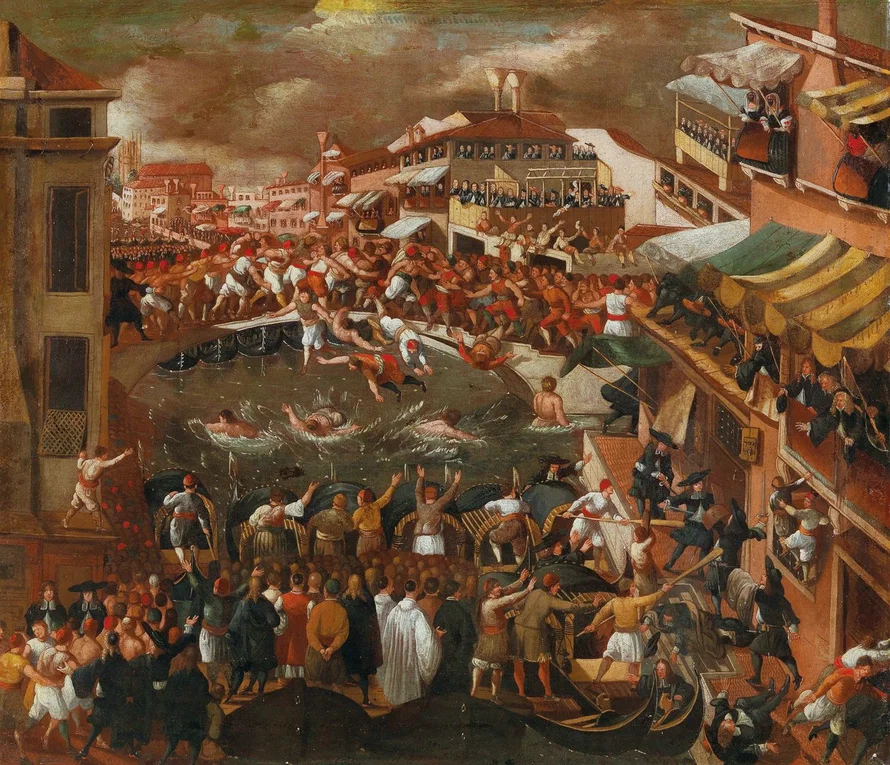
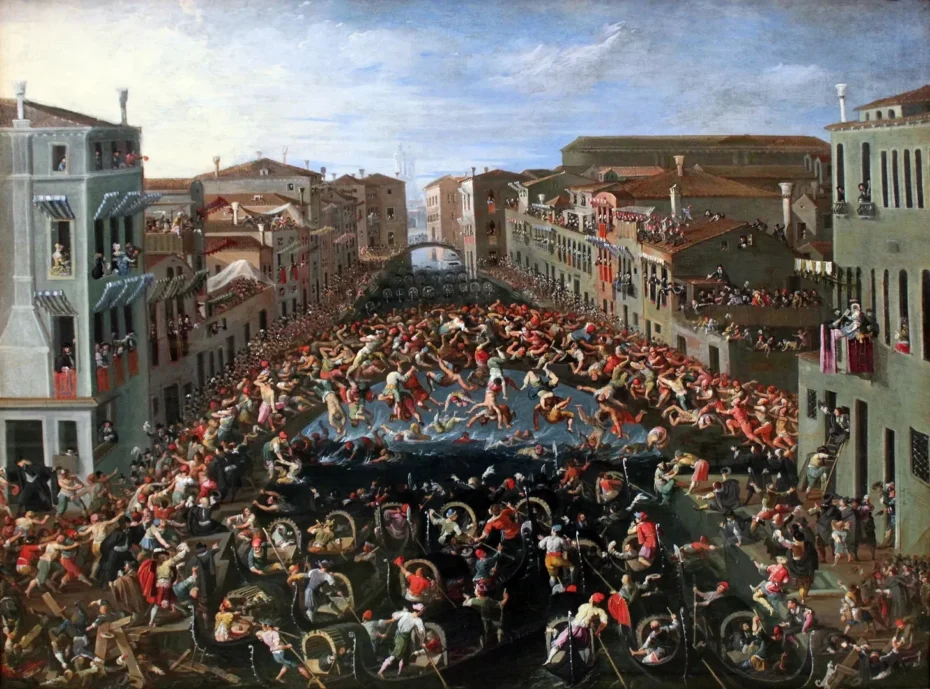
Before crowds jostled for biennale parties and gondola rides, Venice’s waterways witnessed scenes of an even more violent kind … the battagliole sui ponti, or “little battles on the bridges”, ranged from boxing matches to mid-sized brawls to “enormous, prearranged wars . . . battled out for hours before tens of thousands of spectators”, writes historian Robert C. Davis. These boisterous, violent clashes were part of a long history of Venetian civilian battles, staged around (and sometimes spilling into) the city’s winding waterways. Fists and cudgels were the primary weapons — hence the name guerre dei pugni, or wars of the fists — though agitators threw stones and drew daggers. Men and boys were often injured as they sparred for control of one or another of Venice’s several hundred bridges. Sometimes they were killed. Each fight crowned new popular champions, spawned new slights and new battle stories, and fueled the next canal-side fistfight’s contrivance.
Found on the Public Domain Review.
12. Then I went down a rabbit hole on the subject of bridge strikes
There’s an entire wikipedia page dedicated to a list of bridges known for strikes:
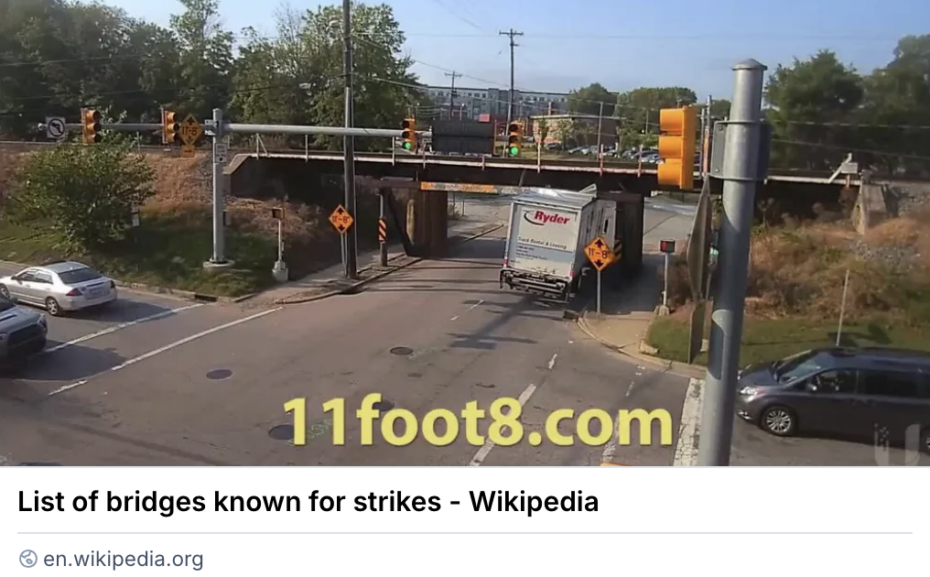
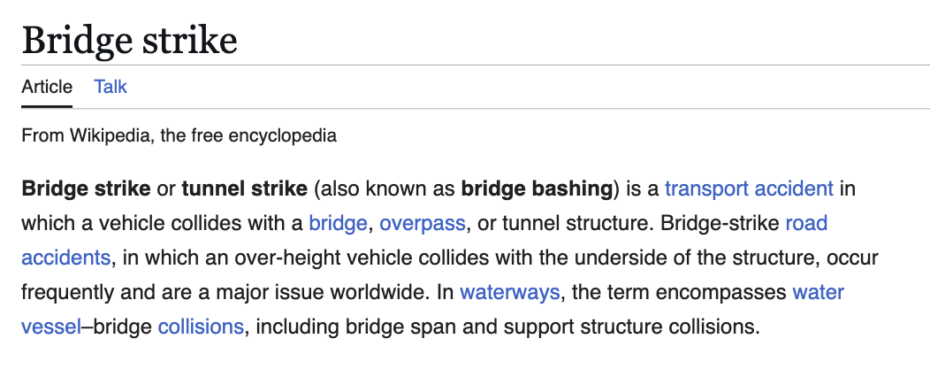
Found on the Depths of Wikipedia.
13. Lastly, I dug up this 1960s movie with Leonor Fini (the bohemian queen of the Paris art world)
Further reading here, my article about Leonor Fini.