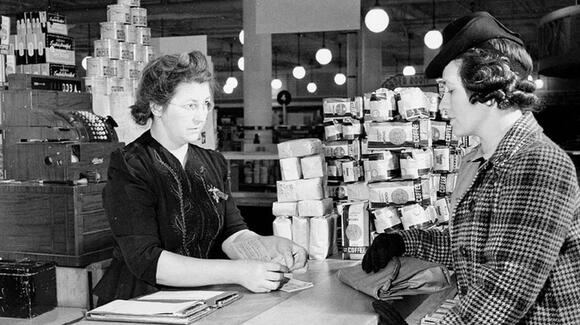
It's tough to imagine going to the grocery store and seeing everything you want to buy — but not being able to buy it. This was the case for many when the U.S. government enforced rationing during World War II. Each person (including children) was given a certain number of ration points that they could spend each month, and they received booklets that contained stamps to indicate ration points. In addition to paying for groceries (and other items, like tires), citizens would have to turn in their ration points. This worked to ensure that soldiers fighting in the war had the items they needed, while also providing a share to citizens on the home front.
Several different categories of food were rationed, including sugar, processed foods, butter, meats, shortening, coffee, and more. Every quarter, the amount of rationed items permitted per person was recalculated, meaning household pantry stocks were frequently (and, somewhat unpredictably) changing, forcing home cooks to get creative and make do with what was available. Here, we'll take a look at what it was actually like to eat within the constraints of government-sanctioned rations during World War II.
Read more: Why The George Foreman Grill Was So Popular — And Why It Isn't Any More
Ration booklets were like cash
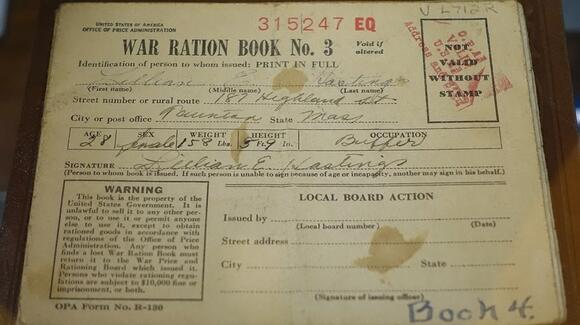
Ration stamps didn't take the place of cash, but they were required to purchase rationed items like sugar and coffee. If someone didn't have a ration stamp to give a cashier for a rationed item, they were out of luck — unless they turned to the black market, which was rife with non-regulated, illegal sales of rationed items.
Meal planning was key
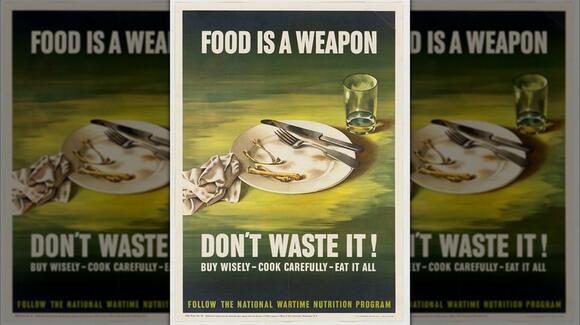
Meal planning was essential for home cooks, as they had to figure out how to make rationed foods last. In addition to following recipes that didn't require large amounts of rationed items, leftovers became an integral part of meal planning.
Victory Gardens became an important food source
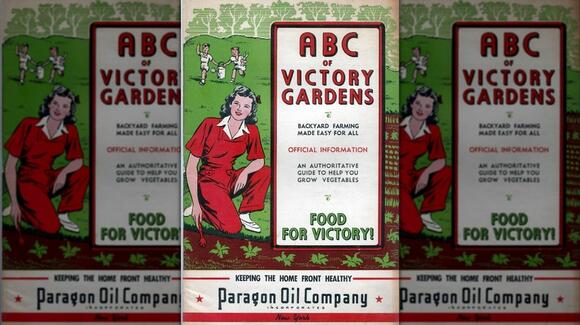
The government encouraged citizens to set up Victory Gardens (surprisingly, Victory Gardens helped spur the popularity of zucchini bread). These backyard fruit and vegetable gardens helped more commercially farmed produce get to the troops, while allowing private citizens to enjoy home-grown produce.
Sugar substitutes were necessary for those with a sweet tooth
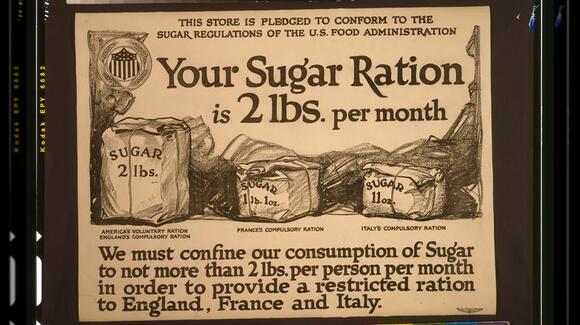
Sugar was in short supply in the United States during World War II for a few reasons, including import issues, weather issues, and a lack of field workers. It was the first item to be rationed and the last item to be taken off of the ration list. Some peopled turned to alternative sweeteners, like sorghum, when sugar was unavailable.
Coffee rations were stretched by double dripping
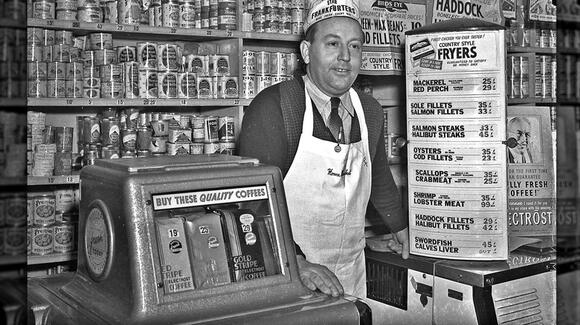
Attacks on U.S.-bound cargo ships disrupted the country's coffee supply, and it hit the rationed items list for the first time in 1942. Restaurants and coffee shops cut down on serving sizes. Some people poured water over grounds twice, and others added chicory root to coffee grounds to help them stretch further (you can still find chicory root coffee in New Orleans).
Plant-based meals were common
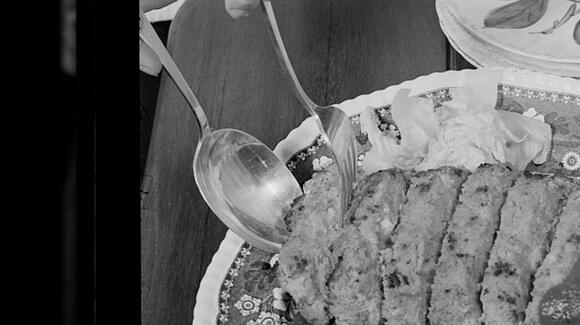
Meat was heavily rationed during World War II, so many home cooks came up with meatless dishes, like baked bean loaf, to get dinner onto the table. While meatless recipes were popular throughout the war, entire meatless days were encouraged — New York City Mayor Fiorello La Guardia actually encouraged NYC residents to forgo meat once a week by creating "meatless Tuesdays."
Home cooks got creative with recipes like emergency steak
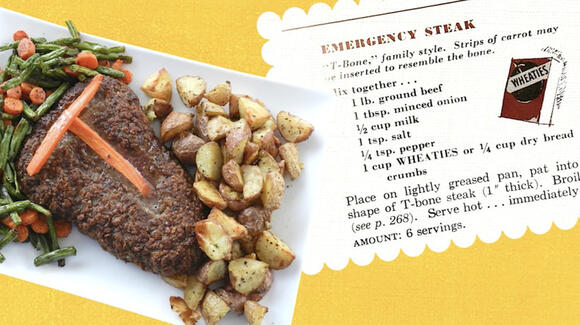
When meat was available, it was important to stretch it as far as possible. Emergency steak — a combination of ground beef, Wheaties, and a few other ingredients — was shaped into a T-bone-steak-like shape to help the small amount of meat many had in their homes work to feed a family.
Returning fat to the butcher allowed some to get bonus ration coupons
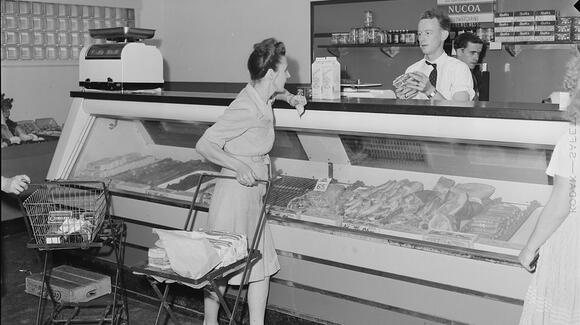
Fat was essential during World War II — and it wasn't just put to good use in the kitchen. The military used fat to produce bombs, and rewarded Americans for returning unused fat their local butcher. For each pound of unused fat a person returned to the butcher shop, they received additional ration points.
Canning helped kitchens stay stocked, despite unpredictable food availability
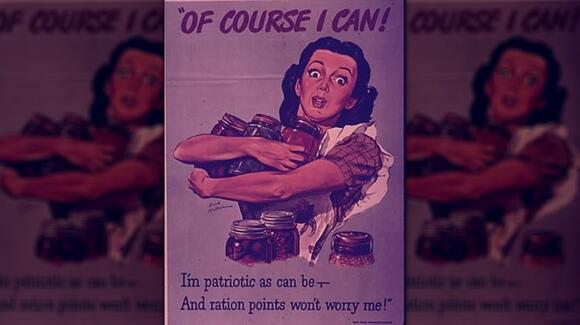
Since food supplies were unpredictable during World War II, it makes sense that many turned to canning. This allowed people to store both home-grown and store-bought produce so it would last for months. We're guessing home canners followed many of the essential rules to follow when storing canned food that we use in our kitchens today.
Want more food knowledge? Sign up to our free newsletter where we're helping thousands of foodies, like you, become culinary masters, one email at a time. You can also follow us or add us as a preferred search source on Google.
Read the original article on Chowhound.