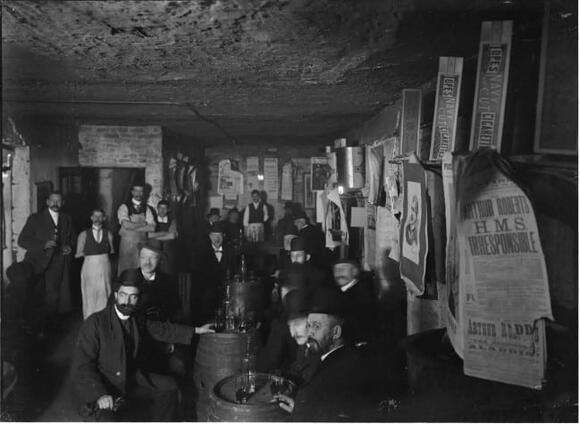
Victorian Britain gave the world railways, factories, mass production, and a truly alarming number of ways to lose a finger before lunch. Behind the polished image of industrial progress stood children underground, families packed into filthy rooms, and workers handling toxic chemicals without meaningful protection. Conditions varied across jobs and decades, but the photographs, illustrations, and reports that survive tell one stubborn story: rapid industrial growth often came with a human cost that polite society preferred not to examine too closely.
#1: Child “Scavengers” Beneath Textile Machines
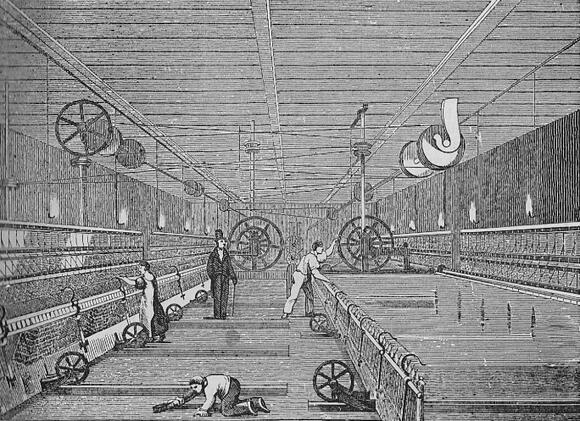
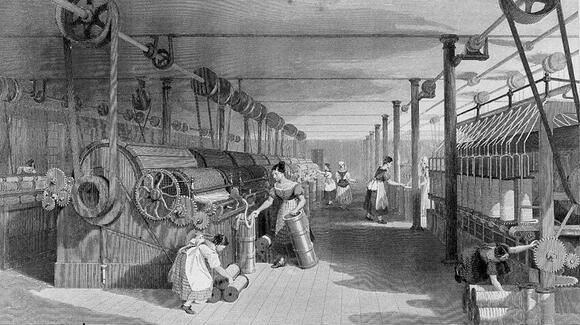
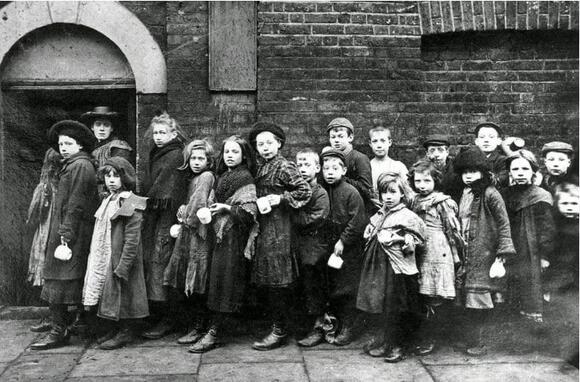
In textile mills, some children worked as scavengers, crawling beneath machinery to collect loose cotton, dust, or threads. The nightmare detail is that looms and spinning equipment were not always stopped first. Small bodies fit into spaces adults could not reach, which factory owners considered useful rather than terrifying. Moving belts, gears, and rollers turned routine cleaning into a dangerous gamble. Childhood in an industrial mill could mean learning workplace hazards long before learning multiplication tables properly.
#2: Matchgirls and “Phossy Jaw”
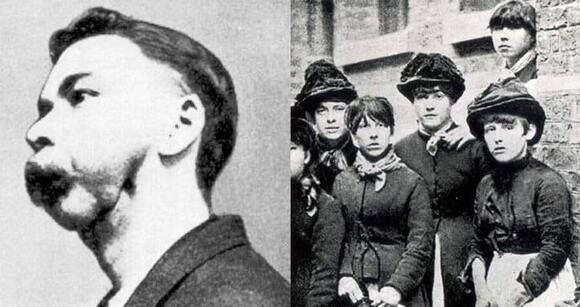
Matchmaking exposed workers to white phosphorus, a chemical capable of causing a devastating condition known as phosphorus necrosis of the jaw, or “phossy jaw.” Symptoms could include tooth pain, swelling, infection, and bone destruction. Young women were heavily represented in match factories, where low wages met toxic working conditions. The industry eventually faced public outrage and labor pressure. Apparently, producing something as ordinary as a household match once required workers to risk losing part of their faces.
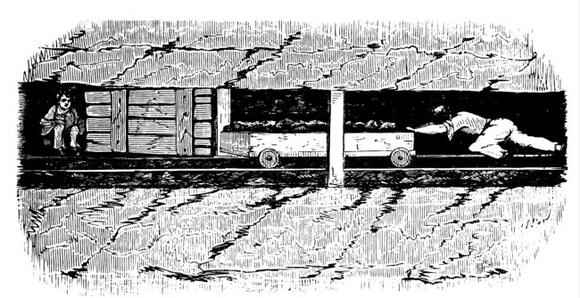
#3: Coal Mine “Trappers”
Some of the youngest children in coal mines worked as trappers, opening and closing ventilation doors underground. The job could mean sitting alone in darkness for hours while carts passed through the tunnels. Their task helped control airflow, but the isolation was brutal. Parliament heard disturbing testimony about children spending extraordinary stretches below ground. Victorian industry somehow found a way to make “sitting still” dangerous, exhausting, lonely, and essential to keeping adults alive around them.
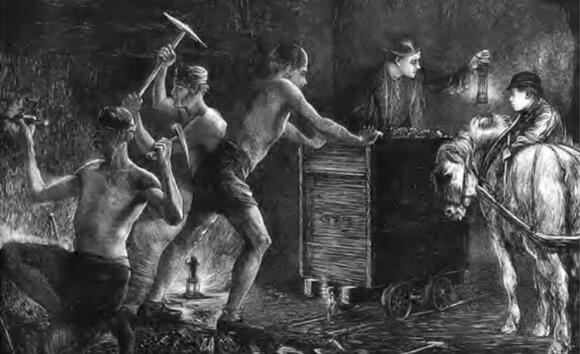
#4: The Hurriers and Thrusters
Coal did not move itself. Women and girls known as hurriers dragged loaded carts through narrow mine passages, sometimes using belts or chains around their bodies. Thrusters pushed from behind. Conditions could be cramped, wet, steep, and physically punishing, especially in seams too low for horses. Reports of female underground labor shocked Victorian middle-class readers, although outrage often focused as much on propriety as safety. Heavy industrial labor had apparently violated both backs and social expectations.
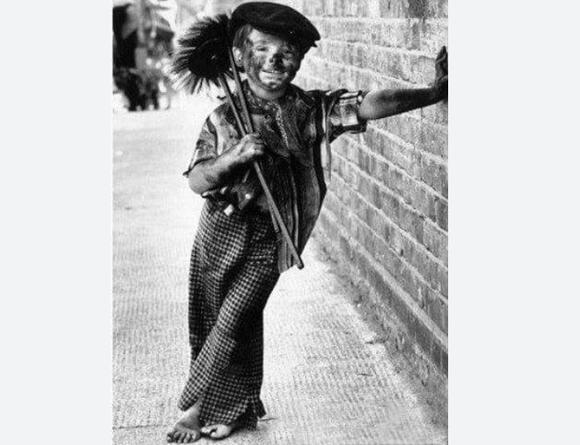
#5: Chimney Sweeps and “Climbing Boys”
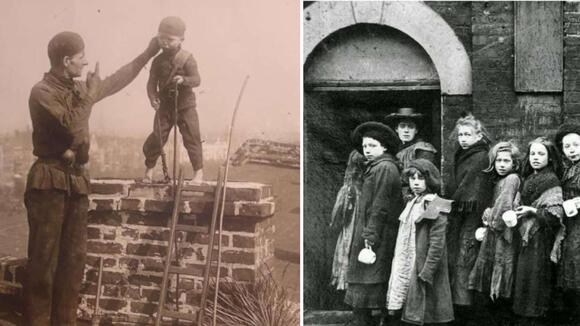
Before mechanical cleaning became common, small boys were sent climbing through narrow chimneys to scrape away soot. The work exposed them to burns, falls, suffocation, respiratory disease, and a form of cancer associated with prolonged soot exposure. Their size made them economically convenient, which was hardly comforting. Reform campaigns eventually restricted the practice, but enforcement took time. Nothing captures Victorian priorities quite like discovering that a child’s small shoulders were considered useful industrial equipment.
#6: The 16-Hour Workday
Long working days were common across many Victorian industries, especially earlier in the century. Twelve-hour shifts were hardly unusual, and some jobs stretched considerably longer depending on trade, season, or employer. Modern overtime rules, paid weekends, and standardized protections were still far away. Workers had limited bargaining power and could lose wages simply by refusing conditions. Industrial Britain loved efficiency, provided nobody asked whether exhausted humans were particularly efficient after standing beside machinery since sunrise that morning.
#7: Dangerous Machinery Everywhere
Early factory machinery was built to produce goods, not preserve fingers. Exposed gears, belts, shafts, and rollers created constant hazards in mills and workshops, particularly where workers moved quickly around crowded equipment. Clothing could catch, limbs could be crushed, and accidents were often catastrophic. Children were especially vulnerable because they performed cleaning and fetching tasks near machines. Safety guards gradually improved, but Victorian engineering initially treated worker protection like an optional accessory nobody had ordered yet.
#8: The Workhouse System
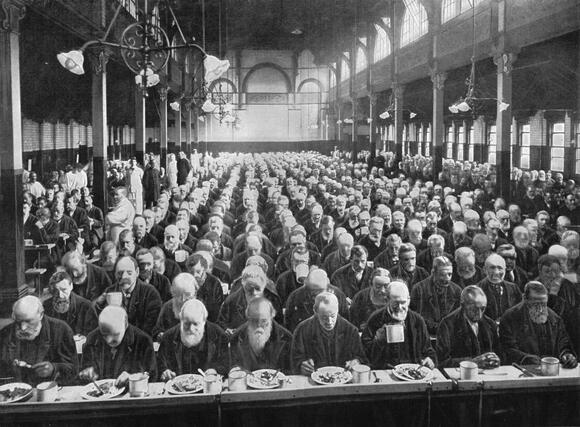
The 1834 Poor Law reshaped relief for the destitute by emphasizing workhouses, institutions intentionally designed to be less attractive than the lowest-paid independent labor. Families could be separated, diets were restricted, discipline was harsh, and residents performed monotonous work. Supporters claimed the system discouraged dependency. Critics saw organized humiliation. For the desperate, asking for public assistance could mean surrendering privacy and freedom. Victorian social policy occasionally seemed determined to make poverty feel like a disciplinary offense.
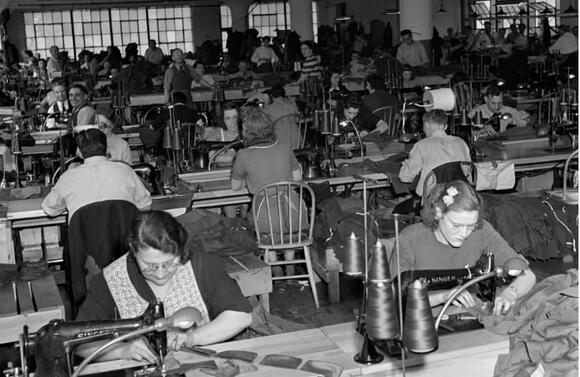
#9: London Sweatshops
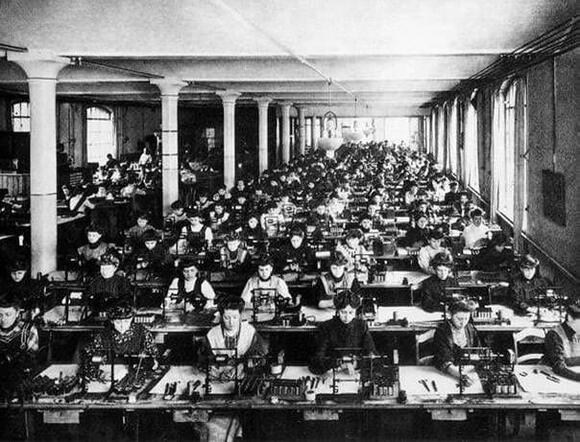
Behind fashionable Victorian clothing stood overcrowded workshops where garment workers stitched for long hours and very little pay. Many operated in poorly ventilated rooms inside working-class neighborhoods, with families sometimes combining home and workplace under one roof. Piecework systems meant earnings depended on relentless output. The finished coats and dresses looked respectable enough. The rooms producing them often did not. Fashion has always preferred shoppers focus on the garment rather than whoever stayed awake sewing the seams.
#10: Pottery Workers and Lead Poisoning
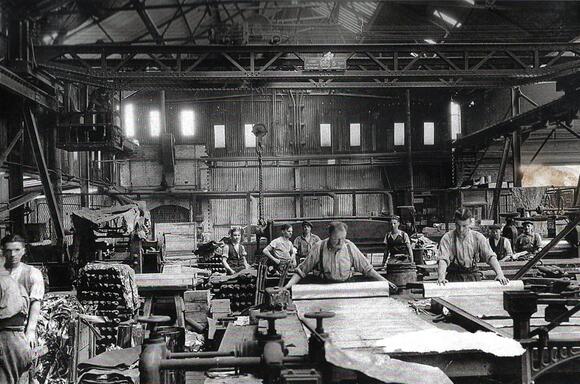
Victorian pottery production came with invisible hazards. Workers inhaled silica-rich dust from clay and handled glazes containing lead compounds, increasing risks of serious lung disease and poisoning. Certain tasks exposed women and children especially heavily. Symptoms of chronic lead exposure could be severe, yet safer production methods faced resistance because they cost money or disrupted established practices. Decorative plates looked lovely on dining tables. Their manufacturing process was considerably less charming behind factory doors and kilns.
#11: Fighting for Work at the Docks
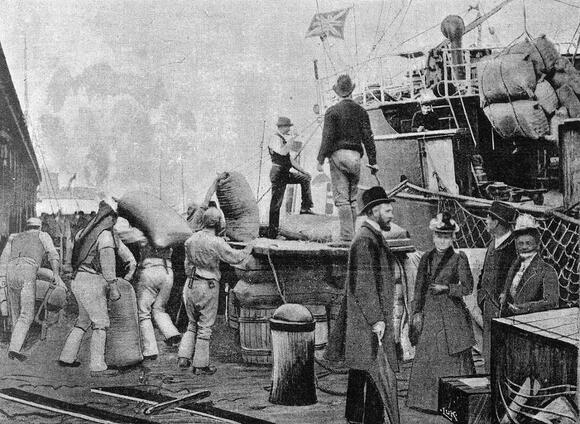
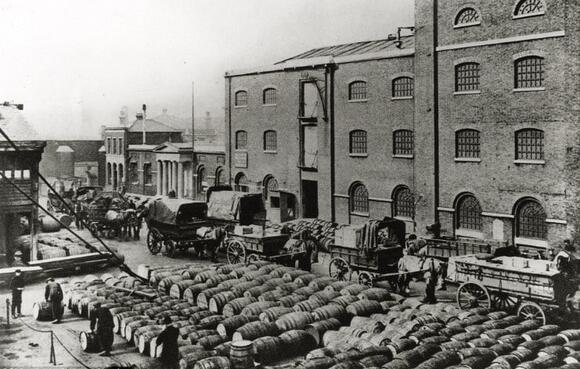
London dock labor was notoriously insecure. Large numbers of men gathered hoping to be selected for short-term shifts unloading ships, often competing desperately for a day’s wages. Casual hiring meant employment could disappear overnight, leaving families without reliable income. The work itself involved hauling heavy cargo in dangerous waterfront conditions. Before modern employment protections, simply getting picked for exhausting labor could feel like winning. Missing selection meant going home with considerably less to celebrate at supper.
#12: The Rotherhithe Mudlarks
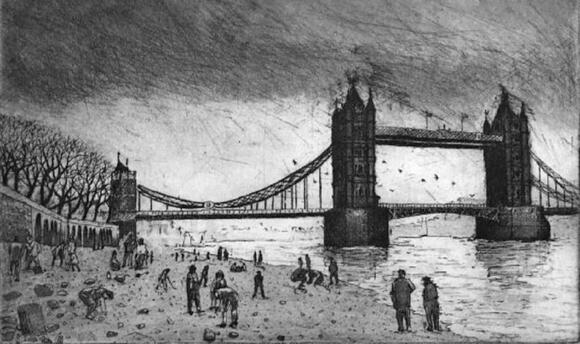
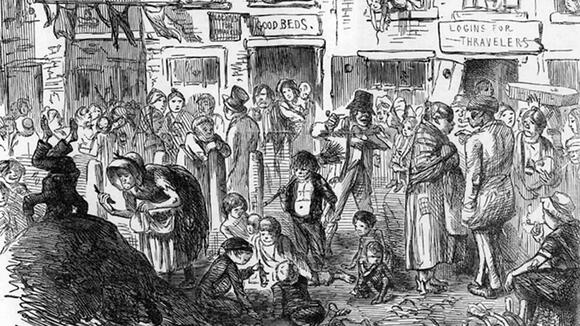
Along the Thames, impoverished children and adults known as mudlarks searched exposed riverbanks for coal, metal, rope, wood, and anything else that might be sold. Rotherhithe and other riverside districts provided especially grim hunting grounds. Mud, sewage, broken objects, and contaminated water made scavenging dangerous, but hunger had persuasive arguments. Industrial London generated enormous wealth and enormous waste. At the bottom of that economy, some families survived by sorting through whatever the river gave back.
#13: Almost No Safety Gear
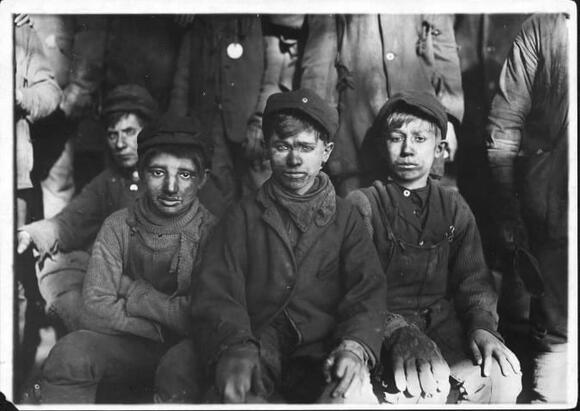
Modern workers expect helmets, gloves, goggles, respirators, boots, and training in hazardous trades. Victorian workers frequently had none of those protections. Miners inhaled dust, factory hands worked beside exposed machinery, chemical workers handled dangerous substances, and laborers lifted heavy loads with ordinary clothing as their main defense. Protective equipment developed unevenly over time, but widespread standards came much later. Apparently, “try not to get hurt” once qualified as a surprisingly complete workplace safety program.
#14: Tenement Living
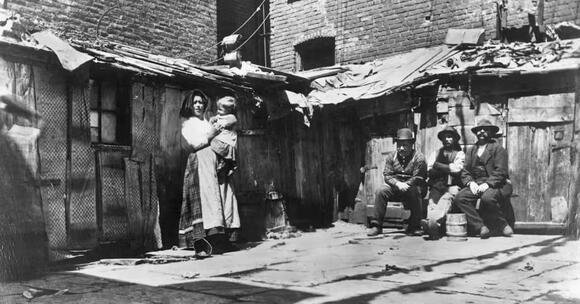
For many industrial workers, leaving the factory did not mean escaping grim conditions. Rapid urbanization packed families into overcrowded tenements where several people might share a single small room. Ventilation was poor, sanitation inadequate, and clean water unreliable in many districts. Rent consumed precious income, while damp walls and shared toilets encouraged disease. Industrial cities had created jobs faster than decent housing. The result was a commute from one unhealthy environment straight into another every evening.
#15: Diseases of Industry
Victorian workers faced both occupational illness and urban epidemics. Coal and mineral dust damaged lungs, toxic chemicals poisoned bodies, and overcrowded neighborhoods encouraged diseases including cholera, typhus, and tuberculosis. “Black lung” is more closely associated with coal dust exposure than Victorian terminology itself, but respiratory disease among miners was serious. Industry produced new wealth while concentrating people and pollutants together. Public health systems had to play catch-up with cities expanding much faster than sanitation could manage.
#16: The Factory Act of 1833
The Factory Act of 1833 was an important reform, though hardly a complete rescue package. It restricted the employment and working hours of younger children in textile factories and created inspectors to help enforce the law. Children under nine were barred from much factory work covered by the Act, while older children faced hour limits and schooling requirements. Victorian Britain had finally accepted a radical idea: perhaps eight-year-olds should not spend entire days operating industrial machinery.
#17: Night Shift Hazards
Working after dark added another layer of danger to already hazardous jobs. Mines, factories, docks, and workshops relied on candles, oil lamps, or gas lighting, all of which came with limitations and fire risks. In environments containing flammable dust or gases, an open flame could become disastrous. Dim lighting also made moving machinery harder to judge. The night shift combined fatigue with poor visibility, because apparently dangerous equipment needed one additional way to become difficult to survive.
#18: Employers Docking Wages for Minor Offenses
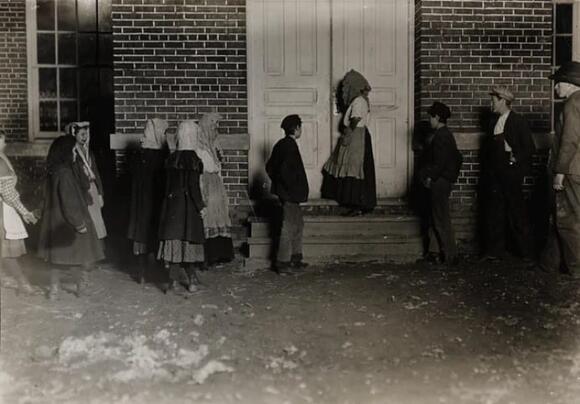
Many workers faced systems of fines and wage deductions imposed for workplace rule violations. Depending on the employer, penalties could cover lateness, damaged materials, talking, poor-quality work, or other infractions. The practice was deeply resented because already-low wages could shrink further at management’s discretion. Some factories maintained elaborate behavioral rules designed to enforce discipline. The paycheck might technically belong to the worker, but Victorian employers occasionally treated it like a draft document requiring final editorial approval.
#19: The Matchgirls’ Strike of 1888
In 1888, workers at the Bryant & May match factory in London walked out over fines, low pay, harsh supervision, and dangerous conditions. The strike attracted widespread press attention and ended with important concessions. Its participants, predominantly young women, became symbols of growing labor organization among workers previously considered difficult to unionize. The matchgirls demonstrated that industrial employees were not simply victims waiting for reformers. Sometimes they were perfectly capable of embarrassing powerful employers themselves.
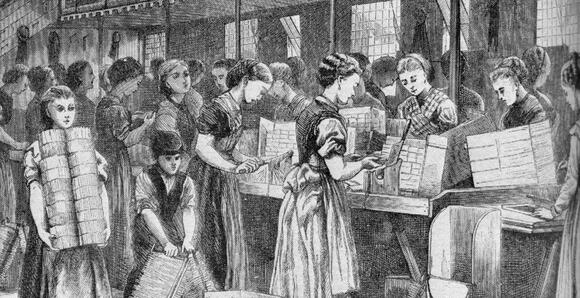
#20: Victorian Misery Helped Build Modern Labor Law
The worst Victorian working conditions did not disappear because factory owners collectively developed consciences one morning. Reform came through investigations, journalism, strikes, union organizing, political pressure, and repeated legislation. Laws gradually restricted child labor, regulated hours, strengthened inspections, and improved safety standards. Progress remained uneven and painfully slow, but the direction changed. Many workplace protections now considered boring paperwork were born from conditions dramatic enough that nobody should ever want the exciting alternative back.