Many of us tend to think of history as a collection of dates to memorize in chronological order, written accounts to pore over, and legislation to learn word for word. But the past survives in more than textbooks and official records. It also lives on in photographs, objects, ephemera, and other material traces of the people, places, and moments that can be difficult to picture through words alone.
This list brings together some of those surviving traces. From major events to quieter moments of everyday life, the collection spans the iconic, the unexpected, and even the seemingly ordinary, offering glimpses into American history and life across different times and places. Let us know which ones you found most intriguing.
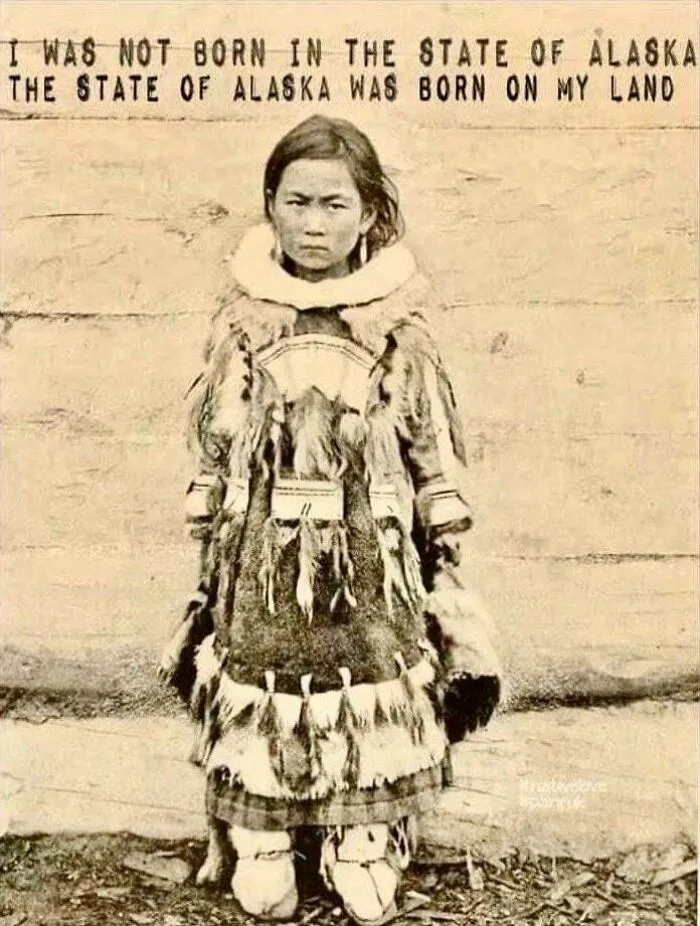
#1 A Small Picture Gallery Of Americans Taken From The Late 1800s Onward
85points
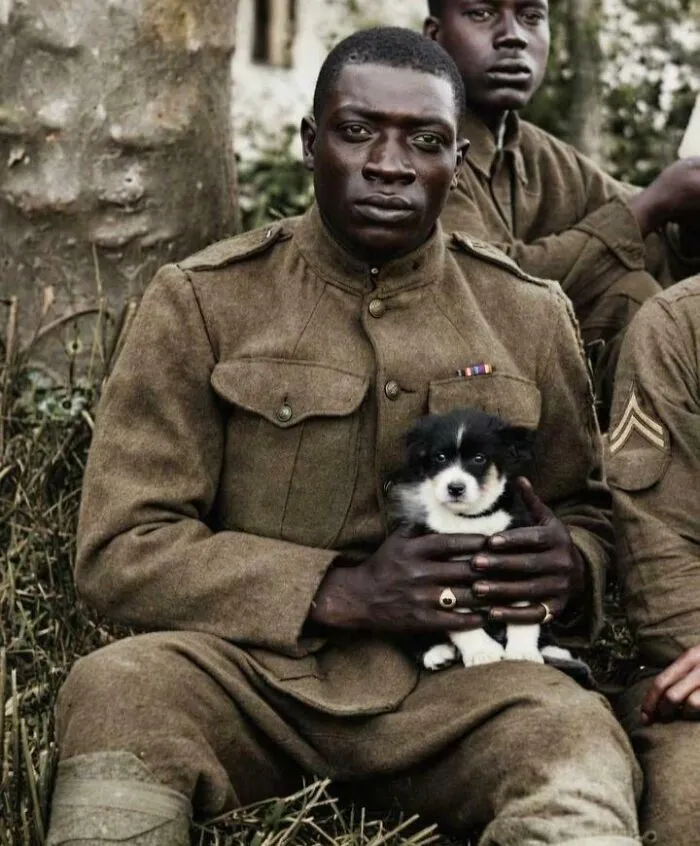
#2 A Member Of The Harlem Hellfighters (369th Infantry Regiment) Poses For The Camera While Holding A Puppy He Saved During WWI, 1918
65points

Holding a puppy only makes him more handsome
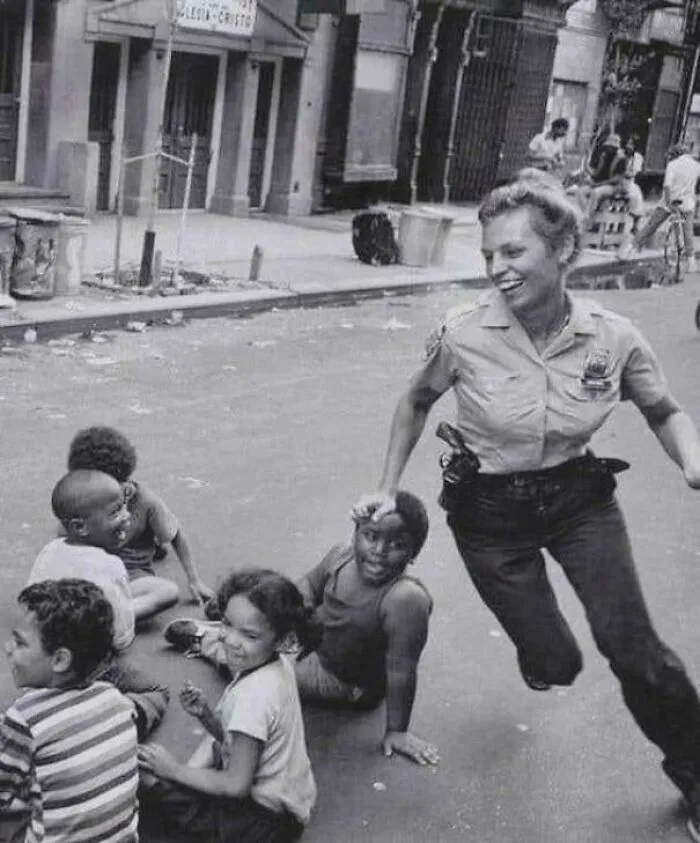
#3 Nypd Policewoman Playing Duck, Duck, Goose, 1970s
59points
These days, it can be easy to think of photographs simply as images. Because for the vast majority of us, that’s how we encounter them. Made up of a bunch of pixels, we mostly see them on screens, as digital files that can be copied, shared, and scrolled past in less than a second. And we take them—plenty of them—just as quickly, often forgetting about them soon after, and very rarely ever actually printing them.
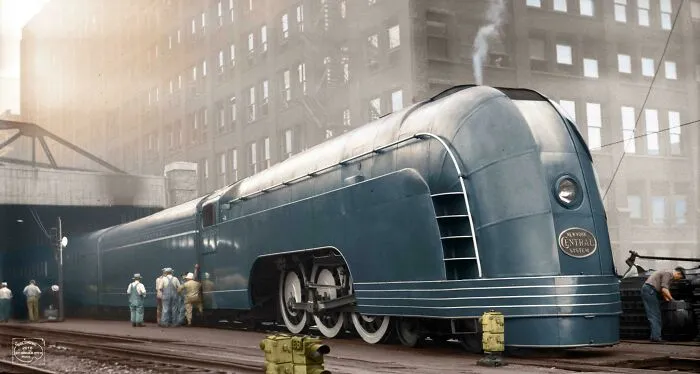
#4 The New York - Chicago Mercury Train In 1936
45points
Now THAT is totally gorgeous!!!!
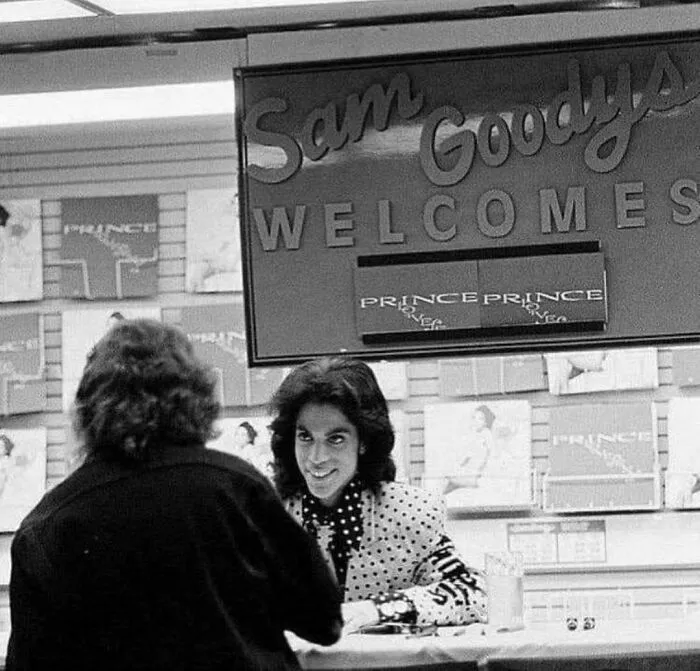
#5 Prince At Sam Goody In NYC 1988
42points

#6 Child Poses In Front Of The Verrazzano-Narrows Bridge During Its Construction, Cir. 1963
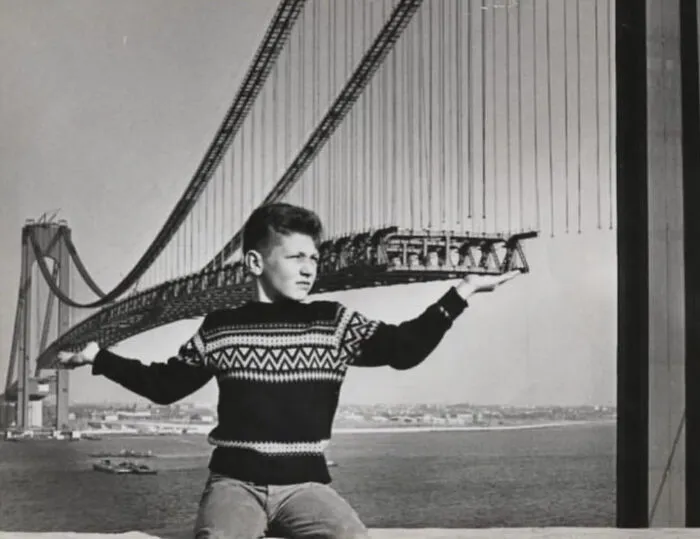
39points
Let me guess what he did when he visited Italy.
But there was once a time—in fact, it was this way for much of photography’s history—when a photograph was understood to be a physical thing: something that could be held, displayed, put in an album, sent through the post, or tucked away someplace private. Sure, they captured a fleeting moment in time, but they became concrete, tangible things.
#7 Actual Pictures Of Native Americans, 1800s, Various Tribes
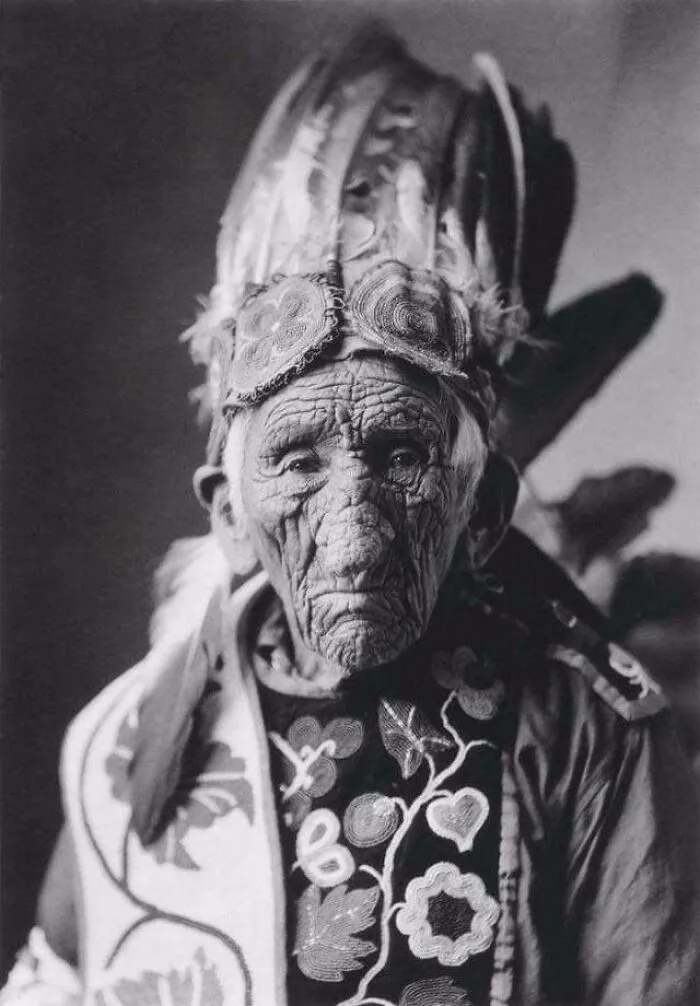
36points
Fro the original posting: "The first photo has been posted to reddit a few times. He is [Chief John Smith.](https://en.wikipedia.org/wiki/John_Smith_(Chippewa_Indian)) His date of birth is disputed but is likely around 1824 and the photo is from around 1920 so he is about 96 in the photo."
#8 Park Avenue In 1920s New York
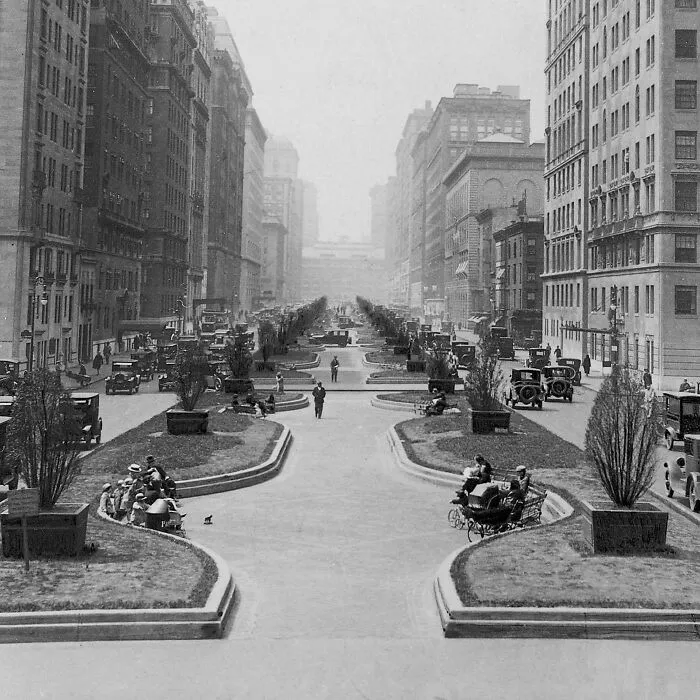
36points
Now the name makes sense.
#9 Rip To Sonny Rollins, The Last Surviving Musician From Art Kane's Legendary 1958 Photograph "A Great Day In Harlem."
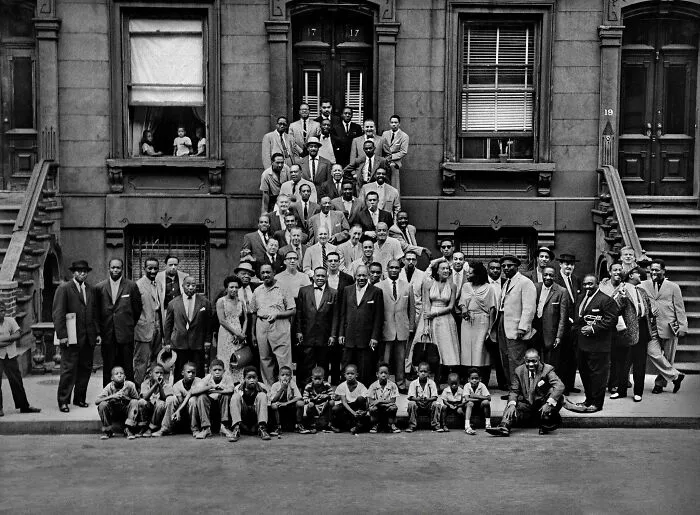
33points

"It don't mean a thing if it ain't got that swing!"
What’s particularly interesting about this is that it reminds us that historical photos are not simply images of the past but also objects from the past. They’re records or evidence of people, places, and events, but they’re also artifacts—things people made, owned, used, and passed on. And that means they can tell us something not only about what was captured in the frame, but about the people and world around it.
#10 Tulsa Race Massacre
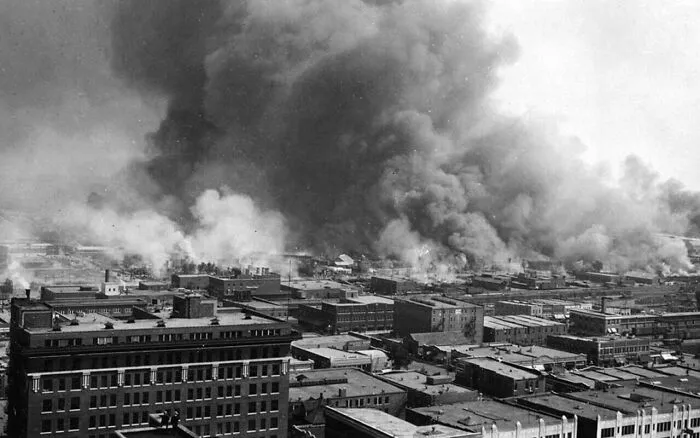
In 1921, a white mob destroyed the affluent Greenwood District, using private planes to drop incendiary devices on businesses and homes. And everything was left out of history lessons until fairly recently, for some reason.
31points
I lived in Tulsa in the 90s and went to this area of town. It's truly astounding what happened here and how I had to hear about it "accidentally" when I moved there. It was certainly never covered in any of my US history classes.
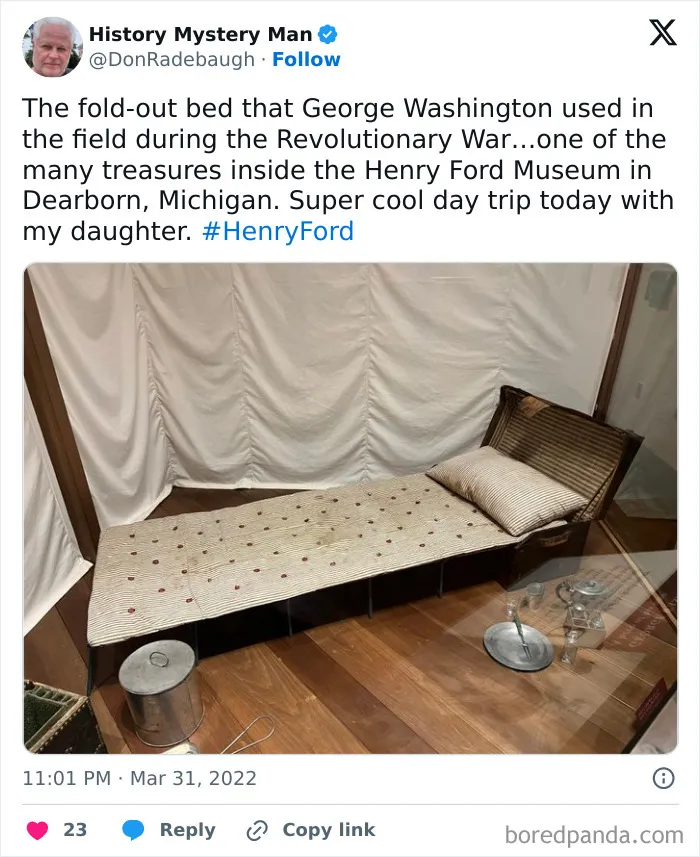
#11 The Fold-Out Bed That George Washington Used In The Field During The Revolutionary War
30points
The Henry Ford is vastly the most interesting Museum of Americana one could visit! I live 90 miles away. <3
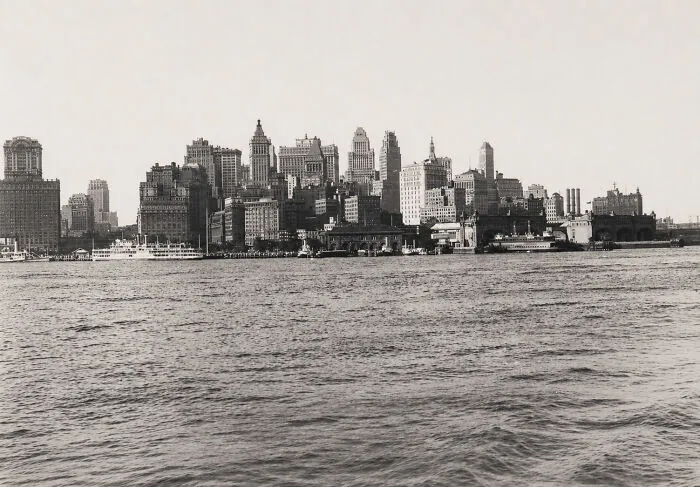
#12 My Grandfather Arrived On May 17, 1923 From Germany And Took This Photo
30points

David• about 15 hours ago
and half those buildings still are there
Writing for the Smithsonian, Steven Lubar and Kathleen Kendrick define artifacts as “the objects we make and use,” arguing that they can offer “another way of approaching the past.” Unlike textbooks, which tend to focus on major documents and events, artifacts can reveal another kind of history, helping us understand the people who made and used them, as well as the values, knowledge, and tastes of the societies around them. “Artifacts,” they say, “are the touchstones that bring memories and meanings to life. They make history real.”
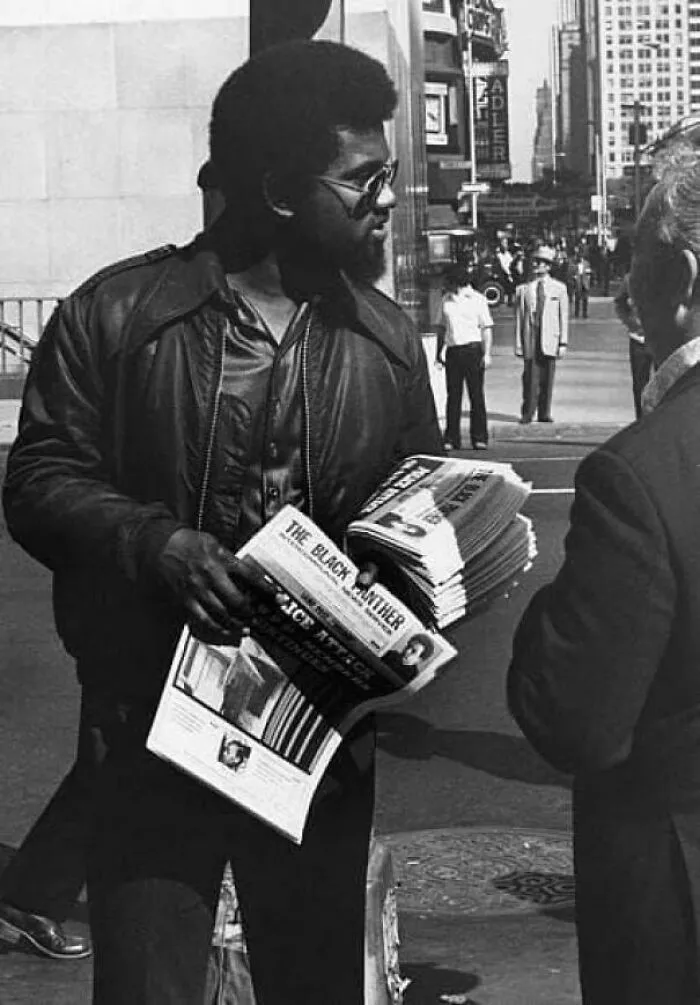
#13 Selling 'The Black Panther' On Times Square, 1973
30points
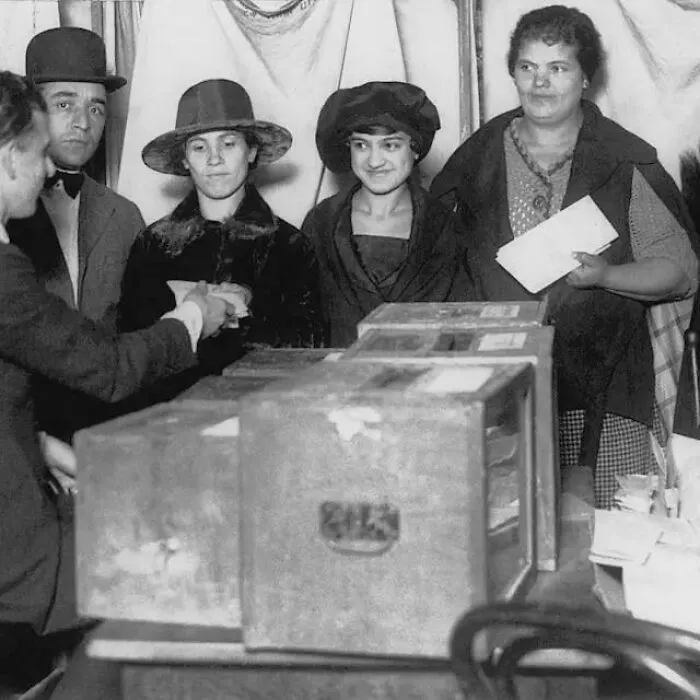
#14 Women Vote For The First Time In The USA, New York City (1920)
29points
The horror! Who knows where this will lead! They'll be wearing trousers next!
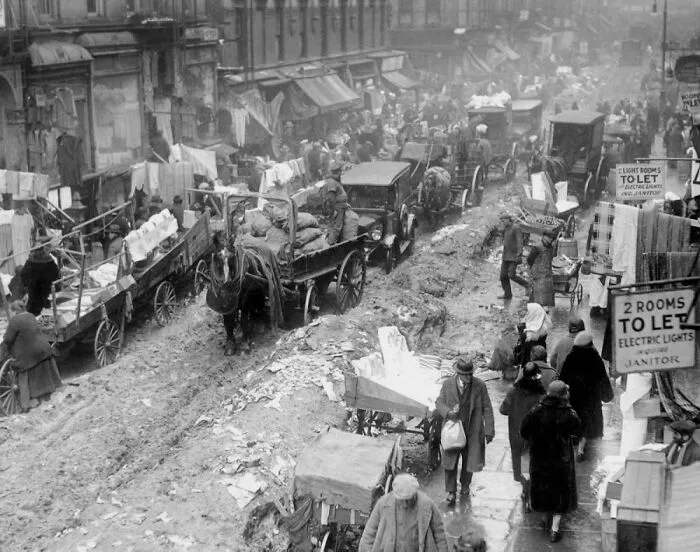
#15 1926. A Tough Route To Traverse Along Orchard Street, Lower East Side Manhattan
28points
Lets go back to the good old days when everything was *perfect* and see how long today's folks would last.
Part of what makes them such touchstones is that they can open up the world beyond themselves. Lubar and Kendrick explain that when we take the object as a point of departure, we open up the world “beyond the artifact” and “learn a different kind of history.” When artifacts are imagined in context—not in isolation but against a backdrop of people, places, and events—they “become passageways into history,” they write. Through them, “we can connect to a moment in time, a person's life, a set of values and beliefs.”
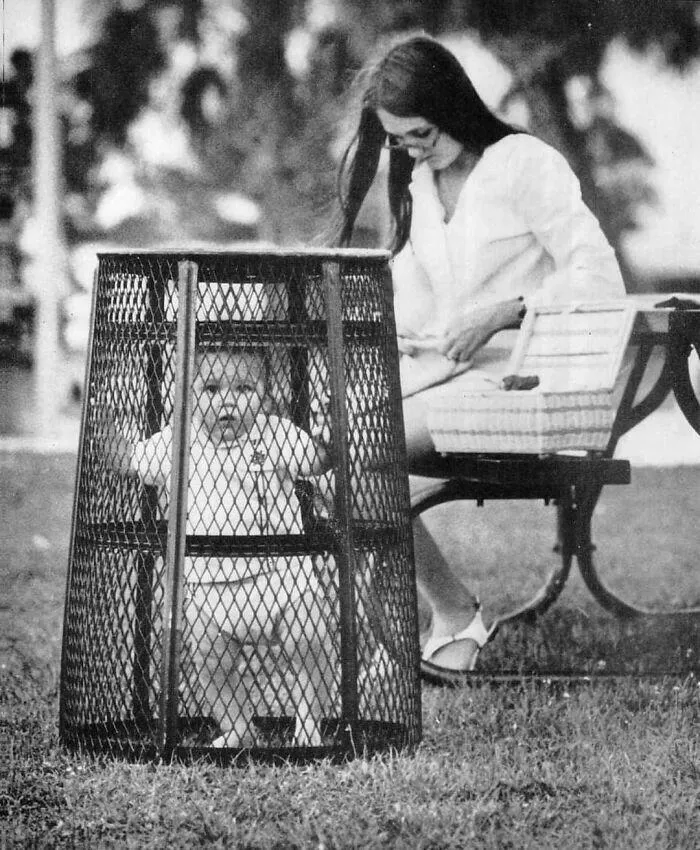
#16 1969. Mom Contains Her Baby In A Central Park's Trash Bin While She Catches Up On Her Crocheting
27points
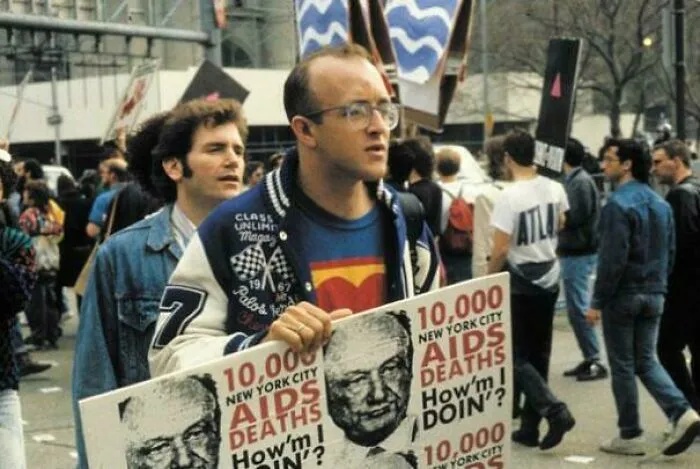
#17 Artist Keith Haring Attending An Act Up Protest At City Hall In March 1989. He Would Die The Following February From Aids-Related Complications
27points
Mayor Ed Koch and his slogan "How'm I doin'?"
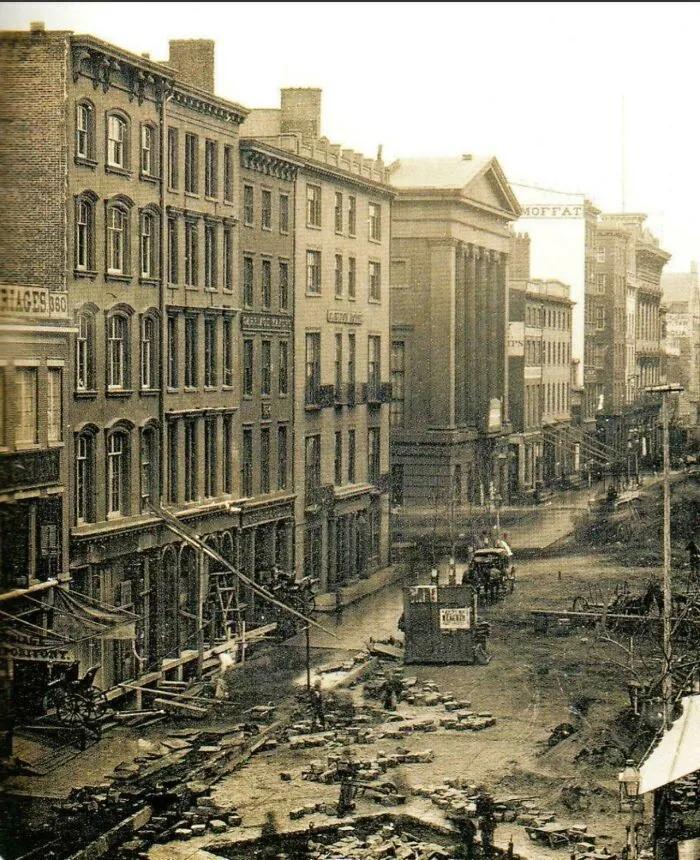
#18 This Is Believed To Be The Oldest Photograph Taken Of NYC. It Was Taken At Broadway Between Franklin And Leonard Streets, May 1850
25points
it would be interesting to see a modern photo of the same place
It’s an idea that extends naturally to both the photographs and the other material traces in this collection. A photograph might show us a person, building, or event, but the details surrounding the main subject can tell another story. Clothing, cars, shop signs, furniture, and architecture can reveal something about everyday life, technology, commerce, and changing tastes.
A menu, ticket stub, route map showing travel times, or old grammar test can likewise offer unexpected glimpses into everyday life—what people ate, how they traveled, what they learned, and how they spent their time.
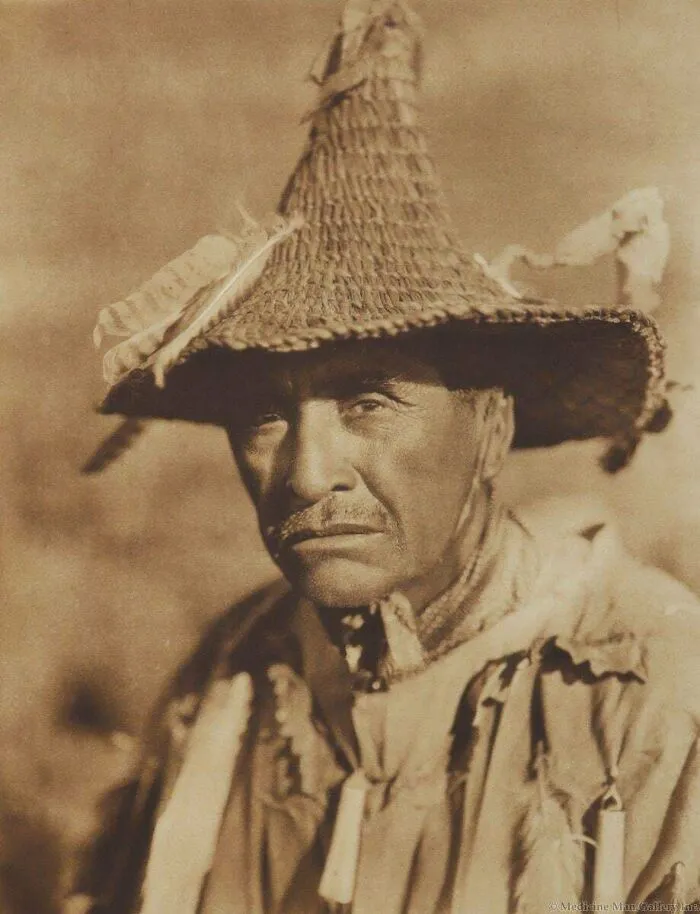
#19 A Very Small Picture Gallery Of Americans, From The Mid 1800s To Mid 1900s
24points

Please tap on the name on the lower left side of the picture. There are so many fabulous people to see.
#20 Greensboro Massacre
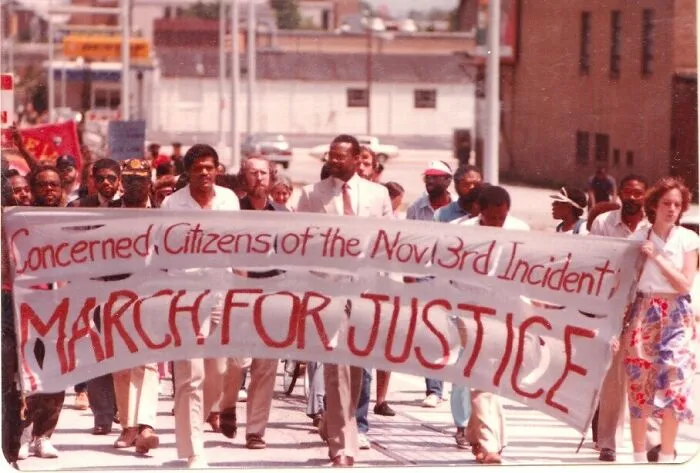
In 1979, members of the K*K and the American N*zi Party opened fire on a Communist Workers' Party anti-Klan protest in North Carolina, k**ling five people while local police noticeably delayed their response.
23points
Yep, doesn't surprise me in the least.