
Americans may be becoming less religious—but that doesn’t necessarily mean they’re becoming less spiritual.
As affiliation with organized religion has declined, millions of Americans continue to believe in things that don’t fit neatly inside a church, denomination, or traditional religious label. Some believe in God without belonging to a congregation. Others believe in a soul, an afterlife, spiritual energy, or forces that science can’t fully explain. And a growing number describe themselves simply as “spiritual but not religious.”
That creates a fascinating contradiction in modern America: traditional religious identity may be weakening even as spiritual belief remains remarkably resilient.
From belief in the human soul and encounters with the unexplained to prayer, personal altars, and other private spiritual practices, here’s what recent surveys reveal about what Americans actually believe.
Spirituality: A Multifaceted Journey
Spirituality, a concept as diverse as the individuals who embrace it, manifests uniquely within each person’s life. According to recent surveys conducted by Pew Research Center in July, August and December 2023, an astounding 70% of U.S. adults identify themselves as spiritual beings. Among them, 22% identify as spiritual but not religious, emphasizing the breadth of spiritual perspectives within American society.
Embracing the Unseen
One striking revelation from the survey is the overwhelming belief in the existence of a soul or spirit beyond the physical body, with 83% of respondents affirming this concept, transcending religious boundaries. Moreover, 81% of participants express a profound conviction in the existence of something spiritual beyond the tangible realm, a testament to the deeply ingrained spiritual consciousness among Americans.
Navigating the Unexplained
Americans’ spiritual journey often ventures into the realm of the unexplained, with 74% believing there are existence of life aspects that science cannot fully explain. This underscores the role of spirituality in navigating life’s mysteries, providing solace and guidance in the face of the unknown.
Profound Spiritual Encounters
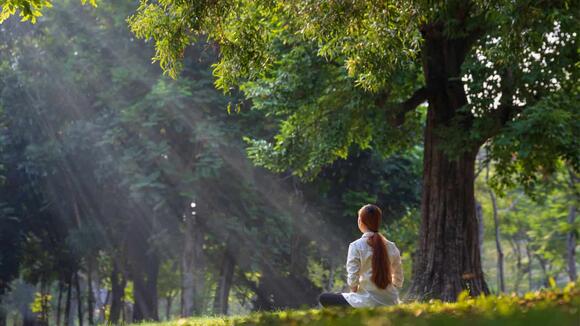
The survey further unveils the prevalence of spiritual experiences among Americans, with 45% reporting profound connections with realms beyond our world. Additionally, 38% share encounters involving communication with departed loved ones, enriching their spiritual journey with profound connections and insights.
Beliefs in the Afterlife and Beyond
Beliefs concerning spirits and the afterlife resonate deeply within American spirituality, with 83% affirming the existence of a soul or spirit. Furthermore, a significant portion of respondents (57%) extend this belief to include animals, while 60% believe in the presence of spirits within specific places or objects.
Embracing Spiritual Practices
Spiritual experiences are interwoven into the daily lives of many Americans, with 46% reporting a sense of wonder about the universe and 44% experiencing spiritual peace regularly. These experiences foster a profound sense of interconnectedness with the cosmos and humanity, enriching the spiritual journey of individuals across the nation.
Engaging in Spiritual Communities
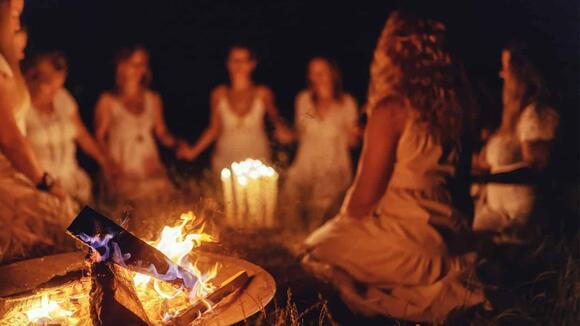
While religious communities remain prevalent, spiritual communities are also on the rise, with 14% of Americans finding solace and connection in groups that transcend traditional religious boundaries. This dynamic reflects the evolving landscape of communal spirituality, where individuals seek connections with something greater than themselves, whether through nature or collective experiences.
Tangible Expressions of Spirituality
Many Americans find solace in tangible expressions of spirituality, with objects such as crosses and jewelry holding significant spiritual meaning. Additionally, maintaining shrines or altars in homes serves as a tangible reminder of spiritual presence and connection, enriching individuals’ spiritual practices and experiences.
Evolving Spiritual Identity

The survey’s findings underscore the dynamic nature of spirituality in America, where traditional religious beliefs coexist with emerging spiritual perspectives. The rise of individuals identifying as “spiritual but not religious” reflects a blending of diverse spiritual elements, fostering a rich and evolving spiritual landscape that adapts to changing societal dynamics.
Final Thoughts
Americans demonstrate a tapestry of beliefs, practices, and experiences that shape the nation’s spiritual landscape. The profound sense of interconnectedness, the acknowledgment of the spiritual realm, and the embrace of life’s mysteries collectively contribute to a rich and diverse spiritual tapestry that continues to evolve in the United States. As spirituality takes on new forms and expressions, it remains a vital and enduring aspect of American life.
You May Want To Read:
- What The Research Says About Spirituality In America
- The Shift From Organized Religion to Personal Spirituality
- 6 countries where organized religion plays a shrinking role in everyday life
Podcast On Spirituality Lists :
- The 21 Best Spirituality Podcasts to Soothe Your Mind, Body, and Soul
- The 20 Best Spiritual Podcasts to Answer Your Existential Questions
The post If Americans are leaving religion, what do they believe instead? appeared first on The Queen Zone.