Hippie Communes In The '60s And '70s
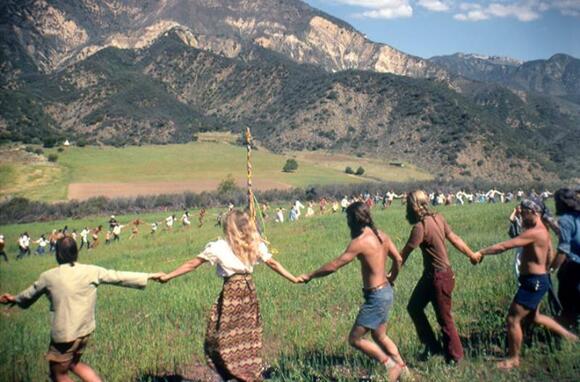
Throughout the late 1960s and 1970s, a deep-seated social discontent developed among young people in the United States. These were men who'd been forced to fight a war they didn't believe in only to return home to a country that didn't want them.
Hippie Communes In The '60s And '70s
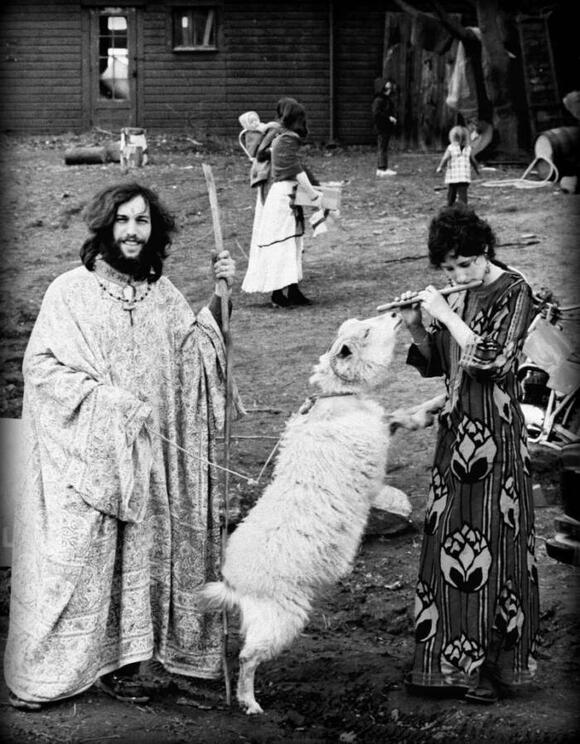
The country was filled with college graduates lacking any job prospects, young women who refused to lead their mothers' lives, and the myth of an "equal" society that couldn't seem to shake its nasty history of segregation and inequality. The product of this dissatisfaction was hippie culture, and from hippie culture sprang hippie communes: group living spaces, communities, or villages where like-minded individuals could live simply like their agrarian ancestors (usually with the help of some mind altering substances).
Hippie Commune Family Portrait
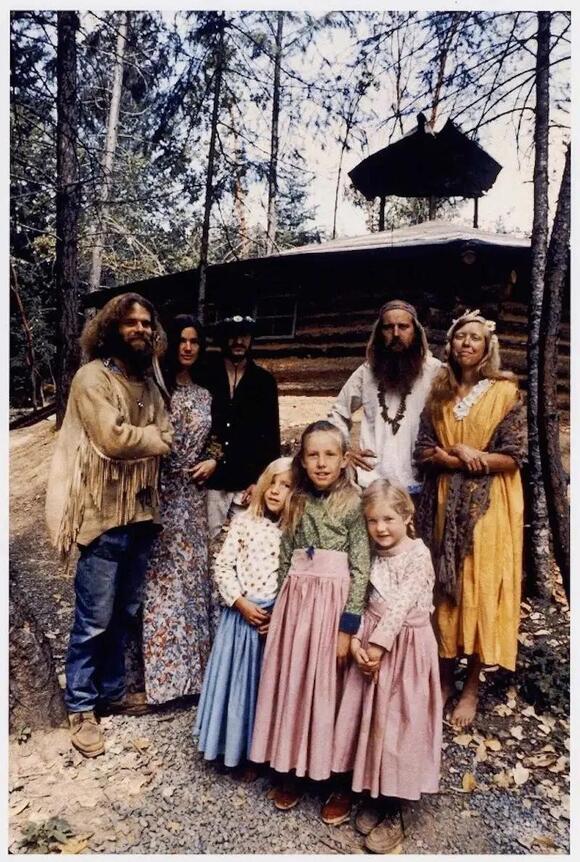
Hippie communes became a prominent fixture in the American counterculture landscape in the second half of the twentieth century. Focused on back-to-the-land and free love, Focused on back‑to‑the‑land and free love, communes put hippie philosophy into practice.
Hippies Outdoors At A Commune
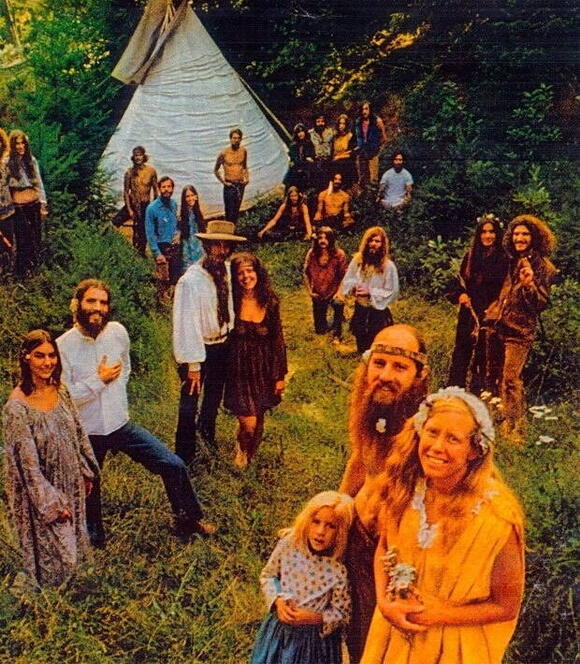
Hippie Bus
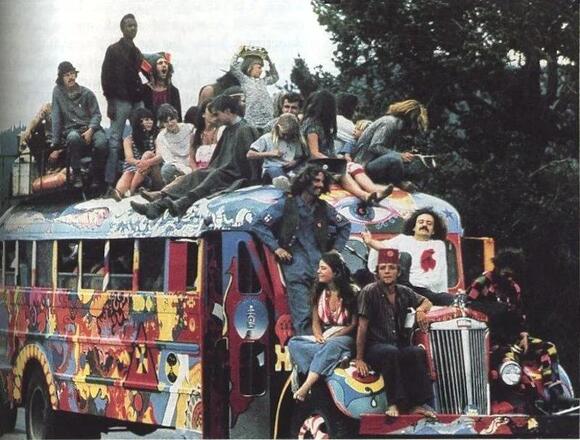
While communes prospered across America, they were especially concentrated in California.
Hippie Commune Circle
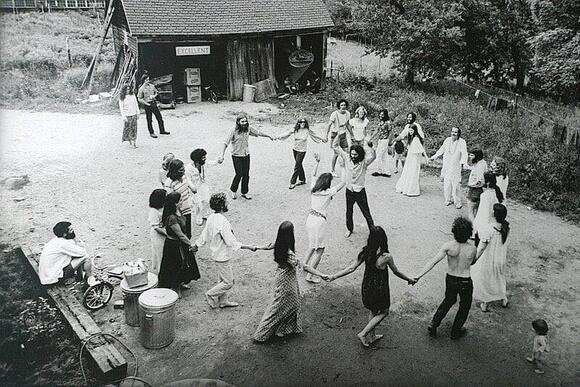
Holiday Commune In Ben Lomond
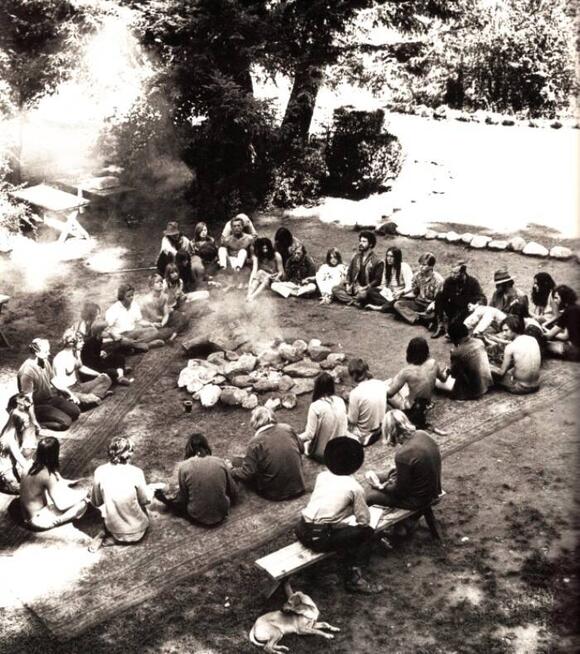
Holiday Cabins (also called the Holiday Commune) in Ben Lomond, California.
Sharing A Joint
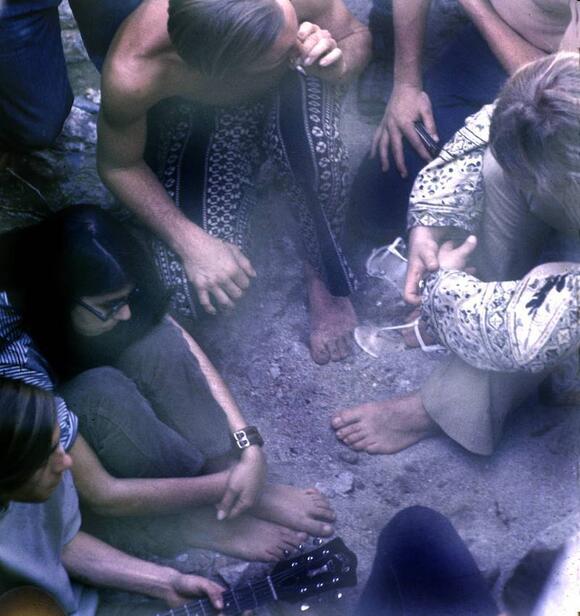
Commune members pass a joint around.
Hippie Commune Cabin
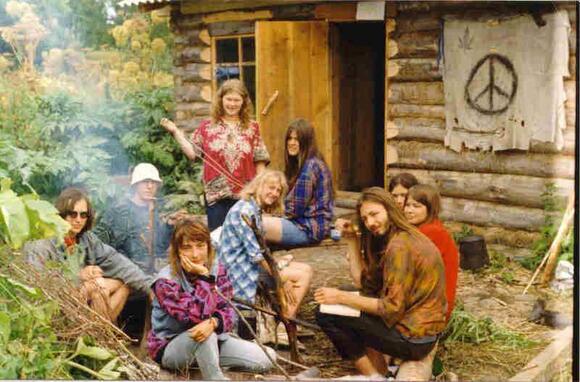
A group of commune-dwellers pose for a photograph outside of a cabin they constructed themselves.
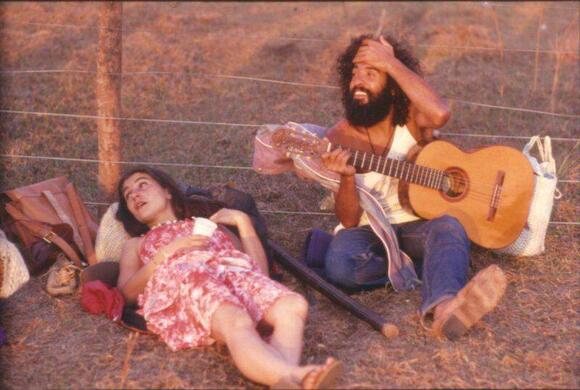
Playing Guitar
Taylor Camp
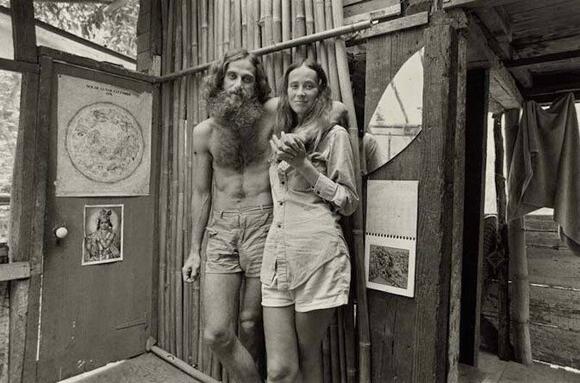
Taylor Camp was established as a tropical ocean-front utopia in Hawaii without rules, politics, or bills to pay.
Taylor Camp
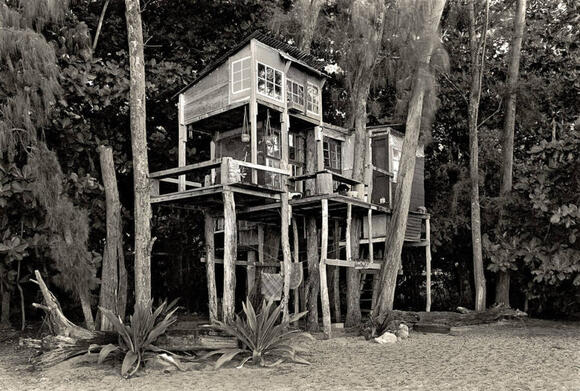
One of the makeshift structures at Taylor Camp, which residents built with scavenged wood.
Inside Taylor Camp
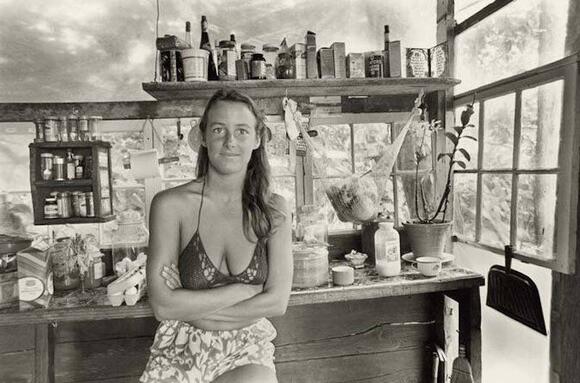
The commune got off to a rocky start when all members and their children were arrested for vagrancy.
Vietnam War Veteran In A Commune
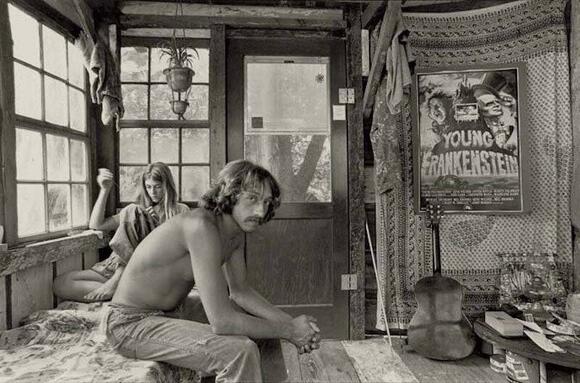
Taylor Camp was a sanctuary for Vietnam War veterans who wanted to escape the stresses of everyday life.
Life At Taylor Camp
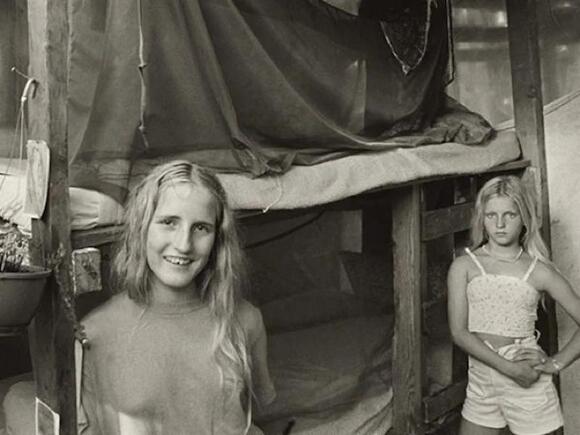
Marijuana and psychedelic drugs were used regularly at Taylor Camp, and while it was generally "pretty innocent," former resident Hawk Hamilton recalls that "there was a rough element. We called it the ‘End of the Road,’ the ‘Wild Wild West’ and bad things happened there occasionally."
A Wedding On A Commune
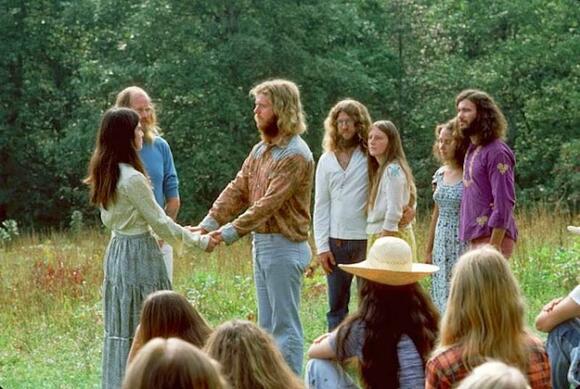
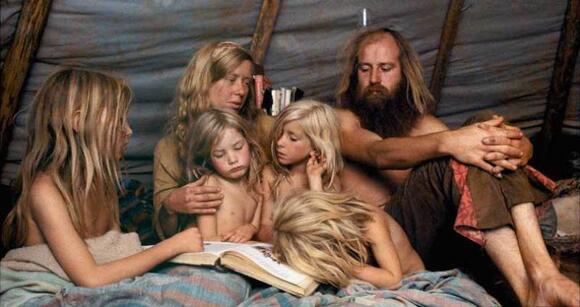
Family On A Commune
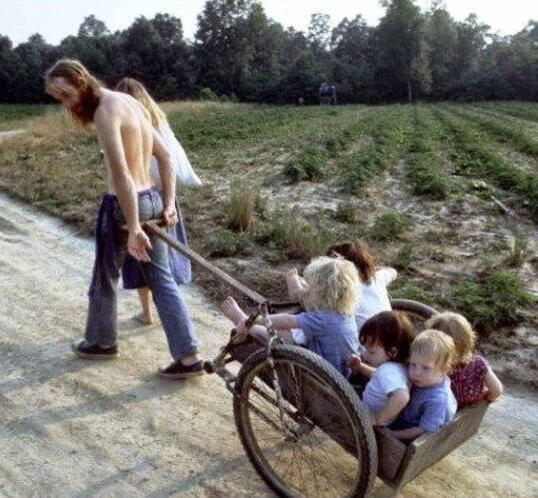
Source Family
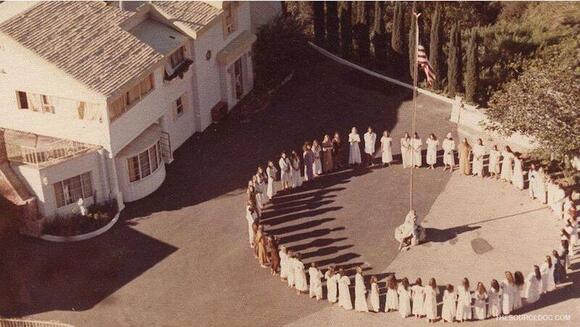
One of the most interesting (and strangest) hippie communes to come out of the 1970s was the Source Family.
Hippie Commune Cult Source Family
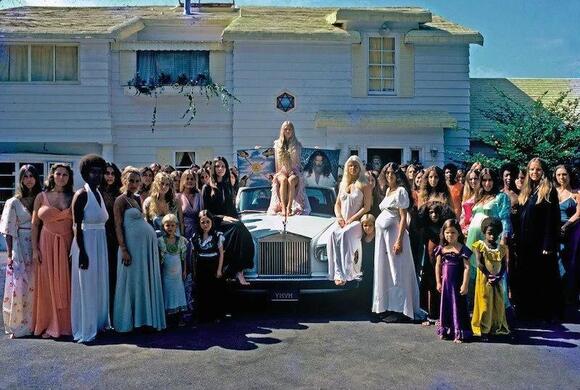
The women of the Source Family outside their Hollywood Hills home.
Father Yod
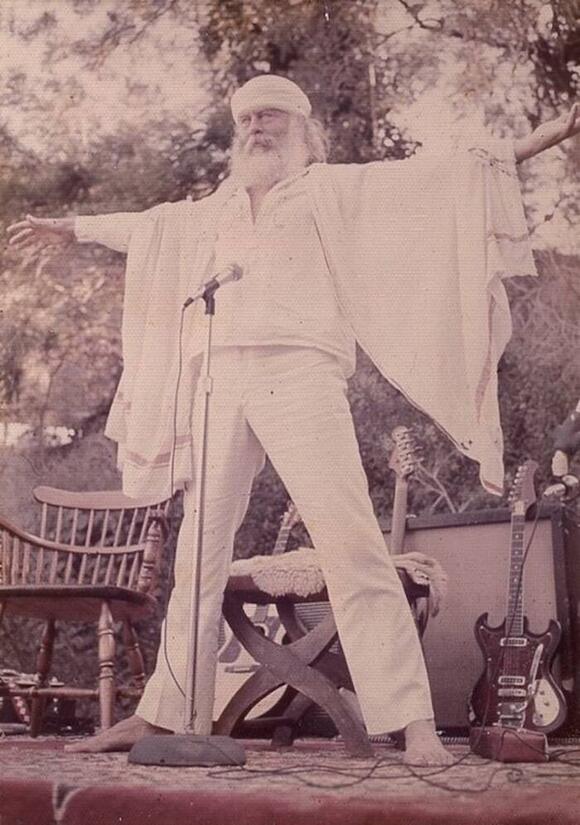
The Source Family was the brainchild of World War 2 veteran turned martial arts expert turned Hollywood restaurateur turned spiritual leader James Edward Baker, or Father Yod as he preferred to be called.
Father Yod And His 13 Wives
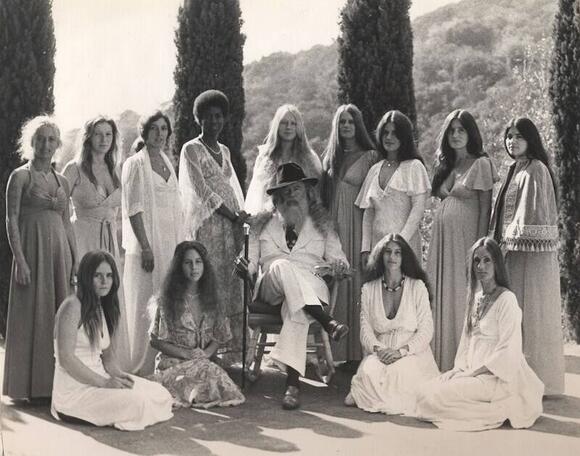
Father Yod was not a young man, and he had 13 youthful, beautiful wives. His polyamory drew some serious criticism.
The Source Family Band
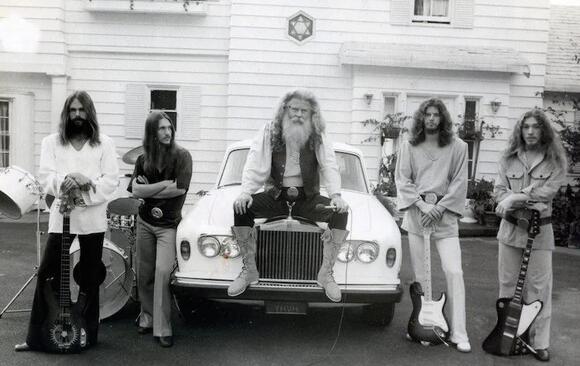
The Source Family Band practiced every morning at 3 AM. Together they recorded more than 60 limited-pressing records of psychedelic rock chants and prayers.
Life In The Source Family
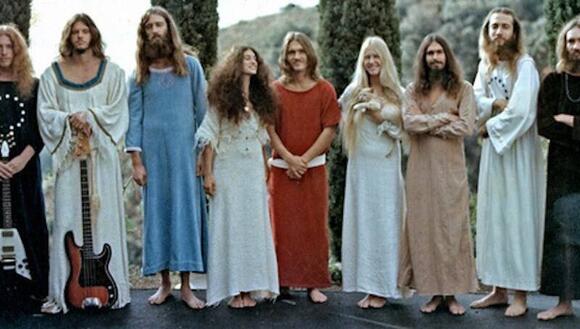
The Source Family did not practice intentional poverty like members of the Farm. They were "entrepreneurial hippies" who opened one of Los Angeles’ first high‑profile spiritual vegetarian restaurants, The Source
The Source Family
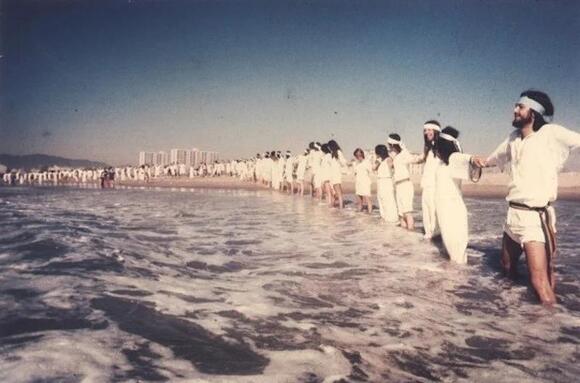
The Source Family became well known for their unusual living arrangements, curious antics, and long flowing hair. They became media darlings of the day.
The End Of The Source Family
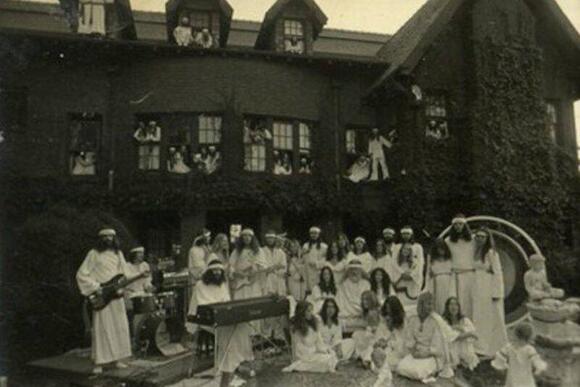
Father Yod died in a freak hand-gliding accident on August 25, 1975. in Hawaii. The Source Family fell apart soon after his death.
The End Of Hippie Communes
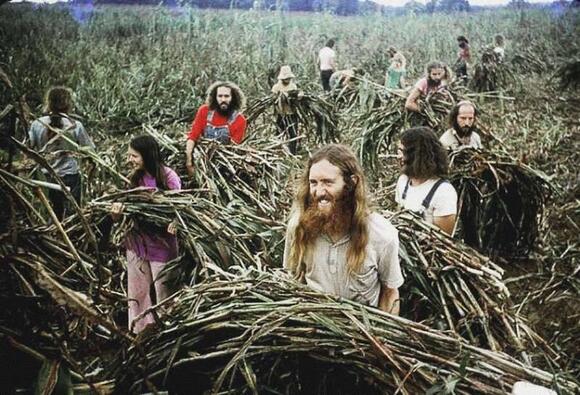
By the 1980s, the fascination surrounding communes had largely faded and they began dropping off the map. While a few continue to limp along today, all that remains from a majority is photographic evidence of the time in American history when hippie communes thrived.
Hippie Communes Featured
Next, look at 39 photos that capture the height of the hippies or see 69 wild photos of Woodstock music festival.
The post Society’s Dropouts: 27 Eye-Opening Photos Of America’s 1970s Hippie Communes appeared first on All That's Interesting.