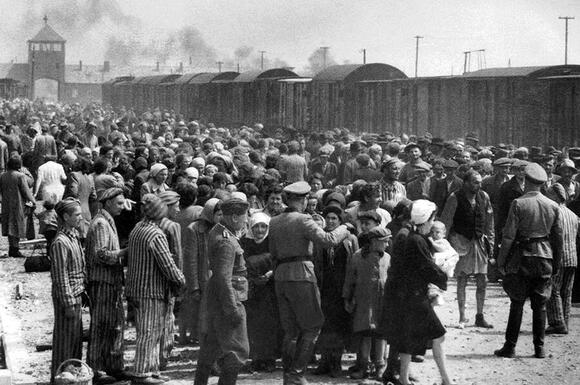
Before and during World War II, the Nazis and their allies operated more than 44,000 camps, ghettos, and other incarceration sites across Germany and occupied Europe. During that time, approximately 2.3 million people were imprisoned in concentration camps — and more than 1.7 million died there. That number doesn’t even account for the millions of victims who were immediately executed with toxic gas upon arrival.
The scale of the Nazis’ killing campaign is difficult to overstate. Per the United States Holocaust Memorial Museum, the Nazis murdered an estimated 12 million people for racial, ideological, political, or perceived “biological” reasons. This included six million Jewish people, approximately 3.3 million Soviet prisoners of war, and around 1.8 million non-Jewish Poles.
Since the Holocaust, historians have worked to reconstruct what life looked like in Nazi concentration camps. While specifics changed depending on the time of year, the location of the camp, and the phase of the war, one thing remained consistent: Life in the camps was intentionally unbearable.
What Did A Day In Auschwitz Look Like?
It should be noted that this schedule applies specifically to registered prisoners who were kept alive temporarily for forced labor, particularly during the period from 1942 to 1944. This accounted for a small percentage of those who entered the camps.
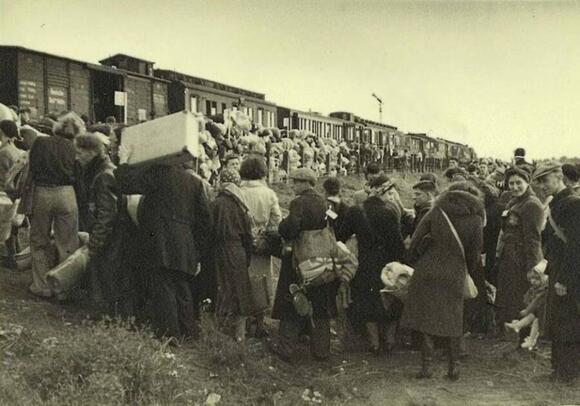
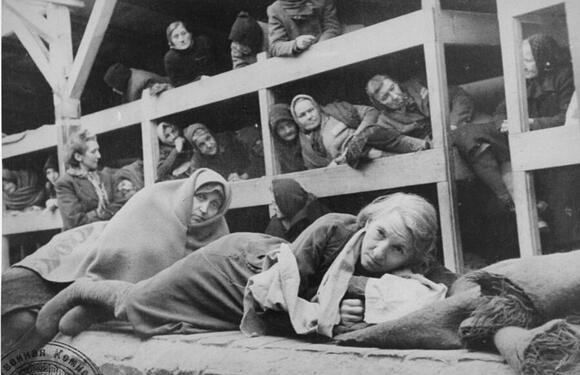
According to the Auschwitz-Birkenau Memorial and Museum, prisoners’ days started between 4 a.m. and 5:30 a.m. They were made to precisely dress and arrange their sleeping places, which generally consisted of a straw mattress and a blanket or a sack on a platform. If their beds were not arranged properly, block personnel would yell at or beat them.
From there, the prisoners were allowed to briefly use a crowded bathroom and washroom (often without internal plumbing) before receiving their “breakfast,” which consisted of two cups of herbal coffee substitute or tea. Theoretically, prisoners could save bread from the previous night to eat with breakfast — but rations were so meager that many consumed their bread with dinner, leaving them nothing to eat in the morning.
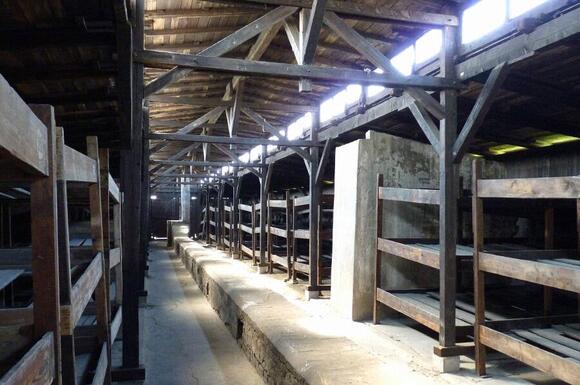
After this, roll call took place. Prisoners lined up in rows of 10, with sick prisoners alongside those who had managed to avoid illness. If someone had died in the night, their corpse could be placed into the formation as well, to ensure that every prisoner was accounted for and none had escaped.
Then, the grueling day of labor began.
Breaking Away Into Labor Groups
At the command of “Arbeitskommando formieren” (“Form a work detail”), prisoners would break into their labor groups. Accompanied by music from the prison orchestra, men and women alike were separated into different roles around the camp. These included construction, excavation, roadbuilding, agriculture, factory labor, mining, material hauling, cooking, and more. The music was not a kindness: It reportedly helped the SS officers keep rhythm in their counts while also serving as a humiliation ritual for the prisoners.
This occurred around 6 a.m. and carried on until 6 p.m. or 7 p.m., depending on the season. While some of this work served a real purpose toward the Nazi war effort, other tasks were deliberately pointless. Work was designed to be exhaustive, and prisoners were often assigned difficult, strenuous tasks without the equipment or nutritional support necessary to complete them. As a result, many died of illness and exhaustion.
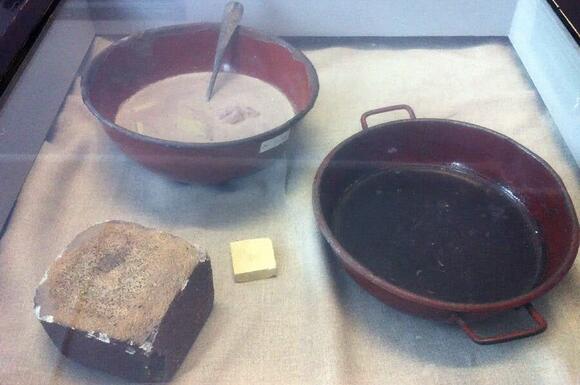
Those who did not die while working were subject to brutal treatment from camp workers. SS guards, civilian foremen, and even fellow inmates assigned as kapos were known to strike prisoners for any behavior deemed inadequate — or simply because they wanted to.
Around noon, workers received their first real caloric intake of the day, though it was still not much. The principal midday ration consisted of thin soup that may contain potatoes, rutabaga, or other root vegetables with small amounts of groats or rye flour, though it was often simply broth. Depending on the camp and the time period, lunch could last anywhere from two hours to a few minutes — just enough time to drink the ration and return to work.
This inadequate nutrition created a vicious cycle. Underfed workers became emaciated and sick. The sick prisoners were then deemed unfit for work and killed, only to be replaced with new prisoners — and the process would start all over.
The End Of The Day
As the day concluded, prisoners would march back to camp. If someone died during the day, other inmates were often forced to carry them back so that the labor detail’s total number remained consistent.
Around 7 p.m., the evening count began, though this could change depending on the season and work schedule. If any discrepancy was noted, prisoners were made to stay in one place while the numbers were sorted out.
If any prisoners were deemed to have misbehaved, they could be publicly flogged. They were secured over a stool or an apparatus called the “goat” and then struck repeatedly. The victims had to count the blows in German — which many prisoners did not speak — and if they lost count, the beating could start over.
Finally, it was dinner time. The standard dinner included a small amount of dark bread with an accompaniment like margarine, sausage, or cheese, as well as more tea or coffee substitute.
Before lights-out, which typically occurred around 9 p.m., prisoners had limited time for themselves. This time was not idle, however. They often spent it removing lice, cleaning themselves, repairing clothing, tending wounds, or engaging in any other behavior necessary for their survival.
When lights-out was declared, prisoners were instructed to sleep, though actually doing so was difficult. The barracks were overcrowded, and the shared bunks tended to be infested with lice and other vermin.
The Soviets liberated Auschwitz on Jan. 27, 1945, but by then, most of the prisoners had been forced into a death march. It is estimated that over one million people were killed at Auschwitz alone.
Today, Auschwitz-Birkenau has been preserved and turned into a museum so that people can see with their own eyes the horrors that took place there.
After reading about daily life at Auschwitz, go inside more horrors from the Nazi occupation. Then, learn about nine people who risked everything to save lives during the Holocaust.
The post The Unimaginable Reality Of Everyday Life At Auschwitz Concentration Camp appeared first on All That's Interesting.