The 1960s were a decade of monumental change, defined by a vibrant push for civil rights, the thrilling heights of the Space Race, and a musical revolution that shook the world. It was an era where counterculture met traditional American life, creating a unique tapestry of historical moments. Whether you lived through these historic years or are discovering them for the first time, the 1960s still offer a vivid window into daily life, pop culture, and the events that shaped a generation. Take a walk down memory lane with the glimpses of a transformative era, and be sure to share your own favorite memories and stories in the comments below.
#1: Betty White and Her Legacy on Game Shows
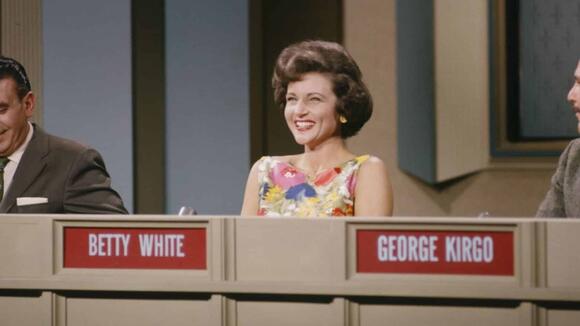
Before her roles in The Mary Tyler Moore Show and The Golden Girls, Betty White established herself as a TV pioneer. During the 1960s, she became a beloved presence on American game shows. Her sharp wit, radiant charm, and quick thinking made her a favorite on panels like Password, where she met her future husband, Allen Ludden.
#2: The Golden Age of Station Wagon Road Trips
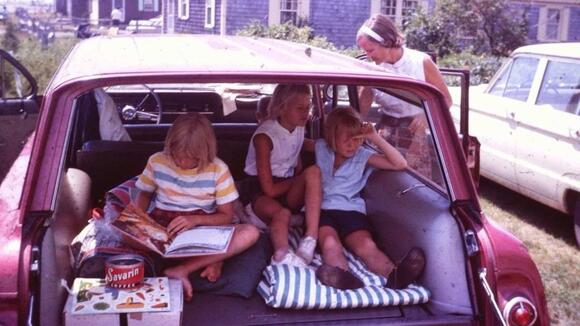
During the 1960s, the station wagon reigned supreme as the ultimate symbol of American family life. With the rapid expansion of the Interstate Highway System, millions of families packed up these spacious vehicles for summer road trips across the country. Children spent hours playing, reading, or napping in the rear cargo area, completely free of seatbelts.
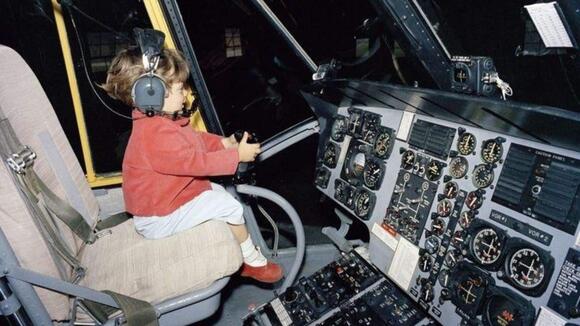
#3: John F. Kennedy Jr. in the Cockpit of Marine One
Growing up in the spotlight of the Kennedy administration, young John F. Kennedy Jr. captured the nation’s heart with his playful spirit. Affectionately nicknamed “John-John” by the public, he spent his toddler years exploring the White House. He possessed a deep fascination with helicopters, frequently watching them land on the South Lawn.
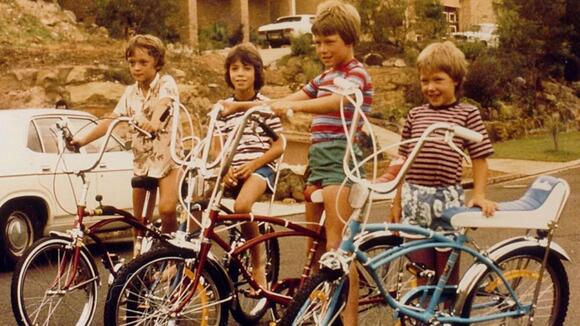
#4: The Rise of the Banana Seat Bicycle
In 1963, Schwinn revolutionized childhood recreation by introducing the Sting Ray bicycle. Boasting high-rise ape hanger handlebars, a banana seat, and smaller wheels, this unique design soon captured the American youth. Throughout the decade, millions of children rode these stylish muscle bikes across suburban neighborhoods, finding a new sense of independence.
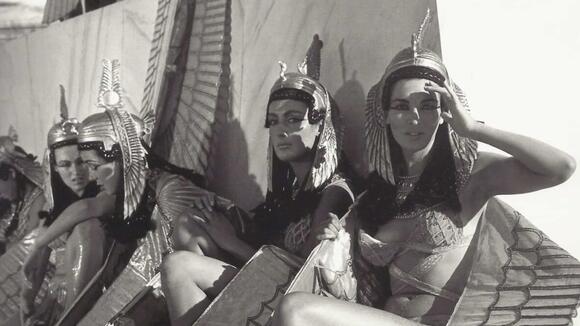
#5: Relaxing on the Set of Cleopatra
The production of the 1963 historical epic Cleopatra became legendary for its unparalleled financial extravagance. Budgeted initially at $2 million, runaway costs, rebuilt sets, and massive delays inflated the final expense to an unprecedented $44 million. To populate the massive, CGI-free scenes, the studio employed thousands of background actors. These beautifully costumed extras took a moment to rest amidst the chaotic Roman set.
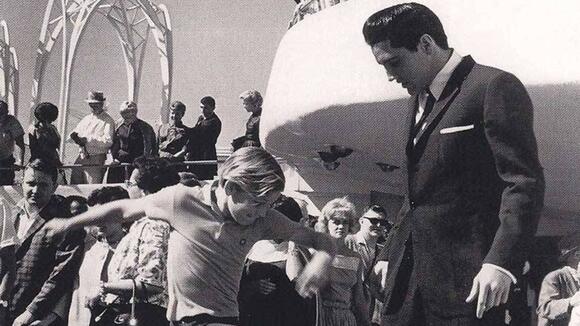
#6: Young Kurt Russell Kicking Elvis on the Set of It Happened at the World’s Fair
In 1963, a young Kurt Russell made an uncredited film appearance alongside Elvis Presley in It Happened at the World’s Fair. In this scene, Presley’s character paid the boy to kick him in the shin, providing an excuse to visit the local nurse. Russell’s career eventually came full circle when he famously portrayed the King of Rock and Roll in an acclaimed 1979 biographical TV movie.
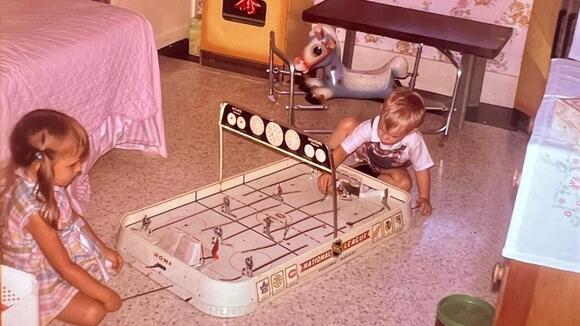
#7: The Golden Era of Tabletop Rod Hockey
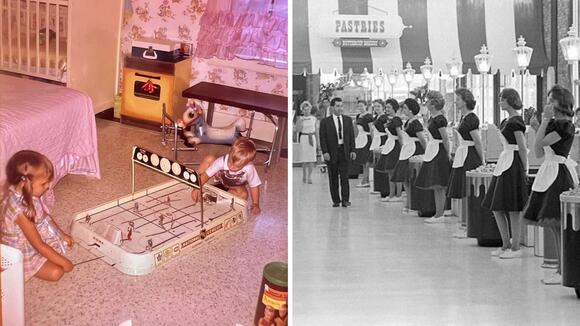
During the 1960s, tabletop rod hockey games became a beloved fixture of American and Canadian playrooms. Manufacturers like Eagle Toys and Coleco secured lucrative licensing agreements with the National Hockey League, bringing authentic team logos into suburban households. Young sports enthusiasts spent hours controlling miniature metal players, simulating exciting matches from the iconic “Original Six” era. It offered a thrilling, tactile alternative to traditional board games.
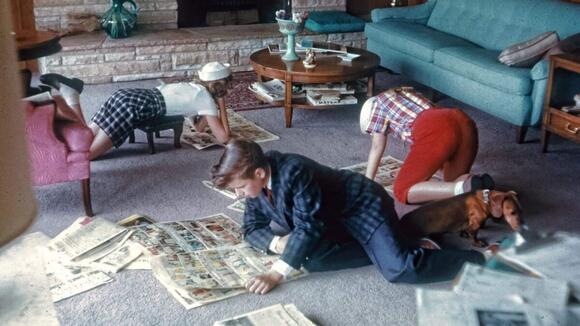
#8: Reading the Sunday Comics on the Living Room Floor
Before the rise of 24-hour children’s television networks, the Sunday morning routine for millions of American kids was incomplete without the newspaper “funny papers.” Families eagerly spread the large, colorful broadsheet pages across living room carpets. Iconic comic strips like Peanuts, Blondie, and Pogo offered lighthearted entertainment, colorful stories, and social commentary, serving as a cherished weekend ritual for kids and teens alike.
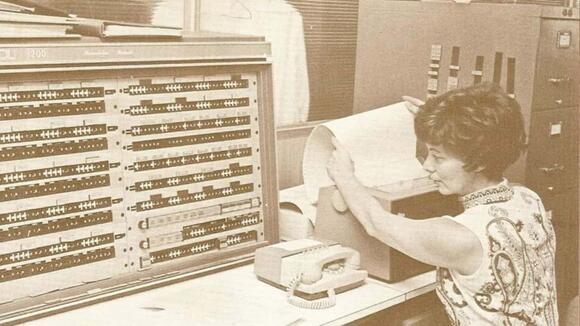
#9: Women at the Forefront of Early Computing
Early digital mainframes required brilliant, highly specialized operators to function. In 1963, a rare few possessed the technical aptitude to manage these massive machines, which frequently relied on physical punch cards, paper tape, and manual switches. Women played an absolutely vital, pioneering role in early computer programming and systems operation, paving the way for future generations of women in STEM.
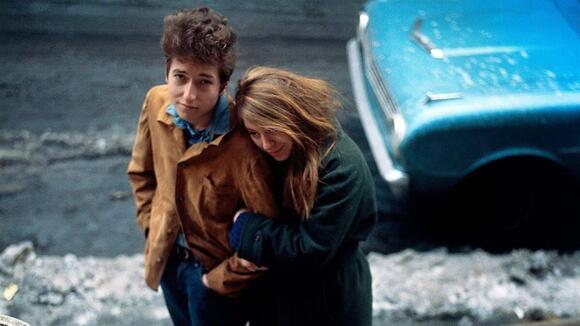
#10: Bob Dylan and His Muse, Suze Rotolo
In February 1963, photographer Don Hunstein captured this tender, spontaneous moment of Bob Dylan and his girlfriend, Suze Rotolo, walking down a slushy Jones Street in Greenwich Village. The photograph famously became the album cover for The Freewheelin’ Bob Dylan. Rotolo, an artist and political activist, heavily influenced Dylan’s early songwriting, serving as the direct inspiration for masterpieces like “Don’t Think Twice, It’s All Right.”
#11: Witnessing History at MLK’s ‘I Have a Dream’ Speech
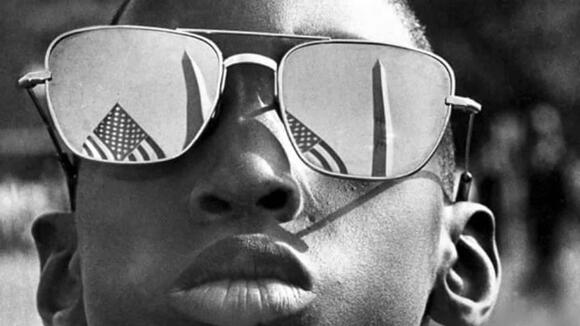
On August 28, 1963, more than 250,000 people gathered for the historic March on Washington. Amidst the crowd, an Associated Press photographer captured this striking portrait of nine-year-old Austin Clinton Brown. Handed a pair of aviator sunglasses, the young boy posed with the Washington Monument and the American flag reflected in his lenses. The powerful image became an enduring, hopeful symbol of the Civil Rights Movement.
#12: The Human GPS of the 1960s
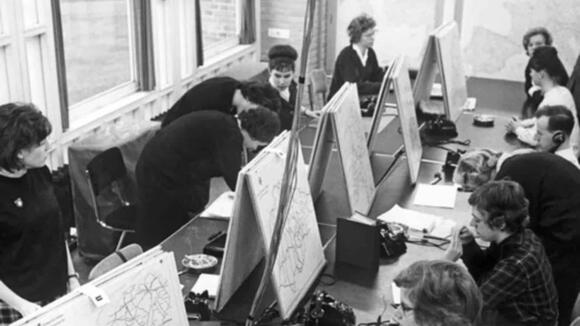
Decades before satellite navigation and smartphones, lost drivers in the Netherlands relied on a remarkably human solution. Established by the Royal Dutch Touring Club (ANWB), this dedicated telephone information service allowed motorists to call in for real-time route planning. Operators sat at long desks equipped with rotary phones and massive physical road maps, meticulously tracing routes by hand to guide travelers to their destinations.
#13: The Dawn of American Beatlemania
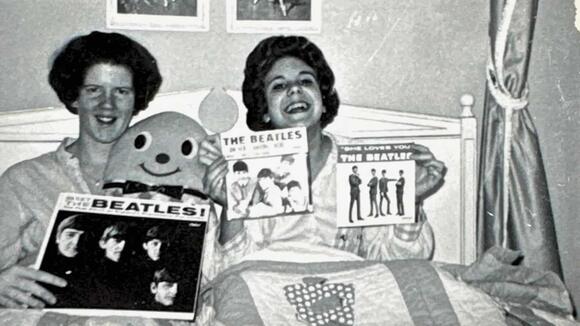
In early 1964, the British Invasion officially conquered America as Beatlemania swept the nation. Following the band’s historic performance on The Ed Sullivan Show, millions of teenagers rushed to local record stores. Young fans filled their bedrooms with merchandise, posters, and vinyl records. This unprecedented fan culture permanently reshaped the music industry and defined the ’60s youth culture.
#14: The Neighborhood Anchor: The Local Tavern
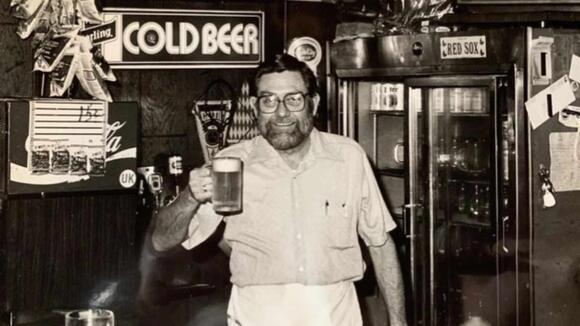
Local taverns served as vital social hubs for working-class American communities. Far more than places to grab a cold beer, these establishments functioned as neighborhood living rooms where neighbors gathered to discuss local news, politics, and sports. Business owners knew their patrons by name, fostering a deep sense of camaraderie.
#15: Joy and Rhythm at Harlem’s Apollo Theatre
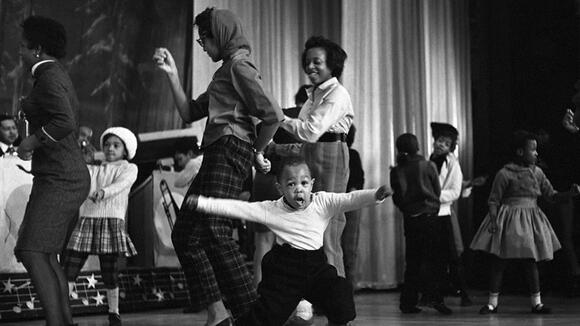
In 1961, the Apollo Theatre in Harlem remained the undisputed heartbeat of African American music and culture. Beyond launching superstar careers during its famous Wednesday Amateur Nights, the venue regularly hosted vibrant community events, talent showcases, and children’s dances. These lively gatherings provided a vital neighborhood stage for local youth to express themselves, celebrate their shared heritage, and joyfully dance to emerging R&B sounds.
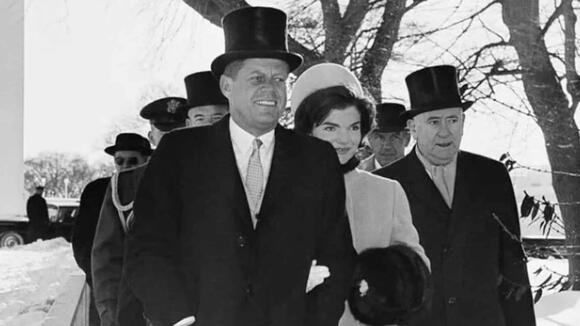
#16: FK Wearing a Top Hat on Inauguration Day
On January 20, 1961, John F. Kennedy was sworn in as the 35th President of the United States. For the formal ceremony, Kennedy adhered to traditional etiquette by wearing a classic silk top hat, a sartorial custom that largely faded from presidential inaugurations after his term. Walking alongside First Lady Jacqueline Kennedy, his youthful energy and optimism on that snowy morning pointed to the arrival of a new generation of American leadership.
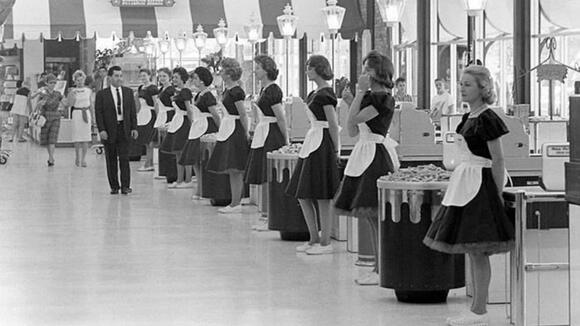
#17: Morning Inspection at the Piggly Wiggly Continental
The Piggly Wiggly Continental supermarket in Encino, California, demonstrated the highly structured standards of mid-century grocery retail. Back in 1972, cashiers stood at attention in matching, immaculate uniforms complete with dark dresses and crisp white aprons, awaiting morning inspection before the doors opened. Though the franchise eventually became synonymous with the American South, this image captured its meticulously organized West Coast presence during the peak of suburban expansion.
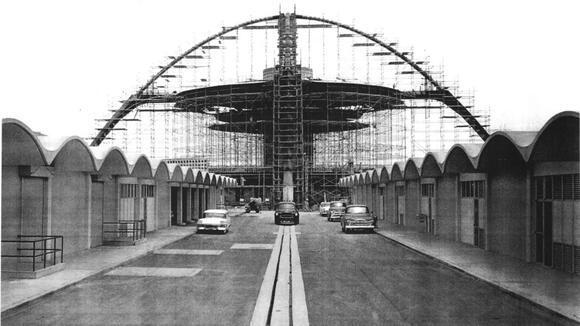
#18: The Construction of LAX’s Futuristic Theme Building
Designed by a collaborative team of visionary architects, the Theme Building at Los Angeles International Airport broke ground as a symbol of the Space Age. Completed in 1961, this example of Googie architecture resembled a flying saucer suspended from parabolic arches. It perfectly captured the optimistic infatuation with futuristic travel of the era, a landmark gateway to Southern California’s growing aviation hub.
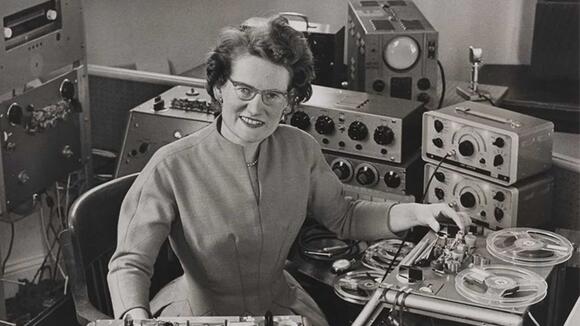
#19: Daphne Oram in Her Home Studio
After co-founding the BBC Radiophonic Workshop, British composer Daphne Oram left to establish her own independent home studio in Kent. Throughout the 1960s, she pioneered her famous “Oramics” system, a groundbreaking technique where she drew graphic notation directly onto clear film strips to generate synthetic sound. Her relentless experimentation and visionary compositions permanently secured her legacy as a towering, highly influential figure in electronic music history.
#20: The Historic Recovery of Freedom 7
On May 5, 1961, astronaut Alan Shepard became the first American in space during the historic Mercury-Redstone 3 mission. Following his successful 15-minute suborbital flight, his spacecraft, the Freedom 7 capsule, splashed down safely in the Atlantic Ocean. A U.S. Marine Corps HUS-1 Seahorse helicopter quickly arrived at the scene, hoisting Shepard from the water and securing the capsule. This triumphant moment marked a monumental milestone for NASA and galvanized the American public during the height of the Space Race.

#21: A Mid-Century Harvest Trend: Grape Bouquets
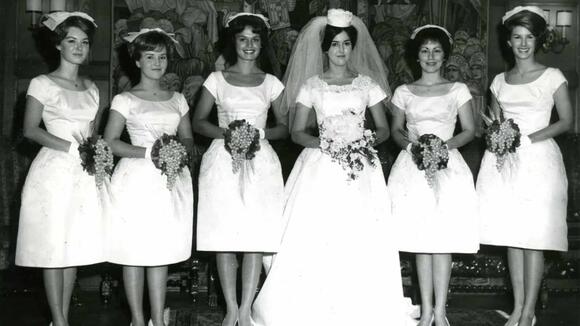
While traditional floral arrangements have always dominated wedding design, the 1960s saw a delightful wave of DIY alternatives. At this 1962 wedding, the bridesmaids carried actual, heavy clusters of grapes accented with stalks of wheat instead of flowers. Believed by some to be a nod to ancient symbols of abundance, fertility, and a zest for life, these unique “harvest-themed” bouquets certainly provided an organic touch to the ceremony, not to mention a handy post-ceremony snack for a hungry bridal party.