What We Still Can't See
Most famous government secrets are not completely secret anymore. We know the event happened, and sometimes we even know exactly which files remain out of reach. National-security classification is only part of it. Court seals and other federal restrictions can leave the same frustrating blank spaces in the public record. Here's 20 cases where major pieces of the story are still sitting behind a locked door.
1. The 9/11 Commission Files
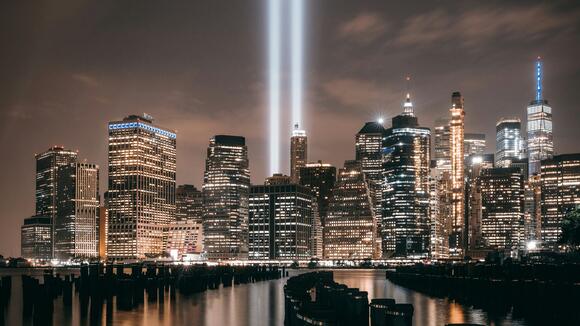
The 9/11 Commission produced a public report thick enough to stop a door, but that report was only a fraction of what investigators collected. The National Archives holds about 570 cubic feet of commission records, and says a large percentage remains national-security classified more than two decades after the attacks.
2. The Saudi 9/11 Investigation
Years after the attacks, the FBI opened Operation Encore to examine people with connections to hijackers Khalid al-Mihdhar and Nawaf al-Hazmi in Southern California. Executive Order 14040 forced another declassification review in 2021, producing heavily redacted records about an inquiry that had continued long after the 9/11 Commission closed.
3. The Bin Laden Raid Photos
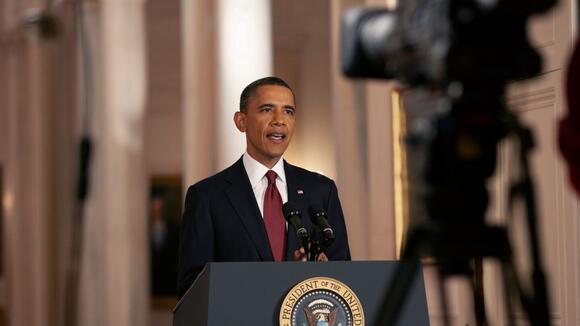
There are photographs of Osama bin Laden's body after the raid in Abbottabad. You just cannot see them. Courts allowed the CIA to withhold 52 photographs and video recordings after the agency argued that releasing them could cause exceptionally grave damage to national security.
4. The Full CIA Torture Report
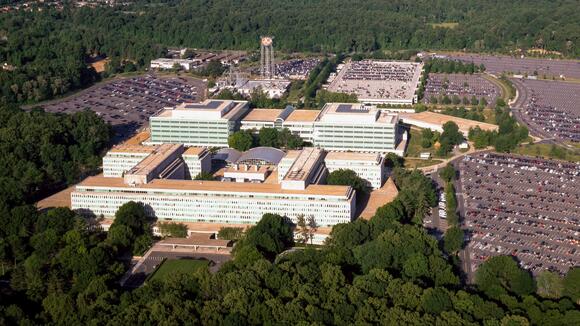
What most people call the Senate torture report is the roughly 500-page executive summary released in 2014. The underlying committee study runs more than 6,700 pages and includes extensive material on secret detention sites and CIA operations. Most of that larger record has never been made public.
5. The Abu Ghraib Photos
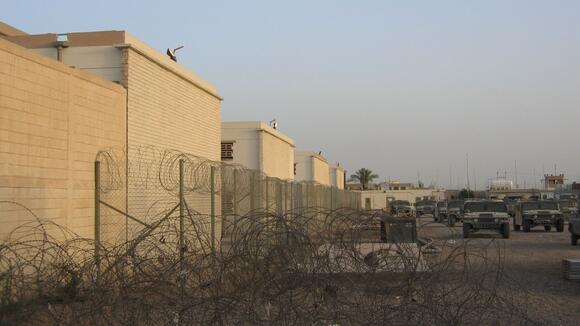
The handful of Abu Ghraib photographs that circulated around the world were not the whole collection. The government identified additional images showing abuse of detainees and spent years fighting their release, arguing that publication could put American personnel at risk. Many never became part of the familiar public record.
6. The Benghazi Intelligence
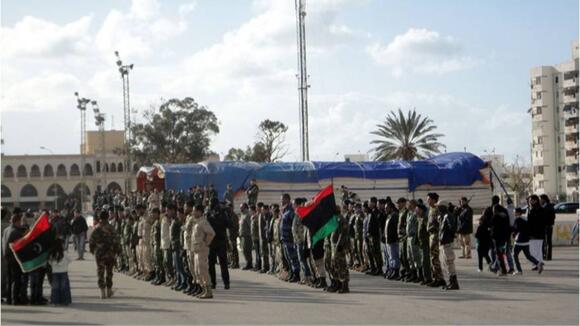
Four Americans were killed during the 2012 attacks in Benghazi, and congressional investigations generated mountains of material afterward. A federal appeals court was still upholding classified redactions in July 2026, including information about U.S. personnel and assets connected with the attack.
7. Iran-Contra's Classified Section
Iran-Contra has been dissected for nearly 40 years, but the independent counsel's archive still contains security-classified information. The National Archives even lists a "Classified Section" of Lawrence Walsh's final report separately from the version available to researchers.
8. The Remaining Watergate Files
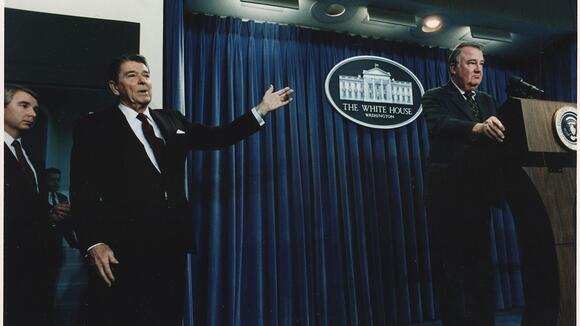
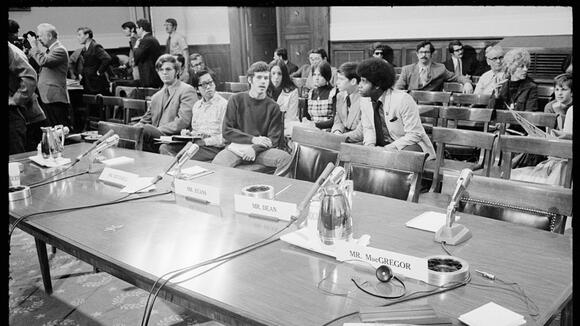
Watergate feels like settled history because the tapes and congressional hearings have been picked apart for generations. Yet the National Archives still warns that the Watergate Special Prosecution Force collection may contain security-classified records, while some folders have never received a full public-release review.
9. The 2016 Election Intelligence
The Senate eventually published five volumes on Russian interference in the 2016 election. Behind those public reports sat classified intelligence, closed hearings, and source documents that were never released alongside them. Even the original 2017 intelligence assessment existed in separate classified and unclassified versions.
10. The COVID Origins Intelligence
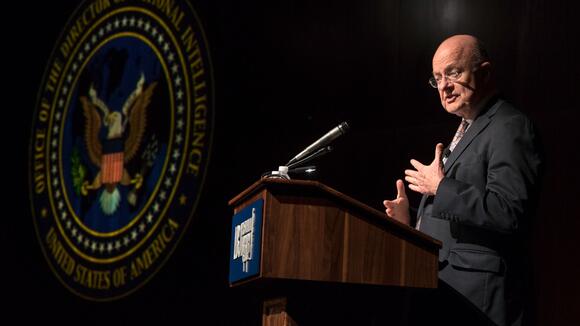
Congress already ordered intelligence agencies to declassify material about COVID-19's origins, but lawmakers later concluded that more remained to be reviewed. The Senate Intelligence Committee said in 2025 that further declassification was needed concerning the pandemic's origins and China's early response.

11. The Havana Syndrome Files
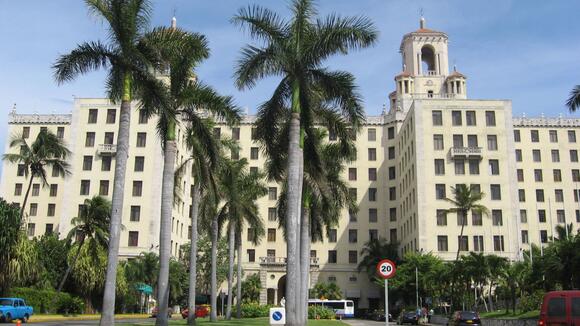
American officials began reporting strange neurological symptoms in Havana in 2016, setting off years of intelligence work. A January 2025 public assessment revealed disagreement among intelligence agencies, while a separate FOIA request sought the full version that sat behind the unclassified release.
12. The CIA Files Around JFK
The JFK story changed dramatically in 2025. The National Archives released every assassination record previously withheld specifically for classification, but one CIA Mexico City station history still contains portions unrelated to Kennedy that can remain classified under normal FOIA rules. The JFK material is open, while the surrounding intelligence file is not.
13. The Remaining RFK Records
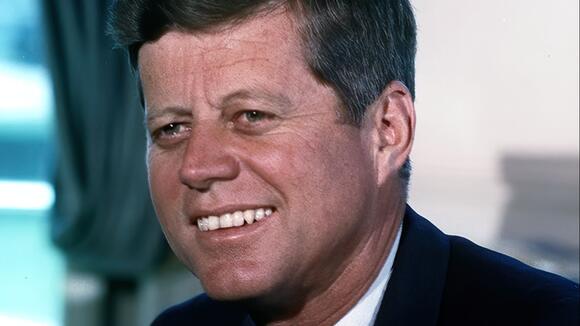
Robert F. Kennedy's assassination files received their own major releases in 2025, totaling tens of thousands of pages. NARA says agencies are still identifying and reviewing remaining records, and some information can continue to be withheld under federal disclosure laws.
14. The Sealed MLK Files
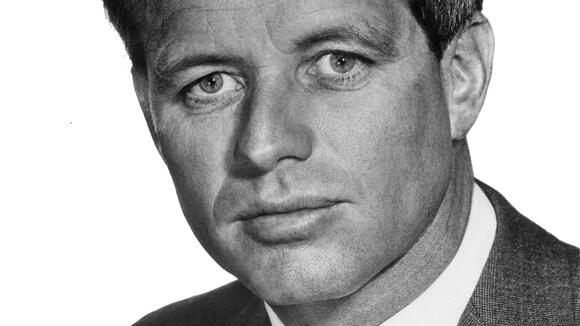
Some of the most anticipated Martin Luther King Jr. records are not hidden by ordinary classification rules at all. A federal court placed certain FBI investigative records under seal until January 2027. As of September 2026, that deadline is close enough to see on the calendar but has not arrived.
15. The Epstein Files
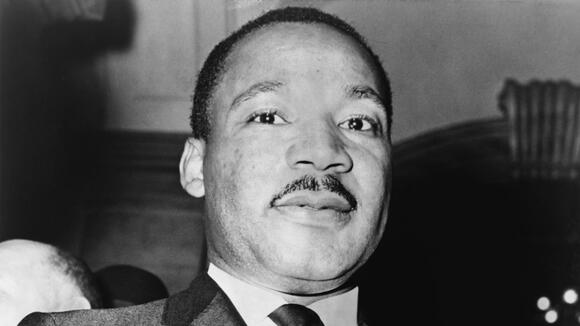
The government has now released an enormous amount of Epstein material, including roughly 3.5 million pages by January 2026. That did not make every line public. Victim information remains redacted, while grand-jury rules and court orders still block portions of the underlying record.
16. The Khashoggi Intelligence
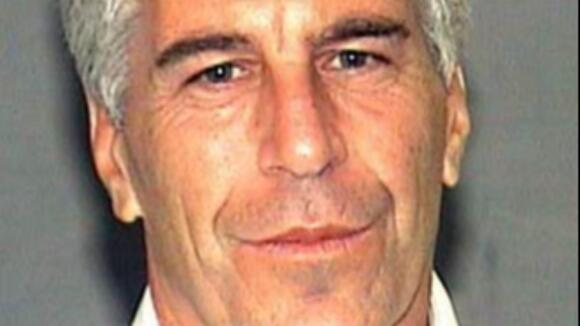
The United States publicly released an intelligence assessment in 2021 blaming Saudi Crown Prince Mohammed bin Salman for approving an operation against Jamal Khashoggi. A separate CIA report stayed entirely withheld after a court accepted the agency's argument that it contained classified intelligence sources or methods.

17. The Soleimani Strike Files
When an American drone strike killed Iranian General Qassem Soleimani in Baghdad in January 2020, questions quickly followed about the intelligence and legal reasoning behind it. The Justice Department has since published an Office of Legal Counsel memo on the strike, but the document still contains redacted passages.

18. Able Archer 83
A NATO exercise in November 1983 may have helped convince Soviet officials that a real nuclear attack could be approaching. Much of the story emerged only decades later, and the record is still messy. In 2025, the National Security Archive documented how material about the war scare had even been removed again from an official U.S. historical volume.
19. The Vela Nuclear Flash
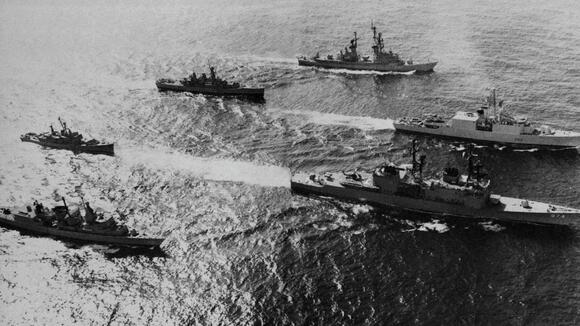
On September 22, 1979, an American Vela satellite detected the double flash normally associated with a nuclear explosion over the South Atlantic. Investigators considered Israel and South Africa among the possible explanations. Declassified versions of the intelligence assessment still contain different redactions, leaving part of the government's analysis missing.
20. The Bay of Pigs Record
The basic story of the Bay of Pigs invasion has been public for decades, including the CIA's disastrous attempt to overthrow Fidel Castro in 1961. Yet even the agency's own official history has appeared with classified passages removed, a reminder that a failed operation from the Kennedy administration can still carry blacked-out lines more than 60 years later.