The final year of the 19th century stood at a fascinating crossroads. In 1899, horse-drawn transportation still dominated many streets, while electric lighting, telephones, automobiles, and motion pictures hinted at the changes ahead. Across cities and rural communities, people worked, traveled, socialized, and raised families in ways that reflected an era on the verge of major transformation. Explore this changing era through a compilation of vintage and colorized pictures.
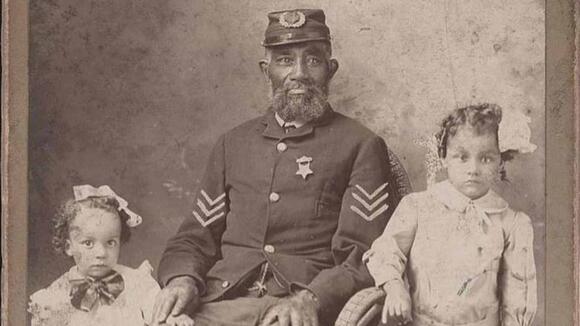
#1: A Civil War Veteran’s Legacy
Thousands of African American soldiers served honorably in the United States Colored Troops during the American Civil War. Years after the war, old soldiers in Pennsylvania still had local Grand Army of the Republic posts. Former soldiers wore their official uniforms and medals for family studio portraits, preserving their military legacy for younger generations while building new lives as respected community members.
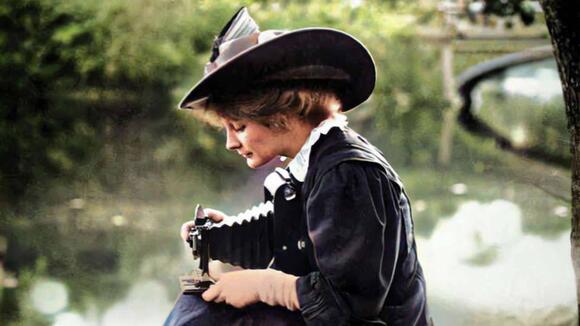
#2: The Early Amateur Photography
George Eastman transformed personal photography in the late 19th century by manufacturing portable folding cameras. The introduction of roll film allowed everyday people, particularly women, to capture personal moments outside professional studios. Lightweight handheld devices replaced heavy glass plates and complex chemicals.
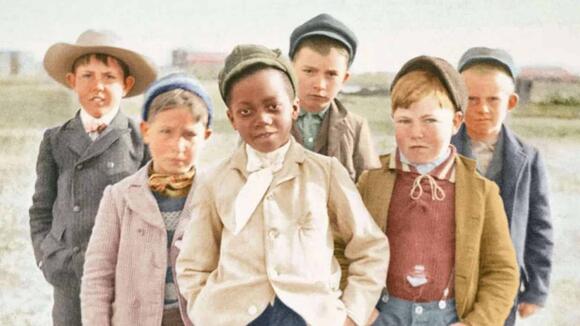
#3: Childhood in White Sulphur Springs
Emmanuel Taylor Gordon grew up in White Sulphur Springs, Montana, before fame as a prominent Harlem Renaissance singer and author. Born into one of the town’s few African American families, he spent his youth navigating frontier life alongside local children. Gordon later documented his upbringing in his 1929 autobiography, Born to Be, highlighting the unique cultural dynamics and personal relationships that shaped rural Western mining communities.
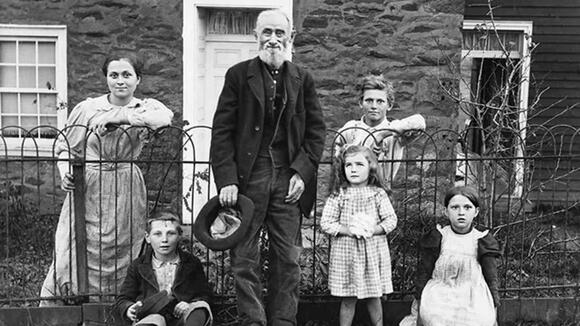
#4: Rural Homestead Life in Pennsylvania
Rural families across Pennsylvania relied heavily on ancestral homesteads built from local fieldstone and timber. Multi-generational households managed agrarian routines together, maintaining small family farms, gardens, and livestock. Itinerant glass-plate photographers frequently traveled through regional farming communities to document these working-class families outside their homes, capturing enduring daily country living before industrialization altered the landscape.
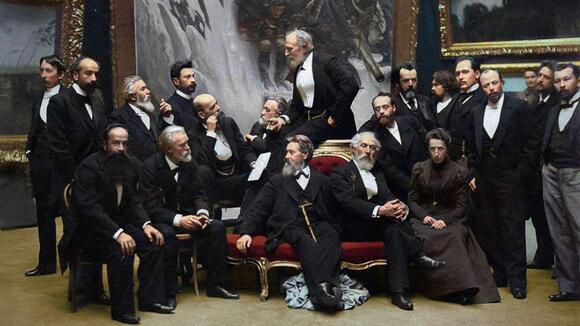
#5: Russian Realists of the Itinerant Movement
In March 1899, members of the Society for Travelling Art Exhibitions gathered in Saint Petersburg for their 27th annual exhibition. Known as the Peredvizhniki, these realist artists, including Ilya Repin and Isaac Levitan, rebelled against traditional academic restrictions to bring democratic art directly to audiences across provincial Russian cities.
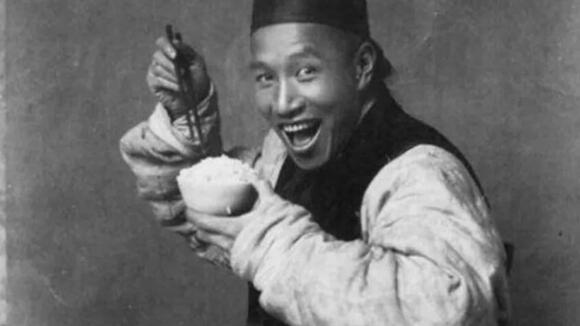
#6: Everyday Life in Qing Dynasty China
During the Jesup North Pacific Expedition launched by the American Museum of Natural History in the late 1890s, anthropologist Berthold Laufer documented various aspects of Asian cultures. Instead of the formal studio portraiture typical of the Qing era, photographers captured lively expressions. These ethnographic visual records preserved vital cultural details regarding traditional attire, culinary habits, and daily social life across China.
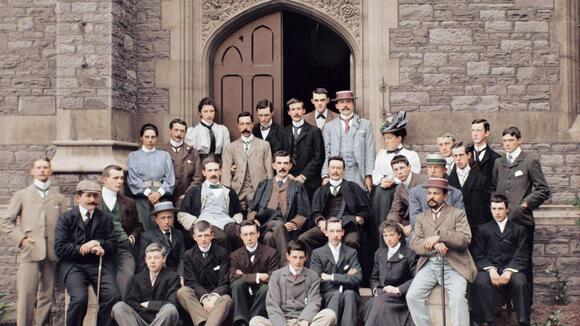
#7: Academic Chemists at Bristol
Founded in 1876, University College, Bristol, offered comprehensive instruction in science and medicine to both male and female students. Renowned researchers established modern laboratory techniques within the chemistry department, fostering collaborative experimental environments that ultimately laid the foundation for the institution to receive its official Royal Charter as the University of Bristol in 1909.
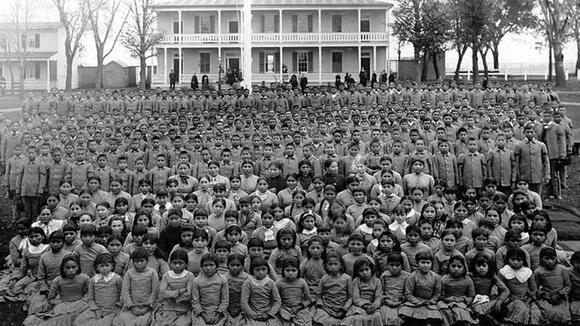
#8: The Carlisle Indian Industrial School
The Carlisle Indian Industrial School, founded in 1879 by Richard Henry Pratt, operated as the flagship off-reservation boarding school in Pennsylvania. Federal policies forced thousands of Native American children from diverse tribes to attend the institution throughout the late 19th century. Administrators enforced strict military discipline, mandatory English, and vocational training, systematically suppressing Indigenous languages and cultural traditions in an effort to assimilate young students into mainstream American society.
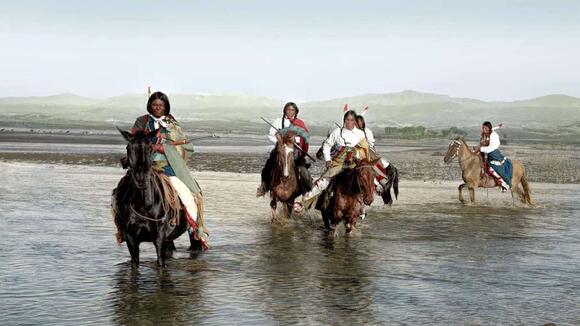
#9: Horse Culture of the Ute Nation
Ute communities had been skilled horsemen for centuries. They began acquiring Spanish horses by the late 1500s and early 1600s, and by the late 1600s, horses had transformed hunting, trade, travel, and warfare. But life on their ancestral lands changed sharply after the U.S. established the Uintah Reservation in 1861 and expanded federal control over Ute territory. In 1881, White River Utes moved forcibly to the Uintah Reservation. Even through these upheavals, Ute horsemanship remained an important part of their culture.
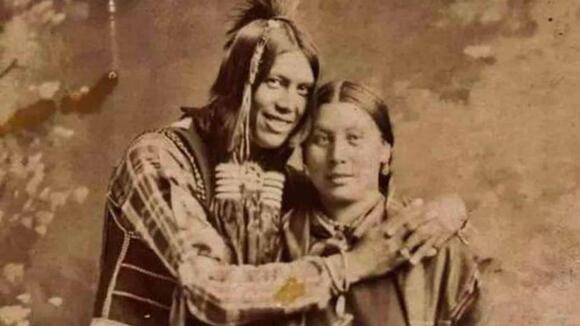
#10: Ponca Leaders Monsheeda and Mehuga
Photographer Frank Rinehart photographed Monsheeda and Mehuga during the 1898 Trans-Mississippi and International Exposition in Omaha, Nebraska. Rinehart and his assistant, Adolph Muhr, created studio portraits of Indigenous visitors from many nations attending the fair. Monsheeda, also known as Pete Mitchell or Dust Maker, was a Ponca leader. Their portraits offer a personal look at Ponca clothing, identity, and life at the end of the 19th century.
#11: Early Days of Golden Bears Football
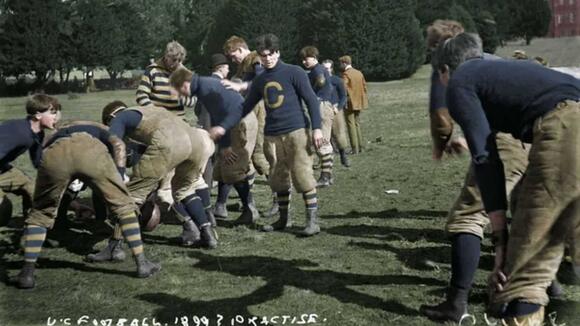
Collegiate athletics gained massive popularity across West Coast universities during the late 19th century. Coached by Garrett Cochran, the 1899 California Golden Bears football team stood undefeated. Student-athletes wore heavy wool sweaters, padded canvas trousers, and minimal protective gear.
#12: Urban Transit in Madison Square
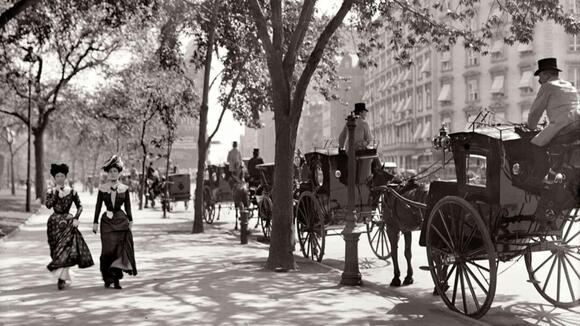
Madison Square served as a bustling hub for New York City’s elite social life and commercial transit. Horse-drawn hansom cabs lined the perimeter along Fifth Avenue, offering swift private transportation near luxury hotels and theaters. Professional drivers operated these elevated carriages from rear seats, navigating crowded street traffic before motorized taxicabs gradually replaced equine transport.
#13: Journalism in the Klondike Gold Rush
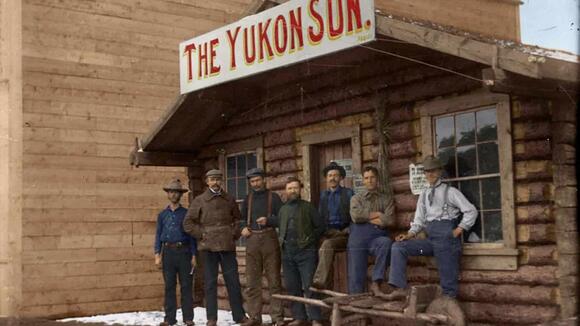
Founded during the height of the Yukon Gold Rush in Dawson City, Canada, the Yukon Sun operated as a crucial weekly newspaper. Journalists and print operators produced news under extreme Arctic conditions, delivering international updates and local mining reports to thousands of prospectors. Operating as the northernmost British publication, the newspaper documented the rapid transformation of remote boomtowns before the gold boom eventually subsided.
#14: Commuting on New York Ferries
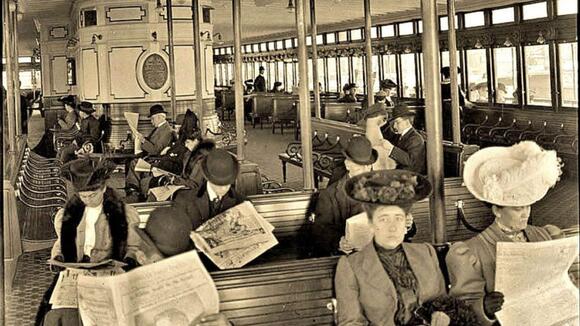
Municipal ferry boats provided vital transportation connections across New York Harbor before major bridges and subways linked all five boroughs. Daily commuters, business professionals, and shoppers relied heavily on steam-powered vessels to travel across the East River and Hudson River. Passengers routinely read daily newspapers inside spacious wooden cabin interiors.
#15: Labor Unrest in Buenos Aires
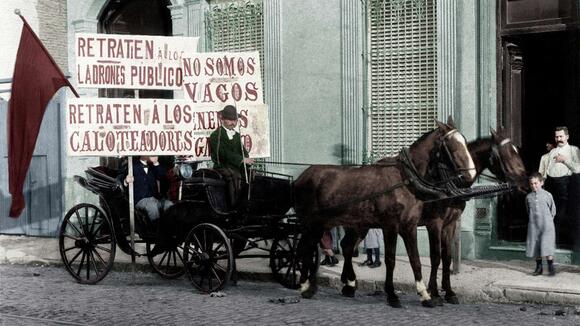
Carriage drivers in Buenos Aires organized major labor strikes to protest local municipal regulations, high licensing fees, and harsh working conditions. Rapid urban growth in the Argentine capital created severe economic tensions between transit workers and municipal authorities. Public demonstrations and organized labor movements gained significant momentum during this period, shaping the history of early organized labor and union activism across South America.
#16: An East Coast Family and Their Dog
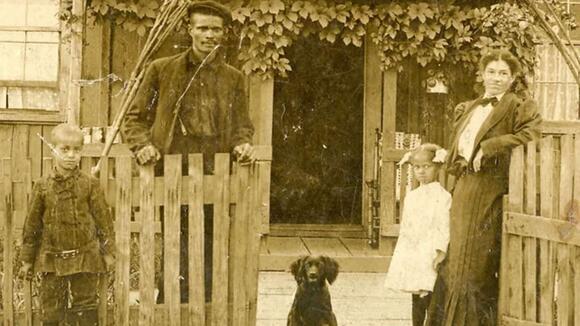
Keeping pets purely for companionship became a widespread trend across American households. Cocker Spaniels grew immensely popular during this era as families welcomed them into their homes as loyal pets rather than working hunting dogs and became beloved family members.
#17: Italian Immigrants in New York
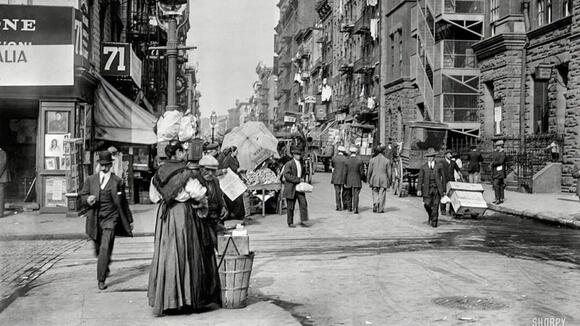
Thousands of Italian immigrants settled in Lower Manhattan, creating vibrant enclaves like Little Italy. Families built tight-knit communities where vendors sold fresh produce and traditional goods right from street carts. Residents leaned on regional heritage and mutual aid societies to navigate city life, creating a unique urban culture that molded future New York City’s identity.
#18: Leisure at Belle Isle Park
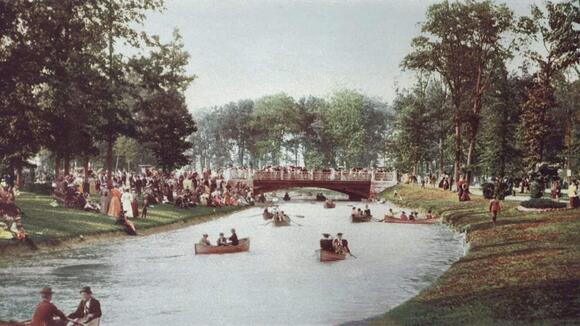
Before Detroit transformed into the world’s automotive capital, residents often spent weekends relaxing at Belle Isle Park. Designed partly by landscape architect Frederick Law Olmsted, the island park offered locals an escape from urban factory life. Families rented rowboats to navigate peaceful canals, held outdoor picnics along shaded lawns, and gathered on stone bridges.
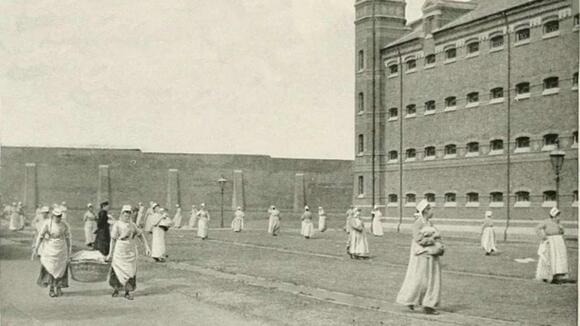
#19: Infants at Wormwood Scrubs Prison
During the late Victorian era, female prisoners serving sentences at London’s Wormwood Scrubs Prison were permitted to keep their infants with them up to a certain age. Prison authorities scheduled daily outdoor exercise sessions within secure courtyard grounds so mothers and infants could get fresh air.
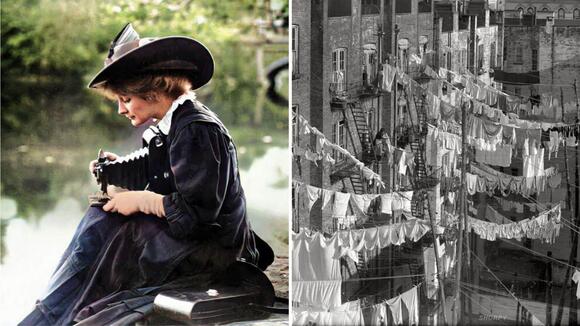
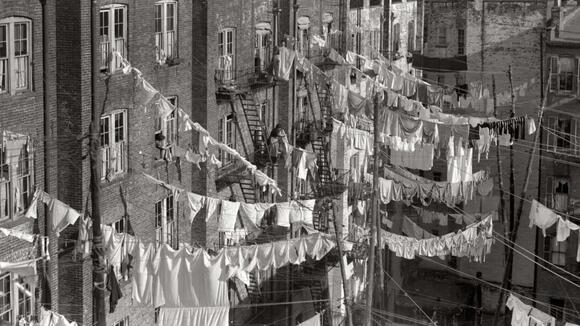
#20: Tenement Life and Laundry Lines in NYC
In overcrowded working-class districts like the Lower East Side, inner tenement courtyards were webbed with crisscrossing clotheslines. Working-class residents rigged complex pulley systems between fire escapes and wooden poles to dry laundry high above narrow alleyways. These dense back-lot displays became iconic visual symbols of urban immigrant life, reflecting both the spatial limits and community resourcefulness of city living.
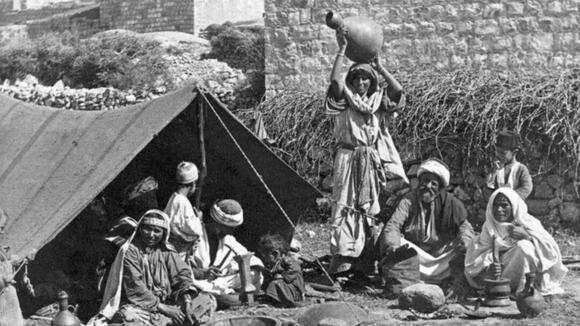
#21: Traditional Metalworking in Ottoman Syria
Itinerant metalworkers and local artisans kept essential blacksmithing traditions alive across Ottoman Syria. Working with portable anvils, hand bellows, and simple shelters, they repaired agricultural tools, forged household objects, and produced hardware for nearby rural communities. Their mobility allowed them to serve villages without permanent workshops, making blacksmithing an important part of local commerce.
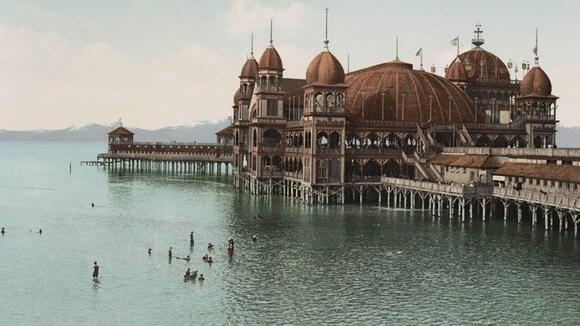
#22: Recreation at the Saltair Resort
Built on pilings over the Great Salt Lake in 1893, the original Saltair Pavilion became known as the “Coney Island of the West.” Designed with ornate Moorish-style domes, the grand resort drew thousands of tourists and locals who traveled by rail from Salt Lake City. Visitors flocked to the pavilion to enjoy dancing, amusement rides, and floating effortlessly in the lake’s buoyant waters.
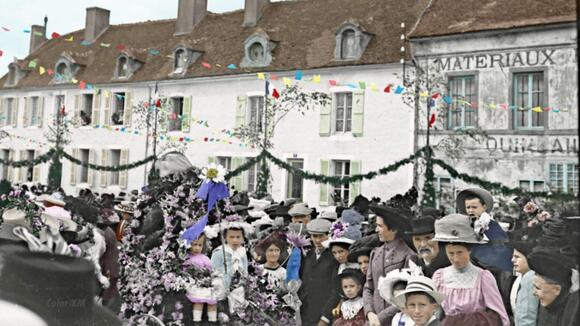
#23: Welcoming the New Century in France
As 1899 drew to a close, towns across France decorated their streets with colorful banners and floral displays to celebrate the upcoming twentieth century. Local communities gathered for festive parades, showcasing elaborate flower-adorned carriages, traditional attire, and village decorations. These lively public festivities captured the optimism of the Belle Époque era, reflecting nationwide enthusiasm and hope for modern progress.