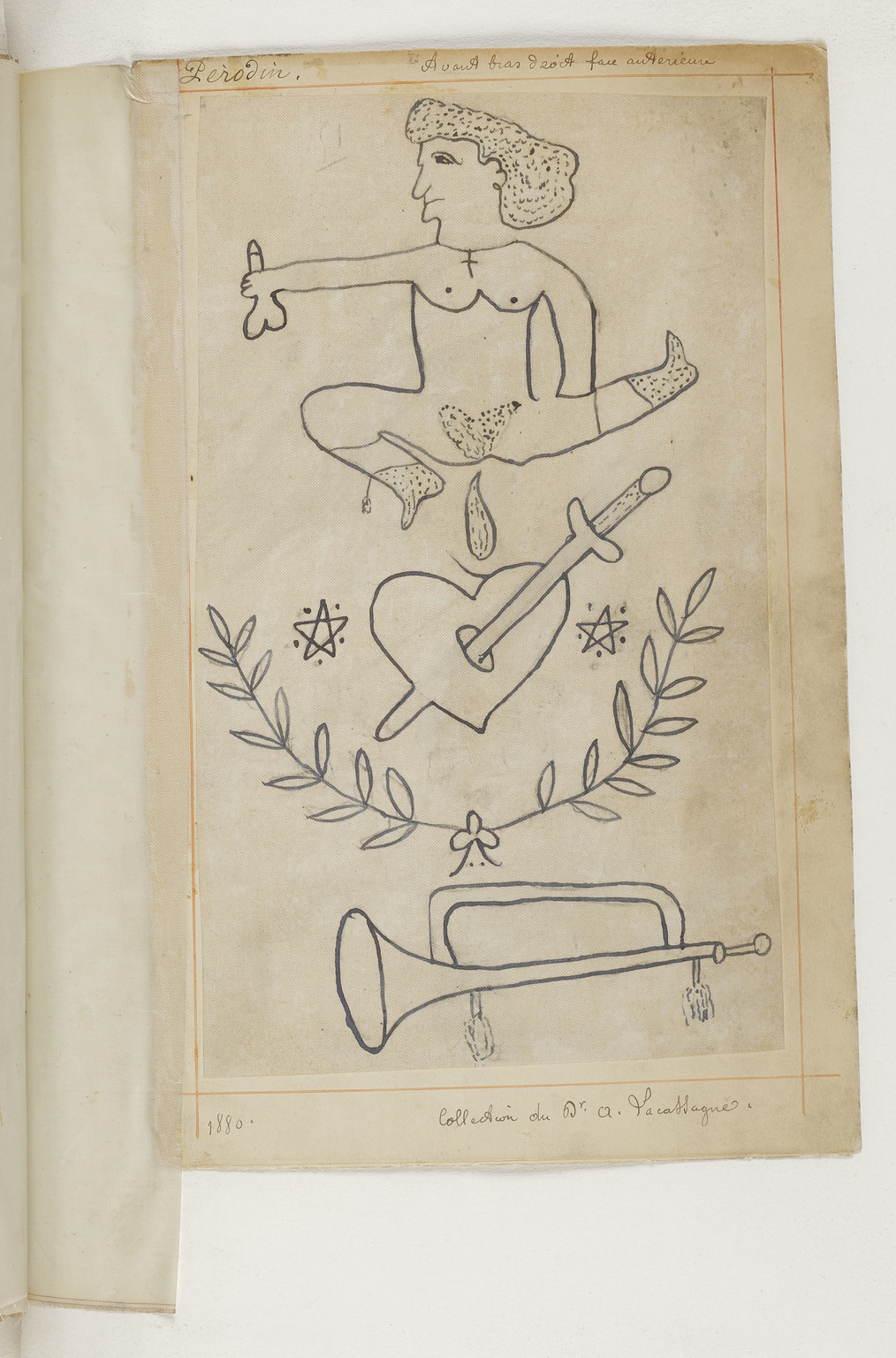
“Le passé m’a trompé, le présent me tourmente, l’avenir m’épouvante (the past has deceived me, the present torments me, the future terrifies me)”
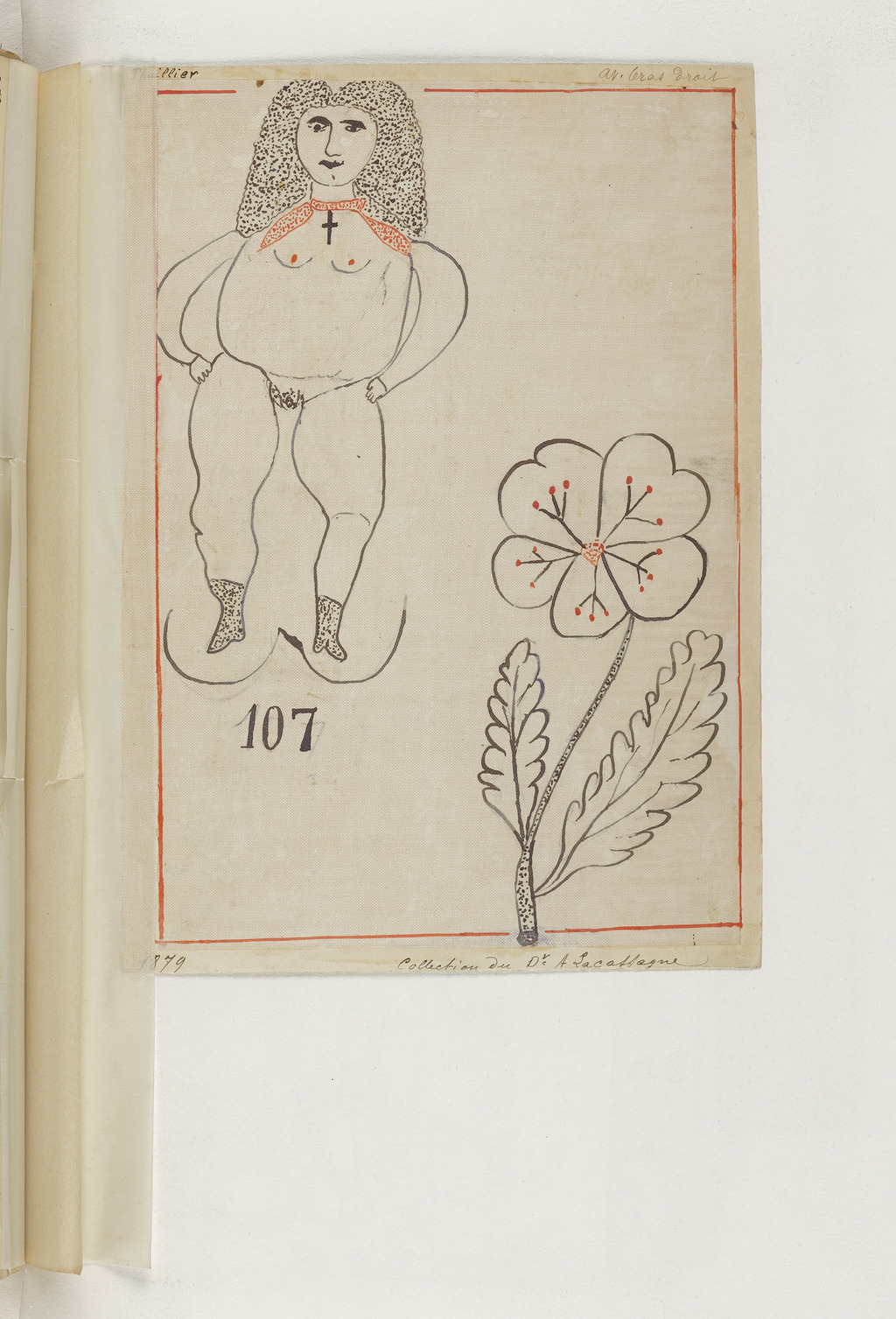
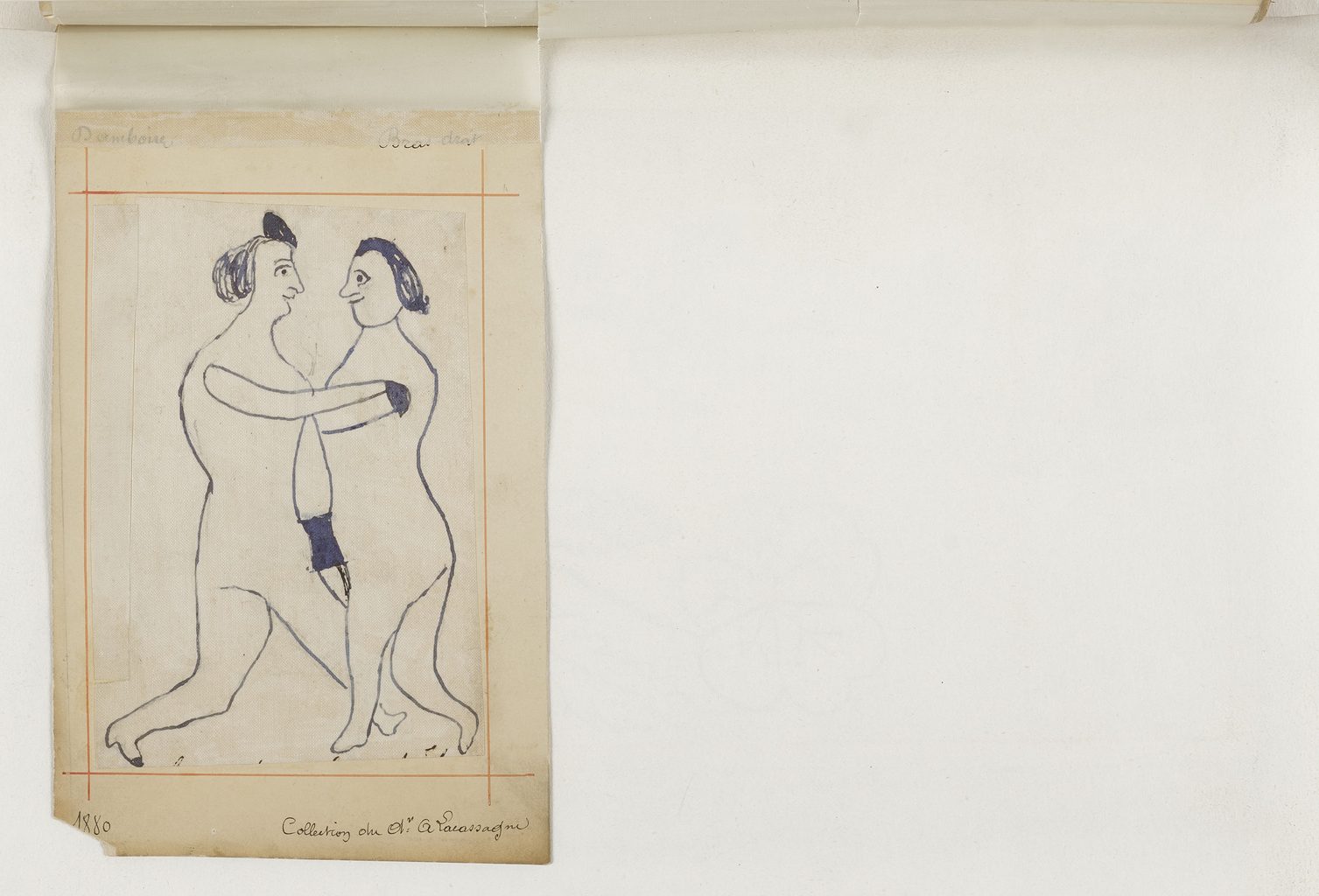
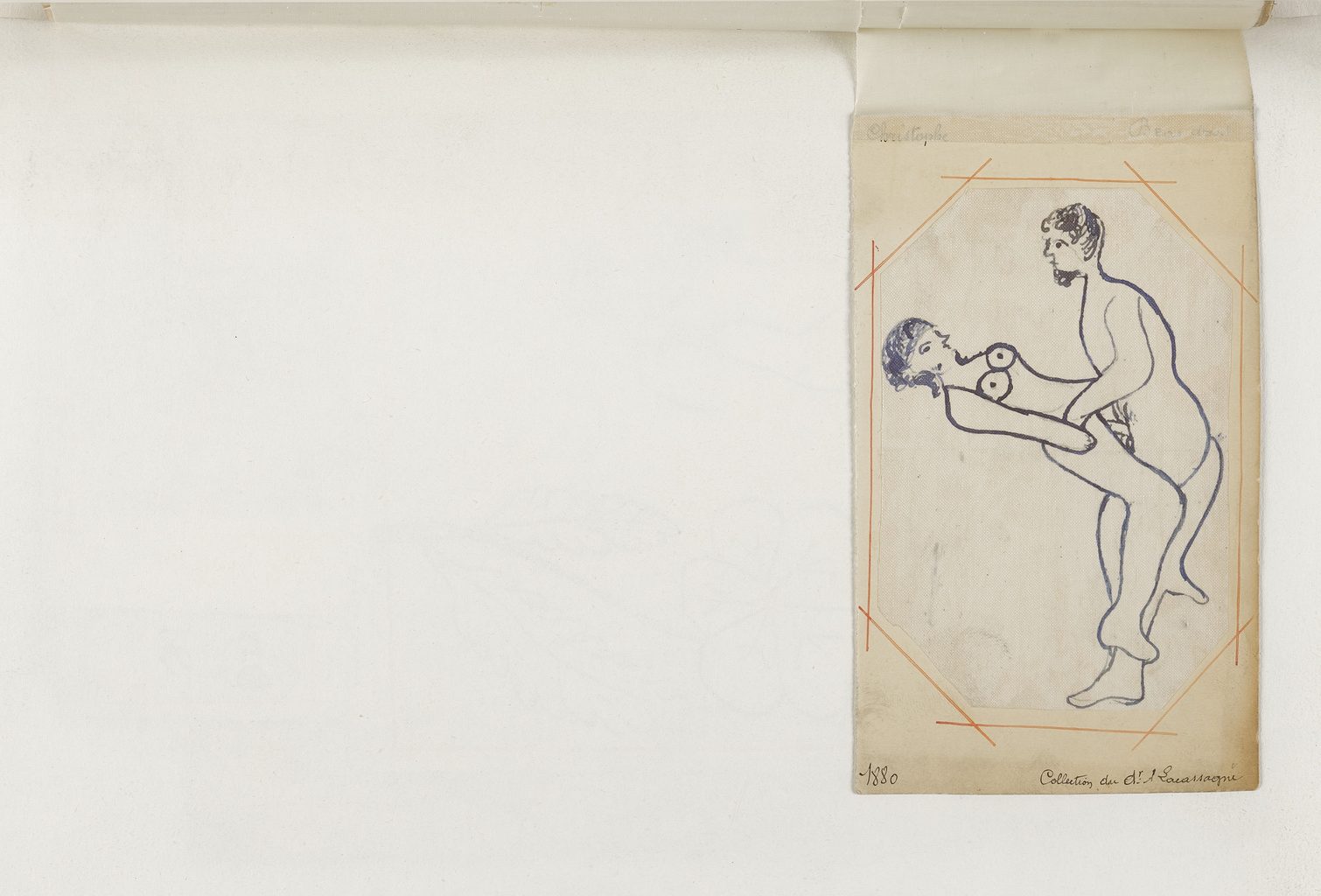
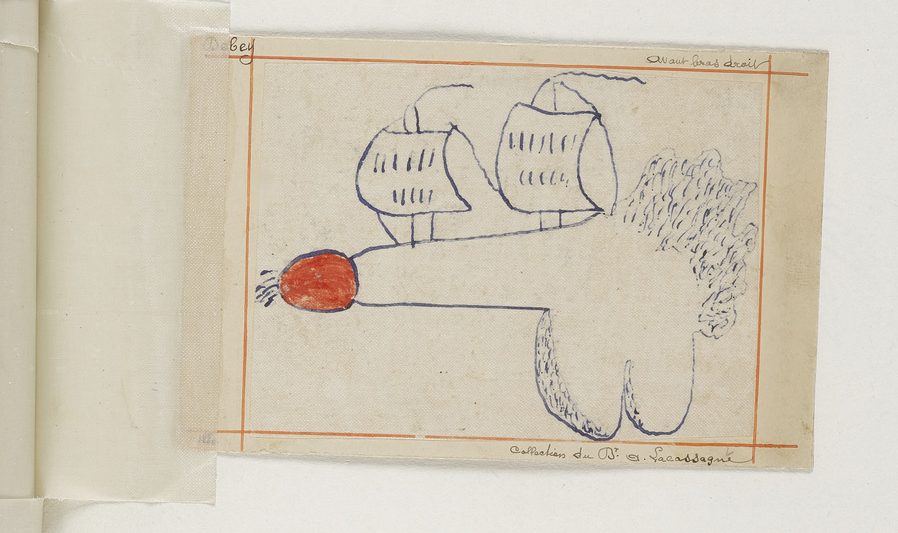
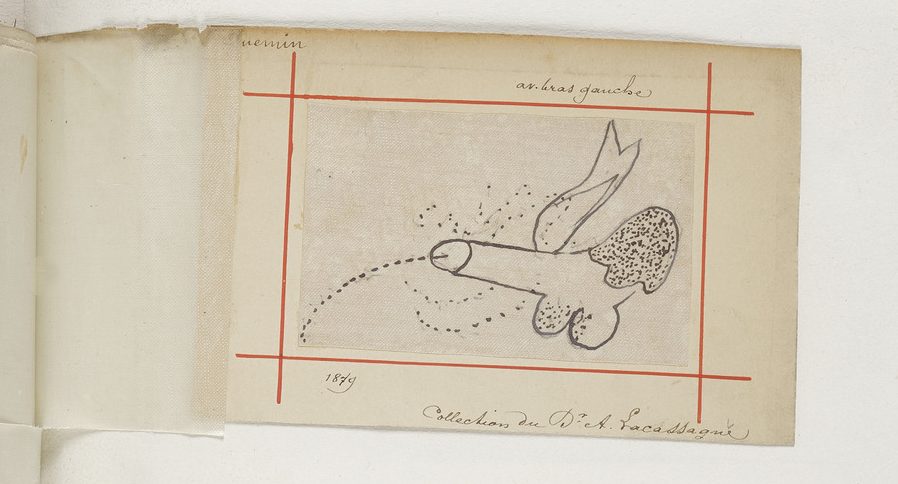
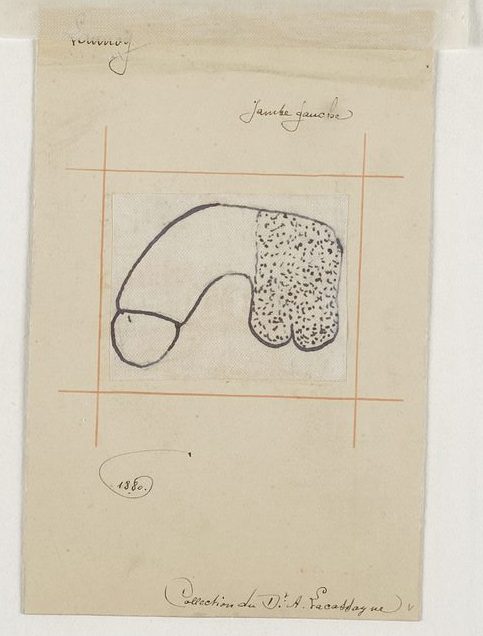
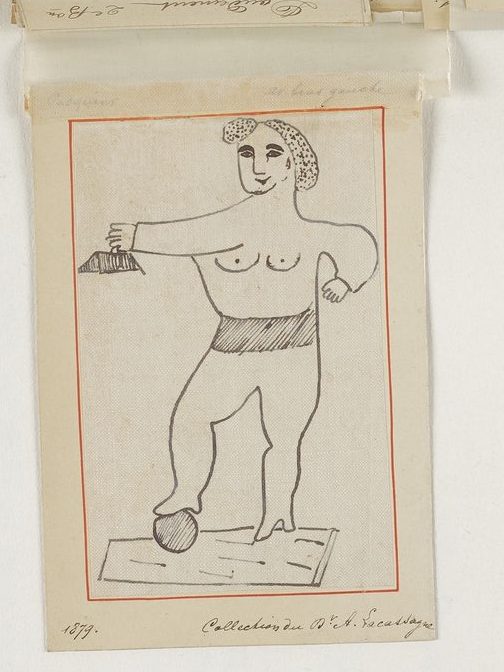
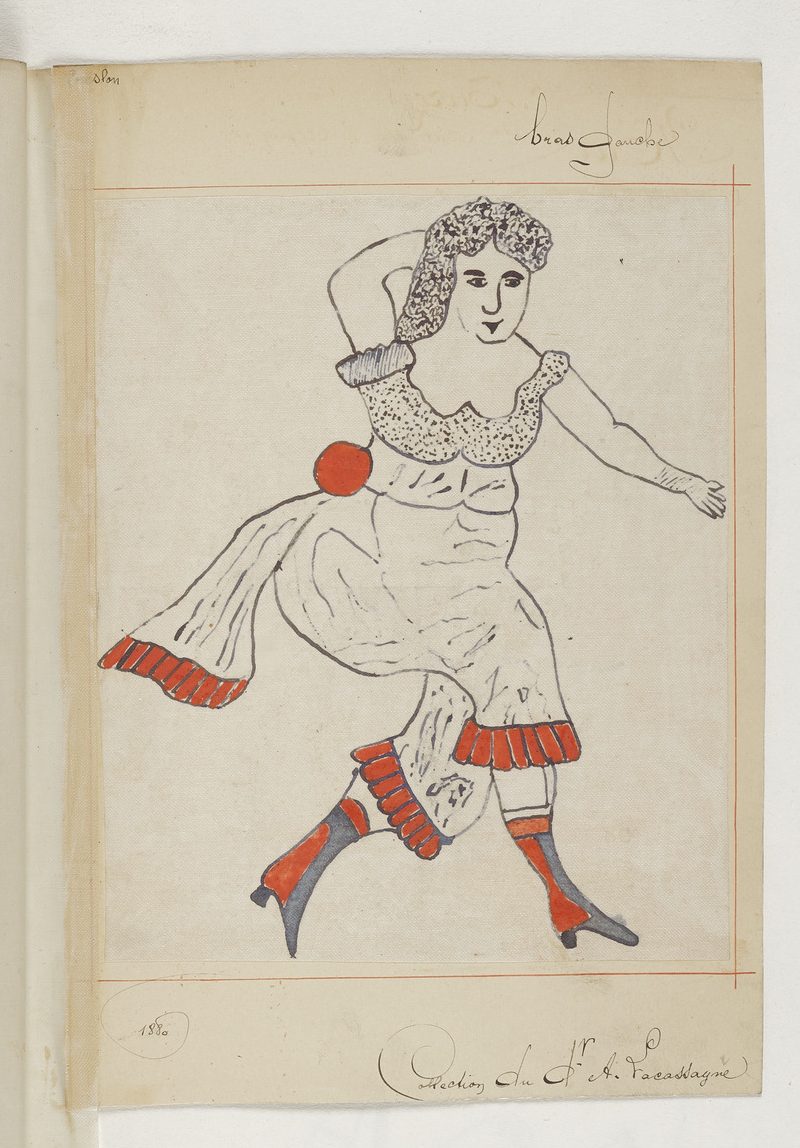
– tattoo from the collection of Dr Alexandre Lacassagne
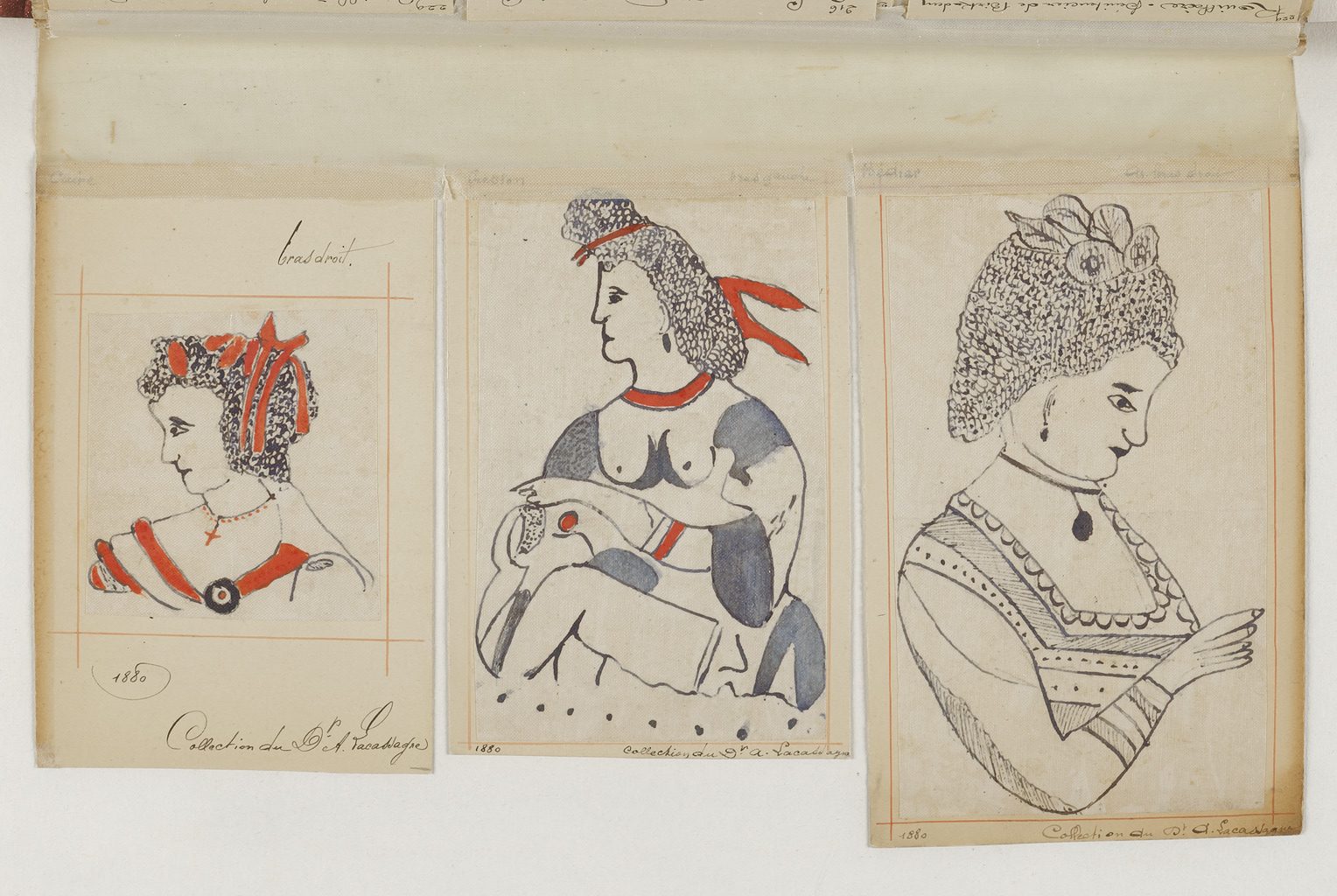
Alexandre Lacassagne (17 August 1843 – 24 September 1924), was a French physician and criminologist who believed criminals were produced by physical anomalies (the shape of your head) and society, wrote a study on Criminality in Animals and kept a catalogue of hundreds of examples of tattoos that honoured everything from military campaigns to fried potatoes.
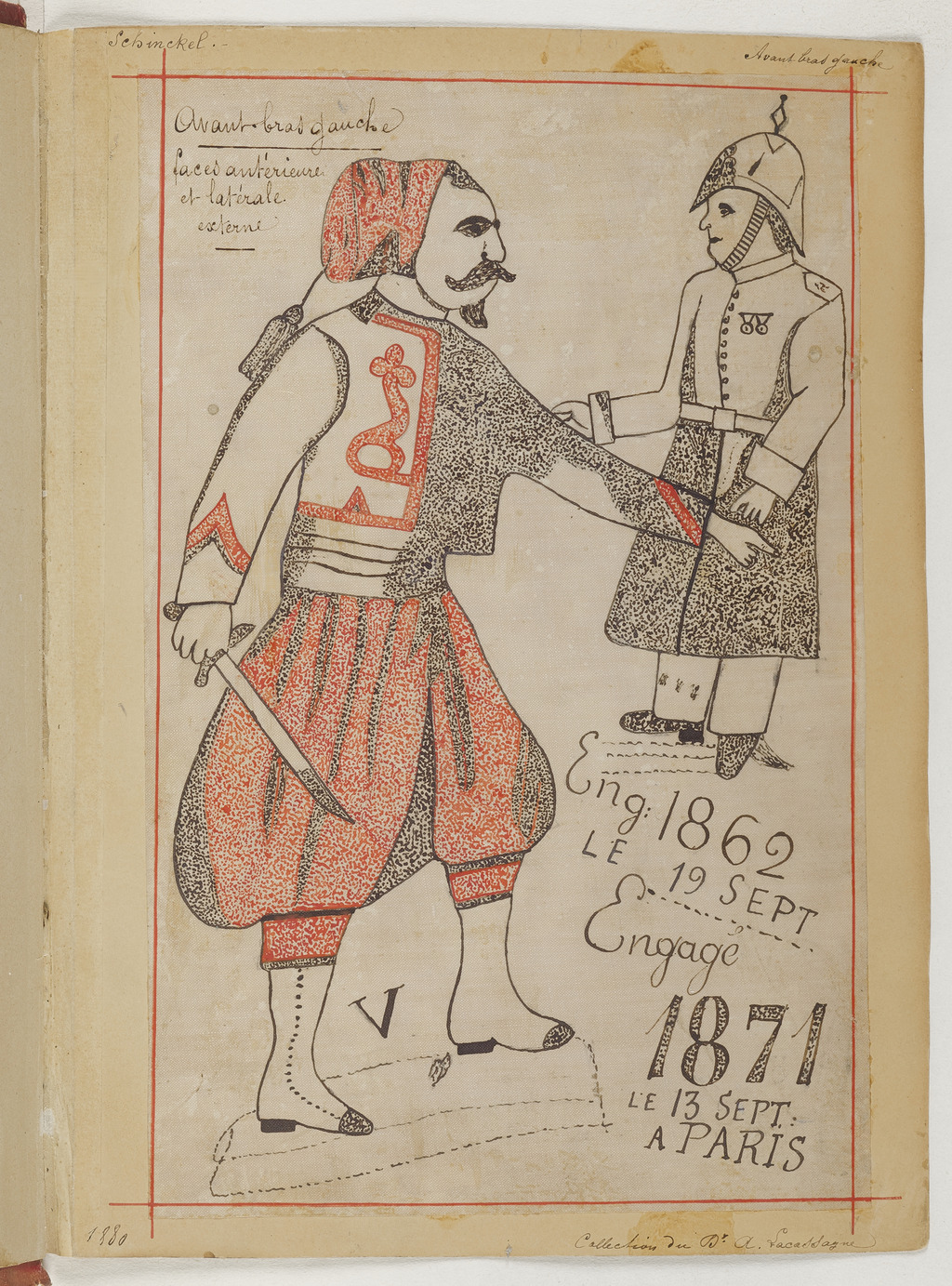
Thieves and prostitutes were forcibly branded with the emblem in 19th century France, the fleur-de-lis. However, many criminals were tattooed voluntarily with the images of their sweethearts, actresses, Virgin Mary, Napoleon Bonaparte, regimental insignias, anchors, Giuseppe Garibaldi and something witty, as one tattoo declares: “vive la France et les pommes de terre frites” (long live France and fried potatoes).
Lacassagne’s in tattoos interest developed during a posting to Algeria, then under French rule, in 1872 as a military doctor. He encountered heavily tattooed soldiers, particularly among battalions composed largely of convicted criminals. As a pioneer of criminal anthropology, Lacassagne believed tattoos could reveal the inner lives of offenders, prompting Lacassagne’s elegant characterisation of tattoos as “speaking scars”.
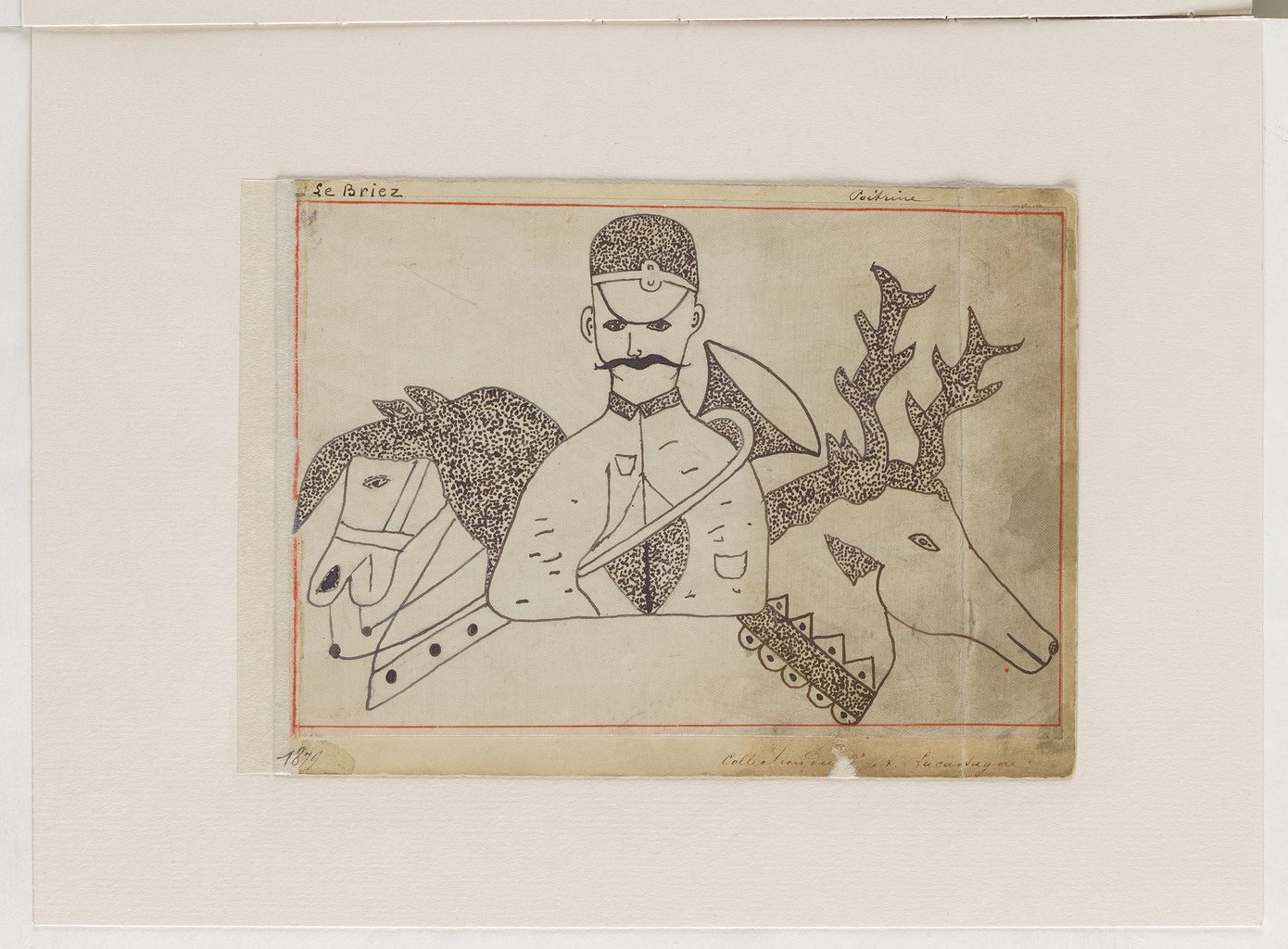

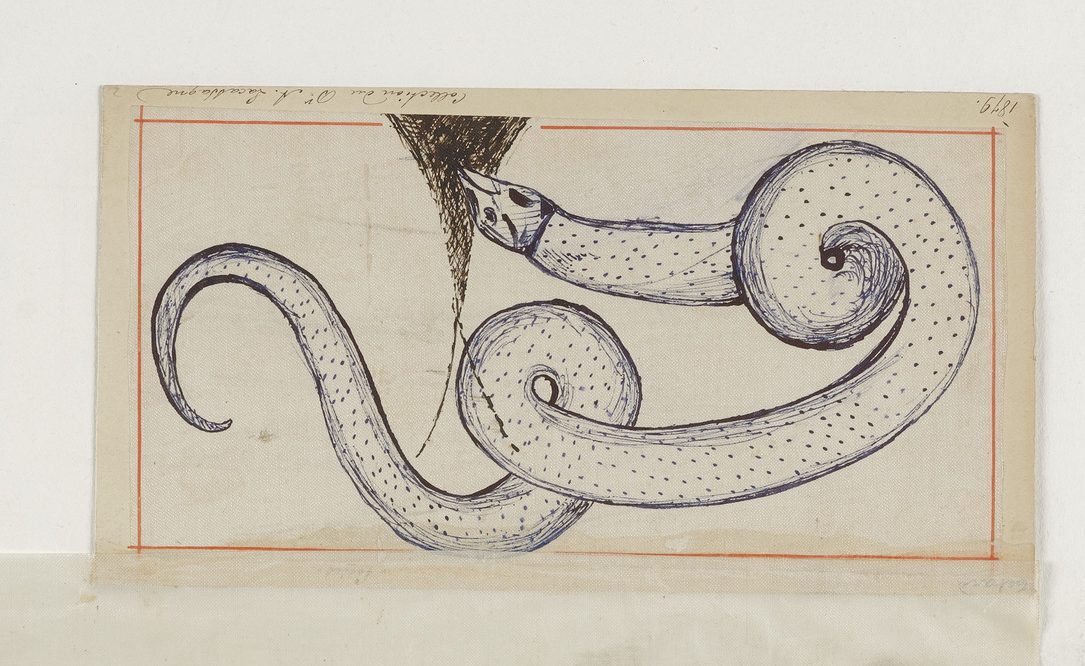
Lacassagne did not collect the marked skin, as other did traced tattoos directly from the skin of convicts on to transparent fabric, later adding colour while remaining faithful to the original designs. Many were reproduced as engraved plates, accompanied by detailed notes about their wearers.
Seven of his notebooks, containing 867 copies of tattoos, have now been restored and digitised by the Bibliothèque Nationale de France, the French national library.
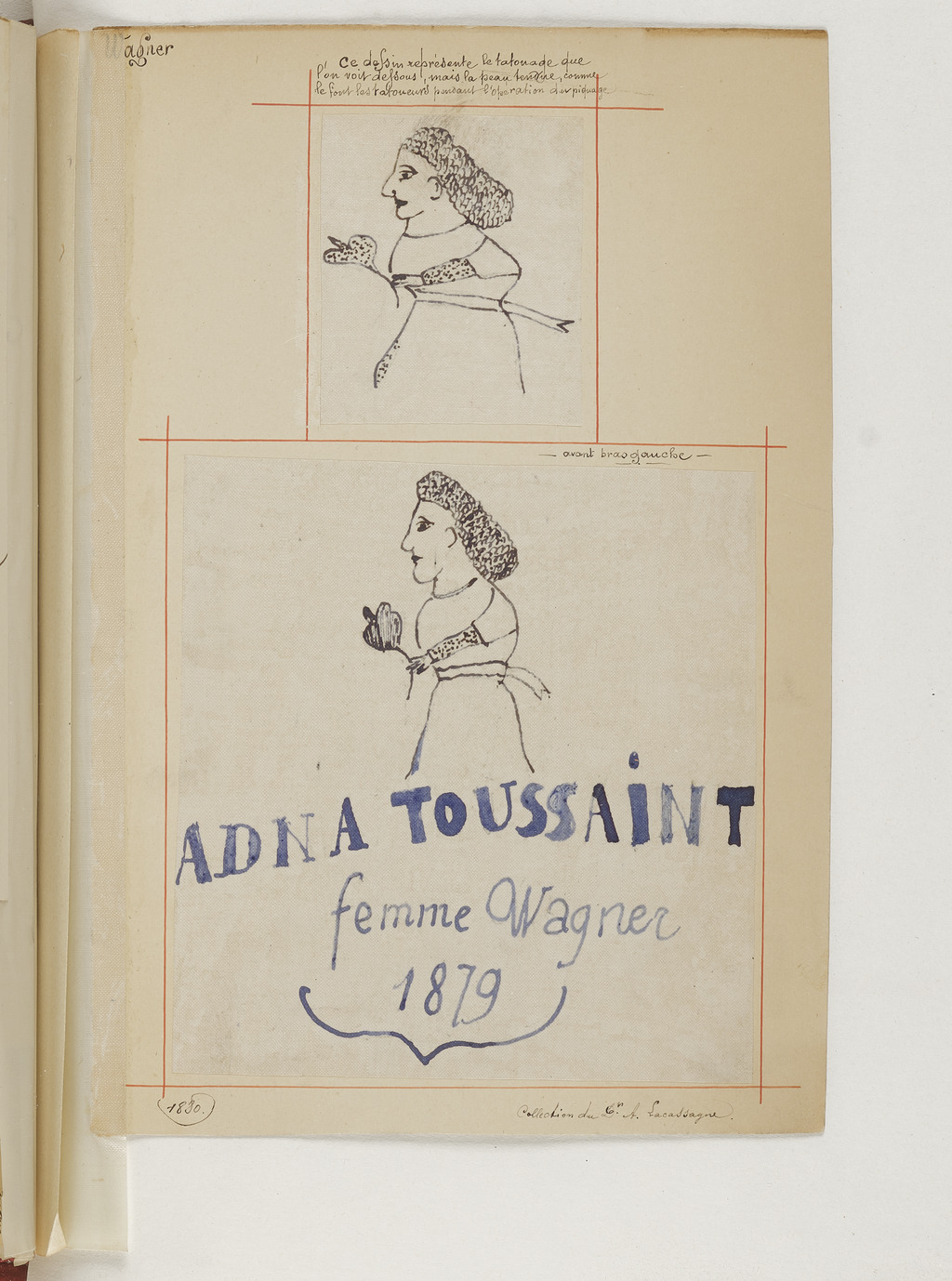
Lacassagne organised tattoos into seven categories: occupational emblems, military emblems, patriotic or religious symbols, inscriptions, love or erotic motifs, metaphors, and historical or imaginary figures.
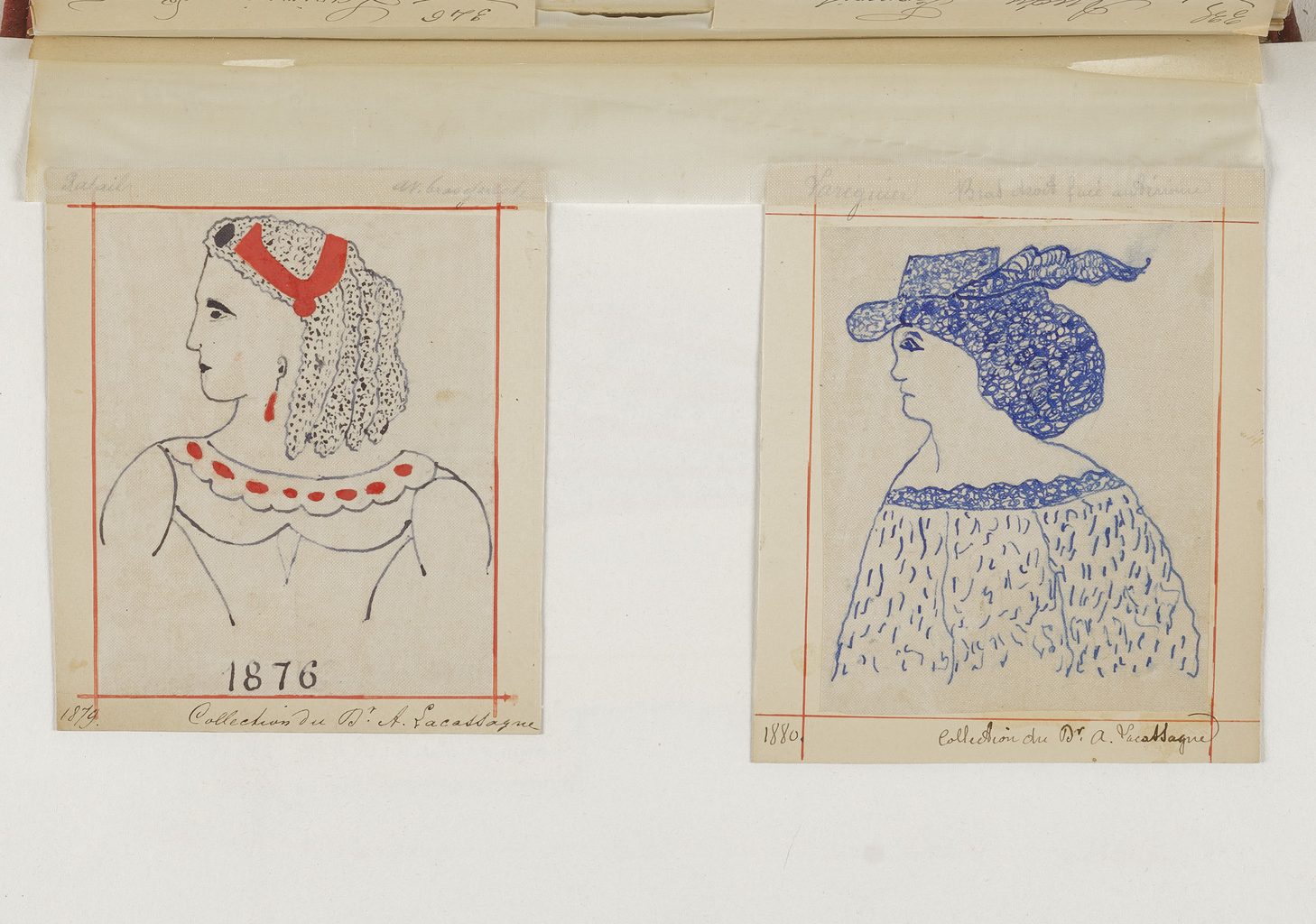

The techniques used to create them were crude by modern standards. Skin was incised with a knife point; pigments were made from ink, soot, or vermilion derived from crushed insects. The process was slow and painful; urine was sometimes used as a disinfectant. The results were often rough, even childlike.
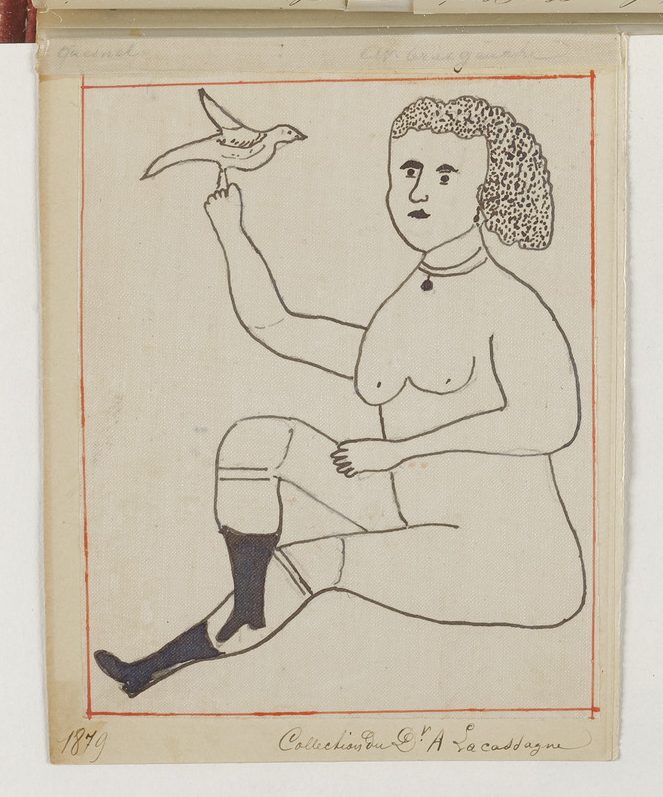
Long thought lost, Lacassagne’s notebooks resurfaced in 2017 when Liliane Daligand, a professor of forensic medicine, revealed they had been gathering dust in the storerooms of Lyon’s medical school. “I didn’t realise what a treasure trove I had been keeping in my cupboards,” she said. “I didn’t know people were looking for them.”
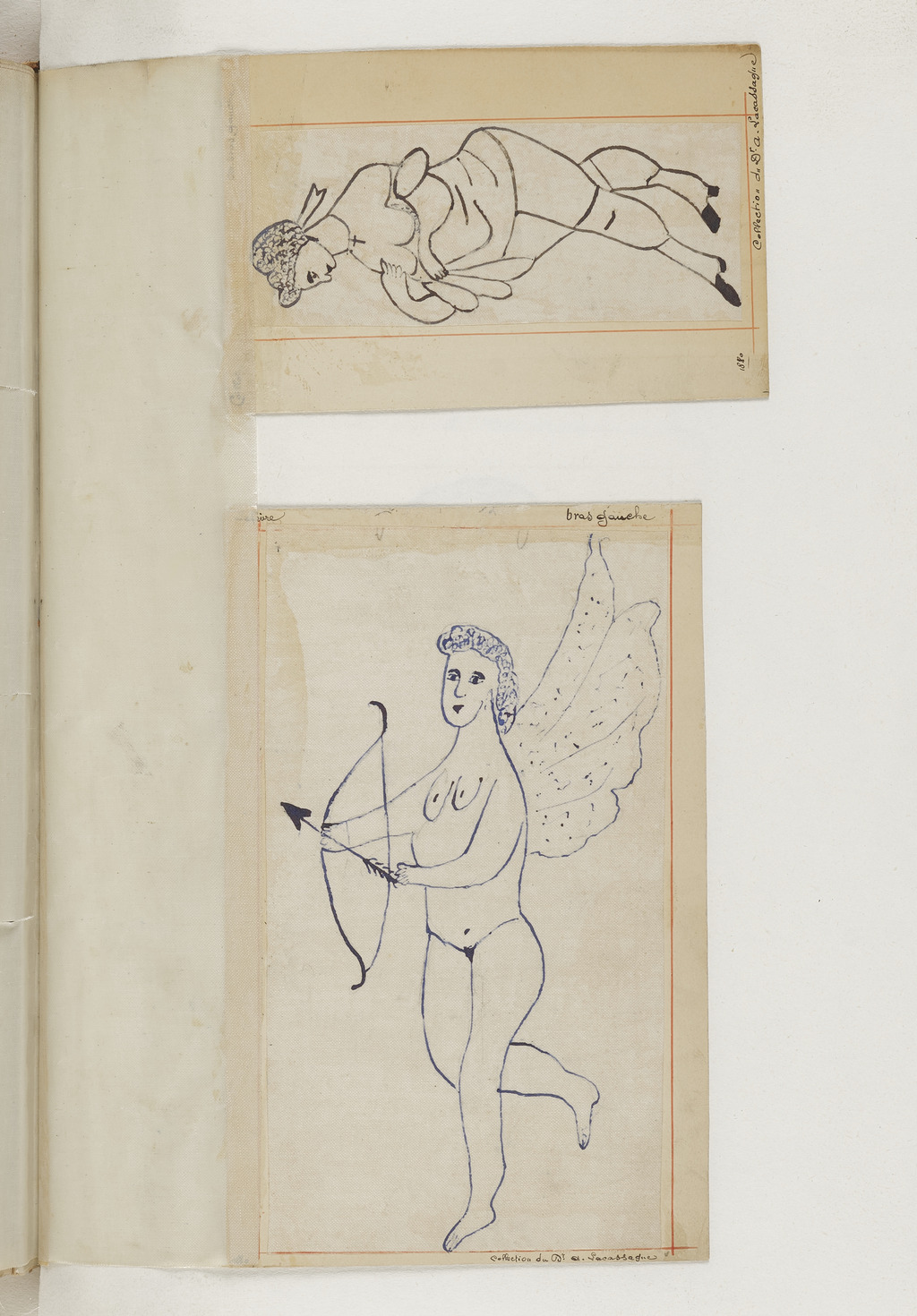
Via: BNF